
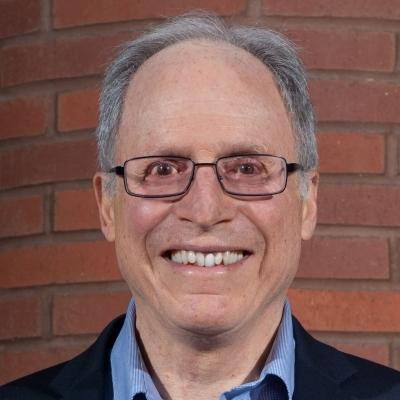
David S. Eisenberg is a Professor of Chemistry and Biochemistry and Biological Chemistry at the University of California, Los Angeles, where he also serves as Director of the UCLA-DOE Institute for Genomics and Proteomics and as an HHMI Investigator. His research focuses on protein interactions, particularly the structural basis for conversion of normal proteins to the amyloid state and conversion of prions to the infectious state. Dr. Eisenberg earned his undergraduate degree in biochemical sciences from Harvard College and his D.Phil. degree in theoretical chemistry from Oxford University on a Rhodes Scholarship. His postdoctoral research was on ice and water with Walter Kauzmann at Princeton and in protein crystallography with Richard Dickerson. He joined the UCLA faculty after his postdoctoral studies. Dr. Eisenberg and his research group focus on protein interactions in amyloid and prion diseases. These diseases involve protein aggregation where normal functional proteins convert to abnormal aggregated forms. Systemic amyloid diseases like dialysis-related amyloidosis result from fiber accumulation until organ failure, while neurodegenerative diseases like Alzheimer's, Parkinson's, ALS, and prion conditions appear to be caused by smaller oligomers. In 2005, his team determined the atomic-level structure for the amyloid fiber spine, revealing a 'steric zipper' of two parallel beta sheets packed across a dry interface. Since then, they've determined approximately 90 amyloid spines from 15 disease-related proteins. In 2010, they identified the structure of a toxic amyloid-related oligomer consisting of six anti-parallel beta strands forming a cylindrical barrel. His recent publications demonstrate continued innovation in amyloid research, with focus areas including structural prediction of amyloid formation, mechanisms of tau fibril disassembly in Alzheimer's disease, cryo-EM analysis of amyloid polymorphism, and structure-based design of inhibitors for amyloid toxicity. His work integrates computational, structural, and biochemical approaches to understand protein aggregation across multiple disease contexts. Dr. Eisenberg has received numerous prestigious awards and honors: National Academy of Sciences Member American Philosophical Society Member Institute of Medicine Member Howard Hughes Medical Institute Investigator Biophysical Society Emily M. Gray Award Harvard Westheimer Medal UCLA Seaborg Medal Technion - Israel Institute of Technology Harvey Prize in Human Health As Director of the UCLA-DOE Institute for Genomics and Proteomics and an HHMI Investigator, Dr. Eisenberg leads significant research initiatives in protein structure and aggregation. His laboratory combines X-ray crystallography, bioinformatics, and biochemical techniques to investigate protein interactions, with particular emphasis on amyloid-forming proteins and their role in disease. The Eisenberg Lab, located in Boyer Hall at UCLA, maintains an active research program investigating the structural basis of protein aggregation. The lab continues to build on its landmark discoveries of amyloid structures while exploring new frontiers in understanding protein misfolding diseases and developing potential therapeutic interventions.
جستجوی استاد راهنمای دانشگاهی
برای مسیر پژوهشیتان، استاد راهنما، استاد دانشگاه و پژوهشگر مناسب را پیدا کنید و با آنها ارتباط بگیرید.
نمایش ۱-۱۵ از ۲۴۷ استاد راهنما
اطلاعات پروفایلها از صفحات عمومی دانشگاهها گرفته شده و ممکن است بهروز نباشد.

Jerelle A. Josephمشاهده پروفایل
استادیار
Jerelle A. Joseph is an Assistant Professor at Princeton University , affiliated with the Department of Chemical and Biological Engineering and the Omenn-Darling Bioengineering Institute . They also hold associated faculty roles in the Department of Chemistry , Andlinger Center for Energy and the Environment , Princeton Institute for Computational Science and Engineering , and the Biophysics Graduate Program . Research Interests : The Joseph Group investigates the physicochemical principles governing biomolecular condensate formation, dissolution, and misregulation . Their work focuses on phase separation mechanisms , computational modeling of protein-RNA interactions , and engineering condensates for biomedical and sustainability applications , including therapeutic targeting of neurodegenerative diseases and design of synthetic microreactors . Scientific Awards : NIGMS MIRA (R35) Award (2024) Biophysical Society Award Lecture (2024) Chan Zuckerberg Initiative Investigator (2023) Postdoctoral Award, Biophysical Society IDP Subgroup (2022) Rising Star in Soft and Biological Matter (University of Chicago, 2020) Advising : Dr. Joseph advises graduate students including Ananya Chakravarti , Dominic Curtis , and Pablo Garcia . The group develops chemically-specific coarse-grained models using molecular dynamics , Monte Carlo sampling , and machine learning to study condensate microstructure , aging dynamics , and surface electrostatics .

James Shorter is a Professor of Biochemistry and Biophysics at the Perelman School of Medicine, University of Pennsylvania. He is affiliated with multiple prestigious institutes, including the Institute on Aging (IOA), the Institute for Translational Medicine and Therapeutics (ITMAT), the Penn Center for AIDS Research (CFAR), the Chemistry-Biology Interface (CBI), and the Penn Institute for RNA Innovation. He mentors several training programs such as the Penn Summer Undergraduate Internship Program (SUIP), PennPREP, and the Translational Research Immersion Program (TRIP), and serves as a Primary Trainer at the Center for Neurodegenerative Research (CNDR). Ph.D. in Cell Biology, University of London, 2000 M.A. in Biology, University of Oxford, 1995 Dr. Shorter’s research focuses on protein homeostasis, particularly the mechanisms of protein disaggregation and the role of prion-like domains in neurodegenerative diseases such as ALS, Alzheimer’s, Parkinson’s, and frontotemporal lobar degeneration. His lab investigates the Hsp104 disaggregase from yeast and has engineered variants to combat human proteinopathies. They also identified the mammalian disaggregase system (Hsp110/Hsp70/Hsp40) and explore how small molecules and nuclear import receptors can reverse pathological phase transitions of RNA-binding proteins like TDP-43 and FUS. His work bridges structural biology, genetics, and translational neuroscience. His recent publications highlight trends in targeting TDP-43 and FUS proteinopathies, engineering Hsp104 for selective detoxification, understanding mitochondrial disaggregases like Skd3, and modulating phase transitions with nuclear import receptors. His research spans from fundamental mechanisms of protein folding to therapeutic development for neurodegenerative diseases. Faculty Member, Institute on Aging (IOA) Faculty Member, Institute for Translational Medicine and Therapeutics (ITMAT) Mentor, Penn Summer Undergraduate Internship Program (SUIP) Primary Trainer, Center for Neurodegenerative Research (CNDR) Faculty Member, Penn Center for AIDS Research (CFAR) Member, Penn Institute for RNA Innovation Mentor, Translational Research Immersion Program (TRIP) Dr. Shorter advises numerous graduate students and postdoctoral researchers through the Biochemistry and Molecular Biophysics, Pharmacology, Neuroscience, and Cell and Molecular Biology graduate groups. His lab receives funding from NIH and other sources to support research on protein disaggregation, phase separation, and neurodegenerative disease mechanisms. He has trained many scientists now active in academia and biotech. His lab, located in Stellar-Chance Laboratories, operates at the intersection of biochemistry, cell biology, and translational medicine, with active projects on Hsp104 engineering, mitochondrial proteostasis, and the role of RNA-binding proteins in disease. The lab collaborates widely across Penn and with international partners to advance understanding and treatment of protein misfolding disorders.
Hideyuki Takahashi is an Associate Research Scientist in the Department of Neuroscience at Yale University School of Medicine. He holds a PhD from Waseda University (2005) and has established himself as a prominent researcher in neurodegenerative diseases, particularly focusing on lysosomal biology and protein aggregation mechanisms. Dr. Takahashi's research primarily investigates the role of progranulin, TMEM106B, and other molecular players in neurodegenerative conditions including Alzheimer's disease, frontotemporal dementia, and tauopathies. His work spans multiple approaches from molecular and cellular neuroscience to animal models of disease. His recent publications demonstrate a strong focus on lysosomal dysfunction in neurodegeneration, with particular attention to how TMEM106B interacts with other proteins to influence disease progression. The research trends show increasing emphasis on therapeutic interventions targeting specific molecular pathways involved in protein aggregation and synaptic loss. ORCID: 0009-0004-4969-977X Dr. Takahashi maintains active collaborations with several leading researchers at Yale, most notably with Stephen Strittmatter (with whom he has 16 common publications), as well as Anita Huttner, Anthony Koleske, and Le Zhang. His research program appears well-integrated within Yale's neuroscience community, contributing significantly to our understanding of neurodegenerative disease mechanisms.
Dr. Richard Y. Zhao is a tenured Professor in the Department of Pathology and Microbiology-Immunology at the University of Maryland School of Medicine. His research combines molecular biology, fission yeast genetics, mammalian biology, and virology to study virus-host interactions, particularly for HIV and Zika virus. He previously held academic positions at Northwestern University and Columbia University and has contributed to over 120 peer-reviewed articles. B.S., China Oceanography University (1981) M.S., Oregon State University (1995) Ph.D., Oregon State University (1991) Postdoctoral Training, Columbia University (1991-1992) Dr. Zhao's research focuses on: Virus-host interactions and pathogenicity High-throughput drug screening for antivirals Role of viral proteins in neuroinflammation and cancer Translational genomics in precision medicine His recent publications highlight SARS-CoV-2 ORF3a, Zika envelope proteins, and HIV protease inhibitors, emphasizing host-pathogen mechanisms across species. He has served on NIH panels and editorial boards for journals like Cell Research and Retrovirology . Scientific awards include: Fellow, American Academy of Microbiology (2019) Bernard L Mirkin Endowed Chair (2001-2004) Honorary Director, Shandong Gallo Institute (2009) Distinguished Service from SCBA (2015) Outstanding Service from CBA-USA (2016) Dr. Zhao also contributes to clinical diagnostics and personalized medicine through molecular testing and pharmacogenetics programs.
Catherine E. Costello is the William Fairfield Warren Distinguished Professor and Director of the Center for Biomedical Mass Spectrometry Education at Boston University School of Medicine. She holds a PhD and MS from Georgetown University. Her research focuses on biopolymer structural studies and mass spectrometry method development, particularly in glycobiology. Her lab is an NIH-funded Resource Center advancing glycan characterization and structural analysis. Key research interests include carbohydrate conjugate analysis, glycoproteomics, and applications in disease mechanisms like cancer, infection, and immune response. Collaborations span institutions globally, addressing complex biomolecules and their roles in health and disease. Recent publications highlight advancements in glycoproteomic characterization, ion mobility spectrometry, and glycan identification. Awards include the distinguished professor title. Lab members include postdoctoral associates, research staff, and visiting scientists from institutions like MGH and Nutricia Research.
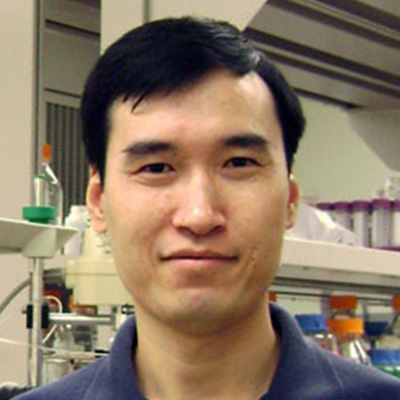
Zhefeng Guoمشاهده پروفایل
دانشیار
Zhefeng Guo is an Associate Professor in the Department of Neurology at UCLA School of Medicine, specializing in structural biology and biochemistry of amyloid-related neurodegenerative diseases. His research focuses on understanding the structural mechanisms of amyloid fibril formation in Alzheimer's, Parkinson's, and prion diseases. Structural characterization of amyloid fibrils Development of EPR methods for protein dynamics Investigation of aggregation mechanisms and diagnostics The Guo Lab employs advanced techniques like electron paramagnetic resonance (EPR), X-ray crystallography, and protein engineering to elucidate amyloid structures and their pathological transitions. Recent work explores conformational ensembles, fibril polymorphism, and membrane interactions affecting aggregation. Key research trends include amyloid structural heterogeneity, oligomer-fibril dynamics, and molecular mechanisms of neurotoxic aggregates. The lab actively investigates therapeutic strategies targeting amyloid formation through compounds like EGCG.
Sang-Hyun Oh is Distinguished McKnight University Professor and Sanford P. Bordeau Chair in Electrical and Computer Engineering at University of Minnesota. His research develops nano-optical tools for biomedical applications, specializing in plasmonic biosensors, nanophotonic devices, and optical manipulation techniques. Key innovations include nanofluidic platforms for single-molecule analysis, high-Q metasurfaces for vibrational spectroscopy, and waveguide-integrated optical tweezers. Recent projects focus on diagnostic technologies such as Nano-QuIC for Parkinson's detection and computational design of upconversion materials. His laboratory advances nanofabrication methods including template stripping and atomic-layer lithography to create plasmonic nanostructures with atomic-scale precision. Collaborative projects bridge photonics, neuroscience, and clinical medicine to develop next-generation biosensors.
- Nanophotonics
- Plasmonics
- Biosensing
- +۲ مورد دیگر

Jonathan Weissman is a Professor of Biology at the Massachusetts Institute of Technology (MIT) and a Member of the Whitehead Institute. He is also an Investigator of the Howard Hughes Medical Institute and the Landon T. Clay Professor of Biology. His research spans protein folding mechanisms, ribosome profiling, CRISPR-based tools (CRISPRi/a), and genetic interaction mapping. Whitehead Institute Member MIT Professor HHMI Investigator Co-founder, Maze Therapeutics & KSQ Therapeutics Research Interests focus on: Protein folding in cellular contexts Endoplasmic reticulum (ER) function and stress responses Genome-wide CRISPR screening for gene regulation High-density genetic interaction maps in mammals Mitochondrial protein targeting and quality control Epigenomic engineering with synthetic tools Scientific Awards include: Protein Society Irving Sigal Young Investigator Award (2004) Raymond & Beverly Sackler Prize (2008) National Academy of Sciences election (2009) NAS Award for Scientific Discovery (2015) Genetics Society of America Ira Herskowitz Award (2020) Labs & Collaborations : Leads the Weissman Lab at MIT/Whitehead Institute, co-leads the Laboratory for Genomic Research with GlaxoSmithKline, and chairs the Stowers Institute Scientific Advisory Board.
- Protein Folding
- Systems Biology
- Genomics
- +۶ مورد دیگر
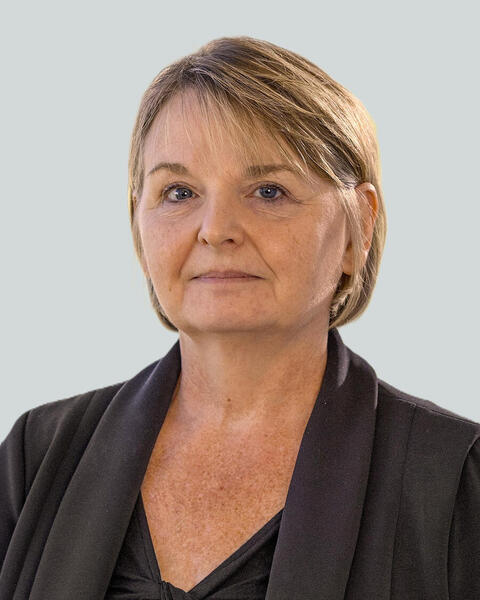
Pam J. McLean, Ph.D. is a Professor of Neuroscience and Consultant in the Department of Neuroscience at Mayo Clinic, Jacksonville, Florida . She leads the Neurobiology of Parkinson's Disease and Related Disorders Laboratory , focusing on the molecular mechanisms of neurodegenerative diseases such as Parkinson’s disease and dementia with Lewy bodies. Primary Appointment: Consultant, Department of Neuroscience Institution: Mayo Clinic, Jacksonville, FL Research Affiliations: APDA Center for Advanced Research, Center for Clinical and Translational Science (CCaTS), Discovery and Translation Labs: Brain Research, Lewy Body Dementia Center Without Walls Dr. McLean’s research centers on alpha-synuclein , a key protein involved in neurodegeneration. Her lab investigates how alpha-synuclein misfolds, aggregates, and propagates in a prion-like manner across neurons, contributing to disease progression. She employs human induced pluripotent stem cell models, viral vector-based systems, and animal models to study these processes. Key research themes include: Prion-like propagation of alpha-synuclein Biomarker discovery using extracellular vesicles in blood Copathologies in neurodegenerative diseases Development of gene therapies and small molecules targeting alpha-synuclein Her recent publications highlight work on alpha-synuclein seeding assays, transcriptional differences between Lewy body disease and Alzheimer’s, and novel methods for isolating plasma-derived extracellular vesicles for diagnostic use. These reflect a strong trend toward translational neuroscience, aiming to bridge molecular insights with clinical applications. Dr. McLean is actively funded through multiple NIH grants, including from the National Institute on Aging and the National Institute of Neurological Disorders and Stroke. She serves as Principal Investigator on projects related to functional assessment of pathological species in Lewy body dementia and contributes to the Mayo Alzheimer’s Disease Research Center. Her lab is committed to patient-centered research and training the next generation of neuroscientists, offering postdoctoral fellowships and research education programs. She collaborates extensively with experts in neuropathology, neurology, and translational biology.

Marc Diamond, M.D. , is a Professor of Neurology and Neuroscience at UT Southwestern Medical Center. He previously served as the David Clayson Professor of Neurology at Washington University in St. Louis (2009-2014) and held faculty positions at UCSF (2002-2009). As founding director of the Center for Alzheimer's and Neurodegenerative Diseases (CAND), he leads a multidisciplinary team investigating protein aggregation mechanisms in neurodegenerative diseases. Education: M.D. from UCSF (1993), history degree from Princeton Key Contributions: Discovered cell-to-cell propagation of tau protein aggregates, linking Alzheimer's to prion biology His research focuses on tauopathies , prion-like protein propagation , and translational therapeutics . He has developed methods for detecting proteopathic seeding activity now used globally, holds multiple patents, and invented a monoclonal antibody in clinical trials for Alzheimer's therapy. His work has profoundly impacted understanding of neurodegenerative disease progression and therapeutic strategies. Laboratory: The Diamond Lab trains postdocs, graduate students, and staff in multidisciplinary approaches to neurodegeneration, emphasizing cellular models and molecular mechanisms of protein aggregation.

Enrico Opriمشاهده پروفایل
استادیار
Dr. Enrico Opri is an Assistant Professor in the Department of Biomedical Engineering at the University of Michigan , where he directs the Opri Lab. His research focuses on engineering novel methodologies to automate and enhance clinical procedures in neuromodulation for neurological disorders such as Parkinson’s, Tourette syndrome, essential tremor, and epilepsy. Research Focus Neurophysiological activity in basal ganglia-thalamocortical circuits Therapeutic effects of neuromodulation (e.g., Deep Brain Stimulation, cortical stimulation mapping) Identification of neurological biomarkers for improved clinical procedures Advancements in closed-loop neurostimulation systems Article Trends Dr. Opri's recent publications emphasize closed-loop deep brain stimulation (DBS) systems, computational modeling of neural activity, and the identification of biomarkers for neurological disorders. Key subfields include Parkinson’s disease motor dynamics, Tourette syndrome tic detection, essential tremor treatment, and cortico-thalamic coupling mechanisms. His work bridges biomedical engineering and clinical neuroscience, focusing on translating technological innovations into therapeutic applications.
Alejandro Bandaمشاهده پروفایل
استاد بالینی
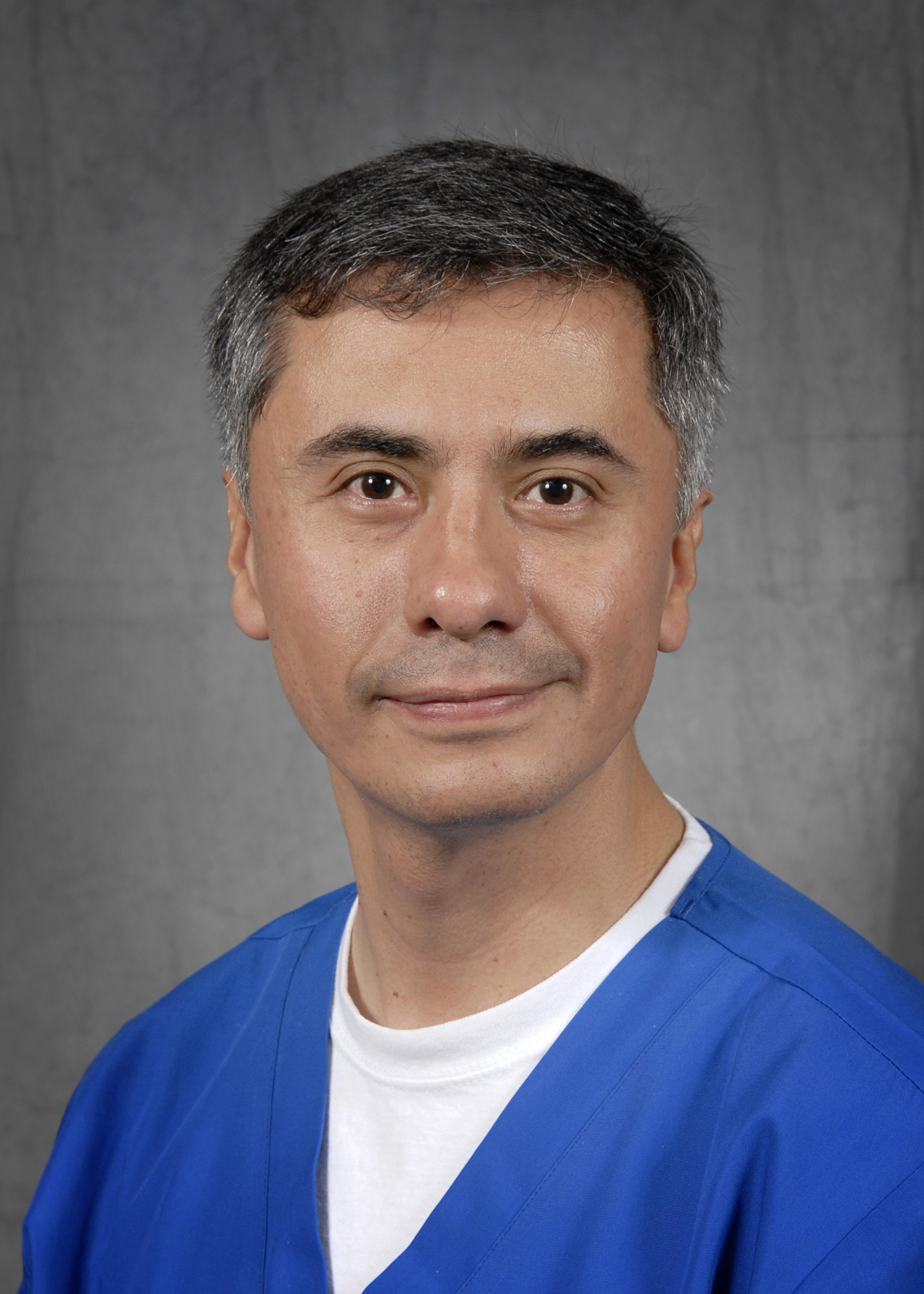
Dr. Alejandro Banda serves as Clinical Professor in the Department of Pathobiology and Population Medicine at Mississippi State University's College of Veterinary Medicine, while concurrently holding the position of Executive Director for the MSU Veterinary Research and Diagnostic Laboratory (MVRDLS). He leads the poultry and mammalian virology laboratories and oversees the vivarium operations, directing critical diagnostic and research functions. His educational foundation includes: Ph.D. in Medical Microbiology from the University of Georgia (2002) D.V.M. from the National Autonomous University of Mexico (1998) M.S. in Veterinary Medicine from the National Autonomous University of Mexico (1996) Dr. Banda's research centers on veterinary virology with specialized expertise in poultry disease diagnostics and wildlife pathogen surveillance . His work bridges laboratory science with field applications, particularly in chronic wasting disease (CWD) ecology and avian influenza epidemiology. He employs advanced genomic techniques like iSeq100 and MinION sequencing for pathogen characterization, focusing on practical solutions for agricultural and wildlife health challenges. His investigations frequently address immunosuppressive diseases in poultry production systems and novel disease transmission pathways in wild species. Recent publications demonstrate a clear trajectory toward environmental disease surveillance methodologies, particularly leveraging natural animal behaviors for non-invasive CWD monitoring in deer populations. His work simultaneously addresses critical poultry health issues including neurologic diseases in commercial flocks and parasitic infections in exotic avian species, reflecting dual expertise in domestic animal medicine and wildlife disease ecology. Dr. Banda actively directs laboratory operations at MVRDLS, managing the poultry virology section, mammalian virology laboratory, and vivarium facilities. His leadership integrates diagnostic services with research initiatives focused on emerging pathogens affecting both agricultural and wildlife populations in Mississippi and beyond.
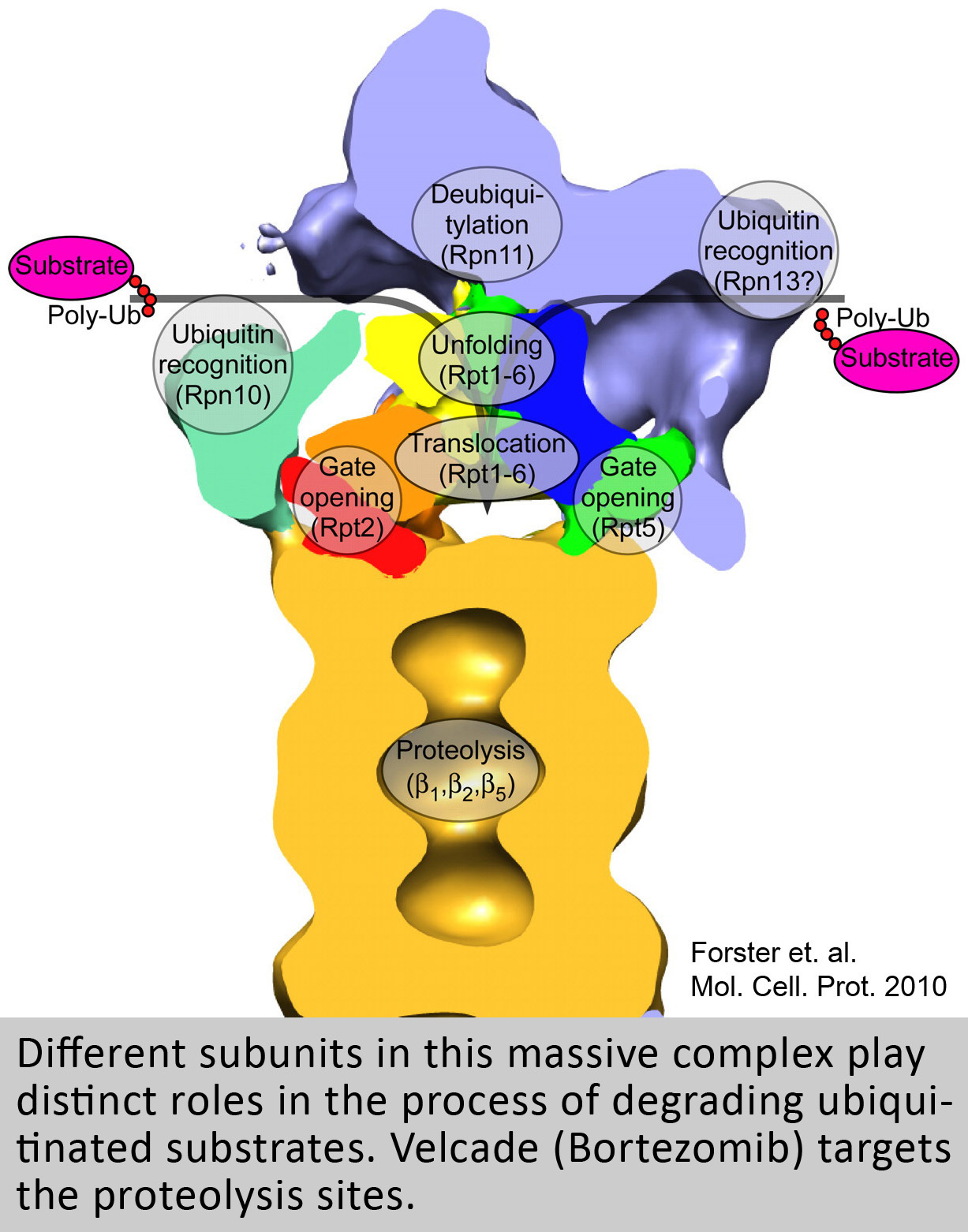
David M. Smith is a Professor at the West Virginia University School of Medicine , holding dual appointments in the Biochemistry and Molecular Medicine and Neuroscience departments. He is also a member of the WVU Cancer Institute and affiliated with the Rockefeller Neuroscience Institute . PhD from the University of South Florida School of Medicine Postdoctoral training at Harvard Medical School Research Focus : Molecular mechanisms of proteasome function, including substrate recognition, unfolding, and degradation. His work bridges fundamental enzymology with translational applications in cancer therapy and neurodegenerative diseases like Alzheimer's and Parkinson's. Key Article Trends : Recent publications emphasize proteasome activation mechanisms , neurodegenerative disease models , and structural insights into ATPase function . Grants : NIH R01 GM107129 (Mechanisms regulating proteasomal degradation), NIH R01 AG064188 (Proteasome function in Alzheimer's), and collaborations on projects like Protein-unfolding chaperones for blindness treatment . Lab Personnel : Includes graduate students Thomas Bradley, David Salcedo-Tacuma, Giovanni Howells, and Md Qamrul Islam, along with research technicians and undergraduates. Training emphasizes biochemical, biophysical, and computational techniques.

Donald S. Sakaguchi is the Morrill Professor in the Department of Genetics, Development and Cell Biology at Iowa State University (ISU), and serves as Director of the Biology and Genetics Undergraduate Programs. He holds an adjunct professorship at the ISU College of Veterinary Medicine. His research focuses on regenerative and repair strategies for the nervous system, particularly using stem cells and biomaterials for neuroprotection and tissue repair. Dr. Sakaguchi earned his B.S. and Ph.D. in Biology/Neurobiology from SUNY Albany and completed postdoctoral training at UC San Diego. Education: B.S. Biology (SUNY Albany, 1979), Ph.D. Neurobiology (SUNY Albany, 1984), Postdoctoral Fellow (UC San Diego). Research Interests: Developing cell-based therapies for neurodegenerative diseases and injuries using mesenchymal stem cells (MSCs) and neural progenitor cells (NPCs). Key areas include: 1) Stem cell engineering for neurotrophic factor delivery, 2) Biomaterials for neural regeneration (e.g., 3D-printed conduits), 3) Peripheral nerve repair via transdifferentiation, and 4) In vitro models of traumatic brain injury. Collaborations span neuroscience, bioengineering, and veterinary medicine. Labs/Teams: Sakaguchi Lab at ISU, part of the Nanovaccine Institute and interdisciplinary programs in Neuroscience, MCDB, and Bioinformatics. The lab emphasizes diversity and inclusion, fostering training for undergraduate and graduate researchers.