ROSA RUGANI is an Associate Professor at the University of Padua, Italy, specializing in cognitive and developmental psychology with a focus on numerical cognition. Her work explores how numerical and spatial representations emerge in non-human animals and humans, particularly through studies on domestic chicks, rhesus monkeys, zebrafish, and insects. She investigates foundational questions about innate numerical abilities, spatial-numerical associations, and the evolutionary origins of mathematical concepts. Her research integrates behavioral experiments, comparative approaches, and developmental studies to understand cross-species cognition. Research interests include proto-arithmetic capacities in animals, the mental number line in non-linguistic species, and the interaction between animacy, numerosity, and spatial processing. She has pioneered studies demonstrating that newborn chicks exhibit left-to-right spatial-numerical associations similar to humans, suggesting evolutionary conservation of these mechanisms. Her work challenges anthropocentric views of numerical cognition, emphasizing cognitive capacities in animals. Rugani's studies often use interdisciplinary methods, combining behavioral testing with computational modeling and neurobiological insights. She has contributed to debates on the biological basis of numerical concepts, the role of early environmental influences on cognitive development, and the relationship between numerical processing and other cognitive domains like object individuation and spatial attention.
PD Dr. Philipp Gunz is a prominent paleoanthropologist and Research Group Leader (W2) at the Max Planck Institute for Evolutionary Anthropology in Leipzig, Germany, where he leads the Cranial Evolution and Development research group. He has held this position since 2015 and is also a Fellow of the Max Planck School of Cognition since 2019. Additionally, he has been a Lecturer in the Department of Anthropology at the University of Vienna, Austria, since 2001. Dr. Gunz's research focuses on the evolution of human development through the study of growth patterns and morphology in humans, fossil ancestors, and primate relatives. He is a specialist in virtual reconstruction of fossils and the statistical analysis of shape using geometric morphometrics. His work explores various aspects of developmental and evolutionary shape changes in living and fossil primates, with particular emphasis on the evolution of the face, teeth, bony labyrinth, and brain. One key research focus is the evolution of the brain and its endocranial imprint in the skull, where changes in endocranial shape observed in the hominin lineage may be linked to evolutionary changes in brain organization. His recent publications demonstrate a consistent focus on comparative analyses of cranial morphology across hominins, with particular attention to Neanderthals versus modern humans. His work integrates multiple approaches including virtual reconstruction, geometric morphometrics, and interdisciplinary collaboration with neuroscientists, geneticists, and archaeologists to tackle complex questions about human evolution that cannot be addressed through fossil evidence alone. Dr. Gunz has supervised numerous PhD students whose work has significantly contributed to paleoanthropology, with graduates spanning from 2009 to 2023. His research has been supported by substantial funding, including a 6 million euro grant for the Evolution of Hominoid Brain connectomics project since 2019, demonstrating the significance and interdisciplinary nature of his work.
Professor Angela D. Friederici is a leading cognitive neuroscientist and Director of the Max Planck Institute for Human Cognitive and Brain Sciences in Leipzig, Germany. She holds honorary professorships at the University of Leipzig, University of Potsdam, and Charité University Medicine Berlin. Her work focuses on the neural basis of language processing, syntax, and developmental cognitive neuroscience. Friederici has published over 500 peer-reviewed papers and received numerous accolades, including the APS William James Fellow Award (2023) and the Huttenlocher Award (2021). Education: PhD in Linguistics (1976, University of Bonn), Habilitation in Psychology (1986, Justus Liebig University Giessen). Affiliations: Founding Director of the Max Planck Institute for Human Cognitive and Brain Sciences since 1994. Served as Vice-President of the Max Planck Society (2014–2020). Research Interests: Evolution of language networks, syntax processing, neuroanatomical correlates of language, and developmental trajectories of cognitive abilities. Awards: Includes Leibniz Prize (1997), Wilhelm Wundt Medal (2018), and Gauss Medal (2011). Her recent work explores the neural underpinnings of syntax in humans and primates, with studies on chimpanzee communication and cross-linguistic brain plasticity. Friederici has pioneered methods in neuroimaging and electrophysiology to dissect language networks.
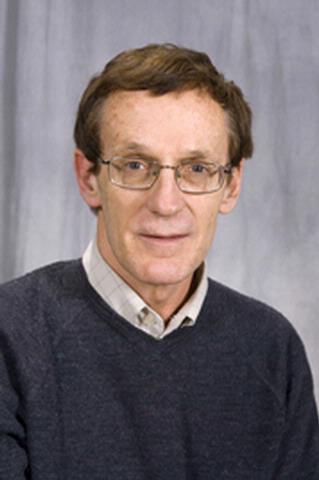
William H. Merigan, Ph.D., is a Professor at the University of Rochester with joint appointments in the Department of Ophthalmology (SMD), Department of Brain/Cognitive Sciences, and the Center for Visual Science. His research focuses on retinal ganglion cells' role in visual perception in primates, leveraging advanced imaging techniques like adaptive optics. He leads the Merigan Lab, part of the Advanced Retinal Imaging Alliance (ARIA), collaborating across disciplines to study retinal structure and function. Education: PhD in Psychology (1975, University of Maryland), MS (1972), and BA (1967, Boston College). His work integrates neurobiology, optics, and clinical science to investigate primate vision mechanisms, including optogenetic therapy, retinal degeneration, and photoreceptor transplantation. Research Interests: Retinal ganglion cell physiology, primate visual perception, adaptive optics imaging, retinal regeneration, and therapeutic interventions for vision loss. His lab pioneers techniques like in vivo calcium imaging and single-cell resolution imaging to study retinal activity and neural circuitry. Publications Highlight Trends: Recent work emphasizes optogenetic therapy, foveal ganglion cell tuning, and cellular-resolution imaging of transplanted photoreceptors. Studies span from basic retinal physiology to translational applications in vision restoration. Labs/Teams: Director of the Merigan Lab and a Principal Investigator in ARIA, fostering collaborations across the Flaum Eye Institute, Center for Visual Science, and Institute of Optics at the University of Rochester.
John M. Allman is the Frank P. Hixon Professor of Neurobiology at the California Institute of Technology. He holds a B.A. from the University of Virginia (1965), A.M. and Ph.D. from the University of Chicago (1968, 1971). Since 1974, he has held progressively senior roles at Caltech, culminating in his current Hixon Professorship since 1989. His research focuses on brain evolution through comparative neuroanatomy, with particular emphasis on the role of Von Economo neurons in social decision-making and economic behavior. The Allman Lab investigates these neurons' distribution in humans and apes, their potential role in rapid intuitive choices, and parallels in highly social species like African elephants. Collaborations include Prof. Barbara Wold (RNA-Seq analysis of Alzheimer's-related gene expression), Prof. Long Cai (FISH subcellular visualization), and Prof. David Bennett (Alzheimer's pathology studies). Publications highlight advancements in cortical microstructure imaging, THC neuroplasticity effects, and psychiatric disorder brain connectivity. His work bridges evolutionary biology, cognitive neuroscience, and clinical neurology, with contributions to understanding both normal and pathological brain function across species. Key collaborations include the Rush Alzheimer's Disease Center and ex vivo tractography studies in primates. Current projects extend from molecular gene expression studies to large-scale brain network analyses, maintaining a translational focus between basic research and clinical applications.
Ivo Jacobs is a Researcher at the Department of Philosophy, Lund University, specializing in Cognitive Science within the Faculty of Humanities and Theology. He is affiliated with the LUCS Cognitive Zoology Group and the LU Profile Area: Natural and Artificial Cognition. His work is centered at the Lund University Cognitive Science (LUCS) research center, with his office located at Helgonavägen 3, Lund (Room LUX:B476). Dr. Jacobs' research focuses on the evolution of cognition across multiple dimensions - mechanism, development, phylogeny and fitness value - with particular emphasis on crocodilians, palaeognaths (ratites and tinamous), corvids and primates. His work spans three overlapping projects: independent cognitive evolution in primates and corvids; reconstructing the minds of early birds and non-avian dinosaurs; and the origins of pyrocognition (fire-related cognition) in animals, extinct hominins and modern humans. His research output shows significant trends in comparative cognition, particularly examining cognitive similarities and differences across diverse species. His work bridges traditional disciplinary boundaries, connecting zoology, cognitive science, evolutionary biology, and philosophy. Recent publications demonstrate growing interest in pyrocognition and the cognitive implications of fire use throughout evolutionary history. Dr. Jacobs has secured substantial research funding, including a project on pyrocognition funded by the Swedish Research Council (2020-2024). He has served as Principal Investigator for the Pyrocognition project and as Assistant Supervisor for research on the sociality of extinct dinosaurs. His editorial work includes peer-review and editorial roles for journals such as Animal Cognition, Journal of Comparative Psychology, Frontiers in Psychology, and Behavioural Brain Research. His research collaborations span international boundaries, with recent external collaborations across multiple countries. His work has attracted attention across academic platforms, with mentions on X (Twitter), Bluesky, and readership on Mendeley.
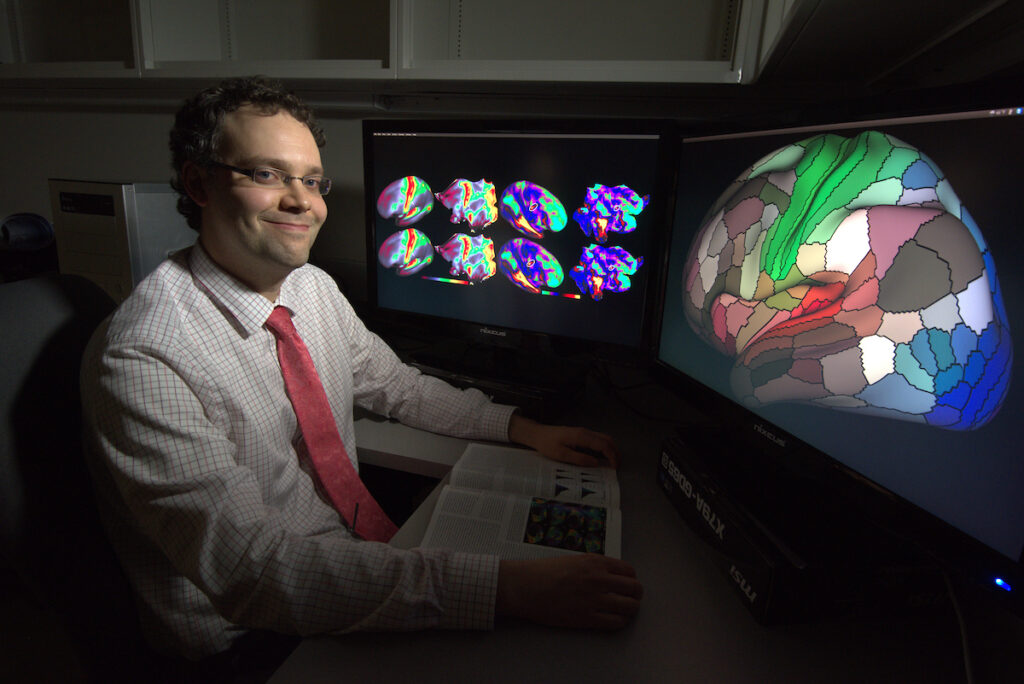
Matthew F. Glasser, MD, PhD is an Assistant Professor of Radiology at Washington University School of Medicine in St. Louis, affiliated with the Mallinckrodt Institute of Radiology (MIR) and the Computational Imaging Research Center (CIRC). He co-directs a brain imaging laboratory with David Van Essen, PhD, and serves as co-leader of the Adult Aging Brain Connectome (AABC) project's Informatics, Data Analysis, and Statistics Core (IDASC). Education: Undergraduate: Emory University Doctorate: Washington University School of Medicine in St. Louis Medical Degree: Washington University School of Medicine in St. Louis Residency: Diagnostic Radiology, Mallinckrodt Institute of Radiology Fellowship: Neuroradiology, Mallinckrodt Institute of Radiology Dr. Glasser's research focuses on neuroanatomy, connectomics, and medical image analysis. He is best known for his work mapping 180 areas of each human cerebral cortical hemisphere using multiple MRI modalities as part of the Human Connectome Project (HCP). His work involves developing techniques for cortical myelin mapping to identify brain areas and align maps across individuals. He continues this research through the Adult Aging Brain Connectome (AABC) project, which aims to uncover factors underlying vulnerability and resilience to late-life dementia. Dr. Glasser's publication record demonstrates a consistent focus on advancing brain imaging techniques and understanding brain connectivity. His work spans from foundational methods in the Human Connectome Project to applications in aging and neurological disorders. Recent publications show an expansion into clinical applications like speech neuroprosthetics and depression treatment, indicating how his fundamental research in brain mapping is translating into therapeutic innovations. Scientific Awards: 2021–2022 Highly Cited Researcher, Clarivate 2022 Roentgen Resident/Fellow Research Award, Radiological Society of North America 2022 Alpha Omega Alpha, Washington University School of Medicine 2018-2021 Highly Cited Researcher, Clarivate 2017 Hugh M. Wilson Award in Radiology, Mallinckrodt Institute 2016 Dennis Hallahan Fellowship for Outstanding Research 2016 Olin Medical Scientist Fellowship 2009 Pittsburgh Brain Connectivity Competition Winner 2008 Distinguished Young Scholar Award Dr. Glasser has been instrumental in securing significant research funding, most notably as a key contributor to the $30 million Human Connectome Project funded by the NIH. He currently co-leads the AABC's Informatics, Data Analysis, and Statistics Core. While the text doesn't specify his current advisees, his position as Assistant Professor and research leadership suggests he mentors graduate students and postdoctoral researchers in neuroimaging and connectomics. Dr. Glasser co-directs a brain imaging laboratory with David Van Essen that is now part of the Computational Imaging Research Center (CIRC). This laboratory has been central to the Human Connectome Project and its successor, the Adult Aging Brain Connectome project. The lab brings together expertise in neuroscience, radiology, computer science, and statistics to advance brain imaging methodologies and applications.
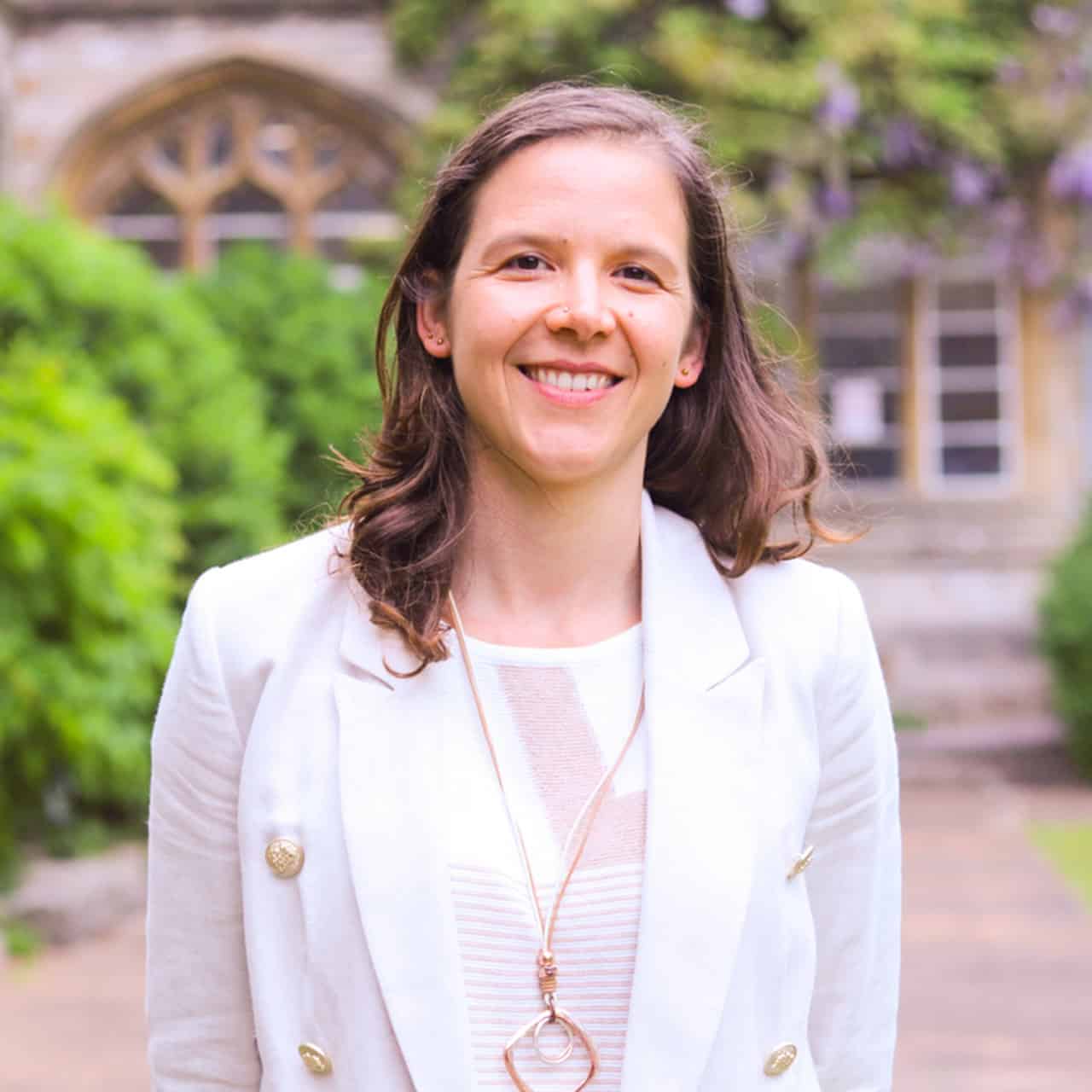
Valentina Canessa-Pollard serves as Senior Lecturer in Psychology at the University of Chichester's Department of Psychology and Criminology. She concurrently holds leadership roles as Curator of the Human Factor Professional Learning Programme, Programme Lead for MSc Coaching Psychology and BSc Counselling Psychology, and Departmental Sustainability Lead. Her research integrates three interconnected domains: Coaching Psychology examines cognitive-behavioural and ecological approaches to career transitions, outdoor practice, and ethical leadership; Sexual Violence and Abuse research investigates psychosocial factors in trauma prevention/recovery through empowerment-based interventions; Vocal Communication studies explore voice-based well-being approaches and LGBTQ+ youth mental health. Recent publications reveal a methodological evolution from experimental child vocal studies toward applied coaching frameworks and trauma recovery models. Fellow of the Higher Education Academy She supervises PhD candidates in coaching psychology, nature-based coaching, and gendered violence, while maintaining VCPollard Coaching—a private practice specializing in career transitions. Her grant-funded work with Survivors’ Network Rape Crisis Centre (2010–2017) and Rape Crisis England & Wales (Trustee 2016–2018) directly informs her trauma recovery research. Canessa-Pollard directs the Research in Practice Lab (focusing on applied coaching methodologies) and the Sexualised Violence and Abuse Research Lab (developing survivor-centered interventions), while contributing to the Lab for Global Research on Gender, Sexuality and Identity. Her interdisciplinary approach bridges academic research with community-based trauma support systems.
Alessandra Pierani is a Professor leading a research team focused on understanding the genetics and development of the cerebral cortex, particularly the role of Cajal-Retzius cells in neural circuit formation. Her work bridges developmental neuroscience, evolutionary biology, and clinical applications, with affiliations at Institut Imagine (Paris) and the Institute of Psychiatry and Neurosciences of Paris (IPNP). Her research investigates how transient neuronal populations influence cortical architecture, with implications for neurological disorders like autism, schizophrenia, and epilepsy. Key areas include neuronal migration, synaptic gene regulation, and the evolutionary origins of higher-order cortical functions. Her team employs mouse and primate models to study developmental mechanisms linking early brain formation to later-onset psychiatric conditions. Recent projects emphasize translational research, collaborating with clinicians and geneticists to develop mouse models for cortical abnormalities and improve diagnosis of neurodevelopmental diseases. The team includes 22 members from 7 nationalities, with associated labs at both institutes.
Prof Daniel Colaco Osorio is a Professor of Neuroscience (Ecology and Evolution) at the University of Sussex, affiliated with the School of Life Sciences. He serves as Deputy Head of the School and Director of Taught Programmes. Osorio holds a BA and MA in Natural Sciences from the University of Cambridge (specializing in Zoology) and a PhD in Neurobiology from the Australian National University (ANU), focusing on insect visual physiology. His postdoctoral work spanned Cambridge and ANU before joining Sussex in 1992. His research explores animal vision, particularly color perception and object recognition in species like butterflies, primates, birds, and cephalopods. He also holds a patent for color measurement in images, derived from his theoretical work on animal vision, with potential medical applications. Osorio sits on the Biotechnology and Biological Sciences Research Council’s research committee and contributes to ethical guidelines for cephalopod welfare under EU legislation. He chairs the Ethics Committee for Merlin Entertainments’ aquaria/zoo operations and co-authored guidelines for cephalopod research ethics. Research interests span visual ecology, evolutionary signaling, and the neural mechanisms underlying camouflage and color discrimination. Notable grants include studies on cephalopod visual behavior, avian spectral processing, and the evolution of trichromacy in primates. He organizes courses like 'Receptors and Senses' and 'Seminars in Neuroscience.' Osorio’s recent work bridges biology and technology, applying vision science to medical imaging and legal frameworks. His lab collaborations emphasize interdisciplinary approaches to understanding sensory systems across species.
Nancy Stevens is a Professor in the Heritage College of Osteopathic Medicine at Ohio University and a key faculty member of the Ohio Center for Ecology and Evolutionary Studies (OCEES). Her research focuses on vertebrate paleontology and functional morphology, particularly the evolution of primates and other mammals in Africa and the Arabian Peninsula. Her research interests center on the interplay between form and function in vertebrates over evolutionary time. She investigates how phylogeny and environmental factors shape morphological adaptations related to locomotion and diet. Her fieldwork is primarily conducted in the Rukwa Rift Basin of Tanzania and other African sites, contributing to our understanding of Cenozoic mammalian evolution, paleoecology, and biogeography. Her recent publications reflect a strong trend in African vertebrate paleontology, with a focus on mammals (especially primates, hyaenodonts, and sengis), reptiles (snakes and lizards), and dinosaurs (titanosaurs). The work spans from the Late Cretaceous to the Oligocene and Miocene, utilizing stratigraphy, phylogenetics, and paleoenvironmental reconstruction to understand evolutionary patterns and processes. OHIO Distinguished Professor Ohio University Presidential Research Scholar LSB Leakey Foundation Grant Awardee Global Engagement Award (Ohio International Gala) Keystroke Catalyst Award, Faculty Newsmakers Gala (2018) OHIO Faculty Newsmaker (24 media placements in 2017) Stevens has mentored numerous graduate students and postdoctoral researchers, including Haley O’Brien, Matt Borths, Karie Whitman, and Eileen Wyza. She has secured significant grant funding from the National Science Foundation (NSF) and the Leakey Foundation to support the Rukwa Rift Basin Project, which conducts interdisciplinary paleontological, geological, and environmental research in Tanzania. She is also involved in public outreach and interdisciplinary initiatives such as the MappAthens project and collaborations with the Duke Lemur Center and Smithsonian NMNH. She leads the StevensLab, a research group dedicated to vertebrate paleontology and evolutionary studies. The lab is part of the Rukwa Rift Basin Project, an international team that conducts fieldwork and research in Tanzania, and collaborates with institutions such as the National Museums of Kenya and Conservation Through Public Health in Uganda.
Dean Falk is the Hale G. Smith Professor of Anthropology and Distinguished Research Professor at Florida State University's Department of Anthropology. Her research focuses on paleoneurology, hominin evolution, and the origins of language/music. She earned her Ph.D. in Anthropology from the University of Michigan (1976) and has contributed significantly to understanding brain evolution through fossil endocasts. Notable work includes challenging microcephaly claims about the 'Hobbit' species Homo floresiensis , analyzing Albert Einstein's brain, and exploring the role of motherese in language origins. Falk has published extensively and lectures globally. Her recent projects include collaborating on Hans Asperger's historical letters and advancing studies on bipedalism's impact on fetal development. Her research interests span biological anthropology, fossil hominins, and the evolutionary links between cognition and creativity. She has been featured in Discover magazine and media worldwide, though she is currently not actively recruiting students. Upcoming talks include a 2025 lecture series in Austria and collaborative work on translating Asperger's correspondence.
Leighton Core is an Associate Professor in the Department of Molecular and Cell Biology and Genetics and Genomics at the University of Connecticut. His research focuses on understanding how RNA transcription and processing influence cellular states during development and disease progression. Using genomic techniques and bioinformatics, his lab identifies transcriptional signatures of cell types and elucidates fundamental transcription mechanisms. Education: PhD in Molecular Biology and Genetics, Cornell University Postdoctoral Training: Molecular Biology and Genetics, Cornell University Bachelor’s Degree in Biology, Boston College Research Interests: Core’s lab investigates RNA transcription dynamics, particularly how changes in transcription and processing drive cellular responses. Key areas include enhancer activity, paused RNA polymerase II regulation, and the interplay between transcriptional mechanisms and cellular states. Techniques employed include PRO-seq and chromatin run-on sequencing to map transcriptional landscapes. Publications: Recent work highlights contributions to understanding transcriptional regulation in cancer (e.g., glioblastoma), epigenetic mechanisms (e.g., histone acetylation), and novel methodologies like optimized PRO-seq. Over 30 peer-reviewed articles span topics from centromere biology to stem cell differentiation. Labs/Teams: Leads a research group focused on transcriptional genomics, collaborating on projects involving cancer epigenetics and developmental biology.
David Van Essen is the Alumni Endowed Professor of Neuroscience at Washington University School of Medicine in St. Louis. His primary affiliation is with the Department of Neuroscience within the School of Medicine. He is renowned for his leadership in the Human Connectome Project (HCP), focusing on advanced neuroimaging and brain mapping techniques. His research spans cerebral cortex structure, function, connectivity, and evolution in humans and nonhuman primates. Education: BS (Honors) in Chemistry from California Institute of Technology (1967), PhD in Neurobiology from Harvard Medical School (1971), followed by postdoctoral research at Harvard and the University of Oslo. Research Interests: Dr. Van Essen’s work emphasizes neuroimaging innovations, cortical parcellation, and the integration of multimodal data. His lab develops computational tools for brain mapping and neuroinformatics. Key projects include the HCP, studying cortical folding, and analyzing connectivity in human and nonhuman primate brains. Publications: Over 200 peer-reviewed articles, including seminal works on cortical parcellation, functional connectivity, and neuroimaging methodologies. Recent trends focus on advancing MRI techniques, connectomics, and understanding brain aging. Awards: Multiple prestigious honors, including membership in the National Academy of Sciences and the Glass Brain Award. Recognized for contributions to neuroscience and neuroimaging. Labs/Teams: The Van Essen Lab at Washington University, collaborating with global institutions on neuroimaging and connectome projects.
Caroline E. Jones is a Lecturer at the University of Pennsylvania's School of Arts and Sciences, where she bridges primatology, comparative psychology, and evolutionary anthropology. Her research focuses on non-human primate social cognition and tool use, particularly in extractive foraging contexts, with extensive collaborations at Zoo Atlanta, Lincoln Park Zoo, and Ross Park Zoo to advance public education and conservation outreach. Education: Bachelor of Arts in Biology, Alfred University Master of Science in Psychology, University of Georgia Doctor of Philosophy in Psychology, University of Georgia Dr. Jones' research integrates behavioral biology, ethology, and cognitive ecology to explore primate evolution, manual dexterity, and social dynamics. Her work emphasizes wildlife conservation and STEM communication, leveraging zoo partnerships to translate academic research into public engagement initiatives that foster community education and scientific literacy. Her publication record reveals consistent focus on primate locomotion, vocal communication, dietary adaptations, and manual function across Africa, Latin America, and North America, demonstrating methodological versatility through observational studies, isotopic analysis, and experimental designs in both captive and wild settings. Scientific Awards: Charles and Bette Smock Developmental Psychology Award (2020) Richard L. Marsh Mentoring Award (2020) Summer Research Award for Doctoral Students (2019) Tinker Graduate Field Research Award (2015) Alfred Research DuBois Biology Research Award (2012) Alfred University SAXON SIX Award (2012) As a dedicated mentor, Dr. Jones founded and chaired UGA's Behavioral and Brain Sciences Program Mentoring Committee, receiving the Richard L. Marsh Mentoring Award for her reciprocal mentorship philosophy. She secured multiple research grants including the Campus Sustainability Grant and Service-Learning Support Grant to fund primate behavior studies and community education initiatives, emphasizing collaborative mentorship culture. Her research operations involve the Primate Cognition and Behavior Laboratory at the University of Georgia and strategic partnerships with major zoological institutions where she designs artificial termite mounds and observational protocols to study gorilla social behavior and capuchin foraging dynamics in controlled environments.