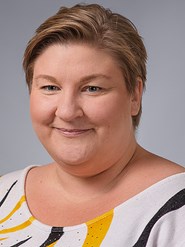
Therese Nordin is an Assistant Professor at Umeå University's Department of Community Medicine and Rehabilitation, specializing in occupational therapy. Her research focuses on social participation and togetherness among older adults within home care contexts, particularly through the STAY-IN-TOUCH project. Research Themes Gerontological perspectives on loneliness Co-creative methods in home care interventions Relational and transactional models of human activity Power dynamics in health services research Qualitative approaches to social participation Recent Publications Her work explores the interplay between structural care provision and subjective experiences of social connectedness in aging populations, with specific attention to: Gender norms and loneliness in men Home care professionals' conceptualization of social needs Design of participatory care models Quantitative-qualitative integration in aging research Methodological Expertise Therese employs a range of qualitative approaches, including: Scoping reviews Creative co-design methodologies Narrative analysis Transactional perspective frameworks
Tony Mickelsson Blomqvist is a Lecturer at the Department of Police Work , Södertörn University. He holds a PhD in Social Work (2023) and serves as a research coordinator for the Institute for Policing. Additionally, he is the coordinator of the European Policing Research and Education Network (EPREN) and will become associate editor of the Nordic Journal of Studies in Policing in 2025. PhD in Social Work (2023) Lecturer in Policing Research coordinator and network leader His research focuses on police collaboration with civil society and social services , local crime prevention , and organized crime dynamics , with a unique interest in the intersection between internal security and hybrid warfare . He also explores the role of sports clubs in social inclusion and community development. Tony leads an EU-funded project on Strategic Enforcement for Undermining Criminal Networks (2024–2027) and contributes to initiatives like ‘Martial Arts as a Crime Prevention Tool’ (2024–2026). His recent publications analyze Ukrainian refugee experiences, martial arts’ socialization effects, and sports clubs’ role in vulnerable areas. He has no listed scientific awards but holds editorial and coordination roles in policing research.
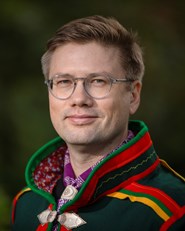
Petter Stoor is an Assistant Professor at Umeå University's Department of Epidemiology and Global Health, specializing in Sámi health research. He holds a PhD from the Arctic University of Norway (UiT) and is Coordinator of Lávvuo, a research group focused on Sámi health education. His work emphasizes Indigenous health equity, suicide prevention, and addressing systemic discrimination. He teaches courses on Sámi and Indigenous health at Umeå University, including Sweden's first dedicated program in this field. PhD: “Suicide among Sámi – Cultural meanings of suicide and interventions for suicide prevention in Nordic parts of Sápmi” (2020, UiT) Current roles: Researcher, educator, and advisor to Sámi parliaments and NGOs Research interests include mental health disparities, cultural determinants of health, and ethical research practices with Indigenous communities. Awards include recognition for studies on sexual violence against Sámi women (2024) and broader Sámi health contributions (2024). He leads projects such as the SámiHET study on health inequities and collaborates internationally via the Lancet Commissions on Suicide and Arctic Health. Teaching focuses on integrating Indigenous perspectives into medical and public health curricula. He supervises master’s and doctoral students, emphasizing participatory methods and community-driven research.
Cyrille Artho is an Associate Professor in the Division of Theoretical Computer Science at KTH Royal Institute of Technology, actively contributing to research in formal methods, software testing, and cybersecurity. His work spans model checking, smart contract security, and concurrent systems verification, with significant contributions to tools like Java Pathfinder and Modbat. PhD from ETH Zurich (2005) with dissertation on multi-threading fault detection Teaches Software Safety and Security, Software Engineering Fundamentals, and supervises degree projects His research focuses on developing formal techniques for safety-critical systems, particularly in blockchain security and distributed applications. Recent work emphasizes smart contract verification, anomaly detection in microservices, and trusted execution environments for secure cloud analytics. The 15 most recent publications reveal a strong trend toward blockchain security (6 articles), formal verification of distributed systems (5), and novel testing methodologies (4), with increasing integration of machine learning for vulnerability detection. As chair of the FTSCS workshop series and contributor to major conferences like ASE and ICST, Artho has significantly shaped the formal methods community. His leadership in organizing workshops demonstrates commitment to advancing safety-critical systems research. Principal investigator for C3.ai DTI Cyber Safety Cage for Networks project Develops Modbat framework for model-based API testing Active in Digital Futures research initiative at KTH
Professor Ingrid Undeland leads the Marine research group at the Division of Food and Nutrition Science, Department of Life Sciences at Chalmers University of Technology. She is a distinguished researcher with expertise spanning marine food science, lipid chemistry, and blue biorefining, having established herself as a leading figure in sustainable seafood research and marine biotechnology. Her educational background includes food science studies from Linnaeus University and a PhD in bioscience from Chalmers University of Technology and SIK (now RISE). Between 1999-2002, she was a post-doctoral fellow at University of Massachusetts Marine Station, which significantly shaped her research trajectory in marine food science. Professor Undeland's research focuses on pioneering next-generation seafood through innovative value chains from seaweed, small pelagic fish, fish side streams, mussels, and microalgae. Her specialized expertise lies in marine lipids and proteins, particularly their stabilization, isolation from complex sources, and nutritional properties including digestibility. She has extensive experience with antioxidant strategies using plant-derived side streams or extracts and fundamental studies of fish hemoglobins as pro-oxidants. Her work also encompasses innovative technologies for biomass fractionation and nutrient recycling to build blue biorefineries, along with in vitro digestion models and general seafood analytics. Beyond marine research, she explores filamentous fungi as sustainable alternative food protein sources. The trends in her recent publications reveal a strong emphasis on valorizing marine resources through advanced processing techniques. Her work increasingly focuses on sustainable extraction methods for seaweed proteins, particularly Ulva fenestrata, and developing antioxidant strategies using berry side streams to stabilize fish proteins. There's a growing interest in understanding the nutritional properties and digestibility of alternative marine proteins, along with environmental assessments of processing technologies. Her research consistently bridges fundamental science with practical applications for creating sustainable seafood value chains. Swedish representative in Nordic Lipidforum, WEFTA, and EuCheMS Editorial board member of Journal of the Aquatic Food Product Technology Member of the National Committee for Nutrition and Food Science at the Royal Swedish Academy of Sciences Co-founder of the startup company AquaFood H-index of 47 according to Google Scholar Professor Undeland has an extensive record of academic mentorship, having supervised or currently supervising 23 PhD students, 14 postdoctoral researchers, and examining over 25 MSc students. Her research is supported by numerous grants, including the WaSeaBi Project which focuses on valorizing seafood side-streams through holistic value chain design. She collaborates with various industry partners and academic institutions across Europe. Her laboratory includes technicians Dr. Karin Larsson and Dr. Rikard Fristedt, and she leads a dynamic research team working on multiple projects related to marine biorefining and sustainable seafood development. Her research group operates within well-equipped facilities at Chalmers University, with specialized laboratories for marine food analysis, protein extraction, lipid oxidation studies, and in vitro digestion modeling. The team also maintains cultivation systems for seaweed and filamentous fungi, enabling integrated research from raw material production to final product development.
Sara Hägg is a Senior Lecturer at the Karolinska Institutet , affiliated with the Department of Medical Epidemiology and Biostatistics . She is also a Docent in molecular epidemiology. PhD in Computational Biology (Linköping University, 2009) MSc in Molecular Biology (Stockholm University, 2003) BSc in Computer Science (Stockholm University, 2003) Her research focuses on human biological aging , including measurement of aging markers (telomere length, epigenetic clocks, frailty index), causal pathway analysis, and identification of geroprotectors for age-related diseases. She utilizes longitudinal twin studies (SATSA, GENDER, HARMONY), UK Biobank, and Swedish cohorts with methods like Mendelian randomization and genome-wide analyses . Recent articles demonstrate trends in epidemiological aging research , with emphasis on cardiovascular aging , neurological disease interactions , metabolic profiling , and epigenetic clocks . Her work often involves multivariable modeling and cross-cohort validation . Leadership roles include Director of LifeGene Core Facility (2024-) and Founding Board Member of the Nordic Aging Society (2023-). She serves on expert groups for the Swedish Twin Registry and Strategic Research Area in Epidemiology and Biostatistics .
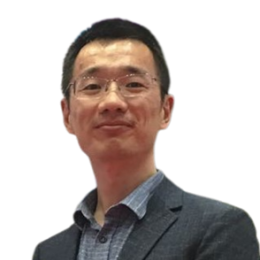
Yu Xia is a Post Doc at the Department of Chemistry, Stockholm University, Sweden. He is affiliated with the Tom Willhammar Research Group, focusing on advanced electron microscopy and diffraction techniques for structural characterization of materials. PhD (2019–2023) from a joint program between the University of Birmingham (UK) and the Southern University of Science and Technology (China). Research emphasizes fabrication of metallic nanoparticles with non-equilibrium structures and shapes using gas-phase condensation and thermal shock methods. Specializes in scanning transmission electron microscopy (STEM), in-situ heating experiments, and electron energy loss spectroscopy (EELS) for nanoparticle analysis. Current work prioritizes 4DSTEM imaging for electron beam-sensitive materials and Python-based post-processing of electron microscopy datasets. Yu Xia's research spans Materials Science , Nanotechnology , and Electrocatalysis , with applications in photocatalytic hydrogen evolution , graphene composites , and advanced electron microscopy techniques . His work often integrates computational image processing with structural characterization to optimize material properties. Publications highlight innovations in heterostructure engineering , metallic alloy catalysts , and electron beam-sensitive material imaging . No scientific awards are explicitly mentioned in the provided text. Yu Xia's technical expertise includes Python scripting for image analysis, in-situ electron microscopy , and multifunctional graphene-based materials .
Kerstin Nilsson is a Professor of Public Health Sciences at Kristianstad University , Faculty of Health Sciences, and holds associate professorships in Public Health Epidemiology at Lund University and Work Science at the Swedish University of Agricultural Sciences (SLU). Her research focuses on creating healthy workplaces , sustainable working lives , and person-centered healthcare practices . Key Research Areas: Aging workforce, salutogenesis, nature-assisted rehabilitation, pandemic response in healthcare, and sustainable work environments. Leadership: Developer of the SwAge model for sustainable working life across ages. Scientific Contributions: Over 188 publications, with recent projects analyzing nurses' mental health during the pandemic, workplace relationships in healthcare, and nature-based interventions. Collaborates with international networks like the EU COST Action 'DIGI-net' and the Pufendorf Advanced Study Group. Awards: No explicit awards listed, but recognized through leadership roles and interdisciplinary research. Students: Supervises doctoral candidates like Cicilia Nagel and Sophie Schön Persson, focusing on person-centered care and staff well-being. External Affiliation: Associate Professor at Lund University (2007–present) and SLU (until 2007).
Francesca Chiodi is a Senior Professor in the Department of Microbiology, Tumor and Cell Biology at Karolinska Institutet, Sweden. Her research focuses on HIV pathogenesis, host-microbe interactions, and immune responses in infectious diseases. She holds a Docent title from Karolinska Institutet (1991) and has been continuously employed there since 2004. Her work spans virology, immunology, and clinical trials, with emphasis on HIV prevention strategies, mucosal immunity, and translational research. Research highlights include studies on HIV pre-exposure prophylaxis (PrEP), host gene expression in foreskin tissue, and viral surface protein epitope profiling. She has led projects evaluating SARS-CoV-2 responses in mucosal tissues and contributed to global initiatives like the CHAPS study in sub-Saharan Africa. Her division, the Division of Host-Microbe , investigates microbial pathogenesis and immune mechanisms in chronic infections. Key collaborations include studies on B-cell dysfunction in HIV and TB co-infections, as well as vaccine design for immunocompromised populations. Publications (2020–2024) reflect her focus on clinical trials, transcriptomic analyses, and translational models. She has advised numerous collaborative studies but no formal student advisees are listed. Research funding includes grants for mucosal HIV prevention and SARS-CoV-2 pathogenesis studies. Ongoing work explores immune reconstitution in early antiretroviral therapy and correlates of protective immunity in mucosal tissues.
Malin Broberg is a Professor in Psychology and the current Vice-Chancellor (since 2023) and President of the University of Gothenburg. She was previously Dean of the Faculty of Social Sciences at the same institution. Educated at Umeå University, she is a licensed psychologist with a clinical background in child and youth habilitation. Her research focuses on: Welfare systems for families with disabled children Stress coping mechanisms Neurodevelopmental impacts of brain damage in children Augmentative and Alternative Communication (AAC) Parental well-being and resilience Recent publications (2024-2023) highlight her work in neuropsychology, health-promoting learning environments, and AAC interventions for children with profound disabilities. She has collaborated with researchers in Sweden and the USA, and her work appears in journals like Child Neuropsychology and Disability and Rehabilitation-Assistive Technology . Malin Broberg has supervised doctoral and Master’s theses in developmental psychology and disability research. She has also served as General Secretary of the International Association for the Scientific Study of Intellectual and Developmental Disabilities (IASSIDD).
Tony Ingesson is a Senior Lecturer in the Department of Political Science at Lund University, specializing in intelligence analysis, counter-espionage, and military decision-making. With a background in the Swedish Armed Forces where he worked with technical data acquisition for airborne weapons systems and communications, he brings practical military experience to his academic work. His research interests span intelligence analysis methodologies, counterintelligence operations, deception and manipulation at tactical levels, clandestine communications, and industrial espionage. Ingesson has developed a particular expertise in how psychological mechanisms and biases influence intelligence analysis, as well as the historical connections between military conscription and democratization. His work bridges theoretical political science with practical security applications. Analysis of his recent publications reveals a strong focus on contemporary security challenges, particularly the intersection of traditional and emerging technologies in intelligence operations. His work examines how historical communication methods persist in modern conflicts, the evolving nature of espionage in high-trust societies like Sweden, and the application of intelligence analysis techniques to non-traditional fields such as precision oncology. Ingesson demonstrates consistent scholarly output across both academic journals and public-facing platforms like The Conversation, indicating his commitment to making complex security issues accessible to broader audiences. Ingesson actively participates in interdisciplinary research projects, including 'Clandestine Communications: Old Technologies, New Opportunities' and 'Greyzone genomics' at the Pufendorf IAS. His teaching portfolio encompasses political science methods, intelligence analysis techniques, counterterrorism, and deception studies, reflecting the breadth of his expertise. While specific details about student advising aren't provided in the available information, his role as Senior Lecturer indicates involvement in mentoring students through his teaching responsibilities. His research team involvement includes collaboration with researchers like Magnus Andersson on clandestine communications and David Gisselsson Nord on the intersection of genomics and security. These collaborations demonstrate his ability to bridge disciplinary boundaries while maintaining focus on core intelligence and security issues.
Gurjot Singh is a Research Fellow at the Department of Computer and Information Science (IDA) at Linköping University, Sweden. His research focuses on cybersecurity in aviation systems, next-generation communication networks, and industrial IoT security. He collaborates with prominent researchers like Andrei Gurtov and Suleman Khan, contributing to projects such as SEC-AIRSPACE and Post Quantum Secure Handover Mechanisms. His work spans vulnerability assessments, secure protocol design, and post-quantum cryptography applications. Education details are not explicitly stated, but his research aligns with advanced cybersecurity and network engineering domains. Key research interests include aviation cyber risk assessment, secure data link communications, and privacy-preserving authentication mechanisms for IoT and industrial environments. Publications emphasize cybersecurity challenges in aviation, industrial networks, and IoT, with recent work addressing quantum-resistant protocols and drone remote identification security. Collaborations include contributions to conferences like NordSec and AIAA DATC. He is affiliated with the cybersecurity lab at LiU, supporting educational programs like Digital4Business, which integrates AI and cybersecurity expertise. His role in the Database and Information Techniques (ADIT) division highlights involvement in interdisciplinary research groups.
Leah Okenwa Emegwa is an Associate Professor of Public Health Sciences at the Swedish Red Cross University (part of Red Cross College), where she has worked since 2017. She holds a PhD in Public Health (2011, Karolinska Institutet), a Master's degree in Public Health (2006), and a Doctor of Optometry (2000). Her work experience spans clinical optometry (primary care, aviation vision care) and academic roles including program directorships and vice-dean assignments. Her research focuses on social determinants of health, emphasizing interpersonal violence (gender-based/family violence), workplace health promotion, refugee/migrant health, and human rights-based approaches. She also explores innovative teaching methods in higher education for addressing social change. Key activities include: Representing the Swedish Red Cross University in ASPHER (European public health network) and the Flemingsberg Science Foundation Guest editing journals like Frontiers in Public Health and Socialmedicinsk Tidskrift Peer review for multiple scientific journals Teaching responsibilities include epidemiology, research methods, gender equity, and occupational health at both undergraduate and graduate levels. Her work emphasizes global health challenges such as violence prevention and health equity in vulnerable populations. Publications highlight themes like refugee mental health, workplace violence mitigation, and educational strategies for addressing gender-based violence. Her 2011 doctoral thesis investigated intimate partner violence and reproductive health in Nigeria.
Donghao Lu is a Professor at Karolinska Institutet's Institute of Environmental Medicine, where he leads the Epidemiology of Women's Mental Health Lab. His research program focuses on psychiatric epidemiology with specialization in women's reproductive mental health, using large-scale population cohorts to investigate biological mechanisms and health outcomes. Primary research domains include: Risk factors and health consequences of perinatal depression and premenstrual disorders Bidirectional relationships between autoimmune diseases and mood disorders Gender disparities in mental health presentation and outcomes Cardiometabolic comorbidities in reproductive psychiatric conditions His recent publications (2023-2025) demonstrate strong methodological consistency, predominantly using Scandinavian national registries for longitudinal cohort designs. Research themes show progression toward understanding systemic health impacts of reproductive mood disorders, particularly cardiovascular risks and mortality. Over 90% of recent work incorporates population-level data analysis with sample sizes exceeding 10,000 participants. Laboratory focus includes integrating epidemiological methods with biomarker research to bridge obstetrics/gynecology and psychiatry. Current projects investigate inflammatory pathways in perinatal depression and genetic determinants of premenstrual disorder trajectories. The team maintains international collaborations across Scandinavia, China, and North America.
Monowar Bhuyan is an Associate Professor in the Department of Computing Science at Umeå University, Sweden, leading the Cyber Analytics and Learning Group within ADSLab. He holds a Ph.D. in Computer Science from Tezpur University and has held academic positions at Assam Kaziranga University and Umeå University. His research focuses on machine learning, anomaly detection, edge AI, and distributed systems security. He has secured over 35 MSEK in grants from WASP, STINT, and EU Horizon programs. Education Ph.D. in Computer Science and Engineering, Tezpur University (2014) M.Tech. in Information Technology, Tezpur University (2009) B.E. in Computer Science and Engineering, IETE (2007) Research Interests Distributed/Federated/Responsible Machine Learning Cybersecurity and Anomaly Detection in Edge Clouds AI for DDoS Defense and Cyber Resilience Edge AI and Serverless Computing Recent Contributions His recent work addresses secure federated learning, DDoS attack detection in cloud-edge systems, and responsible AI. Key publications include novel frameworks for VSI-DDoS detection and federated learning optimizations. Awards & Grants Best Paper Awards at ICONIP 2023 and ACM ICACCI 2012 WASP NEST Grant (AIR2 Project, 5 MSEK) EU Horizon Europe Grant (SovereignEdge.Cognit, 8.27 MSEK) Lab & Collaborations He leads the Cyber Analytics and Learning Group (ADSlab), collaborating with institutions like KTH, Linköping University, and Nara Institute of Science and Technology (NAIST). The lab focuses on AI-driven security solutions for distributed systems.