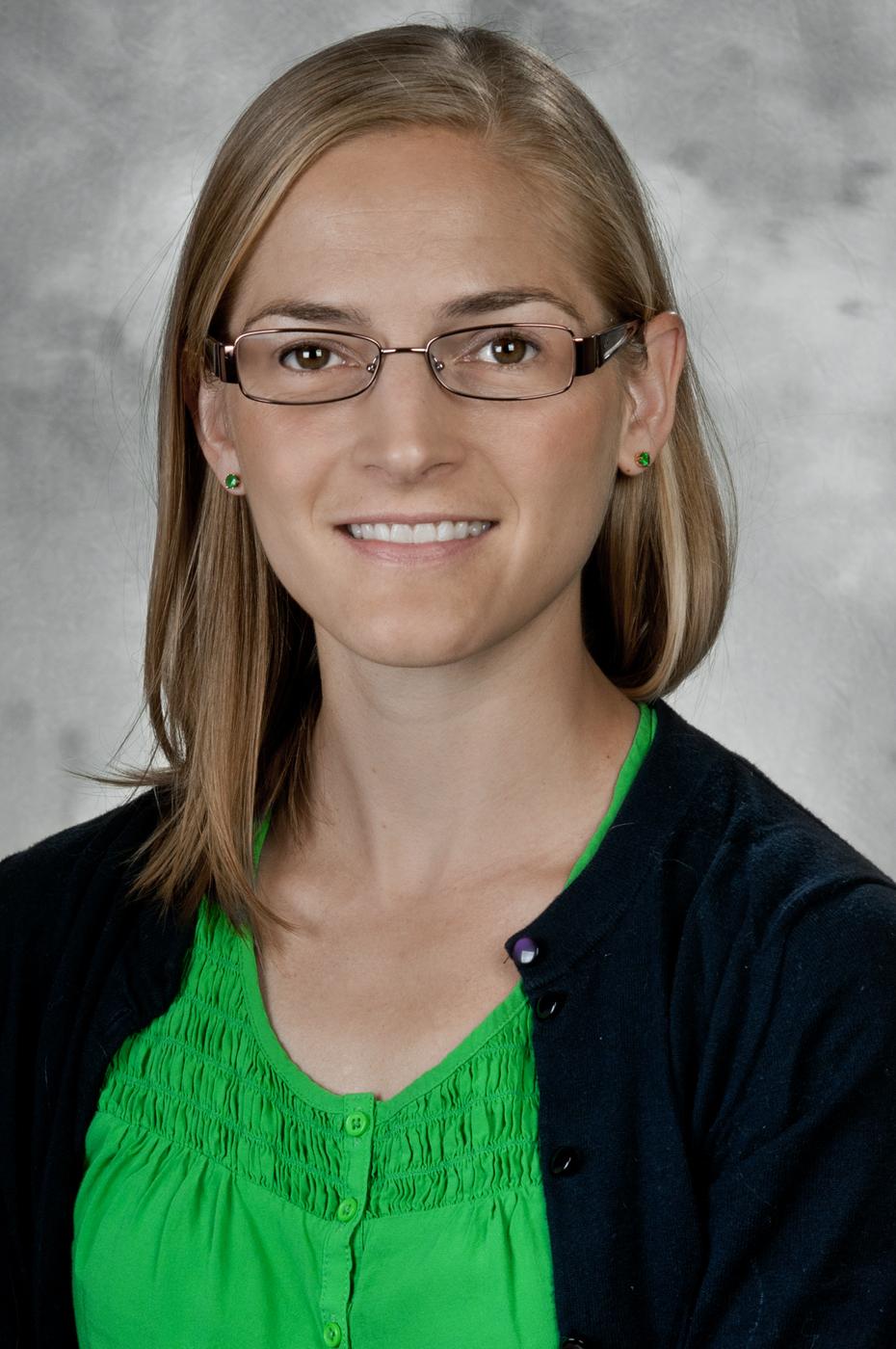
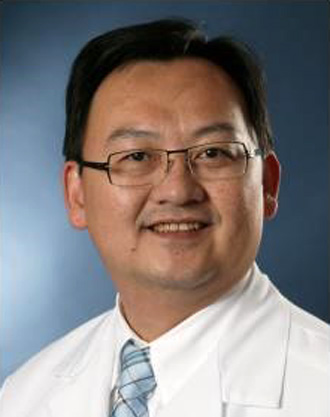
Dr. Susan Hua is an Associate Professor at the University of Newcastle's School of Biomedical Sciences and Pharmacy, specializing in translational nanopharmaceutics and therapeutic targeting. She established the first translational nanopharmaceutics laboratory in the Hunter region, focusing on drug delivery systems for gastrointestinal, musculoskeletal, and reproductive pathologies. Education: Bachelor of Pharmacy with Honours, University of Queensland (UQ) PhD in Neuroscience and Nanotechnology, UQ Research Interests: Her work centers on using nanotechnology to create targeted drug delivery systems for diseases such as chronic pain, inflammatory conditions, and obstetric complications. Key focuses include oxytocin receptor-targeted liposomes for uterine therapies and localized drug delivery to bypass biological barriers. Awards & Recognition: 2020 DVC(A) Educator Innovation Award 2017 NSW Premier's Early Career Researcher of the Year 2015 HMRI Early Career Researcher of the Year Grants & Collaborations: A/Prof Hua has secured over $5.5M in grants, including NHMRC and ARC funding. She collaborates with institutions like HMRI, John Hunter Hospital, and global teams on projects like nanoparticle-based treatments for preterm labor and uterine hemorrhage. Teaching & Leadership: She coordinates pharmacy programs, emphasizing clinical application and innovation. Her courses include Pharmacotherapeutics and Pharmacy Practice, with awards for teaching excellence (2020, 2011). Labs & Programs: Head of Therapeutic Targeting Program, University of Newcastle Director, Translational Pharmaceutics & Medical Technologies Theme (HMRI)
Margaret Bublitz is Associate Professor at Brown University with joint appointments in the Department of Psychiatry and Human Behavior , Department of Medicine , and Department of Obstetrics and Gynecology . She holds secondary appointments at the School of Public Health as Senior Investigator and Behavioral and Social Sciences faculty member. Dr. Bublitz earned her PhD in Clinical Psychology (2010) from the University of British Columbia, followed by postdoctoral training in Cardiovascular Behavioral Medicine at Brown Medical School. Her research focuses on: Psychological stress pathways to adverse perinatal outcomes Maternal childhood maltreatment effects on neurobiology Mindfulness interventions for hypertension and preterm birth prevention Her 15 most recent publications demonstrate expertise in perinatal mental health , sleep-disordered breathing , HPA axis regulation , and fetal neurodevelopment , with significant collaborations in neuroendocrinology and maternal-infant health disparities . Scientific recognition includes: 2024-2025 Global Fulbright Scholarship 2022 Brown Early Career Research Achievement Award Multiple NIH and foundation grants exceeding $6 million Bublitz leads NIH-funded projects examining mechanisms of mindfulness training (R01HL157288) and serves as mentor in the MORPHE Trial for digital maternal health innovations. She is a licensed psychologist and active member of Brown's Stress, Trauma and Resilience (STAR) Institute and Mindfulness Center .
Tinnakorn Chaiworapongsa, M.D., is a Professor and Director of the Maternal-Fetal Medicine Fellowship Program at Wayne State University School of Medicine's Department of Obstetrics and Gynecology. His primary affiliations include leadership in perinatal research and clinical education at Detroit Medical Center/Wayne State University. Education: M.D. from Chulalongkorn University, Bangkok, Thailand (1988) Residency in Obstetrics and Gynecology at Pramongkutklao Hospital, Mahidol University (1994) Research Fellowship at Perinatology Research Branch, NICHD/NIH (2000-2003) Clinical Fellowship in Maternal-Fetal Medicine at Wayne State University (2007-2010) Research Focus: Dr. Chaiworapongsa investigates angiogenic/anti-angiogenic imbalances in obstetrical syndromes, biomarkers for preeclampsia and preterm labor, mechanisms of fetal death, and angiogenesis in recurrent pregnancy loss. His work bridges molecular pathophysiology with clinical diagnostics. Professional Leadership: Previously served as Director of the Biomarker Unit at NICHD/NIH (2011-2015) and Section Head for Biomarkers of Great Obstetrical Syndromes. Current role emphasizes fellowship training and translational research. Awards: March of Dimes Award for Prematurity Research (2010) Multiple Research Excellence Awards from Wayne State University (2008, 2009) Frederick Zuspan Awards from ISSHP (2008, 2014) Young Investigator and Poster Awards from obstetrics societies
Charlah Robinson, MD is a Clinical Professor at the University of California San Francisco (UCSF) School of Medicine , affiliated with the Maternal-Fetal Medicine & Reproductive Genetics division. She completed her medical education at the University of Pennsylvania , earning a B.A. in Art History (1982), M.D. in Medicine (1990), followed by an Internship and Residency in Obstetrics and Gynecology (1994) and a Fellowship in Maternal-Fetal Medicine (1996). Her clinical and research focus centers on complex fetal abnormalities and maternal complications , with expertise in gestational diabetes and hypertension in pregnancy . Her work addresses critical challenges in high-risk pregnancies, including pharmacological interventions and obstetric outcomes. While her published research includes studies on fetal positioning during labor, neonatal risks of maternal treatments, and infectious disease implications in obstetrics, no scientific awards or students are explicitly mentioned in the provided text.
Giuseppe Rizzo is a Full Professor at the Department of Maternal and Child Health and Urological Sciences, Sapienza University of Rome. His academic career focuses on Maternal Fetal Medicine, with expertise in ultrasound applications, fetal growth restriction, preeclampsia, and congenital anomalies. Research Interests : Delivery optimization, prematurity prediction, ultrasound diagnostics, and placental anomalies. Recent Publications : Over 15 high-impact studies in 2024-2025 on topics like umbilical cord abnormalities, cerebroplacental ratios, and gestational diabetes complications. Clinical Expertise : Prenatal counseling, Doppler ultrasound, and labor management protocols. Collaborations : Active in multicenter trials across Italy and Europe, with a focus on fetal neurosonology and high-fidelity obstetric simulation.
Tony N. Brown is a Distinguished Professor of Sociology at Rice University, directing the Racism and Racial Experiences Workgroup (RARE) and the STaRT@Rice Program. He holds a Ph.D. from the University of Michigan (1998), with prior tenure at Vanderbilt University. His research focuses on critical race theory, examining mechanisms of racism's impact on mental health, racial identity, and societal structures. Key themes include anti-Blackness, racial trauma, and systemic inequities. Brown has secured federal funding for his work and contributed to over 100 peer-reviewed publications. He was a finalist for Rice University’s 2023 George R. Brown Award for Teaching Excellence. Education: Ph.D. in Sociology, University of Michigan - Ann Arbor (1998) M.A. in Sociology, University of Michigan - Ann Arbor (1993) B.S. in Sociology, University of Maryland - Eastern Shore (1991) Research interests span racial socialization, health disparities, and quantitative methods. His work combines community-based surveys with policy analysis, addressing contemporary issues like racial apathy among white populations and the mental health implications of racial discrimination. Notable projects include studying the psychological effects of Barack Obama’s presidential elections on Black communities and analyzing racialized stress in military veterans. His recent articles emphasize the intersection of race, politics, and mental health, with studies on Black nationalist tendencies and viral racism during the pandemic. Awards include recognition for teaching excellence and contributions to sociological scholarship. Brown actively collaborates across disciplines, holding roles in Rice’s sociology department and interdisciplinary programs.
Dr. Steven P. Miller is a Professor and Head of the Department of Pediatrics at the University of British Columbia's Faculty of Medicine. He also serves as the Chief of Pediatric Medicine at BC Children's Hospital & Sunny Hill Health Centre under the Provincial Health Services Authority. Additionally, he holds the Hudson Family Hospital Chair in Pediatric Medicine and is an Investigator at BC Children's Hospital. Dr. Miller's research focuses on neonatal neurology, particularly brain development and injury in newborns. His work utilizes advanced magnetic resonance techniques and bedside brain monitoring to understand how a baby's critical care experience influences their risk of brain injury and developmental trajectory. His research areas include birth defects, concussion, preterm labor, and steroid effects on neonatal brain development. Analysis of Dr. Miller's recent publications reveals a strong emphasis on understanding the relationship between neonatal pain exposure, analgesia, and brain development in preterm infants. His work also extensively examines neurodevelopmental outcomes in infants with congenital heart disease, exploring how fetal hemodynamics, surgical interventions, and brain imaging findings correlate with long-term cognitive outcomes. A significant portion of his research investigates the impact of socioeconomic status on brain development and neurocognitive outcomes in preterm infants. Dr. Miller is actively involved in graduate education, supervising students in Neuroscience and Women+ and Children's Health Sciences programs at UBC. His research group, part of the Brain, Behaviour & Development Research Theme and the Neurodevelopmental and Neurological Disorders Visualizing the Brain Research Group, has published extensively in top-tier journals across neurology, pediatrics, and neuroscience.
Dr. Amy Turitz is an Associate Professor of Obstetrics, Gynecology & Reproductive Sciences at Yale School of Medicine. She specializes in maternal-fetal medicine, focusing on high-risk pregnancies at Greenwich Hospital. Her research centers on preterm birth, fetal growth restriction, and obstetric complications. Dr. Turitz earned her MD from the Mount Sinai School of Medicine, completed her residency at the Hospital of the University of Pennsylvania, and her fellowship in Maternal-Fetal Medicine at Columbia University Irving Medical Center. She has been honored with multiple teaching awards for her mentorship of medical students, residents, and fellows. Education: BS in History, Wesleyan University (2005) MD, Mount Sinai School of Medicine (2009) Residency: Obstetrics & Gynecology, Hospital of the University of Pennsylvania (2013) Fellowship: Maternal-Fetal Medicine, Columbia University Irving Medical Center (2016) Research Interests: Dr. Turitz’s work explores mechanisms and interventions for preterm birth prevention, fetal growth restriction, and managing high-risk pregnancies. Her studies often involve collaborations on topics like cerclage timing, progesterone therapy, and maternal-fetal outcomes during pandemics. She emphasizes clinical translation to improve patient care. Awards: Sreedhar Gaddipati Maternal-Fetal Medicine Teaching Award (2023) APGO Excellence in Teaching Award (2020) Resident Teaching Award (2013) Labs/Teams: She co-founded the Cervix Research Working Group and was part of the Preterm Birth Prevention Center at Columbia University. Her current affiliations include the Maternal Fetal Medicine Unit at Yale.
Pekka Martikainen is a leading researcher in population health and demography, affiliated with the Population Research Unit at the Faculty of Social Sciences, University of Helsinki . He is also actively involved with the MaxHel Center and the Laboratory of Population Health , contributing to major research initiatives such as the Monitoring Mortality Inequalities Consortium and studies on immigrant-native health disparities. His research focuses on social and economic determinants of health and mortality over the life course, using extensive Finnish register data. Key interests include fertility and family dynamics , health inequalities , migration and health , early-life determinants of health, and behavioral factors influencing mortality. His work often explores intergenerational linkages and the role of socioeconomic status in shaping health outcomes. The most recent publications reflect a strong emphasis on mental health , genetic and social interactions , educational and occupational influences on health , and disparities in cancer and reproductive health . Studies frequently employ longitudinal, register-based designs across Nordic and European populations, highlighting cross-national comparative insights. Behavioral Determinants of Health and Mortality Costs and Gains of Postponing Parenthood Immigrant-Native Health Disparities Over the Life Course Linked Lives: Family and Socioeconomic Attainment Medically Assisted Reproduction Mortality Disparities at Subnational Level His research has been published in top journals including The Lancet , Demography , Social Science and Medicine , and European Journal of Epidemiology . He collaborates extensively with researchers at the Max Planck Institute for Demographic Research and leads or contributes to multiple large-scale projects analyzing health and demographic trends in Finland and beyond. Martikainen’s work informs public health policy and contributes to understanding how social structures and individual behaviors interact to shape population health and longevity. He plays a central role in advancing register-based demographic research in Europe.
Olof Stephansson is a senior researcher and group leader at the Clinical Epidemiology Unit (KEP) , Karolinska Institutet , focusing on reproductive, perinatal, and pediatric epidemiology. His work utilizes Swedish healthcare registries and quality registers to investigate risk factors, interventions, and medical management during pregnancy and childbirth. Key research areas: maternal obesity, preeclampsia prediction, climate change impacts, neonatal neurodevelopment, IBD in pregnancy, and labor management Funded by: Swedish Research Council, NIH, FORTE, NordForsk, and Karolinska Institute Collaborates with: Stanford, Oregon Health, University of British Columbia, London School of Hygiene, University of Witwatersrand His group (2014-present) manages the Swedish Pregnancy Registry and conducts randomized trials like the Oneplus study on midwifery models. Recent publications (2024-2025) analyze maternal BMI effects on offspring sleep, labor duration risks, and vaccine safety in pregnancy.
Shayesteh Jahanfar is a Professor in the Department of Public Health and Community Medicine at Tufts University School of Medicine, with a secondary appointment in Community Health at the Tufts School of Arts and Sciences. As a reproductive epidemiologist with expertise in public health and biostatistics, she directs the Cochrane Affiliate at Tufts and co-directs the Pregnancy and Childbirth US Satellite with Cochrane. Her global research spans reproductive health, maternal-child health, and genetic versus environmental studies across Australia, Malaysia, Canada, and the USA. Education: Doctor of Philosophy, University of British Columbia, Vancouver, Canada (2016) Doctor of Philosophy, University of New South Wales, Sydney, Australia (1995) Master of Science in Community Health, Universiti Putra Malaysia, Seri Kembangan, Malaysia (2009) Postdoc Epidemiology and Public Health, Universiti Putra Malaysia, Seri Kembangan, Malaysia (2008) Dr. Jahanfar's research program focuses on reproductive health, maternal-child health, global health, HIV/AIDS, opioid use, and twin studies. She leads WHO-funded projects related to reasons for Cesarean sections, family planning, and assisted vaginal birth, and collaborates with WHO's Department of Sexual and Reproductive Health and Research. Her work with twin studies spans multiple international settings, examining genetic versus environmental influences on health outcomes. She actively develops training materials for Cochrane trainers and promotes evidence-based healthcare practices globally. Her recent publications (2025) demonstrate a strong focus on women's health issues, particularly reproductive health, maternal outcomes, and interventions during pregnancy and childbirth. Her research combines epidemiological methods with clinical trials and systematic reviews, often with a global health perspective. She frequently collaborates on research in Iran and other international settings, addressing both clinical and social determinants of health. Her work spans from molecular diagnostics in cancer to behavioral interventions in maternal health, reflecting her interdisciplinary approach to public health research. Scientific Awards: Equity & Inclusion Fellow (2023) Most Stimulating Paper (2019) President and Provost's Research Award Nomination (2019) With over 35 years of teaching experience, Dr. Jahanfar has trained more than 800 clinicians and scientists through over 80 Cochrane workshops worldwide. Her grant portfolio includes multiple WHO-funded projects on family planning, Cesarean sections, and assisted vaginal birth. Under her leadership, Tufts University established a memorandum of understanding with the University of Malaya, facilitating student research projects in Malaysia during Summers 2022-2024. She actively seeks students and researchers to collaborate on Cochrane's work, twin studies, and reproductive health research projects. Dr. Jahanfar directs the Cochrane Affiliate at Tufts and co-directs the Pregnancy and Childbirth US Satellite. She collaborates with WHO's Maternal and Perinatal Health department, Department of Sexual and Reproductive Health and Research, and serves as a consultant for WHO and EMRO. Her global health research initiatives span Australia, Malaysia, Egypt, Iran, Europe, and the Middle East, reflecting her commitment to advancing global health education and research through international partnerships.
Professor Donna Green is an internationally recognized environmental scientist at the University of New South Wales (UNSW), affiliated with the School of Biological, Earth & Environmental Sciences. She holds a PhD from the University of California, Berkeley (2004) and leads multidisciplinary research at the intersection of climate change, energy policy, and air pollution. Her work focuses on balancing improvements in indoor air quality against outdoor pollution sources such as traffic, bushfires, and industry, while addressing increasingly recognized risks from indoor air contaminants including airborne diseases. PhD, University of California, Berkeley (2004) Professor Green's research spans environmental science, climate change impacts, air pollution health effects, renewable energy policy, and environmental justice. Her work demonstrates particular expertise in the health impacts of climate change, with emphasis on vulnerable populations including Indigenous communities. She investigates the synergistic impacts of urban air pollution compounding climate emergencies, and has published extensively on environmental injustice in resource-rich Aboriginal Australia. Her research often bridges scientific findings with practical policy solutions, working collaboratively with engineers, legal practitioners, and public health experts to design evidence-based approaches to environmental challenges. The most recent publications reveal a strong focus on wildfire smoke impacts on health, indoor air quality in educational settings, climate litigation trends, and the intersection of renewable energy development with Indigenous rights. Her work shows increasing attention to the health consequences of climate change, particularly through the MJA-Lancet Countdown reports which document Australia's preparedness (or lack thereof) for climate-related health challenges. There's also a clear trend toward interdisciplinary collaboration, with publications spanning environmental science, public health, engineering, and social justice perspectives. Clean Air Society Australia & New Zealand Innovation & Excellence in Air Quality Award for CleanAir Schools program Professor Green leads the CleanAir Schools program and is currently implementing Fresh Air Innovators in 100 NSW school classrooms. She has secured significant research funding through collaborations with multiple institutions and has supervised numerous students, though specific advisees aren't listed in the provided text. Her research has informed policy discussions on air quality standards, climate adaptation strategies, and environmental justice frameworks. Professor Green directs research teams investigating indoor air quality solutions, climate-health interactions, and renewable energy policy frameworks. Her CleanAir Schools initiative represents a major practical application of her research, translating scientific findings into classroom interventions that protect children from air pollution. She collaborates extensively with engineers, public health experts, and policy practitioners to develop evidence-based solutions to environmental challenges.
Lucie Morin, MD, FRCSC is an Associate Professor affiliated with CHU Sainte-Justine, where she practices in the Department of Obstetrics and Gynecology. Her clinical expertise spans high-risk pregnancies, prenatal screening, fetal diagnostics, and antenatal care, with a focus on maternal-fetal medicine.
Craig Ulrich, Ph.D., serves as a Research Assistant Professor in the Department of Pharmacology at the University of Nevada, Reno, where he investigates mechanisms of spontaneous preterm labor using innovative 3D tissue models and proteomic approaches to address neonatal health disparities. His educational background includes: B.S. in Cell and Molecular Biology from the University of Washington, Seattle Ph.D. in Biochemistry from the University of Nevada, Reno Dr. Ulrich's research centers on myometrial functionality during pregnancy, with emphasis on how endogenous and exogenous compounds (including cannabinoids) regulate birth timing. His lab pioneered a 3D-printed uterine tissue model that responds to physiological stimuli, enabling precise study of contractile mechanisms. Key areas include S-nitrosoproteome dynamics , matrix metalloproteinase regulation , and obesity-related cardiac impacts on pregnancy outcomes. Analysis of his publications (2008-2025) reveals an evolution from foundational nitric oxide signaling studies toward translational 3D tissue engineering and matrix metalloproteinase-focused preterm labor research. Recent work integrates proteomic network analysis with biomechanical modeling , demonstrating increasing emphasis on clinically actionable biomarkers for preterm birth prevention. Dr. Ulrich leads a research team developing advanced synthetic myometrial platforms for drug testing, with current projects examining prostaglandin-mediated contractions and acute matrix metalloproteinase effects using engineered tissue systems.
Joan M Mastrobattista, M.D., is a Professor of Obstetrics and Gynecology at Baylor College of Medicine in Houston, Texas. She works in the Division of Maternal-Fetal Medicine and serves as the Ultrasound Clinic Chief for Texas Children’s Hospital/Baylor College of Medicine. She also co-directs the Ultrasound Quality Program for her department. B.S. from [Other Institution] (1982) M.D. from University of Medicine and Dentistry of New Jersey (1988) Internship and Obstetrics & Gynecology Residency at New York Hospital-Cornell Medical Center (1988-1992) Advanced Training at University of Texas Health Science Center (1994) Fellowship in Maternal-Fetal Medicine at University of Texas Health Science Center (1995) Her clinical and research efforts focus on prenatal ultrasound , prenatal diagnosis , and medical complications of pregnancy , with a strong emphasis on ultrasound education . She has contributed to studies on fetal abnormalities (e.g., neural tube defects), viral infections (e.g., parvovirus B19), metabolic disorders (e.g., milk-alkali syndrome), and obstetric emergencies like pulmonary embolism and preterm labor. Her work bridges diagnostic imaging, maternal health, and interdisciplinary care for high-risk pregnancies. Article trends highlight her expertise in fetal diagnostics , ultrasound applications , and obstetric complications , with subfields spanning antenatal steroids , in utero infections , and fetal neurology . Her career includes collaborations with institutions like Texas Children's Hospital , New York Hospital-Cornell Medical Center , and University of Texas Health Science Center . Dr. Mastrobattista has dedicated decades to educating Medical Students Residents Genetic Counseling Students Fellows Clinicians in ultrasound techniques and maternal-fetal medicine.