Giuseppe Rizzo is a Full Professor at the Department of Maternal and Child Health and Urological Sciences, Sapienza University of Rome. His academic career focuses on Maternal Fetal Medicine, with expertise in ultrasound applications, fetal growth restriction, preeclampsia, and congenital anomalies. Research Interests : Delivery optimization, prematurity prediction, ultrasound diagnostics, and placental anomalies. Recent Publications : Over 15 high-impact studies in 2024-2025 on topics like umbilical cord abnormalities, cerebroplacental ratios, and gestational diabetes complications. Clinical Expertise : Prenatal counseling, Doppler ultrasound, and labor management protocols. Collaborations : Active in multicenter trials across Italy and Europe, with a focus on fetal neurosonology and high-fidelity obstetric simulation.
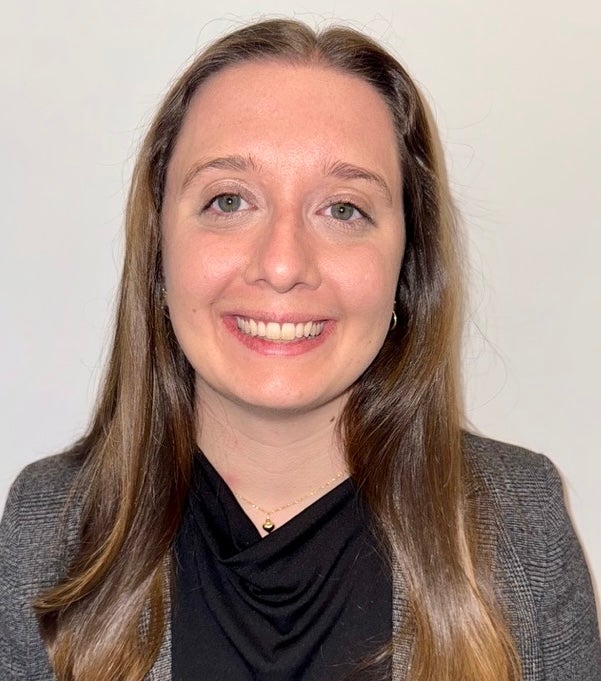
Kelsey Swingle is an Assistant Professor of Bioengineering at Rice University, where she leads the Swingle Lab at the intersection of biomaterials science, immune engineering, and reproductive biology. Her research focuses on engineering therapeutic and vaccine technologies with translational potential. Ph.D. in Bioengineering from the University of Pennsylvania B.S.E. in Biomedical Engineering from Case Western Reserve University Dr. Swingle’s research explores the design of lipid nanoparticles (LNPs) and nucleic acid therapeutics for women’s health applications, including pre-eclampsia, preterm birth, and gynecologic cancers. Her work integrates bioengineering principles with immune modulation strategies to develop targeted therapies. The trends in her publications highlight advancements in LNP elasticity optimization for placental mRNA delivery, targeted systemic RNA delivery to the brain, and in utero gene editing applications. Her lab prioritizes interdisciplinary approaches to overcome biological barriers in women’s health. 2025 Solomon R. Pollack Award for Excellence in Graduate Bioengineering Research 2024 Muriel Joan Drew Hege Award for Women in Cellular Immunotherapy Research 2024 Penn Engineering Outstanding Teaching Award 2023 Gordon Research Conference Travel Award 2022 Society for Biomaterials STAR Award 2020 NSF Graduate Research Fellowship The Swingle Lab collaborates with the Texas Medical Center to develop precision nanomedicines. Her team employs in vitro, ex vivo, and in vivo models to study biomaterial interactions with female-specific tissues, emphasizing translational research and inclusive scientific communication.
Gary M. Shaw is the Rosemarie Hess Professor and Professor (Research) at Stanford University , with courtesy appointments in the Department of Epidemiology and Population Health and Department of Obstetrics & Gynecology - Maternal Fetal Medicine . He serves as Co-PI of the March of Dimes Prematurity Research Center at Stanford and PI of the California Center for Finding Causes and Preventives of Birth Defects . His research focuses on the Epidemiology of birth defects Gene-environment interactions in perinatal outcomes Nutritional factors in reproductive health . He has developed machine learning approaches for precision parenteral nutrition and predictive models for preterm birth, while investigating persistent metabolomic signatures following hypertensive pregnancy disorders. Shaw's recent work explores Climate change impacts on reproductive health Maternal-fetal immune interactions Epigenetic mechanisms in perinatal disease with applications of multiomics to neonatal intensive care units. As a member of Bio-X and the Maternal & Child Health Research Institute , he contributes to translational research networks while serving as Associate Editor for Birth Defects Research and American Journal of Medical Genetics . He supervises Med Scholar Project student Richard Liang Doctoral co-advisor for Saskia Comess and Richard Liang Master's advisor for Lenae Joe while leading the Division of Neonatology as Associate Chair for Clinical Research (2012-2025). His laboratory work integrates Metabolomic profiling Proteomic analysis Computational modeling Machine learning for biomedical data to advance neonatal care through precision medicine approaches.
Lieselotte Ahnert serves as a Visiting Professor for Developmental Psychology at the Free University of Berlin's Department of Education and Psychology, specifically within the Department of Developmental Science and Applied Developmental Psychology. Her academic journey began at Humboldt University in East Berlin, where she studied psychology during a period of significant political change in the GDR. After completing her doctorate in 1982, she held various research positions including director of the Interdisciplinary Center for Applied Socialization Research (IZAS e.V.) from 1991-1996 and a visiting scientist position at the National Institutes of Health in Washington from 1996-1999. Prior to her current position at FU Berlin (since 2019), she was a Professor of Developmental Psychology at the University of Vienna from 2008-2019. Professor Ahnert's research focuses on early childhood development, attachment theory, and the specific contributions of fathers to child development. Her work examines how children develop within various caregiving contexts, including the transition from home to childcare settings, the effects of socioeconomic disadvantage on attachment security, and the unique role fathers play in children's language development and emotional regulation. She has conducted extensive research on stress responses in infants during childcare transitions and how care providers influence these responses. Her interdisciplinary approach draws from behavioral biology, genetics, neuroscience, pediatrics, and education to understand the complex interplay between genetic and environmental influences in early development. Ahnert's publication record demonstrates significant contributions to understanding father-child relationships, with recent work exploring how fathers' attachment security and education contribute to early child language skills beyond mothers' influence. Her research has also examined the 'terrible twos' phase, investigating how children cope with frustration and tantrums and how parents support them through these developmental challenges. She has published extensively in high-impact journals including Child Development, Developmental Psychobiology, and Attachment and Human Development. Professor Ahnert has received recognition for her expertise, including being commissioned to provide expertise for the Federal Chancellery of Austria in 2021. Her work has practical applications in early childhood education and intervention programs, particularly in understanding how public childcare can compensate for developmental risks in socioeconomically disadvantaged children. In addition to her research, Ahnert has made significant contributions to academic training and supervision. Her book publications, including 'It's the fathers who matter' (2023) and 'How much mother does a child need?' (2020), bridge the gap between academic research and public understanding of child development. Her work continues to influence both academic discourse and practical approaches to early childhood care and education.
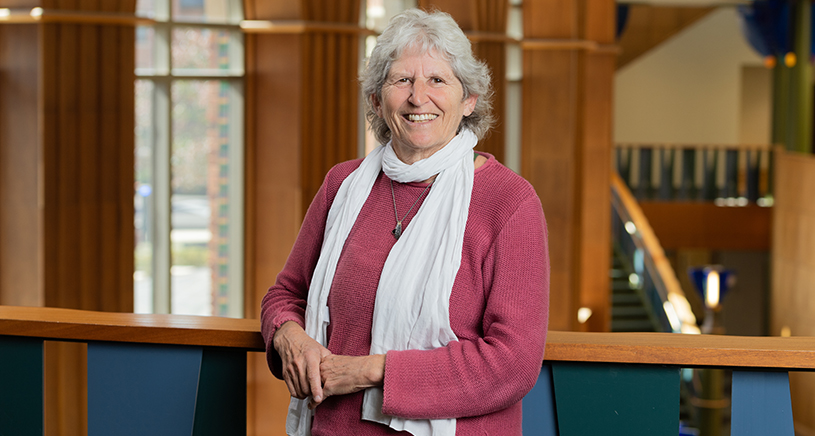
Betsy Foxman serves as the Hunein F. and Hilda Maassab Professor of Epidemiology at the University of Michigan School of Public Health. She directs three major initiatives: the Center for Molecular and Clinical Epidemiology of Infectious Diseases, the Integrated Training in Microbial Systems program, and the Certificate in Healthcare Infection Prevention & Control. Her academic leadership spans decades with continuous research contributions. Dr. Foxman earned her PhD and MSPH from UCLA (1983, 1980) and BS from UC Berkeley (1977). Her research centers on infectious disease transmission, microbiome ecology, antibiotic resistance, and wastewater surveillance . Key projects include analyzing the oral microbiome in dental caries using genomic methods, studying nose/throat microbiome associations with respiratory infections in nursing facilities, and developing wastewater monitoring for antibiotic-resistant pathogens. Her work integrates next-generation sequencing with epidemiological analysis to identify novel interventions. Publication trends reveal consistent focus on microbiome-pathogen interactions across multiple body sites (oral, vaginal, gut, respiratory). Recent articles demonstrate methodological innovation in wastewater epidemiology (2024 Norovirus GII monitoring) and clinical applications like predicting vancomycin-resistant enterococci contamination (2023 Lancet study). Her research bridges molecular microbiology with population health, emphasizing translational potential for diagnostics and public health interventions. Fellow of the Infectious Disease Society of America Fellow of the American College of Epidemiology Fellow of the American Academy of Microbiology Dr. Foxman's advising portfolio includes numerous NIH-funded projects on microbiome dynamics and infection control. Her leadership in the Center for Molecular and Clinical Epidemiology drives collaborative research across departments. Current initiatives focus on wastewater surveillance standardization and microbiome-based diagnostics for infection prevention. She maintains active laboratories for genomic analysis of microbial communities and clinical sample processing.
Yan Liu is a Senior Lecturer in Glycosciences at Imperial College's Department of Metabolism, Digestion and Reproduction (Faculty of Medicine). She leads the Wellcome Trust-funded Carbohydrate Microarray Facility and co-leads the GlycoTWINNG Network. Her research focuses on glycan-mediated interactions in host-microbiota interfaces, with applications in infectious diseases and reproductive health. She holds a B.Sc. from Peking University and a Ph.D. from the University of Bristol, followed by postdoctoral work at Imperial College under Professor Ten Feizi FRS. Her academic journey includes roles as a Microarray Project Leader and co-investigator in the March of Dimes European Preterm Birth Research Centre. She is PI of a £1.34M Wellcome Trust grant maintaining Imperial's Carbohydrate Microarray Facility, advancing glycan array technologies. Research interests span microbiology, immunology, and biomolecular chemistry, with a focus on glycobiology. Key contributions include defining glycan interactions in pathogen-host systems (e.g., Candida albicans, adenoviruses), developing glycan probes, and analyzing vaginal microbiota impacts on preterm birth. Grants and collaborations include EPSRC Translational funding and the UK 'FluTrialMAP' consortium. Labs affiliations include the Glycosciences Laboratory and Imperial's Institute of Infection.
Bjørn Olav Åsvold, MD, PhD, is a Professor of Medicine (Epidemiology) and Center leader at the HUNT Centre for Molecular and Clinical Epidemiology (HUNT MCE), Department of Public Health and Nursing, Norwegian University of Science and Technology (NTNU). He also serves as a Consultant at the Department of Endocrinology, St. Olavs Hospital, Trondheim University Hospital. His research spans epidemiology, genetics, and clinical medicine. MD, Norwegian University of Science and Technology, 2001 PhD, Norwegian University of Science and Technology, 2008 Specialist in internal medicine, 2014 Specialist in endocrinology, 2015 Åsvold's research focuses on thyroid dysfunction and diabetes , investigating their interplay with cardiometabolic diseases and pregnancy complications . He utilizes Mendelian randomization studies to explore causal relationships between genetic factors and health outcomes, including sleep traits , autoimmune thyroid disease , and kidney function . His work also addresses global health issues like obesity in Nepal and diabetic complications in Norway. Recent publications highlight his contributions to understanding hip fracture risk prediction , cardiovascular implications of sleep patterns , and genetic determinants of trace elements . Åsvold's collaborations span multiple international institutions, including the HUNT Study and HUNT MCE in Norway.
Pekka Martikainen is a leading researcher in population health and demography, affiliated with the Population Research Unit at the Faculty of Social Sciences, University of Helsinki . He is also actively involved with the MaxHel Center and the Laboratory of Population Health , contributing to major research initiatives such as the Monitoring Mortality Inequalities Consortium and studies on immigrant-native health disparities. His research focuses on social and economic determinants of health and mortality over the life course, using extensive Finnish register data. Key interests include fertility and family dynamics , health inequalities , migration and health , early-life determinants of health, and behavioral factors influencing mortality. His work often explores intergenerational linkages and the role of socioeconomic status in shaping health outcomes. The most recent publications reflect a strong emphasis on mental health , genetic and social interactions , educational and occupational influences on health , and disparities in cancer and reproductive health . Studies frequently employ longitudinal, register-based designs across Nordic and European populations, highlighting cross-national comparative insights. Behavioral Determinants of Health and Mortality Costs and Gains of Postponing Parenthood Immigrant-Native Health Disparities Over the Life Course Linked Lives: Family and Socioeconomic Attainment Medically Assisted Reproduction Mortality Disparities at Subnational Level His research has been published in top journals including The Lancet , Demography , Social Science and Medicine , and European Journal of Epidemiology . He collaborates extensively with researchers at the Max Planck Institute for Demographic Research and leads or contributes to multiple large-scale projects analyzing health and demographic trends in Finland and beyond. Martikainen’s work informs public health policy and contributes to understanding how social structures and individual behaviors interact to shape population health and longevity. He plays a central role in advancing register-based demographic research in Europe.
Shayesteh Jahanfar is a Professor in the Department of Public Health and Community Medicine at Tufts University School of Medicine, with a secondary appointment in Community Health at the Tufts School of Arts and Sciences. As a reproductive epidemiologist with expertise in public health and biostatistics, she directs the Cochrane Affiliate at Tufts and co-directs the Pregnancy and Childbirth US Satellite with Cochrane. Her global research spans reproductive health, maternal-child health, and genetic versus environmental studies across Australia, Malaysia, Canada, and the USA. Education: Doctor of Philosophy, University of British Columbia, Vancouver, Canada (2016) Doctor of Philosophy, University of New South Wales, Sydney, Australia (1995) Master of Science in Community Health, Universiti Putra Malaysia, Seri Kembangan, Malaysia (2009) Postdoc Epidemiology and Public Health, Universiti Putra Malaysia, Seri Kembangan, Malaysia (2008) Dr. Jahanfar's research program focuses on reproductive health, maternal-child health, global health, HIV/AIDS, opioid use, and twin studies. She leads WHO-funded projects related to reasons for Cesarean sections, family planning, and assisted vaginal birth, and collaborates with WHO's Department of Sexual and Reproductive Health and Research. Her work with twin studies spans multiple international settings, examining genetic versus environmental influences on health outcomes. She actively develops training materials for Cochrane trainers and promotes evidence-based healthcare practices globally. Her recent publications (2025) demonstrate a strong focus on women's health issues, particularly reproductive health, maternal outcomes, and interventions during pregnancy and childbirth. Her research combines epidemiological methods with clinical trials and systematic reviews, often with a global health perspective. She frequently collaborates on research in Iran and other international settings, addressing both clinical and social determinants of health. Her work spans from molecular diagnostics in cancer to behavioral interventions in maternal health, reflecting her interdisciplinary approach to public health research. Scientific Awards: Equity & Inclusion Fellow (2023) Most Stimulating Paper (2019) President and Provost's Research Award Nomination (2019) With over 35 years of teaching experience, Dr. Jahanfar has trained more than 800 clinicians and scientists through over 80 Cochrane workshops worldwide. Her grant portfolio includes multiple WHO-funded projects on family planning, Cesarean sections, and assisted vaginal birth. Under her leadership, Tufts University established a memorandum of understanding with the University of Malaya, facilitating student research projects in Malaysia during Summers 2022-2024. She actively seeks students and researchers to collaborate on Cochrane's work, twin studies, and reproductive health research projects. Dr. Jahanfar directs the Cochrane Affiliate at Tufts and co-directs the Pregnancy and Childbirth US Satellite. She collaborates with WHO's Maternal and Perinatal Health department, Department of Sexual and Reproductive Health and Research, and serves as a consultant for WHO and EMRO. Her global health research initiatives span Australia, Malaysia, Egypt, Iran, Europe, and the Middle East, reflecting her commitment to advancing global health education and research through international partnerships.
Nicola Hawley is an Associate Professor of Epidemiology (Chronic Disease) at the Yale School of Public Health with a secondary appointment in the Department of Anthropology at Yale University. She serves as Associate Director for Dissemination and Implementation Science at the Yale Center for Clinical Investigation and is affiliated with the Yale Institute for Global Health and Yale Network for Global Non-Communicable Diseases. Dr. Hawley is an internationally recognized expert in maternal and child health, with particular expertise in the developmental origins of obesity and related chronic diseases. Her interdisciplinary research bridges epidemiology, anthropology, and global health to examine how early life exposures during pregnancy, infancy, and childhood shape long-term health. She employs a life-course perspective and mixed-methods approaches across cross-sectional, cohort, and randomized controlled trial designs to identify critical windows for intervention. A hallmark of her work is the integration of community-engaged and culturally responsive strategies to address maternal and child health disparities in under-resourced and Indigenous settings. Her research primarily focuses on Pacific Islander communities in Samoa, American Samoa, and the US, with additional collaborations in South Africa, Uganda, New Zealand, and the United States. Dr. Hawley's current research portfolio includes NIH- and PCORI-funded studies addressing gestational and Type 2 diabetes, prevention of excess gestational weight gain, childhood obesity, and cardiometabolic risk across generations. Her recent publications demonstrate strong emphasis on Samoan health issues, including studies on genetic adaptations, sleep patterns, mental health, and food security, with a consistent focus on culturally appropriate interventions and community engagement. Yale School of Public Health Teacher of the Year (2016) As a mentor, Dr. Hawley plays a central role in training the next generation of US and global health scientists, serving as primary mentor on multiple NIH career development awards (K01, K99, F30, F31) focused on Pacific Islander health. She leads the Obesity, Lifestyle and Genetic Adaptations (OLaGA) Study Group, which uses a life course approach to understand the origins of obesity and related cardiometabolic diseases among Samoans and other Pacific Islanders. Her laboratory work emphasizes community partnerships and capacity building, with core values centered on equity, community engagement, interdisciplinary collaboration, and mentorship. The OLaGA Study Group is driven by the belief that innovative research should not only advance scientific understanding but lead to tangible improvement in health outcomes for all, particularly for populations often neglected in public health and genetic research.
Professor Jonna Kuntsi is a leading researcher in developmental disorders and neuropsychiatry at King's College London's Institute of Psychiatry, Psychology & Neuroscience, where she holds a professorship in the Social, Genetic & Developmental Psychiatry Centre. With extensive training including BSc, MSc, and PhD from University College London and clinical experience at Great Ormond Street Hospital for Children, she has established herself as a prominent figure in ADHD research globally. Her research primarily focuses on attention deficit hyperactivity disorder (ADHD) and related conditions, with particular expertise in neurodevelopmental disorders, remote measurement technology applications, developmental trajectories, preterm birth associations, and the effects of physical activity on cognition and ADHD symptoms. Professor Kuntsi has pioneered the ADHD Remote Technology (ART) research programme, securing substantial funding including £4 million from the UK Medical Research Council and European Commission for innovative projects like ART-transition and ART-CARMA. Her publication record demonstrates consistent high-impact research across multiple domains of ADHD investigation, with recent work emphasizing digital phenotyping, remote monitoring technologies, and the developmental aspects of ADHD across the lifespan. This research portfolio shows a clear trajectory toward increasingly sophisticated technological approaches to understanding and managing ADHD. Co-Chair of EUNETHYDIS - the European Network for ADHD Member of the European ADHD Guideline Group (EAGG) Principal Investigator in International Multi-centre Persistent ADHD Collaboration (IMpACT) Steering committee member of ECNP ADHD across the Lifespan Network Steering committee member of ECNP Digital Health Applied to Clinical Research Network Professor Kuntsi actively collaborates with patient support organizations including ADHD Europe and the UK ADHD Information and Support Service (ADDISS), and with technology companies like Empatica and The Hyve. She serves as Chair of the PhD Subcommittee across Departments of Social, Genetic & Developmental Psychiatry and Biostatistics & Health Informatics, demonstrating her commitment to mentoring the next generation of researchers while leading multiple international research networks that advance both scientific understanding and clinical practice in ADHD.
Margaret G.K. Parker, MD, MPH is a Professor at UMass Chan Medical School in the Department of Pediatrics and also holds a position in the Department of Population and Quantitative Health Sciences at the T.H. Chan School of Medicine. She practices at UMass Memorial Medical Center in Worcester, Massachusetts, where she focuses on neonatal care, breastfeeding support, and addressing health disparities among vulnerable populations. Dr. Parker received her BS in Biochemistry & Cell Biology from the University of San Diego, her MPH from Harvard University School of Public Health, and her MD from Albert Einstein College of Medicine. Her educational background has prepared her for a career focused on the intersection of clinical care, public health, and health equity. Dr. Parker's research primarily focuses on neonatal care, breastfeeding practices, health disparities, and social determinants of health. She has conducted extensive research on racial and ethnic disparities in mother's milk provision among mothers of preterm infants, communication practices for non-English speaking families in neonatal care units, and interventions to support vulnerable populations including low-income mothers and those with opioid use disorder. Her work often examines how social factors impact infant health outcomes and how healthcare systems can better address these challenges through quality improvement initiatives and policy changes. Her publication trends reveal a consistent focus on health equity in neonatal care, with growing emphasis on social determinants of health screening and intervention in the NICU setting. Recent work shows increased attention to financial support programs for low-income families, communication barriers for non-English speakers, and specialized care approaches for infants exposed to substances prenatally. Dr. Parker has been involved in numerous interdisciplinary research collaborations across pediatrics, public health, and social services to address complex challenges in infant care. Her work has been cited extensively, demonstrating significant impact in her field, particularly in the areas of breastfeeding disparities and safe sleep practices. She leads research teams focused on quality improvement in neonatal care, with particular attention to equity and addressing disparities. Her recent projects include evaluating the CuddleCard protocol for financial support to low-income mothers of preterm infants and developing communication strategies for non-English speaking families in the NICU.
Dr. Nigel Lee is a Lecturer and NHMRC Emerging Leadership Fellow at the University of Queensland's School of Nursing, Midwifery and Social Work. He also serves as an Adjunct Associate Professor with the Molly Wardaguga Research Centre at Charles Darwin University and is affiliated with the Centre for Innovation in Pain and Health Research (CIPHeR). Dr. Lee completed his PhD in 2013 at Australian Catholic University, researching sterile water injections for managing back pain in labour. His research interests span midwifery care, labour pain management, breastfeeding support, perineal trauma prevention, and consent practices during childbirth. He has developed significant expertise in randomized controlled trials and mixed methods research design, with a strong focus on translating research into clinical practice. His recent publications (2023-2025) demonstrate continued productivity across multiple areas of maternal health, with particular emphasis on labour induction trends, breastfeeding education, perineal trauma prevention, and consent practices during labour and birth. These works reflect his commitment to improving evidence-based midwifery practice through rigorous research. Scientific Awards: NHMRC Emerging Leadership Fellow NHMRC Investigator Grant (2023-2027) for 'Water injections: Transforming childbirth pain management for any woman, anywhere' Dr. Lee actively supervises multiple PhD and Master's students across various topics including respectful maternity care, perineal trauma prevention, and breastfeeding support. His current NHMRC-funded projects extend through 2027, demonstrating sustained research productivity. He collaborates extensively with researchers across Australia, Sweden, the UK, and the USA, reflecting his strong international research network. Dr. Lee's work bridges clinical practice and research, with a clear focus on improving maternal health outcomes through evidence-based practice. His leadership in the Consortium for Sterile Water Injections Research and Training (ConSIRT) demonstrates his commitment to translating research findings into practical clinical applications.
Professor Elisa Hill is a distinguished academic at RMIT University where she serves as a Professor in the Department of Health and Biomedical Sciences within the College of Science. She leads the Gut-Brain Axis Laboratory and holds the significant position of Deputy Chair of the Academic Board at RMIT University. Her career spans prestigious institutions including The University of Melbourne and research collaborations in Paris, France. Professor Hill earned her PhD in Neuroscience from The University of Melbourne in 2002. She subsequently undertook a CNRS postdoctoral position in Paris studying cortical neuronal diversity. Returning to Melbourne in 2006 as an NHMRC Howard Florey Centenary Fellow, she joined Prof Steve Petrou's laboratory to investigate neuronal networks in genetic mouse models of epilepsy. In 2009, she imported the Neuroligin-3R451C mouse model of autism to Australia, establishing herself as a pioneer in gut-brain axis research. Her research program focuses on three interconnected areas: identifying causes of gut dysfunction in transgenic mouse models of neurological disease, determining how neurons communicate with the lymphoid system and inflammation, and understanding interactions between the nervous system and bacteria. Professor Hill has demonstrated that gene variations associated with autism alter neuron populations in the mouse enteric nervous system, affecting gut motility, permeability, microbiome composition, and behavior. Her laboratory has developed sophisticated capabilities including video-imaging assays for gut motility, immunofluorescence for neuronal and immune cell analysis, and whole-cell patch clamp electrophysiology for neuronal activity profiling. Analysis of her recent publications reveals a strong focus on the gut-brain axis in autism, with particular attention to the Neuroligin-3R451C mouse model. Her work spans neuroimmunology, gastrointestinal physiology, microbiome interactions, and behavioral neuroscience, demonstrating an increasingly interdisciplinary approach that integrates molecular, cellular, and systems-level perspectives. A notable trend is the expansion of her research into translational applications, including biomaterial development for urogynaecological health. NHMMRC Howard Florey Centenary Fellowship ARC Future Fellowship RMIT Senior Vice Chancellor's Research Fellowship Professor Hill actively supervises numerous PhD students including Vic Lin, Yuansong Li, and Mohammed Al Alamoudi, among others. Her research has been supported by major funding bodies including NHMRC, US Department of Defense CDMRP, CNRS, ARC, and RMIT. She leads the Gut-Brain Axis Laboratory, which collaborates extensively with researchers across institutions, particularly with Prof Ashley Franks at La Trobe University. The laboratory employs a multidisciplinary team with expertise in neuroscience, microbiology, immunology, and gastrointestinal physiology, utilizing advanced techniques to investigate the complex interactions between the nervous system, immune system, and gut microbiome.
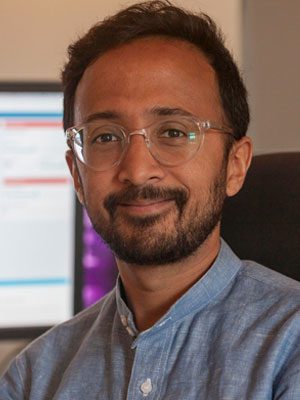
Ajay Pillarisetti is an Assistant Professor at the University of California, Berkeley's School of Public Health, Department of Environmental Health Sciences. His research focuses on the interplay between household energy use, air pollution exposure, health outcomes, and climate change in low- and middle-income countries. A graduate of UC Berkeley (PhD) and Emory University (MPH, BS), he has led global projects in India, Mongolia, Nepal, Guatemala, Peru, and Rwanda. PhD – Environmental Health Sciences, UC Berkeley MPH – Global Environmental Health, Emory University BS – Biology, Emory College His work employs low-cost air quality sensors, longitudinal surveys, and randomized controlled trials like the HAPIN study to assess health impacts of clean fuel interventions. Key subfields include exposure assessment, implementation science, pollution's metabolic effects, and policy-driven energy transitions. He collaborates with teams across four continents and has published extensively on household air pollution's multi-scale health burdens. Recent articles (2023–2025) highlight trends in quantifying PM2.5's health effects, optimizing sensor networks, and evaluating LPG interventions for maternal/child health. His studies span Guatemala's RESPIRE cohort, Rwanda's HAPIN trial, and India's community monitoring systems, addressing gaps in exposure-response modeling, biomarker analysis, and policy advocacy.