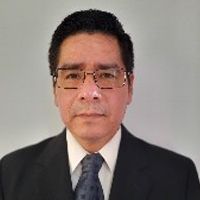
Francesco Tessarolo is an Assistant Professor at the Department of Industrial Engineering , University of Trento , focusing on biocompatibility , biofilm inhibition , and medical device safety . His work bridges material science , clinical microbiology , and healthcare technology development . Teaches Medical devices quality and safety and Robotica in medicina courses Research spans antimicrobial coatings , biofilm prevention , and ambient assisted living technologies Collaborates with researchers like Giandomenico Nollo , Devid Maniglio , and Alessandro Cristoforetti Recent publications include: 2025 studies on blood collection systems and nonlinear microscopy analysis 2024 work on silver-doped plasma and antimicrobial textiles 2023 research on face mask filtration efficiency and dental implant biofilms His technical expertise combines biomechanical testing , microbial diagnostics , and user-centered design for medical applications.
Patrick Rey is a Professor of Economics at the University of Toulouse and a member of the Toulouse School of Economics. He serves as research director of the Institut d’Economie Industrielle (IDEI), which he previously headed. Prior to joining Toulouse, he founded and led the Laboratoire d’Economie Industrielle (LEI) at CREST (INSEE, Paris) and was affiliated with ENSAE Paris. His educational background includes a PhD in Economics from the University of Toulouse, an engineer degree from Ecole Polytechnique (where he also served as professor), and a statistician-economist degree from ENSAE. These qualifications form the foundation of his expertise in quantitative economic analysis. Rey’s research focuses on Industrial Organization, Competition Policy, Regulation, Innovation, and Intellectual Property. He is globally recognized as a leading competition economics expert, bridging theoretical frameworks with real-world antitrust applications. His work critically examines digital market dynamics, pricing strategies, and regulatory challenges, particularly in platform economies and unilateral conduct cases. Recent publications reveal a pronounced emphasis on digital platform competition, antitrust enforcement mechanisms, and consumer behavior in complex markets. The research integrates advanced game-theoretic modeling with empirical analysis to address evolving competition policy challenges, especially in technology-driven sectors where traditional frameworks face new pressures. His distinguished accolades include: Fellow of the Econometric Society Fellow of the European Economic Association Senior member of the Institut Universitaire de France ERC Senior Grant recipient Honoris Causa doctorate from the Norwegian School of Economics Former President of the European Association for Research in Industrial Economics (EARIE) Rey actively shapes global competition policy through expert testimony in major antitrust cases and advisory roles for the OECD, World Bank, US Department of Justice, and European Commission. He co-founded the Association for Competition Economics (ACE) and coordinated the EAGCP expert group on Article 82 for the European Commission, demonstrating significant influence on regulatory frameworks. He directs the Institut d’Economie Industrielle (IDEI), a premier industrial economics research hub, and previously established the Laboratoire d’Economie Industrielle (LEI) at CREST. His innovative pedagogical tool—the "market game"—revolutionizes economics education by simulating real-world market dynamics for students.
Dr. Nuno Guimarães-Camboa is a Junior Research Group Leader at the Institute for Cardiovascular Regeneration, Goethe University Frankfurt, funded by the German Centre for Cardiovascular Research (DZHK). His research focuses on transcriptional mechanisms in perivascular cells and their critical roles in vascular stability and diseases including aneurysms and cardiac fibrosis. His work investigates perivascular cell biology (pericytes, vascular smooth muscle, adventitial fibroblasts) using integrated in vitro and in vivo models. These cells regulate vascular permeability and contribute to pathologies such as cancer, obesity, and organ fibrosis. His long-term goal is developing novel therapeutic strategies for aneurysmal diseases and cardiac fibrosis through molecular pathway targeting. Analysis of his 2014-2020 publications reveals consistent focus on perivascular cell lineage tracing and functional roles. Key contributions include establishing fibroblasts as adipocyte progenitors, disproving bone marrow origins of infarct fibroblasts, and demonstrating pericytes' non-stem cell behavior in vivo. His work bridges vascular development, disease mechanisms, and regenerative medicine through advanced molecular techniques. Scientific recognition includes: Junior Research Grant from the DZHK Excellence Program (2018) Schulman Award for Outstanding Research, University of California, San Diego (2016) As DZHK-funded group leader, he directs cardiovascular research utilizing fluorescence microscopy and genetic lineage tracing. His team trains next-generation scientists in vascular biology while investigating molecular pathways for therapeutic translation. Current work emphasizes clinical applications for aneurysm and fibrosis treatments. His laboratory at Goethe University Frankfurt's Institute for Cardiovascular Regeneration operates within the DZHK network, combining cellular models with disease pathology studies to advance diagnostic and therapeutic approaches for vascular disorders.
Dr. Julio Altamirano Barrera serves as Associate Professor at Tecnologico de Monterrey's School of Medicine and Health Sciences (Campus Chihuahua), where he has been faculty since 2009. His academic appointments include leadership in the Prevención Strategic Research Group and affiliation with the National System of Researchers (Level 2). He teaches undergraduate and graduate courses including Pathophysiology of Cardiovascular System and Thesis supervision. Bachelor of Biology (Honors), National Autonomous University of Mexico Ph.D. in Cell and Molecular Physiology, Loyola University Chicago (2004) Postdoctoral Training: Loyola University Chicago (2004-2005) and University of Maryland at Baltimore (2005-2009, AHA Fellowship) His research centers on molecular mechanisms of calcium signaling in cardiac pathologies , particularly heart failure and ventricular arrhythmias. Using animal models of metabolic diseases, his lab employs confocal microscopy, cellular electrophysiology, and molecular biology techniques to investigate SERCA2a/RyR2 dysfunction, oxidative stress, and T-tubule remodeling. Current work explores H2S therapy for cardiac hypertrophy and intermittent fasting applications in heart failure. Analysis of his 15 most recent publications reveals dominant themes in calcium handling pathologies (80% of articles), with strong focus on metabolic syndrome complications (60%) and emerging work in natural compound therapeutics (20%). Key techniques include confocal calcium imaging (73%) and molecular analysis of cardiac proteins (67%). National System of Researchers Level 2 Certification (CONACYT) American Heart Association Postdoctoral Fellowship Dr. Altamirano has graduated 7 Master's students, 1 Ph.D. candidate, and mentored 1 Postdoctoral Fellow . His research is supported through institutional grants at Tecnologico de Monterrey, with recent projects examining cardiac calcium dynamics in diabetic models and therapeutic interventions for hypertensive heart disease. He actively participates in the Sustainable Development Goals initiative, particularly Good Health and Well-being (SDG 3) and Industry Innovation (SDG 9). His laboratory focuses on cardiac biophysics and molecular pathology , utilizing rat models of metabolic syndrome, diabetes, and cardiac injury. Current projects investigate H2S-based therapies, intermittent fasting protocols, and natural antimicrobial compounds with potential cardiovascular applications.