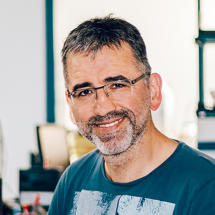
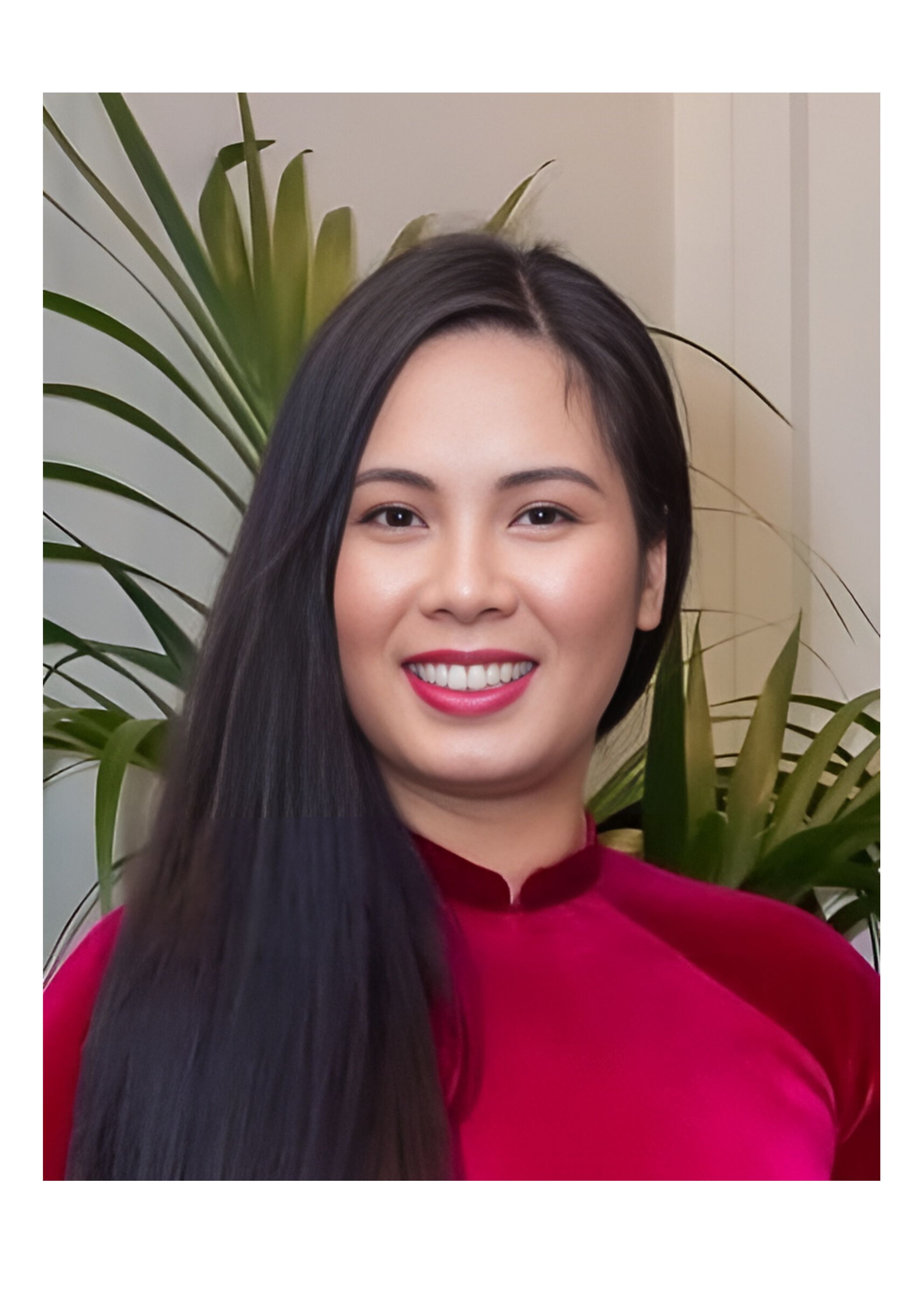
David Merryman is the Walters Family Professor of Biomedical Engineering at Vanderbilt University's School of Engineering, holding additional professorships in Pharmacology, Medicine, and Pediatrics. His research focuses on mechanobiology in fibrotic diseases, targeting cadherin-11 and developing GPCR-based therapies for cardiovascular conditions like pulmonary hypertension. He earned his Ph.D. in Bioengineering from the University of Pittsburgh, with prior degrees from the University of Tennessee. Research interests include: Mechanical force effects on cellular signaling and fibrosis Cardiovascular and renal disease mechanisms 5-HT2B receptor drug development Cadherin-11 as a therapeutic target Myofibroblast- immune cell interactions Recent work highlights novel 5-HT2B antagonists for pulmonary arterial hypertension and insights into cadherin-11's role in kidney injury. His lab employs advanced models including patient-derived cells and genetic knockout mice. Collaborations span engineering, medicine, and pharmacology to address unmet clinical needs in fibrosis and valve disease.
Dr. Christoph Rau is an Assistant Professor in the Department of Genetics at the UNC School of Medicine, with affiliations in the Computational Medicine Program and McAllister Heart Institute. He earned a PhD in Microbiology, Immunology & Molecular Genetics from UCLA and completed a postdoc in Cardiology there. His research focuses on systems genetics approaches to study genetic and epigenetic factors influencing cardiovascular disease, particularly using mouse models like the Collaborative Cross. His work integrates genomic, epigenetic, and transcriptomic data to identify regulators of heart failure progression. Key grants include an NIH R01 and a K99/R00 award. He mentors students in the Biological & Biomedical Sciences Program (BBSP) and teaches courses on animal models in disease research. Education: BSc from Harvey Mudd College (Mathematical Biology), PhD from UCLA (201?), Postdoc at UCLA Cardiology (201?). Research Interests: Epigenetic regulation of cardiac disease Cardiac cell-type composition dynamics Systems genetics approaches to heart failure RNA splicing regulators like RBFox1 Publications: Over 40 peer-reviewed articles since 2011, emphasizing translational genetics and computational methods in cardiovascular research. Recent work highlights DNA methylation pathways, cardiomyocyte ploidy dynamics, and cell-type composition analysis in heart failure. Mentorship & Grants: BBSP admissions committee member; emphasized trainee development across academia/industry. Active in lab environment fostering work-life balance and scientific curiosity. Labs/Teams: Leads the Rau Lab at UNC, collaborating on multi-omics studies with institutions like the McAllister Heart Institute.
Mariana Consoni Rubio is a Lecturer in Digital Marketing Management at Bournemouth University Business School, where she contributes to undergraduate and postgraduate teaching in marketing, branding, and tourism technology. She joined in 2023 and holds a PhD in Management Studies from the University of Aberdeen, alongside multiple degrees from Brazilian institutions including the University of São Paulo and the University of São Francisco. Education: PGCE in Higher Education – Bournemouth University (2024) PhD in Management Studies – University of Aberdeen (2022) MSc in Tourism Development – University of São Paulo (2016) BSc in Leisure & Tourism – University of São Paulo (2013) BSc in Hotel Management – University of São Francisco (2008) Her research focuses on digital marketing, ICT in tourism, work-life boundaries, consumer behaviour, and sustainability. She applies a sociomaterial perspective to understand how digital technologies blur the lines between professional and personal life, especially in higher education and tourism sectors. Her work aligns with UN Sustainable Development Goals such as Responsible Consumption and Production , Sustainable Cities and Communities , Decent Work and Economic Growth , and Climate Action . The recent articles highlight a strong thematic focus on work/non-work boundary dynamics, digital transformation in education, and sustainability in business curricula. These publications appear in edited volumes, journals, and conference proceedings, reflecting interdisciplinary engagement across marketing, tourism, and higher education. Her research increasingly integrates policy relevance with practical application, particularly in digital strategy and ethical consumerism. Scientific Awards and Recognitions: Fellow, Higher Education Academy (AdvanceHE), 2024 Associate Fellow, Higher Education Academy, 2019 Mariana actively supervises PhD and master’s students, including Amy Tucker and Oussama Ramzi Khettabi, and has led research projects funded by the Health Innovation Fund (NIHR). She has served as Head Editor for the Granite Journal and The Elphinstone Review , and regularly engages in peer review for journals such as Tourism Review and Journal of Hospitality and Tourism Management . She also delivers invited lectures internationally on AI in marketing and tourism internationalization. She leads initiatives such as the Digital Marketing Colloquium 2024, focusing on AI, Metaverse, and Web3, and serves as the 1st Year Coordinator for the BSc (Hons) Marketing program. Her work bridges academic research with industry practice, drawing from over eight years of professional experience in digital marketing and project management.
Michael Massett is an Associate Professor at Texas Tech University's Department of Kinesiology & Sports Medicine, affiliated with the Center of Excellence in Obesity and Cardiometabolic Research. Education : B.S. (1988) in Physical Education from Syracuse University, M.S. (1991) in Exercise & Sports Science from University of Arizona, Ph.D. (1997) in Exercise Science from University of Iowa, with postdoctoral training at New York Medical College (2000) and University of Rochester School of Medicine (2001). His research focuses on genetic determinants of exercise training adaptations , vasomotor function , and mitochondrial dynamics in cardiovascular health. Studies span from genetic mapping of exercise capacity in mouse models to pharmacological interventions for endothelial dysfunction. Recent publications (2023-2025) demonstrate expertise in genetic variants affecting vascular mechanics , transcriptomic responses to exercise , and interventions for autoimmune-related vascular dysfunction . Scientific Awards : 2015 Teacher of the Year in Kinesiology (Texas A&M), 2017 Distinguished Service Award from American Physiological Society's Physiological Genomics Group.
Nicholas P. Pietris, MD, serves as Associate Professor in the Department of Pediatrics at the University of Maryland School of Medicine, specializing in pediatric cardiology with clinical expertise in non-invasive cardiac imaging and cardiopulmonary exercise stress testing. His educational pathway includes: 2001: B.S. in Biochemistry from State University of New York at Stony Brook 2005: M.D. from State University of New York at Buffalo, School of Medicine and Biomedical Sciences 2005-2006: Pediatrics Internship at Yale New Haven Hospital 2006-2008: Pediatrics Residency at Yale New Haven Hospital 2008-2011: Pediatric Cardiology Fellowship at Yale New Haven Hospital 2011-2013: Advanced Cardiovascular Imaging Fellowship at Medical University of South Carolina Dr. Pietris' research centers on congenital heart disease and acquired pediatric cardiovascular disorders, emphasizing non-invasive imaging modalities (echocardiography, MRI, CTA), exercise physiology testing, and innovative stem cell applications. His scholarly work explores tissue engineering solutions for vascular grafts and diagnostic approaches for complex cardiac anomalies, aiming to advance therapeutic interventions for pediatric patients. Analysis of his 2014-2016 publications reveals consistent focus on translational cardiovascular research, particularly stem cell therapies for neonatal cardiac repair, mechanical circulatory support systems, and advanced imaging techniques for congenital defects. Key methodological trends include porcine modeling, speckle-tracking echocardiography, and CT/MRI applications in pediatric populations. Board certified in pediatrics and pediatric cardiology, Dr. Pietris maintains active membership in the American Heart Association, American College of Cardiology, and American Society of Echocardiography, reflecting his commitment to professional development and clinical excellence in pediatric cardiology.
Sina Julia Blassnig is a Full Professor at the Institute of Digital Communication and Media Innovation (IDCMI), University of Fribourg. Her research focuses on digital journalism , populist communication , and news recommender systems . She explores intersections between media systems , AI ethics , and user behavior in digital environments. Research Interests: Digital media systems Political communication Populist rhetoric Algorithmic journalism AI in news production Media effects Projects: Generative Visual AI in Swiss Journalism (FNS-funded, 2026–2030): Examines AI-generated visuals in journalism. Gratis-Abos für Jugendliche (2024–2026): Evaluates free subscription models in Swiss media. Crowding Out (completed 2025): Analyzed SRF News' impact on private media. Labs/Teams: Affiliated with the Medialab and IDCMI , focusing on digital communication innovation.
Gaurav Sharma, Ph.D., MBA, is an Assistant Professor in the Department of Cardiovascular and Thoracic Surgery at UT Southwestern Medical Center. His interdisciplinary background bridges biomedical sciences and business, enabling translational research with clinical impact. He is actively engaged in metabolic research with direct applications in cardiovascular and oncological diseases. B.Sc. in Biological Sciences M.Sc. in Biotechnology Ph.D. in Biomedical Sciences, All India Institute of Medical Sciences (AIIMS) MBA, Quantic School of Business and Technology, Washington, DC Postdoctoral Research, Advanced Imaging Research Center, UT Southwestern Medical Center Dr. Sharma's research centers on altered metabolic states in disease, particularly in cardiovascular and metabolic disorders. His lab integrates metabolomics , hyperpolarized 13C MRI , and LCMS/NMR to probe real-time metabolic fluxes. His work bridges preclinical models and clinical applications, supporting cardiothoracic surgical decision-making. The recent publications highlight a strong trend in metabolic imaging , mitochondrial redox dynamics , and metabolic reprogramming in heart disease, cancer, and diabetes. His articles frequently involve hyperpolarized 13C probes , redox state detection , and metabolic pathway analysis , demonstrating expertise in cutting-edge molecular imaging and translational metabolism. Dr. Sharma has received significant recognition for his research: Predoctoral Fellowship – Indian Council of Medical Research (ICMR) Postdoctoral Fellowship – American Heart Association (AHA) Second Century Early Faculty Independence Award – American Heart Association (AHA) He is actively involved in the scientific community as an advisor and evaluator. He serves on the editorial boards of The Journal of Heart and Lung Transplantation-Open , Journal of Translational Medicine , Frontiers in Cardiovascular Medicine , and several others. He has performed ad hoc peer review for over 40 journals and participates in national and international grant review panels. While specific student names are not listed, his lab environment suggests mentorship of graduate and postgraduate researchers. His work is supported by competitive awards and institutional resources. Dr. Sharma’s research is conducted within the Advanced Imaging Research Center at UT Southwestern, where he collaborates with multidisciplinary teams focused on metabolic imaging and cardiovascular innovation. His lab fosters integration between basic science and clinical cardiothoracic surgery, enabling rapid translation of findings.
Prof. Tzvetan Jeljazkov is a distinguished Professor at the Department of Theory of Sport Training within the Faculty of Sport at National Sports Academy 'Vasil Levski' in Sofia, Bulgaria. Born on December 24, 1930, in Raianovtsi, Bulgaria, he graduated with excellence from the same academy in 1953. His career spans roles as a basketball coach (1953-1967), academic (since 1967), and sports administrator including Vice Minister of Sports (1995-1997). His research focuses on Sport Training Theory , Optimization of Athletic Performance , Conditional Training , Sports Adaptation , Basketball Coaching Methodology , and Mathematical Modeling in Sports . He has published over 200 works including 26 monographs, with 40 translated internationally, applying statistical methods to optimize elite athlete training. Recent publications (1997-2009) demonstrate his focus on sports training theory, athletic adaptation, and performance optimization. Key themes include physiological conditioning, methodological frameworks for elite athletes, biosocial aspects of sports achievement, and periodization strategies across endurance, basketball, and foundational training disciplines. Honored Basketball Coach (1961) Honorable Symbol of Sofia – 1st Degree (1958) Gold Medal of Labor (1972, 1988) Kiril and Methodii – 2nd Degree (1980) Kiril and Metodii – 1st Degree (2011) 1300 Years of Bulgaria – Jubilee Medal (1981) Gold Medal for Special Merits – 1st Degree (1983) Honored Figure (1983) Man of the Year by American Biographical Institute (2004) Meritorius Professor, University of Zagreb (2009) He advises doctoral candidates at NSA and directed scientific programs for Bulgarian Olympic teams (1964-1996). As Dean of After-Graduate Qualification (1976-1979) and department head (1973-1982), he established academic frameworks for sport methodology. He continues to lecture on sport training theory to all academic levels.
Dr. rer. nat. Michael Kuhlmann is a leading researcher at the European Institute for Molecular Imaging (EIMI) in Münster, Germany, where he has worked since April 2008. His research focuses on developing and utilizing mouse models for cardiovascular, neurological, and tumor diseases , with extensive work in histology, microscopy, and advanced imaging techniques like PET, MRI, and optoacoustic tomography. His research spans atherosclerosis , stroke recovery , myocardial infarction , and infectious disease models . Publications from 2008–2023 highlight his expertise in in vivo imaging of inflammation, apoptosis, and biofilm development. He collaborates with the Cells-in-Motion Cluster of Excellence and has contributed to methods for carotid cuff implantation and nanoparticle drug delivery . Kuhlmann's work employs multimodal imaging to study plaque vulnerability in atherosclerosis post-stroke brain recovery cardiac metabolism in diabetes biofilm formation in vascular infections endothelial dysfunction metallic biomarker tracking His 15 most recent articles (2008–2023) demonstrate a consistent focus on preclinical disease modeling and therapeutic response imaging . He holds a Diploma in Biology (University of Münster, 1987–1994) and a PhD (Dr. rer. nat.) from the German Primate Center and University of Münster (2000). His career includes research roles at the University Hospital Münster in Nuclear Medicine (2007–2008) and Cardiology (2002–2007).
Thuy Anh Bui is a Senior Research Fellow at the University of New South Wales, Faculty of Medicine, specializing in clinical rehabilitation and translational research. Originally from Vietnam, she completed her BSc and PhD in Physiology at the University of Manchester before transitioning from laboratory-based cardiovascular and cancer gene therapy research into clinical applications. Her current work bridges laboratory innovation with practical healthcare solutions, particularly for hip fracture patients in culturally diverse communities. Her research interests focus on clinical rehabilitation , musculoskeletal diseases , and health service research for culturally and linguistically diverse populations. She has published in high-impact journals including Nature Communications, Lancet eBiomedicine, and Advanced Functional Materials, demonstrating expertise that spans from basic science to clinical implementation. Her recent work shows a clear trajectory from cardiovascular and cancer gene therapy toward rehabilitation research, particularly in home-based care models. Bui leads the 'Rehabilitation in the Home' (RITH4Hips) randomized controlled trial, which received a $493,233 HCF Health Services Research Grant. This work builds on her previous success as project manager for the Hospital in the Home for Hip Fracture project at Liverpool Hospital, which was named a 2025 SWSLHD Quality Awards Finalist for Health Research. SWSLHD Quality Awards Finalists in Health Research, 2025 President's Doctoral Scholar Award, University of Manchester, UK, 2014-2018 Award for Excellence, Faculty of Life Sciences, University of Manchester, UK 2014 Outstanding Achievement Award, Faculty of Life Sciences, University of Manchester, UK, 2012 Silver Medal - 21st International Biology Olympiad 2010 First Prize - National Biology Olympiad, Vietnam 2010 As a supervisor, Bui is available to mentor ILP, Honours, Master, and PhD students in clinical trials for rehabilitation and musculoskeletal health, health service research for diverse populations, and translational research. Her community engagement work focuses on South West Sydney's culturally diverse communities, ensuring research addresses real-world healthcare disparities. She holds a Graduate Certificate in Higher Education Teaching and Learning from University of Technology Sydney, enhancing her capacity to develop future researchers.
Noortje A.M. Bax is a Project Manager at the Center for Care & Cure Technology Eindhoven (C3Te) within the Department of Electrical Engineering at Eindhoven University of Technology. With a background in Biology and expertise in biomedical research, she facilitates collaborations between academia, clinics, and industry in Care & Cure Technology. She supports researchers in securing funding and writing grant proposals. Her research career (2010–2019) focused on cardiac regenerative medicine , emphasizing cell biology and the interaction between cells and their extracellular matrix. She supervised 3 PhD students and over 10 bachelor’s/master’s students. Her publications and research span cardiac fibrosis , extracellular matrix dynamics , myocardial injury , and mechanosensitivity , often in collaboration with medical centers in Leiden, Rotterdam, Utrecht, and Eindhoven. She received two scientific awards: Dekker Junior 2014T013 (2015) and Grant Application ASTF 497-2012 (2013). Her work contributes to the UN Sustainable Development Goals (SDGs), particularly in Biomedical Engineering .
Mercedes Bleda is a Senior Lecturer in Innovation and Strategy at the Alliance Manchester Business School (University of Manchester), affiliated with the Manchester Institute of Innovation Research (MIoIR). She holds a PhD in Innovation Studies from the University of Manchester and a bachelor's degree in Economics from the University of Murcia, Spain. Her research focuses on cognitive processes in organizational decision-making, particularly regarding corporate climate adaptation and public innovation policy. Key areas include sustainable innovation systems, policy evaluation, and the interplay between emotions and strategic choices in complex environments. Education: Bachelor's in Economics, University of Murcia (Spain) PhD in Innovation Studies, University of Manchester Research interests span cognitive biases in climate adaptation strategies, the role of emotions in decision-making, and the design of effective innovation policies. She has contributed to projects funded by ESRC, EPSRC, the European Commission, and the OECD, addressing topics like renewable energy policy, eco-innovation, and organizational resilience. Her recent work emphasizes methodological innovation through simulation models to study belief formation and risk perception dynamics in climate change contexts. Collaborations include the Tyndall Centre for Climate Change Research and CROMTEC, with international networks across Europe and Asia. Grants and projects include leadership roles in initiatives such as 'Public Participation in Developing a Common Framework for Sustainable Innovation' (2014–2017) and 'Low-Emission Pathways for Aviation in the North West Region' (2007–2009). She advises on strategic innovation policies and has supervised three research students. Her affiliations include MIoIR and the Sustainable Futures research beacon at Manchester. Current research explores institutional pressures on digital platforms, non-market strategies, and the socio-economic impacts of innovation policies.
Noah Marcus is an Associate Professor in the Department of Physiology and Pharmacology at Des Moines University Medicine and Health Sciences. He holds additional roles in the Doctor of Osteopathic Medicine Program, Master of Science in Biomedical Sciences Program, and Ph.D. in Biomedical Sciences Program. His expertise spans autonomic regulation, cardiopulmonary physiology, cardiovascular disease, and sleep apnea. Dr. Marcus earned his Ph.D. from the University of Wisconsin-Madison (2010), followed by a post-doctoral fellowship at the University of Nebraska Medical Center (2010–2015). His research focuses on cardio-renal dysfunction in heart failure, sex steroid hormones in sleep apnea, and therapeutic interventions like remote ischemic conditioning. Research Interests: His work examines mechanisms underlying chemoreflex dysfunction in heart failure, autonomic dysregulation in sleep disorders, and cardio-renal interactions. Key areas include glomerular hyperfiltration, hepatic microcirculation, and neuroinflammatory pathways. Publications highlight advancements in understanding chronic intermittent hypoxia effects, medullary astrocyte signaling, and therapeutic strategies for long-COVID cardiovascular complications. His studies often utilize rodent models to explore novel treatment avenues. Grants and advising details are not explicitly listed in the provided text.
Sunil Dhar is a Professor in the Department of Mathematical Sciences at the New Jersey Institute of Technology (NJIT). His research spans interdisciplinary areas including biostatistics, cardiovascular science, and statistical modeling. He has contributed to studies on catheter material strength, muscle-fascia interactions during exercise, and bivariate geometric distributions. Research Interests: His work focuses on applying statistical methods to biomedical problems, including cardiovascular hemodynamics, muscle physiology, and clinical device evaluation. He also explores theoretical probability distributions and their real-world applications. Recent Publications: Over 30 peer-reviewed articles, with notable contributions in Anesthesia and Analgesia , Journal of Bodywork and Movement Therapies , and Communications in Statistics . Key themes include material science for medical devices, biostatistical modeling, and clinical hemodynamic measurements. Advising & Grants: No specific student advising or grant information provided in the texts. His research has been supported through institutional and collaborative efforts.
Anders Poulsen is an Associate Professor in the School of Economics at the University of East Anglia. He holds a Ph.D. from the University of Essex and is a member of the Centre for Behavioural and Experimental Social Science (CBESS). His research focuses on behavioral economics, experimental economics, and strategic analysis, particularly in areas such as consumer negotiation, market design, and algorithmic fairness. Poulsen has led multiple grants, including a British Academy-funded project on 'Negotiation Overload' (2024–2026) and prior work on bargaining dynamics. He teaches behavioral economics and has reviewed for top journals like the American Economic Review and Quarterly Journal of Economics . Education: Ph.D. in Economics, University of Essex, 2000. Research Interests: Behavioral and experimental economics, with emphasis on bargaining, fairness, and market design. Dynamic bargaining situations, focal points, and decision-making under time pressure. Algorithmic fairness in market mechanisms and organizational interventions. Grants & Projects: Principal Investigator on multiple grants, including British Academy (Negotiation Overload), Leverhulme Trust (Unstructured Bargaining), and ESRC (Focal Points in Bargaining). Labs/Teams: Active member of CBESS and collaborates with institutions like the University of Nottingham and Warwick Business School.