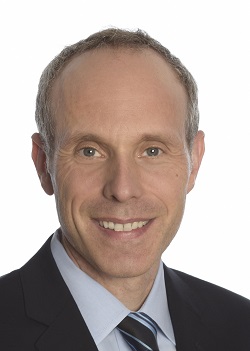
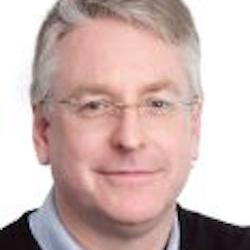
Michael Krauthammer is a Professor of Medical Informatics and Chair of the Department of Quantitative Biomedicine at the University of Zurich, affiliated with the University Hospital of Zurich. His lab focuses on Clinical Data Science and Translational Bioinformatics, leveraging AI and machine learning to address healthcare challenges. Key areas include cancer genomics, federated learning, and automated medical imaging analysis. Education and affiliations: Krauthammer leads an interdisciplinary team supported by major funding agencies. His research spans bioinformatics, clinical decision support systems, and multimodal data integration. Notable projects include AI-assisted diagnosis in rheumatology and prime editing efficiency prediction. Recent work emphasizes longitudinal cfDNA analysis, drug interaction modeling, and personalized oncology. The lab collaborates across disciplines, with projects funded by Swiss and international grants. Students and postdocs work on topics like machine learning for radiology reports, longitudinal disease trajectories, and protein design. Key projects include the NTCIR-18 RadNLP challenge, prime editing prediction models (Nature Biotechnology 2024), and vision transformers for capillaroscopy analysis. The lab advocates for reproducible data science and ethical AI in healthcare.
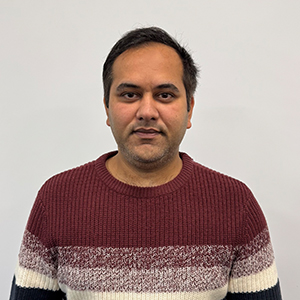
Dr. Ram Bajpai is a Lecturer in Epidemiology/Applied Statistics at Keele University's School of Medicine. He joined in 2019 as part of the Research Institute for Primary Care and Health Sciences, combining active research and teaching roles. Previously, he worked at the Lee Kong Chian School of Medicine (Nanyang Technological University, Singapore) and the Army College of Medical Sciences (India). Education: BSc in Statistics/Mathematics (University of Lucknow), MSc Health Statistics (Banaras Hindu University), PhD in Medical Statistics (Guru Gobind Singh Indraprastha University). Research focuses on cross-domain applications of statistical/epidemiological methods, including survival analysis, Bayesian methods, risk prediction modelling, and evidence synthesis. Teaching experience includes biostatistics modules for medical students at multiple institutions. Current research interests span prognostic studies, meta-analysis, complex data analysis, and design of epidemiological studies. Key contributions include systematic reviews on gout prophylaxis safety, dementia prognostic factors, and long-term outcomes of pediatric COVID-19. Active in collaborative projects on aging populations, musculoskeletal health, and public health interventions.
Maria Chiara Fiorentino is a Research Fellow at the Department of Information Engineering, Polytechnic University of Marche, Italy. Her work focuses on applying deep learning techniques to medical image analysis, particularly in ultrasound, MRI, and CT imaging. Education Master’s in Biomedical Engineering, Università Politecnica delle Marche (Honors) Ph.D. in Information Engineering, Università Politecnica delle Marche (Laude) Research Interests: Dr. Fiorentino specializes in deep learning for medical imaging, with applications in diagnosing neurodegenerative diseases like Parkinson’s, cardiovascular conditions, and musculoskeletal disorders. Her recent work includes federated learning for fetal ultrasound analysis, AI-driven vocal fold pose estimation, and domain adaptation in MRI segmentation. Scientific Awards: Paolo Marziali Thesis Prize for her Master’s research Gruppo Nazionale di Bioingegneria award for her Ph.D. thesis Publications: Dr. Fiorentino’s work spans fetal brain image synthesis, zero-shot learning robustness, and machine learning for catheterization management and stenosis detection.
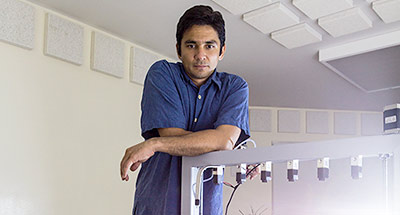
Camilo Mora is a Professor in the Department of Geography at the University of Hawaii at Manoa, where he maintains an active research laboratory and teaches courses on environmental issues, biogeography, and data analysis. His academic journey began with a BSc in Marine Biology from Universidad del Valle in Colombia (1999), followed by a PhD in Biology from the University of Windsor, Canada (2005). He completed postdoctoral fellowships at the University of Auckland (2005), Scripps Institution of Oceanography (2006-2008), and Dalhousie University (2008-2010). BSc, Marine Biology, Universidad del Valle, Colombia (1999) PhD, Biology, University of Windsor, Canada (2005) Postdoctoral Fellow, University of Auckland (2005) Postdoctoral Fellow, Scripps Institution of Oceanography (2006-2008) Postdoctoral Fellow, Dalhousie University (2008-2010) Mora's research spans interconnected lines focused on understanding biodiversity patterns and their modification by human activities, with particular emphasis on climate change impacts. His lab specializes in big data analytics applied to diverse environmental challenges including heatwaves, disease transmission, marine ecosystems, and even unconventional topics like Bitcoin's environmental footprint. The Mora Lab operates on a 'divide and conquer' approach to tackle large research questions by breaking data gathering into individual parts that can be concatenated into central databases. Mora has received the CSS Excellence in Research award (2014) for his significant contributions to environmental science. His influential publications include groundbreaking work on the global risk of deadly heat (2017), the projected timing of climate departure from historical variability (2013), and the finding that over half of known human pathogenic diseases can be aggravated by climate change (2022). CSS Excellence in Research (2014) Highly cited publications in Nature and Nature Climate Change Research featured in major international media outlets Development of innovative research methodologies for large-scale analyses Mora leads an active research group that engages students in the full scientific process from idea generation to publication. His approach to mentoring involves creating yearly classes where graduate students, professors, and international advisors collaborate to tackle significant research questions, with papers typically completed within a single semester. His Carbon Neutrality Challenge project, spearheaded by his daughter Asryelle Mora, provides a practical mechanism for individuals to offset carbon emissions through tree planting. The Mora Lab maintains a distinctive approach to environmental research, working on seemingly diverse topics from reef fishes to Bitcoin, united by their reliance on big data analytics. This interdisciplinary methodology has produced impactful research across multiple domains of environmental science and climate change impacts, establishing Mora as a significant contributor to our understanding of humanity's environmental challenges.
Young-Hee Lee is a Ph.D. candidate and Lecturer at the Technical University of Munich (TUM), affiliated with the TUM School of Engineering and Design and the Institute for Communications and Navigation. Her research focuses on proteomics, with emphasis on protein citrullination dynamics, phosphoproteomics in cancer diagnostics, and advanced mass spectrometry techniques. Her recent work includes the development of high-throughput proteomic workflows for ischemic stroke biomarker discovery and the application of deep learning to enhance citrullination identification. She contributes to methodological innovations in peptide extraction and single-cell proteomics sensitivity. Lee is part of the Chair of Communication and Navigation led by Prof. Christoph Günther, located at Theresienstraße 90, Munich. Her research bridges computational biology and biochemical analysis, with applications in cancer, neuroscience, and viral proteomics.
Professor Graham Ogg is a leading academic at the University of Oxford, where he serves as Professor of Dermatology and leads the Skin Immunology Group. His research focuses on cutaneous immunity, particularly the role of CD1a-restricted T cells in inflammatory skin diseases. He is affiliated with the MRC Human Immunology Unit and MRC Weatherall Institute of Molecular Medicine, driving translational research on lipid antigen presentation and skin immune responses. Professor Ogg's investigations center on molecular mechanisms of skin inflammation, with emphasis on CD1a-mediated T cell activation and its implications for atopic dermatitis, psoriasis, and vaccine development. His work bridges fundamental immunology with clinical applications, exploring how lipid metabolism influences immune pathways in barrier tissues. Research themes include: CD1a-lipid interactions in cutaneous inflammation Therapeutic modulation of skin-specific T cell responses Translational models for dermatological drug delivery Immune mechanisms in allergic skin disorders Analysis of his recent publications (2024-2025) reveals dominant research streams: 1) Clinical dermatology focusing on systemic therapies for atopic eczema, 2) Immunological studies of dengue pathogenesis and metabolic interactions, 3) COVID-19 sequelae and immunity dynamics, and 4) Fundamental T cell biology in autoimmune/inflammatory contexts. This corpus demonstrates interdisciplinary integration of dermatology, virology, and immunometabolism. His scientific recognition includes: Fellowship of the Academy of Medical Sciences (FMedSci) Professor Ogg directs the Skin Immunology Group at the MRC Weatherall Institute, coordinating translational projects that investigate cutaneous immune circuits. The team employs single-cell analysis, spatial transcriptomics, and immunological profiling to dissect skin-specific immune responses, with ongoing work exploring CD1a-targeted therapeutic strategies.
Blake Dear is a Professor and Senior Clinical Psychologist in the Department of Psychology at Macquarie University. He holds leadership roles as Director of the eCentreClinic and a member of the Senior Leadership Team at the MindSpot Clinic. His work focuses on improving access to psychological care through technology, particularly for individuals with chronic health conditions. He has received significant funding via NHMRC fellowships, including an Emerging Leader Fellowship (2020–2024). His research spans five main areas: technology-driven care access, psychological care for chronic conditions, implementation science, therapist supervision, and methodological research synthesis. He has contributed to over 270 publications and led 35 projects, including international collaborations. His clinical services, such as the eCentreClinic, annually serve over 20,000 Australians. Awards include NHMRC Emerging Leader, Career Development, and Early Career Fellowships. His work emphasizes bridging research and routine clinical practice, with a focus on scalable mental health solutions. Research interests include telehealth innovations, transdiagnostic treatments for anxiety/depression, and implementation of digital therapies into healthcare systems. Projects address chronic conditions like chronic pain, kidney disease, and neurological disorders. He serves on editorial boards, ethics committees, and advises international clinics. His educational background is implicit in his clinical and research leadership roles. Key achievements include developing the eCentreClinic and MindSpot Clinic, which provide free mental health services. He collaborates globally on trials evaluating digital interventions for epilepsy, rheumatoid arthritis, and endometriosis. His work on therapist guidance models and treatment adherence has advanced understanding of effective psychological care delivery. Recent studies focus on sudden gains in therapy, treatment adherence predictors, and cultural adaptability of interventions.
Prof Conrad Bessant is a Professor of Bioinformatics at Queen Mary University of London (QMUL), affiliated with the School of Biological and Behavioural Sciences. He leads the MSc Bioinformatics program and is academic lead of the UKRI AI for Drug Discovery Doctoral Training Programme. His research focuses on automating scientific discovery in biomedicine using AI, machine learning, and network science. Key areas include drug response prediction, kinase networks, and health data analytics from online forums. Research interests span data science, computational biology, and AI applications in healthcare. He has contributed to projects on tumor microenvironment analysis, proteomics, and biomarker discovery in rheumatoid arthritis. His work integrates multi-omics data with machine learning to identify therapeutic targets and predict drug responses. Recent grants include AI-driven omics data integration (BBSRC), biomarker studies in ALS (Barts Charity), and collaborations with pharmaceutical companies like Exscientia and Merck. Publications highlight contributions to automated cell identification, kinase network modeling, and health informatics. He has pioneered tools like MRMaid for proteomics and Galaxy workflows for transcriptomics-informed analyses.
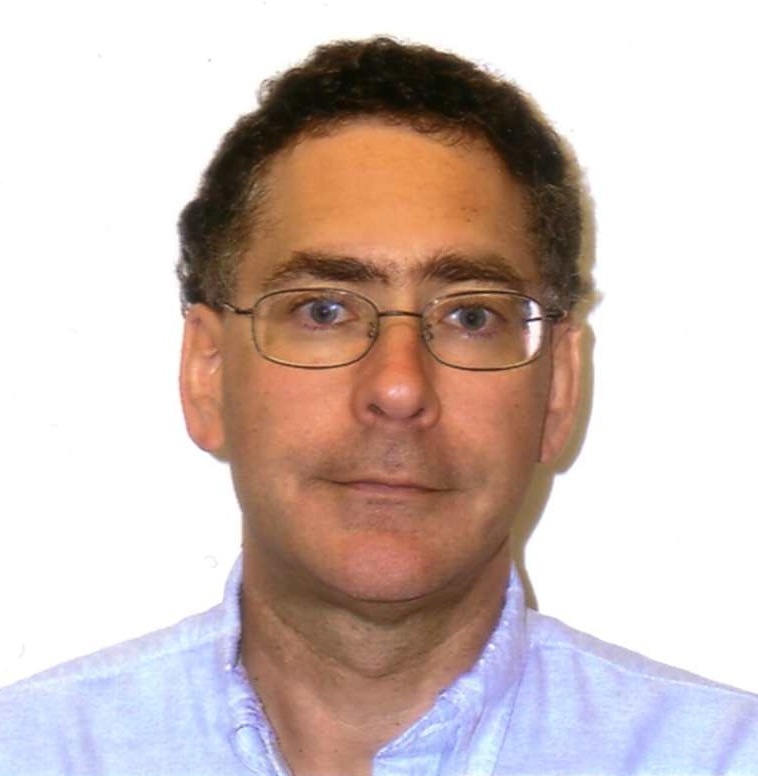
Daniel M. Spielman is a Professor of Radiology and Electrical Engineering (courtesy appointment) at Stanford University. His office is located at the Lucas Center P-274. Dr. Spielman's research focuses on medical imaging, particularly magnetic resonance imaging and in vivo spectroscopy, with applications spanning cancer diagnosis, treatment monitoring, and neurodegenerative diseases. Dr. Spielman's research interests center on advancing magnetic resonance imaging (MRI) and spectroscopy techniques to provide clinically valuable metabolic imaging. His work addresses challenges of low metabolite concentrations, overlapping resonances, and field inhomogeneities through improved spectroscopic imaging, shimming methods, and optimal data quantification. Current applications include cancer diagnosis, treatment monitoring, prediction of therapy response, brain development in pediatric patients, and neurodegeneration associated with Alzheimer's disease, alcoholism, epilepsy, and aging. His publications demonstrate a strong focus on hyperpolarized carbon-13 MRI, metabolic imaging, and multimodal imaging approaches. The research trend shows increasing emphasis on clinical translation of advanced imaging techniques, particularly for oncology applications, with significant contributions to understanding metabolic processes in various disease states. Dr. Spielman collaborates extensively with faculty and staff across Stanford's Medical School and School of Engineering. He advises graduate students in Biophysics, Bioengineering, Electrical Engineering, and Medical Informatics programs. His research is conducted in collaboration with various departments at Stanford, focusing on developing novel imaging techniques that bridge engineering principles with clinical applications.
Jafar Alzubi is a Researcher in the Department of Internal Medicine at Yale School of Medicine. His work focuses on cardiovascular and pulmonary conditions with particular emphasis on cancer-cardiovascular comorbidities, interventional cardiology, and diagnostic imaging innovations. His research explores the intersection of malignant diseases with cardiovascular systems, device-based therapies, and critical care management. Key research areas include pulmonary embolism treatment strategies in oncology patients, left atrial appendage closure techniques, and the diagnostic utility of advanced echocardiography. He has investigated outcomes of spontaneous coronary artery dissection, non-bacterial thrombotic endocarditis, and Takotsubo cardiomyopathy in transplant recipients. His recent publications highlight trends in cardiovascular device performance, predictive modeling for disease progression (e.g., aortic stenosis), and epidemiological insights into sepsis mortality demographics. Notably, he has contributed to understanding how modern imaging modalities like 3D echocardiography improve diagnostic accuracy for conditions like infective endocarditis. No scientific awards have been listed. His advisory and grant activities remain unspecified in available records. He is affiliated with Yale University's clinical and research teams in cardiology and critical care medicine.
Dinler A. Antunes is an Assistant Professor of Computational Biology at the Department of Biology and Biochemistry of the University of Houston, where he is also a member of the Center for Nuclear Receptors and Cell Signaling (CNRCS). His research focuses on computational immunology and structural modeling of protein-ligand complexes that play key roles in cellular immunity. Dr. Antunes received his educational training at the Federal University of Rio Grande do Sul (UFRGS) in Brazil, earning a Bachelor's degree in Biomedicine in 2008, a Master's degree in Genetics and Molecular Biology in 2011, and a Doctorate in 2014. He later completed postdoctoral studies at Rice University's Computer Science Department with a fellowship from the Computational Cancer Biology Training Program (CCBTP), collaborating with MD Anderson Cancer Center. His research interests center on developing computational methods for structural modeling of peptide-MHC complexes, with applications in personalized cancer immunotherapy and vaccine development. Dr. Antunes has pioneered several computational tools including DockTope, DINC, APE-Gen, and HLA-Arena, which enable researchers to model and analyze peptide-HLA complexes for immunotherapy applications. His work addresses the challenge of protein flexibility in molecular docking, particularly for large ligands like peptides binding to MHC receptors. Analysis of Dr. Antunes' recent publications (2023-2025) reveals a strong focus on computational immunology, with particular emphasis on peptide-MHC structural modeling, T-cell cross-reactivity prediction, and applications in cancer immunotherapy. His work spans structural biology, machine learning applications in immunology, and translational research connecting computational predictions with clinical applications, particularly in acute myeloid leukemia and rheumatoid arthritis. Dr. Antunes has received several scientific awards and recognitions: SCI Gold Oral Presentation Award at the 6th Annual SCI Summer Research Colloquium 2020 Immuno-Oncology Young Investigators' Forum (IOYIF) PhD Postdoc Awards Selected to represent the CCBTP program during the 30th Annual Keck Research Conference Fellowship from the Computational Cancer Biology Training Program Dr. Antunes is actively recruiting PhD students and postdoctoral researchers to join his team at the University of Houston. His laboratory develops computational tools for structural immunology, with current projects including HLA-Arena (a customizable environment for peptide-HLA complex analysis), DINC-COVID (a webserver for ensemble docking with SARS-CoV-2 proteins), and CrossTope (a structural database for cross-reactivity assessment).
Professor Martin Graves is Professor of Magnetic Resonance Physics at the University of Cambridge, holding appointments within the School of Clinical Medicine and Department of Radiology. Since 1996, he has led the MRI Physics group at Addenbrooke's Hospital in Cambridge and serves as Honorary Consultant Clinical Scientist for the NHS. His primary institutional affiliation is with the Cambridge Mathematics of Information in Healthcare (CMIH) Hub at the Centre for Mathematical Sciences. His research focuses on advanced magnetic resonance imaging techniques with particular emphasis on hyperpolarized carbon-13 MRI for metabolic imaging applications. Key research areas include cardiac imaging for myocardial infarction assessment, cancer metabolism studies in renal cell carcinoma and ovarian cancer, neuroimaging of brain metabolism, and development of quantitative MRI methodologies. His work bridges physics, clinical medicine, and computational analysis to address diagnostic challenges in cardiovascular disease, oncology, and neurology. Analysis of his recent publications (2021-2025) reveals strong trends in hyperpolarized pyruvate imaging for cancer treatment monitoring, radiomics for plaque vulnerability assessment, and technical innovations in zero echo-time MRI. His research consistently targets clinical translation of advanced MRI techniques, with substantial focus on quantitative biomarkers for early treatment response assessment. No scientific awards or honors are documented in the provided materials Graves maintains active clinical-academic integration through his NHS consultancy role while leading physics research within Cambridge's imaging infrastructure. His work demonstrates consistent collaboration across medical specialties including cardiology, oncology, and neurology, with emphasis on developing clinically viable quantitative imaging biomarkers. The CMIH Hub serves as his primary research platform for mathematical approaches to healthcare imaging challenges.
Jincheng Shen is an Assistant Professor in the Department of Population Health Sciences at the University of Utah, with adjunct roles in the Departments of Family & Preventive Medicine and Internal Medicine. He completed his PhD in Biostatistics at the University of Michigan, Ann Arbor, postdoctoral training at Harvard T.H. Chan School of Public Health, and holds a BS and MS in Computer Science from Tsinghua University. His methodological research focuses on causal inference , machine learning , high-dimensional data analysis , and statistical genetics . Applications span cancer studies, cardiovascular health, opioid use disorder, and chronic disease management. He actively collaborates with clinicians, biologists, and epidemiologists, particularly in analyzing longitudinal data from trials like SPRINT and AASK. Recent publications (2024–2025) highlight his work in optimizing dynamic treatment regimes for diabetes, cardiovascular disease, and cancer, using machine learning and epigenetic biomarkers . He also contributes to school-based interventions for skin cancer prevention and community pharmacy protocols for opioid misuse. Collaborations include large-scale studies on DNA methylation , aging , and environmental exposures , with applications in COPD, cardiovascular outcomes, and cancer risk prediction. His interdisciplinary approach bridges statistical methodology with real-world clinical and public health challenges.
Fredrik Johansson is an Associate Professor in the Department of Data Science and AI at Chalmers University of Technology. His research focuses on developing machine learning methods for healthcare applications, causal inference, and handling imperfect data. He leads multiple funded projects including WASP AI/MLX and research on causal machine learning for healthcare applications. Johansson's core research interests include: Machine learning for clinical decision support and healthcare analytics Causal inference methods for observational data Handling missing values and data quality issues Interpretable and robust ML models Domain adaptation and transfer learning Reinforcement learning for treatment policies His recent publications demonstrate strong focus on clinical ML applications (dermatology, rheumatology, Alzheimer's) and methodological work on causal inference. Frequent themes include handling missing data, model interpretability, and healthcare policy optimization. Collaborative work spans multiple medical domains using registry data, proteomics, and medical imaging. He leads significant research projects including: Kausalitet och sidoinformation för effektiv maskininlärning (VR-funded) Maskininlärning för kausal inferens från observationsdata (Wallenberg) Förutsättningar för inlärning av överförbara koncept (Wallenberg) Fattigdomsfällor i Afrika (Formas-funded)
Irina Udalova serves as Professor of Molecular Immunology at the Kennedy Institute of Rheumatology, part of the Nuffield Department of Orthopaedics, Rheumatology and Musculoskeletal Sciences (NDORMS) at the University of Oxford. She leads the "Genomics of Inflammation" research group, focusing on transcriptional regulation in inflammatory diseases through integrated genomic and immunological approaches. Her academic foundation includes a joint BSc/MSc in physics and mathematics and a PhD in molecular biology, both from the Moscow Institute of Physics and Technology. This unique interdisciplinary background underpins her innovative research methodology. Professor Udalova's work centers on transcriptional regulators controlling myeloid cell phenotypes in inflammation. Her laboratory combines functional genomics with classical immunology to dissect regulatory networks involving factors like IRF5 and type III interferons. Key discoveries include identifying IRF5 as a molecular switch for inflammatory macrophages and revealing anti-inflammatory properties of type III IFNs that specifically target neutrophil function. This research bridges fundamental mechanisms with translational applications in rheumatoid arthritis, obesity-related inflammation, and infectious diseases. Recent publications demonstrate evolving expertise in single-cell and spatial analysis techniques, particularly in COVID-19 lung pathology and sepsis immunology. Her work consistently emphasizes neutrophil-macrophage crosstalk and microenvironment-specific immune responses across inflammatory conditions. Through the University of Oxford, Professor Udalova actively supervises doctoral candidates in Cancer Sciences, Genomic Medicine and Statistics, and Interdisciplinary Biosciences programs. Her laboratory maintains strong collaborative networks and regularly recruits postdoctoral researchers for projects investigating transcriptional circuitry in inflammatory diseases. The "Genomics of Inflammation" group operates at the cutting edge of immunogenomics, utilizing advanced techniques to map regulatory landscapes in myeloid cells. Current work focuses on validating novel therapeutic targets for chronic inflammatory conditions and deciphering context-dependent immune responses in tissue microenvironments.