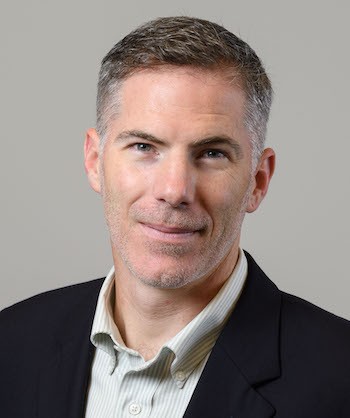
Shaun M. Dougherty is a Professor and Department Chair of Measurement, Evaluation, Statistics, and Assessment (MESA) at Boston College's Lynch School of Education & Human Development. He directs the Catholic Education Research Initiative and serves as a Strategic Data Project (SDP) Faculty Adviser at Harvard University's Center for Education Policy Research. His work bridges academia and policy, focusing on equity and effectiveness in career and technical education (CTE), educational accountability systems, and regression discontinuity methodologies. Dougherty holds an Ed.D. in Quantitative Policy Analysis from Harvard University. Education: Ed.D., Harvard University, Quantitative Policy Analysis Research Interests: Dougherty's research emphasizes education policy analysis , causal program evaluation , and CTE program impacts . He examines how CTE can address human capital development while addressing systemic inequities related to race, class, gender, and disability. His work integrates advanced statistical methods (e.g., regression discontinuity designs) with policy implementation studies in K-12 systems and postsecondary transitions. Grants & Awards: PI: $647,499 grant from Institute for Education Sciences (2020–2025) Co-PI: $1.7 million grant from Institute for Education Science (2022–2026) Co-PI: $250,000 grant from Institute for Education Sciences (2019–2021) His awards include the Outstanding Reviewer (2017, 2020) and Outstanding Research Paper (2020) from leading journals. Labs & Teams: Leads the MESA department's research initiatives and collaborates with the Catholic Education Research Initiative and Harvard's SDP program. His work engages with states and large districts on applied policy analysis, including Massachusetts, Michigan, and Connecticut.
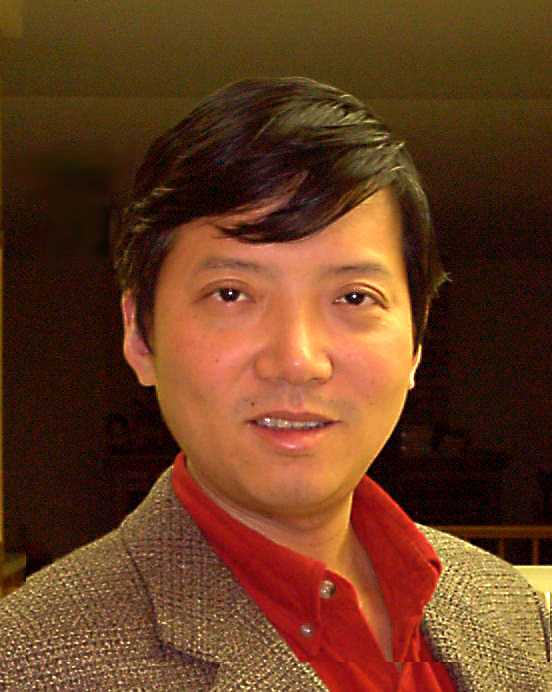
Charles Ling is a Professor of Computer Science at Western University, holding the title of Science Distinguished Research Professor. He also serves as Director of the Data Mining and Business Intelligence Lab and Associate Scientist at the Lawson Health Research Institute. His academic background includes a B.Eng. (CS and EE) from Shanghai Jiao Tong University and MSc/PhD from the University of Pennsylvania (UPenn). Research interests span machine learning, deep learning, AI, and healthcare informatics, with notable contributions to the GlucoGuide diabetes management system. He has authored over 220 peer-reviewed papers and a book titled Crafting Your Research Future , focusing on academic career development. Awarded Fellow of the Canadian Academy of Engineering (CAE) and recipient of the First Prize for Best Clinical Research Presentation (2011). Active in grants (NSERC, FedDev, Mitacs) and organizational roles in top conferences (KDD, ICDM). Supervises 5 PhD and 4 MSc students, with notable advisees including Harry Zhang and Victor Sheng. Leverages AI in education to enhance children's cognitive abilities through video-based programs like Power Thinking , approved by Curriculum Services Canada. His work integrates machine learning with healthcare, finance, and software engineering.
Chiara Sabatti is a Professor of Biomedical Data Science and Statistics at Stanford University, with affiliations to the Stanford Center for Computational, Evolutionary and Human Genomics (CEHG), Bio-X, and the Stanford Cancer Institute. She serves as Associate Director for Stanford Data Science and has led the development of the Data Science Major curriculum since 2012. Research Focus: Statistical models for high-throughput genomics data, causal inference in genetic studies, false discovery rate control, and knockoff methods for variable selection. Key Leadership: Associate Chair for Education and Training (2020-present), Vice Chair of Biomedical Data Science (2018-2019). Her work bridges statistical genetics with data science education, emphasizing robustness and interpretability in scientific findings. Recent publications highlight innovations in genome-wide association studies (GWAS), causal variant localization, and cost-effective sequencing techniques for underrepresented populations. Current projects include developing knockoff-based methods to address population structure and multi-resolution hypothesis testing. Scientific Awards: Institute of Mathematical Statistics (IMS) Fellow (2022) NSF CAREER Award (2003-2008) She mentors doctoral and graduate students in Biomedical Data Science, collaborates with the Data Studio on interdisciplinary projects, and actively recruits curious researchers to her lab. Her outreach efforts focus on expanding data science education and increasing research participation from underrepresented groups.
Haiyan Huang is a Professor and Chair of the Department of Statistics at the University of California, Berkeley. She is affiliated with the Center for Computational Biology and the Graduate Group in Biostatistics. Her research focuses on computational biology, applied statistics, and high-dimensional genomic data analysis, with an emphasis on network modeling and translational bioinformatics. Education details are not explicitly listed, but her academic background includes a PhD in Statistics. She has advised numerous graduate students and postdocs, contributing to impactful research in statistical methods for genomics and bioinformatics. Her work spans statistical methodology development, including sparse canonical correlation analysis, biclustering, and single-cell RNA sequencing analysis. Notable projects include predicting tumor heterogeneity, designing random heteropolymers, and linking protein expression to cell motility. Publications highlight her contributions to gene network inference, reproducibility in high-throughput experiments, and integrating multi-platform genomic data. Awards include recognition by Faculty of 1000 Biology for her 2010 PNAS work. Huang teaches advanced courses in computational biology, statistical theory, and consulting. Her lab collaborates with experts in bioengineering, chemistry, and pediatrics, fostering interdisciplinary research. Current projects include precision medicine, deep learning applications, and probabilistic modeling of biological systems. Her team uses variational inference, hidden Markov models, and machine learning to address challenges in single-cell analysis and pharmacogenomics. The lab’s work has been published in top journals like Nature, PNAS, and Bioinformatics, reflecting her leadership in computational genomics.
Professor Wes Armour is a Professor of Scientific Computing at the University of Oxford and serves as the Associate Head of Department for Research in the Department of Engineering Science. He previously directed the Oxford e-Research Centre, an interdisciplinary research center within the Engineering Science Department. With over £31 million secured as PI or Co-I, his work spans supercomputing, signal processing, machine learning, computational fluid dynamics, and protein crystallography. Professor Armour's research focuses on extracting science from data through fundamental challenges in modeling, simulation, and data processing. His work draws from numerical analysis, signal processing, and machine learning to develop technologies enabling future scientific discoveries, particularly for the Square Kilometre Array (SKA) telescope. Key interests include GPU computing, high performance computing, and machine learning applications across diverse domains from radio astronomy to finance. As Director and Principal Investigator of JADE and JADE2, a 700-GPU machine, he established the UK's first national High Performance Computer facility dedicated to advancing Artificial Intelligence and Machine Learning. His research group has pioneered GPU applications across multiple fields, including Square Kilometre Array data processing, protein crystallography, and graphene simulations. Current projects span energy-efficient machine learning, stock price prediction in finance, prime number prediction in cryptography, and multi-modal CCTV data analysis. Professor Armour has been instrumental in developing real-time signal processing techniques for astronomical observations, including the ARTEMIS system for millisecond radio transient detection. His publications demonstrate consistent innovation in GPU-accelerated computing dating back to early work in 2008 on accelerating conjugate gradient routines for electron transport in graphene.
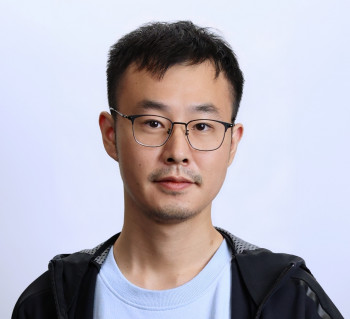
Shan Yu is an Assistant Professor in the Department of Statistics at the University of Virginia. His research focuses on developing statistical and machine learning methods for large-scale, complex data, with applications in neuroimaging, genomics, spatial epidemiology, and health disparities. He employs advanced techniques including non/semi-parametric regression, functional data analysis, and distributed learning while emphasizing data privacy. Yu received his Ph.D. in Statistics from Iowa State University (2020), advised by Professors Lily Wang and Dan Nettleton, following a B.S. from the University of Science and Technology of China. His work bridges statistical methodology and real-world problems, addressing challenges in environmental science (e.g., nitrogen dioxide inequalities), public health (e.g., pandemic forecasting), and computational biology (e.g., genotype-environment interactions). He collaborates on tools like the GgAM R package for generalized geoadditive models and contributes to open-source projects such as fFLM for functional linear regression. Key research trends include spatially varying coefficient models, fusion learning for heterogeneous data, and integration of satellite data with environmental health studies. His publications span journals in statistics, epidemiology, and environmental science, reflecting interdisciplinary impact.
Dr. Ziquan Liu is a Lecturer (Teaching & Research) at Queen Mary University of London's School of Electronic Engineering and Computer Science, affiliated with the Centre for Multimodal AI. He holds a PhD from City University of Hong Kong (2023) and dual B.Sc./B.Eng. degrees from Beihang University (2017). His research focuses on trustworthy machine learning, adversarial robustness, and uncertainty quantification in foundation models. He has served as a reviewer for top conferences like NeurIPS, ICLR, and CVPR, earning an Outstanding Reviewer Award in 2021. His teaching includes modules on machine learning for visual data analysis and principles of machine learning. He supervises PhD students in AI safety and reliability, with notable work on conformal prediction, adversarial attacks, and multimodal learning. His research outputs span top venues such as ICML, CVPR, and NeurIPS, addressing challenges in algorithmic fairness, model certification, and cross-modal alignment.
Eduardo Gildin is a Professor of Petroleum Engineering and Associate Department Head for Graduate Studies at Texas A&M University's College of Engineering. He holds the L.F. Peterson '36 Professorship and directs the university's graduate studies in petroleum engineering. His research focuses on reservoir modeling, control optimization, model reduction techniques, and CO2 sequestration. Gildin has pioneered data-driven approaches for reservoir simulation, integrating machine learning and physics-based models to enhance efficiency and accuracy. Education: Ph.D. in Aerospace Engineering, University of Texas at Austin (2006) M.S. in Mechanical Engineering, University of São Paulo, Brazil (1998) B.S. in Mechanical Engineering, Faculdade de Engenharia Industrial, Brazil (1995) Research Interests: Model reduction of large-scale dynamical systems Control and optimization of reservoir operations CO2 storage and geological carbon sequestration Machine learning applications in reservoir engineering and drilling automation Geomechanics and compaction damage evaluation Key Awards: 2020: William O. and Montine P. Head Memorial Research Award 2017-2018: Dean of Engineering Excellence Award 2013-2019: Energi Simulation Chair in Robust Reduced Complexity Modeling 2021: Distinguished Membership in Society of Petroleum Engineers Grants and Advising: Gildin has secured major funding for projects on reservoir simulation, drilling automation, and CO2 storage. He advises graduate students on topics such as surrogate modeling and reinforcement learning applications in petroleum systems. His lab collaborates with industry partners to translate research into practical tools for reservoir management and subsurface operations. Labs and Teams: He leads the Reservoir Simulation and Control Lab, focusing on advanced computational methods for reservoir optimization. His team develops open-source drilling models and collaborates globally on projects like the DREAMS (Drilling and Extraction Automated System) initiative.
Sharmistha Guha is an Assistant Professor in the Department of Statistics at Texas A&M University, part of the College of Arts & Sciences. Her research focuses on Bayesian methods for analyzing complex, high-dimensional data, with applications in neuroscience, network security, and social sciences. She develops techniques for supervised network data analysis, causal inference, and data privacy preservation. Education: Ph.D. in Statistical Science (Duke University, implied by dissertation recognition). Research Interests: Bayesian high-dimensional regression, object-oriented regression, causal inference in randomized trials, probabilistic record linkage, Bayesian nonparametric mixture models, and integration of heterogeneous data types like networks and functional data. Her work addresses challenges in neuroimaging (dMRI/fMRI) and big data analytics. Recent Contributions: Her articles span Bayesian methodologies for network analysis, differential privacy in treatment effect estimation, and applications in environmental health (e.g., PM2.5 exposure studies). Notable trends include leveraging Bayesian hierarchical models for complex data structures and advancing causal inference frameworks. Awards: 2022 Blackwell-Rosenbluth Award (ISBA) 2021 Savage Award Honorable Mention 2024 NSF-DMS Grant 2413721 Grants & Advising: Secured NSF funding for heterogeneous data integration research. Mentored students like Jose Rodriguez-Acosta (NSF GRFP Fellow) and Jacob Pagel (NIH-funded CoSIBS participant). Lab/Team: Leads a research group integrating statistical method development with domain collaborations in neuroscience and network security. Active in organizing workshops and serving on panels to foster academic engagement.
Marina Vannucci is the Noah Harding Professor of Statistics at Rice University, with an adjunct appointment at the UT MD Anderson Cancer Center. She holds a Ph.D. and Laurea in Mathematics from the University of Florence, Italy. Her research focuses on Bayesian statistical methods for complex problems in genomics, neuroimaging, and engineering. She has supervised 31 Ph.D. students and 13 postdocs, published over 185 papers, and received prestigious awards including the Mitchell Prize, Zellner Medal, and Don Owen Award. She has served as Editor-in-Chief of Bayesian Analysis and co-Editor of the Journal of the American Statistical Association. Education: Ph.D. in Statistics (University of Florence, 1996), Laurea in Mathematics (University of Florence, 1992). Research Interests: Bayesian statistics, variable selection, graphical models, statistical computing, applications in genomics, neuroscience, and engineering. Awards: Includes Fellowships from ASA, IMS, AAAS, ISBA, and the 2020 Zellner Medal. Recent recognitions include the 2025 Don Owen Award for excellence in research and contributions to the statistical community. Grants/Advising: Over 30 Ph.D. students and 13 postdocs trained. Key roles include Department Chair (2014–2019) and President of the International Society for Bayesian Analysis (2018). Labs/Teams: Affiliated with Rice Neuroengineering, Ken Kennedy Institute, and the W.M. Keck Center for Interdisciplinary Bioscience Research.
James Abdey is an Associate Professor (Education) in the Department of Statistics at the London School of Economics and Political Science (LSE). He holds a PhD from LSE (2010) focused on statistical significance and decision errors. His expertise spans forensic statistics, market research, and the application of statistical methods in legal contexts. Abdey teaches undergraduate courses in mathematical statistics, quantitative methods, and market research, and has contributed to developing LSE’s BSc in Data Science and Business Analytics. He is an author of the textbook Business Analytics: Applied Modelling and Prediction . Education: PhD in Statistics, LSE (2010) MSc Dissertation, LSE (2005) Research Interests: Abdey focuses on forensic statistics (e.g., statistical evidence evaluation in legal systems), decision-theoretic foundations of statistical inference, and market research methodologies. His work bridges statistical theory with practical applications in law, economics, and public policy. Publications & Impact: His 2013 article in Law, Probability and Risk explores P-value likelihood ratios in legal evidence evaluation. His research also addresses compound error methods and financial contagion diagnostics. Abdey has collaborated on quantitative projects for the art market and World Gold Council. Awards: None explicitly listed. Advising & Grants: While no advisees are named, Abdey has developed curricula and advised on LSE’s Summer School and University of London International Programmes. His consultancy work extends academic methods to industry. Labs/Teams: Not specified in available texts.
Peter Bishop is a Professor at the Centre for Software Reliability, City St George's, University of London, where he holds a joint chair in Systems and Software Dependability with Robin Bloomfield. He is also Chief Scientist at Adelard, part of NCC Group, providing consultancy and research in computer safety and dependability. He holds BSc and MSc degrees in Physics and is a Chartered Engineer and Member of the IET. University: City St George's, University of London School: College of Engineering, Design and Physical Sciences Department: Centre for Software Reliability Academic Rank: Professor Email: p.bishop@citystgeorges.ac.uk Research Interests: Peter Bishop's research spans software fault tolerance, design diversity, software reliability prediction, statistical testing, system safety and security, assurance case methodologies, and their application in industrial contexts including autonomous vehicles and nuclear systems. He has led research for the UK nuclear industry on smart device assessment and participated in European projects on critical control system safety. Publication Trends: His recent publications focus on conservative confidence bounds for software reliability, safety assurance under uncertainty, integration of testing and formal proof, and security-informed safety. A recurring theme is the development of rigorous, evidence-based methods to justify software dependability in safety-critical domains, particularly where operational and test profiles differ or failure data is scarce. Scientific Awards and Recognition: While specific awards are not listed, his long-standing contributions are evident through his professorship, leadership at Adelard, and active role in safety-critical research. He is a Chartered Engineer and Member of the IET. Advising and Grants: Although specific students are not named, his leadership in major research projects such as DISPO and DIRC (2000–2006) indicates significant supervisory and mentoring roles. He has secured funding from sources including the Leverhulme Trust (UnCoDe project) and a consortium of nuclear industry stakeholders (EDF Energy, NDA, AWE, etc.) under the CINIF Nuclear Research Programme. Labs and Research Teams: He is a key member of the Centre for Software Reliability at City St George's and leads research activities at Adelard. He collaborates extensively with Robin Bloomfield, Lorenzo Strigini, Bev Littlewood, and others on software dependability and safety assurance research.
Arpan Gujarati is a Sessional Lecturer in the Department of Computer Science at the University of British Columbia (UBC), affiliated with the Systopia Lab. He teaches graduate and undergraduate courses such as CPSC 538G (Distributed Systems), CPSC 416 (Operating Systems), and CPEN 432 (Real-Time System Design). He holds a PhD from the Max Planck Institute for Software Systems and TU Kaiserslautern, where he was supervised by Björn B. Brandenburg. PhD: Max Planck Institute for Software Systems & TU Kaiserslautern (2020) Undergraduate: Birla Institute of Technology and Science (BITS Pilani) Postdoctoral Researcher: MPI-SWS Research Associate: UBC Software Development Engineer: Citrix R&D, India His research focuses on real-time and distributed systems, with applications in cyber-physical systems, fault tolerance, and machine learning reliability. He investigates scheduling algorithms, reliability analysis, and the integration of learning-enabled components into safety-critical systems. His work combines theoretical analysis with practical system implementations, often involving real-world testbeds and open-source tools. His recent publications span top-tier venues including RTSS, OSDI, ECRTS, DSN, and Middleware, with a strong emphasis on performance predictability, resilience of ML systems, and real-time communication. His work frequently addresses challenges in timing guarantees, fault tolerance, and system reliability in both cloud and embedded environments. SIGBED Paul Caspi Memorial Dissertation Award Best Paper Award at RTSS 2022 Distinguished Artifact Award at OSDI 2020 Best Student Paper Award at Middleware 2017 Outstanding Paper Award at RTCSA 2025 He advises several PhD students and undergraduate researchers at UBC, including Heng Zhao, Aida Aminian, Zainab Saeed Wattoo, and Philip Schowitz. He has led multiple research projects involving robotic arms, NVIDIA Holoscan, FreeRTOS, and distributed key-value stores. His lab work emphasizes reproducibility, open datasets, and practical system building. He has served on program committees for RTSS, RTAS, ECRTS, and Middleware, and contributes to journals such as Real-Time Systems and JSys.
John Albeck is a Professor in the Department of Molecular and Cellular Biology at the University of California, Davis, within the College of Biological Sciences. He leads the Albeck Lab, which is dedicated to understanding the dynamic behavior of signaling pathways such as ERK, Akt, AMPK, and mTOR in regulating cell growth, survival, and metabolism. His research combines live-cell imaging with computational modeling to decode how temporal signaling patterns determine cell fate decisions. He is affiliated with the Biochemistry, Molecular, Cellular and Developmental Biology (BMCDB) Graduate Group and actively mentors graduate students and postdoctoral researchers. Position: Professor Institution: University of California, Davis Department: Molecular and Cellular Biology Graduate Program: BMCDB Lab Website: albecklab.ucdavis.edu Education: B.A. in Biological Sciences, Cornell University, 2000 Ph.D. in Computational and Systems Biology, Massachusetts Institute of Technology, 2007 Dr. Albeck's research focuses on the information flow in signal transduction networks , particularly how dynamic activation patterns encode specificity in cellular responses. His lab uses genetically encoded fluorescent biosensors to track signaling events in real time across single cells, integrating this data with computational models to predict cellular behaviors. This approach addresses how a limited set of pathways can control diverse outcomes like proliferation, apoptosis, and autophagy. A major goal is to improve cancer therapies by predicting how cells respond to targeted inhibitors, especially in the context of heterogeneous and adaptive responses. His recent publications highlight work on ERK signaling dynamics , inflammatory responses in airway cells , and the development of biosensors for FGF and AMPK. These studies employ advanced techniques such as cyclic immunofluorescence (4i) , machine learning , and ordinary differential equation (ODE) modeling to infer signaling history from fixed-cell data. The lab also develops computational tools for data analysis, including automated cluster detection and spectral unmixing. Scientific Contributions and Trends: Deciphering how temporal patterns in ERK activity correlate with downstream gene expression (e.g., Fra-1, pRb, Egr-1) Modeling signaling dynamics to predict cell fate under therapeutic inhibition Investigating spatiotemporal signaling clusters in epithelial inflammation Developing Red-FRET biosensors for AMPK and ERK Exploring metabolic signaling and immune modulation by lactate Dr. Albeck advises a diverse group of graduate students and has trained several postdoctoral researchers who have gone on to careers in academia and biotechnology. His lab fosters a collaborative environment that bridges experimental biology and computational analysis. While no formal awards are listed in the provided text, his lab's recognition through publications in high-impact journals and integration into major research initiatives (e.g., UC Davis Lung Center T32 training) underscores his impact. The lab also supports research through internal grants and collaborative projects focused on cancer signaling and lung biology. Laboratory and Team: The Albeck Lab includes graduate students, postdoctoral researchers, and staff scientists working on projects ranging from biosensor development to single-cell data analysis. Current team members include Christi Abbate, Elijah Kofke, and Marion Hardy (graduate students), and staff such as Michael Pargett and Carolyn Teragawa. The lab emphasizes interdisciplinary training and open science, with code and methods shared via GitHub.
Karim Ali is an Associate Professor of Computer Science at New York University Abu Dhabi (NYUAD), where he leads research in programming languages, static analysis, security, and compilers. He is affiliated with the Department of Computer Science within the College of Arts and Science. Prior to joining NYUAD, he served as an Associate Professor at the University of Alberta. His academic training includes a BSc from The American University in Cairo, and MMath and PhD degrees from the University of Waterloo, completed in 2014. BSc: The American University in Cairo MMath: University of Waterloo PhD: University of Waterloo (2014) His research focuses on making static analysis tools more practical by enhancing their scalability, precision, and usability. He investigates program analysis techniques applicable to real-world software, with applications in security, just-in-time compilation, and mobile app development. His work spans theoretical foundations and tool development, including the SWAN framework for Swift and contributions to secure cryptographic API usage through CogniCrypt. The recent publications reflect a strong trend in developer-centric static analysis, secure coding, energy efficiency in mobile apps, and compiler optimization. His work combines empirical studies with tool-building, emphasizing usability and integration into developer workflows. Scientific Awards: Dahl-Naygaard Junior Prize (2021) ACM SIGSOFT Distinguished Paper Award ACM SIGPLAN Distinguished Paper Award Distinguished Artifact Award, ECOOP 2014 Karim Ali has mentored numerous students and collaborated extensively with researchers worldwide. His lab has contributed tools adopted by major static analysis frameworks like Soot, WALA, and DOOP. He has secured research recognition through awards and industrial impact, including helping Symantec fix a security vulnerability. He teaches core courses such as Computer Systems Organization and supervises capstone projects, guiding students in original research. His lab conducts research on programming languages and static analysis, with projects including SWAN for Swift analysis, usability studies of static analysis tools, and development of precise pointer analysis techniques. The team works on both academic research and practical tooling for developers.