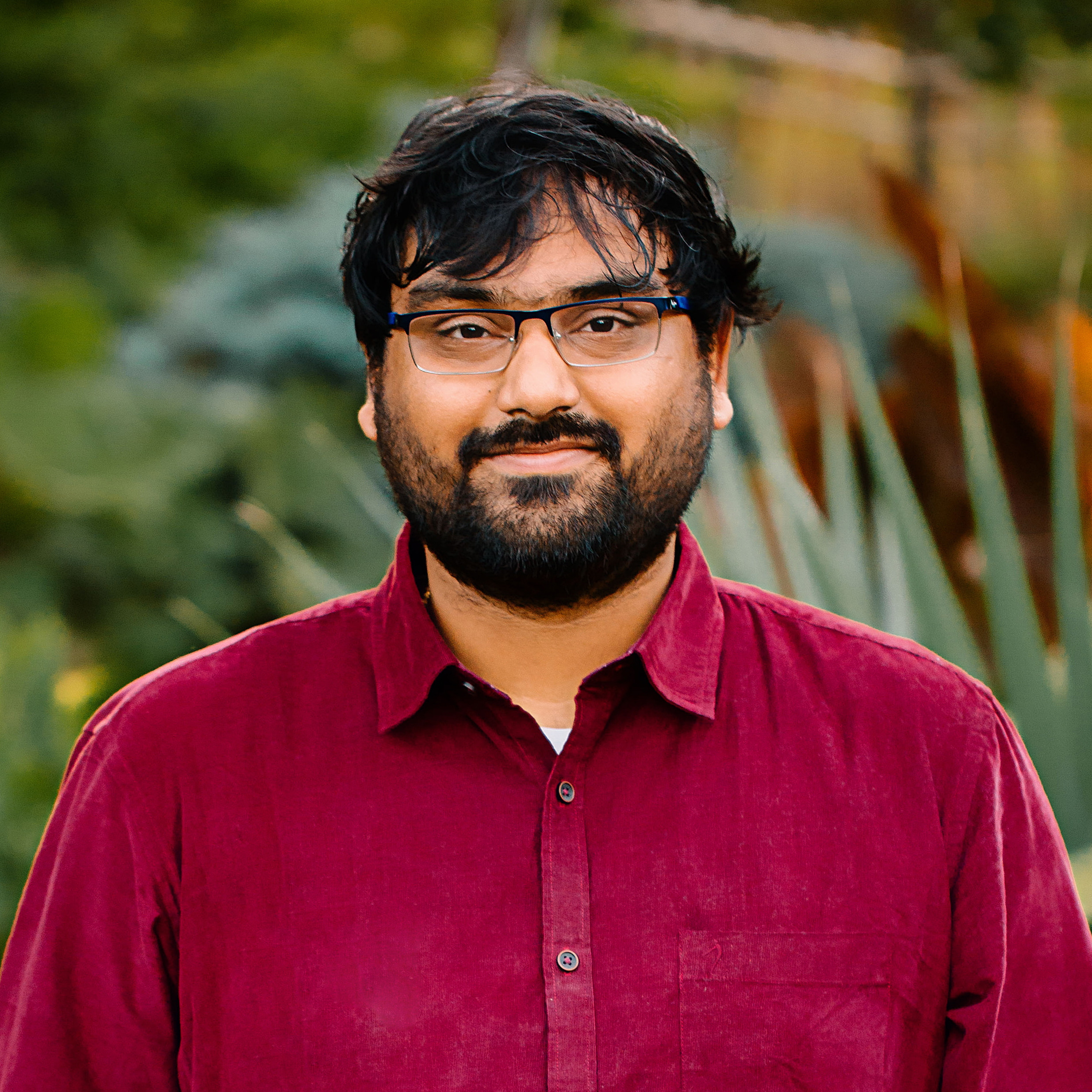
Christian Desrosiers is a Research Professor at the Department of Software Engineering and IT, École de technologie supérieure (ÉTS), with a Ph.D. from Polytechnique Montréal. His research focuses on data mining, machine learning, and computer vision, particularly in medical imaging and optical network analysis. Research Units: Zebra Research Chair in Computer Vision for Industrial Applications, LIVE – Interventional Imaging Laboratory, LIVIA – Imaging, Vision and Artificial Intelligence Laboratory Research Axes: Intelligent and autonomous systems, Health technologies His expertise spans medical image analysis, domain adaptation, and computer vision. Recent publications highlight advancements in 3D point cloud learning, MRI harmonization, domain generalization, and real-time segmentation networks. Scientific awards include the prestigious Zebra Research Chair. He has co-supervised over 30 graduate students in topics ranging from optical network diagnostics to brain imaging and machine learning applications.
Ayla Humphrey is an Assistant Professor and Consultant Clinical Psychologist at the University of Cambridge Department of Psychiatry . Her research focuses on early identification of mental health needs in children, cognitive therapy for trauma-exposed youth, and developmental disorders like autism and Tuberous Sclerosis . She serves as Course Director for the MPhil Foundations of Clinical Psychology and co-founded the NHS Cambridge Centre for Paediatric Neuropsychological Rehabilitation . Her research spans Child and Adolescent Mental Health Services (CAMHS) integration with social care, trauma-focused cognitive therapy , and developmental disorder screening . Key collaborations include the NIHR-funded COACHES study and the PYCES (Parents and Young Children under Extreme Stress) project. Scientific awards include the 2017 British Psychological Society Award for Outstanding Contribution to Applied Practice . She actively supervises PhD students and contributes to school-based mental health identification frameworks . Her work emphasizes evidence-based service transformation and cross-sector collaboration.
Patrick Desrosiers serves as an Adjunct Professor in the Department of Physics, Physical Engineering and Optics within Université Laval's Faculty of Science and Engineering, while conducting neuroscience research at the CERVO Brain Research Center. He co-directs Dynamica, a multidisciplinary complex systems research group, and participates in UNIQUE (neuroscience-AI integration) and CIMMUL (mathematical modeling applications). His academic training spans physics and mathematics at Université Laval, the University of Melbourne, and CEA-Saclay. Dr. Desrosiers' research centers on mathematical and computational neuroscience , with signature contributions in dimensionality reduction and network resilience analysis . His work bridges biological and artificial neural networks , zebrafish brain mapping , and neurovascular coupling using advanced techniques from spectral graph theory , random matrix theory , and dynamical systems . Current investigations focus on neural decoding under chronic stress and structural-functional relationships in brain networks. Analysis of his 2023-2025 publications reveals three dominant trajectories: (1) Low-dimensional representations for predicting cognitive decline and neural dynamics, (2) Network reconstruction methodologies applied to neuroscience and biodiversity, and (3) Development of computational tools like NeuroTorch for neural data analysis. His work consistently integrates mathematical rigor with biological relevance across species and scales. His recognition includes: Professeur étoile prize for exceptional teaching (Faculty of Science and Engineering, Université Laval, 2018) As Dynamica co-director, he mentors a research team comprising Antoine Légaré, Arthur Légaré, Benjamin Claveau, Jordan Charest, Marziyeh Pourmousavi, Pierre-Luc Larouche, Vincent Savard, Vincent Thibeault, and Zahra Yazdani. His collaborative framework connects physics, mathematics, and neuroscience to address fundamental questions in neural network organization, with funding evident through sustained publication output and lab operations. Dynamica Lab ( https://dynamicalab.github.io/ ) serves as the operational hub for his interdisciplinary research, maintaining active collaboration with CERVO Brain Research Center and international institutions.
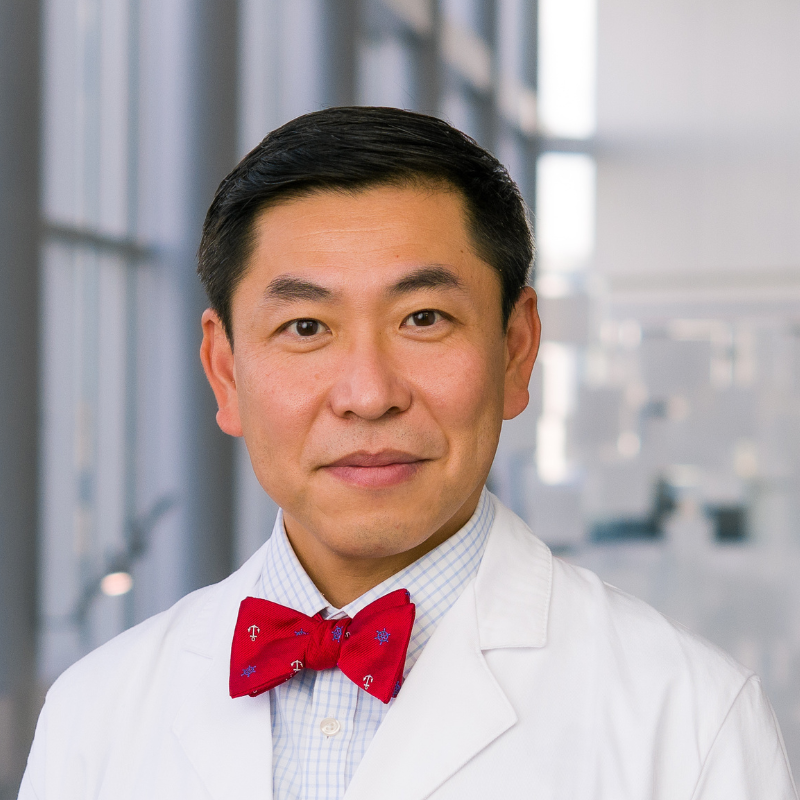
Edward S. Ahn, M.D., is a Professor of Neurosurgery and Pediatrics at Mayo Clinic in Rochester, Minnesota. As a pediatric neurosurgeon, he specializes in minimally invasive techniques for craniosynostosis, fetal surgery for myelomeningocele, and management of pediatric neurovascular disorders like arteriovenous malformations and moyamoya disease. Education: B.A. in Biology and East Asian Studies, Harvard University (1999) M.D., New York University School of Medicine (2000) Internship in General Surgery, University of Maryland Medical Center (2001) Residency in Neurosurgery, University of Maryland Medical Center (2006) Fellowship in Pediatric Neurosurgery, Children’s Hospital (2007) Dr. Ahn’s research focuses on improving surgical outcomes for children with neurosurgical conditions, including craniosynostosis , hydrocephalus , and Chiari malformation . He pioneered image-based craniometric diagnostics for early craniosynostosis detection and explores telehealth applications for neonatal cranial screening. His recent work analyzes machine learning integration in surgical diagnostics. His publications span pediatric neurosurgical outcomes , fetal interventions , and vascular anomaly management . Dr. Ahn serves on editorial boards for Journal of Neurosurgery: Pediatrics and Child's Nervous System , and has received multiple Top Doctor recognitions since 2011. He also contributes to surgical education as Director of Neurosurgical Medical Student Education at Johns Hopkins University (2013–2014).
Abderrahim Oulhaj serves as a Professor of Biostatistics and Epidemiology in the Department of Public Health and Epidemiology at Khalifa University, bringing over 28 years of academic and research experience. His prior roles include eight years as Associate Professor at United Arab Emirates University (UAEU) where he directed the PhD program in Public Health, and nearly a decade as a senior statistician at University of Oxford leading projects like OPTIMA and EXSCEL. His educational background includes: PhD in Statistics (2003) from the Institute of Statistics, Biostatistics and Actuarial Sciences, UCL, Belgium Master degree in Statistics (1997) from the Institute of Statistics, Biostatistics and Actuarial Sciences, UCL, Belgium Prof. Oulhaj specializes in statistical modeling for infectious and chronic diseases—including diabetes, cardiovascular disorders, cancer, neurodegenerative conditions, COPD, and COVID-19—with methodological expertise in advanced survival analysis, risk prediction modeling, longitudinal data analysis, and joint modeling of repeated measures with time-to-event data. His work increasingly integrates artificial intelligence, machine learning, and deep learning into healthcare analytics. He has received multiple research excellence awards from UAE University and Khalifa University, alongside three international patents and copyrights focused on Alzheimer’s and cardiovascular diseases. Prof. Oulhaj directed UAEU's PhD program in Public Health and currently leads the KU-SEHA Clinical Research Certificate Program training 150+ medical professionals across Abu Dhabi. His grant leadership encompasses the EU-funded POCCardio project on cardiovascular diseases and the European Society of Cardiology's Cardiovascular Risk Collaboration Unit, with significant contributions to UAE national committees for therapeutic trials, epidemiology, diagnostics, and cardiovascular prevention guidelines. He operates within international research frameworks through POCCardio and the European Society of Cardiology, while maintaining strategic ties with the UAE Department of Health and SEHA for clinical research capacity building.
Willis Lang is a Researcher at Microsoft , focusing on Database Systems , Cloud Computing , and Data Management . His work bridges academic research with industrial applications in cloud databases. Education: PhD in Computer Sciences - Databases (University of Wisconsin-Madison, 2012) MS in Computer Science and Engineering - Databases (University of Michigan, 2008) BMath in Honours Computer Science - Bioinformatics (University of Waterloo, 2006) Research Interests: Willis’s research spans Database Systems , Cloud Computing , and Energy Efficiency , with a focus on scalability, tenant management, and predictive provisioning. His work addresses real-world challenges in cloud database optimization, multi-tenancy, and power-aware systems. Recent Publications highlight trends in Cloud Database Efficiency , including auto-scaling, tenant placement, and energy-conscious cluster design. His contributions often involve collaboration with industry leaders like Microsoft and Jignesh M. Patel. Scientific Awards: Best Paper Award, DaMoN 2010 Best Presented Award, Midwest Database Research Symposium 2007 Service: Willis has served as a reviewer for conferences like SIGMOD, VLDB, and journals including VLDBJ and JPDC. His expertise is sought in cloud and database research communities.
David Franklin is an Associate Professor at the Technical University of Munich specialized in Neuromuscular Diagnostics . His research focuses on the physiological and computational principles of human neuromuscular motor control, particularly how the nervous system regulates body mechanics to adapt to environments and enable skillful movement. Affiliated with Munich Cluster for Neuroimaging (MCN) and GSN full faculty, he combines computational modeling with robotics , virtual reality , and human behavior experiments to study sensorimotor integration. Research Themes: Computational neuroscience of motor control Impedance control in human movement Robotics for sensorimotor studies Behavioral task design and analysis Selected Publication Trends reveal consistent focus on feedback/forward control mechanisms, computational modeling in sensorimotor integration, and robotics/virtual reality applications in motor learning across 2011-2020. His work addresses both execution and planning aspects of neuromuscular control.
Sathyanarayanan N. Aakur is an Assistant Professor in the Department of Computer Science and Software Engineering at Auburn University's College of Engineering. Previously, he was an Assistant Professor in the Department of Computer Science at Oklahoma State University. He is an IEEE Senior Member and has received the prestigious NSF CAREER award for his research on multi-modal event understanding. Dr. Aakur received his PhD from the University of South Florida, where he worked with Dr. Sudeep Sarkar in the Computer Vision and Pattern Recognition Group. He also holds a Master's degree in Management Information Systems from the Muma College of Business at the University of South Florida and an undergraduate degree in Electronics and Communication Engineering from Velammal Engineering College, Anna University, India. His research focuses on the intersection of computer vision, natural language processing, and psychology, with the goal of building intelligent agents that understand the visual world beyond simple recognition or captioning. His work encompasses self-supervised predictive learning for video event segmentation, commonsense reasoning to ground perception and prior knowledge, and generative modeling for building knowledge systems. Much of his group's current work focuses on analyzing, modeling, and synthesizing complex video scenes, with applications in agriculture and animal diagnostics. His recent publications demonstrate a strong focus on open-world visual understanding, neurosymbolic reasoning, and multimodal learning. His work spans from fundamental computer vision problems like egocentric action recognition and scene graph generation to applied research in agricultural technology and biomedical informatics. He has successfully published at top-tier conferences including CVPR, ICCV, ECCV, and WACV, as well as in high-impact journals like IEEE TPAMI. NSF CAREER Award (2022) IEEE Senior Member (2024) Dr. Aakur serves as Area Chair for major conferences including CVPR, WACV, ICML, and NeurIPS, and as Associate Editor for Pattern Recognition journal. He has successfully mentored numerous students who have published at top venues in computer vision and machine learning. His research group has received funding from sources including the NSF and USDA for projects related to multimodal time series classification and stress detection in precision agriculture. The lab maintains active collaborations with institutions including the University of South Florida and Florida State University.
Verena Siewers is a Research Professor at the Department of Biology and Biological Engineering, Chalmers University of Technology. Her work focuses on synthetic biology and metabolic engineering of yeast cell factories for producing biofuels, pharmaceuticals, nutraceuticals, and bioplastics, with particular emphasis on developing biosensor tools for pathway optimization. Key research themes: yeast-based biosensors, lipid metabolism engineering, CRISPRi/a applications, and dynamic gene regulation Notable projects include: Development of acetic acid tolerance mechanisms Optimization of fatty acid ethyl esters production Engineering phosphoketolase pathways for acetyl-CoA overproduction Her recent articles reveal trends in: CRISPR-mediated pathway engineering Stress response transcriptional profiling Heterologous plant gene expression in yeast Promoter and transcription factor engineering Funding sources: VINNOVA Novo Nordisk Foundation Carl Tryggers Stiftelse EU Horizon grants Swedish Research Council (VR) Formas
Agnes Olander is a Senior Lecturer in Nursing Science at Kristianstad University's Faculty of Health Science, Department of Nursing and Integrated Health Sciences. She serves as Programmes Director for Patient Reported Outcomes - Clinical Assessment Research and Education (PROCARE) and is affiliated with Centrum för Mat Hälsa och Handel Högskolan Kristianstad (FOHRK) and Forskningsplattformen Hälsa i samverkan. Dr. Olander defended her doctoral thesis in January 2023 at the University of Borås in health care science. A specialist nurse in prehospital emergency care, she has professional experience in ambulance services, general medicine, and neurology. Her educational background includes specialized training in prehospital emergency care. Her primary research interests focus on sepsis identification and management, particularly in prehospital emergency settings. She investigates the early onset of sepsis from patient and family perspectives, examining documented symptoms, vital signs, and blood tests. Additional research areas include professional quality of life for healthcare workers, particularly in intensive care settings, and the development of person-centered health consultations to prevent empathy fatigue. Her work significantly contributes to Sustainable Development Goals related to health and wellbeing. Analysis of Dr. Olander's publication record reveals a strong focus on prehospital sepsis identification, with particular emphasis on biomarkers like lactate and glucose levels. Her research employs both quantitative observational studies and qualitative interview methods, demonstrating methodological diversity. Recent work shows increasing attention to healthcare worker wellbeing alongside her continued sepsis research, suggesting an expanding research scope that connects patient care with provider sustainability. Supervises bachelor's and master's theses in nursing and health sciences Teaches scientific theory and methodology, emergency care, and simulation Currently leads the PROLIVA project examining professional quality of life for ICU staff Serves as consultant for Sepsisfondens Insamlingsstiftelse Dr. Olander is actively involved in multiple research projects including PROLIVA (2023-2025) focused on professional quality of life for intensive care staff, and Sepsisscreening ambulanssjukvård (2023-2024) examining sepsis identification in ambulance services. Her teaching spans both Kristianstad University and previously at the University of Borås, where she taught 20% of her time during doctoral studies. She leads the PROCARE research platform and is actively engaged with the FOHRK research environment, focusing on food, health, and retail connections to healthcare. Her work bridges clinical practice with academic research, particularly in emergency care settings.
Ify Mordi, PhD, serves as a Clinical Senior Lecturer and Honorary Consultant in Teaching and Research within the Division of Cardiovascular Research at the University of Dundee's School of Medicine. With an impressive research portfolio spanning over a decade, Dr. Mordi has published 139 research outputs and secured significant funding from organizations including the British Heart Foundation and Juvenile Diabetes Research Foundation. Her work contributes to UN Sustainable Development Goals related to good health and well-being through innovative cardiovascular research. Dr. Mordi's research focuses on the intersection of cardiovascular disease and diabetes, with particular expertise in heart failure (especially heart failure with preserved ejection fraction), aortic stenosis, and coronary artery disease. Her work increasingly incorporates artificial intelligence applications in cardiovascular medicine, including groundbreaking research using retinal imaging to predict cardiovascular outcomes. She leads multiple major research initiatives including the SOPHIST trial investigating Sotagliflozin in patients with heart failure symptoms and type 1 diabetes, and the UK HFpEF Registry in collaboration with the University of Manchester. Analysis of Dr. Mordi's recent publications reveals a strong trend toward integrating advanced analytics and AI with traditional cardiovascular research. Her work spans genetic epidemiology, clinical trials, population health studies, and innovative diagnostic approaches. The research demonstrates growing emphasis on precision medicine approaches for cardiovascular disease, particularly in diabetic populations, and the development of non-invasive diagnostic tools that could transform clinical practice. Dr. Mordi actively contributes to academic mentoring through PhD examinations and serves as an invited speaker at international conferences. Her research has received significant media attention, with coverage in 13 news outlets and mentions across social media platforms, highlighting the translational impact of her work. She has been involved in multiple high-impact collaborative projects including the iDiabetes Platform for enhanced phenotyping of diabetes patients and the REACH-HFpEF study examining home-based rehabilitation for heart failure patients. Through her leadership in the British Heart Foundation-funded Clinical Fellowship focused on improving prediction and prevention of heart failure in type 1 diabetes, Dr. Mordi is establishing herself as a key investigator in the field of cardio-diabetology. Her research program bridges basic science, clinical application, and health services research to address critical gaps in cardiovascular care for diabetic patients.
Professor Torsten Nielsen is a clinician-scientist at the University of British Columbia 's Department of Pathology & Laboratory Medicine (Faculty of Medicine), based at Vancouver General Hospital and BC Cancer . He directs UBC's MD/PhD Program , contributes to cancer clinical trials with the Canadian Cancer Trials Group , and chairs the international Connective Tissue Oncology Society 's Research Committee. Key affiliations: UBC, Vancouver General Hospital, BC Cancer, Molecular and Advanced Pathology Core Academic focus: Translational research in sarcomas and breast cancer His research prioritizes translating genomic discoveries into clinical diagnostics and treatments, particularly for synovial sarcoma , breast cancer subtypes , and tenosynovial giant cell tumors . He develops FDA-cleared molecular assays like the PAM50 (Prosigna) test and leads pan-Canadian precision oncology initiatives . Collaborative efforts include work with Stanford, Leiden, and DKFZ Heidelberg. Recent publications highlight advancements in epigenetic therapies , immune biomarker validation , and synovial sarcoma pathogenesis . His lab's work on CSF1/CSF1R signaling inspired new treatment strategies for joint-destructive tumors. Scientific Awards: Fellow, Canadian Academy of Health Sciences Fellow, Royal Society of Canada As director of UBC's MD/PhD Program, he trains future clinician-scientists. His lab team includes experts in epigenomics , proteomics , and mouse modeling . Current projects focus on precision oncology for sarcomas and Ki67 standardization in breast cancer.
Bhushan Gopaluni is a Professor in the Department of Chemical and Biological Engineering at the University of British Columbia, where he also serves as Associate Dean for Education and Professional Development in the Faculty of Applied Science. He holds associate faculty positions in multiple interdisciplinary institutes including the Institute of Applied Mathematics, Institute for Computing, Information and Cognitive Systems, Pulp and Paper Center, and Clean Energy Research Center. He previously held the Elizabeth and Leslie Gould Teaching Professorship from 2014 to 2017. Education: Ph.D. in Chemical Engineering, University of Alberta (2003) Bachelor of Technology in Chemical Engineering, Indian Institute of Technology, Madras (1997) Research Interests: Professor Gopaluni's research spans several critical areas at the intersection of chemical engineering, machine learning, and process control. His primary focus includes the development of advanced process control strategies using reinforcement learning and machine learning techniques. He has made significant contributions to battery technology research, particularly in capacity estimation and remaining useful life prediction for lithium-ion batteries. His work also encompasses sustainable energy systems, industrial process monitoring, fault diagnosis, and the application of digital twin technology in chemical processes. His research methodology emphasizes the integration of data-driven approaches with fundamental process understanding, leading to practical solutions for complex industrial challenges. This includes the development of interpretable machine learning models for industrial applications, real-time optimization strategies, and advanced monitoring systems for process industries. Publications and Research Impact: Professor Gopaluni's recent publications demonstrate a strong focus on cutting-edge applications of machine learning in chemical engineering. His work prominently features battery technology and energy systems, with multiple papers addressing lithium-ion battery capacity estimation and management. He has also contributed significantly to process control applications, including drilling process monitoring, greenhouse gas reduction in marine transport, and renewable carbon tracking in biofuel processing. His research extends to advanced computational methods including deep learning, reinforcement learning, and causal discovery in industrial processes. Awards and Recognition: Killam Teaching Prize (University of British Columbia) Dean's Service Medal (University of British Columbia) D.G. Fisher Award in Process Control (Canadian Society for Chemical Engineers) Elizabeth and Leslie Gould Teaching Professor (2014-2017) Professional Service and Editorial Roles: Professor Gopaluni currently serves as Associate Editor for three prestigious journals: Journal of Process Control, The Journal of Franklin Institute, and Results in Control and Optimization. His service to the academic community extends through his role as Associate Dean for Education and Professional Development, where he oversees educational initiatives across the Faculty of Applied Science. Industry Experience: From 2003 to 2005, Professor Gopaluni worked as an engineering consultant at Matrikon Inc. (now Honeywell Process Solutions), where he designed and commissioned multivariable controllers for British Columbia's pulp and paper industry and implemented controller performance monitoring projects across oil & gas and chemical industries.
Andrew Z. Wang, M.D., is a tenured Professor and holds the A. Kenneth Pye Professorship in Cancer Research at the University of Texas Southwestern. He serves as Vice Chair for Translational Research and Commercialization in the Department of Radiation Oncology, having joined UTSW in August 2021. Previously, he held faculty positions at the University of North Carolina, where he rose from Assistant to Tenured Professor. Dr. Wang's research integrates biomedical engineering with oncology to develop innovative cancer diagnostics and therapeutics. His work focuses on: Nanotechnology-enabled drug delivery systems Cancer immunotherapy and vaccine development Biomaterial applications in oncology Liquid biopsy technologies for treatment monitoring Radiotherapy-enhancing strategies His 128+ publications demonstrate consistent focus on translational nanomedicine, with recent works advancing combination therapies (chemoradiation-immunotherapy), 3D-printed medical devices, and machine learning applications in oncology. Clinical publications emphasize optimizing radiation techniques for genitourinary/gastrointestinal cancers. Major scientific recognitions include: Fellow of the American Association for the Advancement of Science (AAAS) Fellow of the American Institute for Medical and Biological Engineering (AIMBE) Fellow of the American Society for Clinical Investigation (ASCI) A. Kenneth Pye Professorship in Cancer Research Dr. Wang leads a prolific research program generating 38 patents and founding three biotechnology startups. Clinically, he specializes in advanced radiation techniques (IMRT, SBRT, brachytherapy) for genitourinary and gastrointestinal malignancies.
Dr. Shabnam Sadeghi Esfahlani is an Associate Professor in Robotics at the School of Engineering and the Built Environment, Anglia Ruskin University , where she serves as Deputy Leader of the BORI research group and leads the Automation & Robotics MSc program. Her interdisciplinary expertise spans mechatronics, artificial intelligence, virtual reality, and serious games , with a focus on applications for rehabilitation, medical training, and autonomous systems . As a Chartered Engineer and Senior Fellow of the Higher Education Academy , she has secured significant funding from Innovate UK, Horizon 2020, and GCRF , with grants exceeding £3 million. Education PhD in Mechanical Engineering, Anglia Ruskin University BSc (First Class) in Statistics & Mathematical Science, Shahid Beheshty University Her research integrates AI with robotics for societal impact, exemplified by the open-source SROBO ground robot and projects like Rehabgame and the Assistive Feeding Robot . She has published over 45 peer-reviewed articles and contributes to academic communities as a journal guest editor and conference organizer . Key collaborations include IET, IMechE, and the Nuffield Foundation as a mentor for young students. Scientific Awards & Recognitions: Chartered Engineer (CEng), Engineering Council UK Senior Fellow (SFHEA), Higher Education Academy Student-Voted 'Made a Difference Award' (2018) Post-Graduate Certificate in Higher Education