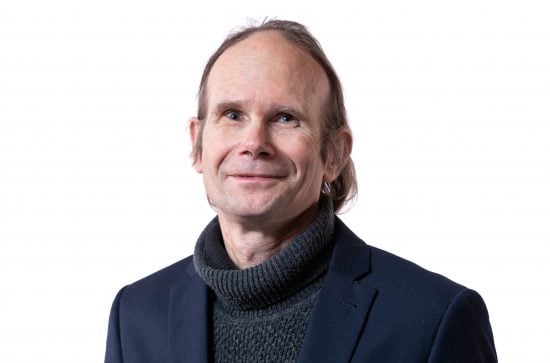
Hisain Elshaafi is a Lecturer in the Department of Computing at SETU Carlow. His research focuses on ICT security, privacy, trust, and service composition. He holds a PhD from Waterford Institute of Technology (WIT) and has contributed to EU-funded projects like sTRUST and CoMiFin. His work emphasizes composite service trustworthiness, security metrics, and critical infrastructure protection. Education: PhD: 'Establishment and Maintenance of Trustworthy Composite Services', WIT (2014) MSc: Master of Arts in Teaching and Learning, WIT (2020) BSc: Computer Science (Honours), Dublin Institute of Technology Research Interests: Elshaafi investigates secure service composition, attack surface analysis, smart grid cybersecurity, and trustworthiness metrics. His projects address challenges in distributed systems reliability, multi-tenant service trust, and cost-effective security frameworks. Recent work explores multi-agent smart grid architectures and collaborative trust assessment. Projects & Grants: Lead roles in Irish/EU projects: sTRUST, CoMiFin, Pripare, Aniketos Consultancy for SMEs and enterprises Focus on bridging academic research with industry needs Labs/Teams: Collaborates with WIT's TSSG and contributes to multi-institutional projects focused on trust management and service-oriented systems.
Joseph Timoney is a professor at the Department of Computer Science , Maynooth International Engineering College , Maynooth University. He teaches undergraduate programs in Computer Science and Music Technology, with expertise in audio signal processing, musical sound synthesis, and digital modeling of analog subtractive synthesis. His research spans sound synthesis algorithms, audio watermarking, and ubiquitous music ecosystems.
Dr. Michael O'Grady is a Senior Research Fellow at University College Dublin’s School of Computer Science. He holds a Grad Dip in University Teaching & Learning from UCD. His research focuses on smart technologies, including pervasive health, energy management, climate-smart agriculture, and participatory citizen science. He has led over 200 publications, achieving a H-index of 28, and contributed to EU initiatives like ISEED and Interreg AGEO. He serves on editorial boards and conference committees, including co-chairing Mobihealth 2020. His research interests emphasize transdisciplinary approaches to citizen observatories, smart city governance, and Responsible Research and Innovation (RRI). Notable contributions include the MÉRA Data Extraction toolkit for meteorological data and the development of the Citizen Observatory platform for community-based environmental monitoring. He has also explored edge computing’s role in smart agriculture and healthcare applications like wearable IoT-enabled health monitoring systems. Recent work addresses challenges in citizen science data practices, including surveys of citizen scientist experiences and open science principles. His articles highlight innovations in sensor technology, activity recognition, and participatory disaster risk reduction. Professional memberships include the European Alliance for Innovation (distinguished member), ACM, and IEEE (senior member). Teaching interests include problem-based learning in computing education and reflective pedagogical practices. He has coordinated modules at undergraduate and postgraduate levels, emphasizing transformative learning for sustainable development. Grants include the MAIA project (2003–2005), exploring mobile adaptive interface agents. Current collaborations involve COST action PARQ (cardiac arrest prediction) and EU citizen science initiatives. His work bridges technology, policy, and societal needs, with a focus on participatory frameworks for sustainable development.
Dr. Patrick O'Dwyer is a Lecturer in Pharmaceutics at the School of Pharmacy, University College Cork (UCC). He holds a PhD in Pharmaceutics from the National and Kapodistrian University of Athens (2020), an MPharm from the Royal College of Surgeons in Ireland (2016), and a BPharm from UCC (2015). His research focuses on advancing drug delivery systems through computational modeling, machine learning, and in vitro methods to optimize lipid-based formulations, co-milling, and amorphous solid dispersions. He leads the EU-funded InPharma and GENEGUT projects and has secured €950,000 from the Bill & Melinda Gates Foundation to develop AI tools for drug formulations targeting diseases in developing countries. Dr. O'Dwyer supervises multiple PhD students and is a Course Director for the MSc in Pharmaceutical Regulatory Sciences. His honors include the UCC School of Pharmacy Gold Medal and scholarships from the National University of Ireland and Quercus. His work emphasizes regulatory science and bridging academic research with industry applications. Education: PhD in Pharmaceutics, National and Kapodistrian University of Athens (2020) MPharm, Royal College of Surgeons in Ireland (2016) BPharm, University College Cork (2015) Postgraduate Certificate in Teaching and Learning in Higher Education, UCC (2021) Research Interests: Computational Pharmaceutics, Biorelevant Dissolution Testing, Machine Learning in Drug Formulation, Regulatory Science, and Novel Drug Delivery Systems. Grants: €950k from Bill & Melinda Gates Foundation (2024) EU-funded InPharma and GENEGUT projects Awards: School of Pharmacy Gold Medal (2015), Dr. H.H. Stewart Scholarship (2015), Abbvie Prize (2015), Quercus Scholarships (2013, 2011). Professional Roles: Member of Pharmaceutical Society of Ireland, PIER, and Course Director for MSc in Pharmaceutical Regulatory Sciences. His research integrates computational tools with experimental methods to address challenges in drug formulation, particularly for tropical diseases. Recent work emphasizes real-time analysis of lipid-based formulations and predictive modeling of co-milling effects. Collaborations include the European Medicines Agency and industry partners like Pion Inc. (UK) Ltd.
Giacomo Severini is a Lecturer in Biomedical Engineering at the School of Electrical and Electronic Engineering, University College Dublin. His research focuses on human motor control, motor learning, and rehabilitation robotics, aiming to develop innovative tools for rehabilitating individuals with movement impairments. He holds an MS (2008) and PhD (2012) in Electrical Engineering and Biomedical Engineering from Roma Tre University, Italy, and previously worked as a Research Associate at Spaulding Rehabilitation Hospital (2011–2015) and postdoctoral researcher at Harvard Medical School (2012–2015). Research Interests: Dr. Severini investigates neuromuscular control mechanisms using robotics, computational modeling, and clinical biomechanics. Key areas include: Rehabilitation engineering for stroke, cerebral palsy, and spinal injuries Muscle synergy analysis to decode motor recovery patterns Robot-assisted gait and upper-limb training Neural-inspired controllers for adaptive movement Biomechanical assessments of sit-to-stand, walking, and cycling Publication Trends: His 15 most recent articles (2023–2025) emphasize quantitative rehabilitation science , with recurring themes in muscle synergy applications for clinical diagnostics, robot-assisted therapy efficacy, and predictive simulations of movement. Studies frequently integrate multimodal data (EMG, EEG, kinematics) and target neurological populations (stroke, cerebral palsy). Awards: No scientific awards mentioned in available sources. Affiliations: As a Funded Investigator in the Personal Sensing research group, he collaborates on projects bridging engineering and clinical rehabilitation. No specific labs or student advising details are provided.
Ehsan Namjoo serves as a Research Fellow in the Department of Electronics & Computer Engineering at the University of Limerick, with a primary affiliation at Lero – the Irish Software Research Centre. His multidisciplinary work bridges theoretical signal processing, machine learning applications, and hardware implementation for real-world systems. His research spans signal processing (DOA estimation under non-ideal noise conditions, EEG source imaging), machine learning (explainable AI for medical diagnostics, feature selection in cancer detection), and computer engineering (polar code decoders, visible light communication systems). Notable biomedical applications include breast cancer diagnosis and epileptic source analysis, while cybersecurity work focuses on intrusion detection in cloud environments. Recent publications (2021-2025) reveal a consistent trajectory toward developing lightweight, interpretable models for tabular medical data alongside robust signal processing frameworks for communication systems. His work increasingly integrates hardware-aware algorithms, particularly in polar coding implementations, and emphasizes practical validation through experimental demonstrations in visible light networks. As an active Lero researcher, Namjoo participates in Ireland's national software research ecosystem, contributing to interdisciplinary projects that connect theoretical innovations with healthcare, communications, and security applications through collaborative frameworks.
Dr. Ali Hasnain is a Lecturer in Computational Biology and Data Analytics at the Royal College of Surgeons in Ireland (RCSI), School of Pharmacy and Biomolecular Sciences. He holds a PhD from the National University of Ireland Galway and has over 15 years of experience in academia and the software industry, including roles as a Senior Researcher at University College Dublin and Adjunct Lecturer at the Insight Centre for Data Analytics. His research focuses on Artificial Intelligence in Healthcare, Digital Health, Bioinformatics, and Semantic Web technologies, with expertise in data analytics for life sciences and healthcare management. Education: PhD in Bioinformatics & Data Analytics, National University of Ireland Galway MSc in Engineering and Management of Information Systems, Royal Institute of Technology (KTH), Sweden MSc in Project Management and Operational Development, KTH, Sweden BSc (Honors) in Computer Science, Pakistan Institute of Engineering and Applied Sciences Research Interests: Dr. Hasnain’s work bridges computational biology, data science, and healthcare. Key areas include developing algorithms for biomedical data integration, AI-driven query systems for healthcare knowledge graphs, and optimizing pesticide efficacy through genomic analysis. His recent projects address challenges in dementia care technology and environmental stress impact on organisms . Awards & Recognition: Best Paper Awards at ESWC 2017, ISWC2018, and ESWC 2018 Young Scientific Researchers Grant from SWSA/NSF (2012, 2015) Grants & Collaboration: Led the Dementia and Technology (DaTe) project (2021–2023), funded by the Irish Research Council. Collaborations include work on federated SPARQL query systems and semantic web solutions for large-scale biomedical data. Labs & Teams: Active in RCSI’s Pharmacy & Biomolecular Sciences labs, contributing to interdisciplinary projects. Previously led research initiatives at Insight Centre and UCD’s School of Computer Science.
Professor Deirdre Murray is the Director of the National Cancer Registry Ireland (NCRI) and Professor of Cancer Epidemiology at University College Cork (UCC). She leads the NCRI's strategic initiatives and oversees cancer data analysis across Ireland. Her expertise spans public health medicine, cancer epidemiology, and neonatal neurology research. She chairs the UK and Ireland Association of Cancer Registries and contributes to international collaborations like the EUROCARE consortium. Professionally, she holds roles on the National Screening Advisory Committee and National Research Ethics Committee, emphasizing her commitment to public health governance. Trained in medicine at UCC and with a Master’s in Public Health from UCD, Dr. Murray’s career bridges clinical practice and population health. Her research focuses on cancer outcomes, neonatal brain injury, and early childhood neurodevelopment. Notable projects include developing machine learning models for neonatal risk assessment and examining long-term outcomes of preterm infants. She advocates for standardized neonatology training through pan-European initiatives and explores digital health tools for monitoring conditions like motor neurone disease. Her work integrates interdisciplinary approaches to address complex health challenges, such as optimizing cancer registries, improving data governance in multi-national studies, and advancing care for at-risk populations. Her contributions span clinical leadership, policy development, and innovative research methodologies.
Dr. Jimmy Murphy is a Senior Lecturer in Civil Engineering at University College Cork (UCC) and Lead Technical Engineer of the Lir National Ocean Test Facility (Lir NOTF) within the SFI MaREI Centre. With over 25 years of expertise in marine engineering, he specializes in tank testing, hydrodynamic modeling, and coastal/offshore environmental studies. He leads the Lir NOTF, a world-class facility featuring 4 test tanks and advanced workshops critical for ocean system testing in Ireland. His research focuses on coastal engineering (breakwater design, sediment transport, climate adaptation) and offshore renewable energy (wave/wind energy technologies, LCoE optimization). He coordinates major EU projects like LEANWIND, MaRINET2, and MARINERG-i. Awards include the 2017 EI Champion of Research and the 2017 Marine Industry Award for Lir NOTF's infrastructure excellence. Teaching responsibilities include modules on environmental hydrodynamics, coastal engineering, and marine processes. Professional roles include UN panel membership for coastal erosion and marine energy, and EU DG-MARE advisory roles.
John Breslin is a Personal Professor in Electronic Engineering at the University of Galway, leading the TechInnovate/AgInnovate programs. His roles include Director of the Insight (Data Analytics) and VistaMilk (AgTech) research centers. He has authored 350+ publications and co-created the SIOC framework, widely used in web applications. His research spans Data Science, AI, Semantic Web, IoT, and Entrepreneurship. He has won multiple awards, including the Best Irish-Published Book and IIA Net Visionary Awards. His teaching spans 25 years, covering topics like Digital Control Systems and Innovation. He co-founded boards.ie, StreamGlider, and leads initiatives in Galway's innovation ecosystem. Research Interests: Data Science, AI, Social Semantics, IoT, Agricultural Technology, and Innovation. He is ranked top in Engineering and Computer Science citations at the University of Galway. His work contributes to UN SDGs related to Industry, Innovation, and Infrastructure. Education: Details not explicitly provided in text. Collaborations include Bosch, Cisco, IBM, and Harvard Medical School. Active in industry partnerships and startups, including the PorterShed Innovation District. Awards: Best Paper Awards, Entrepreneurship Recognition, and Academic Excellence. Supervised nearly 30,000 ECTS across modules, with a focus on graduate and postgraduate tech innovation programs.
Dr. Deirdre Kilbane is the Director of Research at the Walton Institute for Information and Communications Systems Science, Department of Computing and Mathematics, Waterford Institute of Technology (SETU). She is also an Adjunct Lecturer in the School of Physics at University College Dublin (UCD), contributing to academic teaching and research supervision. Her strategic leadership drives innovation in AgriTech, Healthcare, Smart Cities, Energy, and ICT. Education: PhD in Mathematical Physics, Maynooth University (1999–2004) BSc in Experimental Physics, University College Dublin (1995–1999) Her research focuses on nanotechnology, artificial intelligence, quantum physics, and molecular communications , with applications in brain implants for epilepsy, quantum key distribution, and smart agricultural systems. She leverages interdisciplinary approaches to solve real-world challenges in healthcare and communications. Her work aligns with UN Sustainable Development Goals, particularly in health and innovation. The most recent publications highlight a strong trend in quantum communication systems , especially satellite-based QKD, and AI-driven edge solutions for industrial IoT, including dairy processing. There is also significant focus on nanoscale biosensing for neurological conditions, reflecting her involvement in the EU Horizon 2020 PRIME project. These works span quantum engineering, AI, and biomedical applications, indicating a highly interdisciplinary research profile. Scientific Awards and Recognition: Coordinator and Principal Investigator, EU Horizon 2020 FETOpen PRIME project Member, Science Foundation Ireland Research Centres: CONNECT and FutureNeuro Featured among '9 women in deep tech you should be following' (2024) Regular invited speaker on quantum technologies and EuroQCI Dr. Kilbane actively advises PhD students, including Rahul Mhapsekar, and leads major research grants from Horizon Europe and SFI. Her projects often involve cross-institutional and international collaborations, particularly in quantum communication and 6G technologies. She has secured significant funding, including SETU’s largest Horizon Europe drawdown to date. Her leadership extends to public engagement, policy input, and media commentary on emerging technologies. She is a key member of the Walton Institute’s research divisions, which focus on future networks, communications, and intelligent systems. Her team works on cutting-edge projects in quantum communication, AI for IoT, and neurotechnology, often in collaboration with CONNECT and FutureNeuro. The institute serves as a national hub for innovation in ICT and smart systems, with Dr. Kilbane playing a central role in shaping its research direction.
Francesco Pilla is a Full Professor at University College Dublin's School of Architecture, Planning and Environmental Policy, specializing in Smart and Sustainable Cities. His work bridges urban technology, geospatial modeling, and citizen science initiatives. Coordinates EU Horizon projects: iSCAPE (air pollution control), OPERANDUM (flood risk reduction), WeCount (mobility systems), Connecting Nature (nature-based solutions) Leads SFI Investigator Grant on scalable mobility analytics Co-Director of Spatial Dynamics Lab Research focuses on: Geospatial big data & AI integration Participatory sensing with low-cost sensors Climate action through educational co-design Urban microclimate optimization Policy-driven AI consensus models Key articles demonstrate expertise in air quality monitoring, traffic safety analysis, and energy-efficient urban design. Awards include: Haagen-Smit Prize for atmospheric research Electric Vehicle Awards 2024 for eMobility innovation Academic Research Award from Financial Times Teaching responsibilities include: Advanced GIS (2018-2025) Smart Cities module (2019-2024) Research Methods coordination (2019-2024) Labs & Teams: Co-Director of Spatial Dynamics Lab, member of Science Foundation Ireland Energy Institute, and collaborator with MIT & IBM research labs.
Dr. Helard Becerra is an Assistant Professor in the School of Computer Science at University College Dublin (UCD). He holds a PhD from the University of Brasília and has held postdoctoral roles at UCD's Insight Centre for Data Analytics and Samsung R&D Institute Brazil. His research focuses on multimedia quality assessment (audio/video/speech) and AI-driven healthcare solutions for stroke rehabilitation. Key contributions include developing NAViDAd (a deep learning-based quality metric) and predictive models for stroke recovery outcomes. Education: B.Sc. (UNSAAC, Peru, 2010); M.Sc. & Ph.D. (UnB, Brazil, 2013/2019). Professional experience includes roles at Samsung (2019), DIT (2017-2018), and leadership in EU projects like Precise4Q (Horizon 2020). Research interests span: 1) Perceived quality in multimedia systems, 2) Explainable AI for healthcare, 3) Predictive modeling in stroke rehabilitation. Notable work includes gradient boosting models for social risk prediction and Elo rating systems for personalized therapy. Teaching responsibilities include coordinating modules on Software Engineering, Parallel Computing, and Programming. He actively supervises graduate students and serves on UCD's Equality, Diversity & Inclusion Committee. Awards include the 2019 Best Student Paper Award at International Symposium on Electronic Imaging. He reviews for top conferences (ACM MMSys, IEEE ICIP) and journals (IEEE Access, IEEE Signal Processing Letters).
Ciaran Eising is an Associate Professor in the Department of Electronics & Computer Engineering at the University of Limerick. His research focuses on computer vision, machine learning, and their applications in intelligent transportation systems, particularly autonomous driving and driver assistance systems. He is a member of the Centre for Sustainable Digital (Re)Manufacturing, Data-Driven Computer Engineering Research Centre, and Lero – the SFI Research Centre for Software. Education: PhD from the National University of Ireland Galway (2010), BE (2003). External roles include Senior Expert at Valeo Vision Systems (2009–2020) and Adjunct Lecturer at NUI Galway (2016–present). His expertise spans automotive vision systems, embedded systems, and sensor fusion. Research Interests: Driver Assistance Systems, Autonomous Driving, Object Detection, Motion Segmentation, and Sensor Fusion. Over 94 publications since 2007, with recent work on BEV perception, multimodal fusion, and DDoS mitigation in healthcare IoT. Grants/Advising: Accepting PhD students; collaborations include industry partnerships and cross-disciplinary research. Labs/Teams: Active in Lero and other university research centers, contributing to UN SDGs via sustainable transportation innovations.
Junli Xu is an Associate Professor at the School of Biosystems and Food Engineering at University College Dublin (UCD), under the UCD Ad Astra Fellowship. She holds a Bachelor's degree from Zhejiang University (2014) and a PhD in Food Engineering from UCD (2018). Her research focuses on spectral imaging combined with advanced data analysis (machine learning/deep learning) for solving problems in environmental science, food safety, and biomedical engineering. Key projects include developing spectral imaging frameworks for detecting microplastics and assessing their health impacts. Her research interests span spectral imaging, machine learning applications, environmental monitoring, and toxicology. She has secured grants such as the ERC Starting Grant and SFI-IRC Pathway Programme. Xu leads the UCD Spectral Imaging Research Group and has supervised multiple PhD students. She has published extensively in journals like Science of the Total Environment and Environmental Pollution . Her work includes innovations like the BOX-YOLOv8 framework for hyperspectral core analysis and machine learning-driven methodologies for microplastic detection. She also contributes to professional activities, including editorial roles in Current Research in Food Science and peer review for journals like Food Control .