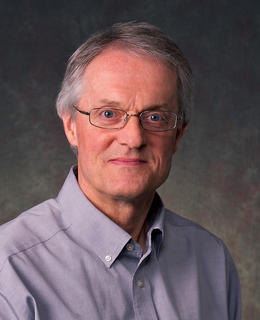
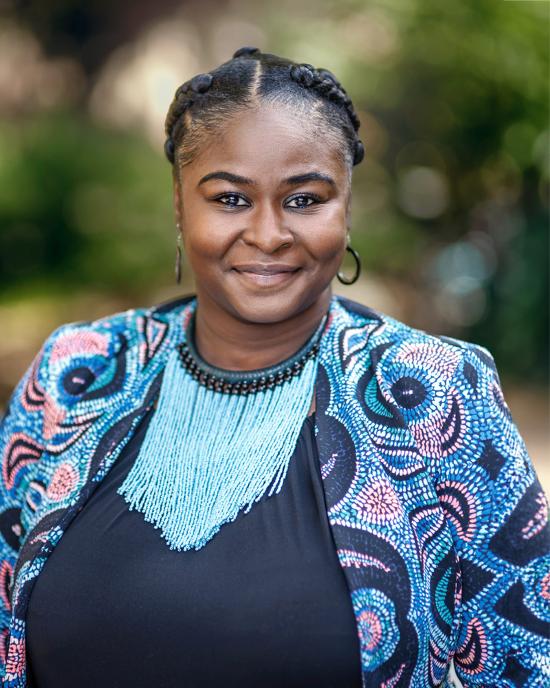
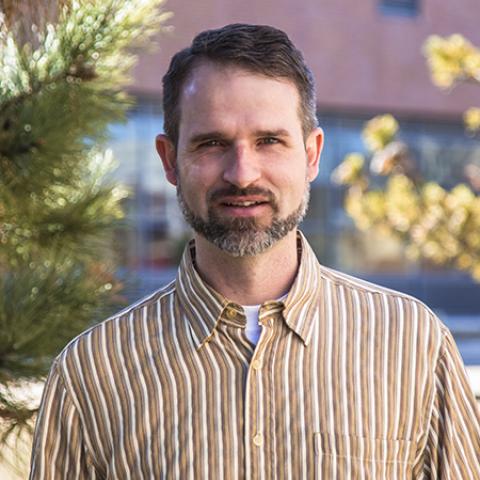
Dr. Albert Ruhi is Associate Professor in Environmental Science, Policy and Management at UC Berkeley. His research examines freshwater ecosystem responses to global change, with focus on hydrologic alteration and drought impacts across river networks. The Ruhi Lab integrates field experiments, time-series analysis, and hydrologic modeling to understand metacommunity dynamics and ecosystem resilience. Educational background: PhD in Ecology, University of Girona BS in Biology, University of Girona Research explores: Drought impacts on aquatic communities Climate change effects on stream metabolism Wetland restoration outcomes Metacommunity recovery pathways Ecohydrological feedbacks Recent publications address: Phenological shifts in estuarine food webs Flow alteration cascades in river networks Beaver-mediated drought resilience Groundwater-riparian interactions Awards and honors: NSF CAREER Award (2021) California Sea Grant Award (2021) Hellman Fellowship (2020) Winkler Scholar (2023) Research group includes 7 graduate students and postdocs studying: Urban river restoration Tidal marsh food webs Alpine stream thermal regimes Vernal pool seedbanks Field sites span Sierra Nevada streams, San Francisco Bay wetlands, and Mediterranean rivers.
Robert Barclay is a Professor Emeritus in the Department of Biological Sciences at the University of Calgary, Faculty of Science. He holds a PhD (Carleton University, 1981), MSc (Carleton University, 1978), and BSc (Trent University, 1976). His research focuses on the behavioral and physiological ecology of mammals and birds, particularly bats, investigating roosting behavior, thermoregulation, and responses to environmental disturbances like wind energy, urbanization, and wildfires. He has contributed to understanding bat migration, torpor physiology, and conservation challenges. Key awards include the Order of the University of Calgary (2024), Faculty of Science Excellence in Research Award (2021), and multiple teaching awards. His work spans bat-habitat interactions, climate impacts, and wildlife management. Retired since 2021, he no longer advises students but retains a legacy of influential research and mentorship. Education: PhD Biological Sciences, Carleton University, 1981 MSc Biological Sciences, Carleton University, 1978 BSc Biological Sciences, Trent University, 1976 Research highlights include studies on bat responses to wind turbines, urbanization effects on prairie bats, and Yukon bat ecology. His publications address topics like bat diet, roost selection, and population dynamics. Collaborative projects include investigating bat fatalities at wind facilities and the impact of forest disturbances on bat communities.
Ian Gilby is an Associate Professor at the School of Human Evolution and Social Change, Arizona State University. His research focuses on the social behavior, ecology, and cognition of wild chimpanzees, particularly within the context of long-term studies at Gombe National Park, Tanzania. Gilby investigates topics such as cooperative hunting, dominance hierarchies, social bonding, and the influence of ecological factors on primate behavior. His work bridges primatology, evolutionary biology, and conservation science, with a strong emphasis on understanding the adaptive strategies of chimpanzees in complex social environments. Key themes in Gilby’s research include the evolution of cooperation, reproductive strategies, and the ecological drivers of social behavior. He has contributed significantly to studies on chimpanzee aggression, hunting tactics, and the role of vocal communication in group coordination. His findings highlight the intricate relationship between social structure, ecological conditions, and individual success in primate communities. Notably, Gilby is involved in the Gombe Chimpanzee Project, analyzing long-term datasets to address questions about data sharing in conservation science and the impacts of environmental changes on wildlife. While no formal awards or grants are explicitly mentioned in the provided texts, his extensive publication record underscores his expertise in primate behavior and ecology.
Nyeema Harris is the Knobloch Family Associate Professor of Wildlife and Land Conservation at the Yale School of the Environment (YSE), part of Yale University. She focuses on wildlife conservation, urban ecology, and the socio-ecological dimensions of human-wildlife interactions. Her work examines how urbanization impacts predator behavior, diets, and biodiversity, while advocating for inclusive sustainability approaches that address equity and justice in environmental scholarship. Education includes a PhD from North Carolina State University, an MS from The University of Montana, and a BS from Virginia Polytechnic Institute and State University. These degrees span wildlife science and conservation biology. Her research interests emphasize urban carnivore ecology, community-based conservation strategies, and systemic racism’s ecological consequences. She integrates spatial modeling with social equity frameworks, as seen in her publications on textured species range maps and critiques of environmental landscapes of fear. Publications highlight trends in urban wildlife adaptation, interdisciplinary methods, and ethical considerations in conservation. Key themes include dietary shifts in predators due to environmental changes, the role of historical data in species forecasting, and mitigating health risks linked to urbanization and gentrification. Dr. Harris actively advises doctoral students and is involved in initiatives like SNAPSHOT USA and Michigan ZoomIN, leveraging citizen science for ecological monitoring. She has not been noted for specific scientific awards in the provided texts. Her office is located in Kroon Hall, Room 223, at 195 Prospect Street, New Haven, CT. She contributes to environmental justice discourse and has been featured in news articles discussing her work on African carnivore range loss, urban rodent control, and systemic racism in urban ecosystems.
Grzegorz Niedzwiedzki is a Researcher at Uppsala University's Department of Organismal Biology, specializing in vertebrate palaeontology and early tetrapod evolution. He holds a PhD from the University of Warsaw (2013) and has conducted expeditions across Poland, Russia, Tunisia, Greenland, and Sweden. His research focuses on Triassic-Jurassic vertebrate ecosystems, coprolite analysis, and early dinosaur evolution. Education: PhD in Biology (2013), University of Warsaw Master's in Biology (2007), University of Warsaw Bachelor's in Biology (2004), University of Warsaw Research Interests: Grzegorz's work analyzes fossilized footprints, coprolites, and skeletal remains to reconstruct ancient ecosystems. He has pioneered studies on Early Triassic predator ecosystems via coprolites and contributed to understanding dinosaur dietary habits through coprolite microbiota analysis. His fieldwork has uncovered critical fossils like the archosaur Smok wawelski and Early Jurassic dinosaur tracks. Key Achievements: Recipient of multiple prestigious awards (National Geographic grants, Prime Minister's Special Award) Over 100 peer-reviewed publications in journals like Nature , Palaeogeography, Palaeoclimatology, Palaeoecology , and Acta Palaeontologica Polonica Co-discoverer of the oldest known mammaliaform fossil in Greenland Grants & Collaborations: Multiple international expeditions funded by Polish and Swedish institutions Collaborations with the American Museum of Natural History and Uppsala University Labs/Teams: Affiliated with Uppsala University's Evolution and Development research group and collaborates globally on fossil expeditions and synchrotron imaging projects.
Anna Kuparinen is a Professor at the University of Jyväskylä's Faculty of Mathematics and Science, Department of Biological and Environmental Science. Her research group, EcoEvoAqua, focuses on aquatic species and their ecosystems, particularly eco-evolutionary dynamics. Key research areas include ecological modeling, fisheries-induced evolution, food web stability, and environmental impacts on species survival. Recent work examines predator reintroduction effects, climate-driven selection pressures, and parasite-host interactions in aquatic systems. Publications span theoretical ecology, conservation biology, and fisheries management. Her research emphasizes interdisciplinary approaches to address complex ecological challenges. Education details are not explicitly listed, but her academic career reflects extensive contributions to aquatic ecology and conservation. Awards are not mentioned in the text, though her prolific publication record indicates recognition in her field. She leads the EcoEvoAqua research team, which integrates computational models with empirical data to study ecosystem resilience and biodiversity. Ongoing projects include modeling Lake Oulujärvi dynamics and exploring manganese toxicity in fish populations.
Dr. Martin Taylor is an Associate Professor in Molecular Ecology at the University of East Anglia's School of Biological Sciences. He has held academic positions since 2013, including Senior Lecturer roles at Bangor University and postdoctoral research experience in Belgium. His primary research focuses on molecular ecology, evolution, and conservation of marine and freshwater fishes, with an emphasis on genetic methods like microsatellite markers and next-generation sequencing. Key interests include polyploidy in Corydoras catfishes, fisheries-induced evolution, and traceability of fish populations. Taylor leads projects on lobster ageing via DNA methylation and collaborates internationally on studies of biodiversity and conservation genetics. Education: BSc (Animal and Plant Biology) from the University of Leeds (1990–1993) and PhD from the University of Aberdeen/Southampton (1993–1996), studying speciation in African cichlids. Research projects include Woodland impacts on pollinator diversity Genetic basis of catfish venoms Development of novel ageing methods for European lobsters His work bridges fundamental and applied research, addressing challenges in fisheries management, conservation, and ecological sustainability. Taylor serves as an Associate Editor for Marine Biology and maintains an active lab group at UEA. Key contributions include advancing DNA-based methods for ecological and conservation applications, such as detecting jellyfish predation and tracking fish populations via genetic markers.
Timothy Rawlings is an Associate Professor in the Department of Biology at Cape Breton University. He holds a BSc (Honours) and MSc in Zoology from the University of British Columbia and a PhD from the University of Alberta. His research focuses on the evolutionary ecology and molecular ecology of freshwater and marine invertebrates, particularly examining factors influencing their evolution in response to environmental and anthropogenic pressures. Dr. Rawlings' expertise spans invertebrate zoology, marine ecology, and molecular analysis. His work often integrates morphological and genetic approaches, as seen in studies of vermetid snails, hydroids, and invasive molluscs. He has conducted research at the Bamfield Marine Sciences Centre and contributed to biodiversity assessments in Cape Breton and Pacific coral reefs. His publications explore topics such as phylogenetic relationships, species delimitation, and ecological adaptations of marine organisms. Recent work includes investigations into novel shell morphologies, invasive species dynamics, and the evolutionary strategies of sessile invertebrates. Dr. Rawlings emphasizes the importance of understanding human impacts on marine ecosystems, including the introduction of non-native species and climate change effects on coastal communities.
Jill A. Olin is an Assistant Professor in the Department of Biological Sciences at Michigan Technological University, affiliated with the College of Sciences and Arts. She holds a PhD in Environmental Science from the University of Windsor, an MS in Marine Biology from Hofstra University, and a BS in Marine & Freshwater Biology from the University of New Hampshire. Her research focuses on community ecology, trophic interactions, and marine ecosystems, with an emphasis on conservation through biomarker and modeling approaches. Key interests include ecosystem stability, anthropogenic impacts, and food web dynamics. She teaches Ecology and Evolution, Marine Ecology, and Ecogeochemical Tracer Techniques. Her work integrates stable isotope analysis, DNA metabarcoding, and ecological modeling to address questions about species distribution, trophic niche partitioning, and resilience to environmental stressors. Notable projects include studies on Lake Superior fish ecotypes, Gulf of Mexico oil spill impacts, and salt marsh restoration. Dr. Olin collaborates with NOAA on restoration research and has published extensively on trophic ecology, resource partitioning, and ecosystem responses to human activities. While no formal grants or awards are listed, her contributions highlight interdisciplinary approaches to ecological challenges.
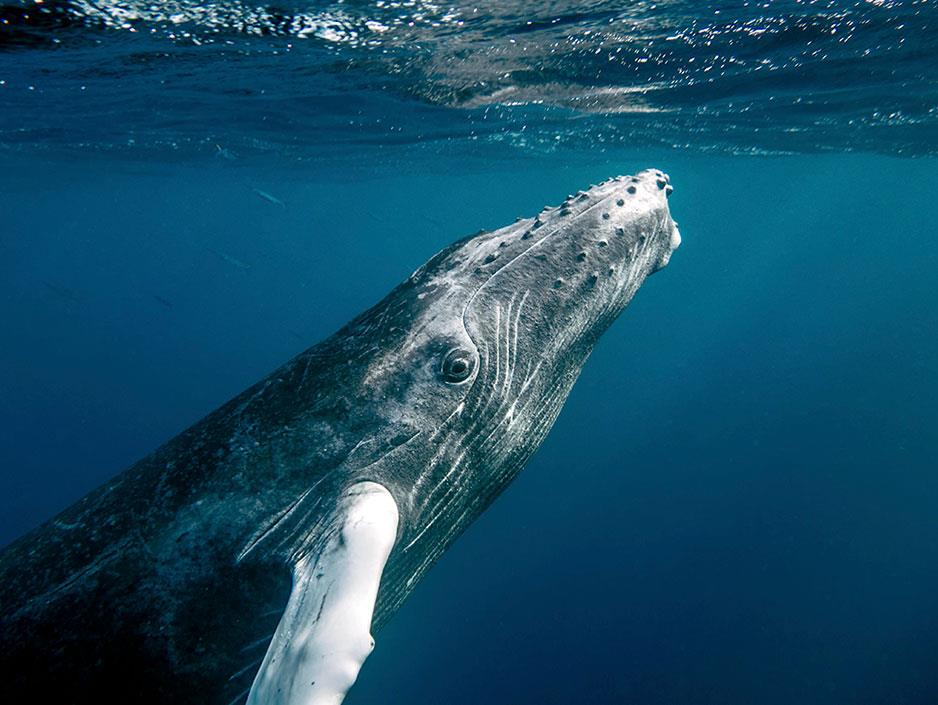
Douglas Nowacek is the Randolph K. Repass and Sally-Christine Rodgers University Distinguished Professor of Conservation Technology at Duke University, with joint appointments in the Nicholas School of the Environment and the Pratt School of Engineering . His research integrates marine mammal bioacoustics , behavioral ecology , and conservation technology to address ecological challenges related to ocean noise , offshore renewable energy , and anthropogenic impacts . Education : B.A., Ohio Wesleyan University (1991) Ph.D., Massachusetts Institute of Technology (1999) Research Focus : Nowacek investigates how marine mammals, particularly cetaceans and manatees , use sound for communication and foraging. He explores the effects of anthropogenic noise (e.g., seismic surveys, ship traffic) on species like North Atlantic right whales and bottlenose dolphins , emphasizing the need for noise regulation and marine habitat protection . His work also addresses plastic pollution and renewable energy planning . Article Trends : Recent publications highlight his focus on marine acoustics (e.g., bio-duck sounds, sonar effects), anthropogenic stressors (e.g., microplastics, seismic noise), and behavioral adaptations (e.g., humpback whale foraging, pilot whale diving). Collaborative studies with students and institutions like Woods Hole Oceanographic Institution and the University of Tasmania underscore his interdisciplinary approach. Scientific Awards : Sally Connally Hardie Visiting Researcher, University of St. Andrews (2018) Visiting Scholar, University of Tasmania (2013) Advising and Grants : Nowacek mentors students and researchers in projects such as acoustic monitoring and unmanned aerial systems for marine conservation. His lab has secured grants for seismic survey impacts , ocean noise regulation , and marine mammal telemetry . Labs and Teams : Leading the Nowacek Acoustics and Engineering Lab at Duke Marine Lab, he collaborates with the Marine Conservation Ecology group, integrating engineering tools (e.g., drones, sensors) with marine mammal research to advance conservation technology.
Joanna Lambert is a Professor of Environmental Studies at the University of Colorado Boulder, specializing in wildlife ecology and conservation biology. Her research focuses on species interactions, resilience in the Anthropocene, and carnivore adaptation in human-impacted landscapes. She has held academic positions at the University of Texas, University of Wisconsin-Madison, and University of Oregon. Her work integrates field and laboratory data on primates and carnivores, emphasizing nutritional ecology and conservation strategies. Education includes a PhD from the University of Illinois at Champaign-Urbana and a postdoc at the University of Florida. She serves on the IUCN Primate Specialist Group, co-founded the Northwest Primate Conservation Society, and is a Fellow of AAAS and the Linnaean Society. Her lab investigates behavioral, ecological, and physiological adaptations of wildlife, with long-term field studies in Kibale National Park, Uganda, and expanding work in the Greater Yellowstone Ecosystem. Her research trends emphasize urban wildlife adaptation, rewilding strategies, and the ecological consequences of human activity. Notable articles address seed dispersal mechanisms, predator coexistence, and the impact of anthropogenic landscapes on biodiversity. Awards include recognition for her contributions to conservation biology and ecological science. Joanna advises students on interdisciplinary approaches to conservation and has directed the NSF Biological Anthropology program. She advocates for "rewilding" initiatives and engages in public outreach through blogs and field schools. Personal interests include extreme outdoor activities and global conservation advocacy.
Briana L. Pobiner is an Associate Research Professor affiliated with the National Museum of Natural History. Her research focuses on paleoanthropology, zooarchaeology, and taphonomy, with a regional specialization in Africa. She investigates early human diets, particularly the role of meat-eating, using bone surface modifications to analyze interactions between hominins, predators, and scavengers. Her fieldwork spans Kenya, Tanzania, South Africa, Romania, and the U.S., including projects at Ol Pejeta Conservancy, Olorgesailie, Engare Sero, and Friesenhahn Cave. Education: Ph.D. in Anthropology (2007, Rutgers University), M.A. Anthropology (2002, Rutgers), B.A. Evolutionary Studies (1997, Bryn Mawr College, magna cum laude). Teaching includes courses on archaeological methods, biological anthropology pedagogy, and science communication. She has received prestigious awards for outreach, including the 2021 Leakey Foundation Communication Award and Friend of Darwin Award. Research interests emphasize experimental taphonomy, Pleistocene subsistence strategies, and science education. Over 50 peer-reviewed publications span topics from bone modification analysis to human evolution pedagogy. Active projects include taphonomic surveys in Kenya and Romania, and collaborations on early hominin fossil sites. Her work bridges empirical field research with public engagement, advocating for accurate evolution education in schools and museums.
Maurizio Ramanzin is a Full Professor at the University of Padova , affiliated with the School of Animal Science and Department of Agronomy, Animals, Food and Natural Resources (DAFNAE) . His research focuses on Agricultural Sustainability , Environmental Impact Assessment , and Precision Livestock Farming . Academic Field : AGR/19 Email : maurizio.ramanzin@unipd.it Address : Agripolis - Viale dell'università, 16 - Legnaro (Padova) – ITALY His work explores the interactions between livestock systems and ecosystem services in mountainous regions, with emphasis on: Grazing Management and biodiversity conservation Life Cycle Assessment (LCA) of dairy and beef systems Climate Change Adaptation in Alpine ungulates Animal Welfare in small-scale farms Technological Tools (GPS, NIRS) for monitoring grazing behavior Key trends in his recent publications include: Quantifying environmental drivers of wolf predation on livestock Developing low-cost biologging systems for dairy cows Analyzing social-ecological trade-offs in mountain agriculture Assessing microbial dynamics in alpine soils
Peter Mcintyre serves as an Associate Professor in the Department of Ecology and Evolutionary Biology at Cornell University's College of Arts and Sciences. He holds the Dwight Webster Sesquicentennial Faculty Fellowship and is affiliated with the Institute for African Development as a Core Faculty member and the Southeast Asia Program as a Faculty Associate. His educational background includes a B.A. in Biology from Harvard University (1998) and a Ph.D. in Ecology & Evolutionary Biology from Cornell University (2006). Mcintyre is an aquatic conservation ecologist whose research focuses on developing management approaches that balance human interests with protecting biodiversity. His work spans multiple continents, with field studies conducted in New York, the Great Lakes, East Africa, Southeast Asia, and Hawaii. His academic interests encompass Biogeochemistry and Ecosystem Science, Community Ecology and Population Biology, Evolutionary Patterns and Processes, Organismal Biology, and Sustainability, Environment and Conservation. Key research themes include fisheries, food webs, climate change, ecological stoichiometry, global biodiversity, conservation planning, river networks, and life history and migration. His recent publications reveal a consistent focus on freshwater ecosystem conservation, with particular attention to global patterns of biodiversity, climate change impacts on aquatic systems, fisheries management, and conservation planning. His work increasingly integrates molecular techniques like eDNA with traditional ecological methods, while maintaining a strong emphasis on practical conservation applications across diverse global contexts from the Amazon to Hawaiian streams. Dwight Webster Sesquicentennial Faculty Fellow Mcintyre leads the McIntyre Lab, which addresses ecology and conservation in rivers and lakes worldwide, with special focus on the organism-ecosystem interface. His lab studies how animals affect ecosystem productivity and nutrient dynamics, with particular emphasis on freshwater fisheries in the Adirondack Mountains and developing nations. His students and postdocs have received significant recognition including NSERC graduate research fellowships and Doctoral Dissertation Improvement Grants. The lab's work spans multiple major research projects including the Adirondack Fisheries Research Program, Lake Tanganyika Ecosystem Project, Great Lakes connectivity initiatives, and conservation of Native Stream Gobies in the Hawaiian Archipelago. The McIntyre Lab maintains active research sites across the globe, from the Adirondacks to Lake Tanganyika in East Africa, with particular strength in studying the connections between organismal biology and ecosystem processes in freshwater environments. Their work consistently bridges fundamental ecological questions with practical conservation applications, making significant contributions to both scientific understanding and on-the-ground management of freshwater resources.
Andrew Read is the Stephen A. Toth Professor of Marine Biology and Director of the Duke Marine Lab at Duke University's Nicholas School of the Environment. His research focuses on the conservation biology of marine vertebrates, including marine mammals, seabirds, and sea turtles, with an emphasis on understanding the impacts of human activities on these species. He employs fieldwork, experimentation, and modeling to develop new conservation tools. Read holds a Ph.D., M.S., and B.S. from the University of Guelph, Canada. Recent grants include projects on Cuvier's beaked whale ecosystems and photo identification analysis, funded by organizations like HDR, Inc. and Kelp Marine Research. His lab's work spans topics such as whale behavior, climate change impacts, and fisheries management. The Read Lab actively collaborates on field studies and policy initiatives to address conservation challenges. He advises students in marine conservation and ecology, though specific advisee names are not listed here. The Duke Marine Lab is a key hub for his research, located in Beaufort, North Carolina. Read's research interests emphasize practical solutions for marine conservation, including acoustic monitoring, habitat use analysis, and the intersection of oceanography with foraging ecology. His publications highlight innovations in tracking methods and policy advocacy, such as efforts to protect the vaquita porpoise from gill nets. His interdisciplinary approach combines ecological studies with technological advancements like LiDAR for coastal resilience planning.