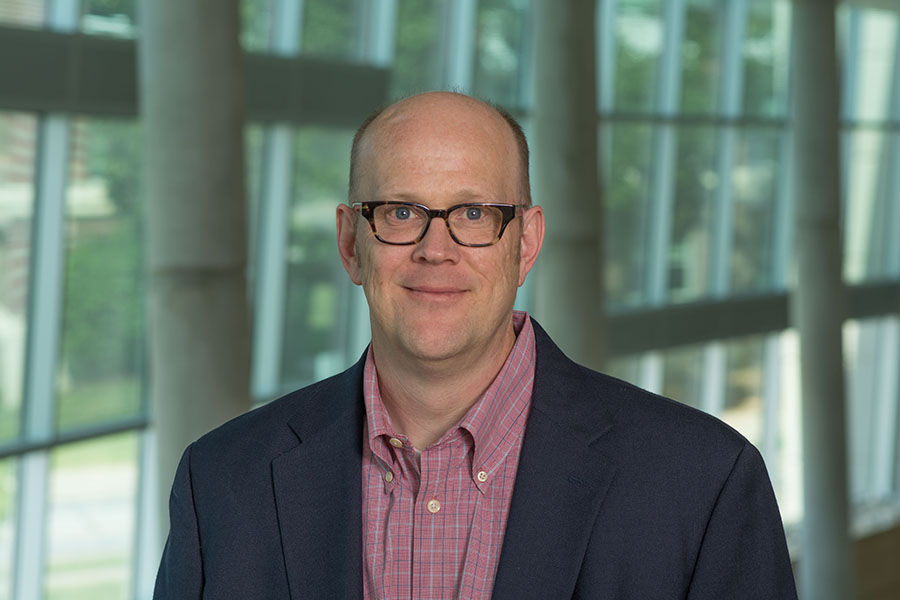
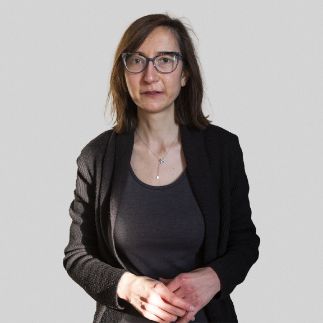
Professor Jindrich Kopecek is a senior academic at the University of Utah , affiliated with the Department of Molecular Pharmaceutics , Department of Biomedical Engineering , and multiple interdisciplinary centers including the Center for Controlled Chemical Delivery , Nano Institute of Utah , and Huntsman Cancer Institute . His research bridges polymer science and biomedical applications, focusing on macromolecular therapeutics for cancer and autoimmune diseases. Research Interests include Biomedical polymer design Antibody-polymer-drug conjugates Targeted nanomedicines Drug-free macromolecular systems Self-assembling hydrogels Interdisciplinary cancer therapies Recent Publications highlight his work in targeted drug delivery for multiple myeloma , ovarian cancer , and brain lymphomas , with emphasis on receptor crosslinking and apoptosis induction . Collaborative T-cell immunotherapy projects demonstrate reduced cytokine release while maintaining efficacy. His lab develops HPMA copolymer conjugates with applications in bone-targeted therapies , mitochondrial drug delivery , and lymphoma treatment . Students and postdoctoral researchers from Pharmaceutics , Bioengineering , and Materials Science contribute to this international group. The lab leverages polymer chemistry and biological recognition to create next-generation therapeutics.
Arnfinn Sundsfjord is a Clinical Professor at the Department of Medical Biology , UiT The Arctic University of Norway, with a focus on Antimicrobial Resistance (AMR) and Klebsiella pneumoniae epidemiology. He serves as Program Director for the interdisciplinary Centre for New Antibacterial Strategies (CANS) and leads the National Norwegian Advisory Unit in Detection of Antimicrobial Resistance (K-res) . Current affiliations: UiT, University Hospital of North-Norway (UNN), Tromsø Research Foundation Research areas: Genomic epidemiology of AMR pathogens, host-microbe interactions, One Health dynamics, and bacteriophage applications His work includes whole-genome sequencing of K. pneumoniae and Enterococcus species to track transmission patterns and resistance mechanisms. Notable projects include CORNELIA (One Health AMR interfaces) and AMR BRIDGE . Key grants from the Trond Mohn Foundation and Tromsø Research Foundation support his research. He has contributed extensively to understanding vancomycin resistance (e.g., vanA , vanD genes), carbapenemase mechanisms , and adaptive resistance in Gram-negative and Gram-positive pathogens. His studies span clinical (e.g., bloodstream infections), environmental (e.g., marine reservoirs), and public health domains (e.g., WHO AMR priorities). Collaborations include institutions in Malawi, Sweden, Australia, and Russia. His ORCID (0000-0002-3728-2270) and ResearchGate profile showcase his complete publication record.
Mervyn Monteiro, PhD , is a Professor in the Department of Neurobiology at the University of Maryland School of Medicine , with secondary appointments in Biochemistry & Molecular Biology and Neurology . His research focuses on the molecular genetics of neurodegenerative diseases, particularly ALS, FTD, and Alzheimer’s disease, using mouse models and biochemical approaches to uncover pathogenic mechanisms and therapeutic targets. BSc in Microbiology (1st Class Honors) – Queen Elizabeth College, University of London PhD in Microbiology and Molecular Biology – MRC National Institute for Medical Research (now part of The Francis Crick Institute) Postdoctoral training at MRC National Institute for Medical Research and Johns Hopkins University School of Medicine Research Interests : UBQLN2 mutations in ALS/FTD PSEN1 mutations in Alzheimer’s disease Mitochondrial dysfunction and autophagy Protein misfolding and aggregation Mouse model development for neurodegenerative diseases Therapeutic strategies for neurodegeneration His lab employs cell biology, biochemical, and molecular genetic approaches to study these diseases. Recent publications highlight work on ubiquilin function in autophagy , mitochondrial protein import , and mouse models for ALS/FTD . The lab also explores cross-seeding of prions and molecular chaperones as potential therapeutic avenues. Current projects include preclinical testing of therapies for ALS/FTD using transgenic mice.
Corey Hopkins, PhD, is a Professor at the University of Nebraska Medical Center (UNMC) Department of Pharmaceutical Sciences and serves as Director of the Center for Drug Design and Innovation. His research focuses on designing biologically active small molecules for CNS disorders, ion channels in kidney failure, and novel insecticides targeting mosquito vectors of tropical diseases. Academic Leadership: Interim Chair, Department of Pharmaceutical Sciences Research Pillars: TRPC5 Antagonists, GIRK Activators, Claudin-1 Inhibitors, AeKir1 Mosquitocides Hopkins' work has led to multiple R01 grants from NIH NINDS, NCI, and NIDA for projects including GIRK1/2 activators for pain research and Claudin-1 inhibitors in colorectal cancer. His lab's discoveries have advanced into clinical trials and been featured in Science and ACS Chem. Neuroscience . Scientific recognition includes: Fellow of the Royal Society of Chemistry (2023) UNMC Distinguished Scientist (2017) UNeMed Most Promising Invention Award (2019) Research Leadership Award (2024) As an educator, he lectures on Medicinal Chemistry and Drug Discovery. His lab has mentored multiple PhD graduates including Drs. Mashinson (2024), Tolentino (2023), and Sharma (2021). Collaborations span Brigham and Women's Hospital, Harvard Medical School, and Vanderbilt University.
John G. Flannery serves as Professor of Molecular Therapeutics in the Department of Molecular and Cell Biology at the University of California, Berkeley. His research targets inherited retinal degenerations including retinitis pigmentosa and Usher syndrome, which collectively affect approximately 100,000 Americans and 1 in 3000 people globally. The Flannery Lab develops gene therapies using adeno-associated virus (AAV) and lentiviral vectors to deliver neuroprotective factors and correct genetic defects in photoreceptor and retinal pigment epithelial cells, with current emphasis on engineering vectors for efficient Müller glial cell transduction to enable broad retinal coverage. The lab investigates genetic and biochemical mechanisms of photoreceptor degeneration through animal models including rd mice, rhodopsin mutant rats, and Usher syndrome knockout mice. Key therapeutic strategies encompass viral-mediated gene replacement for recessive diseases, CRISPR/siRNA for dominant mutations, and neurotrophic factor delivery systems. Recent work focuses on overcoming viral delivery limitations through capsid engineering and addressing immune barriers to retinal gene therapy, particularly for Müller cell transduction which could revolutionize neuroprotective factor distribution. Analysis of Dr. Flannery's recent publications reveals consistent expertise in viral vector development for retinal applications, with significant contributions spanning AAV capsid evolution in primates, Müller cell-specific transduction, and optogenetic vision restoration. His research demonstrates progression from fundamental vector characterization to sophisticated in vivo applications, increasingly addressing translational challenges like immune responses and cell-type specificity through interdisciplinary collaborations with engineering and clinical teams. The Flannery Lab website explicitly states their mission as 'optimizing preclinical gene therapy and vision restoration with the therapeutic approach of using adeno-associated viruses to deliver gene replacements to models of inherited retinal degenerative diseases.' The team develops retinal cell-specific vectors and explores novel approaches for both dominant and recessive diseases, with particular emphasis on Müller glial cell transduction to overcome current limitations in achieving widespread therapeutic delivery across the retina.
Prof. Andreas Anayiotos is the Rector of the Cyprus University of Technology (CUT) and Director of the Biomechanics and Living Systems Analysis Laboratory (BioLISYS). His leadership has elevated CUT to global recognition (THE ranking 351-400) and established key initiatives like INTENT (Innovation and Technology Transfer Office) and CUTing Edge to foster academic entrepreneurship. He previously served as Vice-Rector (2012-2015) and contributes to EU/NSF grant evaluations. His research encompasses: Cardiovascular biomechanics : Hemodynamics, stent design, and implant safety. Cancer research : Novel imaging techniques and targeted therapies. Tissue engineering : Biomaterial scaffolds for regenerative applications. Preclinical testing : Toxicokinetic modeling of medical implants. Recent publications (2022-2025) demonstrate interdisciplinary focus on biomedical engineering (implants, toxicology), environmental sustainability (waste valorization), and remote sensing. He mentors graduates employed at NASA, Emory University, and leading med-tech firms. Prof. Anayiotos consults for global cardiovascular device manufacturers including Boston Scientific, Johnson & Johnson, and Guidant Corporation. He holds editorial roles in Annals of Biomedical Engineering and Ultrasound in Medicine and Biology .
Dr. Marianna Prokopi serves as a Senior Research Fellow at the BioLISYS laboratory within Cyprus University of Technology (CUT), where she plays a pivotal role in the Cancer Research Center—a multi-faculty initiative dedicated to cutting-edge oncology research. Her career bridges academic and industrial domains with significant contributions to translational medicine. Her academic foundation includes: BSc in Molecular and Cellular Biology from the University of Kent MSc by Research in Biochemistry from the University of Kent Second MSc in Medical Microbiology from the London School of Hygiene and Tropical Medicine PhD from King's College London's Cardiovascular Division focusing on stem cell therapeutics, microparticles, proteomics, and miRNA-omics Dr. Prokopi's research integrates cancer biology, regenerative medicine, and nanotechnology. She pioneers methodologies in cancer animal modeling, in vivo imaging, and novel therapeutic development—most notably advancing mesenchymal stem cell microparticle technology for microRNA delivery. Her work bridges cardiovascular biomechanics with oncology through proteomic and molecular diagnostic innovations. She has secured competitive funding including a Research and Innovation Foundation (RIF) fellowship and a Eureka Eurostars grant for collaborative projects between Trojantec Ltd and CUT, leading to patent-pending technology for targeted cancer therapeutics. As a core founder of CUT's Cancer Research Center, Dr. Prokopi operates within the BioLISYS ecosystem, directing multidisciplinary teams in preclinical testing and tissue engineering applications while fostering industry-academia partnerships for therapeutic development.
Dr. Costas Pitsillides is a Visiting Research Fellow at the Cyprus University of Technology (CUT), specializing in preclinical imaging and biomaterials development. He joined CUT in 2010 as a Marie Curie Fellow and has established the university's preclinical research infrastructure including optical imaging systems for in vivo applications. His academic background includes: Undergraduate Physics degree from Northeastern University (Fulbright Scholarship) Graduate degrees from the Massachusetts Institute of Technology PhD in biomedical imaging systems from Massachusetts General Hospital, Harvard Medical School, and Boston University His research spans Preclinical Imaging, Biomaterials, and Nanomedicine with significant contributions to tissue engineering, cancer therapeutics, and cardiovascular biomechanics. Dr. Pitsillides integrates advanced imaging technologies with novel biomaterials to develop solutions for disease monitoring and drug delivery systems. His notable scientific recognitions include: Fulbright Scholarship Marie Curie Fellowship (2010) As an academic entrepreneur, he co-founded Theramir (2016) for cancer therapeutics and Promed Bioscience (2017) for collagen-based biomaterials. He serves as scientific and business development adviser for Cypriot companies including Trojantec and Curis Life Sciences, demonstrating strong industry-academia translation capabilities. At CUT, he has developed core facilities including the Animal Facility, In vivo Imaging Facility, and Molecular Biology Facility within the Cancer Research Center, establishing foundational infrastructure for preclinical testing and biomedical innovation.
Professor Aydanur Ekici is affiliated with the Faculty of Medicine and specializes in Internal Medicine with a focus on Pulmonary Diseases . Her research spans chronic respiratory conditions, thromboembolism, and post-viral complications. Academic Rank: Professor Department: Internal Medicine Her work emphasizes COPD , asthma subtypes , and occupational lung diseases , often employing multicenter studies and advanced imaging techniques. Recent publications include analyses of pulmonary embolism, genetic polymorphisms in respiratory diseases, and Turkey-specific epidemiology. Articles highlight trends in post-COVID-19 complications , interstitial lung disease burden , and diagnostic challenges in emergency settings. She also investigates stem cell therapy and metabolic links in respiratory conditions. Professional projects include MONITUR (pulmonary nodule monitoring), PuPCEST (emergency pulmonary care), and RBILD (interstitial lung disease research). Her teaching and clinical consultancy roles further support her academic contributions.
Dr. Neil Dawson is a Senior Lecturer in Neuroscience at Lancaster University 's Faculty of Health and Medicine , within the Department of Biomedical and Life Sciences . His work bridges genetics, pharmacology, and systems neuroscience to address psychiatric, neurodevelopmental, and neurodegenerative disorders.
Piedad Nieves is a Professor at the Universidad Miguel Hernández (UMH), affiliated with the Institute of Bioengineering and the Department of Materials Science, Optics and Electronic Technology. She coordinates courses in Biotechnology and Fashion Management and Technology at both bachelor's and master's levels, focusing on biomaterials, material technology, and biotechnological applications. Her research centers on the development and characterization of ceramic scaffolds for bone tissue engineering, with a particular emphasis on bioactive materials, ion doping, and surface modifications to enhance regenerative outcomes. As Director of the Research Group in Materials Science and a member of the University Senate (Sector 1), she oversees the Characterization of Solid Materials laboratory. Her work includes preclinical testing of dental implants, biomechanical analysis of implant macrogeometries, and in vitro/in vivo studies of stem cell responses to ceramic substrates. She maintains an active teaching schedule across multiple academic years, with laboratory and lecture responsibilities in courses such as Biotechnological Material and Research Activities and Funding. Contact details include her office at Edificio Torrevaillo, Avda. Universidad s/n, 03202 Elche, Spain, and phone numbers +34 96 665 8485 (direct) or +34 96 522 2000 (institute line). Her research outputs span 3D porous scaffolds, titanium surface treatments, and novel implant designs with mechanical and biological evaluations.
Viorica Railean is an Assistant Professor at Nicolaus Copernicus University's Faculty of Biological and Veterinary Sciences, specializing in veterinary medicine and antimicrobial nanotechnology applications. Her research focuses on silver/zinc nanocomposites' antibacterial properties, MALDI-TOF mass spectrometry, and analytical techniques for microbial diagnostics. Education: Doctorate in Veterinary Science (2018) Her work spans nanoparticle synthesis for wound healing, bacterial identification methods, and food microbiology applications. Recent publications emphasize environmental remediation using diatom-based nanomaterials and metal ion interactions with proteins. Research trends indicate cross-disciplinary exploration of nanotechnology in veterinary medicine, food safety, and environmental applications, utilizing techniques like flow cytometry and capillary electrophoresis. As a member of the "One Health – antimicrobial stewardship" team, Railean contributes to combating antibiotic resistance through biological synthesis approaches and microbial analysis innovations.
Lydia Scarfò is an Associate Professor at Vita-Salute San Raffaele University , affiliated with the Department of Internal Medicine under the School of Medicine. Her research focuses on prognostic factors in chronic lymphocytic leukemia (CLL), preneoplastic conditions like monoclonal B lymphocytosis (MBL), targeted therapies, and clinical trial design. Education : MD in Medicine and Surgery (University of Ferrara, 2006), specialization in Hematology (2012), specialization in Internal Medicine (2017). Research Highlights : Active in preclinical and clinical studies for CLL and related disorders, leading a Phase 3 trial for follicular lymphoma therapy while co-investigating over 20 clinical trials. Her work explores molecular biomarkers like ATM aberrations , TP53 mutations , and U1 spliceosomal RNA mutations to improve CLL diagnostics and treatment. Publications : Recent works include studies on the lymph node microenvironment in CLL, SARS-CoV-2 immune responses in treated patients, and novel combination therapies for Richter transformation. Her research has been published in journals like Leukemia , Blood Advances , and The Lancet Oncology . Labs & Collaborations : Works at the San Raffaele Scientific Institute in Milan, contributing to the European Research Initiative on CLL (ERIC) and advancing clinical research methodologies.
Giovanni Tonon serves as Full Professor at Vita-Salute San Raffaele University, holding dual leadership roles as Director of the Center for Translational Genomics and Bioinformatics and Head of the Laboratory of Functional Cancer Genomics at San Raffaele Scientific Institute. His career spans prestigious institutions including NIH, Dana-Farber Cancer Institute, and Harvard Medical School, with current research focused on identifying cancer-related genes and developing targeted therapies. Education: Ph.D. in Clinical Methodology, University of Milan (2002) Residency in Hematology, University of Milan (1996) Doctor in Medicine, University of Padua (1992) Music Professor of Piano, "B. Marcello" Conservatory, Venice (1989) Classical Baccalaureate, Liceo Tito Livio, Padua (1985) Research Focus: Dr. Tonon's work centers on cancer genomics and translational bioinformatics, with emphasis on discovering driver genes in multiple myeloma, lung cancer, and colon cancer. His laboratory develops precision therapies targeting tumor-specific genetic alterations, aiming to reduce treatment toxicity while improving efficacy. Current projects integrate functional genomics with clinical applications in prostate cancer epigenetics and CAR T-cell engineering. Publication Trends: Recent publications (2024-2025) demonstrate evolving expertise in cancer evolution dynamics, organoid modeling, and AI-driven precision oncology. Key themes include epigenetic biomarkers for diagnosis, evolutionary mechanisms of drug resistance, and federated learning systems for European clinical data integration. His work increasingly bridges computational biology with immunotherapy development. Awards: Leukemia and Lymphoma Society Special Fellow Award (2006-2009) International Myeloma Foundation Brian D. Novis Research Award (2006) Multiple Myeloma SPORE Career Development Award (2004-2006) National Institutes of Health Post-Doctoral Traineeship Award (1998-2001) Foundation "A.Bianchi Bonomi" Scholarship (1997) Academic Leadership: Dr. Tonon teaches advanced courses including Gene Expression/Bioinformatics and Molecular Oncology at the university level. He serves on Cognitive Neuroscience PhD committees and mentors students in scientific literature analysis and thesis writing. His research is supported by institutional resources and historical awards from major cancer foundations. Laboratory Operations: The Center for Translational Genomics and Bioinformatics coordinates multi-institutional collaborations across Europe, while the Functional Cancer Genomics Laboratory develops patent-protected technologies including STK4 inhibitors and micro-droplet platforms for cancer diagnostics.
Josephine Nguyen is a Researcher in the Department of Ophthalmology at Erasmus University Medical Center Rotterdam, specializing in uveal melanoma molecular genetics. Her work focuses on spliceosome mutations, transcription factors, and genomic biomarkers in ocular oncology. Her primary research areas include Uveal Melanoma , Molecular Genetics of Ocular Tumors , and Transcriptional Regulation in Melanocyte Development . Nguyen investigates how SF3B1 and BAP1 mutations drive tumor progression, with emphasis on chromosome 8q abnormalities and FOXD1 transcription factor roles. Her work integrates genomic profiling with clinical outcomes to identify metastatic risk predictors. Analysis of her publications reveals consistent focus on molecular mechanisms of uveal melanoma progression. Key trends include spliceosome inhibition therapeutics, metastasis prediction models based on mutational profiles, and developmental biology links to high-risk tumors. Her research bridges basic molecular mechanisms with clinical prognostic applications. Nguyen actively collaborates with the Rotterdam Ocular Melanoma Study Group (ROMS), contributing to multi-institutional research on ocular oncology. Her work demonstrates strong translational potential for improving risk stratification and targeted therapies in uveal melanoma.