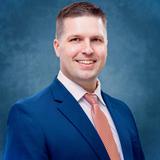
Daniel Mayer is a researcher affiliated with the Department of Physics at RPTU Kaiserslautern-Landau. His work focuses on quantum physics, particularly in ultracold atomic gases , nonequilibrium thermodynamics , and quantum simulation . Current position: Researcher in the Widera research group Email: dmayer@rhrk.uni-kl.de Research highlights include: Quantum thermometry using single atoms Spin dynamics in Bose-Einstein condensates Non-equilibrium processes in few-body systems Precision spectroscopy of rubidium atoms His publications (2015–2023) demonstrate expertise in quantum optics , atomic physics , and statistical mechanics . He has contributed to advancements in single-atom manipulation and quantum sensing technologies.
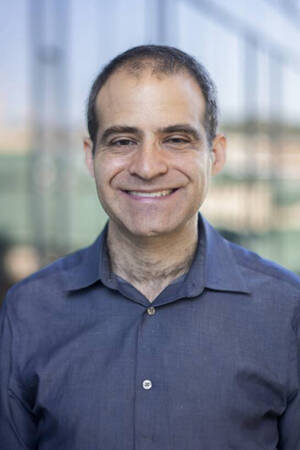
Dr. Felix Schmidt is a Researcher leading his own Arbeitsgruppe within Prof. Artur Widera's team in the Department of Physics at RPTU Kaiserslautern-Landau. His work focuses on experimental quantum physics with single atoms in ultracold quantum environments, contributing significantly to quantum sensing and non-equilibrium dynamics research. Dr. Schmidt's research centers on quantum physics with emphasis on single-atom manipulation in ultracold gases, quantum sensing using individual neutral atoms as probes, and non-equilibrium thermodynamics of dilute atomic systems. His experimental work explores spin dynamics in Bose-Einstein condensates, precision measurement techniques, and quantum simulation of complex phenomena like the Fröhlich polaron. This research bridges atomic physics, quantum information science, and condensed matter physics through innovative single-atom control methodologies. Analysis of his 14 publications from 2015-2020 reveals consistent contributions to high-impact journals including Physical Review Letters , Nature Physics , and Physical Review X . His work shows increasing focus on quantum sensing applications, with several papers featured in Physics viewpoint stories and covered by science media outlets like phys.org and Science Daily . Key trends include the development of single-atom thermometers, quantum probes for ultracold gases, and optimization of quantum gas production through evolutionary algorithms. Dr. Schmidt's research group operates within RPTU's Department of Physics, which recently secured significant funding (nearly 900,000 euros from Carl-Zeiss-Stiftung) for quantum sensor development targeting neurological disease research. The department maintains international collaborations, including a recent partnership with Politehnica University of Bucharest focused on experimental physics excellence. His work contributes to RPTU's growing reputation in quantum technologies and precision measurement.
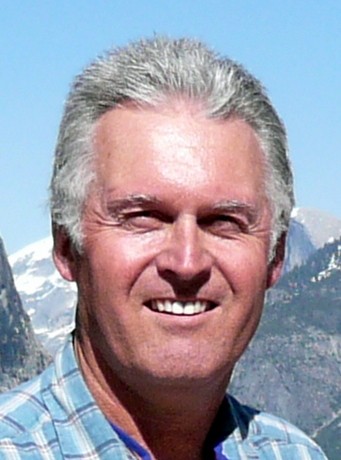
Dr. Zhi Huang serves as an Instructor and incoming Assistant Professor in the Department of Pathology and Laboratory Medicine, with a secondary appointment in the Informatics Division of the Department of Biostatistics, Epidemiology, and Informatics. His academic work bridges biomedical research with artificial intelligence to advance healthcare solutions. His research expertise spans critical areas in medical AI: Biomedical AI : Developing AI models for clinical decision support Human-AI Collaboration : Designing intuitive interfaces for clinician-AI teamwork Medical Image Platforms : Creating scalable infrastructure for medical imaging analysis Digital Pathology : Implementing AI-driven tissue analysis systems Precision Medicine : Tailoring treatments using genomic and clinical data integration Analysis of his publication record reveals a strong interdisciplinary trajectory connecting computer vision, multi-agent systems, and clinical applications. His work demonstrates consistent innovation in translating autonomous systems research—particularly in scene graph generation, motion planning, and visual question answering—into medical contexts including digital pathology platforms and precision diagnostics. Recent contributions emphasize open-source frameworks for accessible medical AI development.
Jamel Ali, Ph.D. , is an Assistant Professor in the Department of Chemical & Biomedical Engineering at the FAMU–FSU College of Engineering, a joint unit of Florida A&M University and Florida State University. His office is located in Building B, Room B373F, and he can be reached via e-mail at jali@eng.famu.fsu.edu . Dr. Ali earned a B.S. (2011) and M.S. (2013) in Chemical Engineering from Howard University, followed by a Ph.D. (2016) in Mechanical Engineering & Mechanics from Drexel University. His research spans four tightly integrated thrusts: Micro/nanobiorobotics – design and wireless control of bacteria-inspired and erythrocyte-based micro/nanorobots for targeted therapy and minimally invasive surgery; Microbial dynamics – understanding how flagellar mechanics and collective motion govern bacterial locomotion in complex biological fluids; Cancer mechanobiology – elucidating mechanical cues that drive pancreatic cancer progression, adipocyte reprogramming, and acinar-ductal metaplasia; Biomaterials for biomedical applications – developing 3-D extracellular matrix scaffolds, hydrogels, and biofabricated organoids for regenerative medicine, drug screening, and personalized therapy. Across 40+ peer-reviewed articles (2015-2025), Dr. Ali’s work exhibits a clear trajectory from fundamental fluid-mechanics studies of microswimmers and colloidal gels to translational applications in diabetes, pancreatic cancer, and targeted drug delivery. Recent high-impact contributions include demonstrations of symmetry-breaking propulsion in viscoelastic fluids, magnetically actuated erythrocyte micromotors for localized therapy, and organoid-based reversal of hyperglycemia in type-1 diabetes models. Labs & Teams: While explicit laboratory names are not provided, Google-Scholar entries and publication affiliations indicate active collaboration with the Micro/Nanoscale Bio-Robotics Laboratory (formerly at Drexel) and ongoing participation in multi-university consortia such as the Florida-California CaRE2 Health Equity Center.
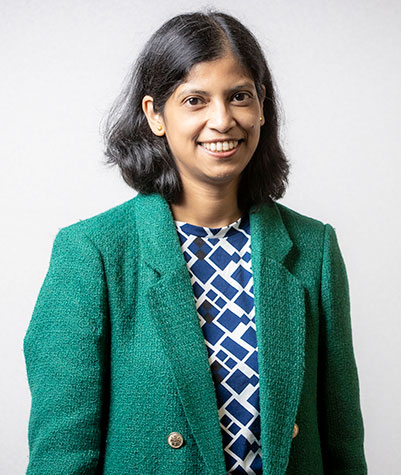
Hui Zhao, PhD, DABR, is a Professor in the Department of Radiation Oncology at the University of Utah and a medical physicist at Huntsman Cancer Hospital. She specializes in advanced radiation therapy techniques including image-guided radiotherapy (IGRT), surface-guided radiotherapy (SGRT), stereotactic radiosurgery (SRS), stereotactic body radiation therapy (SBRT), and high/low-dose-rate brachytherapy. Dr. Zhao is an active member of the American Association of Physicists in Medicine (AAPM). Education History: Postdoctoral Fellowship: University of Wisconsin School of Medicine and Public Health Residency: Washington University in St. Louis PhD in Medical Physics: University of Wisconsin School of Medicine and Public Health MS: University of Wisconsin School of Medicine and Public Health BS in Modern Physics: University of Science and Technology of China Her research focuses on optimizing precision radiation delivery through technologies like surface imaging, CT-on-Rails, kV/MV cone-beam CT, ultrasound guidance, and motion management systems. She investigates clinical applications in breast, prostate, gynecologic, and thoracic cancers with emphasis on adaptive therapy and treatment accuracy. Recent publications (2019-2024) demonstrate strong focus on surface-guided radiotherapy validation, brachytherapy innovation, and treatment workflow optimization. Dominant themes include SGRT clinical implementation, proton therapy alignment, HDR brachytherapy commissioning, and motion management strategies, reflecting her leadership in advancing precision radiotherapy techniques. Dr. Zhao leads quality assurance initiatives and technology validation projects at Huntsman Cancer Hospital, collaborating with multidisciplinary teams to enhance treatment safety and efficacy. Her work integrates novel biometric systems and AI-driven workflows to prevent treatment deviations.
Professor George Weiss is a Professor of Control Engineering at the Department of Electrical Engineering - Systems, Faculty of Engineering, Tel Aviv University. He has been at Tel Aviv University since October 2007, following previous appointments at Imperial College London (1998-2007), Exeter University (1996-1998), Ben-Gurion University (1991-1996), and The Weizmann Institute (1991-1992). His research bridges theoretical foundations of control systems with practical applications in renewable energy integration and power electronics. Professor Weiss earned his PhD in Applied Mathematics from The Weizmann Institute of Science in Israel in 1989 and his MEng in Control and Computer Engineering from the Polytechnic Institute of Bucharest in 1981. His academic journey includes postdoctoral positions at Virginia Tech (1989-1991) and Brown University (1988-1989). His research focuses on distributed parameter systems, repetitive control, internal model based control, passive and conservative systems, control in power electronics, and grid integration of renewable energy. He is renowned for developing the concept of "synchronverters" with Qing-Chang Zhong, enabling grid integration of large renewable energy generators. His work spans theoretical mathematical control and practical industrial applications, with significant contributions to wave energy conversion and wind turbine vibration suppression. Analysis of his recent publications reveals a strong emphasis on renewable energy applications, particularly wind and wave energy systems, alongside fundamental theoretical work on well-posed systems and distributed parameter control. His research integrates mathematical rigor with practical engineering solutions for energy conversion systems. Professor Weiss has received substantial research funding including a 4M Euro "ConFlex" grant from the European Commission (as PI) and multiple grants from the Israel Science Foundation. His work has been supported by EPSRC, the Royal Society, and industry partners including MST, Coriolis, Solar Edge, Bioness, and Synvertec. He has supervised numerous PhD students who have gone on to prominent academic positions worldwide and serves as academic responsible for the Control Teaching Laboratory. His consulting work demonstrates the practical impact of his research across the renewable energy sector.
Brett R Lullo, MD is an Assistant Professor in the Department of Orthopaedic Surgery at the Feinberg School of Medicine, Northwestern University, and an attending pediatric orthopaedic surgeon at Ann & Robert H. Lurie Children’s Hospital of Chicago. He specializes in pediatric orthopaedic surgery with advanced training in spine deformity and extremity fracture surgery. Dr. Lullo's educational background includes: BA in Computer Science from Princeton University (2011) MD from Loyola University Chicago Stritch School of Medicine (2016) Orthopaedic Surgery Residency at Harbor-UCLA Medical Center (2021) Pediatric Orthopaedic Surgery Fellowship at the Children’s Hospital of Philadelphia (2022) His research integrates computer science expertise with pediatric orthopaedics, focusing on machine learning applications to predict surgical outcomes and optimize care for spinal deformities and extremity fractures. He leverages data science to address complications in growing rod treatments and tethering procedures, aiming to improve precision in pediatric spinal interventions. Recent publications reveal a strong emphasis on technological innovation in pediatric spine surgery, particularly through machine learning models for predicting surgical revisions and analyzing implant failures in early-onset scoliosis. His work bridges biomechanics and data-driven approaches to enhance treatment efficacy. Professional recognition includes: Whitecloud Best Clinical Paper Award Nominee (2023) Dr. Lullo actively contributes to research through leadership roles in the Pediatric Orthopaedic Society of North America's Technology Oversight Committee and Pediatric Spine Study Group research interest groups, though specific advisees or grant funding aren't documented. His collaborative work spans multiple national study groups including the Harms Study Group. He maintains strong ties to Lurie Children's motion lab research and participates in biomechanics-focused teams investigating disability interventions for children with spinal deformities.
Dr. Toni Wöhrl is a researcher at the Institute for Zoology and Evolutionary Research, Friedrich Schiller University Jena, Germany, specializing in biomechanics of insect locomotion and pediatric physical fitness. His work bridges entomological research with public health studies, focusing on ant climbing behaviors and pandemic-related impacts on children's health. His primary research investigates climbing behaviors in ants , analyzing how these insects prevent slipping or tipping on slopes through precise measurements of leg reaction forces and joint trajectories. This extends to comparative biomechanical analyses across Hymenoptera, examining adaptive locomotion strategies in uneven habitats. Concurrently, he contributes to large-scale pediatric studies assessing how age, sex, body constitution, and social factors influence physical fitness during/post-pandemic periods. Recent publications (2023-2025) reveal dual research trajectories: arthropod biomechanics involving instrumented motion arenas and force measurement systems, and public health epidemiology analyzing fitness data from over 38,000 German schoolchildren. His interdisciplinary approach combines experimental entomology with population health metrics, demonstrating methodological versatility across biological scales. Dr. Wöhrl collaborates extensively within the Institute for Zoology and Evolutionary Research, developing modular experimental setups for arthropod motion analysis while contributing to university-wide pandemic impact studies. His team-based research integrates motion capture, force sensors, and biomechanical modeling to explore fundamental principles of hexapod locomotion and human physical development.
David Held is an Associate Professor at Carnegie Mellon University's Robotics Institute, leading the Robots Perceiving And Doing (RPAD) lab. His work focuses on perceptual robot learning, integrating robotics, machine learning, and computer vision to enable robots to interact with complex environments. He holds a Ph.D. in Computer Science from Stanford University, an M.S. and B.S. in Mechanical Engineering from MIT, and conducted postdoctoral research at UC Berkeley. His research spans object manipulation, autonomous driving, and reinforcement learning, with a focus on robust perception and control in dynamic settings. Research Interests: Developing methods for robots to manipulate novel objects, handle deformable materials, and operate in unstructured environments through deep learning and simulation-to-real transfer. He explores autonomous driving via self-supervised learning and semi-supervised techniques. Notable Articles (2024–2025): Focus on articulated object manipulation, sim2real transfer, safety-aware policies, and perception in robotics. Recent work includes ArticuBot for universal manipulation policies and SplatSim for zero-shot transfer using Gaussian splatting. Awards: Google Faculty Research Award (2017), NSF CAREER Award (2021). Labs: RPAD Lab, CMU Center for Autonomous Vehicle Research. Teaching: Courses include Statistical Techniques in Robotics and Advanced Computer Vision.
Richard Eric Rasmussen serves as a Senior Adjunct Faculty Member in the Physics department at California Lutheran University since 2012 while leading Guidance Dynamics Corporation (GDC) as Chairman and CEO, a position he has held since founding the company in 1989. Education: B.S. in Engineering with minor in Material Science, University of California, Davis Advanced Coursework in Spacecraft Control Systems, University of California, Los Angeles Research Focus: His expertise spans Aerospace Engineering , Spacecraft Control , and Electromechanical Systems , driving GDC's innovation in frictionless motion testbeds using air bearings and cold-gas thrusters. These systems enable precise space flight emulation for institutions like JPL and Georgia Tech, advancing robotics and propulsion research. Professional Impact: GDC under Mr. Rasmussen delivered critical hardware for defense programs (LEAP, Brilliant Pebbles) and commercial ventures (Blue Origin, Kistler Aerospace), including 240-pound flight thrusters and 3-DOF testbeds for the Naval Postgraduate School. His prior decade at Space Vector Corporation supported NASA and Air Force sounding rocket launches across global sites. Community Engagement: He mentors underserved high school students through StudySmart Tutors and has served as Scoutmaster of Troop 642 since 2001, earning the Silver Beaver Award and multiple District Awards for youth development.
Dr. Lipika Deka is an Associate Professor and Faculty Head of Research Students at De Montfort University's School of Computer Science and Informatics. She is affiliated with multiple research groups including The Institute of Artificial Intelligence, The De Montfort University Interdisciplinary Group in Intelligent Transport Systems (DIGITS), and the Software Technology Research Laboratory. Dr. Deka holds a PhD in Computer Science and Engineering from Indian Institute of Technology (IIT) Guwahati, an MTech in Computer Science and Information Technology, and a BEng in Computer Science and Engineering. Her academic journey began with a passion for operating systems and network programming, which led to her PhD work on transactional file systems and online backup algorithms. Dr. Deka's research spans multiple interdisciplinary domains at the intersection of computer science and real-world applications. Her primary areas of expertise include: Concurrency control techniques for consistent, architecture-preserving online software updates in autonomous vehicles and IoT devices Machine learning applications for Intelligent Transportation Systems Downstream space applications including smart agriculture (particularly for climate change adaptation) and soil/water analysis AI techniques for reducing e-waste by facilitating longer lifespans of digital items Analysis of Dr. Deka's recent publications reveals a strong focus on applying artificial intelligence and machine learning to solve critical transportation, environmental, and healthcare challenges. Her work demonstrates a trend toward interdisciplinary research that bridges computer science with practical applications in autonomous vehicles, environmental monitoring, precision agriculture, and public health infrastructure. Notably, her research shows increasing integration of satellite data with ground-level applications, particularly in agriculture and environmental monitoring. Dr. Deka has received the Faculty Staff Leadership Award in 2019 for her contributions to academia. Her leadership extends to professional organizations as well, where she served as Vice-Chair of the Association of Computing Machinery - UK Women's Chapter (2017-2020) and Lead of the European Volunteers Network, ACM Women's Chapter (2020-2022). As an academic supervisor, Dr. Deka has successfully guided numerous PhD students to completion while currently advising six doctoral candidates. Her research portfolio includes significant projects such as: Co-I on STAGE I (2022-23): EIT Food Seedbed pre-incubation for OPTIcut Advisory board member for a THIS Institute fellowship (2022-2026) Participant in a Spanish Government-funded project on photovoltaic systems (2022-2026) Project Partner on an EPSRC Discipline Hopping Award for smart water treatment (2020-2024) Entrepreneurial Lead on INNOVATE UK's ICURe project for OPTIcut (2020) Academic Supervisor for a Knowledge Transfer Partnership with Geospatial Insight Ltd (2018-2020) De Montfort University PI for the Transport Catapult-sponsored IMPART project (2015-2018) Dr. Deka's research is conducted through multiple collaborative frameworks including The Institute of Artificial Intelligence, the De Montfort University Interdisciplinary Group in Intelligent Transport Systems (DIGITS), and the Software Technology Research Laboratory. These groups facilitate cross-disciplinary collaboration between computer scientists, transportation engineers, environmental scientists, and healthcare professionals to address complex societal challenges through technological innovation.
Fabrice Francès is a Professor at the French Civil Aviation University (ENAC) in the Department of Design and Analysis of Critical Systems (DISC). He serves as both a teacher and researcher, contributing significantly to the fields of embedded networks and avionics systems. His research focuses on performance analysis of on-board avionics networks for civil, military and space sectors, with particular expertise in AFDX, Network Calculus, and SpaceWire technologies. Professor Francès has developed innovative approaches for timing analysis, network scheduling, and reliability optimization in safety-critical communication systems. His recent publications (2021-2023) demonstrate continued research productivity, with work on Priority Switching Scheduler, RELIABLE frame replication/elimination techniques, and FactoRing asynchronous TSN-compliant networks. These publications reflect his evolving research trajectory from traditional avionics networks toward next-generation Time-Sensitive Networking solutions applicable to both aerospace and industrial automation domains. As an educator, Professor Francès teaches across multiple levels: Core courses: Algorithms and Programming, Object-oriented Design and Programming, Real-time Systems/Networks Elective modules: Functional and Logical Languages, Introduction to AI through game programming, Embedded Command/Control Systems His teaching directly complements his research, providing students with both theoretical foundations and practical applications in critical systems development.
Daniele Durante is a University Researcher at Sapienza University of Rome, working in the Department of Aeronautical and Space Engineering. He holds a Ph.D. in Space and Aeronautical Engineering (2014-2017), a Master's in Space and Astronautical Engineering (2012-2014), and a Bachelor's degree in Aerospace Engineering (2009-2012). His academic activities include teaching Space System courses and Space Guidance and Navigation Systems. Durante's research focuses on planetary science, particularly gravity field measurements and radio science applications for space missions. His work spans multiple planetary bodies including Jupiter (Juno mission), Venus (VERITAS mission), Saturn (Cassini mission), and Mars. He specializes in orbit determination, spacecraft navigation, and using radio science data to study planetary interiors. His publications demonstrate expertise in analyzing gravity fields, atmospheric loading effects, and developing navigation systems for deep space missions. Durante has contributed significantly to our understanding of planetary structures through gravity science, with particular emphasis on Jupiter's interior, Venus's gravity field, and Titan's topography. His work often involves collaboration with international space agencies and research institutions on major space missions. With a Scopus profile showing 36 documents, 1027 citations, and an h-index of 14, Durante has established himself as a productive researcher in planetary science and space navigation. His work bridges theoretical celestial mechanics with practical spacecraft operations, contributing to both fundamental science and mission design applications. Durante is actively involved in several current and future space missions, particularly focusing on Venus exploration through the VERITAS mission, lunar navigation systems, and gravity science applications across the solar system. His research continues to advance our capabilities in deep space navigation and our understanding of planetary formation and evolution.
Hernán Abaunza González is a full-time Professor at Tecnológico de Monterrey, Guadalajara campus, within the School of Engineering and Sciences and the Department of Electrical, Electronics and Communications Engineering. He serves as Director of the Robotics and Digital Systems Engineering Program and is a member of Mexico's National System of Researchers (SNI-1). His educational background includes: Mechatronics Engineer, Tecnológico de Monterrey (2012) Master of Science in Autonomous Aerial and Submarine Navigation Systems, CINVESTAV-IPN (2014) PhD in Robotics and Automation, Université de Technologie de Compiègne (2019) Dr. Abaunza's research centers on drone control and navigation, specializing in quaternion-based control laws for agile flight, trajectory generation algorithms, and drone fleet formation techniques. His work bridges theoretical control systems with practical environmental and humanitarian applications, particularly in reforestation and search/rescue operations. The integration of computer vision and energy optimization demonstrates interdisciplinary innovation. Analysis of his 2017-2025 publications reveals a progressive shift toward real-world UAV deployment, with increasing emphasis on multi-drone coordination, battery efficiency, and human-drone interaction. Core technical themes include nonlinear control theory and sensor fusion, while application domains span environmental restoration (reforestation), disaster response, and precision agriculture. His scientific recognition includes: IEEE Robotics and Automation Letters Outstanding Reviewer (2022) Mexican Researcher Certification Level 1 (SNI-1) As program director, Dr. Abaunza shapes robotics curriculum and research strategy. His work aligns with UN Sustainable Development Goals for Climate Action (ODS 13), Life on Land (ODS 15), and Responsible Consumption (ODS 12), though specific grant funding details are not disclosed in the source material. Teaching responsibilities include Design and Development of Robots and Implementation of Intelligent Robotics courses.
Fredrik Dessen is an affiliated researcher at the Norwegian University of Science and Technology (NTNU), Department of Engineering Cybernetics. His research spans control engineering, embedded systems, robotics, and energy efficiency in buildings. He holds a PhD from NTNU (1988) and has extensive experience in R&D for control systems, including roles as developer, project manager, and technical manager. His work focuses on sensor integration, real-time systems, and automation. Notable contributions include studies on energy-efficient retrofitting of residential buildings in cold climates, robotic control systems, and low-pass filter optimization. He has authored over 15 technical publications since 1986, with recent work addressing building automation and smart retrofitting strategies. Education: Doctoral Dissertation (1988), NTNU Research interests emphasize practical applications of control theory in robotics and sustainable building systems. His 2020 studies highlight innovative approaches to integrating smart components and automation for energy efficiency. Earlier work (1986-1991) pioneered sensor integration and redundant sensing architectures in robotic systems. Outreach activities include lectures on engineering education and multiphase flow control. He has presented at conferences such as the North American Conference on Multiphase Technology (2010).