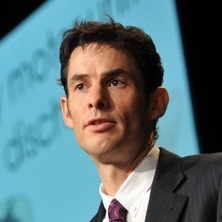
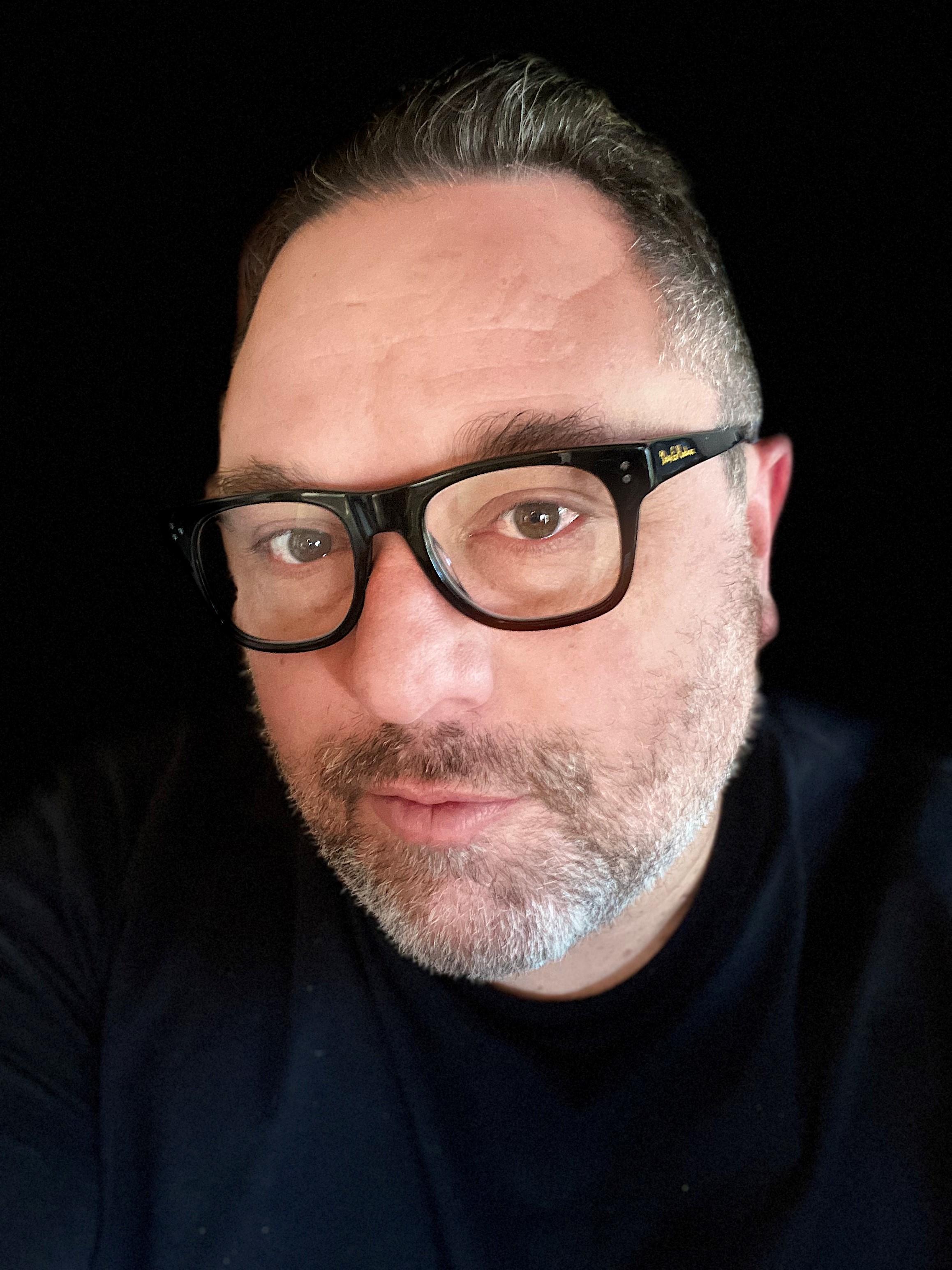
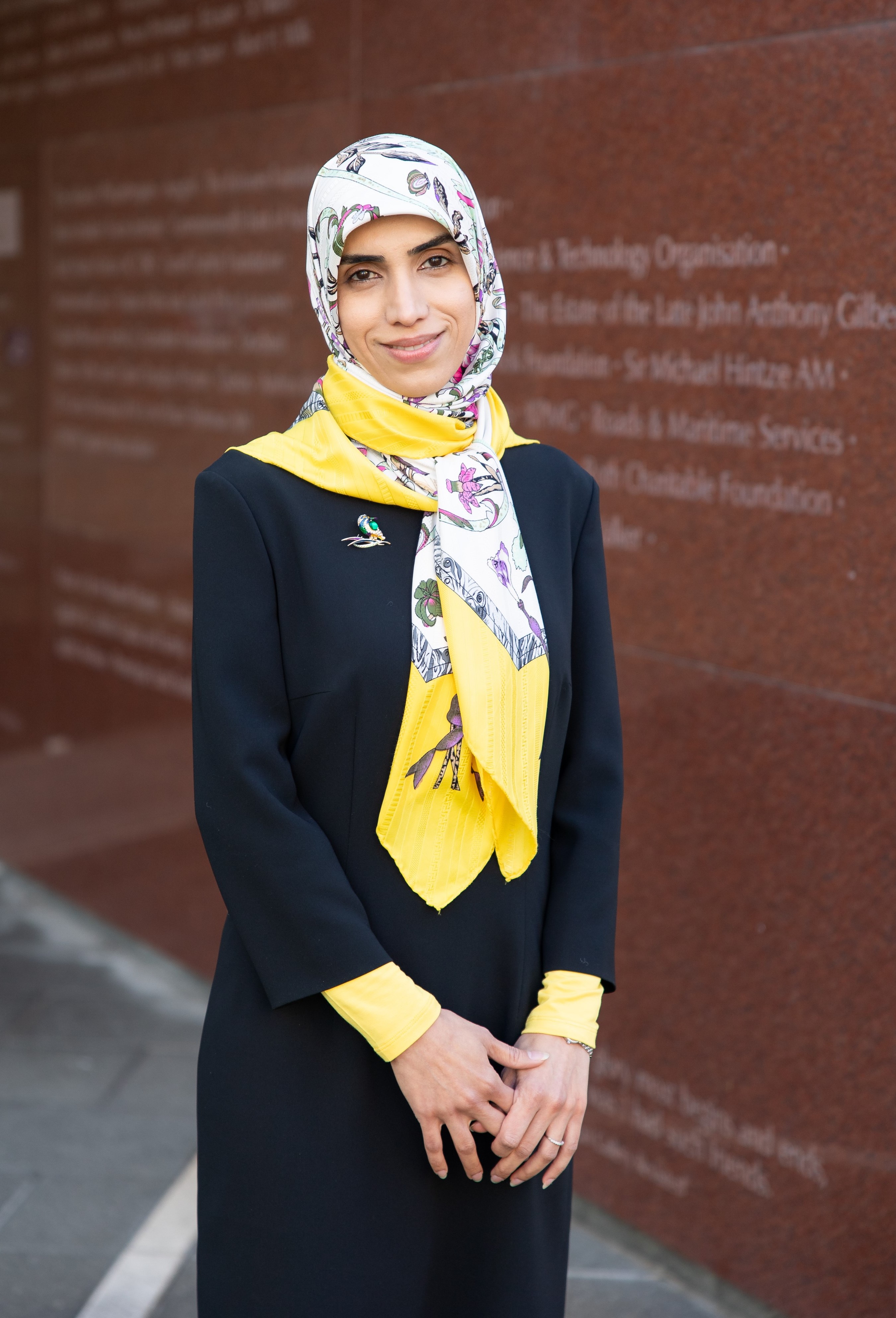
Professor Paul W. Hodges is an NHMRC Leadership Fellow (Level 3) and Professor at The University of Queensland's School of Health and Rehabilitation Sciences, Faculty of Health, Medicine and Behavioural Sciences. He serves as Director of the Centre for Innovation in Pain and Health Research (CIPHeR). NHMRC Leadership Fellow (Level 3) Director, CIPHeR International Collaborator (Universities of Adelaide, South Australia) Research Focus : Integrating molecular biology, brain physiology, and human function to understand pain mechanisms and movement control. His work spans: Pain Mechanism Discrimination Neuromuscular Adaptation Pelvic Floor & Continence Low Back Pain Rehabilitation Musculoskeletal Imaging Article Trends : Recent publications demonstrate expertise in: Ultrasound Imaging for Pelvic Floor Assessment Pain Phenotyping & Biomarker Development Neuroinflammatory Mechanisms in Chronic Pain Exercise Physiology for Spine Health Sex-Based Pain Differences Scientific Awards : 5× ISSLS Prize Winner (Basic/Co-Clinical Science) 2010 Susanne Klein-Vogelbach Award 2009 Delsys Prize 2011 NHMRC Achievement Award Leadership : Chairs international task forces for IASP and ISEK. Leads NHMRC Synergy Grant with Australian/US collaborators.
Professor Bradley Evans is a distinguished Earth observation and remote sensing specialist at the University of New England, where he holds a position in the Faculty of Science, Agriculture, Business and Law within the School of Environmental and Rural Science. His expertise spans environmental science, biodiversity conservation, and the application of hyperspectral imaging spectroscopy to solve real-world environmental challenges. Previously, he has held significant positions including Director of Australia's Terrestrial Ecosystem Research Network and Director of Sydney Informatics Hub at The University of Sydney. PhD in Environmental Science, Murdoch University, Western Australia, 2013 Bachelor of Science with Honours in Environmental Science, Murdoch University, Western Australia, 2009 Bachelor of Science in Energy Studies, Murdoch University, Western Australia, 2009 Advanced Diploma in Marketing Management, TAFE NSW, Bradfield College, 1999 CASA RPAS sub 25kg (Multirotor Drone) certification Professor Evans's research focuses on applying advanced remote sensing techniques to environmental monitoring and conservation. His work integrates hyperspectral imaging with ecological modeling to address critical issues such as koala habitat mapping, forest health assessment, and water quality monitoring. He has pioneered approaches using plant fluorescence to model growth patterns and has contributed significantly to NASA's OCO2 mission. His recent work emphasizes the development of open-source tools for hyperspectral imaging, making advanced remote sensing more accessible to researchers worldwide. Analysis of Professor Evans's recent publications reveals a strong trend toward practical applications of hyperspectral imaging across diverse environmental contexts. His work spans from precision agriculture applications for cotton farming to koala habitat conservation, demonstrating the versatility of remote sensing technologies. The research shows increasing integration of machine learning techniques with hyperspectral data, enhancing the accuracy and efficiency of environmental monitoring systems. There's also a notable emphasis on open-source solutions, reflecting his commitment to democratizing access to advanced remote sensing technologies. 2016 – Terrestrial Ecosystem Research Network NSW – NSW Chief Scientist Award Multiple travel scholarships from NCCARF, EUFAR, and Australian Research Council 2010 Centre of Excellence for Climate Change PhD top-up Scholarship 2008 Master class Scholarship from Wentworth Group of Concerned Scientists Professor Evans has successfully supervised numerous PhD and Master's students across multiple institutions, demonstrating strong mentorship capabilities. His research is supported by substantial grants including the $198K NSW Department of Environment Koala's in the Landscape project (2023), the University of Sydney's Koala's in the Air project ($70K), and significant funding for the OpenHSI initiative. He has been a Chief Investigator for the Australian Research Council Training Centre on CubeSats, UAVs and Their Applications, securing funding for innovative remote sensing projects. His work with NASA JPL's Surface Biology and Geology Study and collaborations with international space agencies demonstrates the global impact of his research. At the University of New England since 2023, Professor Evans has established the Earth Observation Laboratory with a special focus on water and wildlife habitat (particularly koalas) and riverine water quality. He serves as Vice President of Earth Observation Australia and participates in the AquaWatch Steering Committee for the Commonwealth Department of Defence. His laboratory actively collaborates with industry partners like HyVista Corporation and academic institutions including The University of Sydney. The lab emphasizes open-source approaches to remote sensing technology, exemplified by the OpenHSI project, which has created accessible hyperspectral imaging solutions for researchers worldwide.
Dr. Jennifer Gunter is a Senior Research Fellow at Queensland University of Technology (QUT), affiliated with the Faculty of Health and the School of Biomedical Sciences. Her research focuses on metabolic plasticity in cancer cells, particularly prostate cancer, and the interplay between metabolic disorders and cancer progression. She completed her PhD in 2005 at the University of Oxford, studying lipid metabolism in type-2 diabetes, and has since held postdoctoral positions at the University of Queensland and QUT. Her work integrates metabolomics, cell biology, and clinical translation to identify therapeutic targets. Key areas include insulin resistance, androgen receptor signaling, and drug discovery. Dr. Gunter has secured over $7.9 million in competitive grants and published over 20 peer-reviewed articles, reviews, and book chapters. Her team explores adaptive metabolic pathways in response to therapies like androgen deprivation and biguanides. Dr. Gunter collaborates on projects involving biomaterials (e.g., hydrogel models) and nanoparticle drug delivery. Her research highlights the importance of metabolic reprogramming in treatment resistance and metastasis. She also investigates the role of leptin and cytokines in tumor progression. Future work aims to translate findings into personalized therapies for urological cancers.
Dr. Gun A. Lee serves as a Senior Research Fellow at the Empathic Computing Lab within the School of Information Technology and Mathematical Sciences at the University of South Australia. He concurrently holds an Adjunct Senior Fellow position at the HIT Lab NZ, University of Canterbury. His academic journey spans multiple institutions with significant contributions to extended reality research. Dr. Lee's educational foundation includes: Ph.D. in Computer Science and Engineering from POSTECH (2002-2009) M.S. in Computer Science and Engineering from POSTECH (2000-2002) B.S. in Computer Science from Kyungpook National University (1996-2000) His research centers on extended reality technologies and their applications. Dr. Lee's work explores Virtual Reality (VR), Augmented Reality (AR), and Mixed Reality (MR) systems with emphasis on creating immersive experiences for learning, training, and collaboration. His concept of 'Immersive Authoring' represents a significant contribution to the field, enabling content creation while immersed in the experience itself. In Human-Computer Interaction, he develops novel interaction techniques that leverage natural human behaviors and multimodal inputs, particularly focusing on eye tracking, gesture recognition, and spatial awareness. Analysis of Dr. Lee's recent publications reveals a clear trajectory from foundational AR frameworks to sophisticated collaborative mixed reality systems. His work increasingly integrates social and emotional dimensions into remote collaboration, with projects like SharedSphere demonstrating practical applications of live 360-degree mixed reality. The research consistently bridges theoretical HCI principles with real-world applications across education, professional training, and entertainment domains. As a Research Degree Supervisor, Dr. Lee mentors graduate students in extended reality and human-computer interaction. His teaching portfolio includes the 'Human Interface Technology - Design and Evaluation' course at the HIT Lab NZ, where he specialized in evaluation methodologies for interactive systems across multiple semesters from 2014-2016. He has also conducted specialized workshops including 'The Glass Class' on Google Glass development. At the Empathic Computing Lab, Dr. Lee leads research initiatives focused on creating technologies that enhance human connection. His project portfolio spans from fundamental interaction research like 'Interaction with Augmented Mirrors' to applied mobile AR applications including CityViewAR, AntarcticAR, and GeoBoids. His work on the Mobile AR Framework represents significant infrastructure development for the field, while projects like VPS (VR-based Paint Spray Training Simulator) demonstrate practical industrial applications of his research.
Dr. David Belton is a Senior Lecturer in the School of Earth and Planetary Sciences at Curtin University, within the Faculty of Science and Engineering. He also holds a portfolio role in the Office of the Provost. His expertise lies in laser scanning (both terrestrial and mobile) and photogrammetry, with a focus on automated processing, feature extraction, and applications in mining, heritage conservation, and structural monitoring. Dr. Belton holds a BCSc, BSc (First Class Honours), and a PhD from Curtin University. His teaching responsibilities include coordinating and lecturing in Cartographical Statistics and Integrated Surveying, alongside previous roles in Mine Surveying and Mine Survey Project courses. He actively supervises PhD, MPhil, and Honours students, fostering research excellence in spatial sciences. His research emphasizes practical applications of geospatial technologies, including underwater photogrammetry, pipeline monitoring, and coral reef analysis. Key areas include robust statistical methods for point cloud processing, sensor calibration, and open-source device development for marine surveys. His work bridges theoretical advancements with real-world challenges in environmental monitoring, infrastructure assessment, and cultural heritage preservation. Publications span high-impact journals like Corall Reefs , ISPRS Journal of Photogrammetry , and IEEE Transactions , reflecting contributions to geomatics, remote sensing, and computer vision. His research often addresses interdisciplinary challenges, such as UAV-based ecological monitoring and automated 3D model reconstruction from laser scanning data. Dr. Belton collaborates widely, contributing to projects like the Sydney-Kormoran wreck analysis and heritage documentation of Pilbara rock art. His work underscores innovative solutions for spatial data challenges across environmental, engineering, and archaeological domains.
Dr. Lucia McCallum is a Senior Lecturer in Geodetic VLBI at the School of Natural Sciences, Physics, University of Tasmania. She specializes in Very Long Baseline Interferometry (VLBI) for Earth observation, focusing on measuring the Earth's shape, rotation, polar motion, and plate tectonics. Her work connects geodetic techniques (GNSS, SLR, VLBI) via space tie satellites, with leadership in the ARC DECRA-funded project and the AuScope VLBI collaboration with Geoscience Australia. PhD from Technische Universität Vienna Active since 2014 in UTAS radio astronomy group Her research bridges geodesy and astrophysics, advancing the next-generation VLBI Global Observing System (VGOS) for millimeter-level precision. This technology addresses critical geoscientific challenges like sea level rise prediction and terrestrial reference frame stability. Recent publications (2025-2014) span VGOS optimization, GNSS satellite tracking, atmospheric signal corrections, and space tie methodologies. Her work emphasizes international collaboration through the International VLBI Service for Geodesy and Astrometry (IVS) and leadership roles in the Asian Oceania VLBI Group (AOV) and IVS Working Group 7. Scientific Awards Australian Research Council DECRA Fellowship Austrian Science Fund (FWF) Schrödinger Fellowship She supervises doctoral and master's students in geodetic VLBI projects, including topics like space weather effects, dynamic scheduling, and satellite signal calibration. Her full description includes global network operations, technical innovations, and societal impact through precision geodetic infrastructure.
Professor Sandra O'Toole is a distinguished Professor of Pathology at the University of Sydney's Faculty of Medicine and Health, School of Medical Sciences. She also serves as a Senior Staff Specialist at Royal Prince Alfred Hospital and a Senior Pathologist at the Garvan Institute of Medical Research. With internationally recognized expertise in breast cancer and molecular pathology, Professor O'Toole contributes significantly to both clinical practice and academic research in oncology. Professor O'Toole holds an MBBS (Hons I), BMedSc (Hons I), PhD, and is a Fellow of the Royal College of Pathologists of Australasia (FRCPA) and Fellow of the Faculty of Science (RCPA) (FFSc). Her extensive academic credentials reflect her deep expertise in pathology and medical sciences. Professor O'Toole's research spans multiple critical areas in cancer pathology, with a primary focus on breast cancer. She has internationally recognized expertise in breast cancer and molecular pathology, particularly in tumor microenvironment, DNA methylation in phyllodes tumors, and immune evasion in triple-negative breast cancer. Her groundbreaking work includes identifying collagen XII as a driver of metastasis and contributing to the development of a single-cell and spatial atlas of human breast cancers. She leads an international project to develop a single-cell and spatial breast cancer atlas, supported by significant funding from the National Breast Cancer Foundation (>$1.5 million) and the US Department of Defence (over USD $6 million). Professor O'Toole also leads research focused on phyllodes tumors of the breast, a rare and understudied tumor type, providing critical new insights into their epigenetic regulation. With over 150 publications to her name, Professor O'Toole's scholarly output demonstrates a consistent focus on advancing breast cancer diagnostics and treatment. Her work spans molecular pathology, tumor microenvironment analysis, and the development of novel diagnostic approaches. Recent publications highlight her leadership in creating comprehensive breast cancer atlases and refining diagnostic criteria for rare breast tumor types. Her research has significant translational impact, with findings directly influencing clinical practice and health policy. Professor O'Toole's exceptional contributions to cancer research have been recognized with prestigious awards: Eureka Prize 2022 (ANSTO prize for innovative use of technology) as part of NanoM team led by Prof Brian Abbey Roche scientific e-poster prize for DNA methylation in phyllodes tumors (RCPA Updates 2024) Professor O'Toole is deeply committed to mentoring the next generation of pathologists and researchers. She supervises research focused on translational cancer pathology, with particular interests in breast cancer. Her leadership extends to national policy and curriculum development, ensuring pathology remains central to medical and clinical scientific education. She has secured significant research funding, including a National Breast Cancer Foundation grant exceeding $1.5 million and US Department of Defence funding over USD $6 million for her international breast cancer atlas project. Professor O'Toole leads a collaborative research program centered at the Garvan Institute of Medical Research. She serves as the lead pathologist on an international project to develop a single-cell and spatial breast cancer atlas, working with Professor Alexander Swarbrick. She is also part of an international breast pathology expert group focused on phyllodes tumors, led by Professors Puay Hoon Tan and Emad Rakha. Her work involves close collaboration with institutions in Singapore, Sweden, Duke University, and McGill University, reflecting the global impact of her research.
Associate Professor Fatemeh Vafaee is a leading researcher at the University of New South Wales (UNSW) , holding appointments as Associate Professor in the School of Biotechnology and Biomolecular Sciences (BABS) and Deputy Director (Science) of the UNSW AI Institute . She previously served as Deputy Director of the UNSW Data Science Hub (uDASH) and has held academic positions at the University of Toronto and the University of Sydney. PhD in Artificial Intelligence from University of Illinois at Chicago Postdoctoral Fellowships at University of Toronto and University of Sydney Founded the AI-Enhanced Biomedicine Laboratory in 2017 Her research focuses on deploying advanced AI techniques to address biomedical challenges through: Biomarker Discovery for cancer and neurodegenerative diseases Single-Cell Multi-Omics data integration and analysis Computational Drug Repositioning and network pharmacology Multi-Omics Data Fusion and temporal network modeling Recent publications demonstrate expertise in liquid biopsy development , single-cell imaging , and AI-driven cancer diagnostics . Her methodological contributions include novel deep learning architectures for omics data analysis and graph neural networks for drug synergy prediction. Scientific accolades include: Winner, Women in AI Asia-Pacific Health Award (2023) Runner-Up, WAI-APAC Innovator of the Year (2023) Top 10 Women in AI in Asia-Pacific (2023) Australian Bioinformatics and Computational Biology Society Research Excellence Award (2023) She supervises PhD candidates across computational biomedicine and AI in healthcare , with significant grant achievements exceeding $17M in competitive funding, including schemes from ARC Discovery , NHMRC , and Medical Research Future Fund .
Dr. Jerran Santos is a Senior Lecturer at the School of Life Sciences, University of Technology Sydney (UTS), and holds an Honorary Professorship in Biomaterials and Tissue Engineering at the University of Toulouse. He leads the Advanced Tissue Engineering and Stem Cell Biology Group at UTS and is an active consultant for the TGA. His research focuses on regenerative and precision medicine, utilizing stem cells and biomaterials to develop translational clinical applications. Key projects address neurodegenerative diseases (e.g., Alzheimer's, Parkinson's), musculoskeletal disorders (e.g., Osteoarthritis), and advanced biomaterials for 3D bioprinting. Dr. Santos has secured over $5 million in research funding and maintains international collaborations. His expertise spans stem cell biology, systems biology, and bioengineering. He has authored over 30 peer-reviewed articles and contributed to book chapters, emphasizing molecular mechanisms in cell differentiation, biomaterial design, and immunotherapy applications. Education: PhD (Macquarie University, 2013), Bachelor of Biotechnology (UTS, 2007) Positions: Biotechnology Course Coordinator (UTS), Stem Cell Futures Fellow (UTS), Visiting Scholar (Cedars-Sinai) Research Themes: Stem cell differentiation, 3D bioprinting, proteomics, and immunomodulatory therapies Scientific achievements include developing patient-specific cell models for degenerative diseases and identifying key molecular pathways in disease progression. His work aligns with UN Sustainable Development Goals 3 (Health), 9 (Infrastructure), and 17 (Partnerships).
Dr. Anna Kalenkova is a Lecturer in the School of Computer and Mathematical Sciences at the University of Adelaide, part of the Faculty of Sciences, Engineering and Technology. She holds a position eligible to supervise Masters and PhD students. Her research focuses on process mining, event data analysis, visual analytics, and stochastic modeling, particularly in developing algorithms for process discovery and conformance checking. She actively contributes to the field through publications on topics such as semi-Markov models, entropy-based metrics, and agent systems mining. Her work integrates theoretical computer science with practical applications in process optimization and data-driven decision-making. Key areas of interest include: Process discovery and conformance checking Algorithm development for event log analysis Stochastic modeling in process mining Dr. Kalenkova’s research trends are evident from her recent publications, which emphasize entropy-based approaches, agent system mining, and automated process model repair. She has also engaged in conference activities, such as the ICPM 2021 Doctoral Consortium. She is affiliated with the School of Computer and Mathematical Sciences and maintains an office at Ingkarni Wardli Building, Room 5.38, North Terrace campus.
Professor Minyue Fu is an Honorary Professor in the School of Engineering at the University of Newcastle, Australia, specializing in Electrical and Computer Engineering. With over 30 years of research experience, he has established himself as a leading expert in control systems and signal processing, having published over 500 research papers with an H-index of 55. His academic journey began with a Bachelor's degree from the University of Science and Technology of China, followed by M.S. and Ph.D. degrees from the University of Wisconsin-Madison. Prof. Fu's research interests span a broad range of topics in control theory and signal processing. His work consistently focuses on fundamental theoretical problems with practical applications in diverse fields including power systems, sensor networks, multi-agent systems, and cyber-physical systems. He has made significant contributions to distributed control algorithms, stochastic systems, quantization effects in control, and networked systems. His recent publications (2021-2024) demonstrate continued productivity and relevance in the field, with research spanning decentralized optimal control, anomaly detection in cyber-physical systems, cart-pole control systems, and mean-field games. These works reflect his ability to bridge theoretical control concepts with practical engineering challenges, particularly in the context of modern networked and distributed systems. Fellow of IEEE (2004) Fellow of IFAC (2022) Fellow of Engineers Australia Fellow of Chinese Association of Automation (2018) Throughout his career, Prof. Fu has held significant editorial positions including Editor of IEEE Transactions on Signal Processing (2010-2014) and Associate Editor for several prestigious journals. His research has been supported by numerous grants, though specific details aren't provided in the current text. His laboratory work has focused on practical implementations of control algorithms in various systems, demonstrating the real-world applicability of his theoretical contributions. Prof. Fu has also supervised numerous students throughout his career, though specific names aren't listed in the available information.
Associate Professor Shing Wong is a Clinical Academic at the University of New South Wales (UNSW) and a Colorectal/General Surgeon at Prince of Wales Hospital (POWH) since 2005. He serves as Head of the Colorectal Unit at POWH and was appointed Head of Discipline of Surgery at UNSW in 2025. His clinical and academic journey includes MBBS (Hons) from the University of Sydney (1992), General Surgical Fellowship (2002), Australasian Post-fellowship Colorectal Training (2004), Masters of Surgery (Colorectal) from the University of Sydney (2007), Graduate Certificate in University Learning and Teaching at UNSW (2007), and a PhD in Ergonomics in Robotic Colorectal Surgery at UNSW (2025). His research focuses on Ergonomics in robotic surgery Colorectal surgical outcomes Acute care surgery models Colonoscopy quality assurance Recto-vaginal endometriosis treatment analysis. His work spans robotic surgery challenges, surgical training, and clinical ergonomics, with a recent emphasis on human-robot interaction and fatigue prevention in minimally invasive procedures. His publications trend reveals a strong emphasis on Robotic surgery (6/15) Ergonomics (7/15) Colorectal pathologies (5/15) Human factors in surgery (4/15) Medical education (2/15) across 2024-2025. He serves as Academic Editor for journals including Minimally Invasive Surgery and Cancers , and has peer-reviewed for multiple surgical journals. Scientific recognition includes 13-time "Best Consultant Clinical Teacher" at POWH "Outstanding Contribution to Student Learning" (UNSW Faculty of Medicine, 2007) His educational leadership extends to Course Convenor roles and participation in UNSW Course Enhancement Program (2022) and Course Design Institute workshop (2024). He pioneered robotic colorectal surgery at Prince of Wales Private Hospital in 2018 and has performed >300 robotic cases. Current affiliations include UNSW School of Clinical Medicine Department of Surgery at POWH Academic Editor positions with ongoing research in surgical ergonomics and technology integration.
Alex De Andrade serves as an Industry Fellow at the University of Technology Sydney's School of Mechanical and Mechatronic Engineering. His position bridges academic research and industrial applications in fluid dynamics and mineral processing systems. His research focuses on computational modeling of gravity-driven separation systems, particularly helical mineral separators. Key interests include multiphase flow behavior, bubble dynamics in spiral concentrators, and numerical validation techniques using CFD simulations. His work integrates 3D scanning data with advanced turbulence modeling to optimize industrial separation processes. His 2023 publication demonstrates expertise in Eulerian multi-fluid VOF modeling with Lagrangian bubble phases, revealing novel tertiary radial flow phenomena in mineral spirals. Research emphasizes practical applications in mining technology through precise simulation of wall roughness, contact angles, and bubble-water interactions. As a supervisor, he leads research in translating industrial mineral separation equipment into 3D printable equivalents, demonstrating commitment to innovative manufacturing solutions for engineering challenges.
John McFerran is an Associate Professor in the School of Physics, Maths and Computing at the University of Western Australia (UWA). He holds roles including Masters/PhD supervisor, lecturer, researcher, and Academic Conduct Advisor. His research focuses on optical frequency synthesis (frequency combs), optical atomic clocks, and laser spectroscopy, with a particular emphasis on ytterbium-based clocks and tests of the Standard Model via isotope shift measurements. He has developed a cold atom optical clock at UWA and led projects such as the ARC Future Fellowship (2012–2016) and the ARC Centre of Excellence for Engineered Quantum Systems (2018–2019). Education & Previous Positions: PhD in Physics from UWA (2003) Postdoctoral Researcher at Observatoire de Paris (France), XLIM Institute (France), and Durham University (UK) Guest Researcher at NIST Boulder (USA) and LNE-SYRTE (France) Teaching: Courses include Atomic Physics (PHYS3001), Frontiers of Modern Physics (PHYS3012), Electromagnetism (PHYS2001), and Physics Bridging (PHYS1030). Research Projects: Developing ultracold ytterbium optical lattice clocks Measuring isotope shifts and nuclear parameters in ytterbium King plot analyses for Standard Model tests Awards: ARC Future Fellowship (2012–2016) Scientific Mobility Travel Award (France, 2013) Grants & Funding: ARC Centre of Excellence for Engineered Quantum Systems (2018–2019) A Southern Hemisphere Ground Station for Atomic Clock Ensemble in Space Mission (ARC, 2011–2016) Labs & Teams: Leads the Atomic Clock Lab (www.atomicclocklab.net), focusing on precision measurement technologies and quantum systems.
Troy Jensen is an Associate Professor at the School of Agriculture and Environmental Science , University of Southern Queensland. He is affiliated with the Centre for Agricultural Engineering and held a Fulbright Scholar position funded by the Kinghorn Foundation in 2023, alongside a Visiting Professorship at the University of Florida during the same year. Education: He holds a BEng (1983), MEng (1991), and PhD (2009) from the University of Southern Queensland. Research Interests: His expertise spans agricultural machinery, precision agriculture, remote sensing, controlled traffic farming, UAVs, and technology innovation . Specific focuses include sugarcane yield monitoring, soil tillage mechanics, and energy-efficient farming practices. He has pioneered work in UAV-based crop monitoring, discrete element modeling for soil analysis, and sustainable machinery design. Grants & Projects: Notable projects include: Australian Government’s Site-Specific Tools for Herbicide Management (2023) Cotton Seed Distributors’ Cotton Picker Extensions (2023) New Columbo Mobility Plan for Thailand-Australia engineering collaboration (2022) Supervision: He currently supervises doctoral students on topics like sugarcane replanting automation and pest monitoring technologies. Completed projects include studies on nutrient management in Nicaraguan sugarcane and soil compaction from cotton harvesting. Labs/Teams: His work is embedded within interdisciplinary teams at the Centre for Agricultural Engineering, focusing on mechanization, precision agriculture, and sustainable farming systems.