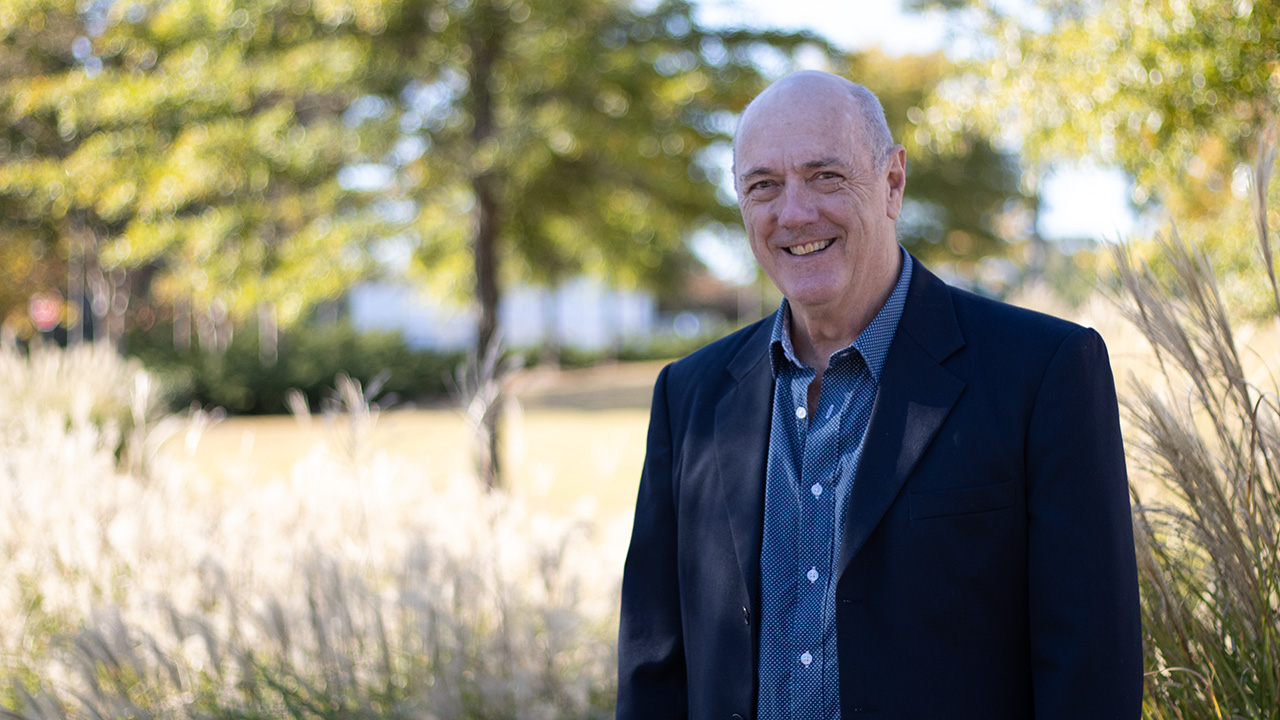
Alis Oancea is Professor of Philosophy of Education and Research Policy at the University of Oxford's Department of Education, part of the Social Sciences Division. She holds additional roles including ESRC Centre for Global Higher Education Deputy Director and Social Sciences Division Advocate for Responsible Engagement. With dual doctoral degrees (DPhil from Oxford and PhD from Bucharest), she also received a Doctor Honoris Causa from University of the West Timisoara. Her research focuses on meta-research, research policy, and higher education governance. Key areas include research assessment frameworks, impact measurement, ethics, open knowledge practices, and teacher education. She co-edited the 2024 Handbook of Meta-Research and leads international studies on research cultures and policies. Education: DPhil (Oxford), PhD (Buc), DipLATHE (Oxford), Dhc (UWT) Roles: Director of Research (2016-20), REF2021 Coordinator, ESRC CGHE Deputy Director Leadership: Over 30 funded projects including the RKEEI initiative and BERA Observatory Her 150+ publications span research policy, impact evaluation, and education systems. Awards include FAcSS Fellowship and numerous international advisory roles across Europe and Norway. Advises on global education reforms and chairs panels for EU, UK, and Nordic research councils. Current doctoral supervision focuses on research policy, higher education systems, and teacher education innovations. Active in editorial roles for Oxford Review of Education and Review of Education .
Sara Hennessy is a Professor of Educational Dialogue and Pedagogical Inquiry at the Faculty of Education, University of Cambridge , where she teaches and supervises Masters and doctoral students. She serves as Research Director of the £30m+ FCDO-funded EdTech Hub and leads the Cambridge Educational Dialogue Research (CEDiR) Group . Her research spans high- and low-income countries, focusing on classroom dialogue analysis, technology-mediated pedagogy, and teacher professional development. Education: BSc in Social Psychology (LSE), MA (Cantab), PhD in Psychology (UCL) Professional Memberships: American Educational Research Association (AERA), British Educational Research Association (BERA), European Association for Research into Learning and Instruction (EARLI) Research Interests: Hennessy’s work examines how digital technologies can enhance classroom dialogue and collaborative learning, particularly in sub-Saharan Africa. She developed the T-SEDA toolkit for classroom dialogue analysis, which underpins multimedia professional development resources. Her projects include Camtree (global practitioner research platform) and the EdTech Hub , investigating equitable uses of educational technology in low-income contexts. Publications: Her recent articles analyze mixed-methods approaches to classroom dialogue, technology’s role in Tanzanian teacher development, and linguistic considerations in resource localization. Earlier works focus on interactive whiteboards, OERs, and socio-cultural perspectives on technology integration. Scientific Awards: ESRC Research Fellowship (2007-2010): Consolidated practitioner-researcher collaboration methodologies Editorial Roles: Former editor of the British Journal of Educational Technology (2016-2024) and editorial board member of the International Journal of Science Education .
Marcia C. Linn is the Evelyn Lois Corey Professor of Instructional Science in the Berkeley School of Education at the University of California, Berkeley. She serves as Chair of the Graduate Group in Science and Mathematics Education (SESAME) and has made significant contributions to the field of science education for over five decades. Dr. Linn is a member of the National Academy of Education and a Fellow of multiple prestigious organizations including the American Association for the Advancement of Science (AAAS), the American Psychological Association (APA), the Association for Psychological Science (APS), the American Educational Research Association (AERA), and the International Society of the Learning Sciences (ISLS). Dr. Linn earned her B.A. in Psychology and Statistics (1965), M.A. in Educational Psychology (1967), and Ph.D. in Educational Psychology (1970) from Stanford University, where she worked under Lee Cronbach. Her early career included working with Jean Piaget at the Institute Jean Jacques Rousseau in Geneva, Switzerland (1967-68), serving as a Fulbright Professor at the Weizmann Institute of Science in Israel (1983), and conducting research at University College in London. She has been a fellow at the Center for Advanced Study in Behavioral Sciences three times and a Writing Resident at the Rockefeller Foundation Bellagio Center twice. Dr. Linn's research focuses on how students learn science and how technology can be used to improve science education. She developed the Knowledge Integration framework, which has become widely used in science education. Her work explores the intersection of cognitive science and educational practice, with particular attention to how students develop understanding of complex scientific concepts. She has pioneered the use of technology in science education, developing the Web-based Inquiry Science Environment (WISE) and directing the NSF-funded Technology-Enhanced Learning in Science (TELS) center. Dr. Linn's recent publications demonstrate a clear trajectory toward integrating artificial intelligence with science education. Her work increasingly focuses on how AI can support knowledge integration, facilitate science learning opportunities, and promote equitable educational experiences. She examines how technology can help students develop deeper understandings of scientific concepts through inquiry-based learning while addressing issues of social justice in science education. Scientific Awards and Honors National Association for Research in Science Teaching Award for Lifelong Distinguished Contributions to Science Education American Educational Research Association Willystine Goodsell Award Council of Scientific Society Presidents first award for Excellence in Educational Research Fulbright Professor (1983) Apple Wheels for the Mind grant (1985) National Institute of Education grant (1983) Throughout her career, Dr. Linn has secured significant funding for educational research, including multiple National Science Foundation grants. She directed the NSF-funded Technology-Enhanced Learning in Science (TELS) center and has led numerous projects investigating the cognitive consequences of computer environments for learning. She has advised countless students and researchers in the field of science education, shaping the next generation of educational researchers and practitioners. Dr. Linn directs the Web-based Inquiry Science Environment (WISE) project and has been instrumental in developing technology-enhanced learning environments for science education. Her laboratory has been at the forefront of creating and testing innovative learning technologies that support students in developing deep understanding of scientific concepts through inquiry-based approaches.
Ann Rivet is an Associate Professor of Science Education at Teachers College, Columbia University, and serves as the Associate Director of the Center for Sustainable Futures. She previously held the role of Program Officer in the Directorate for STEM Education at the National Science Foundation from 2016 to 2019. Her expertise lies in science education, particularly in Earth and environmental science, curriculum design, and urban school reform. Education: Ph.D. in Science Education, University of Michigan M.S. in Science Education (Earth Science), University of Michigan Sc.B. in Physics, Brown University Research Interests: Dr. Rivet's research focuses on how students develop deep understandings of Earth and environmental science concepts. She examines the intersections of scientific reasoning, instructional design, and assessment, primarily at the middle and secondary school levels. Her current work investigates how crosscutting scientific concepts influence students’ understanding of core disciplinary ideas, and how phenomena-based instructional approaches can support learning about large-scale Earth systems. She is actively involved in supporting the adoption and implementation of the Next Generation Science Standards (NGSS) through policy and practitioner-level initiatives, including the development of free, open-source curriculum materials for middle and high school science. Publications & Trends: Her work has been published in leading journals such as Science , the Journal of Research in Science Teaching , and the American Educational Research Journal . Her publications span topics from learning progressions in science to contextualizing instruction for urban students, reflecting a deep commitment to both theoretical and applied aspects of science education. Grants & Funding: Principal Investigator, NSF: "Collaborative Research: Bridging the Gap Between Tabletop Models and the Earth System" ($982,080) Science Team Member, GE Foundation: "Harlem Schools Partnership for Science and Math Education" ($5,000,000) Co-Principal Investigator, Carnegie Foundation: "Enhancing Teacher Preparation for Adolescent Literacy" ($100,000) Co-Principal Investigator, NSF: "GSE/RES Girls’ Science Practices in Urban High Poverty Communities" ($499,334) Principal Investigator, NSF (subaward): "Developing the Next Generation of Middle School Science Materials" ($137,198) Leadership & Outreach: Dr. Rivet has led multiple federally funded projects aimed at improving science education in urban schools. She has also contributed to national policy discussions through her role at the NSF and continues to shape science education standards and practices through her research and curriculum development efforts.
Gavin Schwarz is a Professor and Head of School at the School of Management and Governance within the UNSW Business School . He specializes in organizational change , organizational failure and inertia , and the dynamics of virtual teams , with a focus on how organizations fail during change processes and how to develop applied strategies for change management . His work spans diverse sectors including healthcare, technology, and education, with publications in leading journals such as Academy of Management Learning and Education and Administrative Science Quarterly . Education : PhD in Management (University of Queensland), MPhil (Hons) in Management (University of Auckland), BA in Management and English (University of Auckland). Grants : 2020 Brock University grant for "University communication in times of COVID-19" , 2020 UNSW Medicine grant for "Translation and change: Embedding effective change management in health" , and earlier Australian Research Council and Gordon J. Samuels Fellowship awards. His research explores the development of knowledge in organizational theories , with an emphasis on collective responses to change , HR management during crises , and technology strategy . He has contributed to understanding organizational communication , team innovation , and structural inertia . His 15 most recent publications cover topics from AI’s role in organizational change to pandemic-driven research adaptation, with keywords spanning management science , behavioral economics , and digital transformation . Scientific Awards 2021-2023 : Outstanding Reviewer Awards (Academy of Management Review) 2017-2020 : Best Reviewer Awards (Journal of Organizational Behavior) 2019, 2013, 2011 : Best Paper Finalist/Awardee (Academy of Management divisions) 2007, 2006 : Editorial Board Excellence (Academy of Management Journal) and Gordon J. Samuels Fellowship As an active supervisor in organizational change and HR development , his work supports healthcare innovation and digital transformation. He serves as Editor-in-Chief for the Journal of Applied Behavioral Science and is on the editorial boards of Academy of Management Review , Journal of Management , and Journal of Organizational Behavior . Contact: g.schwarz@unsw.edu.au
Lena Springer is a Research Associate in the History and Philosophy of Science at King’s College London, affiliated with the Department of Theology & Religious Studies and the Lau China Institute. Her work focuses on traditional Chinese medicine (TCM), indigenous botanical knowledge, and the intersection of environmental cosmology with healing practices. She leads the ERC-funded Cosmological Visionaries project exploring climate change responses in China-Russia border regions. Education: D.Phil. in Sinology from the University of Vienna (focus: transmission of scientific heritage in China). Research includes ethnographic fieldwork across China’s ethnic regions, examining multi-ethnic folk medicines and materia medica histories. She has held roles as Senior Research Fellow at Sichuan University and Affiliate of the Austrian Academy of Sciences' Institute for Social Anthropology. Research interests include biosocial interactions in indigenous sciences, the preservation of traditional medical landscapes, and academic migration dynamics. Her forthcoming book Arztgeschichten adopts a biographical approach to 20th-century TCM evolution, while her database work bridges historical pharma-recipes with modern drug development. Funding comes from the Wellcome Trust, EU Synergy Grants, and institutions in China/Taiwan. Teaching includes Sinology, pharmacognosy, and narrative-biographical methods. Public engagement includes media commentary on TCM innovations and heritage preservation projects.
Dr. Janet Firth is a Senior Lecturer at the University of Wolverhampton Business School , specializing in Human Resource Development (HRD), cross-cultural knowledge transfer, and organizational change. With a career spanning decades, she has held leadership roles such as Head of the HR and Leadership Department (2006-2022) and currently serves as chair of the School Sustainability Committee and co-leader of the People, Organisations, Work and Place research hub. PhD in Cross-Cultural Knowledge Transfer (University of Wolverhampton Business School) Senior Fellow of the Higher Education Academy (SFHEA) Fellow Member of the Chartered Institute of Personnel and Development (FCIPD) Her research focuses on organizational development through collaborative co-inquiry, critical reflective practice, and methods for capturing experiential learning (e.g., journals, action learning). She has led international projects, including EU-funded initiatives like the Frontex consultancy (2008) and a leadership program for senior university leaders (2017). Her recent publications explore digital transformation, leadership in Nigeria, and HRD in transitional societies. Dr. Firth co-edits the International Journal of HRD Policy Practice and Research and has served as external examiner for multiple universities. Her teaching expertise includes organizational change, leadership, and qualitative research methods at postgraduate levels. She has provided consultancy to Dudley Community Services, Wolverhampton Council, and Assa Abloy, with a focus on HRM and innovation.
Catherine Durose is an Honorary Professor of Public Policy at the University of Birmingham's Department of Public Administration and Policy, part of the College of Social Sciences. Her research focuses on urban governance, co-production, decentralization, and institutional design, with a particular emphasis on how government interacts with citizens and communities to drive policy change. She has secured over £3 million in research funding and serves as Chair of the Editorial Board for Local Government Studies. Educations: PhD, University of Manchester (2007) MA (Research) in Governance and Public Policy, University of Manchester (2004) BA (Hons) in Politics, University of Sheffield (2001) Her research interests span interdisciplinary areas including co-production theory, governance of the commons (housing, energy, data), feminist institutionalism, and participatory policymaking. She has held visiting fellowships at institutions such as the Great Cities Institute (UIC, Chicago) and Tilburg University, and consults for UK government bodies like the Equality and Human Rights Commission. Publications and Awards: Recipient of the Joni Lovenduski Prize (2020) Author of Designing Public Policy for Co-production (2016) Published in Political Studies , Urban Studies , and Nature Teaching and Mentorship: Catherine teaches on INLOGOV's MSc Public Management and Executive Apprenticeship programs. She mentors doctoral students in areas like social accountability in Colombia, blame avoidance in UK governance, and decentralization in Cameroon. Current research projects include studies on urban governance assemblages (with Tilburg and Edinburgh Universities) and feminist institutionalism in hate crime policy (collaboration with University of Birmingham's Vivien Lowndes). She actively contributes to civic initiatives like Citizens UK and co-founded Win: Win, a network for women in higher education, earning her recognition as a 'Woman of Action' in 2017.
Eric Soto-Shed serves as Lecturer on Education and Director of the Harvard Teacher Fellows Program at the Harvard Graduate School of Education (HGSE). With a 25-year career in education, he has held significant leadership roles including founding director of Harvard's teacher residency program, director of Secondary History/Social Studies Education at Brown University, and teacher educator positions at Stanford and NYU. He earned his Ph.D. from Stanford University in 2013 and previously taught social studies in New York City for 8 years, which deeply informs his commitment to supporting youth from underserved communities. At HGSE, he co-chairs the foundational course 'How People Learn' and teaches curriculum design and instructional methods for history and civic education. Soto-Shed's research centers on promoting inquiry and equity in K-12 history, civics, and social studies education. He co-leads the Civics Thinking Project, which develops research-based civics assessments and curriculum. His work emphasizes balancing the study of oppression with resistance and joy in historical narratives to provide students with a more complete understanding of human experiences. His recent publications explore comprehensive approaches to teaching Black history, civics education, and methods for combatting hate through historical understanding. These works demonstrate his advocacy for year-round Black history education that incorporates competing ideologies and joyful narratives alongside the study of oppression. Grants from the Library of Congress to train educators to teach with primary sources Board member of Self-Evident Education, a nonprofit using multimedia curriculum to educate about race and racism history As a consultant, Soto-Shed works with school districts to develop social studies curriculum and conducts professional development workshops focusing on historical inquiry, teaching controversial issues, and accessibility. His approach combines rigorous academic research with practical classroom applications, making his work valuable to both scholars and practitioners in education.
Peter Hastie is a Wayne T. Smith Distinguished Professor in the School of Kinesiology at Auburn University. With over 224 peer-reviewed publications, he is recognized as the top physical education scientist in the United States and ranks fourth globally. His work focuses on innovative pedagogical approaches, particularly the Sport Education Model, and has been adopted internationally across diverse educational contexts. Expertise: Sport Education Model, physical education curriculum design, teacher development, and motor skill progression in children. Global Impact: Implemented educational frameworks in Saudi Arabia, Russia, Spain, Ireland, Portugal, and China, contributing to widespread curriculum adaptations and teacher training programs. Hastie’s research emphasizes student engagement, inclusive education, and interdisciplinary integration (e.g., combining mathematics with PE). He co-created Auburn’s ActiveU and ActiveMe online physical education resources, now adopted by institutions nationwide and in multiple languages. Awards & Recognition: 2024 Creative Research and Scholarship Award from Auburn University. Inducted into the National Academy of Kinesiology, reflecting his status as a leading scholar and practitioner. Hastie has delivered keynote speeches on six continents, advanced the understanding of skill development in children with disabilities, and contributed to policy discussions on health-related fitness education. His work bridges research and practice, influencing both academic discourse and real-world teaching methodologies.
Dr. Mayke Vereijken is an Assistant Professor at the Faculty of Social and Behavioural Sciences, Utrecht University, specializing in Educational Sciences. Her work bridges educational theory and practice, with a focus on inquiry-based teaching and research integration in higher education. PhD in Medical Education (Leiden University, 2018) MSc in Educational Sciences (Radboud University Nijmegen, 2011) Her research explores interdisciplinary and transdisciplinary approaches to education, particularly how higher education can address complex problems requiring multi-, inter-, or transdisciplinary knowledge. Current work includes projects on the effectiveness of teacher professional development and scholarly teaching. Recent publications address: Transdisciplinary education frameworks Subject matter pedagogy in university teaching Professional collaboration around complex problems Authentic research practices in medical education Research integration in first-year teaching
Irwin Epstein is a retired Professor and former Helen Rehr Chair in Applied Social Work Research (Health & Mental Health) at Hunter College School of Social Work, part of the City University of New York (CUNY). He held adjunct roles at Mount Sinai Medical Center’s Community Medicine Department and contributed to international programs like the International Enhancement of Leadership. His career spanned 50 years, including 13 years at the University of Michigan and sabbaticals at institutions such as Howard University and the University of Warwick. He specialized in practice-research integration, notably pioneering Clinical Data-Mining (CDM) to bridge clinical practice and academic research. Epstein’s research interests focused on transforming practitioners into researcher-practitioners through CDM, program evaluation, and clinical data systems. He authored/co-authored seminal works on CDM methodology, including books published by Oxford University Press and University of Sydney Press. His work earned accolades like the Miegunyah Distinguished Visiting Professor Award, the first social worker to receive it. He advised doctoral students at CUNY’s Graduate Center and mentored professionals globally through workshops in Australia, Finland, and other countries. His contributions to social work education and research continue to influence practitioner-research integration in healthcare and social services.
Dr. Angela Finn is a Senior Lecturer at RMIT University in the Department of Fashion & Textiles , City Campus, Australia. With expertise in sustainable fashion design , fashion manufacturing , and practice-led research , she focuses on design methodology and knowledge transfer in fashion education. Teaching Interests : Fashion Design, Sustainable Fashion & Textiles, Design/Research Methodology Research Emphasis : Sustainable design strategies, technological integration in textiles, historical design adaptation Her 15 most recent publications explore themes like minimization in fashion design , luxury sustainability , and virtual teaching resources . Key subtopics include zero-waste design , regional manufacturing , and UV-protective textiles for health applications. Supervision Availability : Open to mentoring Masters or PhD students in sustainable fashion and textiles research.
Anu Kajamaa, PhD, is an Adjunct Professor and Principal Investigator in the Faculty of Educational Sciences at the University of Helsinki, Finland. She also holds positions as an Honorary Professor at the University of Exeter's College of Social Sciences and International Studies (UK) and as a Visiting Associate Professor at Aalto University in both the School of Business (Department of Management Studies) and the School of Arts, Design and Architecture (Department of Media). She serves as Co-Leader of the Learning, Culture and Interventions (LECI) expert group and Vice Director of the Doctoral Program of School, Education, Society and Culture (SEDUCE). Dr. Kajamaa's research focuses on collective learning, creativity, organization and management, continuous learning, and change through interprofessional working and formative interventions. She is an expert in sociocultural- and practice-based theories, qualitative research methods, and participatory intervention techniques, particularly cultural historical activity theory and the Change Laboratory method. Her work spans multiple contexts including primary schools, teacher education, prisons, health and social care, and entrepreneurship hubs. Her recent publications demonstrate a strong trend toward educational innovation through makerspaces and the integration of technology in learning environments. The research shows increasing focus on AI-mediated learning processes, relational expertise development, and collaborative innovation practices across educational settings. Her work consistently applies sociocultural theoretical frameworks to examine how learning occurs in complex, real-world contexts. 2023: The Royal Society of Medicine and Center for the Advancement of Interprofessional Education Practitioners Award, UK 2022: Early Career Award, American Educational Research Association (AERA) 2021: The Clinical Teacher Journal Impact Award 2020: Editor's Choice Award (BERA and BJET) 2015: The Adult Educator of the Year, University of Helsinki Dr. Kajamaa has secured significant research funding including an EU HORIZON 2020-MSCA-RISE project on collaborative working between correctional and mental health services, an Erasmus+ KA205 Strategic Partnerships project on media literacy, and an Academy of Finland-funded project on makerspaces. She coordinates the Nordic Research Network on Digitalising Childhoods and is a member of the Playful Learning Center ecosystem. As one of the founders of the European Centre of Excellence in Qualitative Study and Inquiry in Training and Education, she has established herself as a leader in qualitative educational research methodology. Her international research collaborations span institutions including University College London, McGill University, Columbia University, and the University of Oulu. She has been a visiting researcher at numerous institutions worldwide including UC Berkeley, ESSEC Business School, and the University of Exeter. Her work with the Playful Learning Center and the Nordic-Baltic ISCAR network demonstrates her commitment to advancing educational research through international collaboration.
Marco Giacalone is a Research Professor at the Private and Economic Law Department (PREC) of the Vrije Universiteit Brussel (VUB), where he also serves as Co-Director of the Research Group on Digitalisation and Access to Justice (DIKE). He holds adjunct professorships at VUB (2018-2019) and has been a postdoctoral researcher at the Brussels Research Institute on Development, Governance, and Empowerment. His work focuses on the intersection of digital technologies and legal processes, particularly in Private International Law, ODR, and ADR. **Education**: PhD in Law (Doctor Europaeus, 2016) from VUB and University of Naples Federico II, specializing in Dispute Resolution and emerging IT realities. **Research Interests**: Digital transformation of legal systems, blockchain applications in justice, AI-driven conflict resolution, cross-border dispute mechanisms, and equitable algorithmic systems. His projects include EU-funded initiatives like CREA3 (Equitative Algorithms) and IDEA (Access to Justice tools). **Grants & Projects**: Over 10 projects funded by the EU, including EU683 (Equitative Algorithms), EU681 (IDEA), and EU676 (Digitalising Small Claims). Active in consortiums like IPSU 2022 (Digital Ius Knowledge Empowerment) and OZR4193 (VUB-UNIPARTHENOPE PhD collaboration). **Awards**: 2019 Best Paper Award and Marie Skłodowska-Curie Fellowship (2020). Extensive speaking engagements on topics like AI in judiciary, blockchain legal frameworks, and digital justice. **Labs/Teams**: Leads the DIKE Research Group and collaborates with the Brussels Research Institute. Involved in developing tools like Prodigit (digital tax justice) and CREA’s cloud-based decision support systems.