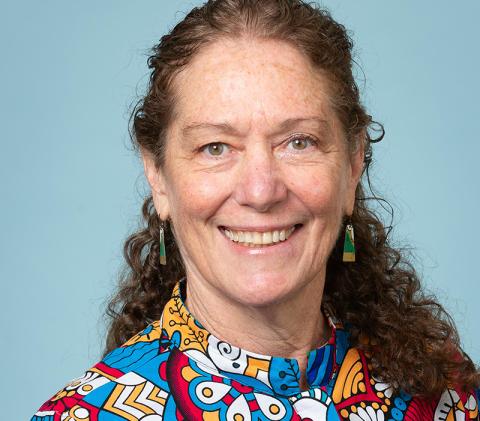
Whitney S. Riceمشاهده پروفایل
استادیار
Whitney S. Rice, DrPH, MPH serves as Assistant Professor in the Department of Behavioral, Social, and Health Education Sciences at Emory University Rollins School of Public Health (RSPH), where she directs the Center for Reproductive Health Research in the Southeast (RISE). Her research program investigates social and structural determinants of sexual and reproductive health equity through participatory, justice-oriented frameworks utilizing mixed methods approaches. Her educational trajectory includes a BS from Georgia Institute of Technology, MPH from Emory University, DrPH from University of Alabama at Birmingham, and postdoctoral training at UAB. Dr. Rice teaches BSHES 540 - Research Methods and actively mentors emerging scholars through RISE's research training initiatives. Research interests center on: Structural drivers of reproductive health disparities Policy impacts on abortion and contraceptive access Intersectional stigma in HIV care for women Community-engaged health services research Reproductive justice frameworks in the U.S. South Her work consistently addresses marginalized populations with emphasis on racial equity and policy translation. Recent publications demonstrate methodological diversity spanning systematic reviews, policy evaluations, and qualitative analyses of post-Roe impacts, with strong geographic focus on Southern U.S. contexts and thematic emphasis on structural barriers to care, disinformation challenges, and community resilience strategies. Scientific recognition includes: 2019 Outstanding Young Professional Award (APHA Sexual and Reproductive Health Section) 2023 Inaugural RSPH Faculty Leadership Award 2024 BSHES Distinguished Teaching Award As RISE Director, Dr. Rice leads collaborative research initiatives examining reproductive health policy impacts while providing critical mentorship to junior investigators. Her media engagement—including the 'Health Wanted' podcast—translates research for public discourse on reproductive rights. Current work addresses evolving post-Roe landscapes through community-academic partnerships focused on actionable solutions for health equity.