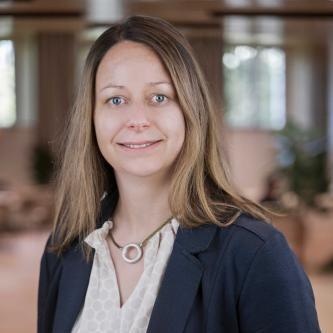
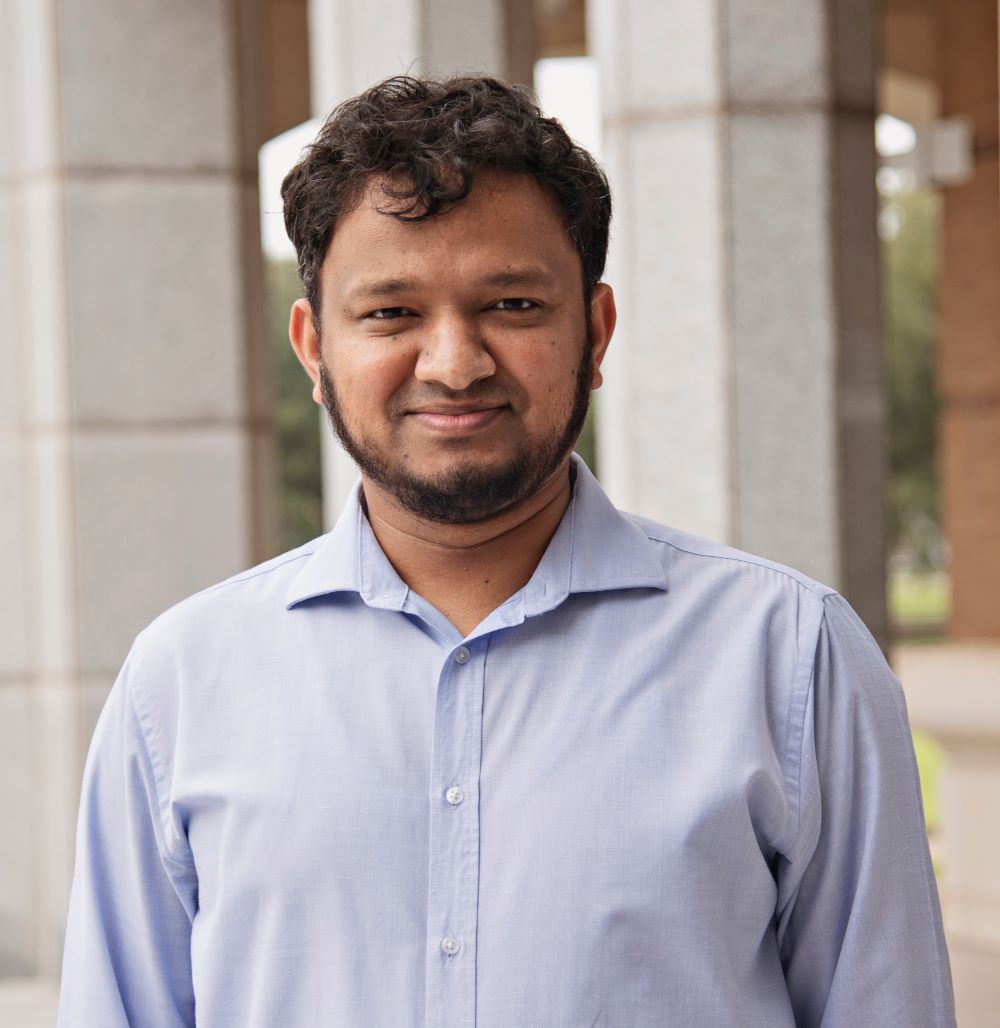
Joseph Meadows is an Associate Professor in the Department of Mechanical Engineering at Virginia Tech's College of Engineering. His research focuses on combustion, heat transfer, and computational fluid dynamics, with applications in rotating detonation engines and thermoacoustic instability mitigation. He leads the Advanced Propulsion and Power Laboratory. Education: Ph.D., M.S., and B.S. in Mechanical Engineering from the University of Alabama and University of Memphis. Professional History: Associate Professor since 2025, Assistant Professor (2017–2025), and Combustion Design Engineer at Siemens Energy Inc. (2014–2017). His work bridges experimental and computational domains, emphasizing dynamic injector response , fuel inhomogeneity , and mesoscale wood combustion modeling . Recent publications highlight 2D/3D CFD comparisons and acoustic diagnostics in high-temperature environments. While no explicit awards are listed, his research impacts gas turbine design and clean energy systems.
Hsiao-Dong Chiang is a Professor in the School of Electrical and Computer Engineering at Cornell University. He holds a Ph.D. in Electrical Engineering from the University of California, Berkeley, and has made significant contributions to nonlinear system theory and power system stability. His research spans theoretical development and practical applications in electric power systems, nonlinear optimization, and machine learning. B.S., Electrical Engineering, National Taiwan University, 1979 M.S., Electrical Engineering, National Taiwan University, 1981 Ph.D., Electrical Engineering, University of California, Berkeley, 1986 Chiang's research interests focus on nonlinear system theory , power system stability and control , nonlinear optimization , and their applications to modern power grids with high penetration of inverter-based resources. He is renowned for developing the BCU method and TRUST-TECH methodology , which have enabled fast direct stability assessment and global optimization in complex systems. His work bridges fundamental theory with industrial deployment through his companies, Bigwood Systems, Inc. and Global Optimal Technology, Inc. His recent publications (2024–2025) reflect a strong trend toward integrating machine learning and deep neural networks with power system analysis , particularly in state estimation, optimal power flow, and voltage control. There is a clear emphasis on handling uncertainty, non-convexity, and multi-scale dynamics in active distribution networks and integrated energy systems . His work increasingly focuses on resilience , real-time control , and user-centered methodologies for modern grid operations. Chiang has received numerous scientific honors, including: IEEE Fellow (1997) United States Presidential Young Investigator Award (1989) Multiple DOE Grid Optimization Challenge Awards (2020–2023) Best Paper Awards from IEEE Transactions and Conferences Outstanding Education Award, Cornell University (1990) He has successfully managed over 100 research projects and holds 28 U.S. and international patents. As the founder of Bigwood Systems, Inc., he has commercialized advanced software for utility companies across the U.S. and Japan. His team has published over 480 refereed papers and received more than 17,500 citations. He advises a large research group and leads innovations in computational methods for energy systems. His lab is actively involved in developing next-generation tools for grid security, optimization, and machine learning integration.
Nicole A. Benedek is an Associate Professor in the Department of Materials Science and Engineering at Cornell University, part of the College of Engineering. Her research group focuses on theoretical and computational approaches to understanding and designing functional materials, particularly complex oxides and perovskites. She integrates principles of crystal chemistry, symmetry, and density functional theory to uncover mechanisms underlying material properties and to guide the discovery of new materials with targeted functionalities. Her research interests include nonlinear phononics, ultrafast optical control of lattice dynamics, ferroelectricity, magnetism, and thermal transport in materials. She is particularly interested in how materials behave out of equilibrium and how external stimuli such as light can induce dramatic changes in their properties. This work has implications for low-power electronics, data storage, and dynamic optical devices. The recent publications from her group reflect a strong trend in controlling material symmetries and properties using light, especially through infrared and Raman resonant excitation. Her work bridges theory and experiment, often in collaboration with synthetic chemists, to validate predictions and discover new polar and multiferroic materials. She has made key contributions to understanding negative thermal expansion, light-induced phase transitions, and hybrid improper ferroelectricity. Scientific Awards: NSF CAREER Award, National Science Foundation (2015) Ralph E. Powe Junior Faculty Enhancement Award (2014) Journal of Materials Chemistry Emerging Investigator (2016) Australian Postgraduate Award (2003) Dr. Benedek advises graduate students in materials science and engineering and has mentored PhD candidates such as Ethan T. Ritz and Tucker Swenson. Her research is supported by the National Science Foundation (including the MRSEC program), the Department of Energy, and the Cornell Center for Materials Research. She leads the Benedek Group, which develops theoretical frameworks to explain and predict material behavior, emphasizing design rules for next-generation functional materials. The Benedek Group collaborates extensively with experimentalists, notably with Michael A. Hayward at Oxford University, to synthesize and characterize predicted materials. Their joint work has led to the discovery of new ferroelectric Dion-Jacobson phases and a deeper understanding of polar distortions in layered perovskites. The group combines computational modeling with physical insight to push the boundaries of materials design.
Professor Elizabeth Gillam is a Professor in the School of Chemistry and Molecular Biosciences at the University of Queensland (UQ). Her research focuses on cytochrome P450 enzymes, exploring their roles in drug metabolism, biocatalysis, and evolutionary adaptations. She investigates how these enzymes enable organisms to metabolize diverse chemicals, including drugs, pollutants, and natural products, with applications in drug discovery, bioremediation, and synthetic biology. Education: BSc(Hons) in Biochemistry from UQ, PhD from Oxford University, and postdoctoral training at Vanderbilt University. She joined UQ in 1993 and became a Professor of Biochemistry in 2009. Research Interests: Gillam’s work emphasizes directed evolution of P450 enzymes to enhance catalytic efficiency and specificity. Her lab studies P450 involvement in neurodegenerative diseases, plant defense mechanisms, and solar-powered biocatalysis. She employs ancestral sequence reconstruction to engineer thermostable enzymes, advancing their industrial and biomedical applications. Articles Overview: Her recent work highlights the evolutionary plasticity of P450s, their roles in plant signaling (e.g., strigolactones), and the development of biocatalysts for drug discovery. Studies also address P450-mediated detoxification pathways in vertebrates and photosynthesis-linked catalytic systems. These projects underscore her lab’s interdisciplinary approach, bridging biochemistry, evolution, and biotechnology.
Leona Wiegmann is an Associate Professor of Management Control at ESCP Business School in Paris. Her research examines how digitalization reshapes accounting practices, focusing on tensions between technology and human actors, evolving roles of management accountants, and external stakeholder engagement. She employs qualitative methods like field studies, vignettes, and netnography to explore forecasting, performance management, and accountability. Previously, she held faculty positions at WHU – Otto Beisheim School of Management (Germany) and Monash University (Australia). Open to supervising PhD students, her work appears in journals such as Contemporary Accounting Research and Accounting, Auditing & Accountability Journal . Education: PhD from WHU – Otto Beisheim School of Management Key Research Themes: Digitalization in Accounting, Organizational Dynamics, Qualitative Methodologies Her articles analyze topics ranging from proxy advisor accountability to information search during crises, reflecting her focus on real-world organizational challenges. While no scientific awards are listed, her contributions to accounting and organizational studies literature highlight her scholarly impact.
Hanna Breunig is a Research Scientist at Lawrence Berkeley National Laboratory and Deputy of the Sustainable Energy & Environmental Systems Department. She holds a secondary appointment in the Earth Systems and Society Domain within the Climate and Ecosystem Science Division. Her work focuses on validating emerging energy technologies through process design, techno-economic modeling, and market analysis. Education: PhD in Civil and Environmental Engineering from UC Berkeley (2015), MSc (2011), and BSc from Cornell University (2010). Her research spans hydrogen storage , CO2 capture/utilization , brine management , and technoeconomic modeling for systems in data centers, hospitals, mines, aviation, and ports. She co-leads the DOE HyMARC consortium and the systems analysis team for the ARCHES California Hydrogen Hub. Recent publications highlight advancements in metal-organic frameworks (MOFs) for hydrogen storage, solar hydrogen production , and high-temperature thermal energy storage . She has received accolades like the 2023 Energy & Environmental Science Lectureship and 2014 Schmidt MacArthur Fellowship. Scientific Awards: 2023 Energy & Environmental Science Lectureship 2021 Early Scientific Career Award 2019 CEC Bioenergy Project Leadership 2017 LDRD Early Career Award 2014 Schmidt MacArthur Fellowship Hanna mentors graduate and undergraduate students and contributes to tools like the BioSiting v2 software for U.S. bioeconomy resource analysis.
Eduard Muljadi is the Danaher Professor in the Department of Electrical and Computer Engineering at Auburn University. He holds a Ph.D. in Electrical Engineering from the University of Wisconsin and a B.S. from Sepuluh Nopember Institute of Technology. His research focuses on power systems resilience, renewable energy integration, electric machines, and grid stability. Key areas include microgrid reliability, inverter-based resource control, and the optimization of renewable energy systems. Recent work emphasizes grid-forming inverters, hybrid AC/DC microgrids, and the impact of high renewable penetration on power quality and stability. His studies on cogging torque reduction in permanent magnet machines and thermal management of induction motors highlight his expertise in electric machine design. Muljadi also explores advanced pumped storage hydropower technologies and their role in stabilizing grids with high renewable integration. Publications from 2024-2025 reveal trends toward mitigating oscillations in power grids, enhancing frequency response via BESS coordination, and analyzing fault contributions of inverters. His research bridges theoretical advancements with practical grid solutions, such as optimizing wind farm layouts and improving protection systems in modern distribution networks.
Professor Gary Dymski is a faculty member at the Leeds University Business School , University of Leeds, where he holds the position of Professor of Applied Economics . He joined the institution in 2012 and is affiliated with the Applied Institute for Research in Economics . His academic journey includes prior positions at the University of Southern California and the University of California, Riverside, where he was promoted to full professor in 2000. PhD in Economics, University of Massachusetts, Amherst (1987) MPA in Public Budgeting, Maxwell School, Syracuse University (1977) BA in Urban Studies, University of Pennsylvania (1975) His research spans monetary economics, macroeconomic policy, banking, urban economics, inequality, and political economy . He integrates macroeconomic and financial theory with economic geography, focusing on spatial aspects of financial instability and inclusive urban development. His interdisciplinary work has led to collaborations across engineering, medicine, and social sciences. The 15 most recent articles reflect a strong focus on financial power, urban economic resilience, inequality in credit markets, and global financial crises . His work combines Post-Keynesian macroeconomic theory with real-world policy challenges, particularly in the UK, South Africa, and Latin America. Themes include the productivity paradox, financial exclusion, and the governance of financial institutions. His scientific recognition includes: Leo Model Research Fellow, Brookings Institution (1985–1986) He has supervised PhD students such as Alexandra Veronica Gonzalez-Navarro and Nabeel Sharif , and has secured major research grants through ESRC and EPSRC, including roles as co-investigator in the Self-Repairing Cities , Productivity Insights Network , and Rebuilding Macroeconomics projects. He has also contributed to policy through advisory roles at UNCTAD and local initiatives like Leeds ACTS. He co-led the University of Leeds' Cities research theme (2016–2019) and is involved in cross-campus initiatives including VIrtuocity , fostering interdisciplinary research on urban systems and smart cities.
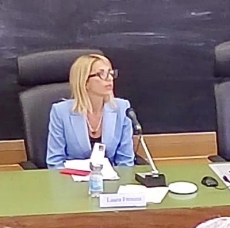
Laura Frosina is an Associate Professor of Comparative Public Law (IUS/21) at the Department of Political Science, Sapienza University of Rome. She teaches courses such as States, Autonomies and Separatisms in the Master's program in International Relations and Comparative Public Law in the undergraduate program in International Cooperation and Development. She is a member of the Doctoral Faculty in Public, Comparative, and International Law and actively participates in national and international research projects. PhD in Theory of the State and Comparative Political Institutions, Sapienza University of Rome (2005) Laurea in Political Science (with honors), Sapienza University of Rome (2000) Postgraduate Course in Assembly Consultants, Sapienza University of Rome (2001) Her research centers on comparative constitutional law, with a strong focus on Spain, Italy, and Latin America. Key themes include multilevel governance, European Union institutions, separatism, autonomy, federalism, parliamentary systems, and constitutional reforms. She analyzes political-constitutional crises, emergency powers, and the evolution of democratic institutions in pluralistic societies. Her work frequently examines the interplay between law, politics, and institutions in contexts of territorial tension. The most recent articles highlight a sustained scholarly engagement with Spanish constitutional dynamics, particularly around the Catalan independence movement, coalition governments under Sánchez, judicial-political conflicts, and broader EU institutional challenges. Trends include the analysis of secession referendums, emergency governance during the pandemic, urban constitutionalism, and the transformation of party systems. Her publications appear in specialized journals such as Nomos , Federalismi.it , and Revista de Derecho Constitucional Europeo , as well as in edited volumes from major academic publishers. Member, Editorial Board of Nomos (since 2001) Responsible, Critical Reviews Section, Nomos (since 2014) Member, Editorial Board, Federalismi.it (2006–2010) Member, Editorial Board, Focus America Latina , Federalismi.it (since 2009) Member, Editorial Board, Quaderni di Nomos (since 2012) Member, Editorial Board, Rivista di Diritto pubblico comparato ed europeo (since 2022) Principal Investigator, Cities and Models of Governance in the 21st Century (Sapienza SEED PNR Project, 2022–2025) Member, Large Ateneo Research Project Following Constitutional Law No. 1/2020, which Parliament? (Sapienza, 2022) Laura Frosina has been involved in numerous research projects funded by the Italian Ministry of Education, Universities and Research (MIUR), CNR, Sapienza University, and the European Committee of the Regions. She has served as a research fellow and principal investigator on topics including intergovernmental cooperation, EU multilevel governance, democratization in South Asia, and urban governance. She has collaborated with the Center of Excellence Integración Europea y Globalización at the University of Granada and participated in international training programs for parliaments in the Balkans. Her academic work bridges doctrinal legal analysis with political science perspectives, contributing to both theoretical and policy-oriented debates. She is affiliated with the Association of Comparative and European Public Law and has coordinated academic events and seminars, including tributes to her mentor Fulco Lanchester. Her institutional page lists regular office hours and remote availability via Google Meet, indicating active engagement with students and the academic community.
Prof. Dr. Dominik Munz is a Professor of Coordination Chemistry at the Faculty of Natural Sciences and Technology, Saarland University , Germany. He leads an interdisciplinary research group at the interface of inorganic, organic, and physical chemistry, focusing on creative solutions for catalysis, energy conversion, and functional materials. Education: Ph.D. from TU Dresden (implied by 'alma mater' reference). Research Interests: The Munz group is driven by the pursuit of novel chemical bonding and unusual electronic structures. Their primary research areas are: Bond Activation for Catalysis: Designing new transition- and main-group metal complexes with innovative bonding motifs to activate strong bonds and facilitate energy conversion. Optoelectronic Materials: Investigating radicaloid systems for applications in solar cells and microelectronics. Reactive Intermediates as Molecular Switches: Exploring transient, highly reactive species for use in soft and intelligent materials. Their synthetic work is guided by computational predictions and employs advanced spectroscopic techniques under inert conditions. Publication Trends: The group's recent publications (2023-2025) demonstrate a strong focus on pushing the boundaries of main-group and transition-metal chemistry. Key themes include the synthesis of highly unusual species like terminal gold(I) imides and lead(II)-substituted triplet carbenes, the discovery of powerful new reagents from simple oxidations (e.g., PPh3), and the exploration of high- and low-valent states of metals (e.g., FeVII, Al(I)). Their work frequently appears in top-tier journals like JACS , Nature , and Angewandte Chemie , highlighting its significance and impact. Scientific Awards: European Research Council (ERC) Starting Grant Advising and Grants: Prof. Munz actively mentors a large group of students and postdoctoral researchers, as evidenced by numerous publications led by his advisees. His research is supported by significant competitive grants, including the ERC Starting Grant and a DFG-funded Research Training Group (RTG Ec=m²), which is hiring 10 new PhD scholars. This indicates a robust research program focused on 'Engineering Covalent Bonds in Molecules and Materials.' Laboratories and Research Groups: The Munz group operates state-of-the-art laboratories at Saarland University, equipped with brand-new gloveboxes for air-sensitive chemistry. The group is a key part of the 'PharmaScienceHub,' a collaborative initiative between Saarland University and the Helmholtz Institute for Pharmaceutical Research. They are also involved in the Skilizium, a research meeting with groups from Saarland, Marburg, and Münster. The group fosters a dynamic environment, engaging in outreach activities like hosting high school students and organizing scientific meetings such as the Fulbright-Cottrell Meeting on Science Communication.
Prof. Ahmet UYSAL is a leading scholar in International Relations and Political Sociology at Istanbul University's Faculty of Political Sciences. His work bridges Middle East Studies, social movements, and media-politics intersections. Postdoctorate: American University in Cairo (2010) Doctorate: Southern Illinois University (2003) Masters: Southern Illinois University (1998) Bachelors: Middle East Technical University (1994) His research focuses on Middle East politics , conflict resolution , media framing of political issues , and social movements . Key themes include the legacy of Ottoman Empire , religious reform , and symbolic construction of national identity . Recent publications analyze regional conflicts , diplomatic history , and media narratives in Turkey and Arab countries. He has contributed to peer-reviewed journals and edited volumes on topics ranging from school dropouts to Al Jazeera's media influence . With over 34 publications and 8 thesis advisories, Prof. UYSAL has led projects on France-Turkey relations , Egypt-Turkey dynamics , and post-Ottoman governance . He teaches courses on Middle East society and politics , Arab-Israeli conflict , and international relations topics .
Professor Stefan Thor Smith is a distinguished academic at the University of Reading , serving as a Professor in the Department of Energy and Environmental Engineering . His work bridges energy systems with urban sustainability , focusing on the integration of social and technical aspects of energy demand , urban energy system modeling , and climate change resilience . Academic Qualifications Postgraduate Certificate in Academic Practice (University of Reading, 2016) PhD in Built Environment (University of Nottingham, 2009) MSc in Computer Science (University of Glasgow, 2002) BSc in Physics (University of Nottingham, 2001) His research interests span the dynamics of energy demand in socio-technical systems, urban heat fluxes, pollution exposure modeling, and climate adaptation strategies. He has developed novel models for energy demand-side management , building environmental control , and urban climate interactions . Recent publications highlight his expertise in areas such as EV charging infrastructure , urban tree radiative performance , phase change material storage , and anthropogenic heat emissions . His work often involves interdisciplinary collaborations with institutions like the Centre for Research into Energy Demand Solutions and the Institute of Physics . Smith supervises a diverse group of postgraduate students and contributes extensively to teaching modules including Numerical Modelling and Programming and Urban Sustainability . His professional affiliations include the Institute of Physics , International Association of Urban Climatology , and the Higher Education Association .
Dr. Mohammed Elamassie is an Assistant Professor at Özyeğin University's Graduate School of Science and Engineering, Department of Electrical and Electronics Engineering. He co-directs the Centre of Excellence in Optical Wireless Communication Technologies (OKATEM) and holds senior memberships in IEEE and Optica. PhD in Electrical and Electronics Engineering (Özyeğin University, 2020) MSc in Electrical and Electronics Engineering (Islamic University of Gaza, 2011) BSc in Electrical and Electronics Engineering (Islamic University of Gaza, 2006) Dr. Elamassie's research focuses on optical wireless communication systems, with specific expertise in underwater visible light communication (UVLC), vehicular visible light communication (V2V), airborne free space optical (FSO) networks, and turbulence mitigation techniques. His work addresses atmospheric channel modeling, diversity techniques, and MIMO communication challenges across multiple mediums. Analysis of his 15 most recent publications reveals critical trends in UVLC turbulence modeling, FSO UAV optimization, RIS-aided systems, and vehicular communication reliability. These works demonstrate his leadership in developing practical solutions for channel degradation and mobility-induced challenges. Best Paper Award, IEEE Black Sea Conference (2019) IEEE Turkey PhD Thesis Award (2020) Senior Member, IEEE Senior Member, Optica Optica Traveling Lecturer/Speaker Dr. Elamassie serves as Review Editor for Frontiers in Communications and Networks, covering 'Non-Conventional Communications' and 'Wireless Communications' sections. He contributes to OKATEM's research on optical wireless technologies, focusing on practical implementations across underwater, vehicular, and airborne domains.
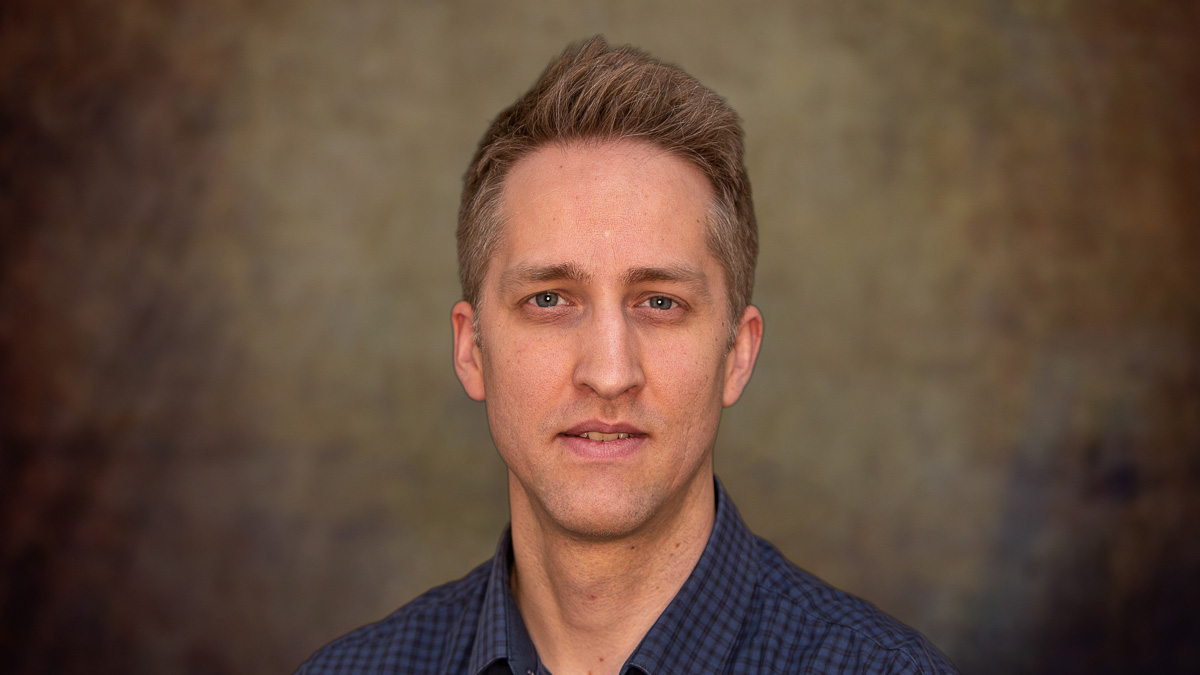
Tauhidul Alam serves as Assistant Professor in the Department of Computer Science within the College of Arts and Sciences at Louisiana State University Shreveport (LSUS), where he has taught since 2019. His research focuses on advancing autonomous robotic systems through innovations in artificial intelligence and cyber-physical applications. Dr. Alam holds a Ph.D. in Computer Science awarded in 2018. His scholarly work centers on robotics challenges including motion planning for underwater vehicles, multi-robot coordination under resource constraints, and energy-aware autonomous navigation. Key research domains span artificial intelligence, cyber-physical security using blockchain, and persistent monitoring in constrained environments. Analysis of his 14 recent publications reveals a strong emphasis on solving real-world robotics problems in marine and aquatic settings. His work consistently addresses uncertainty handling, multi-agent coordination, and security vulnerabilities, with increasing integration of data-driven methodologies across autonomous systems research. Scientific recognition includes: Best Student Paper Finalist at MTS/IEEE OCEANS Conference (2018) Dr. Alam teaches undergraduate courses including Computer Architecture (CSC 242), Database Systems (CSC 315), and Artificial Intelligence (CSC 465), alongside graduate-level instruction in Programming Languages (CSC 620) and Cloud Computing (CSC 690). Information regarding advised students, research grants, or laboratory affiliations is not specified in available materials.
Henrik Wenzel is a Professor at the Department of Green Technology, University of Southern Denmark, and a key figure in the SDU Climate Cluster. His work focuses on integrating renewable energy systems, carbon management, and sustainable resource recovery. Active in projects like FLEX-ENVIRONMENT (smart electrolysis systems) and CARMA-Green Fuels (carbon management) Contributions to Power-to-X technologies, biogas optimization, and circular economy frameworks Research trends from his publications include: Life Cycle Assessment (LCA) of emerging energy systems Optimization of hydrogen production and regional energy parks Addressing water-conscious energy production and carbon capture challenges Scientific awards: SDU Innovation Prize (2022) TEK Innovation Prize (2022) Fyens Stiftstidendes Forskerpris (2015) Current supervision includes MSc theses on biomass resources for carbon management and global Power-to-X collaboration.