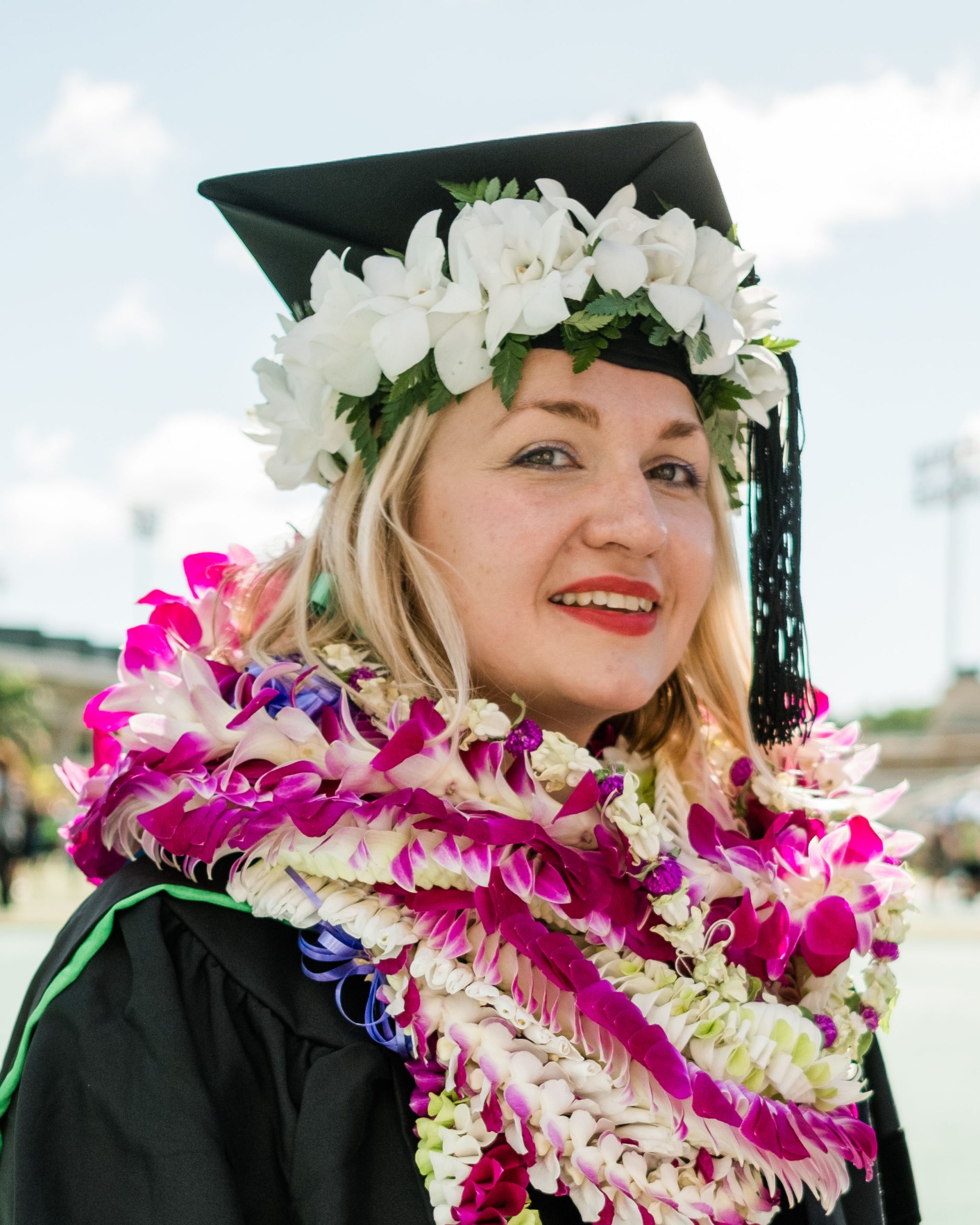
Małgorzata K. Citko-DuPlantis is an Assistant Professor of Japanese Literature and Culture at the University of Tennessee’s Department of World Languages and Cultures, within the College of Arts and Sciences. She holds a Ph.D. from the University of Hawaiʻi at Mānoa, alongside M.A. and B.A. degrees from Polish institutions (Collegium Civitas and University of Warsaw). Her research interrogates the instability of premodern knowledge systems, focusing on the Man’yōshū’s evolving cultural significance across medieval and modern eras. She challenges the canonical fixation on a single manuscript of this foundational poetry collection, arguing its role as a malleable cultural construct. Her work spans interdisciplinary areas including digital humanities, medieval Japanese poetry reception, and contemporary pop-media depictions of premodern Japan. Citko-DuPlantis has authored/co-authored monographs and peer-reviewed articles in English, Polish, and Japanese, with notable works like Clashes of Dragons and Dragonflies (2012) and her forthcoming monograph Embracing Instability: Imagining “Man’yoshū” in Medieval and Modern Japan . She has been awarded grants from the Japan Foundation, Fulbright, and MEXT, and has presented at major conferences such as the Association for Asian Studies and MLA. Her research awards reflect sustained scholarly impact, complemented by multilingual competence in languages including Arabic, Chinese, French, German, Hebrew, Italian, Japanese, Korean, Portuguese, Russian, and Spanish. Citko-DuPlantis actively engages with both academic and public spheres, bridging historical textual analysis with modern cultural phenomena.
Lazar Radic Boskovic is an Assistant Professor of Law at IE University (Spain), specializing in administrative law, economic regulation, and competition law. He previously served as Adjunct Professor at IE University (2022–2024) and Universidad CEU San Pablo (2023). His research focuses on competition law, digital competition regulation, and the intersection of law with political philosophy. He is affiliated with the International Center for Law & Economics as a Senior Scholar for Competition Policy. Education includes a PhD in Law from the European University Institute, an LL.M. in International and Comparative Law (EUI), an LL.M. in EU and International Law (Cum Laude, University of Amsterdam), and a double degree in Law and Political Science from Universidad Autónoma de Madrid. He blogs at Truth on the Market and is active on X (@Laz_Radic). His research interests emphasize digital markets, consumer welfare standards, and the philosophical underpinnings of competition law. Recent articles analyze EU antitrust guidelines, digital regulation strategies, and critiques of antitrust consensus. He frequently engages in policy discussions through media outlets like Euractiv and The Telegraph. Professionally, he practiced competition law in top-tier firms in Spain and Serbia (BDK Advokati, Martinez-Lage, Allendesalazar & Brockelmann). His work bridges academic research, legal practice, and policy advocacy.
Chasalevris Athanasios is an Assistant Professor at the School of Mechanical Engineering, National Technical University of Athens (NTUA), specializing in Rotordynamics and Tribology. His research focuses on nonlinear dynamics of machines, active bearings, and turbomachinery design. He holds a Ph.D. in Rotordynamics from the University of Patras (2009) and a Diploma in Mechanical & Aeronautical Engineering (2004). Research Interests: Machine Dynamics, Turbomachinery, Active Bearings, Bifurcation Analysis, Crack Detection. Teaching: Dynamics of Rotating Machines, Kinematics and Dynamics of Mechanisms, Machine Elements I. Collaborations: KIT (Germany), RPI (USA), MTU Aero Engines (Germany), and Cleveland State University (USA). Awards include the Humboldt Foundation Fellowship (2010), GE's 'Beyond and Ahead' Award (2017), and recognition as a Top 2% Scientist (2023). He has authored over 40 publications and supervised numerous graduate students. Current roles include Academic Advisor at DOATAP and Associate Editor for journals like ASME Journal of Tribology.
Huazhen Fang is an Associate Professor in the Department of Mechanical Engineering at the University of Kansas School of Engineering, where he joined in 2014. He leads the Information & Smart Systems Laboratory (ISSL) and holds a courtesy appointment in the Department of Electrical Engineering & Computer Science. His research focuses on enabling intelligence for complex systems through information-driven approaches. Dr. Fang received his Ph.D. in Mechanical Engineering from the University of California, San Diego in 2014, following an M.Sc. from the University of Saskatchewan and a B.Sc. in Computer Science & Technology from Northwestern Polytechnic University in China. He was a Visiting Faculty Fellow at Mitsubishi Electric Research Laboratories in 2022. His research interests span Systems and Control, Advanced Battery Management, Energy Storage Systems, and Robotics, with particular focus on system modeling, estimation, control design, machine learning and numerical optimization. Dr. Fang's work has significant applications in energy management, cooperative robotics, and environmental observing systems. His research has been supported by the National Science Foundation, Department of Energy, Army Research Laboratory, and Mitsubishi Electric Research Laboratories. His extensive publication record shows a clear trend toward increasingly sophisticated integration of physics-based modeling with machine learning approaches, particularly in battery management systems and autonomous vehicle control. Recent work demonstrates a growing emphasis on Bayesian inference methods, distributed control architectures, and safety-critical applications of intelligent control systems. Faculty Early Career Award from National Science Foundation (2019) University Scholarly Achievement Award (2024) Miller Professional Development Award (2022) Miller Faculty Scholar Award (2018, 2019, 2023) Wesley G. Cramer Outstanding Mechanical Engineering Faculty Award (2016) Big XII Faculty Fellowship (2015) IEEE Transactions on Transportation Electrification Prize Paper Award (2024) Dr. Fang has successfully mentored numerous graduate students through the Information & Smart Systems Laboratory, with many receiving awards for their research. His research has attracted significant funding from prestigious organizations including the National Science Foundation, Department of Energy, Army Research Laboratory, and Mitsubishi Electric Research Laboratories. He currently serves as an Associate Editor for multiple prestigious journals including Information Sciences, IEEE Transactions on Industrial Electronics, and IEEE Control Systems Letters. The Information & Smart Systems Laboratory (ISSL) under Dr. Fang's leadership has established itself as a center for cutting-edge research in information-driven smart systems. The lab focuses on pushing the frontiers of information extraction, analysis and exploitation for dynamic systems to deal with system complexity and enable system intelligence. The lab actively collaborates with industry partners and local communities, emphasizing research that serves societal needs.
Duana Fullwiley is a Professor of Anthropology at Stanford University, specializing in the intersection of social identities, health outcomes, and scientific narratives. Her work spans postcolonial genetic science, environmental resource scarcity, and migration studies. Research Areas: Genetics and Identity, Global Health Politics, Environmental Conflict, Race, Migration, and Creative Writing. Affiliation: Department of Anthropology, Stanford University. Research Interests focus on how genetic technologies shape understandings of race and ethnicity, the political economy of health, and the role of environmental scarcity in migration. She has conducted extensive fieldwork in Senegal, France, Spain, the U.S., and across the Atlantic and Mediterranean regions. Key Awards : 2024 Diana Forsythe Prize (American Anthropological Association) 2024 C. Wright Mills Award (Society for the Study of Social Problems) 2011 Amaury Talbot Prize (Royal Anthropological Institute) 2014 Robert B. Textor Prize (American Anthropological Association) Funding from the National Science Foundation, Robert Wood Johnson Foundation, Social Science Research Council, and other prestigious institutions supported her work.
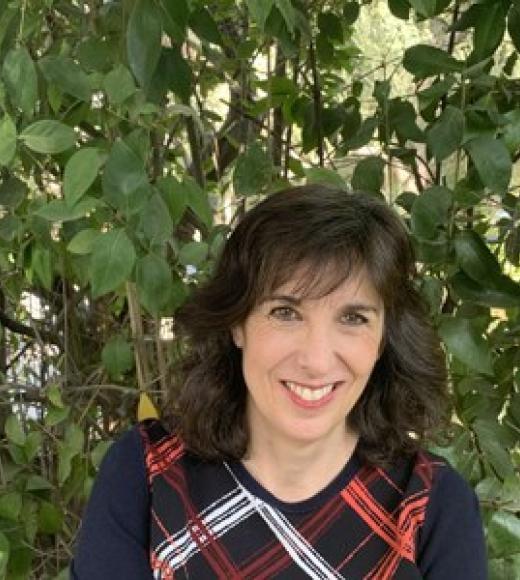
Kathryn Olmsted is a Professor of History at the University of California, Davis, affiliated with the College of Letters and Science. She has held roles including Interim Chair of Gender, Sexuality, and Women's Studies (2018–June 2023) and Chair of the History Department (2013–2016). Her academic journey includes a B.A. from Stanford University (1985) and a Ph.D. in History from UC Davis (1993). Her research focuses on U.S. political and cultural history since World War I, with specialties in conspiracy theories, government secrecy, espionage, and anticommunism. Notable works include Real Enemies (2009), Right Out of California (2015), and The Newspaper Axis (2022). Her publications consistently bridge historical analysis with contemporary relevance, examining topics like media influence on Hitler's rise, the roots of modern conservatism in California business networks, and the interplay between government conspiracies and public paranoia. Awarded multiple fellowships (including from Cambridge University and UC Davis) and teaching accolades, Olmsted has taught courses ranging from 20th-century America to California history. Her work emphasizes interdisciplinary approaches to understanding power structures and societal narratives.
Oksana Levkovych is an LSE Fellow in the Department of International Relations at the London School of Economics and Political Science (LSE). She specializes in International Political Economy, focusing on systemic power transitions such as UK-US and US-China dynamics, and the interplay between economic ideas and policy decisions. She is affiliated with the International Political Economy Research Cluster and holds a PhD in International Relations from LSE, supervised by Dr James Morrison and Professor Peter Trubowitz. Her master’s degrees include Political Economy from King’s College London and English Culture from the University of Lisbon. Her research critically examines structural explanations of power shifts by emphasizing political contingency, leveraging archival methods to explore historical and contemporary debates on trade and global political economy. Notably, she investigates the UK and US-led post-war liberal order reconstruction, mercantilism's persistence, and drivers shaping US-China relations. Oksana has been recognized with prestigious awards, including the LSE Excellence in Education Award (2023-4) and dual Class Teacher Awards for Inspiring Teaching and Learning Development (2023-4 and 2024-5). She is actively involved in teaching courses such as The Politics of Economic Policy , International Political Economy , and The Political Economy of China’s Technological Rise . She is committed to academic mentoring and pastoral care but is currently unavailable to supervise MPhil/PhD students. Her expertise extends to qualitative research, historical archives, and the analysis of pivotal actors in systemic change.
Cynthia Sung is an Associate Professor in the Mechanical Engineering and Applied Mechanics department at the University of Pennsylvania's School of Engineering and Applied Science, with secondary appointments in Computer and Information Science and Electrical and Systems Engineering. She directs the Sung Robotics Lab, focusing on computational methods for robot design, origami robotics, planning for distributed systems, and fabrication of reconfigurable systems. Her lab is funded by NSF, ONR, ARO, NASA, and Penn Health-Tech. Her research spans four key areas: Computational co-design integrating mechanical, electronic, and software components Soft/origami robotics leveraging compliance for adaptable systems Distributed planning for multi-robot coordination Novel fabrication techniques for deployable structures Publications show consistent focus on robotic mechanisms with recent trends in magnetic origami reconfiguration (2025), underwater jet coordination (2025), educational robotics kits (2025), and tunable-stiffness actuators (2024). Article keywords predominantly fall in Robotics, Material Science, and Control Systems. Awards & Recognition ONR Young Investigator Award (2023) NSF CAREER Award (2019) Johnson & Johnson Women in STEM2D Scholars Award (2020) Popular Mechanics Breakthrough Award (2017) Research Teams & Advising Leads the GRASP Lab-affiliated Sung Robotics group. Current doctoral students include Zhiyuan Yang (jet propulsion), Daniel Feshbach (kinematic design), and Gabriel Unger (reconfigurable structures). Recent graduates include Yipeng Zhang (MSc, SALP robotics) and Christopher Kim (PhD, self-sensing actuators).
Hui Cao is the John C. Malone Professor of Applied Physics, Professor of Physics, and Professor of Electrical Engineering at Yale University. Her research focuses on mesoscopic physics, complex photonic materials, nanophotonics, and biophotonics, with experimental investigations into unconventional lasers, coherent light control, and disordered photonic systems. She leads a lab exploring applications in speckle-based imaging, deep-tissue optics, and chip-scale spectrometers. Education: Ph.D. in Physics from Stanford University (1997). Awards include the William E. Lamb Medal (2015), Guggenheim Fellowship (2013), and fellowships from the American Physical Society and Optical Society of America (2007). Research emphasizes random lasers, microcavity lasers, and wavefront shaping to control light in diffusive media. Key innovations include a disordered photonic chip spectrometer and methods to suppress nonlinear instabilities in fiber amplifiers. Awards: 12 major honors including AAAS Fellowship and multiple endowed professorships Patents: 3 core photonic technologies including random laser imaging and fiber amplifier control systems Lab Activities: Developing novel optical devices leveraging disorder and nonlinear effects
Karen Bandeen-Roche is a Professor and the Hurley-Dorrier Professor and Chair of the Department of Biostatistics at the Johns Hopkins Bloomberg School of Public Health, with joint affiliations in the School of Medicine and the School of Nursing. She is a leading expert in biostatistical methodology, particularly in latent variable models, longitudinal analysis, and multivariate survival methods applied to aging and gerontology. Her research focuses on developing statistical models for unobservable processes such as frailty, resilience, and functional status in older adults. She has made significant contributions to the measurement of aging-related constructs and has extensive collaborative work in ophthalmology and neurology. Her methodological work includes mixture models, measurement error correction, and latent class modeling. The recent publications highlight a strong trend in gerontological biostatistics, with a focus on frailty, dementia risk, resilience, and multisystem physiological responses in aging. Her work integrates complex data from observational cohorts and clinical studies, often employing innovative latent variable frameworks to address measurement challenges in health outcomes. Scientific Awards and Honors: Marvin Zelen Leadership Award in Statistical Science (2016) Fellow of the American Statistical Association (2001) Brookdale National Fellow (1997) Golden Apple Award for Excellence in Teaching (2010) Garland Clay Award (1999) Chair, NIH BMRD Study Section (2006–2008) President, Eastern North American Region, International Biometric Society (2011–2013) Executive Board, International Biometric Society (2015–2022) Board of Directors, National Institute of Statistical Sciences (2020–2023) Karen Bandeen-Roche has been deeply involved in advising and training the next generation of researchers. She co-directs a training program in Biostatistics and Epidemiology of Aging and has received multiple teaching and mentoring awards. She has served on numerous academic committees, including appointments and promotions, faculty senate, and ethics committees at Johns Hopkins. Her grants and collaborative research span aging, dementia, ophthalmology, and cardiovascular health, often supported by NIH and other federal agencies. She leads the Center on Aging and Health and is actively involved in interdisciplinary research initiatives that bridge biostatistics, medicine, and public health. Her lab and research team focus on developing and applying advanced statistical methods to understand the biological and social determinants of healthy aging.
Cassandra Rachel Veney, Ph.D., is the Executive Director of the Center for Women, Gender, and Global Leadership at Howard University, affiliated with the College of Arts & Sciences. She has previously held leadership and faculty roles at Case Western Reserve University and the United States International University-Africa in Nairobi, Kenya, where she chaired the Department of International Relations. Education: Ph.D. in Political Science, University of Missouri-Columbia, 1995 M.A. in African Studies, Howard University, 1988 B.A. in Political Science, Syracuse University, 1982 Her research and teaching focus on African international relations, forced migration, gender and human rights, U.S.-Africa relations, and global development. She has authored and edited several influential books and contributed to academic journals and policy discussions. Her work emphasizes the role of African agency in international affairs, the impact of U.S. foreign policy in Africa, and the experiences of the African diaspora. Her recent publications cover a wide range of topics including U.S.-Africa diplomacy, post-conflict reconstruction in Africa, refugee crises, and transnational racial discourse. These works reflect a deep engagement with political economy, democratization, and human rights across the African continent and its global diaspora. Scientific Awards and Honors: Outstanding Professor Award, African Student Association, Illinois State University, 2003 Phi Sigma Alpha, Outstanding Teaching in Political Science Award, Illinois State University, 2000 Who’s Who of American Women, 2000-2001 College of Arts and Sciences Teaching Initiative Award, Illinois State University, 1999 Rotary International Group Study Exchange to India, January-February 1995 University of Missouri Dissertation Travel Grant, 1993 Dr. Veney has served on editorial boards such as African Studies Review and Journal of Asian and African Studies , and has been active in faculty governance, curriculum development, and mentorship. She has organized and presented at international conferences on refugee migration, U.S.-Africa relations, and gender in global politics. While her current role is administrative, her academic contributions remain central to the fields of African studies and international relations. She has also contributed to public discourse through multimedia appearances, including Voice of America and SpiceFM, discussing U.S. politics and global perspectives.
Dulce Wilkinson Westberg is an Assistant Professor in the Department of Psychology at the University of California, Davis. Her research lies at the intersection of personality, identity, and social structures, with a focus on racially and ethnically diverse populations. She employs both qualitative and quantitative methodologies to explore how systems of power and oppression influence life narratives and psychosocial adjustment. PhD in Social and Personality Psychology, University of California, Riverside (2022) BS in Psychology, University of California, Riverside (2017) Dr. Westberg's research centers on life narratives as internal constructions of identity, examining how race, ethnicity, gender, and social class shape personal meaning-making. She investigates how marginalized individuals navigate structural barriers and how such experiences influence personality development. Her work emphasizes intersectionality and the cultural contexts of identity formation. Her recent publications (2020–2024) reflect a strong focus on narrative identity, ethnic-racial life scripts, identity shifting, and the integration of intersectionality into personality psychology. These works span journals in personality, developmental, and social psychology, highlighting interdisciplinary engagement and methodological diversity. Association for Research in Personality (ARP) – Programming Committee Member (2023) Association for Research in Personality (ARP) – Diversity and Inclusion Committee Member (2020–present) Society for Personality and Social Psychology (SPSP) – Member International Society for Research on Identity (ISRI) – Member Society for Research on Child Development (SRCD) – Member Society for the Study of Emerging Adulthood (SSEA) – Member Dr. Westberg is actively mentoring and building her research program. She is recruiting undergraduate students for qualitative data analysis and accepting applications from prospective graduate students for the 2024–2025 cycle. While no specific grants are mentioned, her active publication record and lab recruitment suggest ongoing research funding and academic momentum. She leads a research lab focused on narrative and identity processes in diverse young adults.
Professor Alasdair McDonald holds the Chair in Renewable Energy Technology at the School of Engineering, University of Edinburgh . His work focuses on the integrated electrical-magnetic-mechanical modeling and design of large electrical machines for offshore renewable energy systems , particularly wind turbine powertrains . He previously served as a Lecturer, Senior Lecturer, and Reader in Wind Turbine Technology at the University of Strathclyde. Education: PhD in Structural Analysis of Low-Speed, High-Torque Generators (University of Edinburgh, 2008) MEng (Hons) in Integrated Electrical & Mechanical Engineering (University of Durham, 2004) Research Interests: Design of permanent magnet electrical machines for wind and marine energy Lightweight generator structures and advanced manufacturing methodologies Condition monitoring using SCADA and vibration data Cost of energy optimization for offshore renewables Projects: STREAM 1: Innovations in Forth/Tay Offshore Wind Clusters (EPSRC, 2025-2029) Wind2DC: Medium Voltage DC Power Take-Off Systems (EPSRC, 2023-2026) PV054: Modular Generators for Floating VAWTs (EPSRC & SeaTwirl AB, 2023) Media Contributions: Quoted in research media about floating hydrogen production systems (2025)
Dr. Yu Zhong is an Assistant Professor in the Department of Materials Science and Engineering at Cornell University's College of Engineering, where he leads the Yu Zhong Group. His research laboratory focuses on the design and synthesis of novel soft materials and nanomaterials for applications in electronics, energy, healthcare, and sustainability. As a principal investigator, he oversees a dynamic research team comprising postdoctoral associates, graduate students, and undergraduate researchers working on cutting-edge materials science projects. Dr. Zhong received his educational training at prestigious institutions, earning his B.S. in Chemistry from the University of Science and Technology of China (USTC) in 2011, followed by a Ph.D. in Chemistry from Columbia University in 2017 under the supervision of Prof. Colin Nuckolls. His doctoral research centered on designing contorted molecules for electronic and energy applications including organic solar cells, photodetectors, and gas sensors. He then conducted postdoctoral research at the University of Chicago in Prof. Jiwoong Park's group, where he worked on the design and synthesis of 2D polymers for ultrathin electronic circuits and energy conversion. Dr. Zhong's research program spans three primary directions: (1) the bottom-up synthesis of ultrathin nanoporous membranes using techniques like laminar assembly polymerization (LAP) for applications in water desalination, nanofiltration, and gas separation; (2) the study of transport behaviors in hybrid organic-inorganic 2D heterostructures created through layer-by-layer assembly for use in optical, electronic, and thermal management devices; and (3) the development of mixed ionic-electronic materials for bio-inspired and bioelectronic devices. His group employs advanced synthesis methods including organic/polymer synthesis, supramolecular and reticular chemistry, and 2D materials characterization to explore novel scientific phenomena and technological applications. An analysis of Dr. Zhong's recent publications reveals a strong focus on the synthesis and characterization of 2D polymers and organic-inorganic hybrid materials. His work bridges fundamental materials science with practical applications in energy conversion, electronics, and separation technologies. A notable trend is his development of innovative synthesis techniques like laminar assembly polymerization that enable precise control over material structure at the molecular level, leading to breakthroughs in areas such as lithium-ion transport, osmotic power generation, and ultra-narrowband photodetection. Dr. Zhong's scientific achievements have been recognized with several prestigious awards: Pegram Award for Meritorious Graduate Research, Columbia University (2016) Camille and Henry Dreyfus Postdoctoral Fellowship, Dreyfus Foundation (2016) Arun Guthikonda Memorial Fellowship, Columbia University (2015) Jack Miller Award for Excellence in Teaching, Columbia University (2014) As an advisor, Dr. Zhong mentors a diverse group of researchers including postdoctoral associate Qiyi Fang, multiple Ph.D. students (Yuhe Zhang, Kaushik Chivukula, William Xie), M.S. students, and undergraduate researchers. His group has secured funding for research on soft and nanomaterials, with projects spanning organic electronics, 2D materials synthesis, and biomimetic membranes. Dr. Zhong actively seeks motivated graduate students and postdoctoral fellows to join his research team, emphasizing the importance of interdisciplinary collaboration in advancing materials science. The Yu Zhong Group operates state-of-the-art laboratories in Bard Hall at Cornell University, equipped for organic synthesis, materials characterization, and device fabrication. The research team works collaboratively across disciplines, partnering with experts in physics, chemistry, and engineering to tackle complex challenges in materials science. Current projects focus on developing novel synthesis methodologies and exploring structure-property relationships in soft materials to enable next-generation electronic, energy, and healthcare technologies.
Kevin Limonier is a lecturer in geography and Slavic studies at the French Institute of Geopolitics (Paris 8 University) and deputy director of GEODE, a Center of Excellence selected by France's Ministry of the Armed Forces. His research focuses on the geopolitics of Russian-speaking cyberspace, digital sovereignty, and open-source intelligence (OSINT), with particular relevance to the Ukraine conflict and Russian information warfare. His work bridges digital and physical spaces, challenging traditional notions of cyberspace by proposing the datasphere as a tangible layer of reality. He has developed tools for tracking information dissemination on social networks and analyzing Russian strategies of influence, including fake news and support for political figures like Marine Le Pen. Expertise : Digital ethnography, cybersecurity, Russian strategic studies Key Contributions : Co-editor of Hérodote issue 186 on OSINT, fieldwork in Dubna (Russia) on nuclear cities and hacker communities His articles highlight trends in cyber geopolitics , Ukraine war analysis , digital sovereignty , and Russian influence operations , particularly in Africa and Europe.