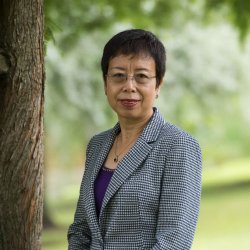
Anna Lähde is a Professor in Aerosol Technology at the Department of Environmental and Biological Sciences, University of Eastern Finland. She leads the Sustainable Materials Group at the Fine Particle and Aerosol Technology Laboratory . Her work focuses on the synthesis and characterization of sustainable nano- and microparticles for clean energy and environmental applications. Academy of Finland Research Fellow (2017-2022) Specializes in graphene, carbon nanostructures, and metal oxides via aerosol processes Key methods: induction annealing, chemical vapor synthesis, spray pyrolysis Her research spans Li-ion battery materials , water treatment nanocomposites , and toxicological analysis of airborne particles . She has published extensively on carbon-based anode materials , photocatalytic systems , and environmental applications of aerosol technology . Recent work includes CO2 adsorption catalysts and biomass-derived graphene . She has received recognition through the Academy of Finland Fellowship and contributes to circular economy projects like EKOAKKU.
Dr Lian Liu is a Professor in the Department of Chemical and Process Engineering at the University of Surrey, UK. She also holds visiting roles as a Visiting Professor at Zheng Zhou University and Chinese University of Mining and Technology in China, and an Honorary Senior Fellow at the University of Queensland, Australia. Her academic career spans over three decades, with significant contributions to chemical and pharmaceutical engineering. Prior to her current position, she worked at Carrier Transicold in Singapore and spent most of her academic career at the University of Queensland before joining Surrey in 2016. Dr. Liu’s research focuses on pharmaceutical formulation engineering, materials science, and chemical process modeling. Key areas include milling/grinding characterization, powder flow dynamics, flame-retardant epoxy composites, and topical formulations for wound healing and anti-aging. She has led projects such as 'Novel formulations for effective and stable skin delivery of anti-aging nutrients.' Her recent publications reflect a trend toward integrating machine learning for materials design and optimizing flame-retardant systems. She also explores sonochemical techniques and dynamic modeling of tumbling mills. Her work bridges fundamental process understanding and industrial applications, emphasizing sustainable and efficient technologies. Awards: None explicitly listed. Advising & Grants: No formal advisee records or grant details provided, but her roles indicate active research leadership in areas like pharmaceutical formulation and materials engineering. Liu’s affiliations include collaborations with institutions in Australia and China, reflecting a global academic network. Her research projects and honorary roles highlight expertise in both academic and applied industrial contexts.
Dr. Attila Balogh is an Associate Professor at the Department of Automation and Applied Informatics within the Budapest University of Technology and Economics . His work focuses on advanced pharmaceutical technologies, particularly electrospinning for drug delivery systems. He has contributed to scalable manufacturing methods for solid dispersions and dissolution enhancement techniques. Research spans electrospinning, melt extrusion, and 3D printing for pharmaceutical applications Key areas include stability of amorphous drugs, biopharmaceutical modeling, and nanoparticle/nanofiber formulation Publications highlight collaborations between materials science and drug delivery optimization Contact: Budapest 1117, Magyar tudósok krt. 2., Balogh.Attila@aut.bme.hu
Emily Cranston is an Adjunct Associate Professor in the Department of Chemical Engineering at McMaster University , where she holds the Canada Research Chair in Bio-Based Nanomaterials . Her research focuses on advanced applications of cellulose nanocrystals (CNCs) in polymer composites, biomedical materials, and sustainable technologies. Research Interests Cellulose nanocrystal surface modification Mechanical properties of bio-based composites Injectable hydrogels for tissue engineering Green adhesive systems Nanocellulose in energy storage devices Biodegradable foam insulation materials Recent Work Trends 2024-2025 studies on water-based hydrophobization strategies Investigations into CNC-lateX interactions for coatings Advancements in vaccine delivery systems using nanocellulose Structural analysis of wood particles for insulative foams Awards Canada Research Chair in Bio-Based Nanomaterials Teaching Instructor for CHEMENG 2G03: Problem Solving and Technical Communication (2018)
Dr. Hendrik Versteeg is a Senior Lecturer in Fluid Mechanics at the Wolfson School of Mechanical and Manufacturing Engineering, Loughborough University. He has been affiliated with the institution since 1988, following prior research roles at BHRA Fluid Engineering and Cranfield Institute of Technology. His research focuses on biomimetic engineering, porous materials for biomedical applications, and pharmaceutical aerosol technology, particularly in pressurized metered dose inhalers (pMDIs). He leads the Multifunctional Materials Manufacturing (MMM) Lab and collaborates with industry partners like EPSRC and the Wolfson Bursary Scheme. Key research areas include additive manufacturing for medical devices, osteoblastic maturation in titanium scaffolds, and the thermodynamic modeling of aerosol generation. Notable projects include the design of trabecular-like porous scaffolds for orthopedic implants and the study of bimodal pore size distributions for enhanced cellular growth. His work integrates computational fluid dynamics (CFD) and experimental methods to advance medical device innovation and tissue engineering. Dr. Versteeg advises students such as Mudassar Khalil and has mentored alumni Dr. Mattia Norrito and Dr. Fares Almushref. His research has been supported by grants from EPSRC and industry collaborations. He maintains ties with global institutions like McGill University’s Department of Bioengineering, where he explores biomimetic structures in natural materials.
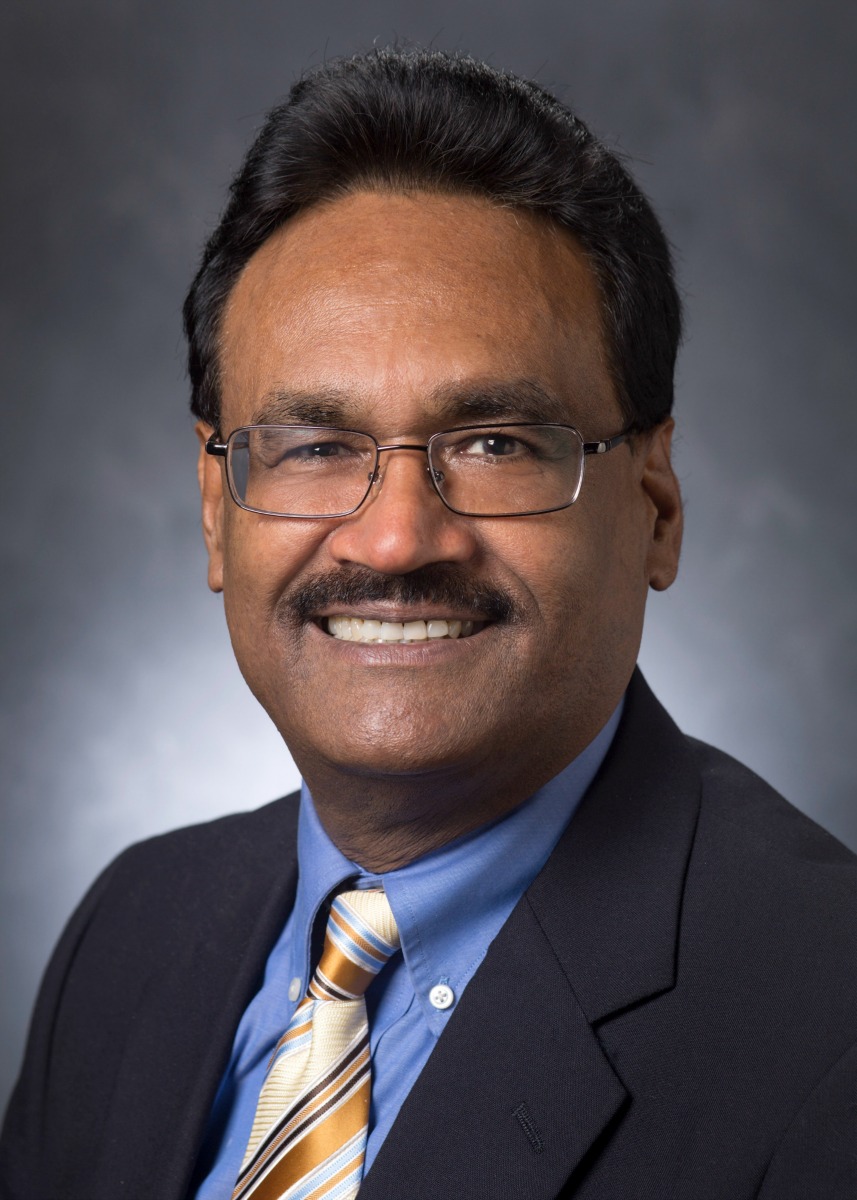
Dr. Rakesh K. Singh is a Professor in the Department of Food Science & Technology at the University of Georgia, part of the College of Agricultural and Environmental Sciences (CAES). His research focuses on value-added food processing using advanced technologies such as UV irradiation, high-pressure processing (HTST), atmospheric cold plasma, and radio frequency (RF) heating. Key projects include aflatoxin decontamination in peanuts, pathogen inactivation in dairy and juices, and optimization of food powder pasteurization. He teaches courses such as Food Science Internship (FDST 3910/8910) and Multidisciplinary Topics in Foods (FDST7020E). His work bridges food safety, engineering, and biochemical analysis, with recent publications emphasizing novel decontamination methods and material science applications in food processing. Research interests span food safety innovations, thermal and non-thermal processing technologies, and the physicochemical properties of food matrices. Notable studies include RF-assisted milk powder pasteurization, cold plasma modification of dairy proteins, and UV/H₂O₂ detoxification systems. His contributions address challenges in food preservation, microbial control, and quality enhancement across diverse products like meats, juices, and spice powders. Publications highlight interdisciplinary approaches, combining engineering principles with biochemical insights. Recent trends in his work include optimization of RF heating uniformity, evaluation of novel antimicrobial coatings, and mechanistic studies of food toxin interactions. His research has implications for both industrial food processing and academic advancements in food safety methodologies.
Dr. Cheng Shu Chaw is a Senior Lecturer in Pharmaceutics at the University of Sunderland's School of Pharmacy, specializing in pharmaceutical powder formulations and their characterization. With expertise in drug delivery systems and formulation design, Dr. Chaw teaches across multiple programs including MPharm Pharmacy, MSc Pharmaceutical and Biopharmaceutical Formulations, MSc Drug Discovery and Development, BSc (Hons) Biopharmaceutical Science, and BSc (Hons) Cosmetic Science. As Module Leader for PBFM13, they play a significant role in curriculum development and delivery within the pharmaceutical sciences program. Dr. Chaw's research interests focus on advanced pharmaceutical technologies with particular emphasis on oral solid dosage forms, including pelletization via extrusion and spheronization techniques, film coating processes, and the production of micro- and nano-sized particles for drug delivery. Their work explores multiple unit dosage forms, vesicle preparations such as drug-loaded niosomes and self-emulsifying systems, modified release hydrocolloid matrix systems, and biodegradable nanoparticles for targeted drug delivery applications. This research portfolio demonstrates a strong commitment to solving complex formulation challenges in modern pharmaceutical development. With numerous publications spanning from 2016 to 2025, Dr. Chaw's scholarly output reflects consistent contributions to the field of pharmaceutics, particularly in nanoparticle drug delivery, liposomal formulations, and pharmaceutical powder technology. Their recent work shows increasing focus on targeted delivery systems for antibiotics, cancer therapeutics, and pulmonary applications, demonstrating evolving research directions that address contemporary pharmaceutical challenges. Fellow of Higher Education Academy (FHEA) GPhC Registered Pharmacist Member of Royal Pharmaceutical Society Member of CRS UK As an active research supervisor, Dr. Chaw currently co-supervises two PhD students, contributing to the next generation of pharmaceutical scientists. Their teaching expertise extends across undergraduate and postgraduate programs, with particular strength in connecting theoretical pharmaceutical principles with practical formulation challenges. The integration of cutting-edge research into teaching ensures students benefit from exposure to current developments in pharmaceutical technology and drug delivery systems.
Professor Stefan Kasapis is a renowned academic in Food Science at RMIT University's School of Science. He holds the rank of Professor and has over 30 years of industry collaboration, focusing on developing novel food formulations. His research emphasizes structural, nutritional, and bioactive functionality of materials, particularly plant/marine polysaccharides, proteins, and bioactive compounds. Academic Roles: He has served as Assistant Dean of Research, Head of the Department of Food Sciences, and Coordinator of the Graduate Programme in Food Sciences. At RMIT, he coordinates advanced food technology courses at undergraduate and postgraduate levels, including BP199 (Bachelor of Science) and MC237 (Master of Food Science and Technology). Research Interests: His work explores conformation-structure-function relationships in food systems, including plant proteins, phenolics, dietary fiber, and delivery systems for bioactives. He leads a research group of 12 PhD students and two postdoctoral researchers, funded by ARC Linkage, Australia Awards, and FFW CRC. Awards & Recognition: He has received the RMIT Award for Research Excellence (2016), Royal Society of Chemistry Medal (1998), and a runner-up prize at the Institute of Food Science and Technology Annual Conference (1994). Labs & Industry: His lab focuses on techno-bio functionality of food materials, utilizing RMIT’s City and Bundoora facilities. He holds multiple patents for food innovations, including bioactive delivery systems and improved food formulations.
Vasco Bonifácio is an Assistant Professor at the Department of Bioengineering, Instituto Superior Técnico (IST), Lisbon, Portugal. He is affiliated with the Institute of Bioengineering and Biociences (INEB) and the Scientific Area of Biomaterials, Nanotechnology, and Regenerative Medicine. His research focuses on dendrimers, luminescent materials, green chemistry, mechanochemistry, and cancer theranostics. He teaches Biomolecular Engineering, Biomaterials Technology, and Integrative Biotechnology Projects. Bonifácio leads funded projects in cancer therapy, regenerative medicine, and drug delivery, including collaborations with Merck and AMGEN. He supervises PhD students in cancer metabolism, nanotherapeutics, and exosome engineering, and MSc students in protein stabilization. His scientific contributions include pioneering work on polyurea dendrimers for targeted drug delivery, mechanochemical synthesis of biometallic complexes, and sustainable molecularly imprinted polymers. He has developed novel dry powder formulations for pulmonary delivery and engineered exosomes for amyloid-beta clearance. Awards include the Outstanding Teaching Award (IST Pedagogical Council) and the Advanced Materials Scientist Medal (IAAM). Bonifácio's lab integrates nanomedicine, materials science, and sustainable chemistry. Key projects include tackling ovarian cancer chemoresistance via BSO nanodelivery and developing smart nanocarriers for targeted therapies. He also innovates in accessible science education for visually impaired users through tools like NavMol software.
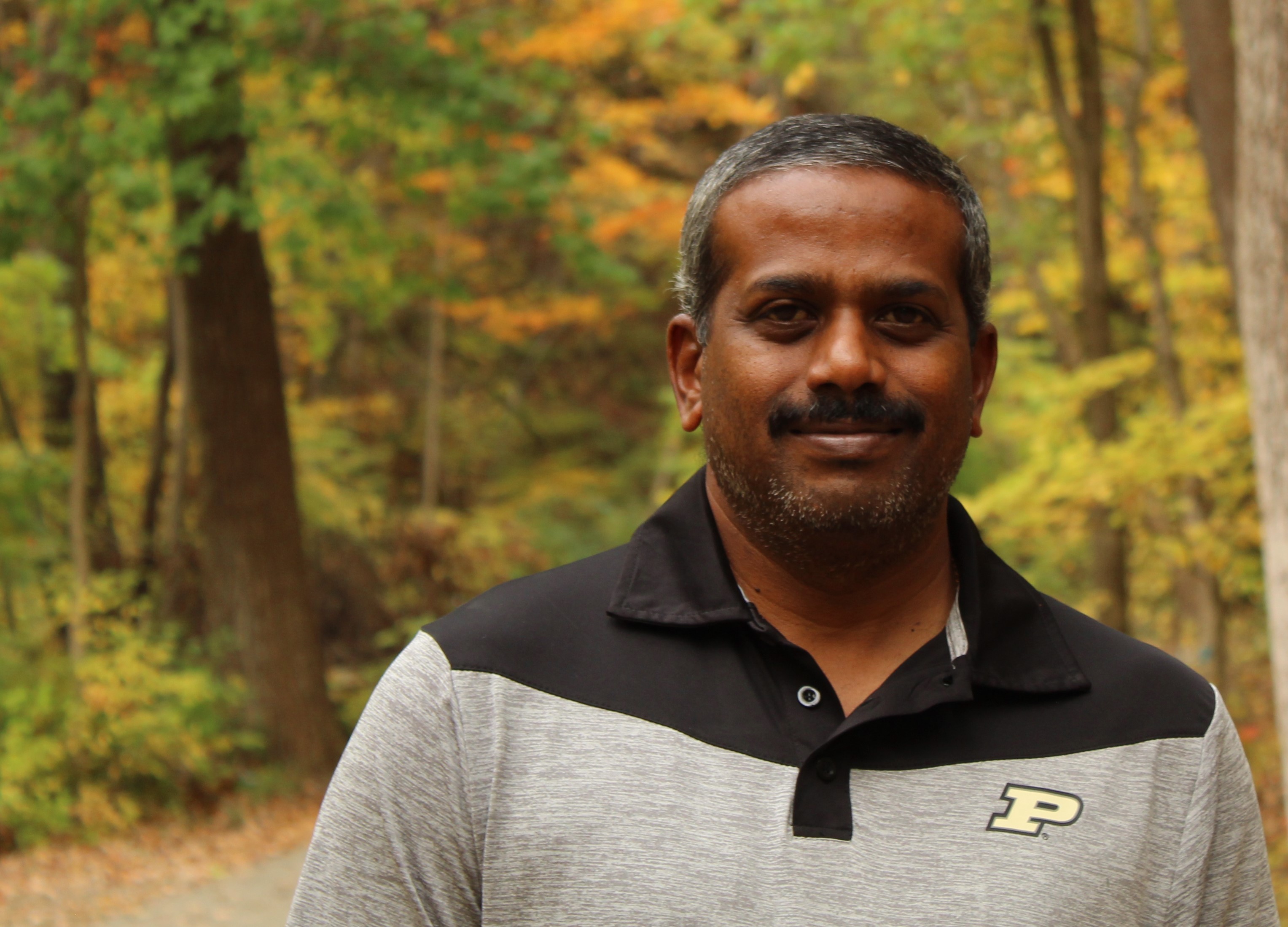
Marcial Gonzalez is an Associate Professor of Mechanical Engineering at Purdue University's School of Mechanical Engineering. He holds a Ph.D. in Aeronautics from the California Institute of Technology and has expertise in multi-scale modeling of granular systems, pharmaceutical manufacturing, and energetic materials. His research focuses on predictive modeling of particulate processes and their applications in industries like pharmaceuticals and energy. Education: Ph.D., Aeronautics (Minor in Materials Science), California Institute of Technology, 2011 M.Sc., Aeronautics, California Institute of Technology, 2006 Mechanical Engineer, University of Buenos Aires, 2002 Research interests emphasize multi-scale modeling of microstructure evolution in granular systems, particulate product design, and continuous manufacturing. Key areas include pharmaceutical tablet performance, energetic materials thermomechanics, and biomass processing. Notable awards include multiple Seed for Success Awards (totaling over $1M in grants) and teaching accolades like the Robert W. Fox Outstanding Instructor Award. He is affiliated with Purdue's Center for Particulate Products and Processes and Ray W. Herrick Laboratories. Awards: Purdue Insights Fellow (2025-2026) Fellow of Purdue University Teaching Academy (2025) Outstanding Engineering Teacher (2024, 2019) Robert W. Fox Outstanding Instructor Award (2021) Grants and advising: Active in securing grants for projects like FDA-funded Industry 4.0 frameworks and DOE biomass transport studies. His work bridges micromechanics with industrial-scale manufacturing challenges. Labs/Teams: Leads research at the Gonzalez Research Group, focusing on granular dynamics and particulate product engineering.
Afzal-Ur-Rahman Mohammed is a Professor in Pharmaceutics at Aston University, UK, affiliated with the Aston Pharmacy School and the Pharmaceutical & Clinical Pharmacy Research Group (PCPRG). He leads the College of Health and Life Sciences and holds roles such as Director of Research (Pharmaceutical and Clinical Sciences) and Head of Pharmaceutical Sciences. His academic journey includes a PhD from Aston University (2004), MSc from Sheffield Hallam University (2001), and a Bachelor of Pharmacy (1999). Research focuses on formulation development of orally disintegrating tablets, oral liquid nanomedicines, dry particle coating technology, and buccal/intestinal absorption models. He has pioneered patents in particle coating methods and devices. Teaching responsibilities include modules on pharmaceutical formulation and drug development processes. Editorial roles include memberships on Nature Scientific Reports, Journal of Pharmaceutics, and BMC Pharmacology and Toxicology. He serves on MHRA's Pharmacy Standards Group and was a REF 2021 panel member. Over 90 research outputs include articles on drug delivery systems and virtual clinical trials.
Stefano Bruno is an Associate Professor at the Department of Pharmacy, University of Parma with a focus on Biochemistry . He holds a PhD in Biochemical Sciences from the University of Turin (2002) and has been teaching since 2004, including courses like Applied Biochemistry and Clinical Biochemical Analysis across multiple degree programs. Education : 1997: MS in Pharmaceutical Chemistry, University of Parma 2002: PhD in Biochemical Sciences, University of Turin His research spans heme proteins , enzyme characterization , and pharmaceutical applications . Key areas include: Structural and functional analysis of hemoproteins (e.g., neuroglobin, cytoglobin) Development of blood substitutes via hemoglobin modifications Investigation of serine racemase and phosphoserine phosphatase in neurological contexts Protein immobilization in silica gels for functional studies His publications (70+ peer-reviewed, H-index 20) emphasize Antarctic bacterial proteins , enzymatic inhibition , and radiopharmaceutical quality control . He has supervised 8 PhD students and contributed to international conferences like the International Symposium on Blood Substitutes . Recent work includes fluorescent biosensors, NO sensing proteins, and covalent enzyme inhibitors for cancer therapy . Awards : No specific scientific awards listed. Teaching & Leadership : Active in PhD programs ( Biochemistry , Pharmaceutical Sciences ), international schools like the ULLA Summer School , and conference organization (e.g., New Challenges in Protein Science ).
R.P. Kingsly Ambrose is a Professor in the Department of Agricultural & Biological Engineering at Purdue University, where he also serves as a University Faculty Scholar. His research focuses on particle technology applications in food, pharmaceutical, and biological process engineering, with an emphasis on powder flow, dust explosion prevention, and process modeling. He leads the Center for Particulate Products and Processes (CP3), equipped with advanced facilities like particle characterization tools (Malvern Morphologi G3-ID), a powder rheometer, and pilot-scale hoppers. His work addresses challenges in grain handling, safety, and sustainable agricultural practices. Recent projects include developing hermetic storage solutions, optimizing fertilizer design, and enhancing grain drying technologies. Ambrose collaborates with industry and academia to advance food safety, agricultural efficiency, and disaster mitigation strategies. His contributions span over 100 peer-reviewed publications and include innovations in dust monitoring systems and granular material behavior modeling.
Dr. Ed Long is a Senior Lecturer in Fluids Engineering, focusing on interdisciplinary research at the intersection of fluid dynamics, combustion systems, and environmental applications. His work spans experimental and analytical studies in laser cutting gas dynamics, aerosol technology, and sustainable energy solutions. He has contributed to advancements in engine emissions reduction, battery thermal management, and soil erosion modeling. His research often involves cutting-edge diagnostic techniques such as particle imaging velocimetry and electrochemical analysis. Key research areas include combustion optimization in compression ignition engines, mitigation of hazardous fumes in industrial processes, and improving drug delivery systems through aerosol dynamics. His studies also address environmental challenges like pollution control and sustainable manufacturing. Dr. Long's experimental work frequently employs advanced imaging and sensor technologies to analyze fluid flow, particle behavior, and thermal interactions in complex systems. Though no specific awards are noted, his prolific publication record (over 30 articles from 2006–2024) demonstrates sustained contributions to mechanical, biomedical, and environmental engineering. His research bridges theoretical models with practical applications, such as low-cost turbidity sensors and novel designs for exhaust cleaning modules. Collaborations likely span academic and industrial partners, though specific affiliations are not detailed here.
Andrea Barbarulo is a researcher at the University of Paris-Saclay Mechanics Laboratory, specializing in computational mechanics and acoustics. His work focuses on advanced numerical methods such as Proper Generalized Decomposition (PGD), Variational Theory of Complex Rays (VTCR), and finite element methodologies applied to vibration analysis, acoustic modeling, and additive manufacturing. He has pioneered developments in mid-frequency vibration modeling for railway systems and 3D-printed synthetic materials. Key Expertise: PGD-based model order reduction, vibro-acoustic coupling, ultrasonic imaging, and computational material science Lab Affiliation: Paris-Saclay Mechanics Laboratory His research addresses challenges in railway track dynamics, noise propagation, and medical applications of 3D printing through innovative numerical frameworks. Recent work includes open-source software (pyTVRC) for medium-frequency simulations and high-fidelity models for patient-specific anatomy replication. Collaborative projects span disciplines including aeroelastic systems, laser powder bed fusion, and material characterization for biomedical applications. Current focus areas involve advancing digital twin technologies for additive manufacturing and improving accuracy in transient thermal simulations.