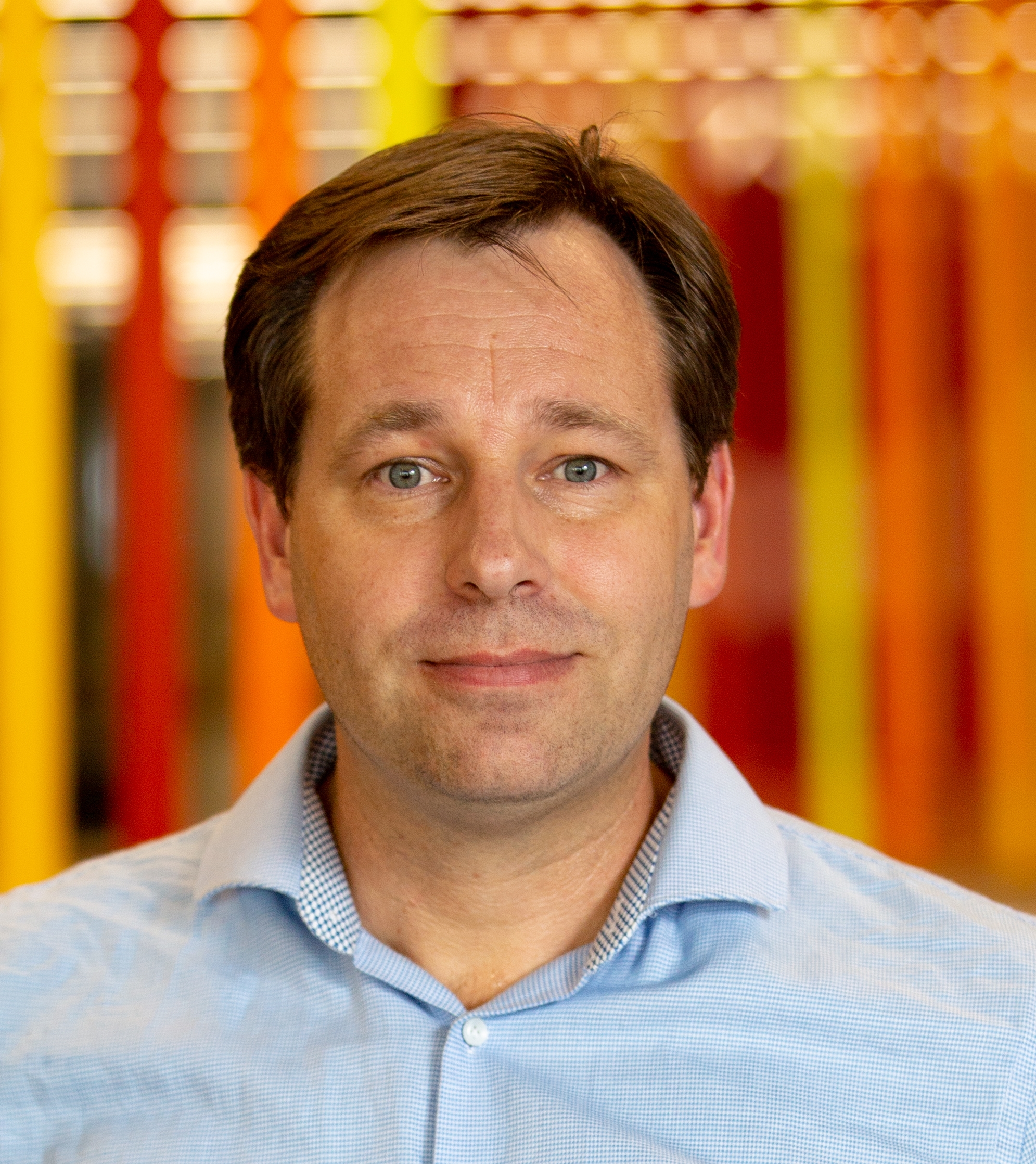
Jochen Giedenbacher is a researcher at the University of Applied Sciences Wels, affiliated with the Center of Excellence for Smart Production and Department of Production and Operations Management. His work focuses on additive manufacturing, tool steel processing, and hybrid forging die design. Academic Rank: Researcher Institution: University of Applied Sciences Wels Research Focus: Laser Powder Bed Fusion, Conformal Cooling Channels, Galling Analysis His research explores enhancing material properties through advanced additive manufacturing techniques, particularly for tool steels used in industrial applications. Projects include crack prevention in Selective Laser Melting and characterization of forming tools. Recent work emphasizes numerical simulations and process optimization in metal-based additive manufacturing. Publications highlight innovations in powder bed fusion, hybrid tooling, and surface property analysis of galvanized metals. Collaborations span materials science and industrial engineering domains. Research outputs include peer-reviewed articles and conference proceedings with citations in Scopus and patent applications.
Dr. Krystian Zyguła serves as a Lecturer at the Department of Plastic Metal Processing and Extractive Metallurgy within the Faculty of Metals Engineering and Industrial Computer Science at AGH University of Science and Technology in Kraków, Poland. His academic position falls under the research and teaching staff group, with office B-4/103 and direct contact via kzygula@agh.edu.pl. He contributes to institutional governance through membership on the Materials Engineering Discipline Council. His research program centers on powder metallurgy and hot forging processes for advanced metallic materials, with particular emphasis on titanium alloys (Ti-6Al-4V, Ti-5553, metastable β alloys) and aluminum systems. He pioneers the integration of fuzzy logic methodologies and digital infrastructure for autonomous manufacturing systems, focusing on microstructure prediction, mechanical property optimization, and cracking risk assessment during metal forming. Key technical approaches include FEM simulation, processing maps, and in situ characterization of deformation behavior. Analysis of his 15 most recent publications (2021-2025) reveals a cohesive research trajectory targeting industrial metal processing challenges. Dominant themes include hot deformation kinetics of 80MnSi8-6 steel, powder metallurgy of titanium alloys, and AI-driven process optimization. His work consistently bridges computational modeling with experimental validation under industrial conditions, demonstrating strong applicability to manufacturing efficiency and material performance enhancement. Dr. Zyguła's academic service includes participation in the Materials Engineering Discipline Council. Information regarding student advising, research grants, laboratory facilities, and scientific awards is not documented in the provided sources.
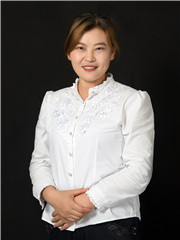
Professor Qiu Mingxia serves as a Professor at Shenzhen University of Technology's School of New Materials and New Energy since January 2024, previously holding the position of Associate Professor from 2017-2023. A recipient of the Shenzhen High-Level Leading Talent Award (Local Reserve Level), she holds a PhD in Materials Science and Engineering from Zhejiang University and has extensive experience in semiconductor research and academic leadership. Education: PhD in Materials Science and Engineering, Zhejiang University (2005-2008) Master in Materials Science and Engineering, North University of China (2002-2005) Research Focus: Professor Qiu's work centers on next-generation semiconductor technologies, with three interconnected pillars: developing perovskite-based optoelectronic devices for efficient light emission, engineering magnetic storage thin films for advanced spintronics applications, and innovating 3D printed porous materials for biosensing systems. Her research bridges fundamental materials science with practical device engineering, emphasizing solution-processed techniques and novel material interfaces. Publication Trends: Recent publications (2020-2024) reveal a strategic shift toward applied optoelectronics and spintronics, with increasing focus on perovskite LED efficiency optimization, quantum dot energy transfer mechanisms, and magnetic interface engineering. Educational research forms a secondary stream, documenting practical teaching reforms in applied technology universities. Her work shows strong industry alignment through patents in flexible electronics and laser fabrication. Scientific Recognition: Shenzhen High-Level Leading Talent Award (Local Reserve Level, 2012) Advanced Teaching Individual Award (Shenzhen University of Technology, 2019) Shenzhen Advanced Education Unit (2021, team award) Third Prize Shenzhen University Science and Technology Progress Award (2010) Research Leadership: Professor Qiu has secured leadership roles in high-impact national projects including the National 02 Major Project and NSFC Key Projects, while directing multiple Shenzhen-level initiatives in semiconductor manufacturing and educational innovation. Her patent portfolio demonstrates successful technology transfer in flexible conductive films and perovskite crystal engineering, reflecting strong industry-academia collaboration. Research Infrastructure: She directs laboratory facilities focused on thin-film deposition, nanomaterial synthesis, and optoelectronic characterization, maintaining active partnerships with semiconductor manufacturers through school-enterprise cooperation projects that integrate student training with industrial R&D needs.
Dr. Nitesh K. Kunda is an Associate Professor in Pharmaceutical Sciences at St. John's University's College of Pharmacy and Health Sciences. He specializes in aerosol drug and vaccine delivery, with a focus on nanotechnology and pulmonary delivery systems. His research aims to develop cost-effective dry powder biologics that eliminate the need for cold-chain storage. Dr. Kunda holds a PhD in Pharmaceutics from Liverpool John Moores University (2014) and a Master's in Drug Delivery from the London School of Pharmacy (2011). Prior to St. John's, he served as a post-doctoral fellow at the University of New Mexico (2015–2018). His research interests include targeted drug delivery, amorphous solid dispersions, and the stabilization of vaccines. He is an active member of professional organizations like the American Association of Pharmaceutical Scientists (AAPS) and serves on the editorial boards of journals like PLoS One. Dr. Kunda has authored over 20 peer-reviewed publications and is editing a Springer book on mucosal drug delivery. His work has been recognized with awards such as the CN Davies Award (2013–2014) and the Associate Fellowship of the Higher Education Academy (UK, 2013).
Rajesh Dave is a Distinguished Professor in the Department of Chemical & Materials Engineering at the New Jersey Institute of Technology (NJIT). He holds a B.S. from the Indian Institute of Technology Bombay and M.S./Ph.D. degrees from Utah State University, all in Mechanical Engineering. His research focuses on pharmaceutical process engineering, powder technology, and material science, with applications in drug delivery systems and manufacturing optimization. He has pioneered dry coating techniques to enhance powder blend processability and employs machine learning for predictive modeling in pharmaceutical processes. Education: Ph.D., Mechanical Engineering, Utah State University (1983) M.S., Mechanical Engineering, Utah State University (1981) B.S., Mechanical Engineering, Indian Institute of Technology Bombay (1978) Research interests include powder compaction mechanics, surface engineering of pharmaceutical particles, and scalable manufacturing solutions for poorly soluble drugs. His work integrates experimental and computational methods to address challenges in drug formulation, process analytical technology (PAT), and quality-by-design (QbD) frameworks. Recent projects emphasize enhancing drug dissolution rates via nanoparticle engineering and optimizing 3D-printed dosage forms. Scientific Awards: 2022 AIChE PD2M Award for QbD Contributions 2021 Fellow of the National Academy of Inventors (NAI) His research has led to innovations in engineered excipients, continuous manufacturing systems, and predictive models for powder flowability. Collaborative efforts with industry partners focus on translating lab-scale discoveries into industrial applications. He maintains an active laboratory and advises on grants related to pharmaceutical manufacturing excellence.
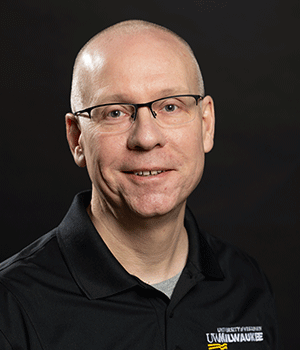
Benjamin Church is an Associate Professor in the Department of Materials Science & Engineering at the University of Wisconsin-Milwaukee (UWM), where he also serves as Director of the Advanced Analysis Facility. He holds a B.S. in Metallurgical Engineering from Michigan Technological University (1997), an M.S. (2002), and a Ph.D. (2004) in Materials Science and Engineering from Georgia Institute of Technology, followed by a postdoc at Georgia Tech and industry experience at Modine Manufacturing. His research focuses on high-temperature materials for energy systems, corrosion resistance, novel material processing, and battery technologies. Key interests include brazing, electron microscopy, and thermal analysis. He has advised numerous graduate and undergraduate students, with notable projects on alumina-forming alloys and lithium-ion battery materials. Education: B.S., Metallurgical Engineering, Michigan Tech (1997) M.S., Materials Science & Engineering, Georgia Tech (2002) Ph.D., Materials Science & Engineering, Georgia Tech (2004) Dr. Church has received the 2012 Excellence in Teaching Award and is actively involved in professional societies like ASM International and ASEE. He mentors the UWM Chapter of Material Advantage and serves on ASM Milwaukee’s executive board. His lab work emphasizes industrial collaboration, addressing challenges in petrochemical processing and energy storage. Recent studies include self-healing composites and corrosion-resistant alloys.
Dr. Jan Petrik is a full-time faculty member at ETH Zürich, affiliated with the Professorship for Advanced Manufacturing. His research focuses on integrating artificial intelligence with manufacturing processes, particularly in deep learning, reinforcement learning, and computer vision applications for metal forming and additive manufacturing systems. Current position: Professor, Advanced Manufacturing, ETH Zürich Research interests: AI-driven manufacturing optimization, microstructural control, and process modeling Recent work: Development of AI frameworks like DeepForge, RLTube, and CrystalMind for metal forming and additive manufacturing
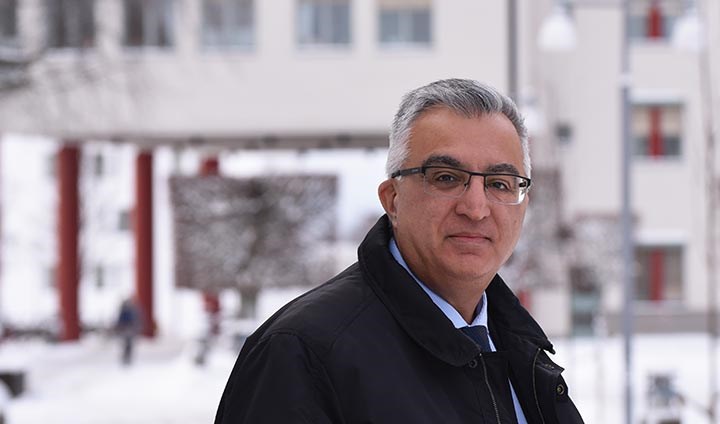
Nader Asnafi is a Professor of Mechanical Engineering at Örebro University since 2016, with a dual career in academia and industry. He holds a PhD from Luleå University of Technology (1997) and a Docent title (2002). His expertise spans additive manufacturing, material science, and automotive production, focusing on lightweight materials, 3D printing for tooling, and digitalization-driven innovation. Research areas include: - 3D printing of production tools and dies - Laser-based material treatments for crash-resistant automotive components - Modular design and manufacturing flexibility - Sustainable production systems and circular economy principles - High-strength steel processing and hydropiercing techniques Industrial experience includes leadership roles at Esselte Dymo, Volvo Cars, and Uddeholm. He has pioneered cost-effective tooling methods reducing material use by 20% and production time by a third via additive manufacturing. Notable projects include a concept car with aluminum side beams, cutting weight and costs by 50%. He has advised on over 30 industry-academia projects and contributed to international conferences such as the International Tooling Conference. His work bridges material innovation with digital transformation, emphasizing eco-friendly manufacturing solutions.
Associate Professor Kevin James Laws is an academic in the School of Materials Science and Engineering at the University of New South Wales. He holds roles including Project Manager at the ARC Centre of Excellence for Design in Light Metals and previously held a Postdoctoral Fellowship at UNSW. His expertise centers on alloy design, particularly metallic glasses and their processing techniques such as die-casting and thermomechanical treatments. Laws has contributed to the development of amorphous alloys for structural and biomedical applications, including magnesium-based composites with enhanced thermal stability. His research focuses on material properties such as corrosion resistance, mechanical behavior, and phase stability, supported by over $100k in research funding since 2008. He has co-supervised 10 honours and 6 PhD students, reflecting his commitment to training the next generation of materials scientists. Awards include the ARC Postdoctoral Fellowship and invited research positions at ETH Zurich and the US Air Force Research Laboratories. Research Highlights : Design of bulk metallic glasses, amorphous alloy matrix composites, and bioresorbable materials. Teaching : Coordinates Welding and Joining Processes, guest lectures in polymer engineering, and supervises honours/PhD theses. Laws' work bridges fundamental materials science with industrial applications, emphasizing high-throughput methods and computational modeling to accelerate alloy discovery. His publications span over 60 journal articles, book chapters, and conference contributions, addressing topics from atomic-scale structure analysis to macro-scale material performance.
Karel Matouš is a Professor in the Department of Aerospace and Mechanical Engineering at the University of Notre Dame , where he also serves as the Director of the Center for Shock-Wave Processing of Advanced Reactive Materials (C-SWARM) . His research is centered on computational mechanics and engineering, with a focus on multiscale and multiphysics modeling of heterogeneous materials. Education: Ph.D. in Theoretical and Applied Mechanics, Czech Technical University in Prague (2000) M.S. in Theoretical and Applied Mechanics, Czech Technical University in Prague Research Interests: Matouš’s work spans computational science and engineering , data-driven modeling , high-performance computing , and statistical micromechanics . He develops advanced numerical methods for modeling complex systems such as solid propellants, reactive materials, and particulate composites, often integrating microtomography data for realistic material reconstruction. Publication Trends: His recent publications emphasize reduced-order modeling , image-based simulations , and uncertainty quantification in multiscale systems. Many studies combine experimental data with computational frameworks to predict macroscopic behavior from microstructural features, particularly in reactive and heterogeneous materials. Scientific Awards: Fellow of ASME (2013) Visiting Professor at Eindhoven University of Technology with 10,000 EUR research grant (2016) Rector's Award, Czech Technical University (1999) Academician Z. Bazant's Prize (1996, 1997) Multiple recognitions for high-impact publications (ScienceDirect Top 25 Hottest Articles) Student awards including the Robert J. Melosh Medal and USNCCM9 presentation prize Advising and Grants: He has advised numerous Ph.D. and M.S. students in computational mechanics and materials science. His research is supported by major grants from the Department of Energy (e.g., C-SWARM: $11.6M), NSF , DoD (STTR/SBIR programs), and industry partners like 3M and ATK . These projects focus on adaptive modeling, shock-wave processing, and microstructural characterization of advanced materials. Labs and Teams: He leads the Computational Physics Group and the C-SWARM center, which involves collaboration with institutions including Purdue University, Indiana University, and the University of Illinois. The group utilizes high-performance computing and experimental validation to advance predictive modeling of extreme material behaviors.
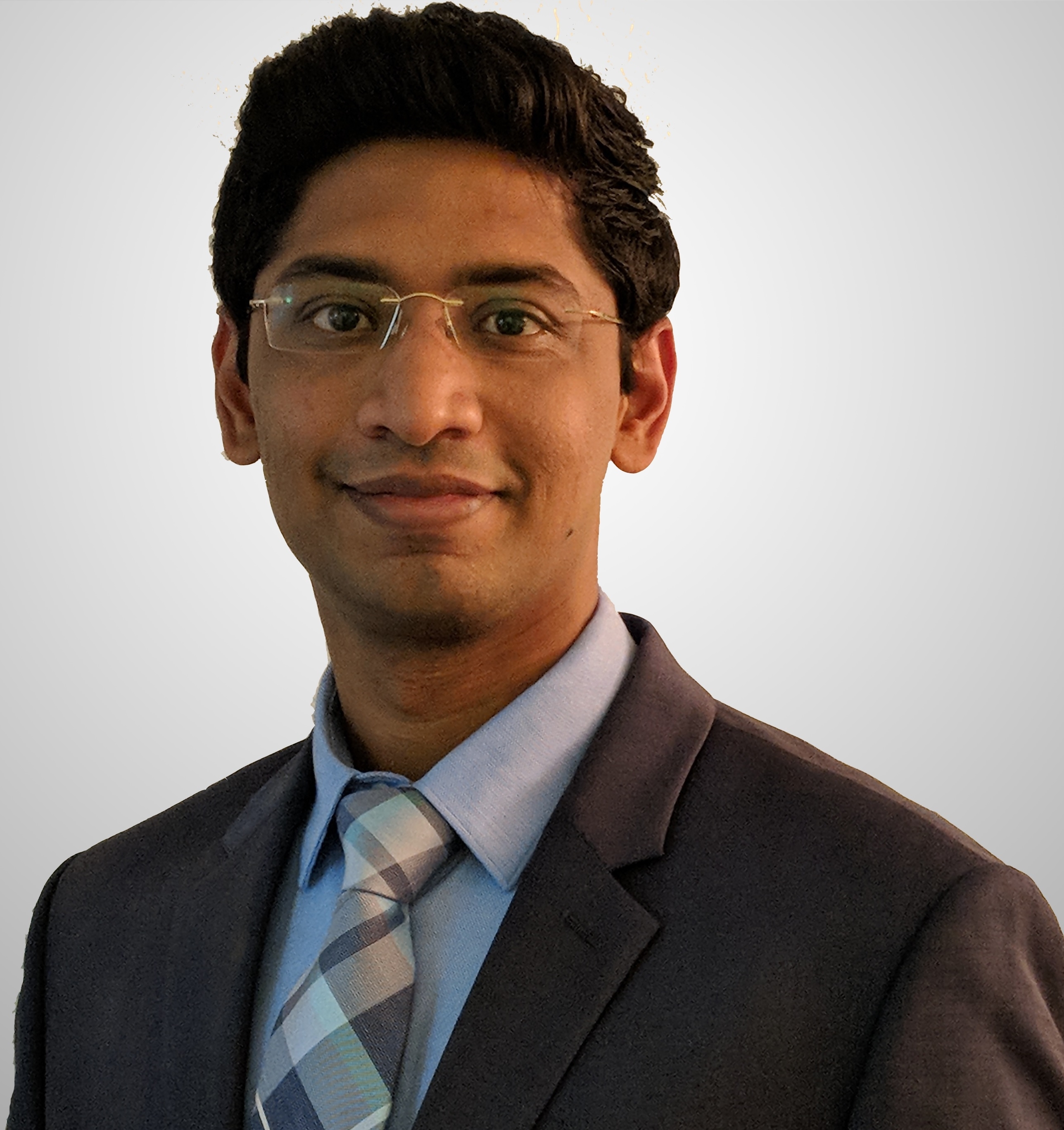
Tanmay Tiwari is an Assistant Professor in the Department of Mechanical Engineering at the University of Akron's College of Engineering and Polymer Science, joining in 2023 after completing his Ph.D. at the Indian Institute of Technology Roorkee. He is actively affiliated with the Timken Foundation Center for Precision Manufacturing (CPM), an industry-university cooperative research center focused on advancing manufacturing technologies. Education Ph.D. in Mechanical Engineering, Indian Institute of Technology Roorkee, 2023 M.Tech in Mechanical Engineering (Specialization: Manufacturing Engineering), Indian Institute of Technology (ISM) Dhanbad, 2018 Research Interests His core research spans precision machining , surface engineering and tribology , process optimization , and advanced manufacturing . Current projects emphasize smart manufacturing with Industry 4.0 , sustainable finishing operations , and post-processing of additively manufactured parts , particularly for biomedical applications requiring functional surface properties. Publication Trends Analysis of 15 recent publications reveals dominant focus on hybrid electrodischarge processes (EDM/ECM) for surface modification of medical alloys like Ti6Al4V and CoCrMo. Key themes include tool wear modeling in ultrasonic machining, sustainable dielectric alternatives in dry-micro-EDM, and in-vitro validation of additively manufactured implants. Optimization algorithms and analytical modeling consistently drive process improvements across publications. Scientific Awards No scientific awards or honors were documented in the provided sources. Advising and Grants While affiliated with the Timken Foundation Center for Precision Manufacturing (CPM), the text provides no details on secured grants or doctoral/master's advisees. His role appears research-focused within the CPM industry cooperative framework. Labs and Teams He operates within the Timken Foundation Center for Precision Manufacturing (CPM), leveraging its industry-academic partnerships for experimental work on sustainable precision manufacturing. The center serves as his primary research hub for developing novel surface engineering techniques and Industry 4.0 integration.
Marcin Wachowski is a Professor at the Military University of Technology, specializing in mechanical engineering with a focus on materials science and composite materials. His research emphasizes ceramic-metal composites, welding technologies, and sustainable manufacturing processes. He has published extensively, with over 115 peer-reviewed articles, and holds an h-index of 14 (Scopus) and 16 (Web of Science). Key research areas include the development of eco-friendly materials, optimization of composites via centrifugal slip casting and magnetic field applications, and analysis of microstructure-property relationships. His work spans aerospace, automotive, and defense applications, addressing challenges in material durability and environmental impact. Recent studies highlight advancements in ceramic molding binders, friction stir welding of titanium alloys, and characterization of gradient composites. Collaborative projects involve international partners, focusing on sustainable manufacturing and lifecycle assessment (LCA) for materials.
Dr. Junyi Lee is a Researcher in the Department of Mechanical Engineering at Imperial College London, affiliated with the Metal Forming and Materials Modelling research group. His work focuses on developing lightweight aerospace materials and structural systems through advanced modeling and testing. He holds an MEng (Hons) in Mechanical Engineering from Imperial College London. Research Interests: Dr. Lee specializes in aluminum foam sandwich structures, investigating their mechanical properties, energy absorption, and applications in aerospace and automotive industries. His research integrates experimental characterization with computational modeling to optimize material design and manufacturing processes. Key areas include microstructural analysis of alloys, crystal plasticity modeling, and thermal-mechanical behavior of advanced materials. Key Contributions: His studies span auxetic metamaterials, in-situ diffraction experiments, and static recrystallization processes. He collaborates widely, contributing to projects like the 6 PhD Studentships in EAF recycled steels. His work addresses challenges in additive manufacturing, hot stamping, and vibration isolation using periodic structures. Advising & Grants: While no advisees are listed, he participates in funding initiatives like the EAF recycled steel studentships. His lab focuses on material innovation, combining experimental and numerical approaches to advance lightweight structural materials.
Alvaro Goyanes Goyanes is a University Lecturer at the University of Santiago de Compostela , affiliated with the Faculty of Pharmacy and the Department of Pharmacy and Pharmaceutical Technology . His research focuses on R&D in drug dosage forms and drug delivery systems. Teaching responsibilities include: Legislation and Deontology (1st year, Degree in Pharmacy and Double bachelor degree programs) Management Planning (5th year, Degree in Pharmacy and Double bachelor degree programs) Pharmaceutical Technology I (4th year, Degree in Pharmacy and Double bachelor degree programs) Powders and Compacted Solids (Master in Drug Research and Development) No scientific awards or grants are explicitly mentioned in the provided text. Research activity centers on pharmaceutical formulation design, drug delivery innovations, and regulatory compliance in pharmacy practice.
Rashid Ahmed Yıldız holds the position of Associate Professor at the Department of Mechanical Engineering, Istanbul Technical University. His research focuses on advanced manufacturing processes, including additive manufacturing (e.g., laser powder bed fusion), explosive forming of metals, and material behavior analysis under extreme conditions. He has contributed to studies on aluminum alloys, stainless steels, and high-conductivity materials like copper. Research interests encompass topics such as residual stress analysis, surface quality optimization, finite element modeling, and damage evolution in materials. His work bridges experimental and numerical approaches, addressing challenges in high-strain-rate forming and microstructural characterization. Recent projects include the modeling of damage behavior in aluminum alloys and the investigation of mechanical properties of materials fabricated via additive manufacturing. Collaborations involve interdisciplinary efforts to improve material performance through advanced manufacturing techniques. Notable research outputs include studies on Inconel 625 additive manufacturing, explosive forming of copper tubes, and numerical analysis of DP600 steel deformation. These contributions highlight his expertise in both theoretical and applied aspects of mechanical engineering.