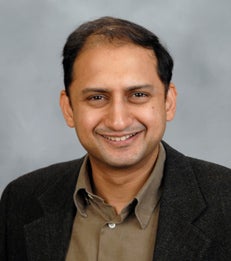
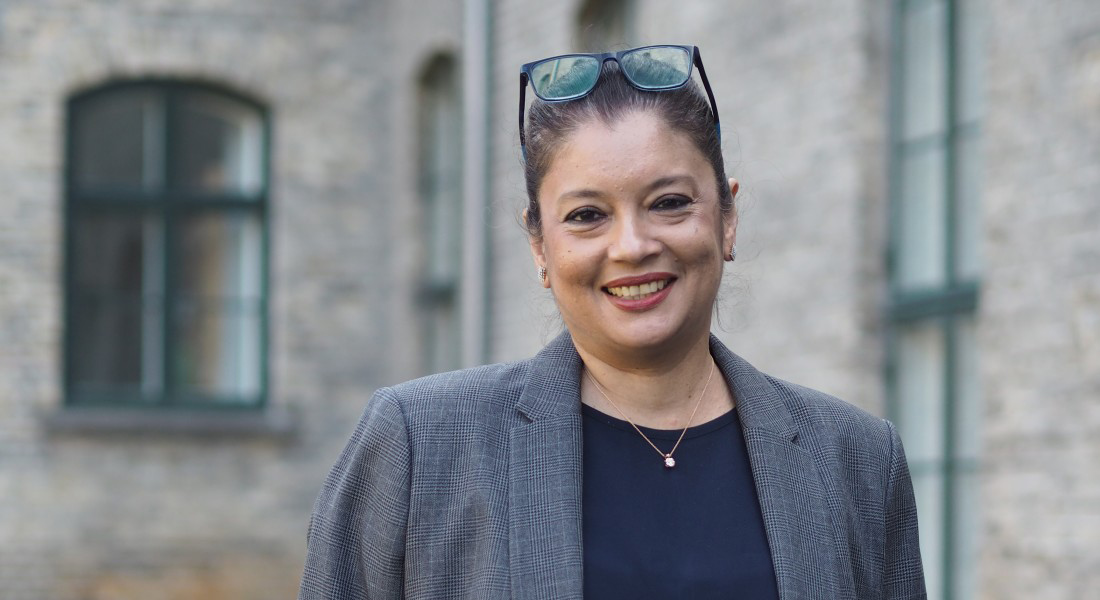
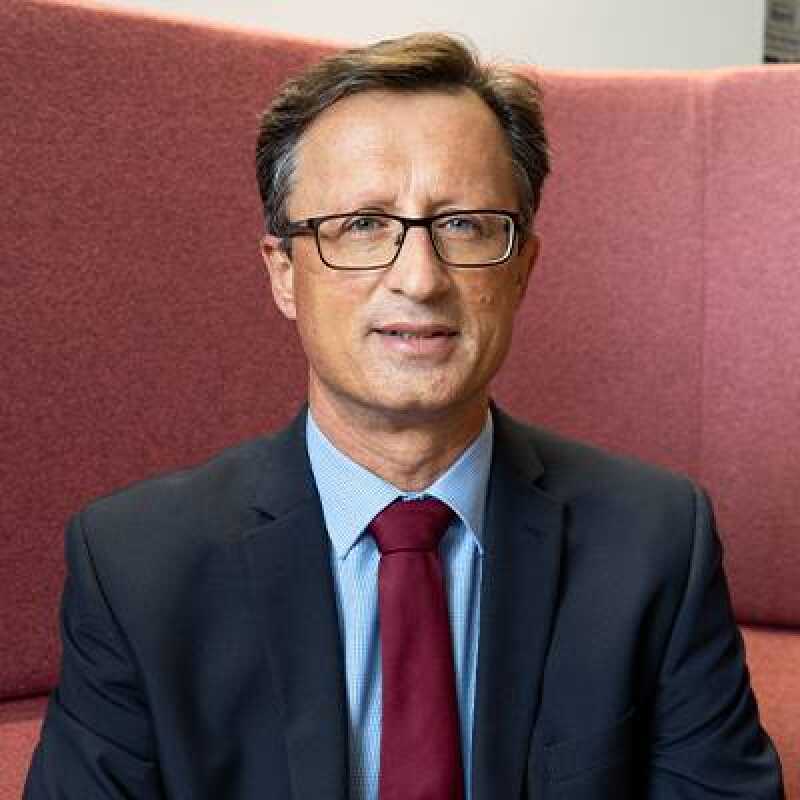
Garrett Cullity is a Professor of Philosophy at the School of Philosophy, Australian National University (ANU), within the Research School of Social Sciences (RSSS). Previously, he held positions at the Universities of Oxford, St Andrews, and Adelaide, including the Hughes Professor of Philosophy at Adelaide. His research spans moral philosophy, focusing on topics such as moral judgment, moral knowledge, practical reason, moral virtues, and applied ethics related to climate change, international aid, and consumer ethics. Education: B.Phil. and D.Phil. (Oxford), undergraduate studies at UWA. He has supervised numerous research students and contributed to projects like The Ethics of Net Zero (2023–2026) and Ethics, Responsibility and the Carbon Budget (2018–2024). Research interests include the theoretical foundations of morality, moral virtues, climate ethics, fairness in collective action, and global poverty. His work bridges abstract moral theory with practical issues like environmental policy and humanitarian responsibility.
David Evan Harris is a Senior Research Fellow at the International Computer Science Institute (ICSI) and a Chancellor’s Public Scholar at the University of California, Berkeley. He serves as a Continuing Lecturer at the Haas School of Business and Senior Advisor for AI Ethics at the Psychology of Technology Institute. He is affiliated with multiple UC Berkeley centers, including CITRIS, the Center for Latin American Studies, EGAL, and the Business and Public Policy Group. M.S., Sociology, University of São Paulo B.A., Political Economy of Environment & Development, UC Berkeley His research focuses on AI ethics, misinformation, civic technology, social media policy, and global development. He explores deceptive design, digital literacy, and the societal impacts of AI, with a particular emphasis on democratic governance and human rights. His recent publications highlight AI ethics, regulatory challenges in AI governance, and international policy frameworks. Earlier work spans social movements, open knowledge, and poverty visualization. David teaches UC Berkeley courses including AI Ethics for Leaders, Civic Technology, and Futures Thinking. He founded the Global Lives Project in 2004 and previously led research at the Institute for the Future (2008–2018). Fluent in English, Portuguese, and Spanish, he has conducted research in 37 countries.
Dr. Amy Damashek serves as Professor in the Department of Psychology at Western Michigan University, teaching undergraduate and graduate courses while mentoring Clinical Psychology doctoral students. She chairs the department's Diversity, Equity, and Inclusion Committee and maintains an active research program focused on vulnerable populations. Education: Ph.D. in Psychology, University of Missouri-Columbia (2007) Postdoctoral Fellowship, University of Oklahoma Health Sciences Center (2009) Research Focus: Her work centers on preventing child maltreatment and unintentional injuries among at-risk youth, with specialized expertise in infant sleep-related deaths and health disparities . She develops culturally responsive parenting interventions for low-income and Spanish-speaking families, emphasizing community-based solutions through home visiting programs. Publication Trends: Recent work (2020-2023) demonstrates consistent focus on pandemic adaptation of family services, safe sleep practices in marginalized communities, and digital intervention strategies. Her mixed-methods approach bridges clinical psychology with public health, prioritizing implementation in real-world settings. Scientific Recognition: Fellow of the American Psychological Association Former President of APA Division 37 (Society for Child and Family Policy and Practice) Grants & Mentoring: Secured federal funding for child injury prevention in underserved communities. Mentors Clinical Psychology doctoral students with emphasis on culturally competent practice, accepting new graduate students for Fall 2025. Her federally funded work directly informs evidence-based home visiting protocols. Research Ecosystem: Collaborates extensively with community health workers, home visiting agencies, and pediatric care providers to implement and evaluate interventions addressing structural barriers in family support systems.
Ankit Bhardwaj is an Adjunct Professor of Environmental Studies at New York University (NYU) and concurrently a PhD student in Sociology at NYU. His research focuses on the politics of expertise related to carbon emissions reduction, with particular attention to India's urban climate change policies and global South contexts. Previously, he worked at the Centre for Policy Research in New Delhi and contributed to the United Nations Environment Programme’s Emissions Gap Report (2019). Education: MSc in City Design and Social Science (London School of Economics, 2015); BASc in Civil Engineering (University of Toronto, 2014). Research interests include environmental politics, sociology of expertise, climate change mitigation in urban settings, energy infrastructure transitions, and social theory applied to global environmental challenges. His work emphasizes interdisciplinary approaches to understanding how bureaucratic systems, local communities, and global frameworks interact in addressing climate change. Recent publications analyze Indian city bureaucracies' climate responses, energy demand transitions in low-income households, and decarbonization strategies in 'smart cities.' He critiques policy frameworks that fail to reconcile multiple development, energy, and climate objectives. His writing extends to climate justice, racialization theory (e.g., WEB Du Bois), and urbanization dynamics in the Global South. Awards and grants not explicitly listed, but his contributions to major reports like the UNEP Emissions Gap Report highlight his impactful policy engagement. He actively tweets @ankitbhardy and collaborates on projects bridging academic research with actionable policy solutions.
John Byrne is a Distinguished Professor of Energy and Climate Policy and Director of the Center for Energy and Environmental Policy (CEEP) at the University of Delaware's Biden School of Public Policy. His academic career spans over three decades with significant contributions to global climate policy through roles in the IPCC, World Council for Renewable Energy, and Seoul International Energy Advisory Council. He pioneered the Sustainable Energy Utility (SEU) model and led the first SEU implementation in Delaware, recognized internationally for its innovative financing mechanisms. His research focuses on energy transitions, environmental justice, and renewable energy integration. Notable achievements include co-founding the International Solar Cities Initiative, advising China’s State Environmental Protection Agency, and conceiving the SEU's AA+-rated bond program. Byrne has held visiting positions at Lawrence Berkeley National Laboratory and Seoul National University, where he contributed to South Korea’s greenhouse gas abatement strategy. Byrne’s publications include 19 books and 170+ articles, with influential works like Rethinking Environmentalism (MIT Press) and Green Energy Economies . He serves as Co-Editor-in-Chief of WIREs Energy and Environment and editor of the Energy and Environmental Policy book series since 1983. His work is funded by major institutions including the World Bank, UNDP, and U.S. Department of Energy. Key recognitions include the 2007 Nobel Peace Prize (shared via IPCC contributions) and Fulbright Senior Lecturer Award. Byrne’s current efforts focus on advancing solar energy policies, sustainable urban development, and bridging environmental justice with climate resilience.
Viral V. Acharya is the C.V. Starr Professor of Economics in the Department of Finance at New York University Stern School of Business. He is a Research Associate at the National Bureau of Economic Research (NBER), a Research Affiliate at the Center for Economic Policy Research (CEPR), and a Research Associate at the European Corporate Governance Institute (ECGI). He previously served as Deputy Governor of the Reserve Bank of India (2017–2019), with responsibilities in monetary policy, financial markets, and financial stability. He is currently Director of Doctoral Education at NYU Stern (2025–), Advisor to the NYU Stern Henry Kaufman Initiative on Financial History (2023–2026), and a Scientific Advisor to the Sveriges Riksbank (2024–). He is also a member of the Climate-related Financial Risk Advisory Committee (CFRAC) of the Financial Stability Oversight Council (2023–2026), the Bellagio Group, and the Financial Advisory Roundtable of the Federal Reserve Bank of New York. Education: B.Tech. in Computer Science and Engineering, Indian Institute of Technology, Mumbai (1995) Ph.D. in Finance, New York University Stern School of Business (2001) His research focuses on systemic risk, financial regulation, sovereign and financial linkages, credit and liquidity risk, and the macroeconomic implications of financial frictions. He has also recently explored risks related to pandemics and climate change. His recent publications examine commercial real estate exposure in banks, spillover risks from non-banks, U.S. Treasury market dynamics, and industrial policy in India. The body of work consistently emphasizes financial stability, regulatory design, and the interaction between public policy and financial markets. Scientific Awards: Alexandre Lamfalussy Senior Research Fellowship, Bank for International Settlements (2017) Inaugural Banque de France – Toulouse School of Economics Junior Prize (2011) Senior Houblon-Norman Research Fellowship, Bank of England (2008) Clarivate Analytics Highly Cited Researcher (2020–2022) Acharya has held numerous editorial and leadership roles, including Editor of the Journal of Law, Finance and Accounting (2014–2016, 2020–), member of the Editorial Committee of the Annual Review of Financial Economics (2022–), Board Member of the American Finance Association (2024–), and Director of the Western Finance Association (2012–2015). He has served as an Academic Advisor to multiple Federal Reserve Banks and international institutions including the IMF, World Bank, and BIS. He advises on financial policy globally and is a frequent commentator in major media outlets. He is not known to advise specific students, but his leadership in doctoral education at NYU Stern underscores his role in mentoring the next generation of finance scholars. He is affiliated with research centers and policy initiatives focused on financial history, climate risk, and financial stability.
Atreyee Sen is Professor in the Department of Anthropology at the University of Copenhagen , Faculty of Social Sciences, a position she assumed on 1 February 2025 after serving as Associate Professor since 2015. She holds a PhD in Social Anthropology from SOAS, University of London (2003), and previously held academic roles at the University of Sussex and the University of Manchester. BA in Sociology, University of Calcutta (1994) MA in Sociology, Jawaharlal Nehru University (1996) PhD in Social Anthropology, SOAS, University of London (2003) Her research centers on urban South Asia , particularly India, with a focus on gender, violence, political mobilization, and subaltern communities . She investigates how marginalized groups—such as women in Mumbai slums, Muslim youth in Hyderabad, and former Maoist guerrillas in Calcutta—navigate and resist structural violence through political activism and cultural production. Her ethnographic work explores themes of prisons, moral policing, custodial disappearances, and urban poverty , challenging reductive narratives about the 'poor' and 'violent' in non-Western contexts. The recent articles in her publication record reveal a sustained engagement with political violence, urban precarity, and resistance . Her work spans ethnographic studies of child vigilantes, anti-Romeo squads, and informal economies in Indian cities, often highlighting the intersection of gender, state power, and everyday survival . She employs comparative frameworks, such as between Chicago and Mumbai, to broaden anthropological theory. Her research is deeply interdisciplinary, drawing from political science, sociology, and gender studies. Sutasoma Award for Outstanding Research Towards a PhD (2002) NirmalChunder Basu Ray Memorial Award, University of Calcutta (1994) Atreyee Sen has been actively involved in public scholarship through media engagements, including interviews and documentaries with BBC Radio 4 on topics such as the Delhi rape case, women vigilantes, and Indian elections. She has also led major research projects, including an ERC Advanced Grant on global political anger and a project on cashless economies and urban debt. She is currently writing a monograph titled ‘Morgue tags and body bags’ -- Ethno-histories, custodial death/disappearances and state torture in urban India . She has served in leadership roles in international academic bodies, including the Association of Social Anthropologists (ASA) and the World Council of Anthropological Associations (WCAA). While no formal lab or team is specified, her collaborative research outputs and network suggest active engagement with global academic communities. She has not indicated any future work beyond her current monograph and ongoing projects.
Prof. Dr. phil. Dipl. Psych. Ulrike Kluge is a Professor and Head of the Center of Cross-Cultural Psychiatry and Psychotherapy (ZIPP) at Charité – Universitätsmedizin Berlin. She concurrently leads the Research Division for Intercultural Migration and Care Research within Social Psychiatry and serves as a Senior Researcher at the Berlin Institute for Integration and Migration Research (Humboldt University). Her work focuses on intercultural mental health services and migration-related psychosocial challenges. Research Focus: Kluge specializes in critical migration studies examining psychological impacts of displacement, ethno-psychoanalysis, psychotherapy with cultural interpreters, and group-analytic approaches in transcultural contexts. Her research portfolio includes qualitative investigations into: Mental health consequences of racism and structural discrimination Refugee-host community dynamics Language barriers in healthcare Innovative care models for forced migrants Intercultural opening of mental health systems Key Projects: FOCUS: Forced displacement and refugee-host community solidarity TransVer: Network for intercultural opening of psychosocial care systems reWoven: Refugee women and psychosocial volunteer engagement SeGeMi: Study group on Mental Health and Migration Effectiveness studies on native-language counseling Professional Engagement: She develops training programs for clinicians working with refugees, provides supervision services, and coordinates Berlin-wide networks for refugee mental health care. Her work significantly contributes to professionalizing psychosocial support for asylum seekers through the 'Welcome Culture at Charité' initiative.
Dr. Andrew Newsham is a researcher at the Department of Development Studies (DEV), SOAS University of London. His work sits at the intersection of human geography , anthropology , and climate change policy . Key research areas: climate change adaptation , conservation and development , livelihoods , political ecology , and science and technology studies . Regional focus: Southern Africa and Latin America . Recent publications examine: Climate resilience in agricultural commercialization pathways (Tanzania/Zimbabwe) Reformulating sustainable livelihoods frameworks for the 21st century Critiques of ecosystems-based adaptation in Mexico Political economy of carbon forestry in Mozambique Linkages between social protection and climate risk management He convenes the MSc Environment, Politics and Development program at SOAS.
Emilia Vann Yaroson is a Lecturer in Operations and Supply Chain Management at the Sheffield University Management School (The University of Sheffield). She holds a PhD in Operations and Information Management from the University of Bradford, an MSc in Business and Financial Economics from the University of Greenwich, and a PgCHE (Postgraduate Certificate in Higher Education). Her research focuses on leveraging emerging technologies (AI, blockchain, cloud computing, digital twins) to enhance supply chain resilience and sustainability, particularly aligned with UN SDGs related to healthcare access, environmental protection, and poverty reduction. Research Interests Pharmaceutical supply chains and resilience strategies Circular economy integration in supply chains Impact of Industry 4.0/5.0 technologies on sustainable operations Healthcare operations and quality improvement Artificial intelligence-driven decision-making in supply chains Teaching She teaches operations management, supply chain analytics, and related modules across undergraduate and postgraduate programs, including executive education. Her teaching aligns with the school’s Triple Crown accreditation, positioning it among global elite management schools. Research Group She is part of the Operations Management and Decision Sciences group, contributing to interdisciplinary projects on supply chain innovation and sustainability. Her work bridges theoretical frameworks (e.g., Complex Adaptive Systems) with practical applications in healthcare and manufacturing sectors.
Dr Angus Armstrong is a Professorial Research Fellow at the UCL Institute for Global Prosperity, University College London, directing the ESRC-funded Rebuilding Macroeconomics network that has produced 80+ papers and 100+ public events. His work reinterprets macroeconomics as a knowledge-creation system under fundamental uncertainty. Research focuses on decision-making under uncertainty, collective intelligence, agent-based modelling, and macroeconomic policy within ecological economics, comparative systems, and experimental frameworks. He emphasizes institutions and social interactions as foundations of prosperity in complex adaptive systems. Analysis of 2015-2019 publications reveals concentrated expertise in Brexit fiscal impacts, devolution economics, monetary policy at zero bounds, and Scottish independence. Works integrate macroeconomic modeling with political economy, addressing UK/European policy challenges through institutional and uncertainty-focused lenses. Armstrong serves as Chief Economic Advisor to Lloyds Banking Group (2017) and leads the Rebuilding Macroeconomics network. His 'New Economics of Prosperity' teaching reimagines prosperity as emergent from socio-economic interactions rather than an end state, reflecting his view of economies as open systems defined by fundamental uncertainty.
Paul D. Hastings is a Professor of Psychology at the University of California, Davis, and former Chair of Psychology and Interim Dean of the School of Education. He directs the Healthy Emotions, Relationships and Development Laboratory (HERD Lab) at the Center for Mind and Brain (CMB) and holds affiliations with the Center for Poverty Research and Institute for Global Nutrition. His educational background includes: Ph.D. in Applied Developmental Psychology, University of Toronto M.A. in Experimental Psychology, University of Toronto B.S. in Faculty of Science, McGill University Post-doctoral training, University of Waterloo Professor Hastings' research examines developmental trajectories of physiological, social, and emotional functioning from childhood to adulthood. He investigates how cultural/socioeconomic conditions (context), family/peer relationships (nurture), and biological systems (nature) interact to shape adaptive outcomes like empathy and social competence, as well as maladaptive outcomes including depression, anxiety, and aggression. His international work spans Bangladesh, Canada, Chile, Ghana, India, Jordan, and multiple U.S. states. Recent publications reveal strong trends in adolescent mental health, physiological regulation (particularly parasympathetic activity), and pandemic impacts. Key themes include suicidal behavior prediction through inflammatory markers, prosocial development linked to physiological regulation, cross-cultural parenting effects, and socioeconomic influences on developmental psychopathology. His scientific recognition includes: Fellow of the Association for Psychological Science UC Davis Distinguished Graduate and Postdoctoral Mentorship Award (2022) Professor Hastings has secured major grants from the National Science Foundation, National Institute of Mental Health, MacArthur Foundation, and Lego Foundation. He actively mentors graduate students and leads collaborative international research projects. His lab conducts fieldwork across diverse cultural contexts to examine how structural inequities impact neurobiological development and mental health outcomes. The HERD Lab, directed by Professor Hastings, integrates psychophysiological methods with developmental science to explore how biological and social systems interact in shaping emotional and relational development across the lifespan.
Anthony Patt is a Full Professor of Climate Policy at ETH Zurich's Department of Environmental Systems Science and Deputy Head of the Institute for Environmental Decisions. He holds a PhD in Public Policy from Harvard University, along with a Juris Doctor from Duke University and a Bachelor's in Architecture and Landscape Design from Yale. His research focuses on identifying effective governmental approaches to eliminate greenhouse gas emissions and adapt to climate change impacts. Key areas include societal processes related to consumption patterns, technology use, and modeling interactions between people, institutions, and technological systems. Patt has authored over 100 peer-reviewed articles and serves as Coordinating Lead Author for the IPCC's Sixth Assessment Report on international cooperation. He has led major projects on renewable energy policies, climate adaptation, and energy security. Notable grants include funding from the European Union, Swiss National Science Foundation, and international organizations. Patt's work emphasizes the co-benefits of climate policies, such as financial impacts on cities and energy transition strategies. His career spans academic roles at institutions like the International Institute for Applied Systems Analysis (IIASA) and Boston University, alongside contributions to policy initiatives like the EU's 100% renewable electricity roadmap. Patt's expertise bridges environmental science, policy analysis, and stakeholder engagement, addressing global challenges through interdisciplinary approaches.
Arun Rai serves as Regents’ Professor and Howard S. Starks Distinguished Chair at Georgia State University's Robinson College of Business, where he co-founded and directs the Center for Digital Innovation. His career spans interdisciplinary research bridging information systems with societal impact through industry-university collaborations across global sectors. His educational foundation includes: Ph.D. from Kent State University MBA from Clarion University of Pennsylvania M.S. from Birla Institute of Technology & Science Rai's research explores digital innovation , AI governance , and societal impacts of technology through investigations of platform ecosystems, supply chain transformation, and digital solutions for poverty and health disparities. His work uniquely connects technical systems design with behavioral and organizational outcomes across contexts from rural India to global corporations. Recent publications (2023-2025) reveal intensifying focus on AI-human collaboration , digital risk assessment , and platform governance tensions , with growing emphasis on healthcare applications and equity implications. The trajectory shows evolution from organizational IT adoption toward complex sociotechnical systems addressing global challenges. His scientific recognition includes: Fellow of the Association for Information Systems Distinguished Fellow of the INFORMS Information Systems Society LEO Award for Lifetime Exceptional Achievement Rai has mentored over 60 doctoral students (30+ as chair) with alumni now holding leadership positions globally. His research attracts major funding from Apollo Hospitals, China Mobile, IBM, Intel, UPS, and federal agencies, enabling real-world implementations like the Global Supply Chain Solutions Program during UPS's digital transformation. Current initiatives focus on generative AI in education and healthcare IT policy impacts. As director of the Center for Digital Innovation, he cultivates cross-sector partnerships advancing digital transformation through collaborative research on AI governance, platform ecosystems, and societal impact measurement.
Dr. Epameinondas Katsikas is a Senior Lecturer in Accounting at Kent Business School, University of Kent, with a focus on management accounting, institutional change, and public sector accounting. He holds a BSc in Accounting from Strayer University, an MBA from Leicester University, and a PhD in Accounting from Durham University Business School. Research interests include management accounting change, performance measurement, and accounting innovations in public sector organizations Teaching spans management accounting, financial accounting, and financial statement analysis Supervision topics cover CSR, public sector accounting, and management control systems His work has been published in international peer-reviewed journals and presented at conferences. Key research trends include institutional dynamics in financial systems, CSR impacts, and ESG policy analysis.