Fabienne Hansen is a doctoral student and Researcher at the University of Freiburg since July 2021, affiliated with the Freiburger Institut zur Erforschung des Grundeinkommens (FRIBIS) and the Department of Social and Cultural Anthropology. She also serves as an event manager for FRIBIS and organizes their public lecture series on basic income. Her research focuses on climate mitigation, poverty reduction, and food sovereignty in the Global South, particularly in Latin America and the Caribbean, with an emphasis on cash transfer programs' impacts on everyday lifeworlds. Education: Master of Arts in Social Anthropology (2015–2021), University of Freiburg Bachelor of Arts in Social Anthropology and Political Science (2012–2015), University of Heidelberg Research Interests: Climate Change, Environmental Anthropology, Basic Income, Cash Transfer Programs, Post-Development Studies, Food Sovereignty, Latin America and Caribbean Studies. Her work bridges thematic areas like policy analysis, urban sociology, and qualitative ethnographic methods. Key Contributions: Her publications explore Brazilian social policies (e.g., Bolsa Família ), municipal basic income initiatives, and community currency systems in cities like Niterói. She has presented at conferences in Chile, the UK, and Brazil, focusing on qualitative methodologies and policy diffusion. Teaching & Engagement: Taught courses on Brazilian social policies and climate realities. Active in organizing academic events and applying ethnographic insights to public discourse on basic income. Labs/Teams: Affiliated with FRIBIS and the Institute for Social and Cultural Anthropology, contributing to interdisciplinary research on social policy and development.
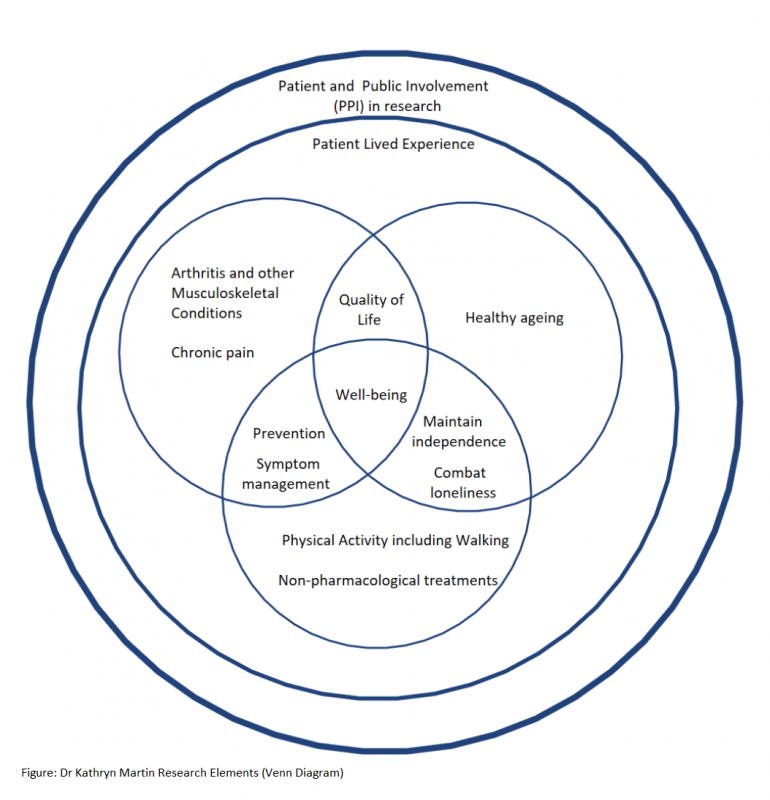
Dr. Kathryn Martin is a Senior Lecturer in Academic Primary Care at the School of Medicine, Medical Sciences and Nutrition, University of Aberdeen. She holds a PhD in Health Behavior and Health Education from the University of North Carolina at Chapel Hill, an MPH in Chronic Disease Epidemiology from Yale University, and a BA in Sociology from the College of the Holy Cross. She completed a postdoctoral fellowship at the National Institute on Aging (NIH), jointly sponsored by the Medical Research Council Unit for Lifelong Health and Ageing in London. She joined the University of Aberdeen in 2013 and is actively engaged in research, teaching, and public engagement. BA Sociology – College of the Holy Cross, Worcester (2000) MPH, Chronic Disease Epidemiology – Yale University, School of Public Health (2003) PhD, Health Behavior and Health Education – University of North Carolina at Chapel Hill, Gillings School of Global Public Health (2009) FHEA, Teaching and Learning in Higher Education – AdvanceHE (2018) Her research focuses on the interplay between social, economic, and environmental factors affecting health, particularly in older adults and individuals with arthritis and musculoskeletal conditions. She investigates how physical activity influences physical and mental health, symptom management, and functional outcomes. Her work emphasizes patient and public involvement (PPIE) and community-based interventions such as the Walk With Ease UK programme. She is also deeply interested in health inequalities and the wider determinants of health, aiming to translate research into policy and practice. The 15 most recent articles analyzed reflect a strong focus on physical activity, aging, arthritis, and public health. They span methodological work on physical activity measurement (e.g., accelerometry), social and environmental influences on health behaviors, and interventions for chronic conditions. Key themes include the impact of socioeconomic status, neighborhood environment, and chronic pain on health outcomes, as well as strategies for improving health equity and community engagement in research. Scientific Awards and Recognitions: Nominated, Principal's Excellence in Teaching Award - Best Postgraduate Taught Lecturer (2020) Santander Mobility Award for travel collaboration with University of Massachusetts Medical School (2017) Delegate, International Young Scotland Programme (2014) Dr. Martin has secured and contributed to multiple research grants as Principal or Co-Investigator, including projects funded by MRC/UKRI/Versus Arthritis, Chief Scientist Office Scotland, and Arthritis Research UK. These grants support research on neuropathic pain, fatigue in inflammatory rheumatic diseases, fibromyalgia management, and physical activity during the pandemic. She is also the academic lead for the School’s Patient and Public Involvement (PPI) initiative and actively collaborates with Aberdeen City Council, NHS Grampian, and Robert Gordon University through the NIHR-funded Health Determinants Research Collaboration (HDRC) Aberdeen. Her teaching includes coordinating the Epidemiology course and leading the on-campus Master of Public Health programme. Dr. Martin is actively involved in research networks and knowledge exchange, including the Scottish Pain Research Community (SPaRC), Osteoarthritis Action Alliance (USA), and as an external examiner for the University of Liverpool’s online MPH. She regularly engages with patient groups and the public through talks, café-style events, and community festivals, promoting arthritis awareness and physical activity.
Yuping Zhang is an Associate Professor at the Department of Sociology and Anthropology , Lehigh University , where she has been employed since completing her PhD in sociology from the University of Pennsylvania in 2007. Her work bridges social stratification , gender inequality , and educational dynamics in China. Education : PhD in Sociology, University of Pennsylvania (2007) Research Grants : Recipient of multiple Lehigh University Faculty Research Grants (2008, 2010, 2011, 2012), Pre-tenure Research Fellowship (2010), and earlier fellowships at the University of Pennsylvania and Fulbright Scholar-in-Residence program Her research focuses on educational stratification and gender inequality in labor markets , emphasizing how parental and teacher influences shape educational outcomes in rural China, and how marriage/parenthood affect gender disparities. Recent publications analyze rural youth’s perceptions of love, marriage, and family , intergenerational transmission of gender attitudes , and comparative studies of returns to education across East Asian countries. Her academic output spans refereed journals , book chapters, and translations, including works on gender differences in mortality , class and family roles , and educational policy . She has presented at major conferences like the American Sociological Association, Comparative International Education Society, and Association for Asian Studies. Scientific awards include Judith Rodin Fellowship (University of Pennsylvania), Otto and Gertrude K. Pollak Summer Research Fellowship, and British Council Exchange Scholar status. She has also delivered invited talks on gender and globalization, urban labor markets, and educational inequality.
Sangeetha Madhavan is a Professor in the Departments of Sociology and African American and Africana Studies at the University of Maryland, College Park, and currently serves as Chair of the Department of African American Studies. She holds a Ph.D. in Sociology and Demography from the University of Pennsylvania, with a Certificate in African Studies. Her research focuses on family demography, children’s well-being, parenting practices, and social determinants of health in sub-Saharan Africa, the Global South, and the U.S. Key projects include studies on fathering among low-income Black men in South Africa, social connectivity and child well-being in rural South Africa, and single motherhood in urban Kenya. She leads an NICHD-funded R01 grant investigating kinship, marriage, and child health in Nairobi. Madhavan teaches courses on social inequalities and health, HIV/AIDS in a global context, and African development. She has mentored numerous Ph.D. students at the University of Maryland, many of whom have gone on to prestigious post-doctoral positions. Her work emphasizes participatory pedagogy, fostering student engagement through discussion and peer learning. Her publications span journals like Demography , Population and Development Review , and Gender & Society . She explores themes such as kinship networks, migration impacts on child health, and the intersection of race, class, and gender in shaping well-being. She is affiliated with the Maryland Population Research Center and actively contributes to global health and demographic research.
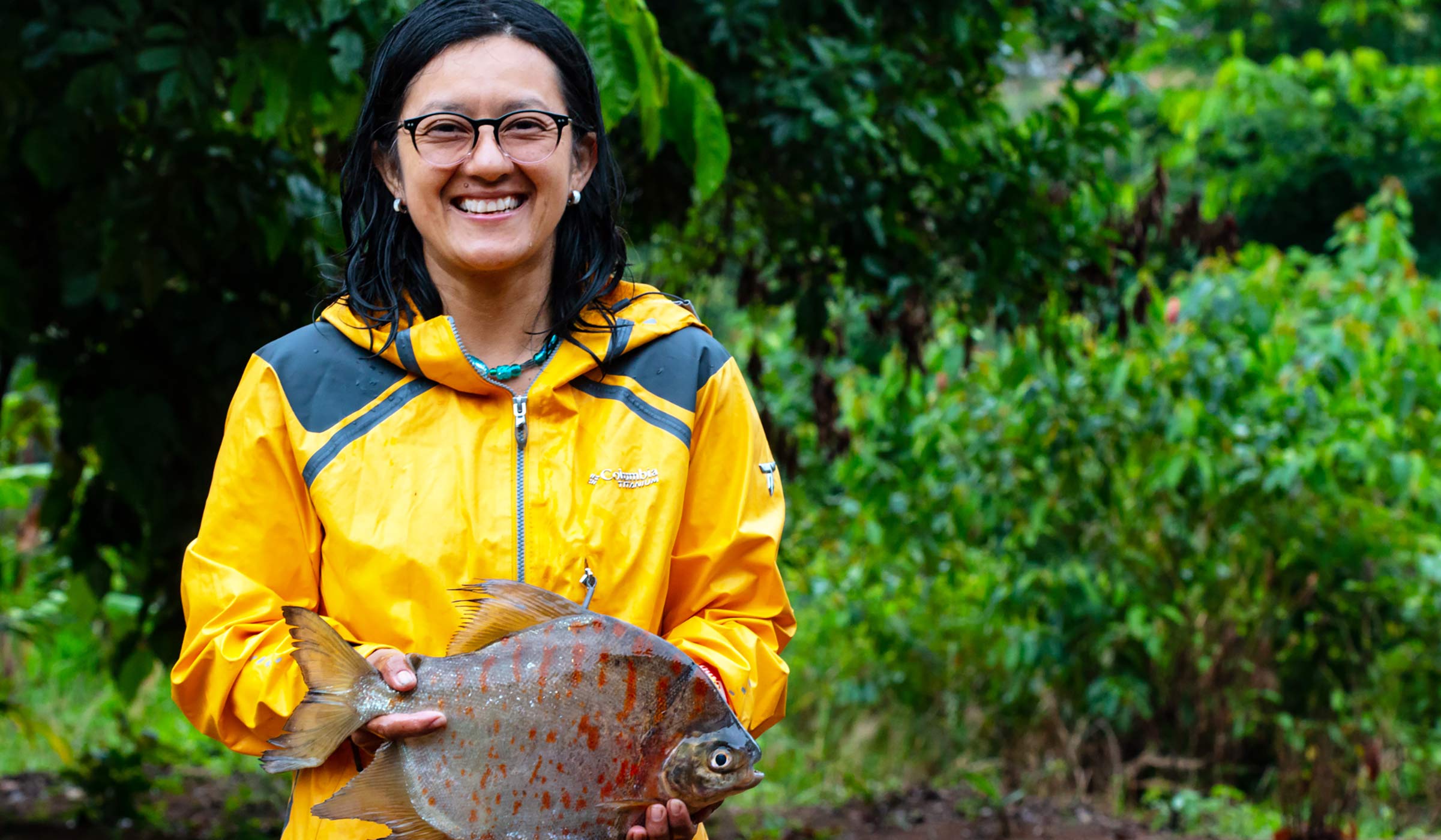
Sandra Correa is an Assistant Professor in the Department of Wildlife, Fisheries and Aquaculture at Mississippi State University, affiliated with the College of Veterinary Medicine's Global Center for Aquatic Health and Food Security. She is a river and aquatic ecologist dedicated to promoting sustainable river ecosystems and improving fisheries management in both local and global contexts. Her research centers on river ecology, aquatic biodiversity, and sustainable fisheries, with a strong emphasis on community-based conservation and food security. She leads a project funded by the Feed the Future Innovation Lab for Fish, focusing on the Sre Ambel River system in Cambodia, where she established a Citizen Science Program to collect critical fisheries data. This initiative supports vulnerable populations by improving nutrition and alleviating poverty through sustainable aquaculture practices. Dr. Correa has developed and teaches a graduate-level course in river ecology, designed to provide a holistic understanding of large river systems. Her work bridges ecological science and human well-being, particularly in communities dependent on river fisheries for food and income. She is passionate about mentoring students, especially first-generation college students, and fostering an inclusive academic environment. She leads research activities under the Feed the Future Innovation Lab for Fish, contributing to global efforts in aquatic health and food security. Her projects integrate field data collection, community engagement, and ecological analysis to support long-term sustainability of river ecosystems. Dr. Correa’s work is primarily conducted through the Global Center for Aquatic Health and Food Security within the College of Veterinary Medicine, where she collaborates on interdisciplinary initiatives aimed at improving aquatic resources and rural livelihoods.
John Archibald is a Professor at the School of Languages, Linguistics and Cultures, University of Victoria, specializing in second and third language phonology. His work bridges phonological theory with empirical studies on multilingual acquisition, focusing on feature mapping, transfer effects, and input processing. PhD, University of Toronto Fellow of the Royal Society of Canada (2020) Research interests include L2/L3 phonology , language learnability , and multilingual mental representation . His theoretical work addresses Plato’s Problem (input poverty), Orwell’s Problem (input resistance), and Escher’s Problem (illusory phonological perception). Recent publications analyze Contrastive Hierarchy applications, pitch accent acquisition , feature dependency , and phonological redeployment . Awards include the Canadian Linguistic Association Lifetime Achievement Award (2021) and SSHRC-funded L3 phonology research . He co-edits Contemporary Linguistic Analysis and teaches courses on linguistics, child language acquisition, and advanced L2/L3 research.
Nancy DeCesare is a Professor of Human Services at Chestnut Hill College, Philadelphia, PA, where she teaches across a wide range of social work and human services courses. She holds a Ph.D. in Clinical Social Work from New York University's Silver School of Social Work, along with advanced degrees in social work and public administration. Ph.D., Clinical Social Work, New York University M.S., Public Administration, New York University M.S.W., Marywood University B.S.W., Marywood University Her research and practice focus on trauma, veterans' mental health, foster care, street children, and grief counseling. She integrates clinical expertise with policy and leadership, emphasizing strengths-based and culturally sensitive approaches. Her work particularly highlights the needs of marginalized youth and military families. The publications and presentations reflect a strong trend in clinical social work, trauma intervention, and advocacy for underserved populations. Topics span veteran PTSD, military sexual trauma, foster care attachment, and cross-cultural grief. Her work consistently bridges academic research with community-based practice. Her scientific honors include: National Jefferson Award for Public Service Excellence Award from U.S. Army: Army One Source Leaders and Legends Award for advocacy for women veterans Healthy Caregiver Community Foundation Humanitarian Award Certified Clinical Trauma Professional (CCTP) Board Certified Diplomate in Clinical Social Work Nancy DeCesare has served as a grant writer, author, and board member for organizations including Marywood University, Friends of the Poor, and the Governor’s Advisory Board for People with Disabilities. She has advised students through fieldwork and capstone courses, though specific names are not listed. Her leadership as former Executive Director of Boys Hope Girls Hope of New York underscores her commitment to youth development and nonprofit management. She is actively involved in multiple professional organizations, including the National Association of Social Workers and the Academy of Certified Social Workers, and is licensed in both New York and Pennsylvania. Her interdisciplinary team collaborations include work with the Soldiers Project PA, Pennsylvania Military and Family Behavioral Health Coalition, and various academic conferences.
Dr. Maria Hebert-Leiter is a Lecturer in the Department of English at Lycoming College. She teaches courses in composition and the survey of early American literature, integrating her research on ethnic representation and diversity into her pedagogy. Education: B.A., Loyola University M.A., University of North Carolina Ph.D., University of North Carolina Her research focuses on American literature, particularly the representation of Cajun identity and Southern culture. She explores how literature reflects and shapes ethnic identity, with special attention to marginalized communities in the U.S. South. Her work bridges literary analysis and cultural history, often incorporating visual sources such as Depression-era photography. Her publications reveal a sustained engagement with Southern literary and cultural studies. Both of her books examine the intersection of literature, regional identity, and historical representation, with a strong emphasis on Louisiana and Acadian heritage. Her scholarship demonstrates interdisciplinary rigor, combining literary criticism with historical and visual analysis. Scientific Awards and Recognitions: NEH Summer Institute on Ernest J. Gaines and the Southern Experience (Guest Scholar, 2016) Dr. Hebert-Leiter actively contributes to academic discourse through her publications and participation in national scholarly programs. Though no formal advisees are listed, her role as a lecturer suggests involvement in mentoring undergraduate students. She has not been noted as leading a lab or research team, but her collaborative work on the FSA photography book indicates experience in interdisciplinary research partnerships.
Professor Jean-Philippe Platteau is a leading expert in Development Economics and Economics of Institutions at the University of Namur. He serves as a co-director for major research projects including Economic Development and Institutions (EDI) funded by DFID and the Gender and Development Project by WIDER. His work intersects with Sub-Saharan Africa and South Korea , focusing on institutional challenges in early development stages. PhD in Economics Research interests include informal credit/insurance markets, collective action problems in natural resource management, food security under market imperfections, social norms in development, formal vs. customary law, gender issues, family economics in poor countries, and the political economy of religion. Recent publications address aid allocation with optimal monitoring (2025), migration impacts on inheritance (2024), and institutional challenges (2023). His academic output spans theoretical models, empirical studies in Bolivia and Benin, and policy analyses. Dudley Seers Prize (1996) Francqui Chair (KUL 1999-2000, ULB 2011-2012) Raymond Barre Chair (Goethe 2018) He supervises major projects on topics like social norms dynamics , land markets , and religious influence on governance . His work contributes to UN Sustainable Development Goals related to poverty reduction and institutional development.
David A. Weisbach is a prominent Professor of Law at the University of Chicago Law School, where he has established himself as a leading scholar in tax law, climate change policy, and fiscal policy. His extensive academic career spans decades with significant contributions to the understanding of carbon taxation, income and consumption taxation, and corporate tax policy. Weisbach's work bridges legal scholarship with economic analysis, making him a respected voice in both academic and policy circles. Weisbach's research interests focus primarily on tax law and climate change policy. His scholarship explores the intersection of environmental policy and fiscal instruments, particularly examining how carbon taxation can be designed effectively within international frameworks. He has made significant contributions to understanding tax avoidance, the integration of tax and spending programs, and the theoretical foundations of optimal taxation. His work often employs economic analysis to address complex legal questions in tax policy, demonstrating how legal rules can be designed to achieve efficient and equitable outcomes. Analysis of Weisbach's recent publications reveals a strong focus on contemporary policy challenges, particularly carbon taxation and climate change mitigation strategies. His work increasingly addresses international dimensions of tax policy, examining how border adjustments and international cooperation can address carbon leakage. The interdisciplinary nature of his research combines legal scholarship with economic modeling and policy analysis, making significant contributions to both academic discourse and practical policy design in taxation and environmental regulation. Weisbach has collaborated extensively with leading scholars across disciplines, including economists and environmental scientists. His work has appeared in top law reviews and interdisciplinary journals, demonstrating the broad impact of his scholarship. While specific grant information isn't detailed in the available materials, his numerous working papers through research institutes like the Coase-Sandor Institute for Law & Economics indicate substantial research support for his work.
Fay Shin is a Professor and Chair in the Department of Teacher Education at California State University, Long Beach, within the College of Education. She plays a leadership role in shaping teacher preparation programs with a strong emphasis on English language development and bilingual education. Her educational background includes: Ph.D. in Education, University of Southern California M.S. in Teaching English as a Second Language, University of Southern California B.A. in Psychology, University of California, Los Angeles Multiple Subject Teaching Credential, California State University, Los Angeles Fay Shin's research focuses on literacy and bilingual education, particularly in the context of science instruction for English language learners. She has developed evidence-based curricula that integrate language development with content standards, influencing classroom practices across the United States. Her work emphasizes free voluntary reading, heritage language development, and equitable access to education for multilingual students. The trends in her publications and presentations reveal a sustained commitment to improving educational outcomes for English learners through integrated content and language instruction, teacher preparation, and policy advocacy. Her work spans curriculum design, pedagogical strategies, and systemic support for bilingual programs. She is an active presenter and keynote speaker at national and international conferences, including TESOL, AERA, and CABE, where she shares insights on effective strategies for second language acquisition and literacy development. Fay Shin mentors future educators through her leadership in teacher education programs and has contributed significantly to professional development across school districts. She has led initiatives such as the Bilingual Teacher Educators Project and conducted workshops on ELD standards implementation. While specific grant details are not listed, her extensive outreach and curriculum development suggest active engagement in funded educational projects. She is involved in various professional communities and collaborates with institutions nationally and internationally, including school districts, universities, and educational associations, to advance bilingual and literacy education.
Rosa Huotari is a Postdoctoral Researcher at the University of Helsinki, working within the Faculty of Theology, specifically in Practical Theology. She holds affiliations with multiple research organizations including the Helsinki Inequality Initiative (INEQ), Helsinki Institute of Sustainability Science, and Helsinki Institute of Urban and Regional Studies (Urbaria). Her work bridges theological inquiry with social issues, particularly focusing on urban contexts and community development. Dr. Huotari's research primarily explores Urban Theology and its applications to contemporary social challenges. Her work centers on social inclusion in faith-based food assistance , examining how religious spaces can become sites of belonging for marginalized communities. She employs ethnographic methods to investigate the intersection of theology, welfare state transformations, and community development, with a particular focus on Finnish contexts. Her research reveals how food assistance programs operated by religious organizations create spaces for commensality (shared meals) that foster social inclusion and spiritual connection among participants. Through her work, Huotari demonstrates how theological concepts like koinonia (Christian fellowship) manifest in practical ways through community food programs. Her scholarly contributions show a consistent trajectory examining how religious spaces negotiate safety, inclusion, and community in urban settings. A significant portion of her work analyzes the impact of the pandemic on marginalized communities and religious social services. Her research reveals complex dynamics between formal welfare systems and faith-based initiatives, highlighting how religious organizations fill gaps while navigating tensions between spiritual mission and social service delivery. These studies contribute to broader conversations about the evolving role of religious institutions in secularizing societies. Sivellin -opinnäytetyöpalkinto (2019) Dr. Huotari actively participates in numerous scholarly activities, including conference presentations at events like the International Society for Empirical Research in Theology and Sosiologipäivät (Sociology Days). Her research is supported by significant projects including the Academy of Finland-funded 'CoCo: Exploring the Contested Constructions of Sense of Safety in Religious Spaces' (2023-2027) and the 'Korona yhteiskunnan marginaaleissa' project (2021-2023) examining low-threshold community responses during the pandemic. Through the Helsinki Inequality Initiative and Helsinki Institute of Urban and Regional Studies, she contributes to interdisciplinary research teams examining how urban spaces can become more inclusive and equitable through theological and social perspectives.
Dr. Kook-Hee Gil is a Reader in Applied Linguistics and Graduate Director of English Language and Linguistics at the School of English , University of Sheffield. She teaches undergraduate courses in Linguistic Theory, Semantics, and Second Language Acquisition, and postgraduate courses including 'Current Issues in Second Language Acquisition' and 'Research Methods' within the MA in Applied Linguistics program. Education: BA in English Literature and Linguistics, Chungnam National University (1993) MSc in Applied Linguistics, University of Edinburgh (1994) MSc in Speech and Language Processing, University of Edinburgh (1995) PhD in Linguistics, University of Edinburgh (2000) with thesis on Korean Long-Distance Anaphora Research Interests: Her work focuses on syntax-semantics interface, second language acquisition of quantifiers, mass/count distinction, and pedagogical applications of generative SLA research. She has led workshops at AAAL (2011), GASLA (2013), and LAGB (2016) on these topics. Publications Trends: Her research spans formal linguistics (e.g., quantification, anaphora) and applied linguistics (e.g., classroom implications, textbook analysis). Key areas include L2 acquisition of English/Korean quantifiers, polarity items, and cross-linguistic semantic variability. Projects: She worked on an AHRC-funded project "Strategies of Quantification" at the University of York (2001-2004) before joining Sheffield.
John Innes is a Professor at the University of British Columbia (UBC) Faculty of Forestry, holding the Forest Renewal BC Chair in Forest Management. He leads the Sustainable Forest Management Research Group, focusing on the application of sustainable forest management principles to real-world contexts, particularly through international criteria and indicators. Department: Forest Resources Management Location: Forest Sciences Centre, Vancouver, BC Contact: john.innes@ubc.ca His research integrates community engagement , indigenous knowledge , and climate change adaptation , with projects examining co-management agreements, climate impacts on northern communities, and sustainable forestry practices in British Columbia and China. He has developed web-based tools for improving forest sustainability indicators (sfindicators.org). Recent research themes include bamboo industry development as a climate solution, watershed governance in Southeast China, and post-pandemic park visitation dynamics. His work spans forest ecology , policy analysis , and ecosystem services . Scientific Awards IUFRO Scientific Achievement Award (1995) Premier’s Award for Innovation (Finalist, 2006) Nobel Peace Prize (IPCC contribution, 2007) International Forestry Achievement Award (2015) He has collaborated on international projects in China, past roles in the UK/Switzerland, and has extensive expertise in forest certification and monitoring systems for adaptive management.
Jeanine Rhemtulla is an Associate Professor in the Department of Forest and Conservation Sciences at the University of British Columbia's Faculty of Forestry. She directs the Landscapes & Livelihoods Lab, focusing on reconciling biodiversity conservation with sustainable livelihoods through spatial analysis of multi-functional landscapes. Applied Conservation Science Ecosystems and Climate Change Human Dimensions of the Environment Her research integrates landscape ecology, historical ecology, and socio-economic factors to address land-use conflicts. Key projects span Canada, Ecuador, and Mexico, examining agroforestry systems, forest restoration, and climate change impacts on ecosystem services. Recent publications analyze: Landscape-scale interactions between natural disturbances and human management Trade-offs in global restoration pledges Geospatial methodologies using machine learning Human dietary dependencies on forest ecosystems Historical institutional legacies in forest landscapes