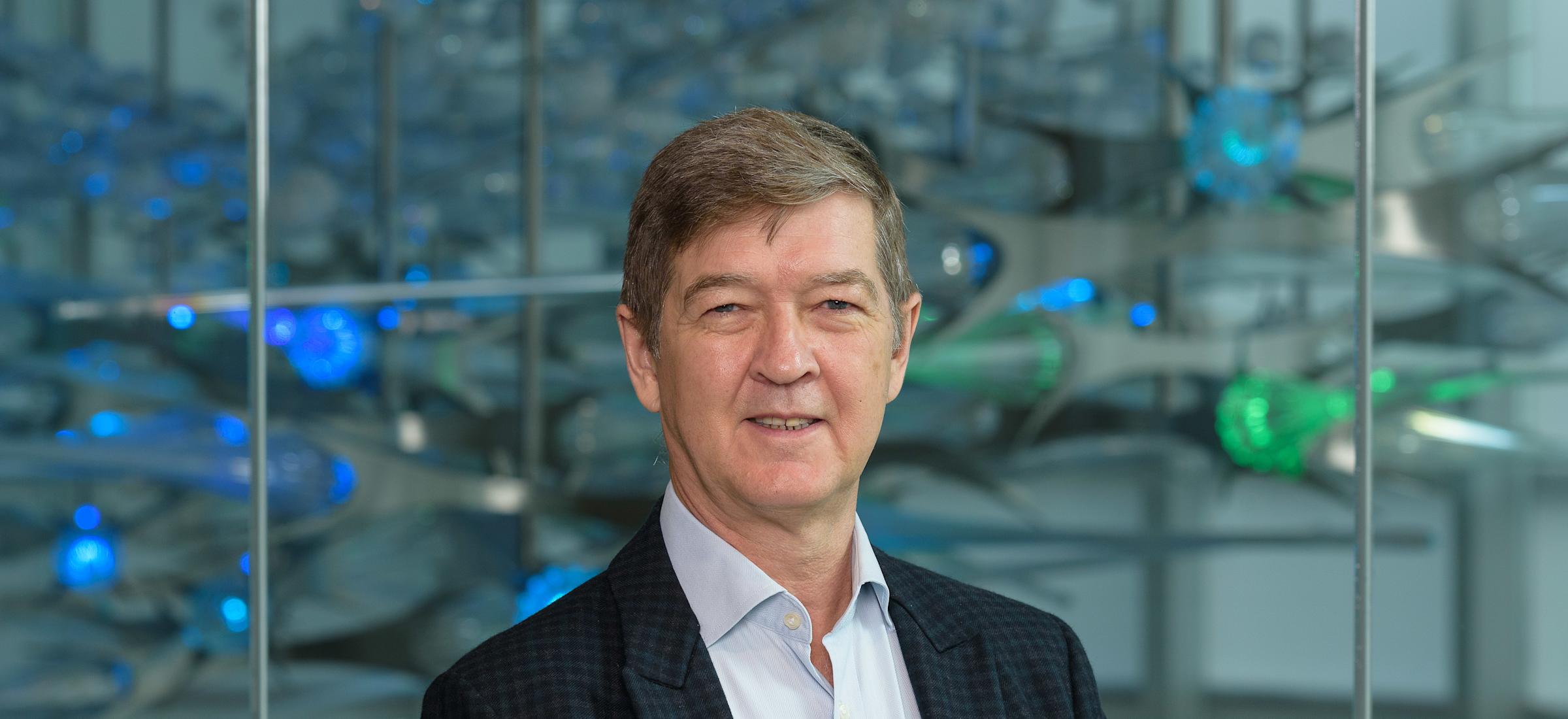
Jaime E. Forero-Romero is an Associate Professor at the Department of Physics , Universidad de los Andes , Bogota, Colombia. His research focuses on computational astrophysics, particularly in galaxy formation and cosmology, with emphasis on Lyman-alpha emission , Local Group , and cosmic web characterization. Education : Ph.D. (2007) from Ecole Normale Superieure de Lyon, France Post-Doc : Leibniz Institute for Astrophysics, Potsdam, Germany (2007-2011) Gruber Fellow : UC Berkeley, USA (2011-2012) Recent publications highlight contributions to the DESI collaboration , with analyses of galaxy clustering, dark energy, and cosmological parameters. He leads the Computational Astrophysics team at Los Andes University, with projects hosted on GitHub . He also promotes open-access computational education through public course materials on GitHub and YouTube (in Spanish). As contact point for the LACEGAL network , he bridges Latin American and European research initiatives in galaxy formation.
Celine SOULAS is an Associate Professor at Burgundy School of Business (BSB), specializing in Economics and Social Sciences. Her research focuses on Finance, Corporate Governance, Corporate Social Responsibility (CSR), and health biotechnology. Department: Economics and Social Sciences Email: celine.soulas@bsb-education.com Research Interests: Celine investigates crowdfunding dynamics, pharmaceutical industry strategies, and the intersection of CSR and economic policy. Her work analyzes investor behavior, digital platforms, and innovation in healthcare financing. Recent Publications (2020-2025): Her studies explore equity crowdfunding's underutilized potential, fiscal stimulus effects, and refugee integration programs in business education. Earlier works examine Roche's R&D models (2013), open innovation in pharmaceuticals (2009), and biotech financing challenges (2007). Practical Engagement: She actively contributes to public discourse through The Conversation, Le Monde, and La Tribune, addressing topics like monetary policy, economic recovery, and social innovation.
François Langot is a lecturer-researcher in economics at the University of Le Mans and serves as deputy director of the Institute of Risk and Insurance. He also directs the Macro Observatory of CEPREMAP (Centre for Economic Research and its Applications) and is affiliated with the GAINS Economic Research Laboratory. His academic career spans several decades with a focus on economic policy analysis. Langot's research interests center on pension systems and reforms, having worked on these issues since 1998. He specializes in analyzing the economic sustainability of social protection systems, technological disruptions in the labor market, and inequality dynamics. His work examines the gap between perceived and actual economic inequalities in France compared to other countries like the United States. More recently, he has expanded his research to include environmental policy economics and public understanding of ecological issues. As an active contributor to policy debates, Langot has analyzed major pension reforms in France, including the 2023 reform under Elisabeth Borne's government. His research demonstrates how demographic changes necessitate adjustments to retirement systems, with pension spending potentially reaching 20% of GDP without reforms while contribution revenue would not exceed 11% of GDP. Langot is known for his data-driven approach to economic policy, often challenging popular perceptions with empirical evidence. Despite facing resistance when his findings contradict popular opinions, he maintains his commitment to expressing research-based perspectives regardless of political correctness.
Dariusz Filip is an Assistant Professor at the Faculty of Social and Economic Sciences, Cardinal Stefan Wyszyński University in Warsaw (UKSW), specializing in economics and finance with a particular focus on investment fund markets in Central and Eastern Europe. His academic profile demonstrates extensive research in mutual fund performance, risk analysis, and market dynamics, with significant contributions to understanding the Polish investment fund industry. Dr. Filip's research interests encompass multiple interconnected domains: Mutual fund performance persistence and mobility measures Relationship between fund attributes (size, expense ratios, management structures) and investment outcomes Managerial factors influencing risk and returns, including gender and professional credentials Market concentration analysis in investment fund industries Impact of digital technologies on financial institutions Macroeconomic stability factors in transition economies His publication record shows a clear evolution from focused studies on Polish mutual funds toward broader comparative analyses across Central and Eastern European markets and more sophisticated methodological approaches. Recent work incorporates machine learning techniques like Random Forest in economic modeling, while maintaining strong empirical grounding in fund industry dynamics. His research consistently bridges theoretical economic principles with practical market observations, particularly regarding how organizational factors influence financial performance in emerging markets. Dr. Filip has published 31 scholarly works with an h-index of 3 in both Scopus and Web of Science, reflecting his contributions to finance research. His work has earned a total ministerial score of 709 in Poland's academic evaluation system, with a Total SNIP of 3.775 indicating substantial impact within his field. As an active educator, Dr. Filip maintains regular consultation hours for students on Fridays from 8:15-9:45 in room 411, following prior email contact. His ongoing research continues to provide valuable insights into financial market dynamics in emerging European economies, with potential implications for regulatory frameworks, investment strategies, and financial institution management.
Andrew S. Nevin, PhD, is a Research Professor and Inaugural Director of the Brainomics Venture at the Center for BrainHealth and The University of Texas at Dallas. His work focuses on integrating neuroscience and economics to enhance human potential and economic outcomes. He previously spent 15 years in Nigeria as a nation-builder, serving as Chief Economist at PwC Nigeria and advocating for policy reforms through NGOs. Dr. Nevin holds a PhD in Economics from Harvard University, an MA in Philosophy/Politics from Oxford as a Rhodes Scholar, and a BSc in Computer Science/Mathematics from Western University. His research emphasizes redefining economic success beyond GDP, advocating for human flourishing metrics and brain capital investment. Notable contributions include co-authoring Flourishing in Canada and developing frameworks for measuring societal well-being through brain health. He has held diverse roles across academia, finance, and public policy. Dr. Nevin’s speaking engagements and TEDx talks address global economic crises, brain capital theory, and interdisciplinary solutions for societal challenges. His work with the Program for Human Flourishing at Harvard highlights policy shifts toward dignity-centered education and governance.
Franz Staberhofer is a Professor at the LOGISTIKUM Center of Excellence Logistics within Steyr University of Applied Sciences. His work focuses on integrating advanced technologies and systemic approaches into logistics and supply chain management. Staberhofer's research spans Supply Chain Management , Complex Systems Perspective , and Logistics Infrastructure . He explores how regional logistics systems impact economic outcomes and how emerging technologies like IoT can optimize supply chains. Recent publications highlight his interest in Internet of Things , Regional GDP , and Systemic Risk Analysis , reflecting trends in leveraging data-driven solutions for logistics challenges. His work often bridges theoretical insights with practical applications in Austria. He actively collaborates with institutions and co-authors, participating in projects like Agilität in der Lieferkette and presenting at symposia such as the Academic Research Symposium and OR News conferences.
Dr. Guanxiao Qi is a researcher at the Institute of Neuroscience and Medicine (INM) and the JARA Institute Brain structure-function relationships (INM-10) at the Research Center Jülich GmbH , Germany. His research focuses on understanding the structure, function, and neuromodulation of brain microcircuits, particularly in cortical layers 4, 6A, and 6B. He employs experimental techniques like paired patch-clamp recordings and computational modeling to study synaptic connectivity, neuromodulatory effects (e.g., acetylcholine, norepinephrine), and the dynamics of neuronal populations. Key areas of investigation include the role of FOXP2 in corticothalamic neurons, nicotinic receptor dysfunction in cortical layers, and the modulation of synaptic transmission by adenosine and cholinergic systems. His work bridges experimental data with algorithmic tools for network analysis, such as the Density visualization pipeline . Dr. Qi’s contributions span from basic neurophysiology to translational studies, addressing questions in systems neuroscience and computational biology. His recent publications (2022–2025) highlight advancements in layered microcircuit models, cell-type-specific neuromodulation, and the functional implications of synaptic plasticity. Collaborations within JARA and the Helmholtz Association position him at the forefront of integrative neuroscience research.
Paolo Liberati is a Full Professor of Public Finance at Roma Tre University, Italy, and a Clare Hall Life Member (Cambridge), with affiliations spanning academic, research, and policy domains. His expertise bridges Taxation , Fiscal Federalism , Welfare State dynamics, and Economic Inequality . As Director of the Research Centre in Economics and Public Finance (CEFIP), he integrates empirical and theoretical work in Public Policy Analysis , Health Economics , and Applied Econometrics . His research emphasizes fiscal cyclicality , tax equity , and regional disparities , particularly in the European Union. Recent articles analyze the pro-cyclicality of EU tax revenues, multidimensional poverty metrics, and tobacco taxation reforms. Collaborative projects with Giovanni Carnazza, Federica Lanterna, and others explore sovereign bond markets , health mobility , and educational outcomes using PISA data. Earlier work critiques Italy's IRPEF progressivity and proposes VAT reforms . While no explicit awards or grants are listed, his contributions to fiscal policy , technology transfer models , and health inequality demonstrate broad policy relevance. Affiliations include the Department of Economics at Roma Tre University, Clare Hall (Cambridge), and advisory roles in Italian fiscal legislation.
Anna Tedeschi is a Senior Researcher at the Institute of Biosciences and BioResources (IBBR) of the National Research Council of Italy (CNR), based at the Portici Division. Her research focuses on agricultural sustainability, particularly addressing challenges related to water management and soil salinity in crop production systems. Dr. Tedeschi's educational background includes: Ph.D. in Crop Science from the University of Naples (1996) Master of Science in Agricultural Sciences from the University of Naples (1992) Post-doctorate fellowship at the Department of Agronomy, University of Naples (1999-2001) Research fellowship at The Hydrology Institute Wallingford-Oxfordshire-UK and The Winand Staring Centre for Integrated Land, Soil and Water Research (1996-1997) Dr. Tedeschi's primary research interests center on understanding and mitigating the effects of salinity and drought stress on crop production. Her work examines plant adaptation mechanisms to saline and water-deficient conditions, with particular focus on how these stresses affect crop quality and yield. She has conducted extensive field studies in Spain, China, and Italy, investigating how controlled soil moisture and salinity can optimize plant conditions while conserving water resources. In recent years, her research has expanded to include precision irrigation management, plant growth-promoting bacteria (PGPB), arbuscular mycorrhizal fungi (AMF), and hemp cultivation under various stress conditions. Her work on melon and tomato crops has demonstrated that certain quality characteristics, such as sugar content and preservability, can actually improve under saline irrigation conditions, offering potential economic benefits. Analysis of Dr. Tedeschi's recent publications reveals a strong focus on sustainable agricultural practices in saline and water-limited environments. Her research spans multiple disciplines including soil science, plant physiology, precision agriculture, and microbiome studies. A notable trend in her work is the integration of traditional agricultural knowledge with modern technologies like hyperspectral imaging for drought stress detection. She has made significant contributions to understanding plant-microbe interactions under stress conditions, particularly regarding mycorrhizal fungi in saline environments. Her research increasingly addresses climate change adaptation strategies for Mediterranean agriculture, with special attention to water conservation and alternative crop systems like industrial hemp. Dr. Tedeschi has been involved in numerous significant research projects: Visiting Scientist at CAS-CAREERI (2005-2007, 2008-2010, 2011-2013) working on "Irrigation using saline water: contribution to increase productivity and yield quality of traditional crops in Chinese N.W. oases" Visiting Scientist at CAS NIEER (2014-2016) working on "Reclamation of saline lands with halophytes in Arid Oases, Northwest China" SEGIS-Decision Support System for the Irrigation Management in Greenhouse (2015) Holistic valuation of hemp farming beyond monetary benefits (2018-2021) PROHEMPIL project for the holistic revaluation of hemp beyond GDP Dr. Tedeschi collaborates extensively with international researchers, particularly with Chinese institutions through the CNR/CAS cooperation agreement. Her work often involves field studies in challenging environments, including arid oases in Northwest China. She is part of research teams investigating soil-water-plant relationships and developing precision agriculture technologies. Her recent work with smart probes for soil moisture monitoring represents an important contribution to water use efficiency in agriculture.
Murat Doral is a Senior Lecturer in the Department of Economics, Finance & Quantitative Analysis at Kennesaw State University. He specializes in macroeconomics, microeconomics, and global economics, with a focus on industrialization, tourism development, and emerging market economies. Research Interests span macroeconomic policy, cultural economics, and industrial finance, particularly in Korean and Turkish contexts. His work explores globalization's economic impacts and cross-cultural integration. Recent Publications include studies on tourism in Georgia, Korean chaebols, Turkey's economic potential, and South Korea's industrialization trajectory.
Athanasios Vamvakidis is a Visiting Professor at Northumbria University and currently serves as Managing Director and Global Head of Foreign Exchange Strategy at Bank of America Merrill Lynch. He has held this role since 2010 and is consistently ranked among the top FX strategists globally. Previously, he spent 13 years at the International Monetary Fund (IMF), where he contributed to critical initiatives such as the IMF-FSB Early Warning Exercise and held senior roles across European, Asian, and Pacific departments. He holds a Ph.D. in Economics from Harvard University, along with an M.A. and B.A. in Economics from Harvard and the University of Macedonia, respectively. His research focuses on international economics, macroeconomics, and financial strategy, with over 15 publications in leading academic journals. Notable works include analyses of currency mismatch in emerging markets, China’s economic spillovers, and South Africa’s regional growth implications. His awards include top rankings in the Institutional Investor Survey for FX strategy in Europe and the U.S. His work is frequently cited in major media outlets like the Wall Street Journal and Financial Times, and he is a regular commentator on global economic issues for networks such as CNN, BBC, and Bloomberg. Education: Ph.D. in Economics, Harvard University M.A. in Economics, Harvard University B.A. (Hons) Economics, University of Macedonia His research interests span international financial markets, macroeconomic policy, and emerging economies. He has advised on policy frameworks for institutions such as the IMF and has contributed to understanding systemic risks and growth dynamics in transitional and emerging economies.
Dr. Anselm Schneider is an Associate Professor at Stockholm Business School, Stockholm University, where he serves in the Department of Business Administration. His academic credentials include a Master's degree in Economics from Freie Universität Berlin (2006) and a PhD in Business Administration from the University of Zurich (2014). Prior to joining Stockholm University, he was a researcher in corporate sustainability at the University of Zurich and a doctoral fellow at the Swiss National Center of Excellence in Research. Schneider's research focuses on the intersection of organization theory and political science, examining how businesses influence society and the environment, and how these impacts feedback into organizational structures. Key research areas include global governance, sustainable development, corporate social responsibility, corporate control mechanisms (regulation, governance, democratic decision-making), and the sustainability potential of craft industries. From 2023-2026, he co-leads a Handelsbanken Research Foundation project exploring craft's role in sustainable development. His publication portfolio demonstrates consistent focus on systemic business-society relationships, with recent works emphasizing: Ethical frameworks for Earth system justice Grand challenges in business research Craft industries' transformative potential Pathologies of CSR systems Organizational responses to complexity Schneider received recognition as a finalist for the Journal of Management Studies Best Paper Award (2017). He currently co-directs two bachelor's programmes: International Business and Politics (IBP) and Business, Ethics and Sustainability (BES). His teaching covers business & society and organization theory at undergraduate and graduate levels, including course leadership for 'Business and Society' (Master's), 'Business, Politics and Culture' and 'Principles of Management' (Bachelor's). He regularly supervises theses and advises students.
Natalia Mikhailovna Makeeva serves as a Lecturer and postgraduate student at the Faculty of Economic Sciences, Department of Applied Economics at the National Research University Higher School of Economics (HSE). She also holds the position of Junior Research Fellow at the Scientific and Educational Laboratory of Macroeconomic Modeling of the Russian Economy. Starting her work at HSE in 2017, she has developed expertise in economic modeling and forecasting while simultaneously working as Head of the Technologies Block in Corporate and Investment Business at Sberbank since December 2023. Her educational background includes: Master's degree in Economics (2022) from HSE Bachelor's degree in Economics (2020) from HSE Currently in her 3rd year of postgraduate studies with dissertation topic: "Sciencecasting and short-term forecasting of a developing economy under conditions of uncertainty" supervised by Ivan Pavlovich Stankevich Makeeva specializes in nowcasting and mathematical modeling of economic processes, with particular focus on Russian macroeconomic indicators. Her work combines theoretical economic modeling with practical applications, especially in GDP forecasting under uncertainty. She has developed expertise in MIDAS models, regularized models, and Markov-switching approaches for economic forecasting, with recent research emphasizing the integration of news background analysis to improve forecast accuracy during periods of economic instability. Her research output shows a clear progression from foundational GDP usage modeling toward more sophisticated approaches that incorporate uncertainty and news analysis. Three recent publications demonstrate her focus on improving Russian economic indicator forecasting, with particular attention to how news background can enhance GDP projections during unstable periods (showing improvement in 45% of cases). Her scientific recognition includes: Best Teacher award for 2023-2025 Makeeva actively contributes to academic discourse through conference presentations at major events including the XXIV Yasinskaya International Conference and the Fifth Russian Economic Congress. She teaches advanced econometrics courses at HSE, focusing on practical applications in environmental economics and macroeconomic modeling. Her research responsibilities include participation in research seminars, preparation of statistical reports, data visualization, and model development. She works within the Scientific and Educational Laboratory of Macroeconomic Modeling of the Russian Economy, where she contributes to research projects examining institutional and technological changes in the Russian economy, sectoral and territorial heterogeneity, and potential structural growth sources. Her current research focuses on developing dynamic model toolkits to reflect institutional and technological changes in the Russian economy.
Daniel Buncic is Professor of Finance at Stockholm Business School, Stockholm University, specializing in empirical finance, macroeconomics, and econometrics. He holds a Ph.D. in Economics from the University of New South Wales and has held positions at Sveriges Riksbank and the University of St. Gallen. His research integrates machine learning with traditional econometric methods for financial forecasting and policy analysis. Research Focus: Buncic's work spans asset pricing, volatility forecasting, exchange rate dynamics, and macroprudential policy. He employs advanced techniques like Bayesian econometrics, nonlinear time-series models, and high-dimensional data analysis to address questions in financial stability and market predictability. His recent work critiques methodological approaches in natural rate estimation and equity return prediction. Publication Trends: His articles frequently address econometric methodology, financial market volatility, and monetary policy transmission, with a growing emphasis on machine learning applications in finance. Common themes include forecasting under structural breaks, model robustness, and cross-market interdependencies. Grants & Advising: He secured a 1.74M SEK grant (2020-2023) from the Jan Wallander & Tom Hedelius Foundation. Currently advising PhD student Qinglin Ouyang, he previously directed Stockholm University's Master’s in Banking and Finance program (2019-2022).
Fabio Fernando Moscoso is a Lecturer and Research Group Director at EAN University in Bogotá, Colombia, specializing in international economics and business. He has been affiliated with EAN University since 2009, where he serves as a full-time lecturer in the post-graduate department and editor for Ploutos journal established in 2011. Prior to this position, he taught at multiple Colombian universities including Universidad Externado de Colombia, Universidad Jorge Tadeo Lozano, Universidad de la Sabana, and Pontificia Universidad Javeriana between 2004 and 2009. Dr. Moscoso holds a PhD in International Economics from the University of Fribourg, Switzerland (1998-2003), a Post-graduate Diploma in International Trade and Sustainable Development from the University of Geneva (2000-2001), and a Bachelor of Commerce in Economics from Universidad Piloto de Colombia (1992-1997). His research focuses on international trade, economic competitiveness, cultural industries, and small business development, with particular emphasis on Colombia's integration into global markets. His recent publications demonstrate a shift toward analyzing the economic and social impact of cultural festivals in Colombia, using ethnographic methodologies and social heuristics perspectives. He has also published extensively on trade agreements, regional competitiveness measurement, and the challenges faced by microenterprises in Colombia. His 2015 research on institutional barriers in Colombia's biotechnology sector highlights regulatory frameworks as significant obstacles to R&D activities. As Director of the Economic Environment Research Group, Moscoso leads research that bridges academic inquiry with practical economic policy considerations. His work often involves collaboration with Colombian government entities, including partnerships with the Ministry of Culture on festival impact studies. His multilingual capabilities (Spanish native, French and English C1, Italian B1) support his international research perspective.