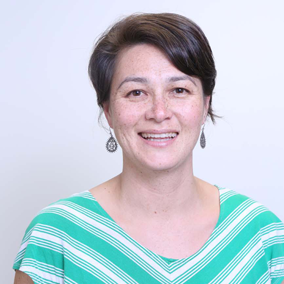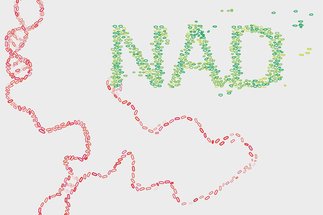
Prof. Dr. Katharina Höfer is a Max Planck Research Group Leader at the Max Planck Institute for Terrestrial Microbiology in Marburg, Germany, where she heads the Research Group for Bacterial Epitranscriptomics. She is affiliated with SYNMIKRO, the Center for Synthetic Microbiology, a collaborative research center between the Max Planck Institute and Philipps-Universität Marburg. Her work bridges molecular biology, biochemistry, and microbiology to unravel the complex world of RNA modifications in bacteria. Dr. Höfer completed her academic journey with a Bachelor of Science from the University of Hannover in 2008, followed by a Master of Science in Molecular Biotechnology from Heidelberg University in 2011. She earned her Dr. rer. nat. from Heidelberg University's Institute of Pharmacy and Molecular Biotechnology in 2017, and continued as a Postdoctoral Researcher there until 2020. Dr. Höfer's research focuses on bacterial epitranscriptomics, particularly the study of NAD-capped RNAs in bacteria using Escherichia coli as a model organism. Her lab investigates how RNA modifications serve as epitranscriptomic mechanisms for gene regulation, exploring the connections between redox biology, gene expression, and regulation. By combining cell biological, biochemical, structural, chemical, and bioinformatic approaches, her team uncovers novel insights into RNA modifications and their functional implications in bacterial systems. Her recent work has expanded into bacteriophage research, examining the enigmatic epitranscriptome of phages and how viral infections alter host RNA modification landscapes. This interdisciplinary approach has positioned her at the forefront of understanding RNA-protein interactions, particularly through discoveries related to RNAylation - the conjugation of RNAs to proteins. The analysis of her recent publications reveals a strong focus on viral ADP-ribosyltransferases, phage engineering, and the functional consequences of RNA modifications during host-pathogen interactions. Dr. Höfer's scientific achievements have been recognized with several prestigious awards, including: ERC Starter Grant (2023) EMBO Young Investigator (2024) Otto Meyerhof Award from the German Society for Biochemistry & Molecular Biology (GBM) (2024) LOEWE Spitzenprofessur from Philipps-Universität Marburg (2024) As an advisor, Dr. Höfer has supervised numerous Master's and Bachelor's students, guiding research on topics ranging from phage infection mechanisms to RNA modifications and protein-RNA conjugation. Her group has received significant funding, most notably the ERC Starter Grant, which supports innovative research at the intersection of RNA biology and microbial systems. She maintains collaborative relationships with researchers across multiple institutions, as evidenced by her diverse publication record. The Höfer Lab, located at the Max Planck Institute for Terrestrial Microbiology, consists of a diverse team of doctoral researchers, technical assistants, guest scientists, and students. Current members include Elyés Gaaloul, Lydia Garrido Garcia-Dorado, Kitty Johnson, Helene Keuthen, Moritz Weber, Nurseda Yilmaz Demirel, Petra Mann (Technical Assistant), and several others. This collaborative environment fosters interdisciplinary research that combines molecular biology, biochemistry, and computational approaches to tackle fundamental questions in RNA biology.