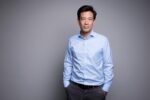
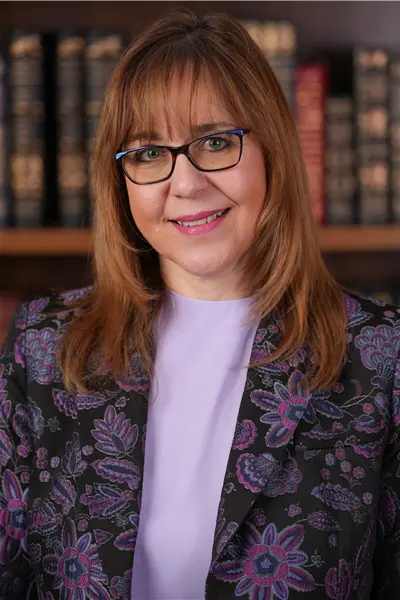
Waaqo Daddacha is an Assistant Professor at the Medical College of Georgia, affiliated with the Department of Biochemistry and Molecular Biology. His research focuses on molecular mechanisms of DNA repair, cancer therapeutics, and gene therapy applications in glioblastoma treatment. He teaches graduate-level courses including Cur Topics & Tech in MB, Integrative Science, and Elements of Scientific Pres. Education: Ph.D. in Microbiology and Immunology, University of Rochester (2014) MS in Microbiology and Immunology, University of Rochester (2012) Research Interests: Dr. Daddacha investigates the role of SAMHD1 and SIRT proteins in DNA repair pathways, their implications in cancer drug resistance, and the development of viral vector-based gene therapies for refractory glioblastoma. His work bridges molecular biology and clinical oncology. Scientific Awards: Outstanding Young Basic Scientist Faculty Award, Medical College of Georgia (2020) Service: Dr. Daddacha serves on the Instrument Committee (2019-2020) and the MCG Research Strategic Plan Work Group (2021-Present). He is an ad hoc reviewer for the Journal of Visualized Experiment (2021-Present).
Dr. Jose Barrero Sanchez is a Principal Research Scientist and Team Leader at the Commonwealth Scientific and Industrial Research Organisation (CSIRO) , where he leads the Legume Engineering Team within the Pests and Diseases Group. His research focuses on developing genetically modified cowpea varieties with traits like insect resistance (Cry1Ab protein) and enhanced photosynthetic capacity through projects such as the USAID Pod-Borer Resistant Cowpea Project and RIPE Project . His work has been recognized with awards including the 2023 CSIRO Chair’s Medal for Science and Engineering Excellence . Education Bachelor in Environmental and Marine Biology, University of Alicante (2000) PhD in Plant Genetics, Miguel Hernandez University (2005) Research Themes Seed dormancy and germination mechanisms in cereals Genetic engineering for climate-resilient crops ABA and jasmonate signaling pathways in plant stress response High-throughput screening for crop yield optimization Leadership & Collaborations Regional representative, International Seed Science Society (2014–present) CSIRO representative, International Wheat Genome Sequencing Consortium (2015–2017) Scientific Awards 2023 Chair’s Medal for Science and Engineering Excellence 2019 Julius Career Award 2018 Director’s Award: Breakthrough Innovation 2015 Director’s Award: Breakthrough Innovation 2011 ACORN Project Award
Dr. Diana Barko is Chair of the Department of Chemistry and Professor of Chemistry at Baldwin Wallace University, specializing in biochemistry and enzymology. Her research focuses on enzyme function and characterization, particularly in protein degradation and nucleic acid metabolism. Her laboratory investigates citrullination—a post-translational modification catalyzed by peptidyl arginine deiminase (PAD)—and collaborates with Dr. Raymond Shively on G-quadruplex stabilizing molecules for cancer therapy. These projects are funded by the Myeloma Foundation in Solon, Ohio. Students in her lab develop enzymatic assays to study reaction pathways and contribute to national conferences. Barko earned her Ph.D. in Chemistry from Case Western Reserve University, where her dissertation characterized lon protease kinetics. Prior to joining Baldwin Wallace in 2007, she completed a postdoctoral fellowship in pharmacology at Case Western Reserve, researching non-natural nucleoside analogs for cancer treatments. Teaching: Chemistry I and II Organic Chemistry Biochemistry Scientific Awards: No scientific awards mentioned in the provided texts. Advising and Grants: Barko mentors undergraduate researchers, emphasizing training in experimental design and data analysis. Her work is funded by the Myeloma Foundation.
Maik Huettemann is a Professor at Wayne State University School of Medicine, holding joint appointments in the Department of Molecular Medicine and Genetics and the Department of Biochemistry, Microbiology, and Immunology. He serves as Division Director for Research and has been recognized with the Board of Governors’ Faculty Recognition Award for his scholarly contributions. Education: Ph.D., Philipps University of Marburg, Germany (1999) Dr. Huettemann leads research on mitochondrial oxidative phosphorylation machinery, focusing on cytochrome c and cytochrome c oxidase (COX). His work explores: Phosphorylation/acetylation of mitochondrial proteins Ischemia-reperfusion injury in heart/brain Cancer metabolism and apoptosis evasion Non-invasive near-infrared light modulation of mitochondrial function Regulation of COX subunit isoforms His team discovered infrared light wavelengths that reversibly control COX activity, with clinical trial readiness for stroke treatment. Research applications span diabetes, neurodegeneration, and metabolic cancers. Scientific Awards: Board of Governors’ Faculty Recognition Award Gary A. Dudley Memorial Paper Designation Dr. Huettemann's grants include a $1.4M Department of Defense award for prostate cancer research. He accepts M.S. students but not new Ph.D. candidates. His lab develops novel mitochondrial therapeutics through biochemical and genetic approaches.
Dr. Helen Foster is a researcher affiliated with the University of Hertfordshire , working within the School of Life and Medical Sciences and the Department of Clinical, Pharmaceutical and Biological Science . Her research focuses on genome organization, cellular aging, MTOR signaling, and endocrine-disrupting chemicals. Education : PhD in Genome Organisation (Brunel University, 2005), PGCert in Learning and Teaching in Higher Education (Brunel University, 2010) Helen employs techniques like fluorescence in situ hybridization (FISH) to study chromatin structure and nuclear architecture. Her work spans developmental biology, aging, and disease mechanisms, including studies on ovarian cancer and space radiation effects. Recent research highlights trends in microplastics in personal care products, autophagy inhibition under space conditions, and chromosome positioning in disease contexts. She collaborates internationally and contributes to open-access publications. Research Outputs : Over 24 publications, including articles on porcine development, mTOR signaling in pregnancy, and nuclear lamins in chromatin regulation.
Julien Duxin is an Associate Professor and group leader at the Novo Nordisk Foundation Center for Protein Research (CPR), affiliated with the Faculty of Health and Medical Sciences at the University of Copenhagen, Denmark. He previously worked at Harvard Medical School (2012–2016) under Johannes C. Walter. Education: PhD in Biochemistry (2005–2011) from Washington University in St. Louis, advised by Sheila Stewart, and a BSc in Chemistry (2000–2004) from Missouri State University. His research focuses on genome maintenance and DNA repair , particularly mechanisms of DNA-protein crosslink (DPC) repair induced by chemotherapeutic agents. His lab developed the first in vitro system for DPC repair (2014) and investigates how repair processes integrate with DNA replication. Key collaborations involve proteins like SPRTN, RFWD3, and the proteasome. His publications (2012–2021) explore ubiquitin signaling , translesion synthesis , and replication-coupled proteolysis in DNA repair, with implications for cancer therapy. The lab's work bridges biochemistry , molecular biology , and clinical oncology , targeting novel chemotherapeutic strategies.
Niels Mailand is a Professor and Group Leader at the Novo Nordisk Foundation Center for Protein Research, University of Copenhagen, specializing in ubiquitin and ubiquitin-like modifier signaling in genome stability. His work bridges cell biology, biochemistry, and proteomics to unravel mechanisms behind DNA damage responses and replication stress. Key Positions: 2009–Present: Professor and Group Leader at University of Copenhagen; 2005–2009: Senior Scientist at Danish Cancer Society; 2004–2005: Postdoctoral Fellow at Cancer Research UK Education: PhD (2003, University of Copenhagen); MSc in Biochemistry (1999, University of Copenhagen) Mailand's research focuses on post-translational modifications, particularly ubiquitin and SUMO pathways, to safeguard genome integrity in human cells. His group's work has identified novel proteins involved in DNA repair and elucidated the role of ubiquitin chain types in cellular responses. Recent publications highlight his exploration of understudied ubiquitin chains (K29, K27), ubiquitin-SUMO crosstalk in DNA repair, and stress response pathways. His 2025 Molecular Cell study on CRAMP1 demonstrates histone H1 biogenesis in topoisomerase II tolerance, while 2024 works probe SUMO-targeted ubiquitin ligases and epigenome regulation via SUV39H1. Scientific Awards: Silver Medal, Royal Danish Academy of Sciences and Letters (2013) EMBO Young Investigator (2013) Hardiman-Redon Prize (2005) Young Elite Researcher Award (2008) Collaborations: Extensive international partnerships in proteomics, DNA repair, and ubiquitin signaling.
Nuria Martínez Sáez is a researcher at the University of Navarra , affiliated with the Faculty of Pharmacy and Nutrition and the Cancer Center Clínica Universidad de Navarra (CCUN) . Her academic work focuses on Pharmaceutical Sciences and Biochemistry , particularly in the design of mucin-based cancer vaccines and protein modification techniques . Current position: Researcher Department: Pharmaceutical Sciences Research group: Selenium derivatives for cancer, trypanosomes, and other pathologies Her research explores innovative approaches to enhance protein stability and activity through chemical modifications, with significant contributions to understanding glycosylation patterns in cancer antigens. Recent publications highlight her work on oxetane grafts , isobutylene stapling , and lectin recognition of glycopeptides , demonstrating expertise in organic synthesis and molecular immunology. Her doctoral thesis at the Universidad de La Rioja (2013) investigated rational design of mucin derivatives as cancer vaccines, supervised by Dr. Jesús Manuel Peregrina García and Dr. Francisco Corzana López. She actively develops methodologies for site-selective protein modifications that impact drug delivery and biopharmaceutical applications.
Minjoung Kyoung is an Associate Professor in the Department of Chemistry & Biochemistry at the University of Maryland, Baltimore County (UMBC), where she leads interdisciplinary research at the chemistry-biology-physics interface. Her work focuses on developing advanced bioanalytical tools to study 4D (spatiotemporal) interactions between signaling and metabolic pathways in cancer cells, including Advanced nano-reaction chambers for transient protein-protein interactions Super-resolution imaging techniques for live-cell biological networks . Her research has been recognized through grants such as the NIGMS R01 Award (2019) and prior fellowships including the Dalalian Fellowship and SPIE Research Excellence Travel Award . She trains students in cutting-edge microscopy, nano-fabrication, and biomolecular interaction analysis, with former advisees like PhD candidate Erin Kennedy and graduate student Tao Zhang . Her publications, including in eLife and Nature Protocols , highlight mechanistic insights into calcium-triggered fusion, neurodegenerative protein interactions, and metabolic enzyme clustering. Recent projects aim to construct the first 4D map of cellular metabolic networks, bridging optical and biochemical approaches to anticipate disease mechanisms.
Dr. Joo Youn Park serves as a Research Assistant Professor in the Department of Basic Sciences at Mississippi State University's College of Veterinary Medicine (MSU-CVM), where she has been a faculty member since 2018 after joining as a Research Associate in 2011. Her dual expertise in veterinary medicine and microbiology drives interdisciplinary research at the intersection of infectious disease and biomedical innovation. Her educational journey includes: M.S. and D.V.M. from Seoul National University, Seoul, Korea Ph.D. in Microbiology and Immunology from Washington State University (2009) Post-doctoral training at the University of Idaho Dr. Park's research centers on Staphylococcus aureus pathogenesis mechanisms and vaccine development , with significant contributions to osteomyelitis modeling , bacteriophage therapy , and CRISPR-Cas9 applications against antibiotic-resistant infections. Her work bridges molecular microbiology, immunology, and translational veterinary medicine through advanced in vivo models and novel antimicrobial strategies. Analysis of her 11 publications (2015-2021) reveals consistent focus on bacterial virulence mechanisms and therapeutic innovation , evolving from foundational studies on carbohydrate-virulence relationships to cutting-edge CRISPR-engineered phage treatments. Her research spans infectious disease, orthopedics, veterinary immunology, and cancer biology, demonstrating exceptional versatility in addressing complex biomedical challenges. Her scientific recognition includes: A publication ranked in the Top 100 in Microbiology for 2017 (Nature Microbiology Collections) An Article of Significance selection by the Journal of Bacteriology (2017) While specific advising details are unavailable, Dr. Park's active research program suggests significant mentorship through MSU-CVM's Summer Research Experience and student symposiums. Her work receives support through institutional frameworks including the Center for Environmental Health Science and Global Center for Aquatic Health and Food Security. Dr. Park maintains laboratory operations within MSU-CVM's Department of Basic Sciences, collaborating with the Center for Environmental Health Science on pathogen-host interaction studies and contributing to the Global Center for Aquatic Health and Food Security's antimicrobial resistance initiatives through her Staphylococcus aureus research.
Dr. Mee Ling Munier is a Senior Lecturer and Group Leader at the Kirby Institute within the University of New South Wales (UNSW) . Her work focuses on characterizing immune responses to vaccination and infection , particularly in human lymph nodes and peripheral blood. She leads the Vaccine Immunogenomics group within the Immunovirology and Pathogenesis Program (IVPP) , utilizing fine needle biopsy (FNB) techniques to study post-vaccination immune dynamics. UNSW Medicine & Health Kirby Institute Vaccine Immunogenomics Group
Maria Christophorou is a Tenure Track Group Leader at the Cambridge Stem Cell Institute and the Epigenetics Department at the Babraham Institute, University of Cambridge. She leads the Christophorou Group which focuses on understanding how developmental cues and cellular stresses are translated into epigenetic changes through the biochemical regulation of epigenetic factors, with particular emphasis on PADI enzymes and protein citrullination. Her research integrates biochemistry, cell and molecular biology, genomic and epigenetic approaches, and mouse model systems to investigate the mechanisms that modulate epigenetic regulators in health and disease. Dr. Christophorou's research expertise centers on protein citrullination, a post-translational modification that converts arginine residues to citrulline. Her work explores how peptidylarginine deiminases (PADI enzymes) regulate chromatin structure, pluripotency, and cellular responses to stress. She has made significant contributions to understanding the role of PADI4 in stem cell biology, the evolutionary origins of citrullination, and the implications of dysregulated citrullination in autoimmunity, neurodegeneration, and cancer. Her interdisciplinary approach bridges molecular mechanisms with physiological outcomes, revealing how epigenetic regulation shapes cellular identity and function during development and disease. Her recent publications demonstrate a strong focus on developing tools to study PADI enzymes, creating comprehensive maps of citrullination sites across the proteome, and investigating the evolutionary history of citrullination. The research shows progression from fundamental mechanistic studies toward translational applications, particularly in understanding how citrullination contributes to autoimmune diseases like rheumatoid arthritis and potential therapeutic targeting of PADI enzymes. Sir Henry Dale Fellow (Wellcome Trust and Royal Society) Wellcome-Beit Prize recipient EMBO Long-Term Postdoctoral Fellowship HFSP Long-Term Postdoctoral Fellowship Chancellor's Fellowship at University of Edinburgh Dr. Christophorou actively mentors PhD students, postdoctoral researchers, and visiting scientists in her laboratory. Her group has secured significant funding including the Sir Henry Dale Fellowship from the Wellcome Trust and Royal Society, supporting research into the biochemical regulation of epigenetic factors. She has successfully guided multiple students through PhD completion, with alumni now in positions at research institutions including the MRC Human Genetics Unit, Oxford University, and industry roles. The Christophorou Group operates within the Epigenetics Programme at the Babraham Institute and maintains strong connections with the Cambridge Stem Cell Institute. The laboratory employs a multidisciplinary team of researchers with expertise spanning biochemistry, proteomics, cell biology, and computational analysis to investigate the complex roles of protein citrullination in cellular physiology and disease mechanisms.
Jason Chin is a Researcher at the University of Cambridge, affiliated with the Centre for Chemical and Synthetic Biology. His work focuses on systematic genetic code reprogramming and synthetic biology, enabling site-specific incorporation of unnatural amino acids into proteins across diverse organisms. He has pioneered orthogonal translation pathways and quadruplet codon reading systems. Institution: University of Cambridge Research Focus: Genetic code expansion, protein engineering, post-translational modifications Key Techniques: Orthogonal ribosomes, photocrosslinkers, fluorogenic labeling His research spans applications in E. coli , yeast, mammalian cells, and whole organisms like C. elegans and D. melanogaster , addressing processes such as embryonic development, tumor biology, and neuronal plasticity. Publications highlight advancements in orthogonal tRNA synthetase systems, codon compression, and in vivo protein labeling. No scientific awards or students are explicitly mentioned in the provided text.
Liana G. Apostolova, MD, MS is an Indiana University Distinguished Professor and the Barbara and Peer Baekgaard Professor in Alzheimer's Disease Research at IU School of Medicine. She holds professorial appointments in Neurology, Radiology & Imaging Sciences, and Medical & Molecular Genetics, and serves as Associate Dean of Alzheimer's Disease Research. Dr. Apostolova directs the Clinical Core of the Indiana Alzheimer's Disease Research Center and leads the national Longitudinal Early-Onset AD Study (LEADS). Her research focuses on early-onset Alzheimer's disease, the characterization of early symptomatic and presymptomatic stages of Alzheimer's Disease, and the development and validation of sensitive imaging and genetic biomarkers. She has been instrumental in advancing neuroimaging techniques for early detection and monitoring of disease progression, with particular expertise in structural MRI and PET imaging biomarkers. Analysis of her recent publications reveals a strong emphasis on biomarker development, genetic risk factors, and therapeutic interventions for Alzheimer's disease. Her work spans from basic neuroimaging research to large-scale clinical trials, with significant contributions to understanding disease mechanisms and developing clinical applications. She has published extensively in top-tier journals including Nature, JAMA, and NEJM. Dr. Apostolova has received numerous research awards (though specific awards aren't detailed in the provided materials) and serves as Editor for Alzheimer's and Dementia: Disease Assessment and Monitoring journal. She is recognized as a leading expert in Alzheimer's disease research, particularly in the field of early-onset cases. As a dedicated mentor, she has guided numerous undergraduate, graduate, and post-graduate students as well as junior faculty researchers. Her lab includes multiple PhD students, research specialists, and analysts working collaboratively on various aspects of Alzheimer's disease research. She has secured substantial funding from NIH, foundations, and industry partners to support her research initiatives. The Apostolova Lab is affiliated with the Indiana Alzheimer Disease Center and the Center for Neuroimaging, utilizing data from major studies including LEADS, ADNI, and ImaGene. Her team comprises both current members and past researchers who have contributed to advancing our understanding of Alzheimer's disease biomarkers and pathophysiology.
Peter Todd, M.D., Ph.D., serves as the Bucky and Patti Harris Professor of Neurology at the University of Michigan Medical School , where he leads a research program focused on nucleotide repeat expansion disorders. His laboratory investigates how unstable DNA repeats cause neurological diseases through RNA-mediated toxicity and aberrant translation mechanisms, with particular emphasis on RAN translation in conditions including Fragile X-associated tremor/ataxia syndrome (FXTAS), amyotrophic lateral sclerosis (ALS), frontotemporal dementia (FTD), ataxia, and CANVAS. Dr. Todd's research explores how repetitive genomic elements—constituting over half of human DNA—influence normal gene function and disease pathogenesis. His lab employs molecular genetics, neurobiological tools, and long-read sequencing approaches to study how RNA repeats sequester proteins and initiate non-canonical translation of toxic proteins without AUG start codons. Recent work has expanded into defining the native roles of repetitive elements in mRNA transcription and translation, with implications for common disease genetics. Analysis of Todd's 15 most recent publications (2023-2025) reveals a strong focus on mechanistic neurobiology of repeat expansion disorders , with recurring themes in RAN translation regulation, TDP-43 pathology, and advanced genomic detection methods. His work bridges fundamental molecular insights with clinical applications, evident in studies on biomarker development (e.g., skin FMRpolyG measurement) and diagnostic yield in ataxia clinics. As a physician-scientist, Todd emphasizes the bench-to-bedside research model, combining clinical neurology with molecular investigation. His lab actively recruits researchers through the University of Michigan's world-class institutional framework, supporting next-generation scientists through collaborative, interdisciplinary projects. The Todd Lab's mission explicitly includes developing therapeutics for repeat expansion disorders while fostering future scientific leaders.