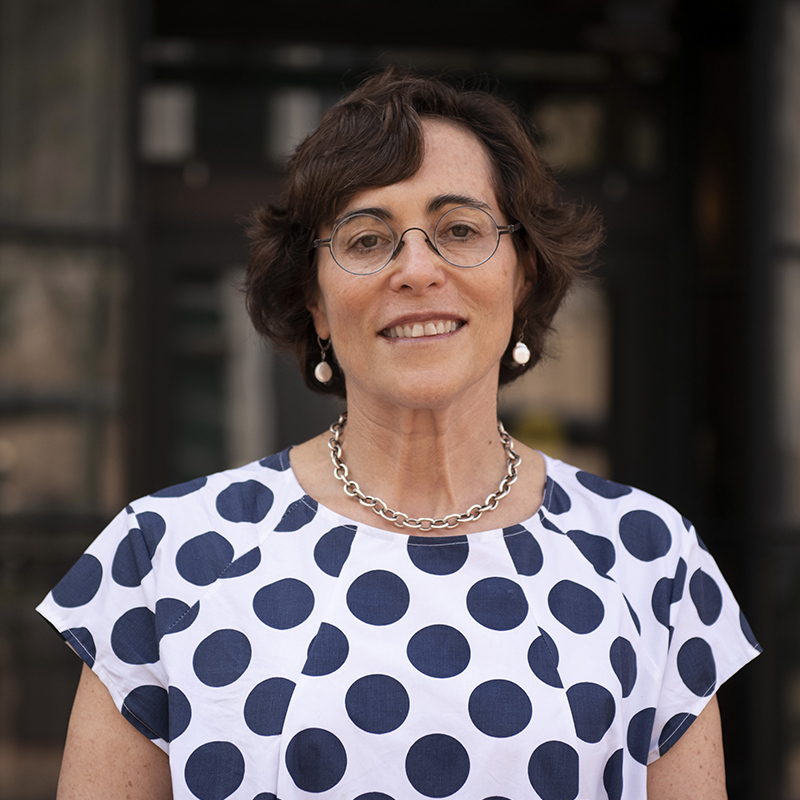
Chao Fu is the Mary Claire Aschenbrenner Phipps Professor of Economics at the University of Wisconsin–Madison. She works at the intersection of economic theory and econometrics to address policy-relevant questions. B.A. in Economics, Xiamen University (2002) M.A. in Economics, University of Western Ontario (2005) Ph.D. in Economics, University of Pennsylvania (2010) Her research spans empirical microeconomics, education policy, urban policing, worker training, post-disaster reallocation, and health insurance systems. A recurring focus is evaluating policy impacts through equilibrium analysis. Key contributions include studies on capital punishment deterrence, structural estimation of school choice mechanisms (Boston Mechanism vs. alternatives), and labor force participation modeling. Award : Mary Claire Aschenbrenner Phipps Distinguished Chair in Economics
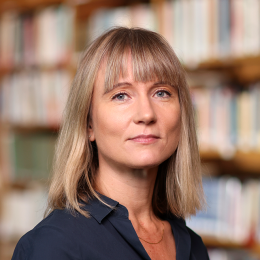
Frida Beckman is a Professor in the Department of Culture and Aesthetics at Stockholm University. Her academic career spans roles at Uppsala University, Linköping University, and Stockholm University's Department of English before her current appointment in 2018. She serves as director of literary research and sits on the Faculty of Humanities' scholarship committee, while also contributing to editorial boards for journals like Symploke and Modern Fiction Studies . Education: PhD in Literature from Uppsala University (2009) Beckman's research focuses on American literature and culture post-WWII, with deep engagement in critical theory and Gilles Deleuze's philosophy. Her work explores themes such as agency, subjectivity, spatiality, temporality, and the intersection of culture with political power structures. Her current project examines African American literature and critique after 11940, while her recent popular science book Postmodernismen (2023) provides accessible insights into postmodernist thought. Her publications reflect a synthesis of theoretical frameworks, including postcritique, Foucault-Deleuze analysis, and allegorical interpretations of contemporary narratives. She actively bridges academic discourse with public intellectual work through podcasts, interviews, and media contributions on topics like postmodernism, conspiracy theories, and critical philosophy.
Paul Franks is the Robert F. and Patricia Weis Professor of Philosophy and Judaic Studies, and holds a concurrent appointment as Professor of Religious Studies at Yale University. As Department Chair, he oversees the Philosophy Department's academic programs and initiatives. His research spans German Idealism, Jewish Philosophy, and the intersections between analytic and continental traditions. His scholarly work focuses on Kant, post-Kantian philosophy, neo-Kantianism, phenomenology, and the philosophy of the human sciences. Key contributions include analyses of Fichte, Hegel, and Schelling, alongside studies of Jewish thinkers like Franz Rosenzweig and Salomon Maimon. Franks' publications address skepticism in German Idealism, the legacy of Kabbalistic thought in modern philosophy, and the philosophical implications of Jewish textual traditions. Franks' recent articles explore topics such as analytic approaches to Hasidic thought, the relationship between German Idealism and Judaism, and the methodology of transcendental arguments. He has edited volumes like International Yearbook of German Idealism and authored influential works such as All or Nothing: Systematicity, Transcendental Arguments, and Skepticism in German Idealism . His work bridges historical and contemporary philosophical debates, emphasizing the interplay between systematic philosophy, religious thought, and epistemological inquiry. Franks is affiliated with Yale's Judaic Studies Program and Religious Studies Department, contributing to interdisciplinary dialogues in humanities and philosophy.
Yoshiko Matsumoto is the Yamato Ichihashi Professor in Japanese History and Civilization and Professor of East Asian Languages and Cultures at Stanford University, with a courtesy appointment in Linguistics. She has been a faculty member at Stanford since 1992, progressing from Assistant Professor to her current distinguished position. Matsumoto also serves as coordinator of the Japanese Language Program and has held significant administrative roles including Chair of the Department of Asian Languages (2003-2005) and Interim Chair of the Department of East Asian Languages and Cultures (2016). Matsumoto earned her Ph.D. in Linguistics from the University of California, Berkeley (1989), following M.A. degrees in Linguistics from UC Berkeley and General and Applied Linguistics from the University of Tsukuba, an M.I.A. in American Studies from the University of Tsukuba, and a B.A. in English Language & Literature from Japan Women's University. Professor Matsumoto's research focuses on linguistic pragmatics from cross-linguistic perspectives, with particular expertise in Japanese language. Her work spans structural and sociocultural aspects of language in use, including noun-modifying clause constructions, honorifics, discourse markers, and the intersection of language with gender and aging. She has pioneered research on conversational narratives of older adults, examining how ordinary framing strategies help individuals navigate difficult experiences. Her current projects explore intergenerational communication through haiku, communicative abilities of people with dementia, and noun-modifying constructions across Eurasian languages. Matsumoto's scholarship consistently bridges theoretical linguistics with practical applications for understanding human communication in diverse social contexts. Matsumoto's recent publications reveal a growing focus on practical applications of linguistic research for social benefit, particularly in intergenerational communication and dementia care. Her work increasingly integrates arts-based approaches, especially haiku poetry, to bridge generational divides and enhance communication with elderly populations. The research shows a consistent trajectory from theoretical linguistic frameworks toward applied, human-centered language studies that address real-world challenges in aging societies, with particular attention to how ordinary language practices help individuals navigate life transitions and difficult experiences. Dean's Award for Distinguished Teaching, School of Humanities and Sciences, Stanford University (2000) Richard E. Guggenhime Faculty Scholar, Stanford University (2000-2003) Violet Andrews Whittier Fellow, Stanford Humanities Center (2019-2020) Faculty Research Fellow, Michelle R. Clayman Institute for Gender Research (2014-2015) Research Fellow, Japan Foundation (2002) Internal Fellow, Stanford Humanities Center (2005-2006) Presidential Fund for Innovation in the Humanities, Stanford University (2009-2011) Professor Matsumoto has mentored numerous students through her teaching in Japanese language and linguistics courses, including specialized offerings on language and aging, points in Japanese grammar, and haiku-based communication. Her research has been supported by prestigious grants from the National Endowment for the Humanities, the Japan Foundation, and Stanford's Presidential Fund for Innovation in the Humanities. She has served on multiple editorial boards including the Journal of Pragmatics since 1992, demonstrating long-standing leadership in her field. Matsumoto has also advised students through individual studies and thesis projects in East Asian Languages and Cultures. Matsumoto leads several collaborative research initiatives including the 'Sharing Conversations' project which examines intergenerational communication through haiku, and research on communicative abilities of people with dementia. Her work often involves interdisciplinary teams spanning linguistics, gerontology, and creative arts, with fieldwork conducted in both Japan and the United States. The 'Noun-Modifying Constructions in Languages of Eurasia' project represents a major international collaboration examining linguistic structures across cultural boundaries. She also directs the 'Language, Old Age and Gender in Japan' project supported by the Stanford University/Japan Foundation, and the 'Difficult Conversations Continue: Memories of the 3.11 Disaster and Bereavement Narratives' project focused on post-disaster communication.
Joel Rosenthal is Professor and Chair of the Department of Chemistry and Biochemistry at the University of Delaware, where he also serves as Associate Dean for Research and Graduate Affairs in the College of Arts and Sciences. His group integrates inorganic synthesis, electrochemistry, and photochemistry to create functional materials and catalysts for energy, environmental, and biomedical challenges. Education & Training B.S. with Honors, New York University (2001) Ph.D., Massachusetts Institute of Technology (2007) NIH Postdoctoral Fellow, MIT (2007-2010) Research Directions The Rosenthal Research Lab pursues four intertwined themes: Environmental & energy sustainability via CO₂ reduction and solar-to-fuel conversion. Design of catalytic platforms for small-molecule up-conversion. Light-activated therapeutics targeting cancer and other diseases. Electrosynthetic routes to advanced inorganic materials and coordination complexes. To tackle these goals, the group synthesizes non-traditional tetrapyrroles, porous inorganic frameworks, and metal alloys, then interrogates them with electrochemical, spectroscopic, and ultrafast methods in collaboration with colleagues across UD, other universities, and National Laboratories. Recent Publication Trends Between 2021-2025 the group has published extensively on (i) selective electrochemical CO₂ reduction using bismuth, tin, and alloy catalysts, (ii) structure–function relationships in palladium and ruthenium tetrapyrrole complexes for singlet-oxygen generation, and (iii) new metal–organic framework (MOF) electrosyntheses. The work bridges fundamental mechanistic insights with practical device demonstrations, including 3-D-printed flow cells and solar-powered reactors. Scientific Awards & Honors While specific awards are not enumerated in the provided text, Prof. Rosenthal has garnered recognition through sustained federal funding, invited colloquia, and extensive peer-reviewed publication records. Students, Collaborators & Infrastructure The group actively recruits graduate students, post-docs, and undergraduates interested in interdisciplinary research. Trainees gain expertise spanning chemical synthesis, electrochemical cell design, ultrafast spectroscopy, computational modeling, and biological assays through partnerships both on campus and at national user facilities. The lab maintains state-of-the-art instrumentation for electrochemistry, photochemistry, and materials characterization, and communicates its latest findings via Twitter @rosenthal_lab .
Mette Andersson is a Professor at the Department of Sociology and Social Geography, University of Oslo. She holds a PhD from the University of Bergen (1995-99) and has held visiting fellowships at Goldsmiths College, University of London (2000) and Yale University (2003). Previously, she served as Professor of Sociology at the University of Bergen (2009-2014), where she taught migration, race, transnationalism, and social movement theory. Her research focuses on cultural/political sociology, migration, ethnicity, social movements, globalization, and sport. Current projects include an antiracism study examining generational divides in activism and identity dynamics within Norwegian social movements. She employs qualitative methods like interviews, focus groups, and web-ethnography. Key contributions include analyzing racialization processes, public sphere debates on multiculturalism, and the role of sport in integration. Her work bridges theoretical conceptualization and empirical case studies, emphasizing comparative research and policy relevance. Notable collaborations include a multi-authored book chapter on antiracism dilemmas in Norway and research on Polish migrant workers' racialization. She actively engages in public debates on migration and racism through media contributions and policy-oriented research.
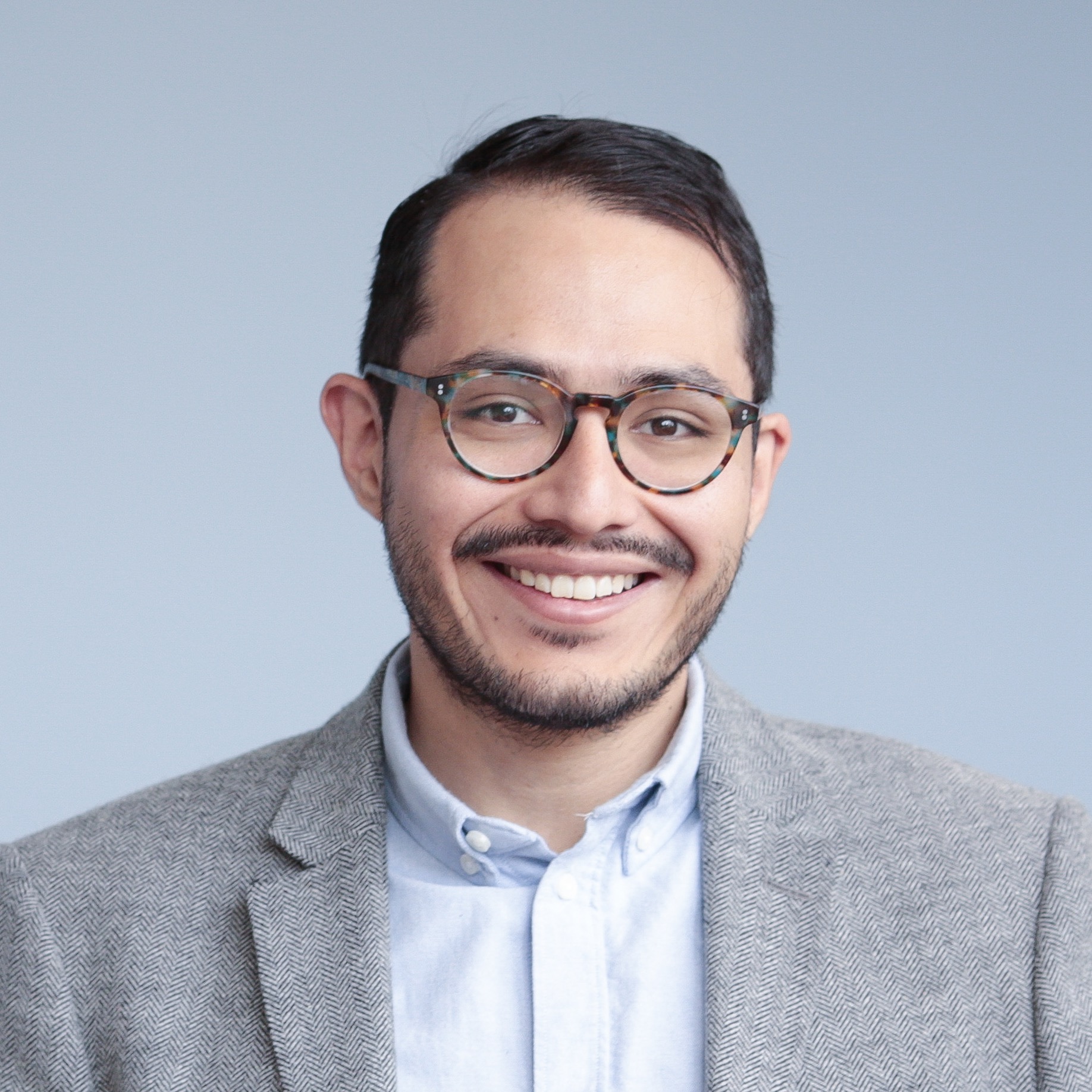
Armando Lara-Millan is an Associate Professor in the Department of Sociology at the University of California, Berkeley. He earned his PhD from Northwestern University and holds affiliations with the Berkeley Economy and Society Initiative and Stanford's Center for Advanced Study in the Behavioral Sciences. His research bridges political economy, historical sociology, and ethnography to analyze institutional transformations. PhD in Sociology, Northwestern University Current Chair-Elect, Sociology of Law Section, ASA 2022 Distinguished Scholarly Book Award (ASA) His work examines: Political Economy of Institutions : How public hospitals and county jails use caseloads to generate revenue, challenging conventional cost-benefit analyses Global Economic Shifts : Reassessing neoliberal theories through the lens of investment firms, corporate reporting, and the end of low-cost labor Urban Digital Platforms : Investigating Nextdoor and Citizen's impact on neighborhood governance and social control Recent publications span American Sociological Review , Criminology , and Social Problems , with a focus on: Administrative disappearing mechanisms Healthcare spending dynamics Medical debt data collection Urban order reconstruction Awards include the 2022 ASA Distinguished Scholarly Book Award. His email is armando@berkeley.edu and blog posts explore contemporary economic challenges.
Dr. Andrea M. Brown is an Associate Professor in the Department of Political Science at Wilfrid Laurier University's Faculty of Arts. Her research focuses on urban food security, governance in East Africa (Uganda, Kenya, Tanzania), migration dynamics, and co-productive governance models. She examines how policy frameworks address urban poverty, women's political inclusion, and informal settlement challenges in African cities. Her work emphasizes participatory governance approaches and their implications for marginalized urban populations. Notable projects include analyses of Uganda's urban policies, refugee food security in Kampala, and women's rights in African urban contexts. Dr. Brown’s research bridges political theory, development studies, and urban sociology to address pressing challenges in African urbanization. She teaches courses on African politics, urban governance, and development studies. Her office is located in DAWB 4-128, with weekly office hours on Mondays 1:30-2:30pm. She speaks English professionally and is actively involved in mentoring students exploring urban development and African governance topics.
Marlene Behrmann is the Thomas S. Baker University Professor of Psychology and Cognitive Neuroscience at Carnegie Mellon University (CMU), affiliated with the Dietrich College of Humanities and Social Sciences. She leads the Behrmann Lab, which moved to the University of Pittsburgh in 2023. Her research focuses on visual cognition, object recognition, and neural mechanisms of perception, with a particular emphasis on face and word recognition. Behrmann holds a B.A. and M.A. in Speech and Hearing Therapy and a Ph.D. in Psychology from the University of Toronto. She is a leader in her field, recognized by her induction into the National Academy of Sciences (2015) and the American Academy of Arts and Sciences (2019). Her work combines neuropsychological studies of patients with brain damage, neuroimaging, and computational modeling to explore visual processing. Recent research highlights include studies on dorsal-ventral pathway interactions, functional reorganization post-hemispherectomy, and autism-related sensory processing differences. Behrmann has advised numerous graduate students and postdocs, contributing to their academic and professional development. Key awards include her National Academy of Sciences membership and American Academy of Arts and Sciences fellowship. Her lab collaborates widely, publishing in top journals like Cerebral Cortex , PNAS , and Trends in Cognitive Sciences . She also engages in translational research to improve interventions for perceptual and cognitive disorders.
Dr. Sarah Jones is an Associate Professor in Thrombosis and Haemostasis at Manchester Metropolitan University, serving as Deputy Director of Research for the Department of Life Sciences. She leads the Thrombosis Group and holds an honorary Reader position at the University of Manchester. Academic Affiliation: Manchester Metropolitan University Secondary Appointment: University of Manchester (Honorary Reader) Over 20 years, Dr. Jones has pioneered research on platelet signaling pathways and their role in thrombosis. Her current work focuses on platelet-endothelial crosstalk in disease states, with emphasis on in vitro thrombosis modeling to replace animal testing. This research, funded by BBSRC, NC3Rs, and BHF, addresses cardiovascular disease mechanisms and translational antithrombotic testing. Her scientific publications demonstrate expertise in platelet biology (Pim kinase signaling, SIRT1 regulation, proteoglycan interactions) and thrombosis modeling. Recent work includes placental perfusion studies for pregnancy-related cardiovascular complications. Grants & Projects: UKRI (NC3Rs) Partnership and Impact Award (2025-2026) UKRI BBSRC/NC3Rs grant for human haemostasis models (2023-2025) British Heart Foundation collaborations (2021-2025) Dr. Jones supervises PhD students (Mishaal Reyman, Poppy White, etc.) and teaches on Biomedical Science, Cellular Science, and Clinical Haematology programs. She has developed innovative endothelialised in-vitro thrombosis models that reduce animal usage in cardiovascular research.
Dr Hector Gutierrez Rufrancos is a Senior Lecturer in Economics at the University of Stirling School of Management , where he serves as the Undergraduate Economics Programme Director, PhD Convenor, and Summer School Director for the Scottish Graduate Programme in Economics (SGPE). He is also a Research Fellow at the Global Labor Organization . Education: PhD in Economics (2017), University of Sussex MSc in Development Economics (2010), University of Sussex BA in Economics with Development Studies (2009), University of Sussex His research focuses on the interplay between policy, institutions, and individual well-being, particularly in the context of living standards, inequality, and informality. Key areas include: Living Standards & Well-being: Historical analysis of nutrition, poverty, and inequality (19th–20th centuries) in Britain, Europe, and the USA. Institutions & Political Economy: Studies on unions in Mexico, geopolitical risk spillovers, and informal economies in Sub-Saharan Africa and Latin America. Methodological Expertise: Applied econometric techniques such as causal inference, instrumental variables (IV), regression discontinuity design (RDD), and differences-in-differences (DiD). His recent publications address topics like pollution’s effect on labor supply, informality’s impact on welfare, and historical inequality patterns. He emphasizes empirical rigor in both research and teaching, offering workshops in Stata programming, LaTeX, and causal inference methods. Academic Service: Organized SGPE Summer Schools (2022–present), co-directed SGPE PhD programs (2022–2023), and coordinates MSc dissertations. He actively presents at conferences including the Scottish Economic Society, Royal Economic Association, and UNU-WIDER seminars.
Sean Brayton serves as an Associate Professor in the Department of Kinesiology & Physical Education at the University of Lethbridge, where he bridges cultural theory with critical analyses of visual media and embodied practices. His academic credentials include a Bachelor of Arts from the University of Lethbridge, a Master of Arts from the University of Alberta, and a Doctor of Philosophy from the University of British Columbia. Brayton's research interrogates intersections of race, labor, and the body within film and television narratives, with concentrated focus on comedy, science fiction, and melodrama genres. He examines how popular media constructs whiteness, represents migrant labor, and processes economic crises like the Great Recession through horror and reality television frameworks. His scholarship consistently applies critical multiculturalism and visual culture theory to deconstruct power dynamics in contemporary cultural production. His 15 publications from 2005-2013 reveal a cohesive scholarly trajectory analyzing racialized labor, embodiment, and identity in media. Brayton frequently investigates how comedy and horror genres negotiate multiculturalism, with recurring attention to whiteness, masculinity, and economic structures across diverse formats from children's cartoons to Hollywood blockbusters. Scientific Awards: None documented in available records. Advising and Grants: No graduate students or research funding details are specified in current institutional materials. Brayton operates within the Socio/Cultural Lab at the University of Lethbridge, which facilitates interdisciplinary research on cultural representations and social phenomena, as evidenced by his 2009 media appearance discussing zombie culture for CityTV's Your City segment.
Prof. Torsten Ochsenreiter is a Group Leader at the Institute of Cell Biology, University of Bern, and part of the Multidisciplinary Center for Infectious Diseases (MCID). His research focuses on molecular parasitology, particularly on trypanosomes and malaria parasites, utilizing advanced microscopy techniques to study fundamental biological processes. His primary research interests include mitochondrial biogenesis, kinetoplast genome maintenance, RNA editing mechanisms, and cytoskeletal dynamics in Trypanosoma brucei . He investigates how mitochondrial DNA is segregated during cell division and how post-translational modifications regulate parasite transmission. His work bridges cell biology, structural biology, and infectious disease research to understand pathogenic mechanisms in neglected tropical diseases. Analysis of his recent publications reveals a consistent focus on the tripartite attachment complex (TAC), mitochondrial genome inheritance, and expansion microscopy applications. His research demonstrates how structural adaptations in parasite organelles enable survival and transmission, with significant implications for developing novel therapeutic strategies against African sleeping sickness and malaria. No scientific awards were mentioned in the provided text. Prof. Ochsenreiter advises students and leads an active research team at the University of Bern. The Ochsenreiter lab provides opportunities for undergraduate and graduate students to engage in cutting-edge parasitology research, though specific grant funding details were not provided in the text. The Ochsenreiter lab operates within the Institute of Cell Biology and specializes in molecular parasitology techniques including expansion microscopy, cryo-electron tomography, and genetic manipulation of trypanosomes. The team investigates mitochondrial biology and cytoskeletal organization to uncover vulnerabilities in parasite life cycles.
Mikhail Gelfand is a Full Professor and Director of the Center for Molecular and Cellular Biology at Skolkovo Institute of Science and Technology (Skoltech), where he also serves as Vice President for Biomedical Research. His distinguished career spans multiple prestigious institutions including Lomonosov Moscow State University and the Higher School of Economics. His educational background includes: 1985: MSc in mathematics (functional analysis) 1993: PhD in physics-mathematics (biophysics) 1998: DSc in biology (molecular biology) 2007: full professor (bioinformatics) Professor Gelfand's research focuses on molecular evolution, comparative genomics, systems biology, and metagenomics. His work examines eukaryotic processes including alternative splicing, mRNA editing, and chromatin structure, as well as bacterial genome evolution and transcription regulation. His lab combines data on three-dimensional chromatin structure, epigenetic states, and gene expression to obtain an integrated view of genome functioning across diverse organisms from humans to amoebae. One major research direction focuses on the evolution of transcript splicing and editing, while comparative analysis of bacterial genomes yields functional annotations of novel enzymes, transporters, and transcription factors. His recent publications demonstrate a strong focus on RNA editing in cephalopods, bacterial genome analysis, and computational approaches to understanding chromatin structure. The work spans molecular biology, evolutionary biology, and bioinformatics, with particular emphasis on how RNA editing contributes to adaptation and molecular evolution across metazoans. His research shows how edited adenines are more frequently substituted with guanine in evolution than their unedited counterparts, suggesting RNA editing may enhance adaptation. His notable awards include: The President of Russian Federation's Award for Young Doctors of Science (2000) The "Best Scientist of the Russian Academy of Sciences" award (2004) A. A. Baev Prize in Genomics and Genoinformatics (2007) Member of Academia Europaea (2010) As Director of the Center for Molecular and Cellular Biology, Professor Gelfand leads a research group that combines computational and experimental approaches to study genome function and evolution. His lab's work has significant implications for understanding molecular mechanisms of evolution and adaptation across diverse biological systems, from bacteria to complex eukaryotes. His research on metagenomics extends to practical applications in areas including coral disease, aphids, and oil wells.
Erin Stiles, Professor of Anthropology at the University of Nevada, Reno, specializes in the intersections of religion, law, and gender. Her ethnographic work in Zanzibar, Tanzania, Ghana, South Africa, and Utah examines Islamic family law, legal pluralism, and Mormon spiritual experiences. Ph.D., Washington University in St. Louis M.A., University of Colorado, Boulder A.B., Duke University Stiles' research explores: Islamic legal reasoning in marital disputes and inheritance law Gender dynamics in LDS fundamentalist and Irish Traveller communities Spirit-world encounters in Utah Mormonism Comparative legal practices across sub-Saharan Africa and the Indian Ocean Her recent publications focus on global Islamic divorce mechanisms, LDS spiritual ethics, and postcolonial legal adaptations in East Africa. She teaches courses ranging from introductory cultural anthropology to specialized topics in African studies and Islamic law. Stiles actively mentors graduate students working on: Healing practices among LDS fundamentalists Marriage customs in Irish Traveller communities Islam and migration in Japan LGBTQ+ affirming Protestant groups