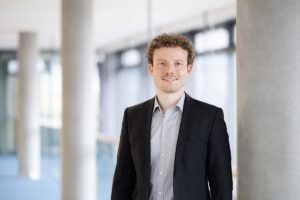
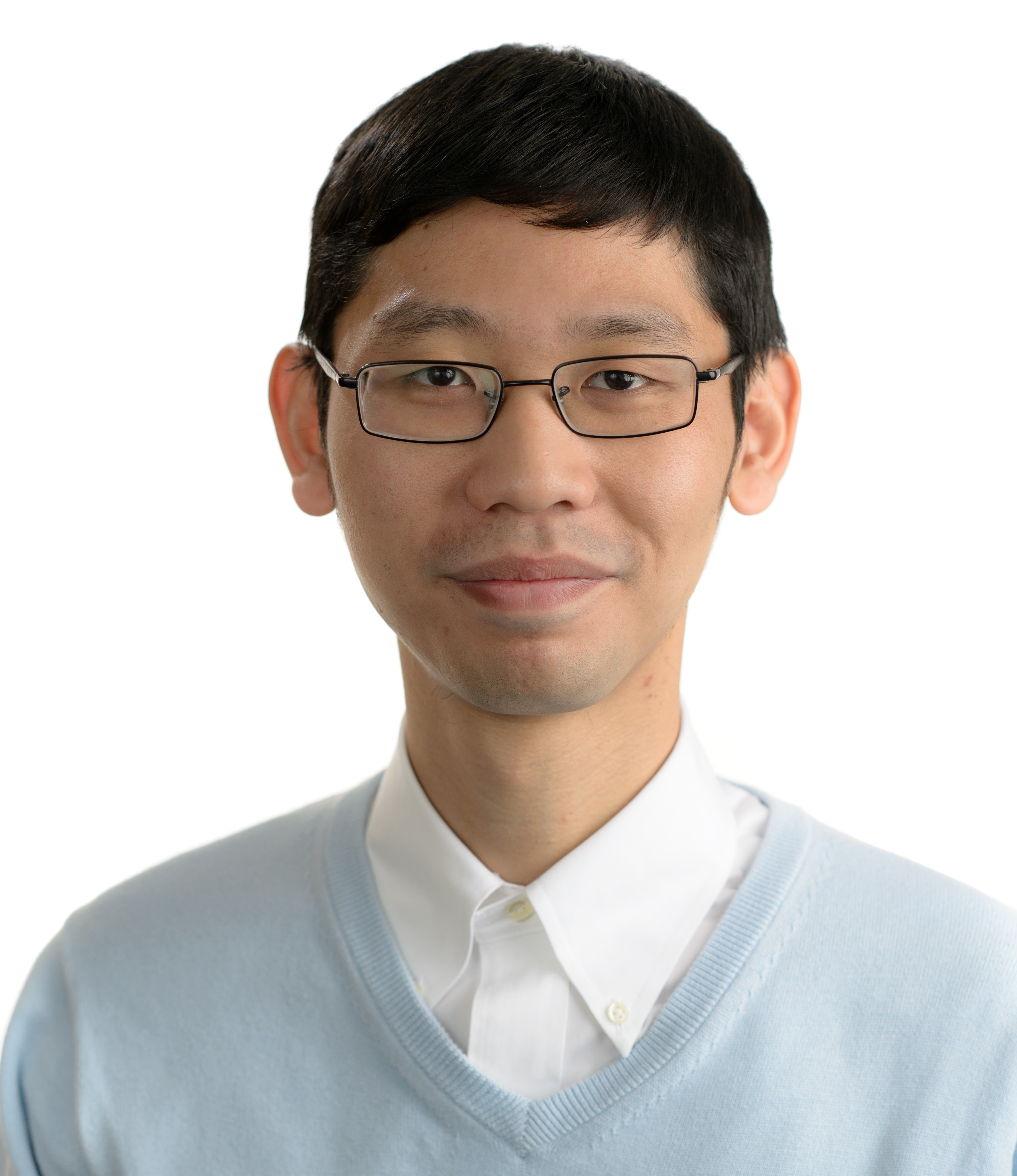
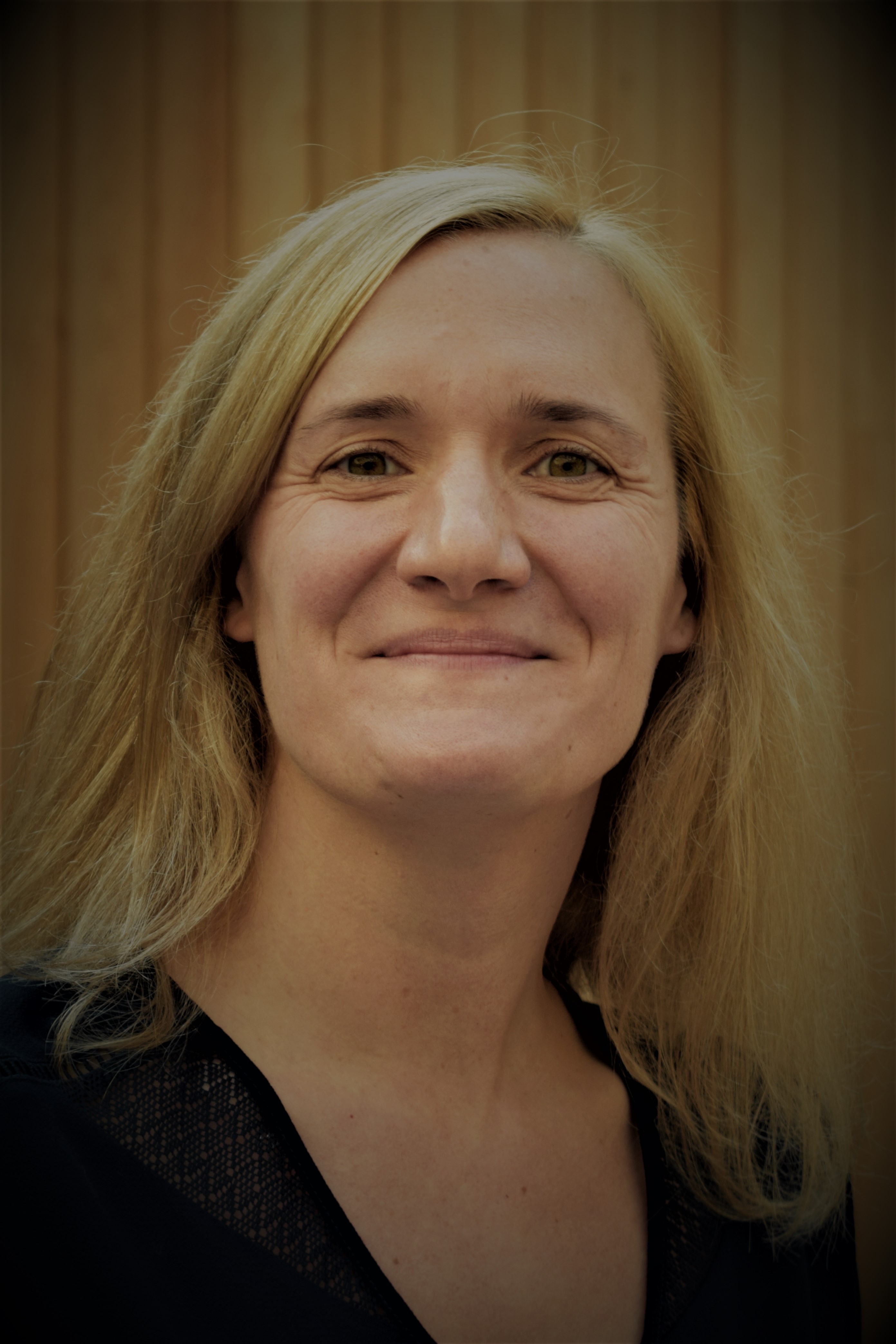
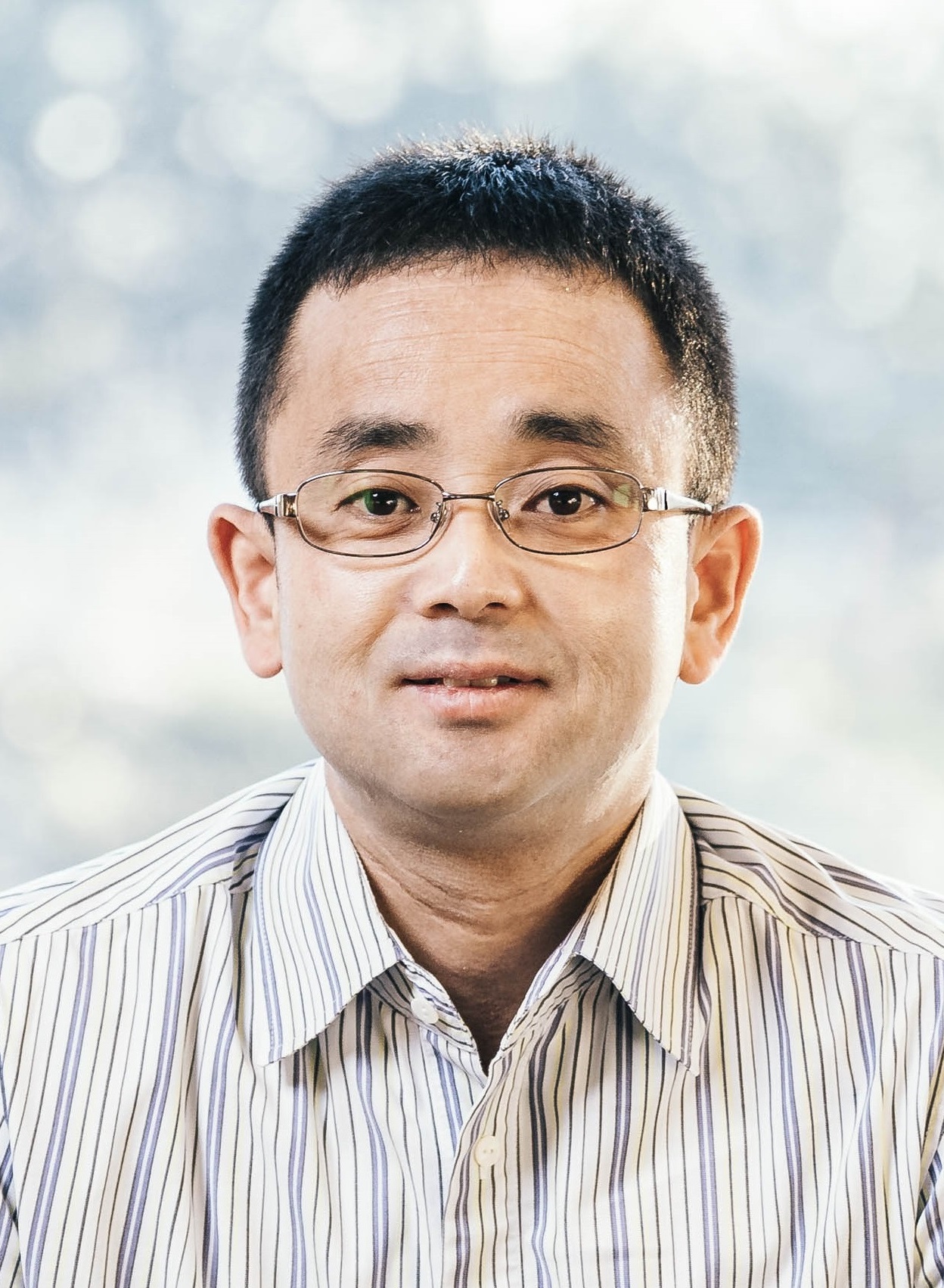
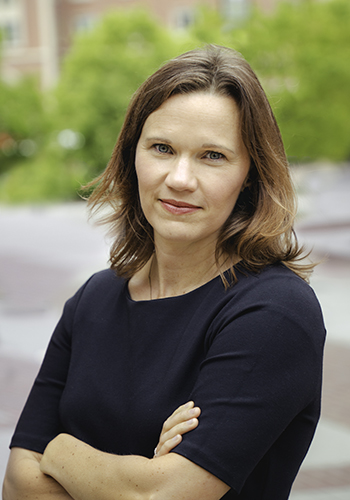
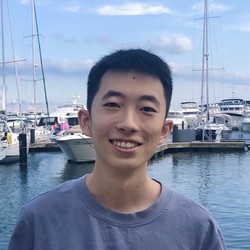
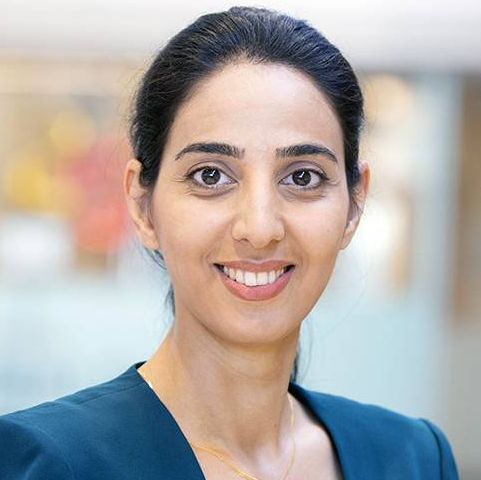
Luca Barra is Full Professor of Television and Digital Media at the Department of Arts, University of Bologna. His research focuses on media studies, particularly television history and contemporary evolution, transnational circulation of content, serialization, and comic/humorous genres. He has coordinated the Master's Degree in Information, Cultures and Media Organization since 2021 and serves as editor-in-chief of VIEW. Journal of European TV History and Culture. University of Bologna, Department of Arts Research areas: Television History, Transnational Media, Digital Transformation, Italian TV Production Barra's work examines the international mediation of ready-made TV formats, Italian streaming partnerships, and the cultural implications of digital television. His recent articles analyze dystopian narratives, sitcom reception in Italy, and the redefinition of celebrity during the pandemic. He contributes to academic discourse through editorial roles in journals like SERIES and Comunicazioni Sociali. His publications include monographs on Italian television programming, sitcoms, and co-edited volumes exploring European premium TV fiction and digital media frameworks. Barra has led research projects such as ATLas and F-ACTOR, and collaborates with international institutions including Brown University and NECS.
Julian Müller holds the Professorship for Digital Industries at Friedrich-Alexander University Erlangen-Nuremberg (FAU), funded by Bosch Rexroth AG through the Stifterverband. He is part of the School of Business, Economics, and Social Sciences, specializing in digital transformation research within industrial contexts. His work bridges academic rigor with practical industry applications, particularly through his collaboration with Bosch Rexroth. Müller's research interests focus on three interconnected pillars: digital transformation in industry (Industry 4.0), sustainability and circular economy integration, and technology and innovation management. He examines how digital technologies reshape production, logistics, and industrial ecosystems while addressing ecological and social requirements. His work particularly emphasizes the integration of AI and digital platforms into business models across different company sizes. Analysis of Müller's recent publications reveals a strong focus on the intersection of digital technologies with sustainability and supply chain management. His work consistently addresses Industry 4.0 implementation challenges, particularly for SMEs, and explores how digital transformation can enhance resilience, sustainability, and business model innovation across global value chains. Scientific Recognition: 8th place in the 2024 Wirtschaftswoche ranking of most research-intensive business economists under 40 17th place in the overall ranking of most research-intensive business administration professors in DA-CH countries Board member of the European Operations Management Association (EurOMA) Müller's academic trajectory shows strong industry-academia connections, with his current professorship funded by Bosch Rexroth. His research demonstrates significant grant acquisition capabilities, particularly in the domain of digital industrial transformation. While specific students aren't listed in the provided materials, his position suggests active mentorship of junior researchers in digital business transformation. As part of FAU's 'Digitalization and Innovation' research focus, Müller collaborates with the Fraunhofer Institute for Information Systems and various German industrial companies. His work contributes to FAU's strong research profile in business administration, which ranks among Germany's top 20 faculties in business administration according to the Handelsblatt ranking.
Dr. Mei Nan is an Associate Professor in the Department of Communication at Tongji University's School of Art and Media. With a career spanning since 2004, she previously held positions at Chang'an University before joining Tongji in 2017. Her academic credentials include a Master's from Shaanxi Normal University, postgraduate studies at Communication University of China, and ongoing doctoral research at Xi'an Jiaotong University's School of Economics and Finance. Research Expertise Her research bridges media economics, AI-driven communication paradigms, and film studies, with specific focus areas including: Media economics and corporate governance interactions Artificial intelligence's impact on communication theory Film/audiovisual language analysis Media culture evolution Marketing models in digital ecosystems Teaching Portfolio Dr. Nan teaches both undergraduate courses ( Audiovisual Language, Chinese/Foreign Film History, Media Culture, Chinese Film Appreciation ) and graduate seminars ( Intelligent Communication Theory and Practice ). Her pedagogical approach integrates contemporary media developments with theoretical foundations. Awards and Grants Tongji University Hongda Award (2021) Tongji Cup General Education Course Paper Competition Teaching Teacher Excellent Organization Award (2021) Principal Investigator: Shanghai Philosophy and Social Science Planning Project (2018BGL025) studying media impact on corporate recovery
Dr. Wei Bao is an Associate Professor in the School of Computer Science at the University of Sydney, part of the Faculty of Engineering. He leads the I-Net (Intelligent Networking) Group and holds a B.Eng. from Beijing University of Posts and Telecommunications (2009), M.A.Sc. from the University of British Columbia (2011), and Ph.D. from the University of Toronto (2015). His research focuses on distributed machine learning, AI-driven network systems, and intelligent network optimization, with industrial collaborations at companies like Link Group. Education: Bachelor of Engineering, Beijing University of Posts and Telecommunications (2009) Master of Applied Science, University of British Columbia (2011) Ph.D., University of Toronto (2015) Research Interests: Dr. Bao's work addresses challenges in distributed machine learning, AI integration into network systems, and optimizing network performance. He emphasizes practical applications through industry partnerships, aiming to bridge academic research with real-world impact. His current projects include federated learning frameworks, IoT communication sharing architectures (e.g., sTube+), and edge computing optimizations. Publications Trends: His recent work focuses on federated learning algorithms (e.g., Federated Learning with Nesterov Accelerated Gradient ), edge computing optimizations ( SOAR: Smart Online Aggregated Reservation ), and partial label learning techniques. These reflect a blend of theoretical advancements and applied systems research. Awards: Multiple Distinguished TPC Member awards (INFOCOM 2020-2024) Best Paper Awards at ACM MSWiM (2019), IEEE NCA (2016), and others Advising & Grants: Dr. Bao supervises PhD candidates in distributed systems and machine learning. His grants include projects like Pioneering Federated Real-Time Video Analytics (ARC DP 2025) and industry collaborations via the University of Sydney's Industry Program. He also leads the Master of Computer Science program at the University of Sydney. Labs & Teams: He directs the I-Net Group, focusing on intelligent networking and distributed systems. Collaborations span institutions like The Hong Kong Polytechnic University (Dr. Dan Wang) and York University (Dr. Uyen Trang Nguyen).
Vallari Chandna is a Professor of Management and Associate Dean at the Austin E. Cofrin School of Business, University of Wisconsin-Green Bay. She holds a Ph.D. in Organizational Theory (2016) and MBA (2011) from the University of North Texas, along with a BA.LL.B. (Honors) from RSTMN University, India (2007). Her research focuses on strategy, entrepreneurship, and sustainability, with particular interests in digital entrepreneurship, temporary organizations, cybersecurity, degrowth, and inter-organizational relationships. Education: Ph.D. in Organizational Theory, University of North Texas (2016) MBA in Organizational Behavior and Human Resources, University of North Texas (2011) BA.LL.B. (Honors) from RSTMN University, India (2007) Her research has appeared in journals like Journal of Business Research , Technovation , and Business Horizons . She explores topics such as crowdfunding equity, digital ecosystems, and sustainable enterprise frameworks. Vallari actively collaborates with students on research, including co-authoring book chapters and conference papers. Her 2023-2025 publications examine: Gender disparities in crowdfunding Strategic control in organizations Value co-creation in platform ventures Regulatory compliance for crowdfunding Cybersecurity challenges for startups Temporal organization frameworks Notable award: Current Young Professionals of Green Bay Future 15 (2023) for professional and community impact. She contributes to academic governance as former Chair of the Marketing & Management Department (2019-2022), former Chair of the MS-Management program (2019-2022), and active participant in university committees including Faculty Senate. Vallari serves as Associate Editor for the International Journal of Project Management and Productivity Assessment and sits on editorial boards for journals on sustainable entrepreneurship and strategic decision sciences.
Nele Mentens is a full professor at both KU Leuven and Leiden University, where she leads cutting-edge research in applied cryptography, hardware security, and secure embedded systems. At KU Leuven, she is affiliated with the Faculty of Engineering Technology and the Electrical Engineering Department (ESAT), leading the Emerging Technologies, Systems & Security (ES&S) research group at the Diepenbeek campus. Simultaneously, she holds a full professorship at Leiden University’s Leiden Institute of Advanced Computer Science (LIACS), focusing on applied cryptography and security. She has been instrumental in numerous national and international research initiatives, including Horizon Europe and NWO-funded projects. Full Professor, KU Leuven (since 2023) Full Professor, Leiden University (since 2020) Associate Professor, KU Leuven (2014–2023) Post-doctoral Researcher & Lecturer, KHLim / KU Leuven (2007–2014) Ph.D. in Engineering Science, KU Leuven (2007) M.Sc. in Electrical Engineering, KU Leuven (2003) Her research focuses on secure and efficient hardware design, particularly for cryptographic applications on FPGAs, reconfigurable architectures, IoT security, and neuromorphic computing. She explores physical attack resistance, side-channel analysis protection, and trusted computing architectures, with applications in healthcare, industrial monitoring, and endpoint AI. Her work bridges theoretical cryptography with practical hardware implementations, emphasizing energy efficiency and real-time performance. The 15 most recent publications reflect a strong trend toward secure, energy-efficient, and intelligent embedded systems. Topics include neuromorphic AI accelerators, trusted IoT architectures, dynamic reconfiguration for side-channel protection, and secure medical data processing. These works span disciplines such as computer architecture, cybersecurity, digital design, and embedded systems, with a focus on hardware-software co-design and real-world deployment. Nele Mentens has received recognition for her contributions, including: Best Paper Award, DATE'16 Best Paper Nomination, AsianHOST'17 Best Paper Award, CHES'19 She has supervised over 15 Ph.D. students and post-docs, both current and former, and has served as principal investigator in approximately 25 funded research projects. Her work has attracted significant grants from Horizon Europe, NWO, FWO, and national innovation programs. She actively contributes to the academic community through editorial roles in top journals and leadership in major conferences. Nele Mentens leads the ES&S research group at KU Leuven and collaborates closely with LIACS at Leiden University. Her team includes Ph.D. students, post-docs, and research experts working on projects like NimbleAI, NeuroSoC, and TrustedIoT. She has also established secure electronics labs through infrastructure grants and maintains strong international ties with institutions such as EPFL, Ruhr University Bochum, and ETH Zurich.
Katsuyuki Haneda serves as Associate Professor in Aalto University's Department of Electronics and Nanoengineering within the School of Electrical Engineering. Holding a Doctor of Engineering from Tokyo Institute of Technology (2007), his research pioneers high-frequency radio systems including millimeter-wave and Sub-THz communications, with critical applications in medical devices, post-disaster scenarios, and Internet-of-Things networks. Education: Doctor of Engineering, Tokyo Institute of Technology, 2007 Research Focus: Dr. Haneda's work spans Physical layer wireless communications , Antennas and propagation , and RF instrumentation , with groundbreaking contributions to wireless medical applications (notably capsule endoscopy) and in-band full-duplex radio technologies . His group develops advanced channel models for 6G while addressing real-world challenges in post-disaster communications through experimental validation. Publication Trends: Recent 2025 works reveal concentrated advancements in Sub-THz/D-Band communications, featuring innovative antenna designs for 28 GHz systems, channel modeling techniques for 3GPP-like standards, and medical wireless solutions. Publications demonstrate strong experimental emphasis with field measurements across urban, indoor, and medical environments. Scientific Recognition: ISMICT 2019 Best Paper Award (medical wireless) Dual 2013 Best Paper Awards (IEEE VTC Spring & EuCAP) IEICE Best Survey Paper (2015) IEEE AP-S Young Engineer Award (2007) Tokyo Tech Honorary Student Award (2002) Leadership & Collaboration: As Associate Editor for IEEE Transactions on Antennas and Propagation (2012-2016) and Wireless Communications (2013-present), Dr. Haneda shapes field standards. He co-chairs the radio channel working group in COST Action IRACON (CA15104), driving European 5G+/6G research collaboration while supervising graduate researchers in experimental high-frequency communications. Research Infrastructure: The Katsuyuki Haneda Group maintains specialized laboratories for millimeter-wave/Sub-THz channel sounding, antenna characterization, and medical wireless prototyping, supporting hardware-in-the-loop validation for next-generation communication systems.
Abby K. Wood is Professor of Law, Political Science and Public Policy at the University of Southern California's Gould School of Law. She teaches administrative law, campaign finance, and analytical methods for lawyers, with previous teaching experience at the University of Chicago Law School. Her research sits at the intersection of law and politics, focusing on institutional changes and their effects on human behavior, particularly in campaign finance transparency and political governance. Wood earned her BA from Austin College, JD from Harvard Law School, MA in Law and Diplomacy from the Fletcher School at Tufts University, and PhD in Political Science from UC Berkeley. She clerked for Judge John T. Noonan of the Ninth Circuit Court of Appeals before beginning her academic career. Her primary research interests include campaign finance disclosure, political transparency, administrative law, and online political advertising. Wood uses quantitative analysis to examine how transparency affects voter behavior, donor decision-making, and congressional oversight. Her current projects analyze campaign finance disclosures, transparency effects on donor behavior, and congressional oversight patterns. She also investigates the Freedom of Information Act, agency politicization, and regulation of false political speech on social media. Wood's publications span top political science and law journals including American Journal of Political Science, NYU Law Review, Emory Law Journal, and Southern California Law Review. Her research has been featured in major media outlets like the Washington Post, Wall Street Journal, and New York Times. She has testified before Senate committees in Washington D.C. and Sacramento and currently serves as a Commissioner on the California Fair Political Practices Commission and its Digital Transparency Task Force. Wood previously served on the Federal Bipartisan Campaign Finance Task Force (2015-2017) and has consulted on good governance projects with USAID, World Bank, National Democratic Institute, and UNDP. Her scholarly work demonstrates a consistent focus on improving public governance through information provision and creating more accountable political systems.
Professor Mitch Duncan is a Professor of Public Health in the School of Medicine and Public Health at the University of Newcastle, Australia. His research focuses on understanding how patterns of physical activity and sleep influence health outcomes, and developing digital technology interventions to help people be more physically active and sleep better. Professor Duncan's work is supported by a prestigious NHMRC Career Development Fellowship, and he has published over 170 papers while securing more than $9 million worth of research funding. Professor Duncan earned his PhD from the University of Central Queensland, a Bachelor of Health & Human Performance (Honors) in Human Movement Science from the University of Central Queensland, and a Master of Medical Statistics from the University of Newcastle. His educational background has provided a strong foundation for his interdisciplinary research approach that bridges physical activity, sleep science, and digital health interventions. Professor Duncan's research centers on two key areas: (1) understanding how physical activity and sleep work together to influence health outcomes, and (2) developing and testing interventions to improve these behaviors. His unique approach focuses on the combination of these two behaviors rather than examining them separately. Much of his intervention work uses technologies such as mobile devices and the internet to deliver the interventions, including the development of a smartphone app that has been used by over 20,000 people internationally through the 'Balanced' intervention program. Analysis of his recent publications reveals a strong trend toward multi-behavioral interventions that address both physical activity and sleep simultaneously, often leveraging mobile and web-based platforms to deliver personalized interventions at scale. Professor Duncan has received several prestigious awards for his research, including: National Heart Foundation Queensland Researcher of the Year Australian Institute of Policy & Science Queensland Young Tall Poppy Award He also holds a competitive NHMRC Career Development Fellowship, which supports his ongoing research into physical activity and sleep behaviors. Professor Duncan has been highly successful in securing research funding, with more than $9 million in grants from major organizations including the National Health and Medical Research Council (NHMRC), Australian Research Council (ARC), National Heart Foundation, and Queensland Government. His research program has involved mentoring numerous students and early-career researchers. Professor Duncan serves on the Editorial Boards of the Journal of Physical Activity and Health and the Journal of Activity, Sedentary and Sleep Behaviors, contributing to the scholarly community in his field. Professor Duncan leads the development and implementation of evidence-based digital interventions like the 'Balanced' program, which has reached over 20,000 users internationally. His work often involves collaborations with researchers across multiple institutions and disciplines, reflecting the interdisciplinary nature of his research on physical activity, sleep, and health. Current projects include investigations into the impact of breaking up prolonged sitting on sleep architecture, app-based interventions for shift workers, and multi-behavioral approaches to improving postnatal mental health.
Dr. Francis Summers is an Associate Lecturer in Photography at Camberwell College of Arts. His work spans photography, video, and interdisciplinary research, focusing on appropriation, time-based media, and subjectivity. He holds degrees from Wimbledon School of Art, the Courtauld Institute, and the Royal College of Art in Fine Art, Art History, and Photography. Research interests include photography’s role as a communicative tool across social and aesthetic practices, queer theory in fashion (e.g., Hood By Air), and digital anomie. Collaborating as lmfs with Louisa Minkin, he explores banner forms and experimental writing. Recent publications address Jenn Nkiru’s Afrofuturist film aesthetics, Linder’s feminist collage, and fashion’s performative dimensions through queer theory. Publications and talks include a 2022 Palgrave Macmillan chapter on transgressive fashion, a 2021 Screen Conference paper on Black digital histories, and a 2020 conference presentation on Linder at the University of Cambridge. His work intersects art, theory, and critical practice, emphasizing interdisciplinary dialogue between visual media and cultural critique.
Yunming Xiao is an Assistant Professor at the School of Data Science, The Chinese University of Hong Kong (CUHK), Shenzhen. Previously, he served as a Research Fellow at the University of Michigan and earned his Ph.D. in Computer Science from Northwestern University in 2024. His research focuses on computer systems, networks, and security, with emphasis on security and privacy of Internet services and performance optimization of cloud infrastructure. His work has been recognized with the Best Paper Award at APNet and Best Student Paper Award at ACM EuroSys. Education: Ph.D. in Computer Science, Northwestern University (2024) B.Eng. in Computer Science, Beijing University of Posts and Telecommunications (2019) His research bridges cloud infrastructure and security, where projects like SwiftRDMA, Conspirator, and MegaTE demonstrate innovative approaches to resource scheduling, SmartNIC integration, and traffic engineering at scale. These works highlight his focus on solving real-world performance and security bottlenecks in distributed systems. Scientific Awards: Best Paper Award, APNet'25 Best Student Paper Award, ACM EuroSys'24 Yunming actively collaborates with industry, having interned at Google, Hewlett Packard Labs, Nokia Bell Labs, and Bytedance. He serves on TPCs for major conferences including CCS'26, IMC'26, and IEEE S&P'26.
Luca Caviglione is a prominent cybersecurity researcher at the National Research Council of Italy (CNR), specializing in steganography, covert channels, and network security. With over 140 publications spanning from 2015 to 2025, he has established himself as a leading expert in information hiding techniques and their security implications. His research bridges theoretical foundations with practical applications in IoT, cloud computing, and mobile security environments. Dr. Caviglione's primary research interests focus on steganography and covert communication channels , particularly their application in modern computing environments. He investigates how data can be hidden within network protocols, mobile applications, and cloud infrastructures, while simultaneously developing detection methodologies. His work extends to IoT security , where he examines vulnerabilities in constrained devices and develops AI-based approaches for threat detection. Additional research areas include container security, malware analysis (particularly stegomalware), and security protocol analysis. Caviglione's publication record reveals a clear evolution toward applying machine learning and artificial intelligence to detect sophisticated threats like stegomalware. His recent work increasingly addresses container security, DDoS protection in microservices, and post-quantum security challenges, reflecting the evolving threat landscape. He frequently collaborates with international researchers, notably Wojciech Mazurczyk (46 co-authored papers) and Steffen Wendzel (31 co-authored papers), forming a productive research network in information hiding. As an active contributor to the cybersecurity research ecosystem, Caviglione serves on editorial boards and has organized special issues focused on information security methodology and replication studies. His leadership in developing taxonomies for steganography methods demonstrates his influence in shaping research directions in this specialized field. His work has practical implications for securing modern computing environments against increasingly sophisticated hidden communication channels.
Jeanet Sinding Bentzen is an Associate Professor at the Department of Economics, University of Copenhagen, with affiliations at CAGE (Warwick University), SoDa Labs (Monash University), and as a CEPR Research Affiliate. Her work bridges political economy , cultural values , and long-term economic development , focusing on how religiosity shapes institutions and outcomes. Education : PhD and MSc in Economics from University of Copenhagen. Research : Uses global datasets and historical analysis to study religion's economic impacts, including disasters, pandemics, and pre-industrial institutions. Teaching : Offers courses on Economic History, Philosophy of Science, and Economics of Culture. Article Trends : Recent work examines religious legislation , cultural assimilation , and firm-level productivity , combining big data with case studies from 2025 to 2018. Media coverage includes The Economist , The Washington Post , and Boston Globe . Scientific Awards : Dagbladet Informations PhD Cup (2012) Sapere Aude Research Leader (2020) Key Collaborations : Works with institutions in Denmark, UK, Australia, and U.S., covering religion-economics intersections, historical institutions, and disaster response.
Ingunn Lunde is a full-time Professor of Russian at the Department of Foreign Languages , Faculty of Humanities , University of Bergen, Norway. She also holds a part-time (20%) Professor II position in Russian literature and culture at the University of Tromsø (2012–2019). Research Focus: Russian sociolinguistics, Slavic medieval culture, 19th–21st-century Russian literature, Byzantine hagiography, and digital media. Leadership: Head of the Research Group for Contemporary Russia at the University of Bergen. Projects: Principal Investigator for Landslide of the Norm (2005–2008) and The Future of Russian (2008–2013), funded by the Research Council of Norway. Publications: 85 works including 3 monographs, 56 articles, and 13 edited books. Notable works: Language on Display (2018), Fragmenter av fortid (2019), and Digital Russia (2014). Founding editor of the Slavica Bergensia book series (2000–present). Scientific Awards: Ugleprisen (2020) FUND-status (2019) Spurveugleprisen (2017) Fellowship at Wissenschaftskolleg zu Berlin (2014/15) Meltzer Prize for Young Researchers (2000) Outreach: Regular public speaker, media commentator, and contributor to the Great Norwegian Encyclopaedia on Russian literature.
Dr. Shideh Kabiri Ameri serves as Associate Professor in the Department of Electrical and Computer Engineering at Queen's University, where she joined in September 2018 after completing postdoctoral research at the University of Texas at Austin. Her interdisciplinary expertise bridges nanomaterials engineering and biomedical applications, with particular focus on developing imperceptible wearable sensors for continuous health monitoring. Her educational foundation includes: PhD in Electrical Engineering (2015) from Tufts University Master's and Bachelor's degrees in Physics (solid state) AS degree in Medical Laboratory Sciences Dr. Ameri's research program centers on 2D material-based electronic devices for wearable bioelectronics, human-machine interfaces (HMI), and mobile healthcare systems . Her lab pioneered graphene electronic tattoos (GETs) that achieve unprecedented skin conformity while recording high-fidelity physiological signals. Current work emphasizes ultrasoft hydrogel-based sensors that eliminate motion artifacts and enable months-long wear without skin irritation, representing a paradigm shift from conventional rigid medical devices toward truly imperceptible health monitors. Analysis of her 40+ publications reveals a strategic evolution from fundamental nanomaterial characterization toward clinically viable systems. Recent work (2021-2025) demonstrates increasing sophistication in multimodal sensing (simultaneous ECG/EEG/temperature), reusable sensor architectures , and wireless power integration . The trajectory shows clear progression from lab prototypes to FDA-pipeline devices, particularly in cardiac and neurological monitoring applications. Her scientific recognition includes: Rising Star in EECE 2017 award Dr. Ameri leads the Ameri Nano Research Group which operates advanced nanofabrication facilities for developing next-generation bioelectronic interfaces. Her research has attracted significant media attention from BBC, IEEE Spectrum, and Phys.Org, highlighting real-world impact in remote patient monitoring. The group actively collaborates with medical institutions to translate innovations into point-of-care diagnostics, with current projects focusing on in-ear physiological monitors and strain-neutralized neural recording systems. The research team maintains strong industry partnerships for commercializing soft bioelectronics, with particular emphasis on creating accessible health monitoring solutions for underserved communities through low-cost manufacturing approaches.