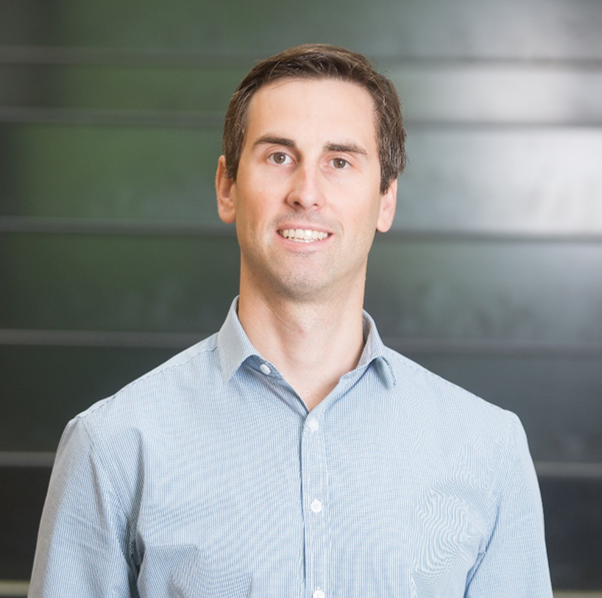
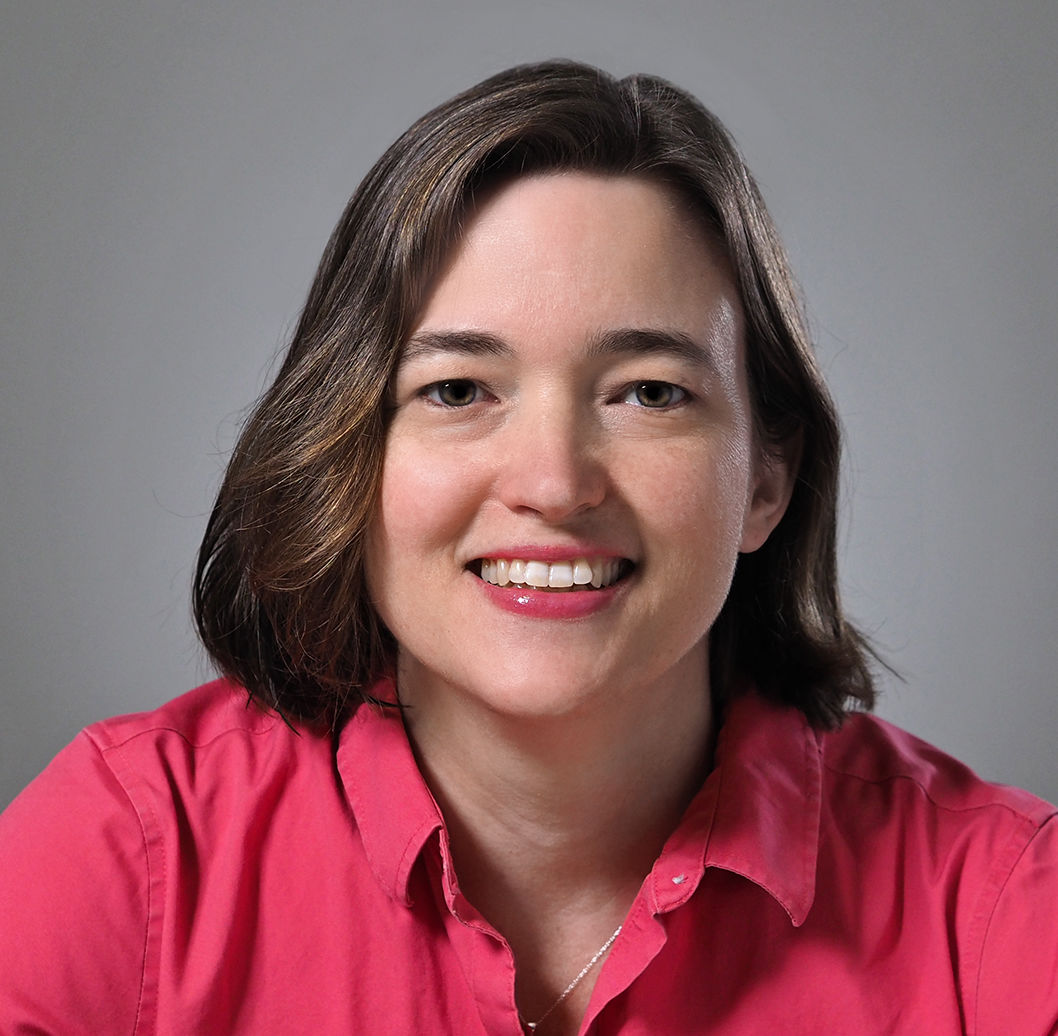
Denise Acampora, MPH, is a Lecturer in Geriatric Medicine at Yale School of Medicine. She specializes in aging-related research focusing on delirium prevention, post-hospitalization outcomes, falls prevention, and clinical trials in elderly populations. Her work spans over three decades, with significant contributions to understanding geriatric syndromes and improving care transitions for older adults. Education: MPH from Columbia University (1980), BS from St. Mary's College (1970). Key Research: Lead author on landmark studies about delirium interventions (NEJM 1999), cranberry clinical trials for UTIs in nursing homes (JAMA 2016), and post-COVID-19 outcomes in older adults (JAMA Network Open 2024). Collaborations: Works with prominent researchers like Thomas Tinetti, Mary Tinetti, and Laura Ferrante on aging-related studies. Her research emphasizes translational strategies to reduce disability and improve quality of life for elderly patients through evidence-based interventions. Current projects focus on longitudinal assessment of post-acute sequelae in older adults (VALIANT cohort).
Professor Karen Soldatic is a leading academic in the School of Social Sciences at Western Sydney University, specializing in disability studies, social justice, and intersectional analysis. Her work critically examines the intersections of disability, migration, Indigenous rights, and digital technology within Global South contexts. Her research interests focus on Disability Studies , Social Justice , Artificial Intelligence and Disability , Indigenous Rights , and Migration Studies . Through participatory methodologies, she investigates how digital systems, welfare policies, and social structures create barriers for marginalized communities, particularly women with disabilities in low-income countries and Indigenous populations in Australia. Analysis of her recent publications reveals a strong emphasis on technology-facilitated violence against women with disabilities , digital inclusion frameworks , and intersectional resistance strategies . Her work consistently bridges academic theory with community action, focusing on practical interventions for systemic change. Professor Soldatic has secured significant research funding through projects including Walking my path: NSW Indigenous LGBTIQ+ peoples' experiences & aspirations (2023-2027) and Environmental Stewardship Resurgence in Walbanga Land . Her community engagement includes membership in the Australian Sociological Association and Diversty Arts Australia. Her academic contributions include 181 research outputs, 14 major projects, and active supervision of HDR candidates. She holds a PhD from the University of Western Australia and maintains strong connections with disability advocacy organizations including the Australian Federation of Disability Organisations.
Theodore J. Iwashyna is a Professor at the University of Michigan in the Department of Health Policy and Management, with a joint affiliation at the Johns Hopkins School of Medicine. He is a dual-trained physician-scientist (MD, PhD) specializing in critical care and health services research, focusing on the long-term impact of severe illness and systemic factors influencing recovery. MD, University of Chicago, 2002 PhD, University of Chicago, 2001 AB, Princeton University, 1994 Dr. Iwashyna's research centers on critical illness survivorship, particularly sepsis and ICU outcomes. He investigates how social, economic, and organizational contexts shape recovery, including cognitive and functional decline, caregiver burden, and financial toxicity. His work has redefined post-ICU care by emphasizing integration of social support and neighborhood factors into treatment planning. His recent publications highlight emerging concerns such as racial bias in pulse oximetry, center-level variation in neonatal outcomes, and tele-triage decision-making. Collectively, his work spans health policy, medical equity, and clinical innovation, with a strong emphasis on data-driven, patient-centered improvements in care delivery. Selected for the 2025 STATUS List, STAT News Member, Association of American Physicians Johns Hopkins Discovery Award Distinguished Mentor Award, University of Michigan Member, American Society for Clinical Investigation (ASCI) Sepsis Hero, Sepsis Alliance American Medical Women's Association Gender Equity Award Fellow, American College of Critical Care Medicine Pulmonary and Critical Care Fellows' Outstanding Educator Award Jerome W. Conn Award for Excellence in Research H. Marvin Pollard Award for Outstanding Teaching Dr. Iwashyna has led numerous federally funded studies using large administrative datasets like Medicare claims to evaluate long-term outcomes after critical illness. He mentors a broad network of trainees and collaborates internationally to improve sepsis care and survivorship. His work on family-centered recovery has influenced clinical guidelines and policy recommendations. He is actively involved in multiple research teams studying ICU recovery, health equity in medical devices, and organizational effectiveness. His lab integrates epidemiology, health services research, and policy analysis to generate actionable insights for clinicians, hospitals, and policymakers.
Jessica Keim-Malpass is a Professor at the University of Virginia and practicing acute care pediatric nurse practitioner in hematology-oncology. She integrates clinical expertise with research at the intersection of health economics, artificial intelligence, and implementation science. Her federally funded program focuses on improving care for children and families facing serious illnesses including pediatric sepsis, acute myeloid leukemia, end-of-life trajectories, and cancer survivorship. Education includes: MSc Health Economics & Pharmacoeconomics from Universitat Pompeu Fabra/Barcelona School of Management (2021) MSc Regulatory Science (Biotechnology) from Johns Hopkins University (2018) Post-Doctoral Research Fellow at Wake Forest University School of Medicine (2013) PhD in Nursing from University of Virginia (2011) MSN and Pediatric Nurse Practitioner certification from University of Virginia MS in Health Evaluation Sciences from University of Virginia (2005) BS in Biology from Wake Forest University (2004) Her research develops microsimulation models, decision-support tools, and health communication strategies to reduce uncertainty and support patient-centered decision-making. She leads NIH- and AHRQ-funded projects advancing predictive monitoring in acute care settings and healthcare innovation. Publications demonstrate strong focus on pediatric palliative care, health policy analysis, predictive analytics implementation, and health equity research. Recent work examines AI applications in clinical settings, economic evaluations of healthcare interventions, and barriers to care access for vulnerable populations. Honors include: Fellow of the American Academy of Nursing Betty Irene Moore Nurse Innovator Fellow She leads significant federally funded research including: AHRQ R01 on predictive monitoring in acute care cardiology (2022-2025) Gordon and Betty Moore Foundation grant for computational approaches to pediatric sepsis (2020-2023) NSF grant on decision models for drug allocation during shortages (2020-2021) Multiple NIH grants on end-of-life care and pediatric health outcomes As a mentor, she guides PhD nursing students and advances nursing science through interdisciplinary collaborations.
Central Queensland University (CQUniversity Australia)Australia
Dr. Luke Heales is a Senior Lecturer in Musculoskeletal Physiotherapy and Postgraduate Research Coordinator at Central Queensland University’s School of Health, Medical and Applied Sciences. He holds a PhD from The University of Queensland (Dean’s Award), a Bachelor of Health Science (Valedictorian) from Auckland University of Technology, and a Postgraduate Certificate in Tertiary Education from CQUniversity. Specialises in upper limb injury rehabilitation and persistent tendon pain Active researcher in occupational rehabilitation and beach accessibility for people with disability Recipient of multiple teaching awards including the Australian Awards for University Teaching (2021) Secured over $500,000 in competitive research and teaching grants His recent publications focus on tendinopathy management, biomechanical responses to taping/orthoses, and accessibility studies for inclusive beach environments. He supervises 4 research higher degree students and teaches musculoskeletal physiotherapy at undergraduate and postgraduate levels. Scientific awards and grants include: Deans Award for Outstanding Research Higher Degree (2015) 3 Minute Thesis Competition awards (2015) Summer Research Scholarships (2010-2011) Best Research Project award (2011)
University of Massachusetts Chan Medical SchoolUnited States
Susanne Muehlschlegel, MD, MPH, is an Associate Professor of Neurology, Anesthesiology, and Surgery at the University of Massachusetts Chan Medical School, affiliated with the T.H. Chan School of Medicine. She practices as a clinician-investigator in Neurocritical Care, focusing on improving outcomes for patients with catastrophic neurological injuries. Her academic roles include Director of the UMMS Junior Faculty Development Program (JFDP) and leadership positions in the Neurocritical Care Society. Education: BA in Chemistry/English, Harvard University Dr. med. (MD) in Molecular Oncology, Philipps University of Marburg MPH in Clinical Effectiveness, Harvard School of Public Health Neurology Residency: Massachusetts General Hospital/Brigham and Women's Hospital (Harvard Medical School) Neurocritical Care and Vascular Neurology Fellowship Research Interests: Dr. Muehlschlegel's work centers on outcome prognostication in neurocritical care, particularly for moderate-severe traumatic brain injury (TBI), acute ischemic stroke, and intracerebral hemorrhage. Her lab develops shared decision-making tools and investigates family caregiver needs. She emphasizes evidence-based strategies and precision medicine approaches, collaborating nationally/internationally on NIH- and industry-funded studies. Publications: Over 100 peer-reviewed articles focus on neurocritical care innovations, including machine learning applications, palliative care priorities, and clinical guidelines for TBI and stroke patients. Recent work emphasizes early neurological recovery markers and caregiver support frameworks. Awards: Presidential Citation (Neurocritical Care Society, 2013, 2017) Fellow of Neurocritical Care Society (2014) Fellow of American Academy of Neurology (2019) Selected 'Women Leading in Neurology' (American Academy of Neurology, 2018-2019) Mentorship: Leads the JFDP, a national model supporting junior faculty development. Actively promotes women in STEM/Neurocritical Care, mentoring students/residents globally.
Associate Professor Merrill Turpin (University of Queensland) is a leading scholar in the School of Health and Rehabilitation Sciences, with over 30 years of experience in clinical/professional reasoning of occupational therapists and subjective experiences of people with disabilities. Her work bridges theory and practice through qualitative research methodology. Research Pillars : Qualitative methodology selection, disability participation, clinical reasoning Key Partners : Queensland Health, Universitas 21, Spinal Life Australia Grants highlight her focus on clinical reasoning tools (SPEF-R2), MS fatigue rehabilitation, and accessible travel. She supervises PhD/MPhil projects on disability inclusion, pediatric practice, and NDIS implementation. Her 2024 book Using Occupational Therapy Models and 2025 conference contributions demonstrate sustained academic leadership.
Norma B. Coe, PhD, is a Professor of Medical Ethics & Health Policy at the Perelman School of Medicine (University of Pennsylvania). She directs the Policy and Economics of Disability, Aging, and Long-Term Care (PEDAL) Lab and co-directs the Population Aging Research Center (PARC). Her work merges economic analysis with health policy to address aging-related healthcare challenges. Education: BA in Economics (College of William and Mary), PhD in Economics (Massachusetts Institute of Technology) Research Focus: As an economist, she investigates causal relationships between public policies and health outcomes, particularly in long-term care systems. Her work analyzes Medicare/Medicaid financing, home care economics, and institutional care models for aging populations. Recent Publications: Analyzed post-acute care shifts from nursing homes to home care settings (2016-2020), evaluated economic impacts of palliative care interventions on ICU costs, and proposed universal long-term care insurance models inspired by international systems (Japan, Netherlands, France). Labs & Centers: Leads PEDAL Lab (Policy and Economics of Disability, Aging, and Long-Term Care) and co-directs PARC (Population Aging Research Center), both at University of Pennsylvania.
Jo Ellen Wilson, MD, PhD, MPH is an Assistant Professor in the Department of Psychiatry and Behavioral Sciences at Vanderbilt University Medical Center. Her academic work focuses on neuropsychiatric conditions in critically ill populations, particularly catatonia and delirium. She holds advanced degrees including a medical doctorate, doctoral research, and a master’s in public health. Research interests center on diagnostic criteria development for catatonia, neuropsychological outcomes post-critical illness, and cholinergic system dysfunction in neurodegenerative conditions. Her work emphasizes translating clinical findings into actionable care pathways, including the development of pediatric catatonia assessment tools. Publications from 2024-2025 highlight advancements in virtual catatonia assessment, antipsychotic medication efficacy in ICU settings, and longitudinal studies on white matter changes in Alzheimer’s disease. Ongoing investigations explore genetic (APOE ε4) and sex-based differences in neurological outcomes. No formal academic awards are listed, though her research contributes to critical care psychiatry guidelines. Clinical mentorship under Dr. Wes Ely underscores her commitment to interdisciplinary collaboration in critical illness neurology.
Dr Christopher Morse is an Associate Professor in Exercise Physiology at the School of Health, Sport and Exercise Sciences, Manchester Metropolitan University. His research focuses on clinical exercise physiology, particularly examining how health conditions like cerebral palsy, muscular dystrophy, and aging impact physical function and quality of life, with a focus on mitigating these effects through physical interventions. He has collaborated with NHS organizations, sports bodies, and industry partners to produce participant-centered research. Dr. Morse has supervised over 20 PhD completions, with expertise in supervising studies related to neuromuscular disorders, menstrual cycle physiology, and aging-related sarcopenia. His research interests include the physiological and biomechanical aspects of muscular dystrophy, the impact of vaping/smoking on cardiorespiratory function, and the role of vitamin D in musculoskeletal health. He has published extensively on topics such as exercise interventions for clinical populations, sedentary behavior's effects on muscle health, and the menstrual cycle's influence on athletic performance. Teaching: Leads modules in Exercise and Clinical Physiology at BSc/MSc levels Collaborations: NHS partnerships, disability sports organizations Key Research Themes: Muscle function in neuromuscular disorders, aging physiology, exercise as therapy Dr. Morse’s work bridges clinical and applied research, with a focus on translating findings into practical health recommendations. His recent studies explore the efficacy of resistance training in dystrophy patients and the physiological impacts of vaping versus smoking.
Eleanor Brown is a British Academy Postdoctoral Fellow in the Division of Sociological & Cultural Studies at the University of Glasgow. Her research focuses on accessibility, disability rights, and healthcare policy, with a particular emphasis on human rights frameworks in private and academic spaces. She leads a funded project examining disability experiences among orchestral musicians in Scotland, integrating insights from music, social care, and disability studies. Dr. Brown holds a PhD from Glasgow Caledonian University (2021) on communication accessibility in stroke rehabilitation for aphasia patients. Her educational background spans music, education, and speech-language therapy, providing interdisciplinary expertise. Her research interests include accessibility in academia and healthcare, disabled body experiences, participatory methodologies, and social inclusion. Recent work highlights post-pandemic academic accessibility gaps and fatigue management post-critical illness. She has co-authored studies on aphasia communication tools and healthcare workforce practices. Scientific Awards: British Academy Postdoctoral Fellowship (£422,423, 2024-2027) Key Grants: 'Bodies of Work: Pain, Perfection, and Disability in Orchestral Music' (British Academy) Collaborations: Partnerships with music institutions and healthcare organizations
Professor Bridie Kent is a Professor of Leadership Nursing at the University of Plymouth's School of Nursing and Midwifery (Faculty of Health). She holds leadership roles including Director of the Plymouth South West Clinical Schools centre and the University of Plymouth Centre for Innovations in Health and Social Care (JBI Centre of Excellence). Her roles also include Lead Investigator for the NIHR TULAY Project and Non-Executive Director at the Royal Devon University Hospitals NHS Foundation Trust. Clinically active as an Honorary Professor at University Hospitals Plymouth NHS Trust, she previously served as Executive Dean of the Faculty of Health and Human Sciences (2017–2019) and Head of the School of Nursing and Midwifery (2015–2017). Her career spans international academia, including roles at Eastern Health-Deakin University (Australia) and the University of Auckland (New Zealand). Her research focuses on leadership in nursing, healthcare improvement, and patient-centered care, particularly in stroke rehabilitation, critical care, and global health initiatives. She leads projects like the TULAY Project in the Philippines and studies nurse well-being during crises such as the pandemic. Bridie has supervised 21 PhD students to completion across multiple countries. Her teaching expertise includes systematic reviews, research methods, and leadership in healthcare. Key areas of research include stroke service optimization, patient escalation protocols, and interprofessional collaboration in maternity care. She emphasizes telehealth, healthcare equity, and evidence-based practice. Her work contributes to UN Sustainable Development Goals related to health equity and well-being. Grants & Leadership: NIHR TULAY Project, JBI Centre of Excellence, and multiple international collaborations. Labs/Teams: Centre for Innovations in Health and Social Care, Plymouth South West Clinical School. Labs/Teams: Centre for Innovations in Health and Social Care, Plymouth South West Clinical School.
Alex Ruck Keene KC (Hon) is a Visiting Professor at the Dickson Poon School of Law and Visiting Senior Lecturer at the Institute of Psychiatry, Psychology & Neuroscience (IoPPN), King's College London. He is a barrister specializing in mental capacity, mental health, and healthcare ethics law, with significant contributions to legal practice, education, and policy reform. His work focuses on advancing legal frameworks for decision-making capacity, mental health legislation, and ethics in healthcare contexts. Research Interests: Mental capacity law, mental health law, disability law, and the intersection of law with medical ethics. His scholarship emphasizes practical legal guidance and policy development, including co-editing core textbooks like the Court of Protection Handbook and Guide to the Assessment of Mental Capacity . Publications: His recent work addresses Advance Choice Documents (ACDs) implementation, decision-making capacity in court judgments, and ethical challenges in mental healthcare. Key themes include legal compliance, equity in healthcare access, and reform of the Mental Health Act 1983. Awards: Honorary King's Counsel (KC) awarded in 2022 for contributions to mental health law outside the courtroom. Grants & Projects: Co-investigator in the Advance Choice Documents Implementation (Maudsley Charity) and Use of the Mental Capacity Act 2005 with homeless populations (NIHR). Collaborates with interdisciplinary teams on life-and-death decision-making in mental health and palliative care contexts. Labs/Teams: Member of the Mental Health, Ethics & Law Research Group and Complex Life and Death Decisions (CLADD) group at King’s, focusing on interdisciplinary strategies to address legal and ethical challenges in healthcare.
Prudence Plummer, PhD, PT, is a Professor in the Department of Physical Therapy at the MGH Institute of Health Professions , part of the School of Health and Rehabilitation Sciences. She holds adjunct roles and has held faculty positions at Northeastern University and University of North Carolina. Her expertise lies in cognitive-motor interactions in neurological disorders, particularly stroke and multiple sclerosis (MS). She completed her PhD at La Trobe University (Australia) and postdoctoral training at University of Florida and UCLA. Research interests focus on mobility disability mechanisms, dual-task interference during gait, and rehabilitation interventions targeting walking impairments. She has secured grants from NIH, American Heart Association, and National MS Society. Awards include the 2019 National MS Society Volunteer Award and 2022 Excellence in Research Mentoring Award. Her work emphasizes translating research into clinical practice through innovative dual-task training protocols, fall risk assessment tools, and telehealth exercise programs. She leads the Cognitive-Motor Behavior Lab and serves on editorial boards for Journal of Physiotherapy and National MS Society review committees.
Ling Han is a Senior Research Scientist and biostatistician at the Yale School of Medicine's Department of Internal Medicine/Geriatrics and Program on Aging. He holds a PhD in Epidemiology and Biostatistics from McGill University. His research focuses on aging-related topics such as cognitive decline, functional disability, and the impact of medications on elderly populations. Dr. Han has contributed to developing tools like the Annual Rate of Change (ARC) for Alzheimer's progression and the clinician-rated anticholinergic score (CR-ACHS). Education: MD from Hunan Medical University (1988), MSc and PhD in Epidemiology & Biostatistics from McGill University (2000 and 2006 respectively). He completed a postgraduate fellowship under ECFMG's IMSP program (1994) and held research positions at NIH and McGill University. Research interests include longitudinal modeling of aging, anticholinergic drug burden, and healthcare disparities. Key awards include WHO Awards for Chinese Young Professionals (1991, 1993) and the Shanghai-Rhone-Poulenc Award (1992). His work spans over 100 peer-reviewed publications, addressing topics like frailty transitions, opioid prescribing trends, and palliative care access. He collaborates with teams at Yale and the Veterans Health Administration, focusing on geriatric epidemiology and translational research. His current projects include examining multimorbidity in dementia and healthcare utilization patterns in aging populations.