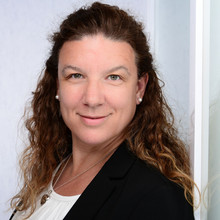
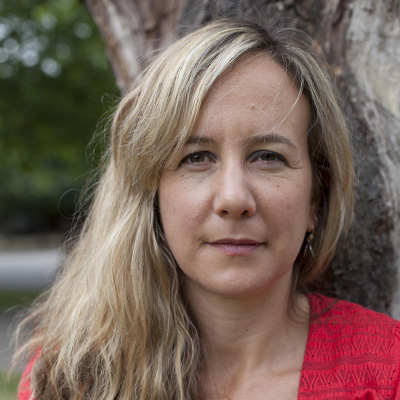
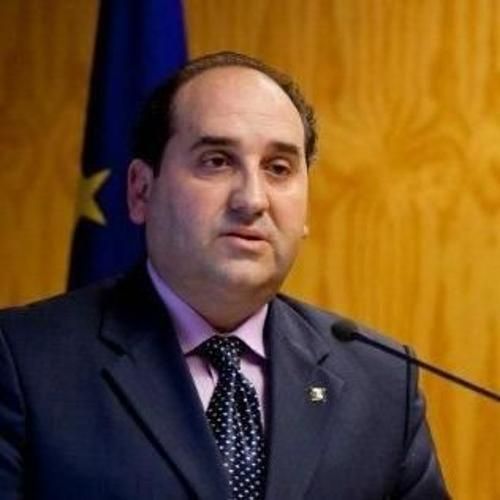
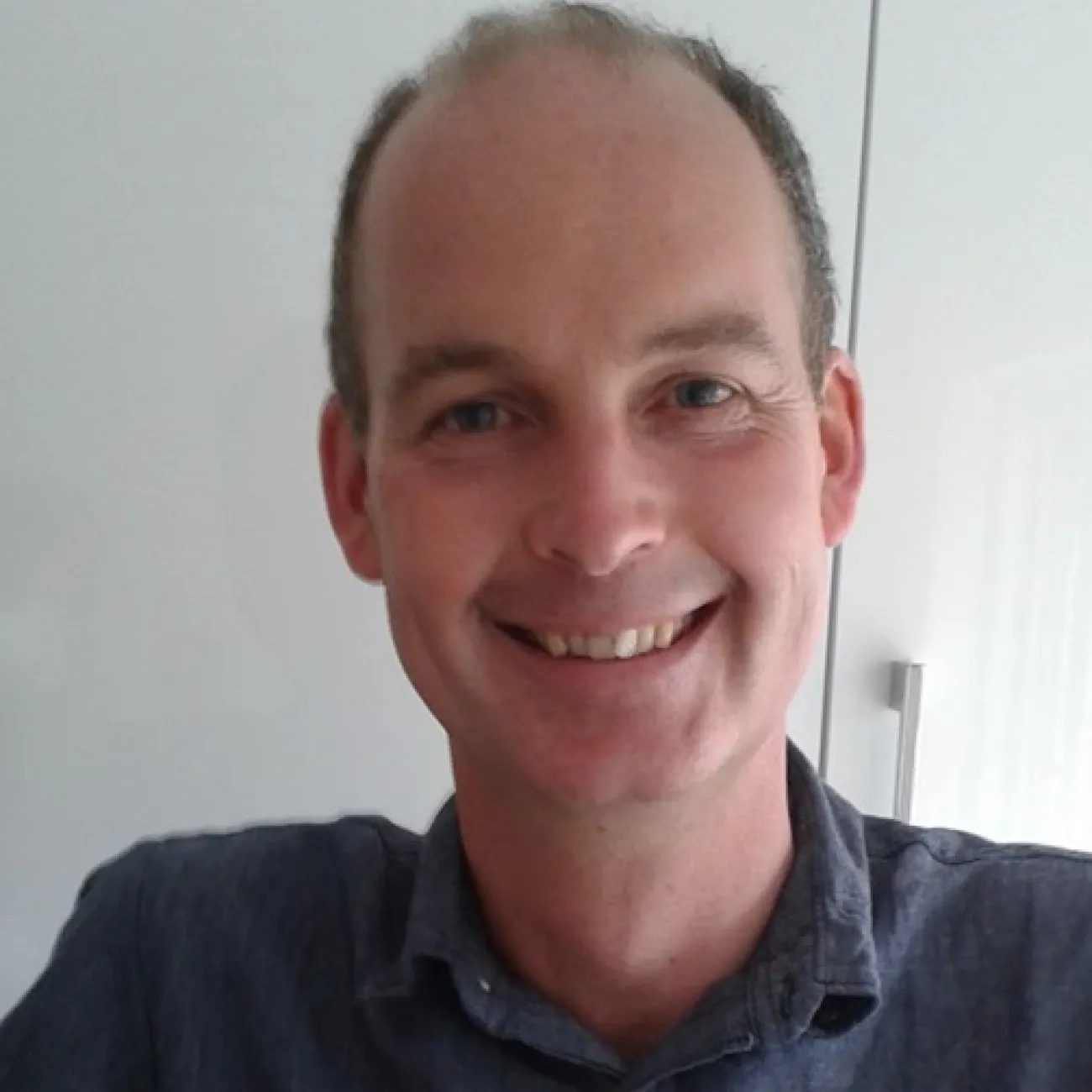
Christine Namdar is a visiting researcher at the Department of Educational Sciences, University of Helsinki, and a doctoral researcher at the Faculty of Education, University of Helsinki. She holds a Licentiate in Sociology from the University of Warwick and is a PhD candidate at Åbo Academy. Her research spans youth studies, international law, and institutional sociology, focusing on worldviews, radicalization, and social integration. Sociology and Psychology, Lund University Educational Sciences, BSc, Stockholm University Sociologist, BA, University of Warwick Sociologist, Licentiate, University of Warwick Her recent work examines youth identity formation, radicalization in educational contexts, and cosmopolitan legal frameworks. She actively collaborates on projects like Good Talks and contributes to national discourse through media engagements. Notable research outputs include: 2024: Analysis of young Finns' worldview shifts 2023: Belonging and othering dynamics in youth 2001: Cosmopolitan law evolution from Nuremberg to ICC Christine serves on boards including the National Discrimination Monitoring System and ETMU (Society for Ethnic Relations and International Migration), while engaging in public talks about youth radicalization and pedagogical strategies.
Dr. János György Horváth is a Professor at the Department of General Psychology and Methodology within the Faculty of Humanities and Social Sciences at Károli Gáspár Reformed University. He also serves as a Scientific Advisor and Group Leader at the Experimental Psychology Research Group within the Institute of Cognitive Neuroscience and Psychology at HUN-REN Natural Sciences Research Center. His academic journey includes positions at the Hungarian Academy of Sciences' Institute of Cognitive Neuroscience and Psychology (2008-present), University of Leipzig (2006-2008), and the Hungarian Academy of Sciences' Psychological Research Institute (1998-2006). Horváth completed his PhD in Cognitive Psychology at Eötvös Loránd University in 2002, with his dissertation focusing on acoustic environmental regularities in auditory memory using event-related potential studies. He holds dual MA degrees in Physics and Psychology from the same institution (1997, 2002). His research primarily investigates attention and distraction mechanisms, particularly in the auditory modality, along with action regulation, intentional action, and perception-action interactions. He employs experimental psychology and cognitive neuroscience methods, with a strong emphasis on event-related potential analysis. Horváth has been principal investigator on numerous significant research grants including NKFIH projects on proprioceptive and motor functional brain connectivity during stroke rehabilitation (K 134787), sensory-motor reflections of intentional action (K 128083), and action-induced changes in perceptual processing (K 108783). His publication record shows consistent high-impact output, with research focusing on motor adaptation, action-effect integration, auditory distraction, and the neural correlates of perception-action interactions. Bolyai plakett, Hungarian Academy of Sciences, 2015 János Bolyai Research Scholarship of the HAS (2015-2016) János Bolyai Research Scholarship of the HAS with Bolyai plakett award (2011-2014) Horváth serves as co-editor of Psychophysiology (since 2016) and was associate editor of the Hungarian Journal of Psychology (2012-2017). He has supervised doctoral students including Márta Volosin (ELTE, 2019), Bence Neszmélyi (BME, 2020), Sámuel Varga, and Fanni Dóra Kovács. His research group focuses on experimental approaches to understanding the neural mechanisms underlying attention, distraction, and action-perception integration.
Jolita Butkevičienė is a Lecturer at the Department of Art History within the Faculty of Arts at Vytautas Magnus University. She holds a Doctor of Sciences degree (awarded in 2010) and has been employed as academic staff since 2011. Her work is closely associated with the Research on Lithuanian Art and Cultural Heritage: Identities, Memories, Policies cluster at the university. Dr. Butkevičienė's educational background, while not explicitly detailed in the available information, is reflected in her doctoral degree in sciences obtained in 2010. Her academic journey has positioned her as a significant contributor to Lithuanian art and architectural history studies. Her research interests center on Lithuanian architecture, cultural heritage preservation, and the intersection of historical architecture with contemporary urban development. She has made significant contributions to understanding Kaunas as the Temporary Capital during the interwar period, examining fine street architecture, manor house preservation, and the adaptation of historical buildings for modern use. Her work often explores how cultural heritage can be leveraged for tourism development while maintaining authenticity and historical value. Analysis of her supervised theses reveals consistent focus areas across multiple years: Lithuanian architectural history (particularly Kaunas as the Temporary Capital), cultural heritage management, sustainable tourism development based on cultural resources, and the relationship between urban spaces and cultural identity. Her most recent work shows increasing attention to digital applications for heritage presentation and child-friendly urban design considerations. While no specific scientific awards are listed in the available information, Dr. Butkevičienė has demonstrated significant academic leadership through her supervision of numerous bachelor's and master's theses across various aspects of cultural heritage and architectural history. Dr. Butkevičienė has advised a substantial number of students across multiple graduating classes, with her supervision spanning topics from residential architecture trends to manor house preservation and cultural tourism development. Her students frequently conduct field research, surveys, and architectural analyses, indicating her emphasis on empirical research methods. She appears to collaborate with students on projects that have practical applications for regional development and heritage management. Her research activities are closely tied to the Department of Art History's laboratories and research teams focused on Lithuanian cultural heritage. She participates in interdisciplinary projects that connect architectural history with tourism studies, urban planning, and cultural policy development. Her work often involves field research across various Lithuanian regions, examining local heritage resources and their potential for sustainable development.
Univ.-Prof. Dr. Bettina Wollesen serves as a full Professor in the Department of Movement-Oriented Prevention and Rehabilitation Sciences at the German Sport University Cologne. Her work integrates movement therapy, gerontology, and rehabilitation science with a focus on vulnerable populations including nursing home residents and older adults. Her research interests center on physical activity psychology (100% fingerprint match), gait analysis (50%), and resistance training (42%), with significant contributions to dual-task training, ergonomic interventions, and mobility promotion in aging populations. Key areas include cognitive-motor interference in gait, virtual reality exergaming, and health services research in nursing contexts. Recent publications reveal strong trends in interdisciplinary geriatric rehabilitation (87% of 2025 articles), with emphasis on nursing home settings (62%), technological interventions (48%), and dual-task paradigms (35%). Her work bridges clinical practice, policy development (notably the DNVF Position Paper), and methodological innovation in gait analysis. As Editor for Springer Nature publication series since 2017, she advances scholarly communication in sports science. Her collaborative network includes 11 prominent researchers across movement gerontology, with extensive work through the PROCARE-project on nursing home mobility. Dr. Wollesen leads significant health policy initiatives including the DNVF Memorandum on physical activity-related health services research and coordinates ergonomic workplace interventions targeting nursing personnel. Her lab focuses on mobile brain/body imaging applications and develops evidence-based protocols for cognitive-motor training in hearing-impaired older adults.
Linda Vixner is an Associate Professor of Medical Sciences and Senior Lecturer at Dalarna University, where she serves as Dean and chair of the Education and Research Board overseeing quality assurance of education and research across the institution. Academic Position: Associate Professor of Medical Sciences Department: Department of Medical Sciences Faculty/School: Department of Health and Welfare University: Dalarna University Contact: lvi@du.se | 023-77 84 36 Dr. Vixner graduated as a physiotherapist from Linköping University in 1997 and worked clinically until 2007 when she joined Dalarna University. She defended her thesis 'Acupuncture for Labour Pain' in 2015 at Karolinska Institutet and was promoted to Associate Professor in 2022. Her primary teaching occurs within the master's program in physiotherapy. Her research focuses on chronic pain and pain rehabilitation through the DU/Pain research group, investigating how physical activity, new technology, and multimodal rehabilitation programs affect health outcomes for people with chronic pain. She has developed significant expertise in digital health interventions, particularly the eVIS (eVISualisation of physical activity and pain) system. Analysis of her recent publications (2022-2025) reveals three major research trajectories: development and validation of assessment tools (like the BABITT questionnaire), exploration of digital interventions for pain management, and rigorous evaluation of pain rehabilitation outcomes. Her work increasingly emphasizes long-term follow-up and practical implementation of research findings in clinical settings. Dr. Vixner maintains active research collaborations across Sweden and participates in national initiatives focused on standardizing pain rehabilitation practices. Her methodological approach combines registry-based studies, randomized clinical trials, and validation research to produce evidence with direct clinical relevance.
William Schultz, Jr. serves as Associate Professor and Head of Metadata & Cataloging Management within Library Services at Eastern Illinois University's Booth Library. He concurrently functions as subject librarian for Music, Psychology, and Sociology, Anthropology & Criminology departments, providing specialized research support. Previously (2014-2019), he held the part-time interim position of Head of University Archives & Special Collections. His research expertise centers on Cataloging and Metadata within Library and Information Science, focusing on practical implementation challenges in academic libraries. Key investigation areas include music collection management, government information accessibility, personal digital archiving methodologies, and metadata optimization for discovery systems. This work bridges theoretical frameworks with operational library practices. Analysis of his publication history reveals consistent scholarly engagement with evolving metadata standards and collection management practices. His recent work demonstrates particular emphasis on domain-specific applications (music collections), preservation challenges (digital archiving), and user-centered metadata design. The publications collectively address critical pain points in modern library operations, especially regarding resource optimization and digital transition. Professional activities include invited presentations such as the 2024 'Weeding and Shifting Series' on collection management practices. His subject librarian responsibilities reflect direct engagement with academic departments, facilitating research through specialized resource curation and metadata expertise.
Dr Lily Dunn serves as a Teaching Fellow in Creative Writing at Bath Spa University within the School of Writing, Publishing and the Humanities at Newton Park campus. She teaches Advanced Narrative Nonfiction modules on the BA (Hons) Creative Writing program and instructs on Nonfiction and memoir specifically for the MA Creative Writing course. With a background in fiction writing that informs her memoir work, Dr Dunn is uniquely positioned to teach creative nonfiction techniques for telling true life stories. Dr Dunn holds an MA in Creative Writing from Sheffield Hallam University and a PhD in Creative Writing from Birkbeck, University of London. Her academic journey has prepared her for her dual role as both educator and practitioner in the field of memoir writing. Her research and teaching expertise centers on memoir and narrative nonfiction, with particular interest in how writing personal stories can be transformative. As an "incurable memoir addict," she explores how memoir functions both as literary form and therapeutic practice. Her upcoming book Into being: the radical craft of memoir and its power to transform (October 2025, Manchester University Press) promises to be a significant contribution to the field, already receiving praise from established writers as "an essential guide to all things memoir." Dr Dunn's publications reveal a consistent focus on personal narrative, identity, and transformation. Her work spans book-length memoirs, anthologies, and essays in prestigious venues like Granta and Aeon. Common threads include exploration of family dynamics, trauma recovery, and the technical craft of transforming lived experience into compelling narrative. The upcoming Into being appears to synthesize these interests into a theoretical and practical guide for memoir writers. Through her private partnership London Lit Lab, Dr Dunn extends her teaching beyond the university setting. She actively engages with writing communities through her Substack publication "And a Dog" and monthly "Memoir WIP Surgery" sessions where writers can workshop their memoir projects. These initiatives demonstrate her commitment to mentoring emerging writers and building supportive writing communities. Dr Dunn maintains an active presence in the literary world through interviews with fellow memoirists and participation in discussions about the craft and ethics of memoir writing, as evidenced by her recent commentary on "The Salt Path Scandal" which examined questions of truthfulness in memoir as a genre.
Dr. Eloy Jose Lopez Meneses serves as a Full Professor in the Department of Education and Social Psychology at Pablo de Olavide University in Seville, Spain. He holds leadership positions as Director of the Institutional Chair of Emerging Education and Technology, Gamification, and Artificial Intelligence (EduEmer) and Director of the EduInnovagogía Research Group (HUM-971). He also serves as Editor of the International Journal of Educational Research and Innovation (IJERI), which is indexed in JCR Q2 and SCOPUS Q2. Dr. Lopez Meneses earned his PhD from the University of Seville with a thesis titled 'Analysis of didactic models and teaching strategies in Distance Learning: Design and experimentation of an evaluation instrument for teaching strategies in distance learning courses for university training' in 2008, supervised by Dr. Julio Cabero Almenara and Dr. Pedro Cañal de León. His research spans educational technology, gamification, artificial intelligence in education, and digital competence development. His research interests focus on the integration of emerging technologies in educational contexts, with particular emphasis on gamification strategies, AI applications in education, digital competence development for educators, and innovative teaching methodologies. His work explores how technology can transform learning experiences while addressing social inclusion and accessibility challenges in educational settings. Dr. Lopez Meneses has supervised 19 doctoral theses and participated in over 30 competitive research projects, including 'Evaluation of ICT Policies in Educational Centers (2006-09)', 'Diagnosis and training of teachers for the incorporation of ICT in students with diversity Functional (2016-19)', 'Augmented Reality to Enhance Training (2015-17)', and 'Teacher Training in Inclusive Digital Competencies to Support Students with Autism Spectrum Disorders (2023-26)'. His publications demonstrate a consistent trajectory in educational innovation and technology integration. His scientific recognition includes an extraordinary doctoral thesis award from the University of Seville and recognition of three research sections (six-year periods) by the National Commission for the Evaluation of Research Activity of the Ministry of Education, Culture and Sports. As Director of the EduEmer Chair and EduInnovagogía Research Group, he leads initiatives exploring the intersection of education and emerging technologies. His International Journal of Educational Research and Innovation serves as a platform for disseminating cutting-edge research in educational innovation. His work with the international teaching group Innovagogía demonstrates his commitment to fostering global educational communities focused on pedagogical innovation.
Martina Heßler is Professor of History of Technology at the Technical University of Darmstadt since February 2019. Previously, she held professorships at Helmut-Schmidt-Universität, Universität der Bundeswehr Hamburg (2010-2019) and Hochschule für Gestaltung Offenbach (2006-2009). She has established herself as a leading scholar in the historical anthropology of technology, with significant contributions to understanding human-technology relations throughout history. Her academic journey includes completing her habilitation in January 2006 with the thesis "Das Städtische als Metapher. Zum Verhältnis von Stadt und Wissenschaft im 20. Jahrhundert" and her dissertation in August 2000 titled "Mrs. Modern Woman. Zur Sozial- und Kulturgeschichte der Haushaltstechnisierung in Deutschland." She was a doctoral candidate in the graduate college "Technisierung und Gesellschaft" at TU Darmstadt from 1997-1999, following research positions at RWTH Aachen and the Center for History of Science and Technology in Munich. Professor Heßler's research focuses on the historical relationship between humans and machines, particularly examining concepts of error, faultiness, and superiority. Her current projects investigate the "Age of Digital Errors," exploring how societies have learned to cope with technological failures that are often invisible yet potentially catastrophic. She also researches the "faulty human" concept, analyzing how humans have been historically positioned as inferior compared to machines since the 19th century. Her work on technological emotions examines how emotions and technology co-construct each other throughout history, establishing what she terms a "Historical Techno-Anthropology" that recognizes the historical variability of human-technology relations. Her extensive publication record reveals a consistent scholarly trajectory examining the complex interplay between humans and technology. Recent works demonstrate increasing focus on the philosophical and anthropological dimensions of technology, particularly regarding error, failure, and the redefinition of human identity in technological contexts. She has developed frameworks for understanding digital errors as historical phenomena and has pioneered approaches to studying the emotional dimensions of human-technology interaction. TEFE-Fellowship, Remarque Institute, New York University (September-December 2024) Elisabeth-List-Fellowship, Universität Graz (Summer Semester 2023) Professor Heßler leads the DFG-funded graduate college "Kritische Infrastrukturen. Konstruktionskrisen, Funktionskrisen und Schutz von Städten" and serves as Principal Investigator for multiple projects including "Kulturen des Nichtfunktionierens" (Cultures of Non-Functioning) examining the history of digital factories. She has secured substantial funding for research on industrial cities, digitalization of workplaces, and the history of visualization. Her department hosts researchers working on the history of technological errors, the "faulty human" concept, and historical technological anthropology, with collaborations spanning German and international institutions.
Tim Wildschut is a Professor of Social and Personality Psychology at the University of Southampton's Department of Psychology within the Faculty of Social Sciences. He received his PhD from the University of North Carolina at Chapel Hill and is a distinguished Fellow of the Academy of Social Sciences (FAcSS). His research has significantly reshaped understanding of nostalgia as a psychological phenomenon and explores critical aspects of intergroup relations. Wildschut's research fundamentally challenges the historical view of nostalgia as a negative emotion, instead presenting it as a complex, multi-faceted experience with positive psychological functions. His work demonstrates how nostalgia enhances social connectedness, fosters meaning in life, and strengthens self-continuity. He also investigates intergroup relations, particularly the interindividual-intergroup discontinuity effect, which explains why groups tend to be more competitive than individuals acting alone. His research spans diverse contexts including refugee experiences, aging populations, conflict zones, and social movements. Analysis of Wildschut's recent publications reveals a strong focus on nostalgia's multifaceted psychological functions across various populations and contexts. His work consistently demonstrates how nostalgia serves as a psychological resource that enhances well-being, strengthens social bonds, and provides meaning. The research spans multiple disciplines including social psychology, cross-cultural psychology, environmental psychology, and gerontology, showing the breadth of nostalgia's applications. His collaborative approach is evident in the extensive co-authorship network, particularly with Constantine Sedikides. Fellow of the Academy of Social Sciences (FAcSS) Gordon Allport Intergroup Relations Prize for work on interindividual-intergroup discontinuity effect Professor Wildschut actively supervises PhD students, currently guiding Emma Louise Bayford (DClin) and Luke Edward Spencer Chandaman (PhD Psychology). His research is conducted through membership in the Institute for Life Sciences and the Centre for Research on Self and Identity at the University of Southampton. He is currently accepting PhD applications and continues to lead active research projects including 'Dyadic Nostalgia in Couple Relationships.' His work bridges theoretical psychological concepts with practical applications in diverse real-world contexts from refugee integration to social activism against ageism.
Sarah Bergen is a Senior Lecturer and Docent at the Department of Medical Epidemiology and Biostatistics at Karolinska Institutet. She leads the Psychiatric Genetic Epidemiology research group, focusing on understanding the biological and environmental foundations of psychiatric disorders and their comorbidities with other medical conditions. Her educational background includes: Docent, Karolinska Institutet, 2014 PhD in Human and Molecular Genetics, Virginia Institute for Psychiatric and Behavioral Genetics, Virginia Commonwealth University, 2009 MS in Neuroscience, University of Pittsburgh, 2004 BA in Neuroscience and Psychology, Macalester College, 2000 Dr. Bergen conducts quantitative genetics research predominantly focusing on schizophrenia and bipolar disorder, as well as depression and eating disorders. Her current studies aim to better understand the genetic and environmental contributions to disease risk, comorbidities associated with these disorders, and the observed variability within patient groups. She has a strong foundation in neuroscience which offers added biological context to the results from genetic research studies. Her research group investigates genetic and environmental risk factors for psychiatric disorders, epidemiological and genetic relationships between different psychiatric disorders, and relationships between psychiatric disorders and comorbid medical conditions. Her recent publications demonstrate a strong emphasis on genetic overlap between psychiatric disorders and other medical conditions, environmental risk factors across the lifespan, and subtyping approaches to understand heterogeneous etiological pathways. Her work frequently utilizes large population-based datasets from Sweden and employs advanced genetic epidemiological methods. Dr. Bergen serves as Director of studies for the KI-NIH Doctoral Program in Neuroscience and has held various leadership positions including on the Management Committee for Maximizing Impact of research in NeuroDevelopmental DisorderS (MINDDS) and Enhancing psychiatric genetic counselling, testing, and training in Europe (EnGagE). She has also served on the Board of Directors for the International Society for Psychiatric Genetics (ISPG). She leads the Psychiatric Genetic Epidemiology research group at Karolinska Institutet, which aims to discover the biological and environmental foundations of psychiatric disorders, the patterns and determinants of their comorbidities with other medical disorders, and subgroups within psychiatric patient populations. The group's ultimate goal is to contribute to improved treatment options and help alleviate the personal and social burdens associated with these disorders.
Kirsti Akkermann is a Professor of Clinical Psychology at the Institute of Psychology, Faculty of Social Sciences, University of Tartu since January 2024. Previously, she served as Associate Professor of Clinical Psychology (2021-2023), and has held various academic positions at the University of Tartu since 2004, including Lecturer and Research Fellow. She is also a licensed clinical psychologist-psychotherapist and supervisor at the Center for Cognitive and Behaviour Therapy since 2014, working 0.20 FTE. Dr. Akkermann earned her Doctor's Degree in 2010 from the University of Tartu with a dissertation on "Serotonin-related Biomarkers and Symptoms of Eating Disorders," supervised by Jaanus Harro and Anu Aluoja. She completed her Master's Degree in 2003 with a thesis on "Convergence between self- and other ratings of personality traits in eating and anxiety disorders patients," supervised by Kenn Konstabel. Her educational background includes undergraduate and graduate studies in Psychology at the University of Tartu from 1995-2010. Dr. Akkermann's research primarily focuses on eating disorders, with particular emphasis on emotional eating, binge eating mechanisms, and the role of emotion regulation. Her work examines age and sex differences in eating disorder risk factors, latent profiles in eating disorders, and the relationship between eating disorders and the serotonergic system. She also investigates gene-environment interactions in psychopathological processes, biomarkers of eating disorders, and digital health interventions for psychological problems in chronically ill children. Her research employs various methodologies including latent profile analysis, experience sampling, and registry-linked longitudinal studies. Her recent publications demonstrate a strong focus on transdiagnostic approaches to understanding eating disorders through personality-based latent profiles, gender differences in emotional eating patterns, and the development of digital health interventions. She has led major national studies including the Estonian National Mental Health Survey, examining mental health problems in the adult population and supportive services across Estonia. 2023 Publication award, Institute of Psychology, University of Tartu 2022 AcademiaNet nomination by Swiss National Science Foundation 2021 University of Tartu Badge of Distinction 2019 Recognition for societal activities, Faculty of Social Sciences, University of Tartu 2018 Publication award, Faculty of Social Sciences, University of Tartu Dr. Akkermann has supervised postdoctoral researchers, including Kadri Haljas on the project "Reducing psychological problems in chronically ill children through digital intervention." She has secured significant research funding, currently serving as Principal Investigator for the Estonian National Mental Health Survey and participating in the Estonian Center of Excellence of Well-Being Sciences. She has been involved in numerous research projects funded by the Estonian Research Council, Ministry of Education and Research, and Estonian Science Foundation, often collaborating with Jaanus Harro on large-scale studies examining personality, behavior, and health. Dr. Akkermann is active in professional organizations including the Estonian Association for Dialectical Behavior Therapy (founding member), European DBT Association (founding member), Union for Estonian Clinical Psychologists, and Union of Estonian Psychologists. She co-leads working groups on standardization of diagnostic assessment methods and has developed treatment guidelines for eating disorders and overweight/obese patients. She regularly organizes national and international conferences and conducts skills training for clinical psychologists across the Baltic region.
Dr Marek Szwejczewski serves as Senior Lecturer in Operations Management and Research Development Director for the Operations Management and Decision Sciences group at the University of Sheffield Management School. His academic work focuses on bridging theoretical operations research with practical manufacturing and supply chain applications, particularly in high-technology sectors and service environments. His research interests span operations strategy , supply chain innovation , and sustainable manufacturing systems , with recent emphasis on bootlegging phenomena in R&D departments, circular economy implementation, and qualitative methodologies for supply chain research. Key contributions include developing frameworks for continuous improvement program management, strategic manufacturing network configuration, and innovation capability building in service contexts. Analysis of his publication trajectory reveals increasing focus on sustainability-driven operations since 2015, with growing integration of circular economy principles into supply chain models. His methodological approach combines rigorous qualitative techniques like repertory grid analysis with traditional operations management frameworks, particularly evident in recent work on consumer needs assessment and service innovation. Dr Szwejczewski actively supervises doctoral research in Circular Economy & Sustainable Supply Chain, currently guiding PhD candidates Fasha and Johanis. He contributes to the Supply Chain, Operations and Logistics Applied Research Centre, fostering collaborative projects between academia and industry practitioners.
Marta Kaminska is an Associate Professor in the Department of Medicine, Division of Respiratory Medicine at McGill University , and a Scientist at the RI-MUHC within the Translational Research in Respiratory Diseases Program . Her work bridges clinical practice at the MUHC with academic research. McGill University, Faculty of Medicine and Health Sciences RI-MUHC, Centre for Outcomes Research and Evaluation MUHC, Division of Respiratory Medicine Research Focus: Marta Kaminska leads clinical studies on sleep-disordered breathing , particularly obstructive sleep apnea (OSA) in neurodegenerative disorders like Parkinson’s disease. Her research explores OSA's impact on cognitive function, fatigue, and motor symptoms , alongside evaluating therapies such as CPAP and noninvasive ventilation for COPD and neuromuscular disorders. Methodologies include observational and interventional trials , with projects like the COPE-PAP trial and CanCOLD cohort study . Publication Trends: Recent articles emphasize OSA in neurological aging, wearable sleep monitoring, and CPAP outcomes. Key subfields include Parkinson’s disease, COPD, multiple sclerosis, neuromuscular disorders, cognitive decline, and device safety . Studies often involve Canadian longitudinal cohorts and real-world evidence . Labs & Teams: Kaminska is affiliated with the Translational Research in Respiratory Diseases Program at RI-MUHC and collaborates with the Canadian Respiratory Research Network and CanCOLD Collaborative Research group .
Ana Carina Ruxa is an Associate Researcher at CIES-Iscte (Center for Research and Studies in Sociology) within the School of Sociology and Public Policy at ISCTE-University Institute of Lisbon. She is affiliated with the "Gender, Life Course and Health" research group. Her academic career is deeply intertwined with practical experience in child protection systems, particularly through her extensive work with Child and Youth Protection Commissions (CPCJ) in Portugal. Dr. Ruxa completed her PhD in Social Work from ISCTE-University Institute of Lisbon (2017-2023), achieving "approved with distinction" in her thesis defense. Her doctoral research focused on "Sistema de Proteção à Criança e Indicadores da Qualidade nas CPCJ" (Child Protection System and Quality Indicators in CPCJ). She also holds a Master's in Social Work (2011-2013) from the Catholic University of Portugal (with honorable mention), a Master's in Family and Systems Therapy (2010-2011) from the University of Seville, and a Bachelor's Degree in Social Work (2001-2006) from the Catholic University of Portugal. Her research interests center on child protection systems, with particular focus on quality indicators in CPCJ, risk assessment, and the promotion of children's rights. Her work bridges academic research with practical application in social services, examining how quality management can improve outcomes for vulnerable children and families. Dr. Ruxa has developed methodological approaches for assessing and improving child protection practices, with emphasis on user perspectives and family-centered interventions. Her publications consistently address the balance between risk management and quality service provision in child protection contexts. Dr. Ruxa's scholarly output reveals a sustained focus on quality assessment within Portugal's child protection framework. Her recent work examines the implementation of quality indicators, the impact of the pandemic on child protection services, and the development of assessment tools that function as "GPS" for intervention planning. Her research demonstrates a methodological sophistication in connecting theoretical frameworks with practical implementation challenges in child welfare systems. Prémio de Melhor Poster do Congresso (2014) for "Famílias com Crianças e Jovens em Perigo - Uma Abordagem Apreciativa" Professionally, Dr. Ruxa has over 14 years of frontline experience in child protection services. She worked in CPCJ Barreiro and Seixal before joining the Social Security Institute in 2010. At CPCJ Montijo, she served as Technical Advisor, Social Security Representative, Secretary of the Commission, and ultimately as President of the CPCJ (2017-2020). Since April 2020, she has balanced her research with continued professional engagement, returning to the Setúbal District Social Security Center in March 2023 and assuming leadership of the Alcochete District Social Security Council CPCJ in February 2024.