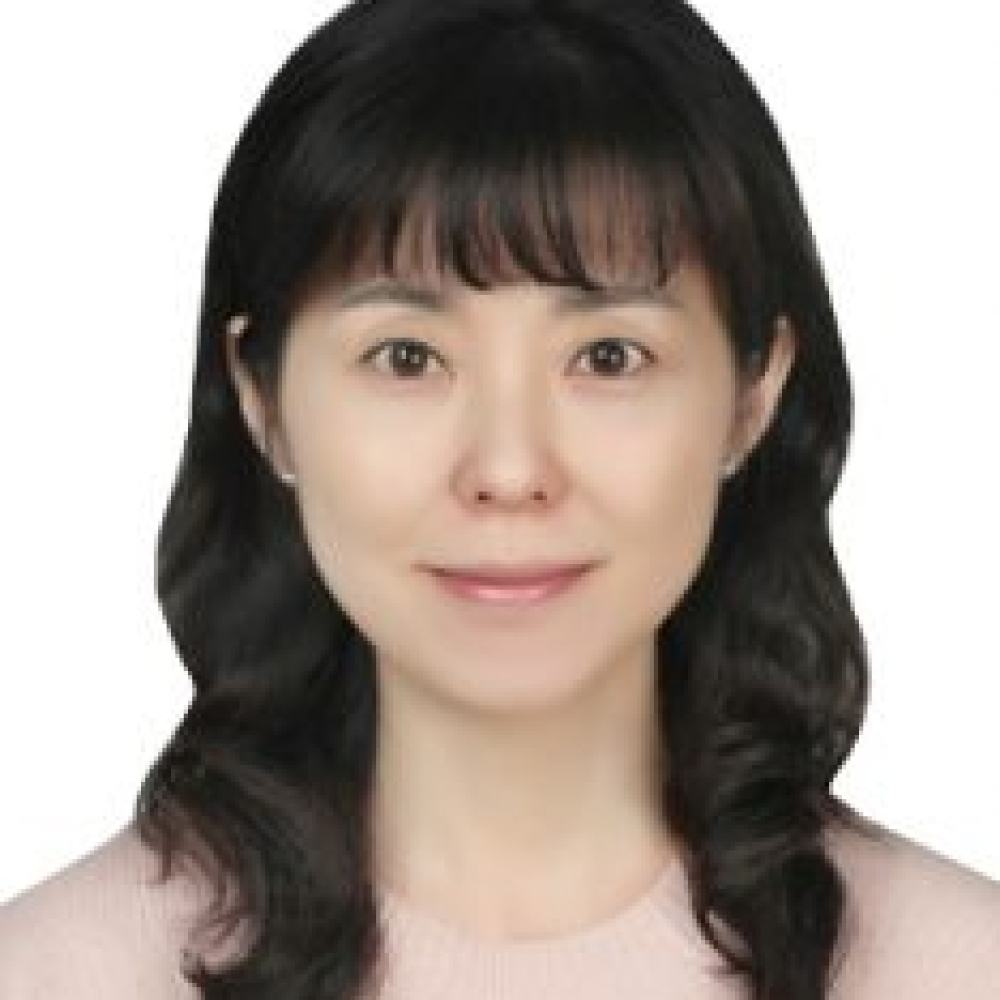
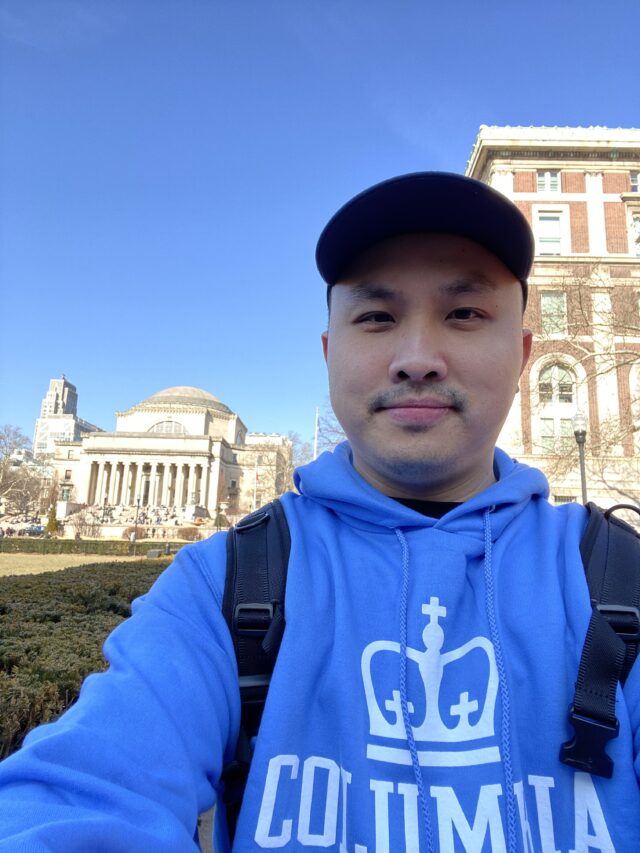
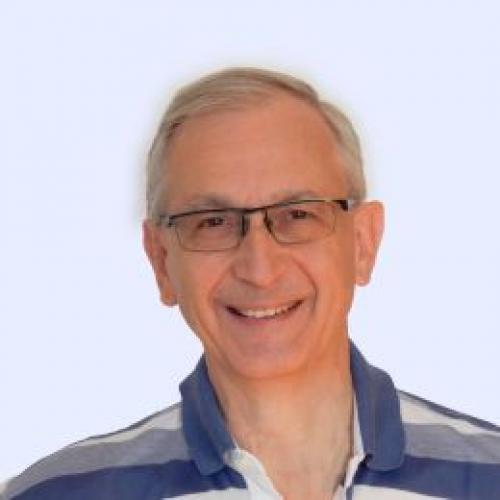
Hyejin Ku is a Full Professor in the Department of Mathematics and Statistics at York University's Faculty of Science. Her research focuses on the intersection of Mathematical Finance and Machine Learning, addressing challenges in risk measurement, portfolio optimization, and quantitative finance. She develops advanced mathematical models to enhance decision-making through reinforcement learning and data analytics. Notable projects include novel algorithms for credit rating prediction using neural networks and sequence-based clustering for credit risk assessment. Her work integrates applied mathematics with real-world financial applications, such as systemic risk reduction in multi-layer networks and option pricing under liquidity constraints. She holds a prominent position in mathematical finance, contributing to both theoretical advancements and practical solutions for financial markets. Her research trends emphasize interdisciplinary approaches, combining machine learning techniques with financial modeling to solve complex problems in risk management and asset valuation. Her publications span over two decades, showcasing contributions to portfolio optimization, derivatives pricing, and computational finance. Dr. Ku is affiliated with York University’s Department of Mathematics and Statistics, where she contributes to academic leadership and research mentorship. Her office is located in DB 2025, and she can be reached at hku@yorku.ca.
France Winddance Twine is a Professor of Sociology at the University of California, Santa Barbara (UCSB), with affiliations at Cambridge University's Sociology of Reproduction research group. She holds a Ph.D. from UC Berkeley and has held prior positions at Duke University and the University of Washington, where she founded the Latin American Studies unit in the Jackson School of International Studies. Her work focuses on intersectional analyses of race, gender, technology, and inequality, particularly through ethnographic and visual methodologies. Education: Ph.D. in Sociology, UC Berkeley Key Research Areas: Racial literacy, queer reproduction, tech industry inequality, feminist science studies, visual sociology Twine's research bridges multiple disciplines, addressing global racial formations, digital labor markets, and anti-racist strategies. Her concept of 'racial literacy' emphasizes intellectual and cultural practices countering anti-Black racism. Recent work examines Silicon Valley's caste systems and barriers faced by women and minorities in tech. Awarded the 2020 ASA Race, Gender & Class Distinguished Career Award, she also secured a $225K Mellon Foundation grant for interdisciplinary seminars on migration and race. She founded UCSB's Technologies for Justice Lab, fostering collaborations between humanities/social sciences and STEM fields to advance equity in technology. Teaching includes courses on digital technologies, racial justice, and ethnographic methods. Her eleven authored/edited books include A White Side of Black Britain (2010) and Geek Girls: Inequality and Opportunity in Silicon Valley (2022).
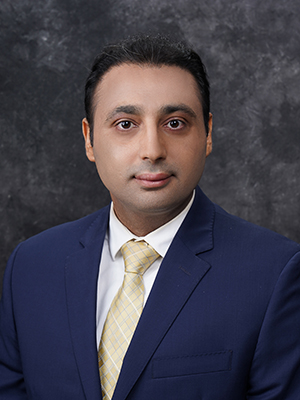
Amir Asadi is an Associate Professor in the Department of Engineering Technology and Industrial Distribution at Texas A&M University, holding the Corrie & Jim Furber '64 Faculty Fellow position. His research focuses on scalable manufacturing of multifunctional composites, structural energy systems, and advanced materials design. He leads the Polymer Composites Advanced Manufacturing (PCAM) Lab, which explores bottom-up fabrication techniques and additive manufacturing processes. Asadi holds a Ph.D. in Mechanical and Manufacturing Engineering from the University of Manitoba (2013), an M.S. in Mechanical Engineering from Iran University of Science & Technology (2006), and a B.S. in Mechanical Engineering from the same institution (2004). His work bridges molecular-level interactions with macroscale material performance, targeting applications in aerospace, e-mobility, and energy storage. Key research interests include structural battery/supercapacitor composites, additive manufacturing of polymer composites, and fast-rate manufacturing of thermoplastics. He has pioneered methods like supercritical CO₂-assisted atomization and cellulose nanocrystal-enabled interface tailoring to enhance composite performance. Asadi has received the NSF CAREER Award (2022) and has been an invited speaker at major conferences such as the Brazilian Conference on Composite Materials (2021) and Chalmers University’s “Materials for Tomorrow” event (2020). His lab’s innovations aim to revolutionize lightweight, multifunctional materials for industrial sectors. His research outputs include over 50 peer-reviewed articles, covering topics from nanocomposite interfaces to 3D-printed structural batteries. He collaborates with industry partners like the Air Force Research Lab and focuses on translating lab-scale innovations into scalable manufacturing solutions.
Xi Zhang is a Full Professor in the Department of Electrical and Computer Engineering at Texas A&M University . He is also the Founding Director of the Networking and Information Systems Laboratory. His academic career includes research fellowships at the University of Technology Sydney and James Cook University, as well as prior roles at AT&T Bell Laboratories and AT&T Laboratories Research. Education: B.S. and M.S. in Electrical Engineering & Computer Science, Xidian University, China M.S. in Electrical Engineering & Computer Science, Lehigh University, USA Ph.D. in Electrical Engineering-Systems, University of Michigan, USA Research Interests: His work focuses on Quality-of-Service (QoS) theory, 6G/Next-Generation Wireless Networks , Massive MIMO , Integrated Sensing and Communications (ISAC) , and Network Function Virtualization (NFV) . He has pioneered advancements in statistical delay/error-rate bounded QoS , AI-driven 6G architectures , and mURLLC (massive ultra-reliable low-latency communications) . Awards & Honors: IEEE Fellow (2014) for contributions to QoS theory in mobile wireless networks NSF Early Career Award (2004) Multiple Best Paper Awards (IEEE GLOBECOM, WCNC, ICC) Outstanding Faculty Award from Texas A&M (2020) Leadership Roles: He has held key positions as Technical Program Committee (TPC) Chair for major conferences (e.g., IEEE GLOBECOM 2011, IEEE ICDCS 2026) and serves as Editor for top-tier journals like IEEE Transactions on Communications and IEEE Transactions on Wireless Communications . Labs & Teams: He leads the Networking and Information Systems Laboratory , focusing on 6G mobile networks, ISAC systems, and AI-driven network architectures.
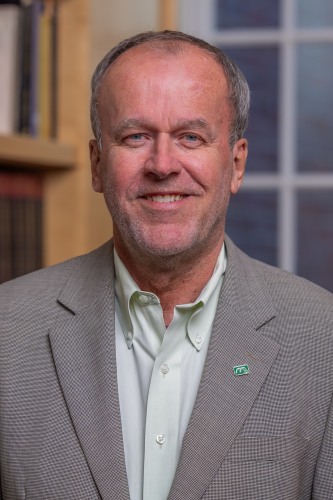
Joachim Krueger is a Professor of Cognitive and Psychological Sciences at Brown University. He holds editorial roles at the Personality and Social Psychology Review and the American Journal of Psychology . His research focuses on social judgment, decision-making, and the intersection of cognitive psychology with behavioral economics and organizational behavior. Key themes include self-perception, intergroup relations, free will belief paradoxes, and the volunteer’s dilemma. Dr. Krueger earned his Ph.D. from the University of Oregon (1988) and completed postdoctoral research at the Max Planck Institute in Berlin before joining Brown in 1991. He teaches courses on psychology in business, happiness philosophy, and behavioral decision sciences. His work critiques positivist methodologies while exploring creativity, leadership, and the replication crisis in psychological research. He is a Fellow of the Association for Psychological Science, Society for Experimental Social Psychology, and Eastern Psychological Association. His writings include books on social judgment, rationality, and happiness, alongside a Psychology Today blog. Krueger collaborates across disciplines, emphasizing pragmatic approaches to understanding human social behavior.
Martin Nordal Petersen is an Associate Professor at the Department of Electrical and Photonics Engineering , Technical University of Denmark (DTU) . His work spans Internet of Things (IoT) , optical networking , and wireless communication systems, with notable contributions to LoRa , NB-IoT , and LPWAN technologies. He actively supervises PhD projects on topics such as machine learning in IoT edge devices , secure 5G communication , and smart community architectures . Active projects (2024–2027): Machine Learning in IoT Edge Devices , Deterministic and Secure 5G Communication Finished projects (2021–2024; 2018–2021; 2015–2018): Reliable M2M/IoT Communication , Smart Communities , IoT 100% , Network Slicing His research explores: IoT Reliability : Multi-RAT communication, backup systems, and signal propagation Optical Networks : Alien wavelength integration, SDN control, and network emulation platforms Wireless Innovation : GPS-free geolocation, maritime NB-IoT use cases, and multimode fiber distribution Current collaborations emphasize cross-disciplinary applications of IoT in healthcare , industrial ergonomics , and smart environments .
Tianyi Lin serves as an Assistant Professor in the Department of Industrial Engineering and Operations Research (IEOR) at Columbia Engineering, Columbia University, a position he assumed in 2024. He holds dual affiliations as a verified Data Science Institute (DSI) Member and an Affiliated Member of both the Financial and Business Analytics Center and the Foundations of Data Science Center. His academic credentials include: Ph.D. in Electrical Engineering and Computer Science, UC Berkeley Postdoctoral Researcher, Laboratory for Information & Decision Systems (LIDS), MIT (2023-2024) M.S. in Operations Research, UC Berkeley M.S. in Pure Mathematics and Statistics, University of Cambridge B.S. in Mathematics, Nanjing University Dr. Lin's research spans optimization theory , game-theoretic models , and machine learning algorithms , with emphasis on nonconvex minimax problems , variational inequalities , and data science applications . His work bridges theoretical guarantees with practical implementations in high-dimensional settings, particularly focusing on convergence properties and computational efficiency in complex systems. Analysis of his 15 most recent publications (2022-2025) reveals dominant themes in high-order optimization methods , no-regret learning in games , and optimal transport algorithms . His contributions demonstrate consistent innovation in developing doubly optimal algorithms for monotone games, spectral regularization techniques for policy optimization, and structure-driven approaches for nonconvex problems, reflecting strong interdisciplinary connections between operations research, computer science, and applied mathematics. No scientific awards or honors were documented in the provided source material. Information regarding student advising and research grants remains unspecified in the current documentation, though his center affiliations suggest active participation in collaborative research initiatives. Dr. Lin maintains significant interdisciplinary engagement through his affiliations with Columbia's Data Science Institute and specialized research centers, positioning his work at the intersection of theoretical optimization and real-world data science applications.
Kunal Mukherjee serves as an Assistant Professor in the Department of Materials Science and Engineering within Stanford University's School of Engineering. His teaching portfolio includes core courses such as MATSCI 152: Electronic Materials Engineering and MATSCI 183/213: Defects and Disorder in Materials, alongside extensive supervision of graduate research through MATSCI 300 (Ph.D. Research) and undergraduate studies. His research centers on semiconductor defects and quantum materials engineering, with particular expertise in dislocation dynamics, heteroepitaxial growth, and quantum emitter systems. Key focus areas include: Defect engineering in diamond for quantum sensing applications Mid-infrared photonic materials (PbSe, PbSnSe) for room-temperature operation Quantum dot laser reliability on silicon substrates Nanoscale positioning of color centers in diamond nanostructures Chalcogenide thin film growth for infrared photonics Analysis of his 15 most recent publications reveals a strong emphasis on defect-mediated phenomena across multiple material systems. His work bridges fundamental materials science with photonic applications, particularly in quantum technologies and infrared optoelectronics. The research demonstrates sophisticated control over dislocation formation, strain management, and phase stability in heterostructures. No scientific awards are documented in the provided materials. His academic supervision spans Ph.D. candidates (MATSCI 300), Master's students (MATSCI 200), and undergraduate researchers across multiple independent study courses, though specific student names are not listed. His laboratory work focuses on advanced materials growth and characterization, particularly employing correlative microscopy techniques to study dislocation luminescence and quantum emitter systems. Current efforts target scalable quantum photonic platforms and high-reliability infrared emitters through precise defect engineering.
Dr. Lilianna Wojtynek is a Lecturer at the Department of Logistics, Faculty of Production Engineering and Logistics, Opole University of Technology. Her academic career focuses on logistics, production engineering, and industrial safety. Current Position: Lecturer in Logistics Department: Logistics School: Faculty of Production Engineering and Logistics University: Opole University of Technology Research interests span logistics systems, quality management, and transportation safety. Key themes include: Lean methodologies (5S, supply chain optimization) Industry 4.0 applications in logistics Risk analysis in transportation and logistics Production process planning and decision modeling Articles trends emphasize industrial safety, logistics efficiency, and technology integration in transportation. Notable subfields include dynamic forklift testing, BRT systems, and hazardous material storage.
Aurélien Tabard is an Associate Professor at LIRIS (Laboratoire d'InfoRmatique en Image et Systèmes d'information), a joint research unit between Université Claude Bernard Lyon 1 and CNRS. His academic career spans over a decade with positions at prestigious institutions including the IT University of Copenhagen, University of Munich, and INRIA. He completed his PhD at Université Paris-Sud in 2009, focusing on supporting lightweight reflection on familiar information. Tabard's research centers on convivial informatics, exploring alternatives to computational platforms that consider digital limits and foster sufficiency, maintenance, autonomy, and durability. His work emphasizes participatory approaches to designing resilient infrastructures and tools for rapid prototyping by non-designers. He investigates software obsolescence, digital sufficiency, and the materiality of data physicalization through projects like Limites Numériques and PC4-Congrats within PEPR eNSEMBLE. His recent publications reveal strong trends toward sustainability in computing, examining how digital systems can be designed with longevity and environmental impact in mind. There's a clear progression from technical HCI research toward broader societal implications of digital technology, particularly focusing on how users experience aging devices and negotiate digital limits collectively. Honorable mention award for 'Obsolescence Paths: living with aging devices' at ICT4S 2023 Student Lea Mosesso received the prize for best MSc thesis from Conseil National du Numérique Tabard actively mentors PhD students including Maëva Calmettes (working on skill and expertise sharing), Edlira Nano (studying software obsolescence), and Lea Mosesso (researching digital sufficiency). He collaborates extensively with researchers across France and internationally, particularly with Inria Lille where he spent a sabbatical in 2023. His current projects involve understanding software obsolescence, digital sufficiency, and the interplay between micro design decisions and systemic forces shaping ICT. He leads the Limites Numériques team, which investigates how to design computational platforms that take digital limits into consideration. The team recently developed an exhibit on water in the digital sector that will travel to Rhône-Alpes in spring 2025. Tabard also contributes to participatory design tools and critical approaches to participatory design, working with colleagues like Nolwenn Maudet, Thomas Thibault, and Romain Rouvoy.
Nuno Miguel Fonseca Ferreira is a Full Professor at the Instituto Superior de Engenharia de Coimbra (ISEC), part of the Polytechnic of Coimbra, where he currently serves as President of the Scientific Council. His academic career spans over 25 years at ISEC, progressing from Assistant to Professor Coordenador Principal. He has held significant leadership positions including Vice-President of ISEC (2001-2005), Pro-President of the Polytechnic of Coimbra (2009-2010), President of ISEC (2010-2013), and Vice-President of the Polytechnic of Coimbra (2013-2017), where he was responsible for internationalization initiatives. His educational background includes a degree in Electrical Engineering from the University of Porto (1996), a Doctorate in Electrical Engineering from the University of Trás-os-Montes and Alto Douro (2006), and a Habilitation Title (Aggregation) from the same institution (2020). His research focuses on Robotic Systems, with specialization in cooperative robotic systems as evidenced by his Habilitation work. Professor Ferreira's research spans multiple domains of robotics and intelligent systems, with particular emphasis on multi-robot coordination, environmental applications, and medical robotics. His work bridges theoretical control systems with practical applications across diverse fields including forestry, healthcare, manufacturing, and education. He has developed innovative approaches to robotic manipulation, sensor integration, and human-robot interaction, often incorporating advanced techniques from artificial intelligence and machine learning. His recent publications demonstrate a strong trend toward practical applications of robotics in real-world environments, particularly in forestry maintenance, industrial automation, and medical applications. The research shows progression from theoretical control systems to applied robotics in challenging environments, with increasing integration of computer vision, deep learning, and collaborative systems. His work spans both fundamental robotics research and immediate industrial applications, reflecting a balance between academic inquiry and practical implementation. Professor Ferreira has supervised two doctoral theses and participated in numerous research projects with substantial funding. His leadership extends to coordinating 15 of the 33 national and international R&D projects he has participated in, demonstrating significant grant acquisition and management capabilities. His international collaborations through Erasmus+ and other European programs highlight his role in fostering global research partnerships. He is an integrated member of GECAD (Research Group in Engineering and Intelligent Computing for Innovation and Advanced Development), a Portuguese R&D unit classified as Excellent by the Portuguese Science and Technology Foundation. Additionally, he is a member of LASI (Associated Laboratory for Intelligent Systems), the Portuguese laboratory associated with Artificial Intelligence, connecting him to a broader national research ecosystem.
Daniele Caviglia serves as Full Professor in the Department of Naval, Electrical, Electronic and Telecommunications Engineering at the University of Genoa, Italy. He holds the position of Coordinator for the Master's Degree in Electronic Engineering and teaches advanced courses including Radio Frequency Electronics, Electronic Devices, and Electronic Systems for Telecommunication across both Bachelor's and Master's programs. His research program focuses on ultra-low-power electronics for biomedical and environmental applications, with three primary thrusts: (1) nW-scale circuit design for bio-signal processing and neural interfaces, (2) advanced beamforming techniques in medical ultrasound imaging, and (3) energy harvesting systems for autonomous environmental monitoring. His group has pioneered inverter-based OTAs achieving sub-10nW operation and developed novel genetic algorithm-optimized apodization methods for plane-wave ultrasound imaging. Recent publications (2024-2025) reveal strong thematic continuity with increasing emphasis on practical implementations - particularly sea wave energy harvesters for environmental buoys and satellite microwave link systems for rainfall monitoring in urban settings. The work consistently bridges fundamental circuit innovation with real-world medical and environmental applications, maintaining high impact in IEEE and Elsevier journals.
Dario Carugo is an Associate Professor of Biostimulation and Immunological Engineering at University College London (UCL), School of Pharmacy, Department of Pharmaceutics. Previously, he held positions at the University of Oxford (Botnar Research Centre) and University of Southampton. His academic foundation includes a BSc and MSc in Biomedical Engineering from Politecnico di Milano (specializing in Biological Fluid Dynamics & Bio-Machines), and a PhD in Bioengineering Sciences from the University of Southampton. His research spans acoustofluidics , microfluidic drug delivery systems , and biofilm eradication technologies . Key interests include ultrasound-activated drug carriers, mechanistic models for therapeutic physical stimuli, and nano/micro-scale systems for chronic wound treatment, implant infections, and musculoskeletal disorders. His work integrates computational fluid dynamics with experimental models to optimize interventional treatments. Recent publications (2023-2025) reveal a strong trend toward biofilm-targeted therapies using ultrasound-responsive carriers (microbubbles/nanodroplets), oxygen delivery systems for bone healing, and 3D-printed devices for precision drug delivery. Interdisciplinary collaborations span microbiology, urology, and tissue engineering, with emphasis on translating lab innovations to clinical applications for chronic wounds and implant-associated infections. Awards: Italian National Bioengineering Group award IMechE Biomedical Engineering Division award EPSRC Doctoral Prize award FP7 European project funding BBSRC award Junior Research Fellowship at Jesus College, Oxford Carugo teaches Biofluids (Engineering Science) and Micro- & nano-technologies for personalised medicine (MSc Pharmacology), alongside supervising MSc Musculoskeletal Sciences laboratory activities. His Botnar Research Centre lab pioneers vortical flow devices for ultrasound-activated drug delivery and high-speed imaging systems (>1 million fps) to quantify cellular responses to mechanical stimuli.
Professor Darin Weinberg is a Professor of Sociology at the University of Cambridge , a Fellow and Director of Studies at King's College , and a leading scholar in the sociology of addiction, diagnosis, and social constructionism. He has held academic positions since 1998 and has been affiliated with Cambridge since 2000. Education: BA in Sociology and Communications, University of California, San Diego (1984) MSc in Social Philosophy, London School of Economics (1985) PhD in Sociology, UCLA (1998) Research Interests: Professor Weinberg’s work centers on the sociology of addiction , social constructionism , ethnomethodology , and the sociology of diagnosis . He critically examines how addiction is framed in scientific, clinical, and public discourses, emphasizing the role of culture, agency, and social context. His research also explores how diagnoses are socially constructed and how they shape medical and social responses. Research Trends: His recent publications (2021–2024) reflect a sustained engagement with the epistemology and ontology of disease, particularly in the context of addiction and diagnosis. He uses ethnographic and historical methods to challenge reductive biomedical models and to highlight the complexity of lived experiences of illness and recovery. Awards and Honors: Melvin Pollner Prize in Ethnomethodology (2011, 2018) Outstanding Article Award, Social Problems Theory Division (2011) Finalist for the Phillip Abrams Memorial Prize and Sociology of Health and Illness Book Prize Teaching and Supervision: Professor Weinberg teaches the course SOC13: Health, Medicine and Society and has served as Director of Studies at King's College, indicating a strong commitment to undergraduate and postgraduate education. Affiliations and Roles: He has been a Fellow of King's College since 2001 and was appointed Reader in the Department of Sociology in 2012. He previously held a Lindesmith Fellowship for Drug Policy Studies (2000–2001).
Prof. Dr. Mehmet Reşit Tolun is a full-time Professor in the Department of Software Engineering at Çankaya University (Turkey) since 2022. Previously held full-time professor positions at Konya Food and Agriculture University (2020-2022), Aksaray University (2013-2017), and TED University (2011-2013), along with a part-time professorship at Başkent University (2017-2020). Specializes in Artificial Intelligence , Machine Learning , and Data Mining , with a focus on deep learning applications in aerospace, biomedical data analysis, and software process improvement. PhD in Computer Science (University of Kent, 1985) MSc in Computer Science (University of Kent, 1982) BSc in Physics and Computer Science (University of Kent, 1981) Research Interests span deep learning frameworks, hybrid expert systems, software engineering methodologies, and biomedical signal processing. Publications emphasize practical implementations in medical diagnostics, robotics, and agricultural pest detection. Scientific Awards include the IEEE Third Millenium Medal (2000). Supervised over 55 graduate students, including Burak Çetin, Uğur Özotuk, and Mahinur Doğan. Collaborated with researchers from Orta Doğu Teknik Üniversitesi , Çankaya University , and Aksaray University .