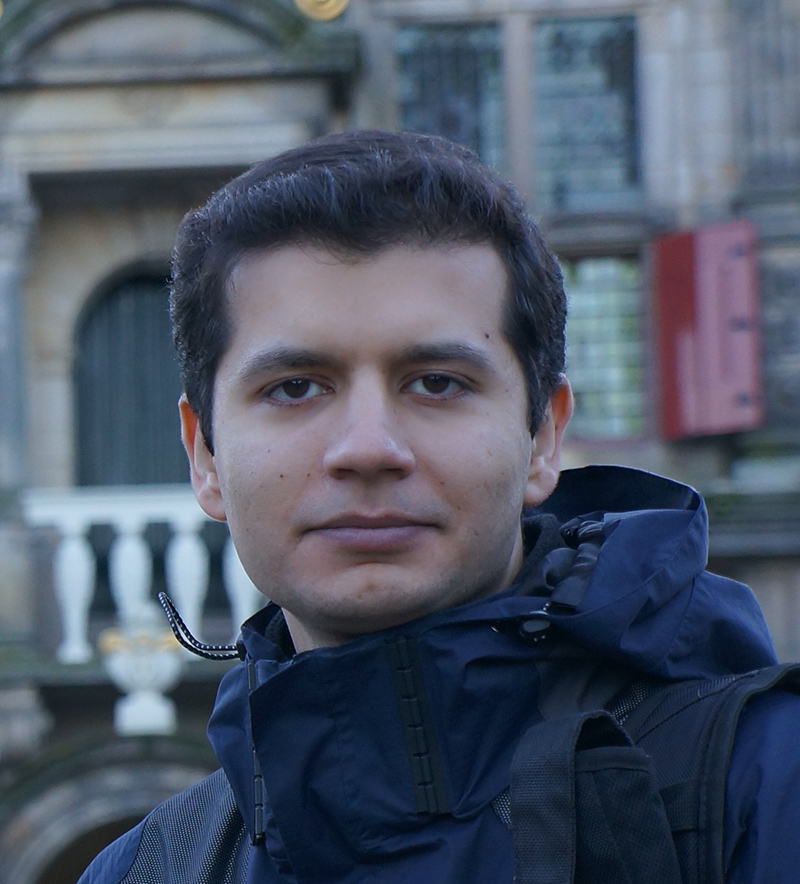
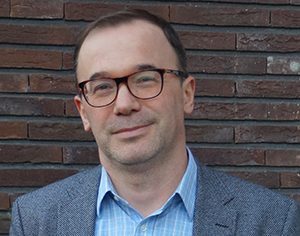
Matthew Gibbons is a Researcher in the Department of Radiology at the University of California, San Francisco (UCSF) School of Medicine. His work bridges medical imaging, biomedical engineering, and clinical research, with a focus on prostate cancer and bone physiology. Education: PhD in Engineering Applied Science (UC Davis, 1995), MS in Nuclear Science (Air Force Institute of Technology, 1984), BS in Physics (Purdue University, 1982), and MS in Biomedical Imaging (UCSF, 2018). Gibbons specializes in Diagnostic Imaging , particularly MRI applications for prostate cancer detection and cortical bone vessel analysis. His research leverages Neural Networks , Image Processing , and Biomedical Engineering to improve tumor segmentation and histopathology reference standards. Recent publications (2015–2025) highlight his expertise in MRI , Prostate Cancer , and Computational Modeling . Collaborations with institutions like UC Davis and Purdue University underscore his interdisciplinary approach. Gibbons has worked with co-authors including Susan Noworolski, Peter Carroll, Jeff Simko, and John Kurhanewicz. His work spans journals such as Tomography , Magnetic Resonance Imaging , and Journal of Applied Physics , with additional contributions to patents in magnetic recording technology.
Sabina Hrabetova, MD, PhD, serves as a Professor in the Department of Cell Biology at the State University of New York Downstate Health Sciences University's College of Medicine. Her research centers on the brain's extracellular space (ECS), investigating its structural properties and functional implications for neural communication and therapeutic delivery. Her primary research interests focus on brain extracellular space dynamics , where she combines experimental diffusion measurements with mathematical modeling to characterize ECS structure. Her work examines how ECS geometry, pore width, and extracellular matrix composition influence diffusion processes critical for intercellular signaling, nutrient delivery, and drug transport. This research spans neuropharmacology , computational neuroscience , and biophysical modeling , with significant implications for neurological disorders and brain tumor treatments. Analysis of her recent publications reveals an evolving research trajectory from fundamental ECS characterization toward translational applications. Her work increasingly integrates glymphatic system research with traditional diffusion studies, while maintaining focus on structural determinants of brain microenvironment function. Notably, her 2025 publication extends into oncology collaboration, demonstrating interdisciplinary reach. Her laboratory develops specialized methodologies for brain tissue analysis, including novel incubation chambers for acute brain slices and optical sensing techniques for neuropeptide transmission studies. These technical innovations support her core mission of creating realistic three-dimensional models of brain ECS to predict structural impacts on molecular transport.
Professor Gero Steinberg is a leading molecular cell biologist at the University of Exeter , where he serves as Professor of Cell Biology and Director of the Bioimaging Centre since 2007. His research focuses on cytoskeletal dynamics and motor proteins in the plant pathogen Ustilago maydis , with implications for eukaryotic cell biology. He also holds Honorary Professorships at the Peninsula School of Medicine and Philipps-Universität Marburg. Diploma in Biology (Technical University Darmstadt and University of Kiel, 1991) PhD in Cell Biology (University of Munich, 1995) Habilitation in Genetics and Cell Biology (University of Munich, 2001) Steinberg's work explores the molecular basis of cytoskeleton-based cellular dynamics, particularly in fungal systems. His lab investigates U. maydis and Mycosphaerella graminicola to address fundamental questions in cell organization, endocytosis, open mitosis, and fungal pathogenicity. Key projects include motor protein cooperation, nuclear pore dynamics, and systems-level analysis of fungal growth. His recent publications highlight interdisciplinary approaches combining quantitative live-cell imaging with mathematical modeling to decipher bidirectional organelle transport, motor protein stochasticity, and microtubule organization. Collaborations with Carl Zeiss , Syngenta , and BASF focus on drug delivery systems and fungicide mechanisms. Scientific Awards: summa cum laude (PhD, University of Munich) magna cum laude (Diploma, University of Kiel) Steinberg's lab trains numerous PhD students and postdocs, including Dr. Sreedhar Kilaru, Dr. Stephen Milne, Dr. Yujiro Higuchi, and others. His group also maintains advanced microscopy facilities, including confocal and electron microscopes , to support fungal cell biology research.
Zhe Han is a Professor at the University of Maryland with primary appointment in Medicine and secondary appointment in Physiology . As Director of the Center for Precision Disease Modeling, he develops Drosophila and human cell models to validate genetic variants causing heart, kidney, blood, muscle, and metabolic diseases, advancing precision medicine approaches. PhD in Molecular, Cellular and Developmental Biology, University of Michigan (2002) Postdoc in Molecular Biology, UT Southwestern (2006) His lab pioneered Drosophila as a high-throughput system for congenital heart disease and genetic kidney diseases , discovering nephrocyte-podocyte functional equivalence and developing gene replacement methods. Recent work includes COVID-19 pathogenic protein identification and APOL1 nephropathy mechanisms . Key research areas: Heart development and disease Kidney filtration and reabsorption Genetic variant validation Drug discovery for rare diseases Comparative disease modeling Major scientific contributions include: Establishing Drosophila heart as CHD validation platform First in vivo nephrocyte functional assay Identifying Q10 as COQ2 nephropathy treatment APOL1 nephropathy mechanism discovery SARS-CoV-2 Nsp6 pathogenicity elucidation Scientific leadership includes: Multiple NIH R01 grants (2008-present) NIH INCLUDE Supplement (2019) Community mentorship at Thomas Jefferson High School Leadership in Society of Chinese Bioscientists in America His work bridges Drosophila genetics with human clinical applications, focusing on translational mechanisms and targeted therapies for genetically complex diseases.
PD Dr. Florian Frank is Privatdozent (senior lecturer with full teaching licence) for Applied Mathematics at Friedrich-Alexander-Universität Erlangen-Nürnberg (FAU) and heads the Bavarian research project „Parallel mesh loading and partitioning for large-scale simulation“ . His expertise spans high-performance computing, phase-field and discontinuous Galerkin methods, digital-rock physics, and reactive transport in porous media. Education & career 2022 – Venia legendi (private lecturer), Mathematics, FAU 2019 – Dr. habil., Mathematics, FAU 2013 – Dr. rer. nat., Applied Mathematics, FAU 2008 – Graduate Mathematician, University of Frankfurt 2021-2022 (acting) W2 Professor Scientific Computing, FAU 2018-2021 (acting) W2 Professor Mathematical Modelling, FAU 2017-2018 Senior Postdoc, CAAM, Rice University, USA 2014-2017 Postdoc, CAAM, Rice University, USA Research interests Frank focuses on the development and analysis of numerical schemes for partial differential equations that govern multiphase, multicomponent and reactive processes in porous or biological media. Key themes include discontinuous Galerkin and finite-volume methods , physics-preserving discretizations , high-performance computing , and digital-rock-based pore-scale simulations . He couples phase-field approaches with (Navier–)Stokes, Cahn–Hilliard, Nernst–Planck and density-gradient equations to quantify flow, transport, colloid dynamics and interfacial phenomena. Recent publications reveal a clear trend toward data-driven modelling : convolutional neural networks are trained with direct numerical simulation data to predict permeability and diffusion coefficients from 3-D micro-CT images, while advanced preconditioners and regularization techniques accelerate multiphase thermodynamic computations. Awards & recognition 2020 – Emmy-Noether-Prize der Naturwissenschaftlichen Fakultät, FAU 2017 – Promotion to Senior Postdoctoral Research Associate , George R. Brown School of Engineering, Rice University Projects, tools & supervision Frank currently leads a Bavarian state-funded project on parallel mesh handling for large-scale simulations. Together with collaborators he maintains the open-source MATLAB/GNU Octave toolbox FESTUNG for discontinuous Galerkin methods. Since 2018 he has (co-)supervised ten BSc and MSc theses on topics ranging from Stokes preconditioning to enriched Galerkin shallow-water solvers, regularly serves as reviewer for more than a dozen international journals, and is guest editor of special issues in Computational Geosciences and Oil & Gas Science and Technology .
Nadja Ray is a Professor for Geomatics and Geomathematics at the School of Mathematics, Information, Data Science (MIDS) at Katholische Universität Eichstätt-Ingolstadt since September 2022. She also serves as Head of a Junior Research Group at Friedrich-Alexander Universität Erlangen-Nürnberg and is Principal Investigator for multiple research projects including DFG SPP 2089, DAAD PPP Finland, and DFG RTG 2339. Her educational background includes a Habilitation in Applied Mathematics (2016-2020), a PhD in Applied Mathematics (2008-2013), and a Diploma in Mathematics with minor in theoretical physics (2002-2008), all from Friedrich-Alexander Universität Erlangen-Nürnberg. Dr. Ray's research focuses on multiscale modeling, upscaling, and homogenization with applications in porous media, particularly soil microaggregates and electrohydrodynamics. Her work bridges mathematical theory with practical applications in soil science, environmental engineering, and geosciences. She develops mechanistic models that incorporate evolving microstructures to understand complex phenomena in porous media. Her recent publications demonstrate a strong focus on micro-macro modeling approaches for reactive transport in porous media, permeability estimation using machine learning techniques, and pore-scale modeling of soil processes. Her work spans mathematical analysis, numerical methods, and interdisciplinary applications in soil science and geosciences. Habilitation prize from Friedrich-Alexander Universität Erlangen-Nürnberg for outstanding habilitation Women's prize from the faculty of natural sciences at Friedrich-Alexander Universität Erlangen-Nürnberg Dr.-Körper-Preis 2014 from GAMM for outstanding PhD thesis Multiple prestigious scholarships including from Studienstiftung des Deutschen Volkes and Deutsche Telekom Stiftung Dr. Ray has secured significant research funding as Principal Investigator for multiple DFG and DAAD projects. She regularly presents her research at international conferences including the SIAM Conference on Mathematical and Computational Issues in the Geosciences and the European Geosciences Union General Assembly. She teaches in the B.Sc. Data Science program at KU Eichstätt-Ingolstadt and has completed the Certificate for Teaching in Higher Education of the Bavarian Universities. Her international collaborations include research visits to institutions in Belgium, Slovakia, Norway, and the Netherlands, demonstrating her strong international research network.
Vivek Garg serves as Assistant Professor in the Department of Pharmacology & Physiology at the University of Maryland School of Medicine, where he leads research on mitochondrial calcium signaling mechanisms and their physiological implications. His work bridges molecular biophysics with cardiovascular pathophysiology, utilizing innovative electrophysiological approaches to investigate fundamental cellular processes. Education: B.Pharmacy in Pharmacology, Panjab University, India (1999) M.Pharmacy in Pharmacology, Panjab University, India (2002) Ph.D. in Pharmacology, The Ohio State University (2009) Postdoctoral Fellowship, University of Utah (2014) Researcher Position, University of California San Francisco (2020) Dr. Garg's research centers on mitochondrial bioenergetics and membrane excitability, with particular emphasis on the molecular physiology of mitochondrial calcium uniporter (MCU) complexes. His laboratory employs direct patch-clamp techniques on intracellular organelles combined with cell biology and multi-omics approaches to decipher how mitochondrial calcium signaling regulates cellular metabolism and electrical activity. This work has significant implications for understanding heart failure, metabolic disorders, and other conditions involving mitochondrial dysfunction. Analysis of his publication record reveals a consistent trajectory from cardiac ion channel research toward specialized mitochondrial electrophysiology. His recent work demonstrates technical innovation in organelle patch-clamp methodology while establishing critical regulatory mechanisms for MCU through EF-hand domain proteins. The publications span fundamental biophysical characterization to disease-relevant models, particularly focusing on cardiac pathophysiology and metabolic plasticity. Scientific Awards: No scientific awards documented in provided materials Dr. Garg currently serves as Principal Investigator on a National Institute of General Medical Sciences R01 grant (2023-2027) titled 'Molecular Physiology of Mitochondrial Calcium Uniporter (MCU)', reflecting the significance of his research program. While no formal advisees are listed in the provided documentation, he directs the Garg Lab which maintains active research operations focused on mitochondrial function. The Garg Lab operates within the Department of Pharmacology & Physiology, utilizing specialized equipment for mitochondrial patch-clamp recordings, confocal imaging, and omics analyses. Their research program investigates how mitochondrial abnormalities contribute to disease states through altered bioenergetics and signaling pathways, with particular attention to calcium and redox homeostasis in cardiac and metabolic contexts.
Associate Professor Chandralal Hewage is a structural biologist at the School of Biomolecular and Biomedical Science, University College Dublin, with over 30 years of expertise in NMR spectroscopy. His research focuses on biologically active peptides for diabetes therapy, antimicrobial drug development, and liver disease metabolic studies. Research Interests: Structural analysis of diabetes-related peptides Design of GIP and endothelin receptor drugs NMR-based antimicrobial peptide studies Liver cell metabolic profiling in disease states Development of computational peptide modeling tools Scientific Contributions: Organizer of international conferences EUROMAR 2012 and ICMRBS 2018. Author of >100 publications. Developer of bioinformatics tools APPTEST and ENNAVIA for peptide structure/activity prediction. Professional Affiliations: ICMRBS Council Member European Peptide Society Council Member Chairman of Irish Peptide Society
Dr Alexandra ‘Ally’ Gormally-Sutton is Senior Lecturer in Subsurface and Society at Lancaster University’s Lancaster Environment Centre (LEC). She is a human geographer whose work bridges energy geographies, political geology and sustainability transitions, with an emerging focus on subsurface governance and speculative geologies. Ally leads or co-leads several multi-million-pound projects funded by EPSRC, ESRC and NERC, sits on the Management Board of the Supergen Energy Storage Network+, and is Project Lead for the NERC-funded Inclusive Natural Environment Futures initiative. Education: Ally completed her interdisciplinary PhD in 2013, funded by the UK Energy Research Centre, examining renewable energy potential in upland communities. Research interests: Her research interrogates the relationship between social processes and earth systems, especially the underground. Core themes include: Energy geographies and community energy Subsurface governance, pore-space politics and NetZero transitions Political geology, speculative volcanology and extreme energy futures Thermal comfort, digital technologies and invisible energy policies EDI in higher education and environmental disciplines Across 18 peer-reviewed outputs since 2011, her publications chart a trajectory from regional renewable resource assessments to critical interrogations of energy governance and the societal dimensions of the subsurface. Recent work (2022-2025) centres on social housing retrofits, groundwater governance in South Africa, post-pandemic coastal experiences, and thermal comfort policies in universities. Scientific awards & honours: Fellow of the Higher Education Academy (FHEA) Fellow of the Royal Geographical Society (RGS-IBG) Doctoral supervision & grants: Ally supervises 3 current PhD students (Rachael Glassey, Kathy New, Lydia Parsons) and has successfully completed 4 PhDs since 2019. She has been PI or Co-I on grants totalling >£2 million, including: EPSRC CREDS £1.6M (Co-I) ESRC-CASE studentship £75k (PI) NERC Opening Up The Environment 2025/26 (PI) EPSRC Supergen Energy Storage Network+ (Co-I 2019-2023) Labs, teams & outreach: As LEC’s academic lead for Athena SWAN (Silver award 2023), Ally champions equity, diversity and inclusion in Geography and Environmental Science, curating the LEC Voices blog series and leading initiatives to widen participation among minority ethnic students in the natural environment sector.
Professor Hamid Roshan is a faculty member at the School of Minerals and Energy Resources Engineering within the Faculty of Engineering at UNSW Sydney. He graduated with a PhD in Petroleum Geomechanics Engineering from UNSW Sydney in 2012, followed by 3.5 years of postdoctoral training in the School of Civil and Environmental Engineering. He was appointed to his current position in 2016 after gaining valuable industry experience with the Underground Gas Storage Company, where he worked on the Sarajeh field gas storage project. Professor Roshan's research spans multiphysics geomechanics and rock characterization, with applications across Mining, Civil, and Petroleum Engineering sectors. His work integrates theoretical, numerical, and experimental approaches to solve complex geomechanical problems. Since 2017, he has developed the advanced GeoEngineering Research Lab at UNSW, where next-generation equipment for coupled geomechanics-rock characterization has been designed and built, offering state-of-the-art services to industry. His research interests include THMC Experimental and Computational Modelling in CCUS, Coal Seam Gas and Shale Gas Engineering, Geophysics and Data-driven Rock Mass Characterization, Borehole Geotechnical Logging, In-situ Stress Measurement and Estimation, and Fundamentals of Rock Mechanics with a focus on Multiphysics Geomechanics. His recent publications demonstrate expertise in ultramafic rock interactions, geothermal energy storage, shale gas reservoirs, and advanced computational modeling techniques. Professor Roshan has developed and patented field-scale downhole logging tools for stress-mechanical property measurements along with software solutions for the mining industry. His work has practical applications in carbon sequestration, underground hydrogen storage, and unconventional gas extraction. Professional Recognition: American Rock Mechanics Association Future Leader Professional Memberships: Australian Geomechanics Society, International Society of Rock Mechanics, Society of Petroleum Engineers Professor Roshan teaches Petrophysics (PTRL2020), Formation Evaluation (PTRL5107), Integrated Oil and Gas Reservoir Evaluation (PTRL4010), and Geomechanics A, while actively seeking students with strong academic backgrounds for research opportunities.
Professor Christoph Arns is a full Professor at the University of New South Wales (UNSW) School of Engineering, specializing in Mineral and Energy Resources Engineering. He has been at UNSW since 2008 and has held the position of full Professor since 2014. Currently, he leads the Geoenergy and Geostorage discipline within the school. Prior to joining UNSW, he was a research fellow at the Australian National University from 2001-2008. Professor Arns obtained his Dipl. Phys. from RWTH Aachen, Germany in 1996 and his PhD in Petroleum Engineering from UNSW Sydney in 2002. His academic background combines physics and petroleum engineering, creating a unique interdisciplinary perspective for his research. His primary research focus is on Digital Rock Physics, where he has pioneered computational pore-scale physics based on tomographic images. He specializes in integrating 3D tomographic imaging technology with NMR techniques for petrophysical applications, with particular emphasis on heterogeneity analysis. His work spans multiple sub-disciplines including pore-scale modeling, digital core analysis, rock physics, reservoir characterization, and Minkowski functionals for structural analysis. Professor Arns has developed the MPI-parallel software package 'morphy' for computational physics operating on segmented tomographic images, which includes sophisticated NMR response modeling, electrical property calculations, permeability estimation, elastic moduli determination, and morphological property analysis. His research has substantial industry relevance, as evidenced by his role as a founding member of Digital Core Pty Ltd, an ANU/UNSW spin-off that was sold to FEI for $76 million in 2014 and is now part of ThermoFisher. He has received significant research support through three successive Australian Research Council (ARC) fellowships. His scholarly contributions are reflected in numerous publications spanning from 2000 to 2025, with recent work focusing on advanced computational methods, machine learning applications in rock physics, and detailed analysis of fluid-rock interactions at the pore scale. Professor Arns maintains active leadership roles in multiple professional societies including Interpore (lifetime member, former council chair 2016-2019), Society of Core Analysts (Australasia Regional Director since 2016), Society of Petrophysicists & Well Log Analysts, Society of Exploration Geophysicists, and Society of Petroleum Engineers.
Hibiki Kawamata is an Assistant Professor of Research at the Brain and Mind Research Institute within Weill Cornell Medical College , where they have contributed to neuroscience research since 2015. Ph.D. from Weill Cornell Graduate School of Medical Sciences (2008) B.A. from Smith College (1999) Dr. Kawamata's research focuses on mitochondrial dysfunction , protein misfolding , and their roles in neurodegenerative diseases such as ALS and Parkinson's. Their work explores oxidative stress , calcium homeostasis , and metabolic pathways in disease progression. Key publication trends include studies on mitochondrial dynamics , neurodegenerative biomarkers , and genetic modifiers in ALS models. Recent work (2025) examines CHCHD10/CHCHD2 amyloid structures, while earlier studies (2020-2011) investigate metabolic profiling , ER-mitochondria interactions , and proteinopathy mechanisms . Dr. Kawamata's grants include NINDS funding for CHCHD10/ALS research (2024-2029) and support from the Muscular Dystrophy Association (2022-2025). They have published extensively on mitochondrial biology in neurodegeneration, with >150 citations for their 2018 work on ALS-FTLD protein interactions .
Hadi Hajibeygi is a Professor of Geo-Energy Solid and Fluid Mechanics at Delft University of Technology, leading subsurface storage research and multiscale modeling initiatives. He serves as the Subsurface Storage Theme Lead (2016–present) and Energi Simulation Chair holder (2022–present), with a focus on underground hydrogen storage, CO2 sequestration, and geothermal energy systems. His research integrates multiphase flow in porous media , multiscale simulation , and geomechanical stability , supported by NWO-Vidi and Interpore awards. He leads the DARSim and ADMIRE projects, developing frameworks like Adaptive Dynamic Multiscale Integration and pEDFM-U for fractured reservoirs. Key awards include: Interpore Award for Porous Media Research (2021) NWO-Vidi Laureate (2019) Interpore Rosette (2017) ETH Zurich PhD Medal (2012) TU Delft Innovative Teaching Talent (2018) His teaching portfolio spans Dynamics of Solids and Fluids , Numerical Methods for Subsurface Simulation , and Multiscale Modeling , while advising a team of postdocs and PhD candidates on projects spanning induced seismicity, microbial interactions, and fractured reservoir mechanics.
Denis Voskov is an Associate Professor at Delft University of Technology (Faculty of Civil Engineering and Geosciences, Department of Geoscience & Engineering). He also holds an Adjunct Professor position at Stanford University (Department of Energy Resources Engineering, USA). His academic career spans roles as Senior Researcher (2007-2015) and Research Associate (2005-2007) at Stanford, CTO of Rock Flow Dynamic (2005-2008), and engineering positions in oil companies and research institutions in Russia (2000-2005). Current: Head of Reservoir Engineering Section (2024-present) Current: Associate Professor at TU Delft (2015-present) Current: Adjunct Professor at Stanford University (2016-present) Voskov specializes in modeling complex subsurface systems , focusing on reactive flow and transport in altering porous media, scale translation for physical processes, high-performance computing for forward/inverse problems, thermal/geothermal process simulation, CO2 sequestration, and nonlinear solver analysis. His work bridges computational methods (finite volume frameworks, augmented flash calculations, operator-based linearization) with energy transition applications like geological carbon storage and geothermal resource management. Key trends in his recent publications (2024-2025) include: advanced CO2 storage mechanisms (capillary pinning, halite precipitation), multiphysics simulation frameworks (thermal-hydro-mechanical-compositional models), data assimilation for geothermal reservoirs, physics-informed neural networks for subsurface problems, and open-source tools like DARTS-well. Topics frequently intersect with energy transition, reservoir heterogeneity, and numerical robustness. Voskov's lab and team activities center on subsurface energy systems at TU Delft, including the campus geothermal project for direct-use heating and digital twin development for geothermal reservoirs. He collaborates internationally, particularly with Stanford University, and leads initiatives in GPU-based Monte Carlo simulations for uncertainty quantification.
FAN Dian is a Research Assistant Professor at the School of Environmental Science and Engineering, Southern University of Science and Technology (SUSTech). He obtained his Ph.D. in Petroleum Engineering from Texas Tech University in 2018 and a B.E. in Petroleum Engineering from Chengdu University of Technology in 2013. His research focuses on fluid and particle transport in geological porous media through multi-scale numerical simulations, with applications in shale oil/gas extraction, CO₂ sequestration, microplastic removal, and environmental tracer recovery. Key methodologies include lattice Boltzmann simulations and statistical mechanical modeling. Dr. Fan's publications demonstrate strong emphasis on: 1) Fundamental transport phenomena in porous media, 2) Advanced simulation techniques (LBM/CFD-DEM), and 3) Applied petroleum engineering solutions. Recent works show increasing focus on environmental applications and non-spherical particle dynamics. Awards: Pengcheng Peacock Plan Specially-Hired Talent (2023) Research Funding: Principal Investigator: National Natural Science Foundation of China project on shale media deformation (2023-2025) Participant: EU Horizon 2020 projects Science 4 Clean Energy (€9.7M) and ShaleXenvironmenT (€3.4M) He maintains international collaborations through visiting positions at Helmholtz Institute Erlangen-Nurnberg and previously held research/teaching roles at University College London.