Ueli Grossniklaus is an Ordinary Professor at the University of Zurich within the Faculty of Mathematical and Natural Sciences , affiliated with the Department of Plant and Microbiology . His work focuses on plant developmental biology, particularly epigenetic and genetic mechanisms governing reproduction and adaptation. Key Courses: Epigenetics, Plant Biology Workshop, Group Seminars on Current Research Laboratory Techniques: Advanced methods in plant cell mechanics, transcriptomics, and genome editing Research Interests span plant epigenetics, reproductive biology, and the interplay between environmental stress and genetic regulation. He investigates: Mechanistic control of gametogenesis and fertilization Epigenetic contributions to plant adaptation Evolutionary implications of asexual reproduction Biophysical forces in plant cell growth Publication Trends (2025–2018) reveal expertise in: Arabidopsis and fern model systems Epigenetic regulation (DNA methylation, histone dynamics) Apomixis and hybrid seed failure mechanisms Biomechanics of pollen tubes and carnivorous plants Genome editing tools (CRISPR) and long-read sequencing Scientific Collaborations include interdisciplinary projects on: Microfluidic devices for plant cell analysis Gene drive ecology and ethics 3D imaging of plant reproductive structures Advising and Grants focus on mentoring through research internships in developmental biology, genetics, and systems biology. His lab engages in: Epigenetic response to environmental stress Cell wall mechanics in reproduction Computational modeling of plant growth Laboratory Teams integrate plant biologists, bioengineers, and computational scientists to study: Mechanistic gene regulation Evolutionary developmental biology Microrobotics for cellular force measurement
Prof. Thomas Wicker is a Professor at the University of Zurich's Department of Plant and Microbial Biology, affiliated with the Mathematisch-naturwissenschaftliche Fakultät (Faculty of Mathematics and Natural Sciences). His research focuses on molecular plant biology, phytopathology, and genome evolution with an emphasis on transposable elements (TEs) and their role in genomic dynamics. Wicker leads the Molecular Plant Biology/Phytopathology group, developing computational tools for genome analysis and contributing to projects like the TREP database for transposable elements. His work integrates comparative genomics and bioinformatics to study plant-pathogen interactions, particularly in wheat and its fungal pathogens like powdery mildew. He also explores metagenomics of lichens and contributes to crop improvement through genomic studies. Education details are not explicitly stated in the provided texts, but his academic career includes positions as a Privatdozent (2011) and Titularprofessor (2021). His research has led to over 100 publications, including landmark studies on pathogen genome evolution and wheat resistance mechanisms. Collaborations include projects on einkorn wheat genomics and international efforts to map disease resistance genes. Wicker's lab develops publicly available bioinformatics software for genomic analysis, underscoring his commitment to open science. His work bridges fundamental research and applied agriculture, addressing challenges in crop resilience and genetic diversity. Wicker's scientific contributions include identifying mechanisms of TE-driven genome evolution, analyzing effector genes in pathogens, and tracing the global spread of plant diseases linked to historical human activity. His team's studies on wheat powdery mildew revealed hybridization events influencing pathogen adaptation, while metagenomics work on lichens explores symbiotic complexity. Teaching responsibilities include courses on plant biology and research internships, reflecting his engagement in training the next generation of scientists.
Kentaro Shimizu is a Full Professor and Director of the Department of Evolutionary Biology and Environmental Studies at the University of Zurich, Switzerland. He holds additional roles as Guest Professor at Yokohama City University and Visiting Professor at Kyoto University. His research focuses on molecular mechanisms of biodiversity, speciation via polyploidy, and evolutionary genomics of plants (Arabidopsis, wheat, tropical trees) and humans. He develops tools like HomeoRoq for polyploid RNA-seq analysis and GeLaTo for integrating genetic and linguistic data. Education: Ph.D. in Biology, Kyoto University (1997–2002) B.S. in Biology, Kyoto University (1993–1997) Research Interests: His work bridges evolutionary biology, ecology, and computational biology. Key areas include: Genomic basis of speciation and adaptation in polyploid plants Plant defense mechanisms against herbivores Language evolution correlations with genetic diversity Development of bioinformatics tools for genomic analysis Awards: 2015 NISTEP Award for contributions to research Grants & Leadership: Swiss representative of the Multinational Arabidopsis Steering Committee Director of the PhD Program in Evolutionary Biology (2016–present) Co-director of the University Research Priority Program 'Evolution in Action' (2021–2024) Labs & Teams: His lab integrates fieldwork, genomics, and machine learning to study plant evolution. Collaborations span institutions globally, including projects on wheat resistance and tropical tree conservation.
Claude Garcia is a researcher at the Institute of Terrestrial Ecosystems , ETH Zurich, focusing on the complex interactions between biodiversity conservation, natural resource management, and rural livelihoods in tropical and subtropical regions. His work emphasizes resolving trade-offs between conservation and sustainable development through interdisciplinary approaches. Key Research Themes : Human-forest interface, forest degradation, participatory modeling, policy integration, agroforestry systems, and social-ecological dynamics. Methodology : Combines ecological data with social science frameworks to address conservation challenges in developing countries. Recent Publications highlight innovative methods like strategy games for policy design, systematic mapping of forest values, and analyses of resource use conflicts in Madagascar and the Amazon. His work bridges Environmental Sciences with applied policy solutions, though scientific awards are not explicitly detailed in the provided text. Collaborations with institutions like the Swiss Plant Science Web demonstrate his cross-regional impact.
Gregor Kozlowski serves as Director of the Botanic Garden and Adjunct Professor at the University of Fribourg's Department of Biology. He also holds a Lecturer role at the Faculty of Science and Medicine. His primary affiliations include the Interfacultary Environmental Sciences and Humanities Institute, where he actively contributes to interdisciplinary research initiatives. His research focuses on plant conservation biology, particularly the genetic adaptation of alpine and arctic species to climate change. Key areas of investigation include the phylogeography of relict tree species like Zelkova abelicea and Ulmus laevis, as well as the ecological impacts of afforestation practices in mountainous regions. Recent work emphasizes genomic analyses to understand evolutionary processes and conservation strategies for endangered flora. Publications highlight trends in genetic diversity studies of plant species at their distribution margins, including Calamagrostis stricta and Clematis alpina. His work frequently integrates field surveys with molecular techniques to assess biodiversity hotspots and habitat suitability under changing climatic conditions. As a conservation advocate, Dr. Kozlowski collaborates on guidelines for protecting narrow endemic species and participates in habitat modeling projects to identify priority conservation areas. His expertise spans plant taxonomy, phylogenetics, and the application of genomics to ecological challenges.
Christian Parisod is a Professor in the Department of Biology at the University of Fribourg, affiliated with the Faculty of Science and Medicine. His research focuses on understanding interactions between genome dynamics and environmental adaptation in plants, particularly in alpine species like Biscutella laevigata. He holds a PhD from the University of Lausanne and has conducted postdoctoral research in France, Norway, and Switzerland, expanding expertise in transposable elements (TEs) and genome evolution. Key research themes include TEs as drivers of genome restructuring, polyploid speciation, and integrating high-resolution environmental data with genomic analyses. He explores how genomic variation and transcriptional plasticity enable alpine plants to adapt to environmental gradients, with a focus on ecological niche conservation and climate-driven range shifts. Parisod collaborates with institutions like the Swiss Botanical Society and edits the journal Alpine Botany . His work bridges molecular genetics, ecology, and evolutionary biology, addressing questions of speciation, hybridization, and genomic responses to environmental pressures.
Dr. Anna Feller is a Lecturer at ETH Zürich in the Department of Ecological Plant Genetics. Her research focuses on evolutionary genetics, speciation mechanisms, and the genetic basis of adaptive traits in plants and animals. She investigates reproductive isolation processes, genomic architecture of adaptive radiation, and the role of ecological factors in driving speciation. Her work spans plant species like Phlox and animal models such as cichlid fishes, addressing topics like postzygotic incompatibilities, prezygotic barriers, and sex chromosome evolution. Dr. Feller’s studies emphasize the interplay between genetic variation and ecological adaptation, contributing to our understanding of how new species arise under different selection pressures. Recent publications highlight her exploration of asymmetrical reproductive isolation in Phlox, novel sex chromosomes in cichlids, and the genetic drivers of behavioral novelty in hybrid populations. Her research integrates field observations, experimental genetics, and genomic analyses to unravel complex evolutionary processes.
Rie Shimizu-Inatsugi is a Research Associate at the Department of Evolutionary Biology and Environmental Studies, University of Zurich, Switzerland. Her work focuses on plant evolutionary biology, particularly genome duplication (polyploidization) and its role in adaptation and speciation. Current Position: Research Associate (2011-present) Prior Positions: SNF Marie Heim-Vögtlin Programme Research Associate (2011-2014), Postdoctoral Fellow at The University of Tokyo (2004-2006) Key research areas include: Environmental tolerance of plants Speciation through polyploidization Evolution of mating systems after genome duplication Evolutionary and ecological genomics Recent work explores polyploid transcriptome plasticity, homeolog expression patterns, and neighbor genotypic effects in plant communities. She has contributed to developing genomic tools for polyploid species analysis (e.g., ARPEGGIO workflow, low-coverage RNA-seq methods). Her publications span high-impact journals like Nature and Molecular Ecology . Scientific Awards SNF Marie Heim-Vögtlin Programme Research Associate
Ernst-Jan Camiel Wit is a Full Professor of Statistics and Data Science at the Università della Svizzera italiana (USI), Lugano, Switzerland. He serves as Director of the Institute of Computing and Vice Dean of the Faculty of Informatics. He holds PhDs in Philosophy (1997, Penn State) and Statistics (2000, University of Chicago). His research focuses on high-dimensional inference, network modeling, and statistical network science with applications in biosciences, ecology, and social sciences. He led the European COST Action COSTNET (2015-2020), uniting 500 researchers across 34 countries. Currently, he directs SNSF projects on sparse network inference and innovation dynamics, and co-leads the EU Periscope project modeling pandemic side-effects. He advises the Dutch Ministry on electoral statistics and co-founded the Data Science and Systems Complexity Center at Groningen. Education: PhD in Philosophy, Penn State University, 1997 PhD in Statistics, University of Chicago, 2000 Research Interests: Network Data Science High-dimensional statistical inference Applications in ecology, epidemiology, and social sciences Grants & Projects: SNSF projects on sparse network inference (2019-2023) and innovation dynamics (2020-2024) EU Periscope project on pandemic side-effects modeling Former leadership of the Medical Statistics Unit at Lancaster and Mathematics Department at Groningen Awards & Leadership: President of the European Bernoulli Society Founding member of the DSSC Center (Groningen) Academic Service: Member, Board of Directors, International Biometrics Society Past President, Dutch Biostatistics Society His Statistical Computing Laboratory at USI develops methodologies for network analysis in life sciences and ecology, collaborating with interdisciplinary teams. The lab includes 2 postdocs and 6 PhD students, focusing on projects like species diversification models, gene therapy safety, and pandemic impact analysis. He teaches advanced courses on text generation and statistical computing, contributing to USI's Data Science and Big Data masters programs.
Dr. Jurriaan M. de Vos is a researcher at the University of Basel , Department of Environmental Sciences, where he leads the Plant reproductive diversity across lineages and environments group. His work integrates evolutionary ecology and macroevolution to understand how plants adapt and diversify over evolutionary timescales. Education & Affiliations: University of Basel, Department of Environmental Sciences Swiss Plant Science Web member Research Interests: Dr. de Vos investigates the evolution of plant reproductive traits and adaptation to extreme environments, employing a whole-plant approach. His research spans from population-level studies (e.g., Primula halleri ) to familial-level analyses (e.g., Montiaceae, Cactaceae), emphasizing alpine and arid biomes. He combines phylogenetic comparative methods with fieldwork to test hypotheses about ecological and evolutionary processes shaping plant diversity. Recent Publications Trends: His 2020–2021 publications highlight a focus on molecular mechanisms underlying phenotypic transitions (e.g., homostyly in Primula ), CAM photosynthesis evolution, and biogeographic patterns in plant lineages. Collaborative studies address biodiversity documentation (e.g., Americas flora gaps) and symbiotic interactions (e.g., Wolbachia in butterflies). Contact: Email: jurriaan.devos@unibas.ch Phone: +41 (0)61 207 5846
Dr. Rie Shimizu-Inatsugi is a researcher at the University of Zurich , affiliated with the Department of Evolutionary Biology and Environmental Studies . Her work focuses on the evolutionary and genomic implications of polyploidization in plants, particularly its role in environmental adaptation and stress response. University: University of Zurich Department: Evolutionary Biology and Environmental Studies Academic Rank: Researcher Research Interests: Polyploidization, Transcriptomics, Environmental Adaptation, Stress Tolerance, Evolutionary Genomics Her research employs transcriptomic analyses using next-generation sequencing to study homeolog expression in polyploid species like Arabidopsis kamchatica and Cardamine . Collaborations span bioinformatics, ecology, and cytology to address evolutionary significance. Key trends in her publications include genomic responses to environmental stress , homeolog expression dynamics , and interdisciplinary applications of molecular techniques . Her work bridges molecular genetics with ecological adaptation. She leads a research group within the University of Zurich, engaging in projects related to polyploid plant evolution and stress tolerance. Collaborative networks include bioinformaticians, ecologists, and cytologists.
Kirsten Bomblies serves as Full Professor in the Department of Biology at ETH Zurich, where she concurrently holds the position of Deputy Head of the Institute of Molecular Plant Biology. Her research program addresses fundamental questions in evolutionary genetics through the lens of polyploid adaptation in plants, with primary focus on Arabidopsis arenosa as a model system for understanding genome duplication consequences. Her research interests concentrate on the molecular mechanisms enabling meiotic stability in polyploids, investigating how plants overcome the initial infertility barrier following whole-genome duplication. Key areas include chromosome pairing dynamics, crossover interference evolution, and the genetic basis of adaptive traits like drought tolerance emerging as by-products of polyploidy. Her work integrates cytological, genomic, and population genetic approaches to dissect how natural selection shapes meiotic machinery in response to genome duplication events, with particular attention to temperature-responsive recombination plasticity and protein stability adaptations. Analysis of her publication trajectory reveals consistent thematic focus on polyploid meiosis stabilization since 2012, with recent work expanding into 3D genome organization, chromatin accessibility changes in nascent polyploids, and the role of cohesin variants in adaptive evolution. Her research demonstrates how polyploid systems evolve solutions to universal challenges of multivalent chromosome pairing, with implications for understanding evolutionary innovation following genome duplication events across eukaryotes.
Luciano Saso is a Full Professor at the Department of Physiology and Pharmacology, Sapienza University of Rome. He holds a Laurea in Chemistry (1987) and a PhD in Pharmaceutical Sciences (1992) from the same institution. His research specializes in oxidative stress modulation, antioxidant pharmacology, and the therapeutic applications of natural compounds in neuroprotection, cancer, and inflammatory diseases. Research interests center on: Redox biology and NRF2/KEAP1 signaling Medicinal chemistry of coumarins and flavonoids Enzyme inhibition strategies Neurodegenerative and cardiovascular disease mechanisms COVID-19 therapeutic targets His publications demonstrate consistent focus on antioxidant therapeutics, with recent work exploring nanomedicine, polyploid cancer cells, and multi-antioxidant approaches for stroke and ALS. Article keywords reveal strong emphasis on natural product chemistry , molecular pharmacology , and disease-specific oxidative pathways . Awards: Higly Cited Researcher 2024 (Web of Science)
Masaomi Hatakeyama is a Post-doctoral Researcher at the Department of Evolutionary Biology and Environmental Studies, University of Zurich, and concurrently serves as an Informatics Specialist at the Functional Genomic Center Zurich (both since 2012). His research bridges computational methods and biological inquiry, focusing on genomics and evolutionary genetics. Research Focus: Dr. Hatakeyama develops bioinformatics tools and genomic analysis pipelines, with emphasis on: De novo genome assembly of polyploid species (e.g., finger millet) Transcriptomics and gene expression patterns in allopolyploids Population genetics analysis of hybrid crops Reproducible NGS data analysis frameworks (e.g., SUSHI software) Publication Trends: His recent work (2015–2017) demonstrates consistent focus on plant genomics, evolutionary genetics, and bioinformatics tool development. Key themes include polyploid genome evolution, self-incompatibility mechanisms, and scalable computational methods for genomics data. Professional Background: Post-doctoral roles at University of Zurich (2011–present) Industry experience as a web developer (ywesee GmbH, 2010–2012) Visiting Researcher at Toyota Central R&D Labs, Japan (2008–2009) No awards, grants, or student mentorship details are provided in the source material. Affiliations: He operates within evolutionary biology and bioinformatics research teams at the University of Zurich and the Functional Genomic Center Zurich, leveraging cross-institutional collaboration for genomic studies.
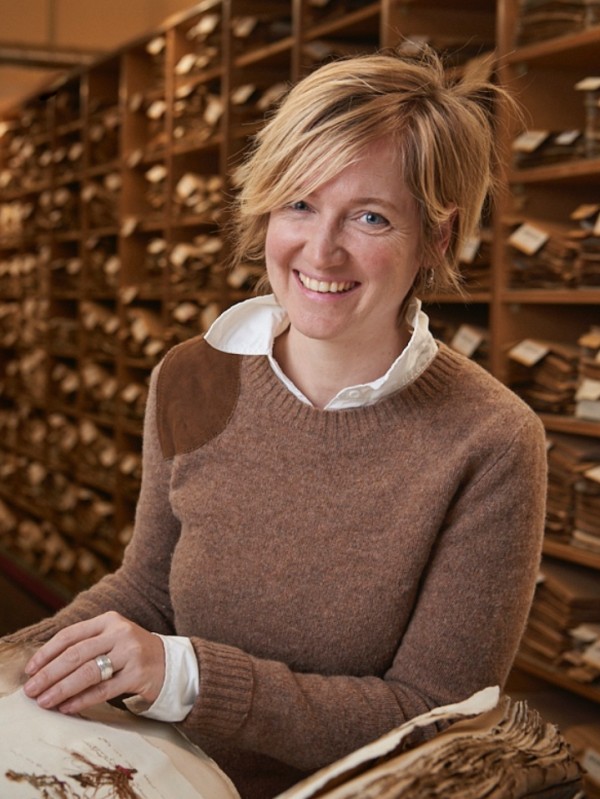
Alessia Guggisberg is a Lecturer at the Department of Environmental Systems Science, ETH Zürich, where she serves as Herbarium Curator of Phanerograms (Z+ZT) at the Institute of Integrative Biology. With a PhD from the University of Zurich and postdoctoral experience at the University of British Columbia, she specializes in plant evolutionary biology and genomics. Her research integrates historical herbarium collections with modern genomic techniques to address fundamental questions in plant evolution and biodiversity. 2003-2008: PhD in Biology, Institute of Systematic Botany, University of Zurich, Switzerland 2001-2002: MSc in Biology, Institute of Biology, University of Neuchâtel, Switzerland 1997-2001: BSc in Biology, University of Neuchâtel, Switzerland Dr. Guggisberg's research focuses on plant evolutionary biology and genomics. Her current projects involve monitoring genetic changes through time and space in members of the genus Murbeckiella (Oreophytoneae - Brassicaceae). She is investigating the phylogeny of the genus using whole-genome sequence data and morphological trait analyses, reconstructing the phylogeography of M. pinnatifida across European mountain ranges, and conducting retrospective genomic monitoring of Swiss populations over the last two centuries. Additionally, she leads several digitization projects at the United Herbaria Z+ZT, including the inventory of the diatom collection of Friederich Meister and the digitization of Gentianaceae holdings. Her work bridges historical botanical collections with modern genomic techniques to address evolutionary questions related to plant adaptation and biodiversity. Dr. Guggisberg's publication record demonstrates a consistent research trajectory spanning plant systematics, evolutionary genomics, and herbarium science. Her early work focused on polyploid complexes and biogeographic patterns in Primula , while later research shifted toward genomic analyses of Arabidopsis and invasive species like Canada thistle. More recently, her publications highlight her growing expertise in herbarium digitization and the application of historical collections to contemporary evolutionary questions. A notable trend is the increasing integration of genomic techniques with traditional botanical methods, reflecting the evolving nature of plant evolutionary research. Dr. Guggisberg has secured multiple SNSF (Swiss National Science Foundation) fellowships, including an SNSF Early Postdoc Mobility Fellowship and an SNSF Advanced Postdoc Mobility Fellowship, demonstrating recognition of her research potential by a major funding agency. She has also received funding from the ETH Library for multiple digitization projects at the United Herbaria Z+ZT. Dr. Guggisberg has been involved in mentoring students and researchers through her various academic positions. Her grant history includes SNSF fellowships that supported her postdoctoral work at the University of British Columbia. More recently, she has secured funding from the ETH Library for multiple digitization projects at the United Herbaria Z+ZT, including the inventory of the diatom collection of Friederich Meister and the digitization of Gentianaceae holdings. She also coordinates sampling for a 3-year pilot study monitoring genetic diversity of plant, fungal, and animal species in Switzerland. Dr. Guggisberg works within the Professur für Ökologische Pflanzengenetik (Chair of Ecological Plant Genetics) at ETH Zürich. She serves as Herbarium Curator of Phanerograms at the United Herbaria Z+ZT. She collaborates with several research groups from the University of Zurich, the University of Basel, the University of Heidelberg, and the Naturalis Biodiversity Center. Her work also involves coordinating with the ETH Library on digitization projects and collaborating with citizen science initiatives like www.floravs.ch.