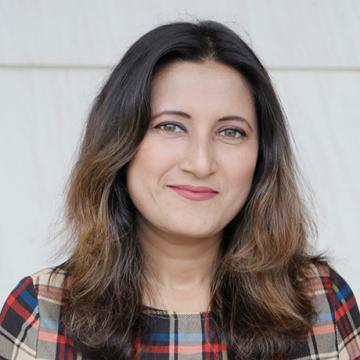
Arpita Sahaمشاهده پروفایل
دانشیار
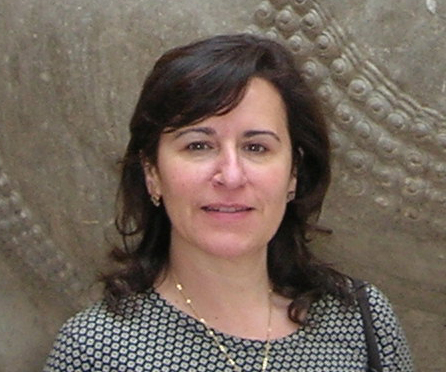
Dr. Arpita Saha is an Associate Professor in the Department of Chemistry and Physics at Simmons University. A synthetic chemist with expertise spanning material science, medicinal chemistry, and environmental chemistry, she develops metal complexes for cancer therapeutics, targeted drug delivery systems, and nanomaterials for environmental remediation. She directs the NASA-supported DREAM_WSTEM program and coordinates the SURPASs summer internship program, initiatives designed to support women and minority students in STEM fields through mentorship and research opportunities. Her educational background includes a PhD in Inorganic Chemistry from the University of Florida, postdoctoral research in Organometallic Chemistry at the University of Göttingen (Germany), an MS in Material Science from IIT Kanpur, and a BS in Chemistry from Presidency College (India). Research programs focus on: Designing coordination polymers for lanthanide-based cancer chemotherapy Developing nanomaterials for heavy metal and contaminant removal from water systems Synthesizing polynuclear metal complexes with magnetic properties Creating catalytic systems for sustainable energy applications Recent publications (2015-2022) reflect diverse applications of inorganic chemistry to environmental and biomedical challenges, including water purification technologies, pyrolysis oil production, and anticancer metallodrug development. Her scholarly output demonstrates consistent innovation in synthetic methodologies and materials characterization. Honors include: NASA MUREP Award ($749,126) for STEM gender gap research Felton Jenkins Jr. Hall of Fame Faculty Award Jean Dreyfus Lectureship ($18,500) Multiple NSF and USG grants supporting instrumentation and curriculum development At Simmons, she leads the DREAM_WSTEM program providing holistic four-year mentorship and funded summer research internships. Her pedagogical innovations include developing discovery-based laboratory courses (CUREs), creating open educational resources, and implementing undergraduate research frameworks that have been adopted by multiple institutions.