Kishalay Mitra is a Professor at the Indian Institute of Technology Hyderabad , with affiliations to the Department of Chemical Engineering , Department of Climate Change , and Department of Artificial Intelligence . He also holds visiting professorships at Washington University in St. Louis and University of Washington, Seattle . His work in the Global Optimization & Knowledge Unearthing Laboratory (GOKUL) spans interdisciplinary optimization, machine learning, and their applications in industrial-scale engineering problems. Education : Ph.D. from IIT Bombay. Research Interests : Mitra's research focuses on optimization under uncertainty , surrogate modeling , multi-objective optimization , and integrating machine learning with physics-based models . His work addresses real-world challenges in wind energy , bioenergy supply chains , chemical process control , nanoscience , and environmental modeling (e.g., PM10 spatiotemporal analysis, forest fire prediction, and carbon capture). Article Trends : His recent publications emphasize wind energy systems (layout optimization, yaw control, forecasting), materials science (precipitate growth prediction, polymerization), and industrial processes (crystallization, grinding circuits). Techniques include neural operators , Bayesian optimization , generative adversarial networks (GANs) , and explainable AI .
Meredith Borden is an Assistant Professor in the Department of Chemistry at Trinity University, specializing in organic and polymer chemistry with a focus on sustainable materials. She holds a B.A. in Chemistry from Carleton College, a Ph.D. and M.A. from Princeton University, and completed postdoctoral research at the University of North Carolina-Chapel Hill. Her research bridges photocatalysis, polymer synthesis, and computational methods to develop eco-friendly polymers. She teaches Organic Chemistry and has garnered awards such as the 2022 Polymeric Materials Future Faculty Award and the 2017 Pickering Teaching Award. Her research group, The Borden Group, emphasizes interdisciplinary approaches using visible light to innovate polymer synthesis. Collaborative projects include modifying poly(caprolactone) degradation via C-H functionalization and exploring asymmetric ion-pairing in polymerization. Notable publications include work in Macromolecules , ACS Catalysis , and Nature Chemistry . Award recognition highlights her contributions to polymer science and teaching excellence. She actively mentors students, including the WinSPIRE program, and engages in professional development workshops to advance her academic career. Her work aims to address sustainability challenges through innovative chemical methodologies.
Fabian Pfrengle is a full Professor of Organic Chemistry at the Institute of Organic Chemistry , Department of Natural Sciences and Sustainable Resources , University of Natural Resources and Life Sciences Vienna (BOKU). He previously led research groups at the Max Planck Institute of Colloids and Interfaces (2013-2020) and worked at The Scripps Research Institute (2010-2013). Research Focus: His work bridges carbohydrate chemistry and plant biology , specializing in plant cell wall glycans and glycosyltransferases . He develops synthetic glycan arrays for enzyme characterization and investigates immune response triggering mechanisms in plants through oligosaccharide fragments . His projects include automated polysaccharide synthesis and liposome-based immune tolerance applications. Publication Trends: His 15 most recent articles emphasize chemical synthesis of sugar nucleotides , plant glycan arrays , and enzyme specificity analysis , reflecting his focus on carbohydrate engineering and plant immunity . Key subfields include UDP-sugar derivatization , Xylan structure-function relationships , and Glycosyltransferase profiling . Grants & Projects: Currently leads 5 major projects including Automated Algal Polysaccharide Synthesis (EU-funded, 2023-2028) and Synthetic Glycan Ligands for Plant Immune Receptors (FWF-funded, 2022-2026). His research also explores thrombocyte biology and Rhamnogalacturonan-II fragments with support from FWF and City of Vienna . Community Service: Serves on editorial boards ( Monatshefte für Chemie , 2021-present) and as reviewer for 12 journals including JACS Au , Nature Communications , and Angewandte Chemie . Member of professional societies: Gesellschaft Österreichischer Chemiker (2020), Deutscher Hochschulverband (2019), and Gesellschaft Deutscher Chemiker (2008).
Simon Webb is a Professor of Organic Chemistry at the University of Manchester, leading the Organic Chemistry Group within the School of Chemistry. His research focuses on molecular self-assembly to create biomimetic materials, with key themes including membrane recognition, synthetic ion channels, and magnetically responsive biomaterials. He earned his PhD from the University of Cambridge and has held academic positions since 2002. His work bridges organic chemistry, nanotechnology, and biomedicine, contributing to sustainable development through advanced materials in medicine and biotechnology. Education: B.Sc./M.Sc. Chemistry, Auckland University (1990–1994) PhD, University of Cambridge (1994–1997) Research Interests: Membrane communication via synthetic ion channels Magnetic nanoparticle-vesicle assemblies for drug delivery Peptide-based foldamers for signal transduction His lab develops materials that mimic biological membranes, such as magnetically triggered drug delivery systems (MNPVs) and foldamer-based sensors. Collaborations span advanced materials, biotechnology, and medical research. Current projects include exploring cooperativity in multivalent ligand binding and lipid raft dynamics. Publications highlight innovations in foldamer design, supramolecular arrays, and enzyme-responsive materials. His work is supported by grants and contributes to UN Sustainable Development Goals in health and advanced materials.
Dr. Friederike Adams is an Independent Research Group Leader at the University of Stuttgart and University of Tübingen, focusing on Precision Polymers for Pharmaceutics . Her work bridges polymer chemistry and nanomedicine, emphasizing sustainable materials for drug delivery systems. Education: PhD in Chemistry (2019, TU Munich), M.Sc. in Chemistry (2015, TU Munich), B.Sc. in Chemistry (2013, TU Munich) Awards: No explicit awards listed Research: Specializes in living-type polymerizations, catalyst design, and post-polymerization functionalization for drug and RNA delivery . Publications: 15+ works on sustainable polyesters, metal-catalyzed polymerization, and nanocarrier systems. Students: Mentors 10+ PhD, master’s, and bachelor’s students, including Lea-Sophie Hornberger and Philipp Weingarten . Collaboration: Joint research group with the Schnichels Lab at the Eye Hospital Tübingen. Funded by BMBF and Baden-Württemberg Ministry of Science under Germany’s Excellence Strategy.
Daria Camilla Boffito is a Full Professor in the Department of Chemical Engineering at Polytechnique Montréal , holding the Tier-2 Canada Research Chair in Intensified Mechano-chemical Processes for Sustainable Biomass Conversion. Her research spans process intensification , catalysis , sonochemistry , photocatalysis , and metal extraction , with a focus on sustainability. Education: B.Sc. and Ph.D. in Industrial Chemistry from the University of Milan, M.Sc. in Industrial Chemistry and Management Current Research: Developing ultrasound-assisted extraction , CO2 conversion , and floating photocatalysts for wastewater treatment Collaborations: Works with Canadian and international companies on sustainable chemical processes Scientific Awards include the Canada Research Chair Tier-2 (2016-2021), NSERC Banting Postdoctoral Fellowship (2013-2016), and FRQNT PBEEE Postdoctoral Fellowship (2013-2016). Advising has seen 5 Ph.D. and 9 Master's students graduate. She leads the Engineering Process Intensification and Catalysis (EPIC) Laboratory and is a member of the Institut de génie biomédical .
Bert F. Sels is a Full Professor at KU Leuven (Catholic University Leuven) in the Faculty of Bioscience Engineering, Department of Molecular and Microbiological Sciences, where he founded and heads the Center for Sustainable Catalysis and Engineering (CSCE). He is also a Visiting Professor at the Chinese Academy of Sciences in Guangzhou and co-founder of the spin-off company Zeopore. Previously, he directed the Centre for Surface Chemistry and Catalysis (COK) from 2016-2019 and served as Head of the Division Bio-refinery and Sustainable Chemistry (2015). He obtained his Ph.D. in 2000 from KU Leuven under Professor Pierre Jacobs, specializing in heterogeneous oxidation catalysis. His research focuses on heterogeneous catalysis for sustainable industrial processes, with expertise spanning: Biorefinery and biofactory systems for chemical production Design of hierarchically structured zeolites and carbon materials Spectroscopic characterization of catalytic active sites Methane activation and small molecule kinetics Renewable chemistry and biomass valorization His group has published 350+ papers (h-index 88) and holds 30 patents. Publications demonstrate strong focus on catalytic biomass conversion, zeolite engineering, and sustainable fuel production, with recent work emphasizing lignin valorization, carbohydrate upgrading, and low-carbon chemical synthesis. Key trends include hierarchical catalyst design and integrated biorefinery processes. Awards and Honors: Green Chemistry Award (2015) INEOS Research Award (2019) European Academy of Sciences and Arts Membership (2018) DSM Chemistry Award (2001) TOTAL Research Award (2013) UMICORE Research Award (2012) First Clean Tech Challenge (2009) He leads the CSCE research group and co-founded the European Research Institute of Catalysis (ERIC). As former co-chair of the International Zeolite Association's Catalysis Commission and associate editor of ACS Sustainable Chemistry & Engineering, he maintains extensive collaborative networks.
Tarmo Tamm is a Researcher at the Intelligent Materials and Systems Lab, University of Tartu. His work focuses on conducting polymers, soft actuators, and biomaterials , with emphasis on applications in biomedical engineering, nanotechnology, and electrochemistry. He holds a primary affiliation with the University of Tartu and has authored/co-authored over 100 peer-reviewed articles since 2002. His research spans material characterization, actuator design, and polymer electrolyte systems. Key projects include development of biocompatible hydrogels (e.g., sea cucumber-derived materials), soft exoskeletons inspired by spider leg mechanics, and sustainable paper recycling processes . Tamm’s publications highlight interdisciplinary collaboration with institutions globally, addressing topics like ion mobility in PEDOT films, microbial interactions with silicone foams, and encapsulation techniques for biomedical actuators. His work often bridges fundamental material science with practical applications, such as energy storage systems and medical devices. Current research trends emphasize electrochemomechanical systems and bioinspired materials , with growing focus on sustainable materials engineering.
Dr. Yu Zhong is an Assistant Professor in the Department of Materials Science and Engineering at Cornell University's College of Engineering, where he leads the Yu Zhong Group. His research laboratory focuses on the design and synthesis of novel soft materials and nanomaterials for applications in electronics, energy, healthcare, and sustainability. As a principal investigator, he oversees a dynamic research team comprising postdoctoral associates, graduate students, and undergraduate researchers working on cutting-edge materials science projects. Dr. Zhong received his educational training at prestigious institutions, earning his B.S. in Chemistry from the University of Science and Technology of China (USTC) in 2011, followed by a Ph.D. in Chemistry from Columbia University in 2017 under the supervision of Prof. Colin Nuckolls. His doctoral research centered on designing contorted molecules for electronic and energy applications including organic solar cells, photodetectors, and gas sensors. He then conducted postdoctoral research at the University of Chicago in Prof. Jiwoong Park's group, where he worked on the design and synthesis of 2D polymers for ultrathin electronic circuits and energy conversion. Dr. Zhong's research program spans three primary directions: (1) the bottom-up synthesis of ultrathin nanoporous membranes using techniques like laminar assembly polymerization (LAP) for applications in water desalination, nanofiltration, and gas separation; (2) the study of transport behaviors in hybrid organic-inorganic 2D heterostructures created through layer-by-layer assembly for use in optical, electronic, and thermal management devices; and (3) the development of mixed ionic-electronic materials for bio-inspired and bioelectronic devices. His group employs advanced synthesis methods including organic/polymer synthesis, supramolecular and reticular chemistry, and 2D materials characterization to explore novel scientific phenomena and technological applications. An analysis of Dr. Zhong's recent publications reveals a strong focus on the synthesis and characterization of 2D polymers and organic-inorganic hybrid materials. His work bridges fundamental materials science with practical applications in energy conversion, electronics, and separation technologies. A notable trend is his development of innovative synthesis techniques like laminar assembly polymerization that enable precise control over material structure at the molecular level, leading to breakthroughs in areas such as lithium-ion transport, osmotic power generation, and ultra-narrowband photodetection. Dr. Zhong's scientific achievements have been recognized with several prestigious awards: Pegram Award for Meritorious Graduate Research, Columbia University (2016) Camille and Henry Dreyfus Postdoctoral Fellowship, Dreyfus Foundation (2016) Arun Guthikonda Memorial Fellowship, Columbia University (2015) Jack Miller Award for Excellence in Teaching, Columbia University (2014) As an advisor, Dr. Zhong mentors a diverse group of researchers including postdoctoral associate Qiyi Fang, multiple Ph.D. students (Yuhe Zhang, Kaushik Chivukula, William Xie), M.S. students, and undergraduate researchers. His group has secured funding for research on soft and nanomaterials, with projects spanning organic electronics, 2D materials synthesis, and biomimetic membranes. Dr. Zhong actively seeks motivated graduate students and postdoctoral fellows to join his research team, emphasizing the importance of interdisciplinary collaboration in advancing materials science. The Yu Zhong Group operates state-of-the-art laboratories in Bard Hall at Cornell University, equipped for organic synthesis, materials characterization, and device fabrication. The research team works collaboratively across disciplines, partnering with experts in physics, chemistry, and engineering to tackle complex challenges in materials science. Current projects focus on developing novel synthesis methodologies and exploring structure-property relationships in soft materials to enable next-generation electronic, energy, and healthcare technologies.
Ulrich B. Wiesner is the Spencer T. Olin Professor of Engineering at Cornell University since 2008, with a career spanning over two decades in polymer-inorganic hybrid nanomaterials. His work bridges materials science, chemistry, and biomedical engineering, focusing on block copolymer self-assembly for multifunctional materials. Education: Diploma in Chemistry (University of Mainz, 1988), Ph.D. in Physical Chemistry (University of Mainz & MPI-P, 1991) Research Interests center on combining soft polymeric materials with inorganic/solid-state chemistry to create hierarchical hybrid materials. Key areas include: Energy conversion and storage via mesoporous oxides/non-oxides Clean water technologies through advanced materials Nanomedicine applications in cancer therapy and bioimaging Development of C-dots: ultrasmall fluorescent silica nanoparticles Structure-directing agents from dendron architectures His article trends reveal a focus on asymmetric porous structures (2024-2025), 3D-printed quantum materials (2024), and biomedical applications of C-dots for super-resolution microscopy and targeted drug delivery (2023-2025). Scientific Awards include: National Academy of Inventors Fellow (2024) "Ambassadeur pour la Chimie Française" (2019) Arthur K. Doolittle Award (2016) ACS PMSE Fellow (2015) NSF Creativity Award (2008) Cornell Teaching Excellence Award (2005) IBM Faculty Partnership Award (2001) Carl Duisberg Memorial Award (1999) As co-director of the MSKCC-Cornell Center for Translation of Cancer Nanomedicine (2015-present), he leads interdisciplinary teams developing clinical nanoparticle probes. His work has produced >250 peer-reviewed publications and numerous patents, with recent breakthroughs in antibody fragment-nanoparticle therapeutics for gastric cancer eradication.
Prof. Frieder W. Scheller is affiliated with the Institute of Biochemistry and Biology at the University of Potsdam, Germany. His work centers on advanced biosensing technologies, particularly molecularly imprinted polymers (MIPs), bioelectronics, and biomimetic recognition systems. Research Interests: His primary fields include Bioanalysis, Bioelectronics, Biosensors, Molecularly Imprinted Polymers, Electrochemical Sensing, and Plastibodies. His research bridges chemistry, materials science, and biotechnology to develop synthetic alternatives to biological receptors for medical and environmental applications. The recent publications (2019–2024) highlight a strong trend in designing MIP-based nanofilms for protein and virus recognition, including applications in SARS-CoV-2 detection and enzyme monitoring. These studies focus on improving selectivity, stability, and reliability of electrochemical biosensors using innovative polymer architectures. Scientific Contributions: Developed Strep-tag imprinted polymer platforms for bio(electro)catalysis. Explored ACE2-mimicking MIPs for viral epitope recognition. Investigated challenges in MIP sensor reliability and non-specific binding. Advanced the concept of plastibodies for biomacromolecules, viruses, and cells. Collaborations and Advising: Prof. Scheller has collaborated with over 145 co-authors globally, indicating strong network engagement. While no formal students are listed in the provided text, his collaborative output suggests mentorship and team leadership roles in multidisciplinary research projects involving materials, electrochemistry, and biotechnology. Laboratories and Research Teams: His work is conducted within the Institute of Biochemistry and Biology at the University of Potsdam, likely involving a research group focused on bioanalytical chemistry and sensor development. The frequent co-authorship with researchers like Aysu Yarman and Xiaorong Zhang indicates an active, interdisciplinary team working on next-generation biosensing platforms.
Professor Brigitte Voit leads the Macromolecular Chemistry division at the Leibniz Institute for Polymer Research Dresden (IPF) and holds the chair for 'Organic Chemistry of Polymers' in the Faculty of Mathematics and Natural Sciences / Faculty of Chemistry and Food Chemistry at Technische Universität Dresden. She is actively involved in interdisciplinary collaborations with the Center for Advancing Electronics Dresden (cfaed), Centre for Regenerative Therapies Dresden (CRTD), and the Dresden International Graduate School for Biomedicine and Bioengineering (DIGS-BB) through the DRESDEN-concept initiative. Additionally, she serves as chairwoman of the Materialforschungsverbund Dresden (MFD). Academic Affiliation: Technische Universität Dresden Research Focus: Synthesis of multifunctional polymers, dendritic polymers, bioactive materials, responsive hydrogels, radical ring-opening polymerization Research Trends: Her recent publications highlight advancements in bioinspired polymer systems, including polymersome membranes for synthetic cells, light-driven enzymatic control, hierarchical biomimetic structures, and tunable hydrogels. These works reflect her expertise in integrating polymer chemistry with biomedicine and sustainable materials. Interdisciplinary Roles: Involvement in cfaed, CRTD, DIGS-BB, and DRESDEN-concept Leadership: Former Scientific Director at IPF (2002-2022), current department head Publications demonstrate her group's focus on responsive and bioactive polymer architectures, with applications in drug delivery, bioelectronics, and sustainable materials.
Dr. Benedikt Aumeier is a Research Fellow and head of the working group "Advanced Water Treatment" at the Chair of Urban Water Management, Department of Civil, Geo and Environmental Engineering, TUM School of Engineering and Design at the Technical University of Munich since 2023. Previously, he served as a Post-Doc and Working Group Leader at the Institute of Urban Water Management, RWTH Aachen University from 2020-2023. Dr. Aumeier holds a Dr.-Ing. from the Chair of Chemical Process Engineering at RWTH Aachen University (2020), an M.Sc. in Management and Technology of Water and Wastewater from the University of Duisburg-Essen (2011-2013), and a B.Sc. in Chemical Engineering from the Technical University of Munich (2007-2011). His research focuses on advanced water treatment processes for direct and indirect water reuse, drinking water treatment, and wastewater treatment. Key areas include adsorption/sorption, membrane filtration, advanced oxidation processes, and disinfection. He investigates competitive adsorption in aqueous media, novel sorbent regeneration methods, membrane fouling countermeasures, and process modeling. His work addresses removal of persistent and mobile organic contaminants including PFAS, as well as microorganism elimination. Dr. Aumeier's publications demonstrate a strong trend toward addressing emerging water quality challenges, particularly concerning persistent organic pollutants and advanced treatment technologies. His research spans fundamental studies on adsorption mechanisms to practical applications for water reuse and decentralized treatment systems, with increasing focus on PFAS removal and compliance with regulatory frameworks. Mitglied im Fachausschuss "Persistente-Mobile-Toxische (PMT) Stoffe" der Wasserchemischen Gesellschaft, Gesellschaft Deutscher Chemiker (GDCh) Mitarbeit an DWA M1200 Teil 2 "Wasserwiederverwendung für landwirtschaftliche und urbane Zwecke in Deutschland" At TUM, Dr. Aumeier teaches courses including "Natural processing methods," "Advanced Water Treatment Engineering and Reuse," and "Industrial wastewater treatment and reuse," demonstrating his commitment to educating the next generation of water professionals. He leads the "Advanced Water Treatment" working group, which focuses on developing and applying innovative water treatment technologies to address contemporary water quality challenges under changing climate conditions.
Pamela Pollet is a faculty member at the Georgia Institute of Technology, specializing in the Department of Chemistry. Her academic work focuses on green chemistry, sustainable processes, chemical education, and flow chemistry. BSc : University of Rouen, France (1994) PhD : Chemistry, University of Rouen, France (2011) Post-doctoral Fellow : University of Bradford, UK (1998); Georgia Institute of Technology, USA (1999) H.D.R : Chemistry, University of Rouen, France (2011) Pollet’s research spans chemical safety, sustainable chemistry, catalysis, and smart solvents. She emphasizes green chemistry & sustainability, integrating undergraduate research into her projects. Her work also explores continuous flow technology for scalable chemical processes and education-focused innovations, including sustainability practices and equity in chemical sciences. Her recent publications highlight trends in chemical education (e.g., active learning in organic chemistry), green chemistry (e.g., CO2-responsive materials), and flow chemistry (e.g., continuous flow polymerization and catalytic reactions). These works reflect interdisciplinary collaboration, industry partnerships, and sustainable methodologies. Scientific Awards: GaTech Safety Ambassador Award, 2017 Vasser-Wooley Excellence in Teaching Award, 2017 Geoffrey G. Eichholz Faculty Teaching Award, 2020 University System of Georgia Chancellor Learning Scholar, 2021 Student Recognition of Excellence in Teaching CIOS Honor Roll, 2022–2024 Class of 1934 Outstanding Innovative Use of Education Technology Award, 2024 Pollet actively contributes to chemical education and laboratory safety , with grants and partnerships focused on academic-industry collaborations (e.g., the Partners in Lab Safety initiative) and educational technology integration.
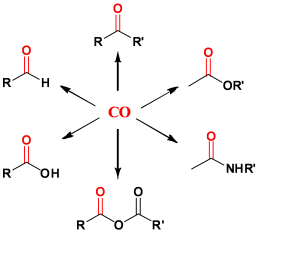
Mathieu Sauthier is a Professor at the University of Lille, affiliated with the National School of Chemistry of Lille and the Unit of Catalysis and Solid State Chemistry (UCCS). His research focuses on homogeneous catalysis for organic synthesis, emphasizing atom efficiency, greener chemistry, and polyol valorization. He specializes in carbon monoxide and 1,3-butadiene chemistry, including carbonylative Suzuki couplings, hydroformylation, alkoxycarbonylation, and domino reactions under one-pot conditions. His work targets catalyst improvements for activity (TOF), selectivity, and lifetime (TON) while minimizing synthetic steps. 2011–Present: Professor, University of Lille 2002–2011: Assistant Professor, University of Lille 2001–2002: Postdoctoral Researcher, University of Amsterdam 1998–2001: Ph.D. in Homogeneous Catalysis, University of Rennes 1997–1998: Master’s in Porphyrin Synthesis, University of Burgundy His research portfolio includes innovative approaches to domino carbonylative reactions for constructing complex molecules, selective 1,3-butadiene etherification, and nickel-catalyzed hydroalkoxylation for agro-based polyol valorization. He has contributed to nonconventional reaction media in catalysis, such as biphasic aqueous systems and ionic liquids, and has co-authored book chapters on carbohydrate chemistry and C-1 building blocks in organic synthesis. The trends in his publications highlight sustainable methodologies using nickel and palladium catalysts for bioresource conversion (e.g., lignin, sorbitol, glycerol), with a strong emphasis on atom economy and clean reaction conditions. His work spans catalyst design, mechanistic studies, and industrial applications. Professor Sauthier is based at the National School of Chemistry of Lille, Scientific City, Building C7, France. He is part of the UCCS unit, a collaborative research environment associated with CNRS (UMR 8181) and partners like Universiteit van Amsterdam. His laboratory, CASECO (Catalysis and Eco-Compatible Synthesis), drives innovations in greener chemistry.