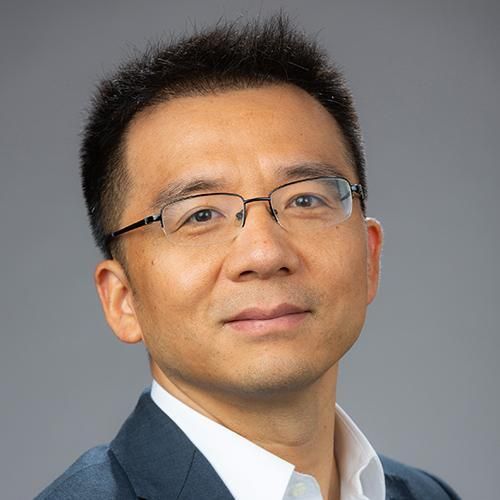
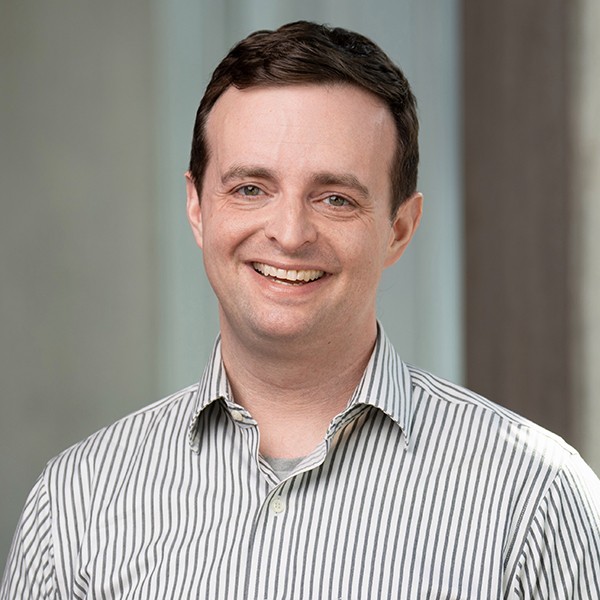
Joseph T. Hupp is the Charles E. and Emma H. Morrison Professor of Chemistry at Northwestern University. He earned his B.S. from Houghton College in 1979 and his Ph.D. from Michigan State University in 1983. His research focuses on molecular materials and supramolecular assemblies for applications in energy conversion, sensing, catalysis, and separations. Research Interests: Prof. Hupp's work spans fundamental studies of molecular recognition, light harvesting, and electron transfer, alongside applied research in solar energy conversion, chemical fuel storage, and catalytic systems. Key areas include: Design of metal-organic frameworks (MOFs) for gas separation and catalysis Development of porous organic polymers (POPs) for environmental and energy applications Enhancement of solar cell efficiency through novel photoelectrode materials Biomimetic approaches for electrocatalytic CO₂ reduction His recent publications (2011) demonstrate consistent focus on MOFs, porous materials, and energy conversion, with innovations in catalytic materials, gas separations, and solar cell technologies. Awards and Honors: Prof. Hupp has received over 30 major scientific awards, including: The Electrochemical Society Allen J. Bard Award (2023) Fellow of the American Academy of Arts and Sciences (2021) ACS Award in Electrochemistry (2012) Fellowships from MRS, ACS, RSC, and AAAS Lectureships at 15+ institutions worldwide Academic Leadership: He leads the active Hupp Group, advising doctoral students and postdoctoral researchers. Recent milestones include 10+ Ph.D. defenses (2020-2023) and NSF fellowship recipients. His work is supported by sustained funding, including Morrison Professorship (2000-present) and prior NSF/Dreyfus awards.
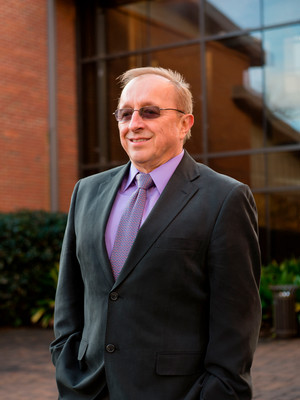
Professor Allan Rennie serves as Professor in Manufacturing Engineering at Lancaster University's School of Engineering and holds the administrative position of Associate Dean for Engagement within the Faculty of Science and Technology. With a career spanning over 30 years since initiating work in additive manufacturing during the mid-1990s, he has established himself as a leading figure in industrial applications of advanced manufacturing technologies across diverse sectors. His research expertise centers on Additive Manufacturing , Engineering Design , and Manufacturing Process Optimization , with current specializations including design for additive manufacturing (as co-leader of the UK's EPSRC DfAM Network), industrial digitalisation of manufacturing processes, and innovative tooling development using metallic and hybrid approaches. Rennie has significantly contributed to Engineering Education , particularly examining the integration of business and management principles into engineering curricula and analyzing the impacts of online/hybrid delivery modes on student engagement and graduate employability following the COVID-19 pandemic. Recent publication trends reveal Rennie's dual focus on practical manufacturing applications and scholarly analysis of technological evolution. His 2025 bibliometric study maps a decade of Design for Additive Manufacturing research, while his structural analysis of musical instruments demonstrates cross-disciplinary applications of manufacturing techniques. These works reflect his commitment to both advancing manufacturing technology and documenting its academic trajectory through rigorous analysis. Professor Rennie actively supervises PhD candidates including Jenny Roberts, Eunike Sembiring, and Joe Taylor while leading substantial research projects such as the EPSRC DfAM Network (2020-2023), Automating Design for Additive Manufacture with AI (2023-2024), and multiple Engineers in Business Competitions. His extensive grant portfolio spans industrial digitalization, sustainable manufacturing, and educational innovation, with notable projects including RENDER (powder recycling), TecHnology and EntrepreneUrship Education, and Production Capable Additive Manufacturing of Polymers. Rennie contributes to Lancaster's research ecosystem through affiliations with the Centre for Global Eco-innovation, Energy Lancaster initiative, and the Lancaster Product Development Unit. These platforms enable him to bridge academic research with industrial applications across multiple sectors, particularly supporting his work on sustainable manufacturing practices, technology commercialization, and industry engagement strategies that translate research into real-world impact.
Tony Jun Huang is the William Bevan Distinguished Professor of Mechanical Engineering and Materials Science at Duke University, with additional professorships in Electrical and Computer Engineering and Biomedical Engineering. His research focuses on acoustofluidics, optofluidics, and micro/nano systems for biomedical diagnostics and therapeutics. Ph.D. in Mechanical and Aerospace Engineering (UCLA, 2005) Huang's research has revolutionized biomedical microsystems through acoustofluidic technologies, enabling contactless particle manipulation, exosome isolation, and advanced diagnostic platforms. His work has been cited over 36,000 times (h-index: 102) with 30 issued/pending patents. Recent publications highlight his innovations in acoustic tweezers, extracellular vesicle analysis, topological acoustofluidics, and AI-assisted biomimetic imaging. His lab develops technologies for single-cell analysis, non-invasive diagnostics, and programmable material systems. 2023 Highly Cited Researcher (Web of Science) 2020 Fellow of the National Academy of Inventors (NAI) 2019 Van C. Mow Medal (ASME) 2017 Analytical Chemistry Young Innovator Award (ACS) 2010 NIH Director's New Innovator Award Huang has taught courses including ME 535: Biomedical Microsystems and mentored numerous graduate students through his Duke Acoustofluidics Lab. His lab's technologies are applied in cancer biomarker detection, Alzheimer's diagnostics, and wound healing hydrogels.
Tom F.A. de Greef is a Full Professor at Eindhoven University of Technology's Biomedical Engineering department, leading pioneering research at the intersection of synthetic biology, molecular computing, and engineered living systems. He founded the Center of Living Technologies and serves as a Core Professor at the Institute for Complex Molecular Systems (ICMS). Key research areas: Biological Computing Devices, DNA-based Data Storage, Engineered Living Materials, Synthetic Cell Engineering, Digital Chemistry, and Protocell Communication. His work has resulted in over 100 publications in Nature , Nature Chemistry , and Nature Nanotechnology , supported by prestigious awards including ERC Consolidator, Starting, and PoC grants, as well as NWO's VICI, VIDI, and VENI grants. He received the Cram-Lehn-Pedersen Prize in 2017 and was named a Groundbreaking TU/e Researcher in 2022. Leadership roles: Founding member of Center of Living Technologies, Principal Investigator at TU/e, and Fellow of the Netherlands Academy of Engineering. He supervises a large research group with >15 PhD students and leads collaborations across international institutions, focusing on programmable molecular systems and sustainable technologies aligned with UN SDGs.
Professor Luke Connal is a full professor at the Research School of Chemistry at the Australian National University (ANU), where he leads the Connal Group. He joined ANU in 2017 after serving as a Senior Lecturer at the University of Melbourne. Currently, he holds an ARC mid-career industry fellowship and serves as the chair of the Royal Australian Chemical Institute (RACI) polymer division. Professor Connal is also an associate editor for the Royal Society of Chemistry journal "Molecular Systems Design and Engineering" and co-founder of two spin-out companies focused on polymer technologies. Professor Connal received his Bachelor of Chemical Engineering and PhD in polymer chemistry from the University of Melbourne, Australia. Following his doctoral studies, he completed a post-doctoral position with Professor Frank Caruso at the University of Melbourne, developing new techniques for the self-assembly of polymers. He then held a joint Sir Keith Murdoch postdoctoral Fellowship and Australian Linkage International Fellowship at the University of California, Santa Barbara, working with Professor Craig Hawker. Professor Connal's research focuses on the development of molecular design concepts to create new materials for diverse applications, including artificial skin and tissues, sustainable polymers and surfactants, additive manufacturing electronics, and water harvesting. His core competencies center around advanced polymer design, self-assembly, and catalysis . His group explores four main research themes: Catalysis, Functional Materials and Interfaces, Soft Matter, and Supramolecular Chemistry . They develop innovative materials such as enzyme-inspired polymer catalysts, smart polymers for 3D printing, and polymer electrolytes for energy storage applications. Analysis of Professor Connal's recent publications reveals a strong focus on developing biomimetic materials and responsive polymers. His work bridges fundamental polymer chemistry with practical applications in environmental remediation, healthcare, and sustainable technologies. A notable trend is the increasing emphasis on CO2 capture technologies through enzyme-inspired catalysts and hydrogel systems. His group has also made significant contributions to 3D printing of functional materials , particularly self-healing gels and pH-responsive polymers. The research demonstrates a consistent trajectory toward creating smart, responsive materials with applications addressing global challenges in sustainability and healthcare. David Syme Research Prize (2020) Grimwade Prize in Industrial Chemistry (2019) Professor Connal actively supervises multiple PhD students including Lilian Boton, Jason Buchanan, Sandra Jestin, Saif Rahaman, Peidong Shen, Ming Li Tan, Moki Thanusing, and Jekaterina Viktorova. His current research is supported by several significant grants including projects on sustainable and compostable plastic alternatives, multimaterial 3D printed antenna arrays, developing vitrimers as next-generation reusable plastics, multi-material 3D printing, and smart materials for atmospheric water management. These projects demonstrate his commitment to translating fundamental polymer research into practical solutions for environmental and technological challenges. The Connal Group at ANU operates at the intersection of polymer chemistry and materials science, developing innovative solutions across multiple domains. Their laboratory work focuses on creating new polymers with applications spanning artificial skin development, sustainable packaging alternatives, atmospheric water harvesting, and advanced electronics. The group's unique approach combines biomimicry principles with cutting-edge polymer synthesis techniques to create materials with precisely controlled properties. Current projects include developing strong and self-healing polymer materials for biological applications, expanding 3D printing capabilities for functional materials, creating fully recyclable or compostable plastics, and designing thermoresponsive polymer desiccants for sustainable water harvesting.
Boya Xiong is an Assistant Professor at the University of Minnesota in the Department of Civil, Environmental, and Geo-Engineering . Her research bridges polymer science , environmental chemistry , and membrane material science to address global environmental challenges. Research Interests: Elucidating polymer degradation mechanisms under environmental stressors Designing nature-inspired antimicrobial membranes Advancing plastic circularity and waste management Mitigating biofouling and pathogenic contamination Assessing environmental fate of industrial polymers Developing sustainable resource recovery systems Recent Publications analyze polymer behavior in hydraulic fracturing, plastic degradation pathways, and biofouling solutions, with keywords spanning polymer chemistry , environmental toxicology , and membrane technology . Scientific Awards: NSF CAREER award (2025) McKnight Land-Grant Professorship (2025) 40 Under 40 (2024) Young Engineer of the Year (2023) NSF ACADEME fellow (2018) Mentorship includes advising current PhD students (Phoebe Keyes, Ehsanur Rahman), alumni (Tariq Bastawisy, Rebeca Loss), and interdisciplinary teams focused on environmental sustainability.
Richard A. Register is the Eugene Higgins Professor of Chemical and Biological Engineering at Princeton University and serves as Director of the Princeton Materials Institute . He is affiliated with the Andlinger Center for Energy and the Environment as an executive committee member and associated faculty. Education : Ph.D. in Chemical Engineering (1989, University of Wisconsin-Madison); M.S. in Chemical Engineering Practice (1985), S.B. in Chemical Engineering (1984), and S.B. in Chemistry (1983) from MIT Research Interests : Focuses on materials synthesis, processing, and properties of polymers, particularly multi-phase polymeric systems like block, gradient, and random copolymers. His work bridges fundamental polymer physics with applications in energy, environment, and scalable nanofabrication. Selected Research Trends : Recent publications highlight block copolymers for biobutanol recovery, melt-processing of polyolefin multiblock copolymers, shear-induced orientation of nanocylinders, crystallization modes in microdomains, and lithographic applications for dense nanoscale arrays. Scientific Awards : Inaugural Distinguished Faculty Service Award (2025), Distinguished Teacher Award (2018), Fellowships in AIChE (2014), ACS (2012), and APS (2001), Graduate Mentoring Award (2008), and early-career honors from NSF (1992) and Unilever (1992) Advising and Grants : Mentors graduate students including Asmita Ghosh and Katherine Gunter. Leads projects funded by DOE on recyclable plastic packaging and collaborates across disciplines via Princeton's Materials Institute and Andlinger Center. Labs and Teams : Heads the Polymer Research Laboratory at Princeton, overseeing a team of graduate students and postdocs. His lab integrates synthesis, structural characterization (SAXS, WAXS, SEM, TEM, AFM), and property measurements to advance polymeric materials.
Dr. Meng Deng is an Associate Professor in Agricultural & Biological Engineering at Purdue University, specializing in biomaterials, regenerative engineering, and drug delivery. He holds a B.E. from Tsinghua University and a Ph.D. from the University of Virginia, with postdoctoral training at the University of Connecticut Health Center and MIT. His research focuses on designing polymeric biomaterials for musculoskeletal tissue regeneration and controlled drug delivery, including nanoparticle-based therapies for obesity and metabolic disorders. He has received awards such as the Society for Biomaterials STAR Award and Young Scientist Award (2012 World Biomaterials Congress). His work integrates nanotechnology and bioengineering to develop inductive materials that modulate cell behavior. Current research interests include bioactive hydrogels, muscle regeneration, and browning of white adipose tissue. Dr. Deng advises postdoctoral fellows, graduate students, and undergraduates in his lab at Regenerative Matter, with publications available via Google Scholar. Affiliations: Purdue University Department of Agricultural & Biological Engineering Key Research Themes: Biomaterials, Drug Delivery, Nanotechnology His lab explores applications in musculoskeletal repair, metabolic engineering, and regenerative medicine. Recent studies include gamma-secretase inhibitors for obesity therapy and glycosaminoglycan-based scaffolds for muscle regeneration. Collaborations include work with MIT’s Robert Langer and University of Connecticut’s Cato Laurencin.
Devin Peterson is a Distinguished Professor in the Department of Food Science and Technology at The Ohio State University, with affiliations in the College of Food, Agricultural, and Environmental Sciences. He directs the Flavor Research and Education Center and serves as faculty director of the Foods for Health Discovery Theme Initiative. He received the Presidential Early Career Award for Scientists and Engineers. His research investigates chemical stimuli underlying flavor perception, including taste-aroma interactions, flavor stability, and modulation mechanisms. Current projects focus on pungency suppression in chili peppers, off-flavor reduction in plant proteins, and flavor enhancement strategies for coffee and baked goods. Publications demonstrate advanced analytical approaches to flavor chemistry, including identification of key aroma compounds, enzymatic pathways in flavor development, and sensory-guided fractionation techniques. Recent work also examines flavor interactions with packaging materials and environmental impacts on agricultural products. The Flavor Research and Education Center collaborates with industry partners on flavor innovation. He mentors numerous graduate students and postdoctoral researchers in flavor chemistry and sensory science.
Chibueze Amanchukwu is the Neubauer Family Assistant Professor in the Pritzker School of Molecular Engineering at the University of Chicago, with a joint appointment at Argonne National Laboratory. His research focuses on energy storage systems, particularly batteries and electrochemical processes, leveraging electrolyte design, data science, and advanced characterization. He holds a PhD from MIT (NDSEG Fellow) and was a postdoctoral scholar at Stanford University under the TomKat Center. His work addresses challenges in long-duration energy storage, including ion solvation control for efficient electrochemical reactions. Education: PhD in Chemical Engineering (MIT), Postdoctoral Fellow (Stanford). Research interests span electrolyte engineering, sustainable energy, and CO₂ electrocatalysis. Awards include NSF CAREER, DOE Early Career, and MIT Technology Review Innovator Under 35. Key grants include the DOE Early Career Award and NSF CAREER funding. The Amanchukwu Lab actively recruits graduate students and postdocs, emphasizing experimental and computational approaches. Outreach programs like RENEU support Nigerian undergraduates in STEM PhD preparation. Lab Focus: Electrolyte design for batteries, CO₂ conversion, and solid-state systems Awards: 10+ honors including global recognitions and industry fellowships Collaborations: Argonne National Lab, CIFAR, and international academic partnerships
Aaron Esser-Kahn is a Professor of Molecular Engineering at the University of Chicago's Pritzker School of Molecular Engineering. His research focuses on immunoengineering, adaptive materials, and carbon capture. He leads the Esser-Kahn Lab, which emphasizes interdisciplinary collaboration among biologists, chemists, and engineers. Education: B.S. from California Institute of Technology, advanced studies at UC Berkeley, and postdoctoral research at the University of Illinois Urbana-Champaign. Prior to joining UChicago PME in 2017, he was at the University of Irvine. Research interests include designing vaccines that induce trained immunity, developing adaptive polymers inspired by biological systems, and advancing carbon capture technologies. His lab explores mechanisms of innate immunity using cutting-edge techniques like lattice light sheet microscopy and fluidic force microscopy. Recent articles highlight innovations in vaccine adjuvants, nanoparticle delivery systems, and mechanically adaptive materials. The lab’s work is supported by grants from institutions like NIH and NSF. His team has advised numerous students, many of whom now hold positions in academia, industry, and government. The lab also emphasizes DEI initiatives and innovative teaching methods.
Dr. Amir Beheshti is a Research Fellow at the School of Chemistry and Molecular Bioscience, University of Wollongong (UoW). He holds a PhD in Chemical Engineering from the University of Queensland (2017–2021), focusing on polymer brush-grafted colloids as lubricant additives. Previously, he served as a Postdoctoral Research Associate at the University of South Australia (2021–2023) within the ARC Centre of Excellence for Enabling Eco-efficient Beneficiation of Minerals, where he applied surface-sensitive techniques like AFM and QCM-D to study polymer-surface interactions. His research integrates colloid and interface science with physical chemistry, emphasizing tribology, adsorption, and wetting phenomena. Key projects include collaboration with BlueScope Steel in the Steel Research Hub to develop advanced coatings and nanomaterials for industrial applications. He also teaches as a tutor in Modern Inorganic and Bio-inorganic Chemistry at UoW. Beheshti’s work spans experimental and applied research in lubricant additives, flame-retardant coatings, and nanofluids. His studies utilize cutting-edge techniques such as atomic force microscopy and quartz crystal microbalance with dissipation monitoring to analyze surface interactions and material properties.
Marek W. Urban is the J.E. Sirrine Foundation Endowed Chair and Professor in Materials Science and Engineering at Clemson University, with a courtesy appointment in Chemistry. He leads the Urban Research Group, focusing on adaptive polymers, self-healing materials, and stimuli-responsive systems. His work has been featured in major media outlets like the NY Times and BBC. Education: Ph.D., Michigan Technological University (1984) M.S., Marquette University (1981) B.S./M.S., AGH University of Science & Tech, Poland (1979) Research Interests: Dr. Urban’s lab designs polymers with 'living-like' functions, including self-healing commodity polymers, stimuli-responsive materials, and spectroscopic imaging techniques. His work bridges fundamental chemistry and applied materials science, emphasizing sustainability and functionality. Awards: 2019 AAAS Fellow 2018 Royal Society of Chemistry Fellow 2017 Chemical Pioneer Award (AIC) Fellowships: ACS, AIC, RSC Advising & Grants: Advised over 20 students, including notable graduates like Dr. Lei Li (Western Kentucky U) and Dr. Siyang Wang (University of Chicago). Lead PI on NSF-funded projects, including Materials Research Science and Engineering Centers (MRSEC) and Industry/University CRCs. Labs/Teams: The Urban Research Group operates in Clemson’s Advanced Materials Research Labs (AMRL), focusing on interdisciplinary polymer science. Facilities include state-of-the-art spectroscopy and material characterization tools.
Xiaocun Lu is an Assistant Professor in the Department of Chemistry & Biochemistry at Clarkson University's Coulter School of Engineering & Applied Sciences and Director of the SmartPASS Lab. His research focuses on mechanoresponsive materials, supramolecular self-assembly, and micro/nanocapsule-based smart delivery systems for applications in sensing, self-healing, and controlled release. Education includes: Chemistry and MatSE Postdoctorate - University of Illinois at Urbana-Champaign (2015) PhD in Polymer Science - The University of Akron (2013) BS in Chemistry - Peking University (2005) His research integrates contact-initiated polymerization (CIP) and aggregation-induced emission (AIE) to develop next-generation stimuli-responsive materials. Current projects aim to create autonomous materials for chemical sensing, structural health monitoring, and controlled payload release, with emphasis on designing mesoscale structures like functionalized colloids and metallosupramolecular architectures. Publications demonstrate expertise in mechanochromic materials, encapsulation technologies, and self-assembly. Recent articles explore force-induced chromism, self-reporting coatings, and ion-triggered release systems. Trends highlight innovation in polymer chemistry, material responsiveness, and nanoscale engineering. No awards are listed in the provided information. No specific advising or grant information is explicitly mentioned in the text. Leads the SmartPASS Lab focusing on stimuli-responsive materials. Research involves interdisciplinary collaboration across chemistry and materials engineering.
Dipankar Roy is Professor and Chair of the Physics Department at Clarkson University’s Coulter School of Engineering & Applied Sciences. Since joining Clarkson in 1989 he has progressed from Assistant to full Professor and has directed the Center for Advanced Materials Processing (CAMP). Education Ph.D. in Physics (Condensed Matter – Experimental), Rensselaer Polytechnic Institute, 1986 M.Sc. & B.Sc. in Physics, Calcutta University, India Research Interests Roy’s research integrates electrochemistry, surface science, and materials engineering to address challenges in energy storage, semiconductor fabrication, and nanotechnology. Core themes include: Energy Storage & Conversion: lithium-ion batteries, redox supercapacitors, direct alcohol fuel cells, and electrode/electrolyte design. Chemical Mechanical Planarization (CMP): tribo-electrochemical mechanisms, slurry formulation, post-CMP cleaning, and corrosion inhibition for Cu, Co, Ta, Ru, and stainless-steel films. Optical & Electro-Analytical Techniques: surface-enhanced Raman scattering (SERS), second harmonic generation (SHG), surface plasmon resonance (SPR), Fourier-transform electrochemical impedance spectroscopy (FT-EIS), and infrared ellipsometry to probe solid–liquid interfaces, thin films, and nanostructures. Publication Trends Recent work (2019-2025) demonstrates an intensified focus on tribo-electroanalytical methodologies for CMP, emphasizing cobalt and copper systems, alkaline slurry chemistries, and brush-assisted cleaning. Simultaneously, his group explores advanced ionic-liquid-based electrolytes and nanocomposite electrodes for next-generation energy storage devices, highlighting a dual thrust in microelectronics processing and sustainable energy. Advising & Funding While individual student names are not listed, Roy has sustained an active research group at Clarkson for over three decades, supported by federal and industry grants centered on electrochemical materials and surface engineering. Laboratory & Facilities Roy leads experimental efforts housed in the Physics Department and CAMP, utilizing state-of-the-art electrochemical, optical, and surface-analysis instrumentation for both fundamental and applied investigations.