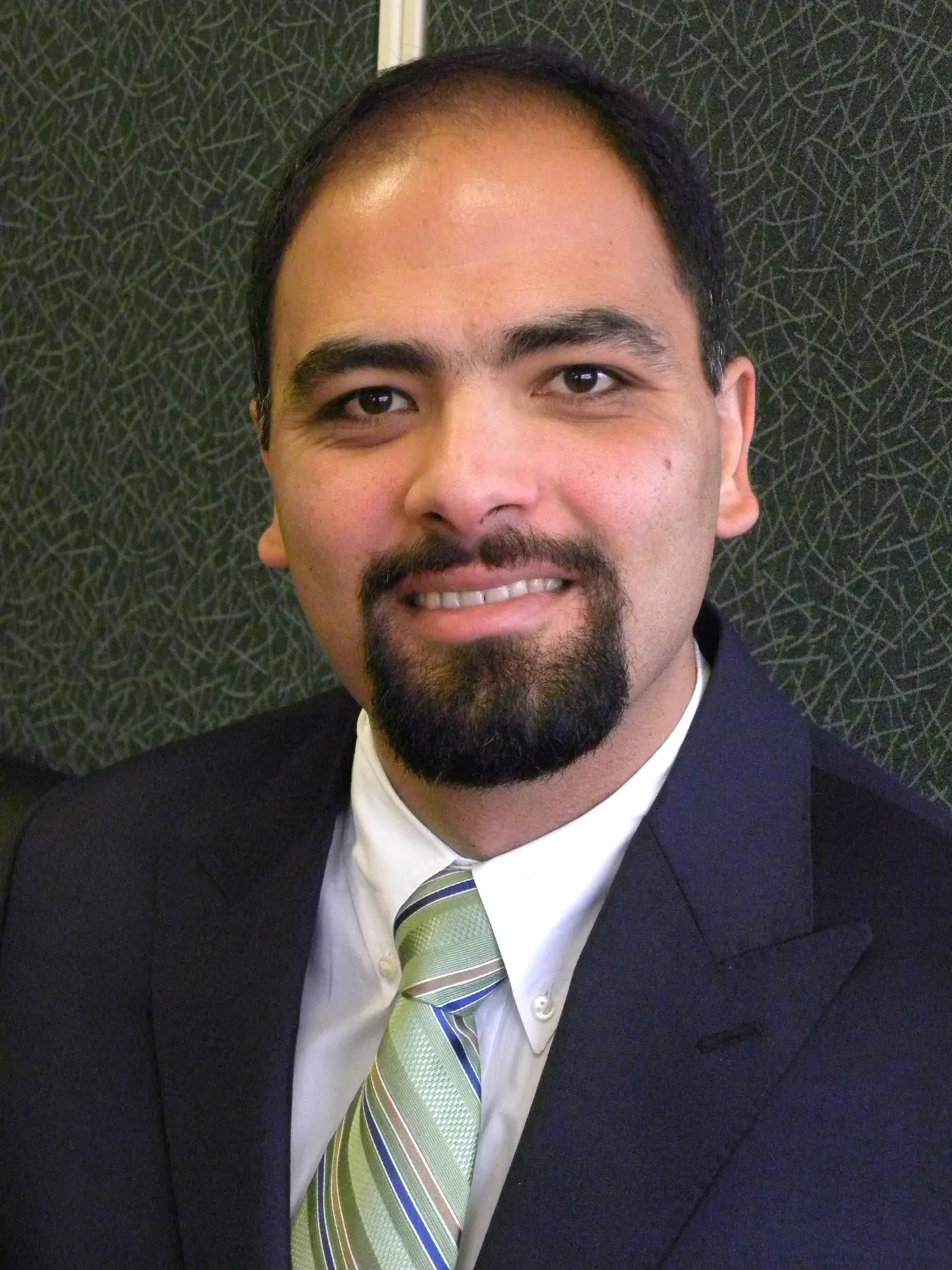
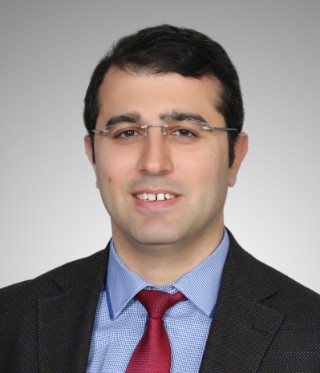
Sermet DEMİR is an Assistant Professor at the Faculty of Engineering , Department of Mechanical Engineering , Doğuş University. His work focuses on additive manufacturing, orthotic device design, and mechanical property optimization of composite materials. He teaches courses such as Experimental Engineering, Manufacturing Technology, and Computer-Aided Design. Education : BSc and MSc in Mechanical Engineering from Marmara University; PhD in Mechanical Engineering from Marmara University (2018). Research Interests center on biomedical devices, 3D printing, and structural analysis. His publications often employ the Taguchi method, Response Surface Methodology (RSM), and Quality Function Deployment (QFD) for design optimization. Recent works explore triply periodic minimal surface (TPMS) metamaterials, war bow mechanics, and adhesive joint performance. Scientific Awards are not explicitly mentioned in the text. His projects are sponsored by Doğuş University Scientific Research Projects Coordination Unit (grants 2021–22-D1-B02).
Aurélien Bornet is a Lecturer at École Polytechnique Fédérale de Lausanne (EPFL) in the School of Basic Sciences (SB), specifically within the Institute of Chemical Sciences and Engineering (ISIC). He serves as the Platform Leader for the Nuclear Magnetic Resonance Platform at EPFL, where he oversees advanced NMR facilities and research. Dr. Bornet's research focuses on Nuclear Magnetic Resonance (NMR) and Dynamic Nuclear Polarization (DNP) techniques. His work spans several key areas including hyperpolarization methodologies, development of NMR instrumentation, and applications in both chemistry and biomedical fields. His research has led to significant advancements in dissolution DNP, long-lived nuclear spin states, and hyperpolarized metabolite imaging. His recent publication record demonstrates strong activity in developing new NMR techniques and applications, with particular emphasis on hyperpolarization methods that dramatically enhance NMR sensitivity. His work bridges fundamental physics with practical applications in medical imaging and materials science. The research outputs include numerous high-impact publications in journals like Nature Communications, Journal of the American Chemical Society, and Physical Chemistry Chemical Physics, as well as several patents related to NMR technology. Dr. Bornet has received recognition through multiple patents for his innovations in NMR technology, including patents related to polarizing agents, dissolution DNP methods, and NMR instrumentation. His work has important implications for biomedical imaging, particularly in the development of hyperpolarized metabolic imaging for cancer diagnostics and other medical applications. As an educator, Dr. Bornet teaches courses on Basic and Advanced NMR at multiple levels (Level 1 A, Level 1 B, and Level 2) at EPFL and in Sion. His teaching focuses on both theoretical and experimental aspects of NMR, providing students with hands-on experience with modern NMR spectrometers. His academic journey includes completing his PhD at EPFL in 2015 with a thesis on hyperpolarized protons for enhancing NMR sensitivity, advised by G. Bodenhausen and S. Jannin. Prior to this, he completed earlier research on long-lived states as probes of protein stability in 2010 under the supervision of G. Bodenhausen and P. Vasos.
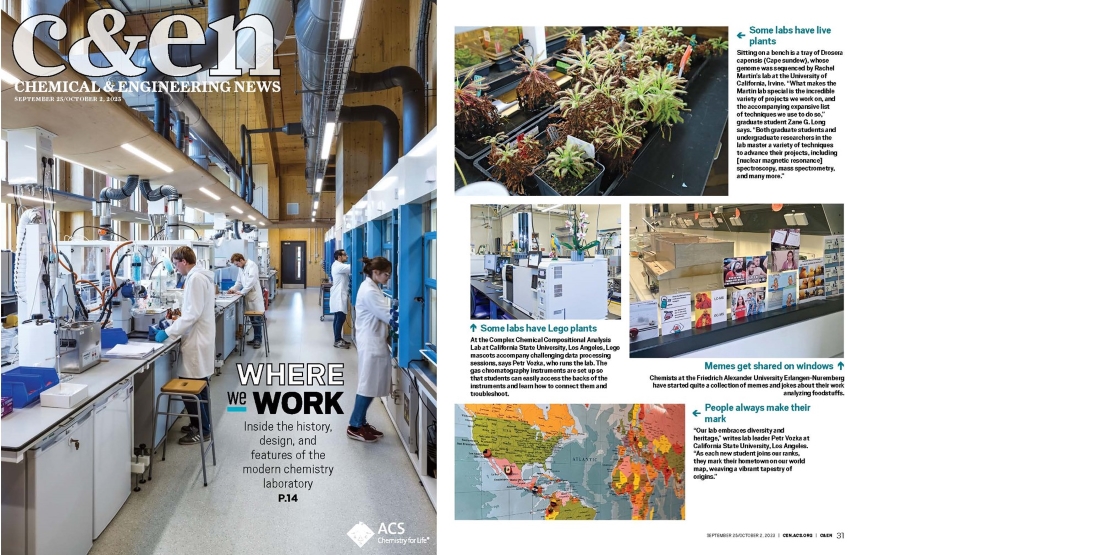
Dr. Petr Vozka is an Assistant Professor in the Department of Chemistry and Biochemistry at California State University, Los Angeles, where he leads the Complex Chemical Composition Analysis Lab (C³AL). His research focuses on the characterization of complex chemical mixtures using state-of-the-art techniques, including two-dimensional gas chromatography and high-resolution mass spectrometry, with applications in environmental science, plastic waste conversion, and forensic analysis. Dr. Vozka's research interests span multiple critical areas including the analysis of complex chemical mixtures, microplastics in the environment, conversion of plastic waste into alternative fuels, environmental impact of oil spills, and forensic fingerprint analysis. His work on microplastics has gained significant attention, with media coverage highlighting his findings that microplastics can penetrate blood vessels and have been found in the brain. His research on the Huntington Beach oil spill investigated the long-term effects of oil contamination on beaches used for recreation. Dr. Vozka has organized significant academic events including the Multidimensional GC: From Petroleum to Beyond symposium at ACS Fall 2025 and serves on the organizing committee for the Multidimensional Chromatography Workshop (MDCW). His laboratory, C³AL, is equipped with advanced instrumentation including GC-TOFMS, GC×GC-FID, and GC×GC-TOFMS systems, supported by partnerships with LECO Corporation and Anton Paar. Recipient of LECO Corporation's Pegasus® BT GC-MS instrument through a competitive selection process Principal Investigator for research funded by Naval Air Warfare Center Aircraft Division Collaborator with researchers from Purdue University, UCT Prague, Delft University of Technology, and California State Polytechnic University Dr. Vozka actively mentors undergraduate and graduate students, with numerous students receiving research awards including CSU COAST Undergraduate Student Research Grants, NSF REU placements, and Dean's List honors. His students regularly present research at national conferences including ACS meetings and the Multidimensional Chromatography Workshop. The C³AL lab provides hands-on experience with cutting-edge analytical instrumentation, preparing students for careers in analytical chemistry and related fields. As part of the LECO-C³AL Facility partnership, Dr. Vozka's lab serves as a training ground for students in comprehensive two-dimensional gas chromatography and mass spectrometry techniques. The facility aims to enhance knowledge and expand opportunities for students while equipping them with skills necessary to excel in graduate programs and analytical positions in industry and the military.
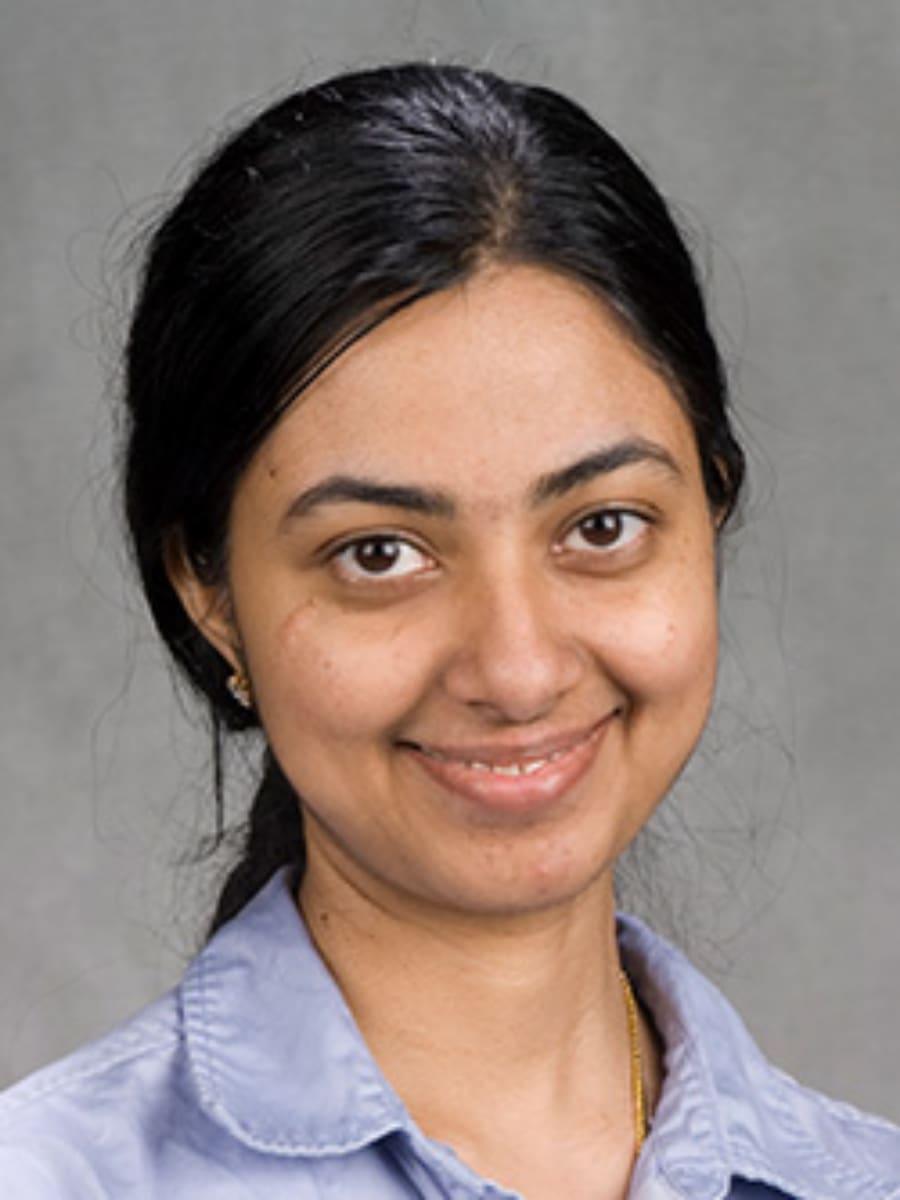
Kalyani Nair is a Professor in the Mechanical Engineering Department at Bradley University's Caterpillar College of Engineering & Technology, based in the Business and Engineering Convergence Center (BEC 3265). She can be contacted at knair@bradley.edu or (309) 677-4562. Her educational background includes: Ph.D. in Mechanical Engineering from Drexel University B.S. in Biomedical Engineering from Cochin University Dr. Nair's research focuses on biomedical engineering with expertise in biomechanics and tissue engineering . She investigates myofascial tissue mechanics in inflammatory conditions like ankylosing spondylitis, develops medical devices for spinal pathologies, and creates biomaterial scaffolds for tissue regeneration. Her work bridges engineering principles with clinical applications through techniques like myotonometry, electromyography, and computational modeling. Analysis of her recent publications (2015-2025) reveals persistent themes in musculoskeletal biomechanics, particularly spinal disorders and myofascial tissue properties, alongside tissue engineering for tendon regeneration and cancer models. Key trends include quantification of tissue mechanical properties, medical device innovation for pediatric neurosurgery, and scaffold optimization for regenerative medicine. Within the department, Dr. Nair serves as Coordinator of the Biomedical Concentration and sits on the Committee on the Use of Human Subjects in Research. She teaches courses spanning engineering design (ME 102), biomedical fundamentals (ME 280), CAD applications (ME 448, ME 648), and advanced topics in biomechanics (ME 580) and tissue engineering (ME 591).
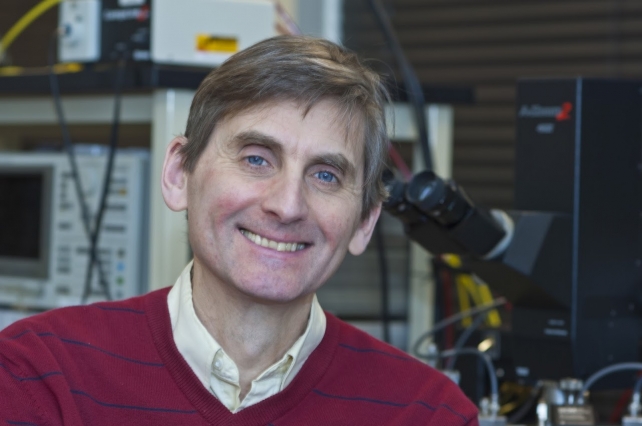
Jesús del Alamo serves as the Donner Professor of Science within MIT’s Department of Electrical Engineering and Computer Science, leading cutting-edge research in semiconductor device physics with applications spanning logic, high-frequency, and power electronics. His work bridges fundamental materials science with practical device engineering to address next-generation computing challenges. Academic Credentials: PhD, Stanford University MS, Stanford University Research Focus: Professor del Alamo’s expertise centers on transistor physics and semiconductor device innovation, particularly III-V compound semiconductors (InGaAs, GaN) and diamond MOSFETs. Current investigations target reliability mechanisms in GaN transistors for RF/power applications, novel analog computing architectures, and electrochemical ionic synapses for neuromorphic hardware. His group pioneers atomic-scale fabrication techniques like thermal atomic layer etching for sub-5nm devices while exploring quantum confinement effects in vertical nanowires. Publication Evolution: Recent work (2023-2025) demonstrates a strategic shift toward neuromorphic computing, with 60% of publications focusing on electrochemical synapses and ferroelectric memories for AI acceleration. This builds upon decades of transistor scaling research, now converging with materials innovations in HfZrO 2 ferroelectrics and protonic conductors to enable energy-efficient analog deep learning hardware. Award Recognition: Louis D. Smullin Award for Excellence in Teaching Amar Bose Award for Excellence in Teaching Intel Outstanding Researcher Award Semiconductor Research Corporation Technical Excellence Award Semiconductor Industry Association-Semiconductor Research Corporation University Researcher Award Collaborative Leadership: He directs research within MIT’s Microsystems Technology Laboratories (MTL), collaborating with faculty including Bilge Yildiz (electrochemical systems) and Ju Li (computational materials). Current projects integrate device physics with neuromorphic algorithms, supported by semiconductor industry partnerships focused on translating fundamental discoveries into practical AI hardware solutions. Research Infrastructure: His group operates within MIT’s MTL cleanroom facilities, utilizing advanced characterization tools for in-situ device analysis and leveraging partnerships with industry leaders in semiconductor manufacturing to prototype novel transistor architectures.
Etienne BARTHEL serves as a CNRS Research Director at the Laboratory of Soft Matter Science and Engineering (SIMM), a joint research unit of PSL University (ESPCI Paris), CNRS, and Sorbonne University. His primary affiliations span multiple prestigious French institutions focused on advanced materials research. His research centers on the mechanical behavior of soft and brittle materials, with emphasis on surface mechanics, adhesion phenomena, fracture dynamics, and thin film behavior . Key contributions include fundamental studies on wetting/dewetting processes, plastic deformation mechanisms in glasses, and instability phenomena at interfaces. His experimental and modeling work bridges nanoscale material behavior with macroscopic mechanical responses. Analysis of his recent publications reveals strong focus on silicate glasses, soft matter fracture, microfluidics, and surface characterization techniques . His work frequently employs advanced methods like Brillouin spectroscopy, nanoindentation, and micro-photoelasticity to probe material responses under stress. As a CNRS Research Director, he leads experimental investigations in the SIMM laboratory, supervising PhD candidates and postdoctoral researchers in projects spanning materials physics, surface science, and mechanical engineering. His research program integrates experimental mechanics with theoretical modeling to address fundamental questions in material failure and interfacial phenomena. The SIMM laboratory maintains advanced facilities for soft matter characterization, including micro-mechanical testing setups, surface analysis instruments, and microfluidics platforms where his team conducts cutting-edge research on material interfaces and deformation mechanisms.
Luciano De Sio is an Associate Professor at Sapienza University of Rome, affiliated with the Department of Medical-Surgical Sciences and Biotechnologies. He leads a research group focused on biotechnology, liquid crystals, nanotechnology, optics, and bio-photonics. De Sio has over five years of experience as a senior research scientist at Beam Engineering for Advanced Measurements in Orlando, FL, with collaborations spanning U.S. agencies like AFOSR and AFRL. Current position: Associate Professor Institution: Sapienza University of Rome Department: Department of Medical-Surgical Sciences and Biotechnologies His research integrates nanotechnology with biomedical applications, including photo-thermal therapy and reusable biosensors . Notably, he has co-authored 140 ISI-JCR publications, holds 18 international patents, and has delivered over 50 conference presentations. Recent work involves NATO-funded projects for nanotechnology-inspired biosensors with photo-responsive liquid crystals. NATO Science for Peace and Security Programme European Office of Aerospace Research & Development (EOARD) De Sio's projects include advanced thermoplasmonic optical filters , smart windows , and multifunctional face masks with hybrid nanostructures. His expertise spans computational modeling of heat transfer, plasmonic nanoparticle synthesis, and bio-photonic device development. He teaches foundational physics courses for Medicine, Dentistry, and Nursing programs, including Medical Physics and Basics of Cellular and Molecular Biology . His group operates in the Laboratory of Biofotonica and Laboratorio di Biofotonica Ultrafast , advancing technologies from microfluidic circuits to gamma imaging systems.
Dr. Giancarlo Pascali is a Conjoint Associate Professor at the School of Chemistry, UNSW Sydney , and Radiochemistry Team Leader at ANSTO's Camperdown cyclotron site. With a PhD in "Innovative Biomedical Technologies" from the University of Lecce (2004), he has held research positions at IFC-CNR , NIH , and GMP facilities in Milan and Pisa. His expertise spans radiochemical methods , radiopharmaceutical development , and microfluidic automation for nuclear medicine production. Education: PhD in Innovative Biomedical Technologies, University of Lecce (2004) BSc in Chemistry, University of Pisa (2001) Research interests focus on M 3 : Molecules, Methods, Machines . In Molecules , he designs radiopharmaceuticals for cancer , dementia , and inflammatory diseases . For Methods , his work explores photochemistry , electrochemistry , and mechanochemistry to label biomolecules with 18 F and other isotopes. Under Machines , he pioneers microfluidic systems for automated radiochemistry, emphasizing safety and process reliability . Editorial & Leadership Roles: Editorial Board Member of Nuclear Medicine and Biology , Contrast Media & Molecular Imaging , and Current Radiopharmaceuticals Executive Board of ANZSNM , ARTnet , and ASMI Asia-Oceania Director and iSRS2025 Chair for SRS
Alireza Vakil Amirkhizi serves as Professor in the Department of Mechanical and Industrial Engineering at the Francis College of Engineering, University of Massachusetts Lowell. His research focuses on mechanics of materials under extreme conditions and advanced composite systems. His academic credentials include: Ph.D. in Mechanical and Aerospace Engineering, University of California, San Diego (Dissertation: Multifunctional Composites and Structures with Integrated Mechanical and Electromagnetic Properties) M.S. in Mechanical and Aerospace Engineering, University of California, San Diego B.S. in Civil and Environmental Engineering, Sharif University of Technology (Thesis: Experimental Study of Concrete Shear Walls Reinforced with Punched Steel Plates under Cyclic Loading) Dr. Amirkhizi's research spans applied mechanics and materials science with emphasis on dynamic behavior of materials under high strain-rates, extreme pressures, and temperature variations. His work explores metamaterials for wave manipulation, biomechanics of soft tissues, and molecular-level design of polymeric materials. Current investigations focus on structure-property relationships for next-generation protective systems and energy-absorbing composites. His publication record (2006-2019) reveals consistent contributions in composite mechanics , polymer physics , and metamaterial design . Key themes include constitutive modeling of pressure-sensitive polymers, micromechanical analysis of composite systems, and electromagnetic-mechanical coupling in chiral materials. His work bridges experimental validation with computational modeling across multiple length scales. Notable recognitions: Dissertation Fellowship (2006), UC San Diego Highest Academic Achievement Award (2004), UC San Diego MAE Department Certificate of Recognition (2003), UC San Diego Research funding demonstrates strong military and defense partnerships. As Principal Investigator, he secured grants from the U.S. Army (Natick Soldier RDEC), Air Force (AFOSR, SBIR), Office of Naval Research, and DARPA for projects including parachute material shelf-life analysis, cavitation-resistant coatings, and microstructurally-architected materials. Collaborative projects with S. Nemat-Nasser at UC San Diego involved blast-mitigating polymers and multi-frequency dynamic materials. His laboratory activities focus on experimental characterization of materials under dynamic loading, supported by advanced testing facilities for high-strain-rate mechanics and multi-physics material response.
Maryam Salehi is an Associate Professor in the Department of Civil and Environmental Engineering at the University of Missouri. She specializes in contaminant fate and transport, microplastics, and drinking water quality. PhD in Environmental Engineering, Purdue University MSc in Civil Engineering, University of South Alabama PhD in Chemical Engineering, Amirkabir University of Technology MSc in Chemical Engineering, Amirkabir University of Technology BSc in Civil Engineering, Yazd University Her research focuses on understanding the environmental impacts of microplastics, including their interaction with heavy metals and breakdown under mechanical or environmental stressors. She also investigates contaminant transport in urban water systems and hurricane-induced water-sediment dynamics. Recent publications highlight her work on biocompatible water filters, plastic-coated fertilizers, and microplastic aging processes. She collaborates internationally, including studies in Germany and Florida, and secures funding from the National Science Foundation and EPA. NSF Early CAREER Award James C. Dowell Professorship She mentors graduate students and leads the Water and Environmental Research Lab at the Missouri Water Center, which unites academia, industry, and government stakeholders.
Emilie Carretier is a Professor at Aix-Marseille University (AMU) , affiliated with the Procédés Membranaires research team. Her work focuses on membrane separation technologies, particularly for industrial applications in pharmaceuticals, water treatment, and nuclear waste management. Research Interests : Membrane processes (pervaporation, reverse osmosis), solvent regeneration, radioactive effluent treatment, catalyst recovery, and industrial sustainability. Publications highlight advancements in ceramic membranes, VOC removal, and membrane aging studies, with applications in pharmaceuticals, microelectronics, and nuclear industries. Laboratory : Active within the M2P2 research center, specializing in membrane process innovation for complex industrial matrices.
Hüsnü Dal is a Professor at Middle East Technical University (METU) in Ankara, Turkey, specializing in computational mechanics of materials. His research bridges engineering and biomedical applications through advanced computational modeling techniques. Education: Bachelor's Degree, Middle East Technical University, 2001 Master's Degree, University of Stuttgart, 2005 PhD, Dresden University of Technology, 2011 Research Focus: Prof. Dal's work centers on computational micromechanics, multiscale and multifield problems, and materials theory. He investigates fracture in multiphysics media with applications in lithium-ion batteries and tissue mechanics, developing novel constitutive models for complex material behaviors under extreme conditions. His research integrates thermomechanical coupling, viscoplasticity, and data-driven approaches to solve engineering challenges in both synthetic polymers and biological systems. Publication Trends: Recent publications (2023-2025) reveal a dominant focus on data-driven constitutive modeling and phase-field fracture methods. His work spans rubber mechanics, polymeric foams, biological tissues, and battery materials, characterized by strong interdisciplinary connections between materials science, biomechanics, and computational engineering. Key themes include anisotropic hyperelasticity, thermo-viscoplastic fracture, and spatial property variations in additively manufactured materials.
Dr. Amir K. Miri is an Assistant Professor in the Department of Biomedical Engineering at New Jersey Institute of Technology (NJIT) and Director of the Advanced Biofabrication Lab. His work focuses on additive manufacturing for biomedical applications, particularly bioprinting technologies for tissue regeneration and disease modeling. After receiving his PhD in Mechanical Engineering from McGill University (2013) and completing postdoctoral training at the MIT-Harvard Division of Health Sciences and Technology, he began his academic career at Rowan University before joining NJIT. PhD, Mechanical Engineering, McGill University (2013) MSc, Mechanical Engineering, Sharif University of Technology (2007) BSc, Mechanical Engineering, Iran University of Science and Technology (2005) Dr. Miri's research spans advanced bioprinting platforms, including multi-axial extrusion, handheld printers, and digital light projection systems. His work emphasizes the development of biomimetic models for cancer, vocal fold tissue, and vascular systems, with a particular focus on microfluidic integration and material optimization for bioprinting. He has pioneered low-cost prototyping solutions for resource-limited settings and explored the role of extracellular matrix mechanics in cellular behavior. Key trends in his publications include 3D bioprinting for tumor modeling, microfluidic device applications in drug screening, and the use of hydrogels like GelMA in cancer research. His group has also advanced acoustic metasurface technology for biomedical wave manipulation and investigated the interplay between biomaterial rheology and bioprinting resolution. Dr. Miri leads a research team at NJIT focused on biofabrication and microfluidics, though specific student advisees are not listed in the provided information. His lab emphasizes interdisciplinary collaboration, particularly in the development of multi-material and multi-scale tissue constructs.
Professor Alex Klein-Paste is affiliated with NTNU's Department of Civil and Environmental Engineering, focusing on winter operations of roads and airports. His research emphasizes snow and ice engineering, anti-icing strategies, and friction dynamics. He leads the NTNU SnowLab, a specialized facility supporting education and research in snow engineering. Klein-Paste teaches courses on road planning, maintenance in cold climates, and infrastructure management. His research spans experimental studies on de-icing chemicals, snow compaction, and winter maintenance optimization. Key contributions include developing regression models for maintenance efforts and analyzing cross-country ski friction mechanics. He collaborates widely, with recent work addressing automated vehicle infrastructure needs and bicycle rolling resistance in winter conditions. Labs/Teams: Director of NTNU SnowLab, part of the roads, railways, and transport research group. His work bridges experimental engineering and real-world applications, influencing both academic and industrial sectors.
Professor Chunfei Wu is affiliated with the School of Chemistry and Chemical Engineering at Queen's University Belfast, UK. Specializing in thermochemical conversion of renewable resources and CO2 capture/utilization technologies, Wu leads cutting-edge research in sustainable energy systems. Research interests include: Development of heterogeneous catalysts for hydrogen and syngas production Carbon nanotube synthesis from waste hydrocarbons Integrated CO2 capture and conversion processes Thermochemical processing of biomass/plastics Recent publications focus on molten salt technologies (solar salts), oxygen carriers for chemical looping combustion, and photocatalytic CO2 reduction systems. Wu contributes to UN Sustainable Development Goals through carbon-neutral pathways research. Active in academic leadership as Founding Editor-in-Chief of Carbon Capture Science & Technology and Managing Editor of Biomass and Bioenergy , Wu supervises multiple research projects including: R3691CCE: Sewage Sludge Gasification R1661CCE: Bio-based Negative Emissions Technologies R1797CCE: Marine Plastic Waste Recycling R7511CCE: CO2 Capture with CaO Materials