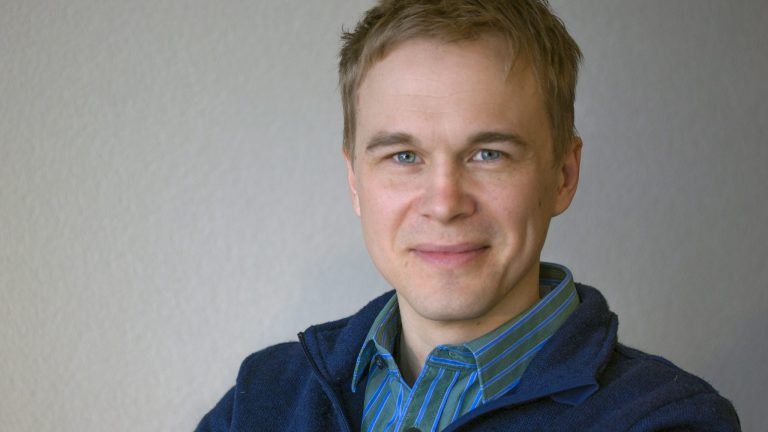
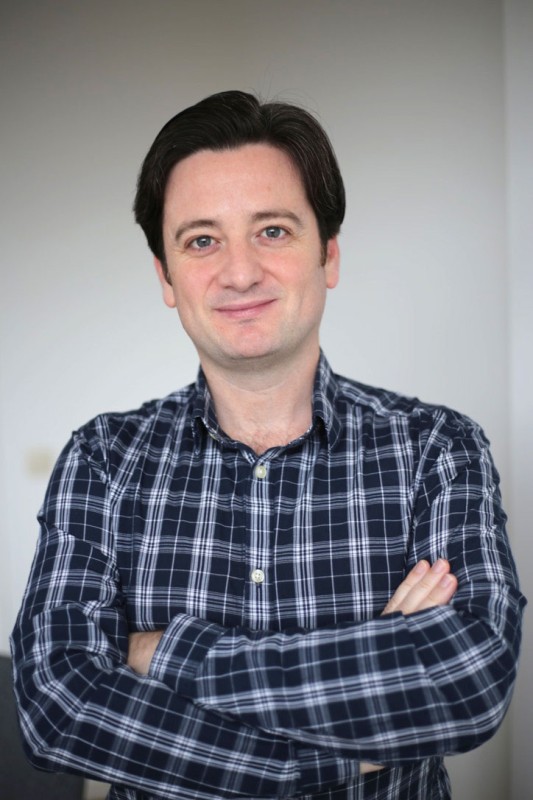
Dr. Tommaso Marcato is a Lecturer at the Department of Chemistry and Applied Biosciences, ETH Zürich. He earned his MSc in Chemical and Bioengineering from ETH Zürich after completing his BSc in Chemical Engineering at Politecnico di Milano, Italy. His research focuses on perovskite light-emitting diodes (PeLEDs), emission anisotropy, and light-outcoupling efficiency, with a particular emphasis on transition dipole moment orientation and nanocrystal self-assembly. His publications span topics such as Stabilization of CsPbI₃ nanoplatelets via metal iodide doping Molecular orientation engineering in OLEDs Ultraflexible self-powered optoelectronics Electroluminescent metasurfaces using perovskite nanocrystals His work aims to overcome photon trapping in devices by manipulating emitter orientation and exploring quantum confinement effects. Dr. Marcato's recent articles (2019–2025) demonstrate expertise in Hybrid perovskite systems Quantum dot applications Photonic device architecture Surface passivation techniques . He is part of the Shih group at ETH Zurich and has received funding from ETH-33 18-2 for his research on graphene-templated molecular alignment in LEDs.
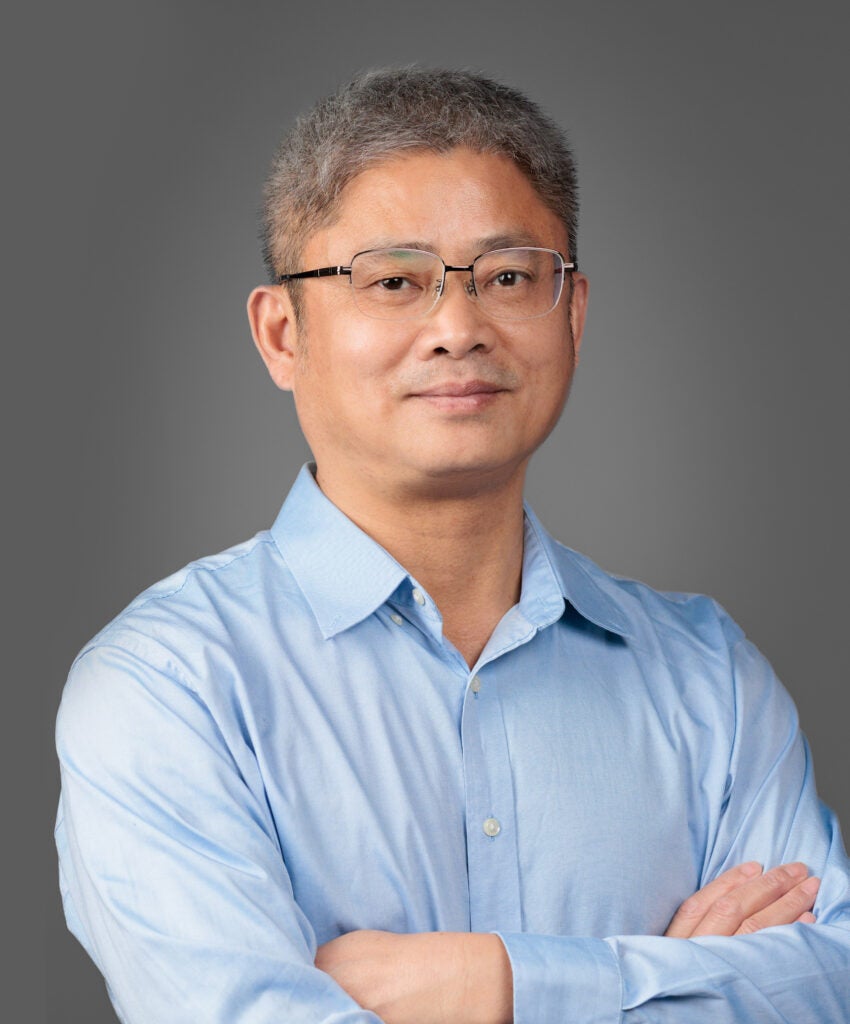
Prof. Dr. Gonzalo Guillén Gosálbez is a Full Professor at the Department of Chemistry and Applied Biosciences , ETH Zürich. He holds a PhD in Process Systems Engineering (UPC, 2005) and has held academic positions at Imperial College London (Reader), University of Manchester (Senior Lecturer), and Universitat Rovira i Virgili (Assistant/Associate Professor). His research focuses on Sustainable Chemical Processes , integrating life cycle assessment, optimization techniques, and planetary boundary analysis to evaluate and design low-carbon technologies. Current position: Full Professor, ETH Zürich (2019–present) Prior roles: Imperial College London (2016–2019), University of Manchester (2014–2016), URV Spain (2008–2014) Education: PhD (UPC, 2005), MEng/BEng (University of Murcia) His research explores CO2 valorization , green methanol synthesis , circular marine fuels , and planetary boundary compliance in energy and chemical systems. Recent work emphasizes machine learning for process modeling, single-atom catalysis , and decentralized ammonia production . Scientific contributions include 15+ peer-reviewed articles (2023–2025) in journals like Nature Chemical Engineering , ACS Sustainable Chemistry & Engineering , and Energy & Environmental Science . Key themes: Optimization of hybrid fossil/renewable carbon systems Environmental impacts of energy transitions Catalyst design for sustainable chemistry Life cycle assessment of emerging technologies Awarded UPC Top Doctoral Student Award and Top National Student Award , he combines process systems engineering with sustainability metrics to address global challenges in chemical and energy systems.
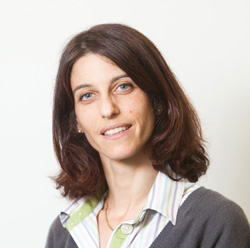
Assoc Prof Ng Teng Yong is an Associate Professor at the School of Mechanical & Aerospace Engineering (NTU), specializing in numerical modeling and simulation. With a background as Research Manager at A*STAR Institute of High Performance Computing, his work spans materials science, nanotechnology, and aerospace engineering. Current focus on graphene-based desalination membranes Expertise in molecular dynamics simulations Investigates nanoscale fluid mechanics and structural dynamics Recent publications highlight advancements in energy-efficient electrodialysis, smart robotics, and nonlinear vibration analysis. His interdisciplinary approach integrates computational methods with experimental validation in additive manufacturing and soft material mechanics.
Kumar Varoon Agrawal is an Associate Professor at École Polytechnique Fédérale de Lausanne (EPFL), holding the Gaznat Chair for Advanced Separations. He is affiliated with the School of Basic Sciences (SB), the Institute of Chemical Sciences and Engineering (ISIC), and the Laboratory of Advanced Separations (LAS) in Sion, Switzerland. Additionally, he contributes to the Swiss Doctoral School in Chemical and Bioengineering (SCGC) and serves as Vice President of the Confédération des Chimistes et des Génie Chimique (CCE). Research Focus: Material Chemistry & Engineering at the Ångström scale for high-performance inorganic and hybrid membranes, emphasizing energy-efficient molecular separations. Teaching: Courses include Fundamentals of separation processes , Diffusion and mass transfer , and Chemical engineering product design . Scientific Contributions: His 15 most recent publications (2025-2020) span topics like graphene pore engineering , 2D material synthesis , carbon capture , and gas separation membranes , with keywords such as Nanotechnology , Materials Science , and Molecular Transport . Subfields include Atomic-Scale Pores , Membrane Stability , and Industrial Scalability . Students and Collaborations: He advises 10 current PhD students and has mentored 9 past PhD candidates in areas like graphene membranes , ion separation , and MOF films . He is an Academic Referent for the EPFL Carbon Team and a committee member for the EDCH Doctoral Program in Chemistry and Chemical Engineering.
Jun Liu is an Assistant Professor in the Department of Mechanical and Aerospace Engineering at the School of Engineering and Applied Sciences, University at Buffalo. His research focuses on advanced energy materials, nano/micro-mechanics, and self-powered systems, with applications in triboelectric energy harvesting and scanning probe microscopy. Education: PhD, Materials Engineering, University of Alberta (2018) MS, Materials Science, Shanghai University (2015) BE, Materials Science and Engineering, Nanchang University (2012) Research Interests: Development of tribovoltaic and triboelectric systems for self-powered electronics Mechanical energy harvesting via dynamic heterojunctions and Schottky contacts 3D-printed hydrogel structures for energy absorption and flexible electronics Nanoscale characterization using atomic force microscopy Design of nanocomposite sensors and catalytic materials Publication Trends: His work emphasizes triboelectricity, nanoscale energy conversion, and sustainable materials. Recent articles explore bionic tactile sensing, tunable hydrogels, and quantum dynamics in sliding interfaces. Awards: SONY Faculty Innovation Award (2021) Nature Springer MINE Young Scientist Award (2020) International Contest of Applications in Nano/Micro Technology Prize (2013) Laboratory: Advanced Energy Materials and Nanomechanics Lab at University at Buffalo.
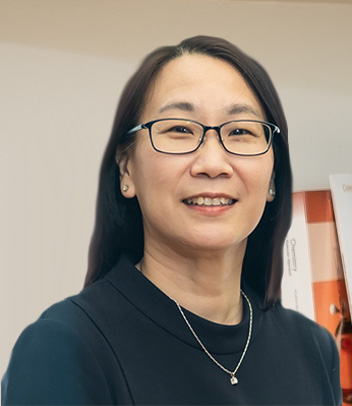
CHUA Lay-Lay is an Associate Professor in the Department of Chemistry at the National University of Singapore (NUS). She holds a joint professorship with the University of Cambridge and leads research in organic semiconductor materials. Her work focuses on polymer-based electronic materials and hybrid systems with graphene/SWCNTs for applications in LEDs, solar cells, and sensors. She has pioneered breakthroughs in multivalent anion-based electron donor materials and solution-processable organic electronics. Education: Ph.D., University of Cambridge (2007); B.Sc. Computational Chemistry, NUS (1995). Prior roles include Research Fellowships at NUS and Cavendish Lab, and industry experience at Bell Labs and Chartered Semiconductor. Research highlights include the 2019 Nature paper demonstrating multivalent anion electron donors, enabling air-stable low-work-function materials. Her group explores energy-level engineering and morphology-property relationships in organic electronics. Editorial roles: Associate editor of Journal of Materials Chemistry C . Awards include the NUS-Cambridge Dual Professorship (2008). Teaching: CM4254 Chemistry of Semiconductors (AY2022/2023). Laboratory affiliations: Organic Nano Device Laboratory (ONDL) focusing on plastic electronics innovation.
Susanna Thon is an Associate Professor in the Department of Electrical and Computer Engineering at Johns Hopkins University (JHU), affiliated with the Whiting School of Engineering. She serves as Associate Director of the Ralph O’Connor Sustainable Energy Institute (ROSEI) and a member of the Data Science and AI Institute. Her research focuses on nanomaterials engineering for optoelectronic devices, emphasizing solar energy conversion and sensing. Notable areas include plasmonic-photocatalytic systems using aluminum nanoparticles and nanostructured materials like colloidal quantum dots for next-generation devices. Thon holds a BSc from MIT (2005) and MSc/PhD in Physics from UC Santa Barbara (2008/2010). She joined JHU in 2013 after postdoctoral work at the University of Toronto. Her work is funded by agencies such as the NSF, U.S. Army, and Maryland Energy Innovation Institute. She has published over 50 peer-reviewed papers and received JHU’s Catalyst and Discovery awards. Key research projects include developing plasmonic systems to enhance light absorption in titanium dioxide and creating scalable fabrication techniques for optoelectronic materials. Thon’s team also advances quantum dot solar cells and novel characterization methods for energy materials. She actively participates in professional societies, including the Optical Society of America and IEEE. Her grants and collaborations aim to train the next generation in sustainable energy research, with recent initiatives funded through NSF and Space@Hopkins seed grants. Thon’s lab integrates nanophotonics, materials science, and machine learning to address global energy challenges.
Yueh-Lin (Lynn) Loo is the Theodora D. '78 and William H. Walton III '74 Professor in Engineering and Professor of Chemical and Biological Engineering at Princeton University. She holds affiliated roles in the Andlinger Center for Energy and the Environment, Department of Chemistry, Department of Electrical Engineering, Princeton Environmental Institute, and Princeton Materials Institute. Her research focuses on organic and polymer electronics, with emphasis on solution-processable materials, soft lithography, and interfacial engineering in solar cells. She has pioneered innovations in organic electronics fabrication and scalable energy technologies. Education: Ph.D. in Chemical Engineering from Princeton University (2001); BSE in Materials Science and Engineering and Chemical Engineering from the University of Pennsylvania (1996). Research Interests: - Solution-processable organic conductors for thin-film electronics - Soft lithography techniques for patterning plastic electronics - Self-assembled monolayers for optimizing organic solar cell interfaces - Development of cost-effective, large-area electronic device fabrication methods Her articles span organic semiconductor material design, device fabrication techniques, and energy applications. Awards include Fellowships from the National Academy of Engineering, American Institute of Chemical Engineers, and multiple industry recognitions for innovation in materials science and clean energy. Advises graduate students in chemical engineering and materials science. Leads the Organic and Polymer Electronics Laboratory, advancing research in decarbonization technologies and maritime energy solutions. Current projects include smart solar spectrum management systems and recyclable plastic electronics.
Dr. Benjamin Scott Flavel is a Research Group Leader at the Institute of Nanotechnology, Karlsruhe Institute of Technology (KIT), Germany. His research focuses on carbon nanotubes and their applications in photovoltaics and sensing technologies. He leads a dynamic research team conducting cutting-edge work on the separation, purification, and application of single- and double-walled carbon nanotubes. Education: Doctor of Philosophy (Chemistry), Flinders University, Australia, 2010 Bachelor of Science in Nanotechnology (Honors), Flinders University, Australia, 2005 Habilitation in Materials Science, Technische Universität Darmstadt, 2018 His research interests lie at the intersection of nanotechnology and energy materials, particularly in carbon nanotube-based solar cells , chirality-specific separation techniques , and nano-sensing devices . His group has pioneered methods such as ATPE for enantiomer sorting and developed innovative solar cell architectures with industrial relevance. The research spans fundamental charge transport mechanisms to applied device engineering. The publication record shows a strong trend in advancing carbon nanotube photovoltaics, with key contributions in interface engineering, scalable fabrication, and high-efficiency CNT:Si solar cells. Work also extends to spectroscopic characterization, alignment techniques, and software tools for data analysis. Scientific Awards: Heisenberg Program, DFG (2018) Emmy Noether Program, DFG (2013) Alexander von Humboldt Research Fellowship (2011) Australian Government Endeavor Research Fellowship (2009) Bloom-Gutmann Prize, Royal Australian Chemical Institute (2008) Hope Meeting, Japanese Society for the Promotion of Science (2008) Research Fellowship, Flinders University (2007) Dr. Flavel has successfully advised multiple PhD students, including Dr. Moritz Pfohl, Dr. Katherine Moore, and Dr. Daniel Tune. His research has been supported by significant grants from the German Research Foundation (DFG), including funding for a double-walled carbon nanotube project and an organic evaporation system (~320,000 EUR). Collaborations span institutions such as NIST, Freie Universität Berlin, University of Antwerp, McMaster University, and University of Sydney. The research group operates within the Institute of Nanotechnology at KIT, utilizing advanced infrastructure for nanomaterials synthesis, characterization, and device fabrication. The team is recognized internationally, with work featured in Open Access Government , Research Features , and Europhotonics , and covered by Nanotechweb.
Professor Kevin Sivula is a Full Professor of Chemical Engineering at École Polytechnique Fédérale de Lausanne (EPFL), where he leads the Laboratory of Molecular Engineering of Optoelectronic Nanomaterials (LIMNO) and serves as Director of the Institute of Chemical Sciences and Engineering (ISIC). He teaches courses on Transport Phenomena, Chemical Engineering Practicals, Product design, and solar energy conversion systems. His research focuses on photoelectrochemical solar energy conversion, particularly developing novel nanomaterials for renewable energy applications. Professor Sivula's work bridges chemical engineering, materials science, and renewable energy technologies with emphasis on solar water splitting and hydrogen production. His research group explores organic semiconductors, transition metal dichalcogenides, perovskite materials, and metal oxide photoelectrodes for solar fuel generation. Professor Sivula's recent publications (2023-2025) demonstrate his leadership in advancing perovskite solar cell technology, developing novel photoelectrochemical systems for hydrogen production, and engineering semiconductor interfaces for improved energy conversion efficiency. His work spans fundamental materials characterization to device engineering, with particular emphasis on stability and scalability of solar fuel production systems. As an academic leader, Professor Sivula has supervised numerous PhD students whose research spans organic semiconductor nanoparticles for solar hydrogen production, perovskite materials engineering, photoelectrochemical CO 2 reduction, and nanomaterials for energy conversion. His research has been supported by various grants focused on advancing sustainable energy technologies.
Stephen Y. Chou is the Joseph C. Elgin Professor of Engineering and Professor of Electrical and Computer Engineering at Princeton University. He is affiliated with the Princeton Materials Institute (PMI) and leads the Nano, Meta, and Bio-Health Laboratory (NMBH Lab), previously known as the Nanostructures Lab. His work spans nanotechnology, bioengineering, and photonics, integrating interdisciplinary approaches to address challenges in health, electronics, and manufacturing. Ph.D., Massachusetts Institute of Technology, 1986 M.A., Physics, State University of New York at Stony Brook, 1982 B.S., Physics, University of Science and Technology of China, 1978 Chou's research focuses on nano-bioengineering for diagnostics and health, nanophotonics (meta-optics and subwavelength elements), and nanofabrication techniques. His work has revolutionized nanoimprint lithography, enabling breakthroughs in semiconductor devices, optical sensors, and biomedical tools. The NMBH Lab's innovations include ultra-sensitive biosensors (D2PA), the iMOST™ diagnostic platform, and foundational contributions to gate-all-around (GAA) transistors for sub-3 nm CMOS technology. His publications reflect advancements in plasmonic biosensors, organic solar cells, nanofluidics, and scalable nanoimprint methods. Key themes include nanoscale light manipulation, low-cost diagnostic systems, and quantum electronic devices. Member, National Academy of Engineering (2007) IEEE Cledo Brunetti Award (2004) IEEE Nanotechnology Pioneer Award (2014) Nanoimprint Pioneer Award (2015) Packard Fellow (1991) Fellow, IEEE (2000) Inductee, New Jersey High Tech Hall of Fame (2004) MIT Technology Review Emerging Technologies (2003, 2007) Chou has founded three companies (Nanonex, NanoOpto, Essenlix) and co-founded BioNano Genomics (NASDAQ: BNGO). His work bridges academic research and industrial impact, with over 700 publications (H-index 97) and 400 patents, influencing global nanotechnology and diagnostics. The NMBH Lab develops transformative technologies in nano-bioengineering, nanophotonics, and nanofabrication, emphasizing practical applications for healthcare and electronics.
Prof. Dr. Saim Özkar is a distinguished Professor in the Department of Chemistry at Middle East Technical University (METU), Ankara, Turkey. He earned his BS (1972) and MSc (1972) from the Technical University of Istanbul and his PhD (1976) from the Technical University of Munich, Germany. His career includes roles as Assistant Professor (1979–1982), Associate Professor (1982–1988), and full Professor (1988–present) at METU, with visiting positions at the University of Toronto and Colorado State University. His research focuses on homogeneous and heterogeneous catalysis , transition metal nanoparticles , hydrogen storage materials , and organometallic chemistry . Key areas include catalytic hydrogen release from solid-state storage systems and nanoparticle synthesis for sustainable energy solutions. Özkar has published extensively on nanocatalysts for hydrogen generation, with recent work emphasizing ruthenium, rhodium, and nickel nanoparticles. His articles consistently explore catalytic efficiency, stability, and applications in green energy. Awards & Grants: Science Prize, Scientific and Technical Research Council of Turkey (1996) Permanent Member, Turkish Academy of Sciences (1996) Fulbright Scholarship (2000), Volkswagen Foundation Grants (1982–1984, 1992–1994), NATO Research Grant (1981–1983) He has mentored students including Prof. Dr. Yalçın Tonbul and Dr. Joydev Manna. His lab specializes in advanced nanocatalyst design and collaborates with international institutions like Colorado State University.
Prof. Jianyong Ouyang is a Professor in the Department of Materials Science & Engineering at the National University of Singapore (NUS), part of the Faculty of Engineering. He holds a PhD from the Institute for Molecular Science (Japan), and has worked at the Japanese Advanced Institute of Science and Technology, UCLA, and NUS since 2006. His research focuses on high-performance conducting polymers, thermoelectric materials, and flexible electronics. Key achievements include inventing the first polymer/nanoparticle memristor (2004), hybrid ionic/electronic thermoelectric converters (2020), and self-adhesive conducting polymers (2020). Research interests include flexible/wearable electronics, organic electronics, and energy materials. Notable awards include the Distinguished Award for Novel Materials (2015), NUS Young Investigator Award (2017), and inclusion in the World’s top 2% Scientists (2019–2022). His lab has over 200 publications with ~30,000 citations and an H-index of 87. Publications highlight advancements in thermoelectric polymers, stretchable sensors, and energy materials. Collaborations include work on perovskite solar cells, graphene-based electrodes, and MXene composites. His group explores applications in healthcare monitoring, energy harvesting, and smart materials.
Dr. G.K. Knopf is a Professor in the Department of Mechanical & Materials Engineering at Western University, Canada. He holds a Ph.D. (1991), M.Sc. (1987), and B.E. (1984) from the University of Saskatchewan. His work bridges product design, advanced manufacturing, and bio-inspired technologies. Research Focus: Dr. Knopf’s research spans 3D shape reconstruction , laser microfabrication , micro-optics , and bioelectronic imaging arrays . Recent projects emphasize light-driven actuators , flexible electronics , and graphene-based inks for printing circuits on unconventional substrates like silk and paper. Publications: Over 150 peer-reviewed works, including two edited CRC Press volumes ( Smart Biosensor Technology , Optical Nano and Micro Actuator Technology ). Key contributions involve non-lithographic fabrication , bacteriorhodopsin photodetectors , and self-organizing feature maps for data visualization. Awards/Patents: Co-inventor of two U.S. patents (6,542,249 for 3D surface measurement; 7,573,024 for bioelectronic imaging arrays). Teaching: Leads graduate courses in Medical Device Design and Optomechatronic Systems , as well as undergraduate Mechatronics and Medical Device Development courses.
Caterina Ducati is a Professor of Nanomaterials at the Department of Materials Science & Metallurgy, University of Cambridge. Her research focuses on nanomaterials, their structure-property relationships, and applications in energy technologies, particularly photovoltaics, photocatalysis, and optoelectronics. Research Interests: In situ electron microscopy of nanomaterials under external stimuli (electrical, thermal, photonic), growth mechanisms of nanostructures (carbon nanotubes, semiconductor nanowires), and degradation processes in energy devices. Methodologies: Advanced characterization via HAADF STEM, TEM, and development of tools for real-time nanoscale observation. Recent publications highlight her work on perovskite solar cells, battery materials (Li, Zn, Na-ion), and ferroelectric thin films. She actively investigates degradation mechanisms in energy devices and develops novel fabrication techniques for nanocomposites. Scientific Recognition: A&B Post-doctoral Fellowship winners (institutional award) She supervises research groups utilizing the Wolfson Electron Microscopy Suite and contributes to interdisciplinary collaborations in materials for sustainability and healthcare applications.





_rdax_230x341s.jpg)