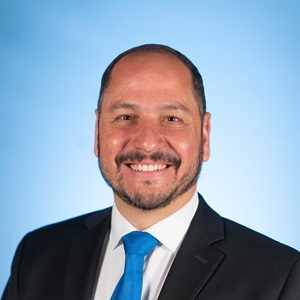
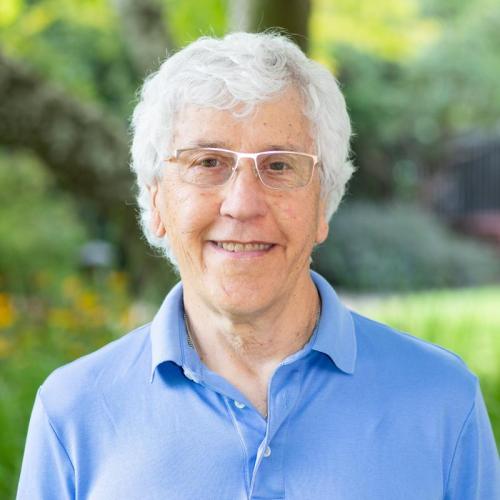
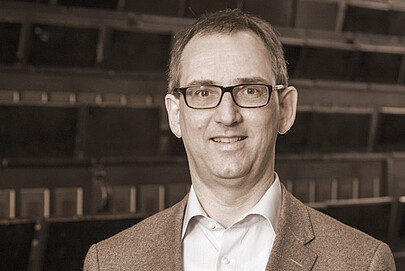
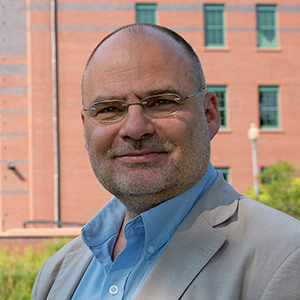
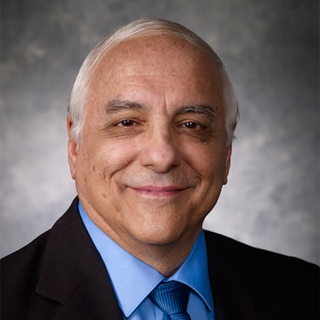
Emad Kassem is an Associate Professor in the Department of Civil & Environmental Engineering at the University of Idaho. His research focuses on pavement materials characterization, infrastructure durability, and sustainable construction technologies. Education includes: Ph.D. in Civil Engineering, Texas A&M University (2008) M.S. in Civil Engineering, Texas A&M University (2005) B.S. in Civil Engineering, Zagazig University (2001) Research areas include asphalt material performance, recycled materials utilization, non-destructive pavement evaluation, and computational modeling of infrastructure systems. Kassem develops predictive models for pavement performance and material behavior. Courses taught: Properties of Construction Materials Pavement Preservation and Management Engineering Statics Engineering Mechanics of Materials Awards: Engineers' Council Outstanding Engineering Achievement Merit Award (2016) Texas A&M Transportation Institute/Trinity New Researcher Award (2011)
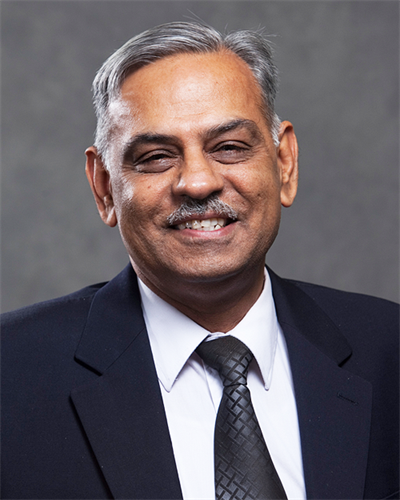
D. Eric Aston is a Professor in the Department of Chemical and Materials Engineering at the University of Idaho. He earned his Ph.D. in Chemical Engineering from the University of Washington (2001), with concurrent M.S. in Physics (2000) and B.S. in Chemical Engineering from the University of Idaho (1995). His research focuses on nanomaterials, colloids, and electrochemical systems, with applications in environmental remediation, biosensors, and energy storage. He has held roles as Associate Professor (2007–2013) and Assistant Professor (2001–2007) at the University of Idaho and is an Adjunct Professor of Materials Science and Engineering. He has mentored numerous students and collaborated on projects funded by NSF, W.M. Keck, and others. Education: Ph.D., Chemical Engineering, University of Washington, 2001 M.S., Physics, University of Washington, 2000 B.S., Chemical Engineering, University of Idaho, 1995 Research Interests: Dr. Aston’s work spans colloids, nanotechnology, and electrochemical systems. Key areas include: Design of sorbents for radioactive gas capture Nanomaterial-based sensors for food safety and environmental monitoring Electrochemical stability of conducting polymers Microfluidic and surface characterization techniques Applications of Raman spectroscopy in material analysis His research has produced over 60 refereed publications and advanced innovations in biosensor development and waste management technologies. Awards: President’s Mid-Career Faculty Award (2014–2016) Alumni Award for Excellence (2008, 2011) NSF MRI Grant (2006–2007) W.M. Keck Foundation Engineering Grant (2003–2006) Outreach & Teaching: Dr. Aston teaches courses in chemical engineering thermodynamics, separation processes, and nanotechnology. He has mentored students in HOIST programs and engaged in K-12 outreach, including lectures on nanotechnology and engineering. Labs & Collaborations: His lab focuses on interdisciplinary projects combining materials science, electrochemistry, and biochemistry. Key collaborations include work with Idaho National Laboratory on nuclear waste management and partnerships with researchers in microbiology and physics.
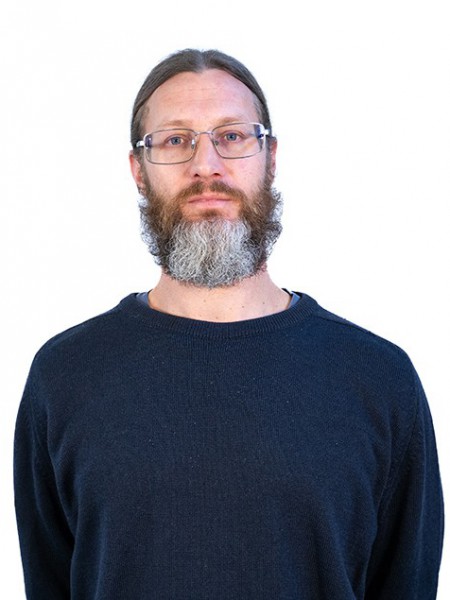
Anil Saigal is a Professor in the Department of Mechanical Engineering at Tufts University's School of Engineering. He has been at Tufts since 1983, progressing from Assistant Professor to his current position as Professor. During his tenure, he served as Department Chair from 2002-2007 and as Director of International Programs for the School of Engineering from 2007-2009. His primary academic home is within the Mechanical Engineering department, where he teaches courses related to materials and manufacturing. Dr. Saigal received his educational foundation from prestigious institutions: B.Tech. with distinction from the Indian Institute of Technology (IIT), Mumbai, India (1979) M.S. from Georgia Institute of Technology, Atlanta, United States (1980) Ph.D. from Georgia Institute of Technology, United States (1983) Professor Saigal's research focuses on materials engineering and science, with particular emphasis on composite materials, polymer processing, and advanced manufacturing techniques. His work spans fundamental material characterization to applied manufacturing processes, with strong connections to both industrial applications and emerging technologies. Key areas include: Characterization of composite materials and polymers Additive manufacturing and directed energy deposition techniques Materials processing and quality control Mechanical behavior of advanced materials at various temperatures Structure-property relationships in engineered materials His recent publications reveal a strong focus on additive manufacturing technologies, particularly directed energy deposition methods for creating advanced metal and composite materials. There's a clear trajectory toward biomedical applications of materials science, as evidenced by studies on cryogenic processing of biodegradable polymers and mechanical characterization of materials for medical devices. The research consistently bridges fundamental material science with practical engineering applications. Professor Saigal has received significant recognition for his contributions to the field: Fellow of the American Society of Mechanical Engineers (ASME) 2011 Distinguished Service Alumni Award from IIT Mumbai Vajra Fellowship from the Government of India (2020-2023) Best Paper Award from Minerals Metals and Materials Society (2017) Honorable Mention from American Society of Mechanical Engineers (2017) Throughout his career, Professor Saigal has been actively involved in mentoring students and securing research funding. His grant portfolio includes projects funded by the National Science Foundation, industry partners like Conn-Selmer, Inc., and internal Tufts University programs. He has served as an advisor for numerous student research projects and has contributed to skill development initiatives aimed at high school students. In addition to his research grants, he has held significant administrative roles including serving as an ABET Program Evaluator and on various university committees focused on tenure and promotion, academic calendar planning, and diversity initiatives. Professor Saigal leads the Research and Characterization of Composites and Polymers (RECCAP) Lab at Tufts University, which serves as the primary research hub for his work on advanced materials. The lab focuses on experimental characterization and computational modeling of composite materials and polymers, with particular emphasis on manufacturing processes and structure-property relationships. The RECCAP Lab supports both fundamental research and industry collaborations, providing students with hands-on experience in state-of-the-art materials characterization techniques.
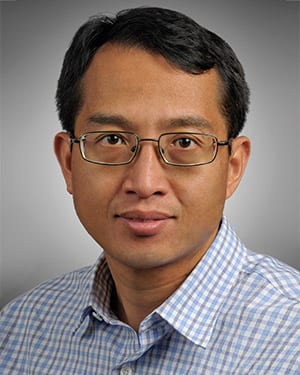
Yu-Ting Dingle is a Lecturer in the Biomedical Engineering Department at Tufts University School of Engineering, specializing in 3D in vitro brain modeling and visual scientific communication. She teaches courses on Biomaterials , Molecular Biotechnology , and Visual Communication for Biomedical Research . PhD in Biomedical Engineering (Brown University, 2015) Postdoctoral Training (Tufts University, 2015-2020) MS in Biomedical Engineering (Yale University, 2009) MS in Population Medicine (Brown University, 2007) Dr. Dingle’s research focuses on 3D tissue engineering for brain network modeling using bioengineered scaffolds. Her work bridges neuroscience and biomaterials , with applications in neurodegenerative disease studies. Her publications (2013-2021) demonstrate expertise in neuronal network analysis , silk-based scaffolding , and in vitro cortical models . Key journals include Advanced Functional Materials and Nature Reviews Chemistry . NASA Rhode Island Space Grant Fellowship Brown Institute for Brain Science Graduate Research Award Keystone Symposia Scholarship NSF GK-12 Fellowship She has mentored students through guest lectures, workshops on scientific graphics, and leadership in the Brown Graduate Biomedical Engineering Society . Her Adobe Illustrator/Photoshop workshops emphasize visual communication in science.
Maura Sepesy, PhD, serves as an Assistant Professor at the University of Buffalo within the Department of Chemical and Biological Engineering, part of the School of Engineering and Applied Sciences. Her work bridges chemical engineering, biomolecular systems, and sustainable separation technologies, focusing on membrane adsorbers for radiopharmaceuticals, rare earth elements, and medical isotopes. Education: PhD, Chemical Engineering, Case Western Reserve University (2023) BS, Chemical Engineering, Rochester Institute of Technology (2017) Her research explores membrane separations for nuclear medicine and environmental applications, utilizing advanced materials like electrospun and peptide-functionalized membranes. Key subfields include ion-exchange resins, metal recovery, and surface chemistry optimization. Recent publications highlight trends in radiopharmaceutical purification, rare earth recycling, and teaching-focused engineering pedagogy. She has presented at the Young Faculty Forum (2021), demonstrating her academic engagement. Scientific Awards: Young Faculty Forum Invited Talk (2021) Maura contributes to chemical engineering education and applies membrane technologies to real-world challenges, though detailed grant or lab affiliations are not explicitly mentioned in the provided text.
Samuel Jacques André Guieu is a Junior Researcher in the Department of Chemistry at the University of Aveiro, Portugal. He holds a PhD in Organic Chemistry from École Normale Supérieure (Paris) and conducted postdoctoral research at the University of British Columbia (Canada) and the University of Aveiro. His research focuses on luminescent organic crystals, fluorophores for cellular imaging, and supramolecular chemistry. Key collaborators include Professors Artur M.S. Silva, João Rocha, and Mark J. MacLachlan. Guieu’s academic journey includes a French ‘Aggregation de Sciences Physiques,’ an Erasmus program at Leiden University, and postdoctoral fellowships funded by Lavoisier and FCT grants. His work bridges organic synthesis, material science, and biomedical applications, with notable contributions to cyclodextrin modifications and Schiff-base macrocycles. He has published extensively in journals like Chemistry - A European Journal and ChemBioChem , focusing on luminescent materials, cellular imaging probes, and nanoscale structures. His recent projects include developing smartphone-based diagnostic tools and curcumin-based molecular probes for fungal imaging. Guieu’s research is supported by collaborations with institutions such as CICECO at Aveiro and the Neuroscience Laboratory at the University of Aveiro. Despite his prolific output, no scientific awards are explicitly mentioned in the provided materials.
Dr. Lei Zhai is a Professor of Chemistry and Director of the NanoScience Technology Center at the University of Central Florida (UCF). He holds a B.S. in Chemical Engineering from East China University of Science and Technology, M.S. in Chemistry from East Tennessee State University, and a Ph.D. in Chemistry from Carnegie Mellon University (2002), followed by postdoctoral research at MIT. His research focuses on polymer-derived ceramics, nanostructured materials, and functional composites, with applications in energy storage, environmental remediation, and biomedical devices. His work has yielded over 120 peer-reviewed publications and 11 patents, with citations exceeding 19,000. Key Research Areas: Graphene-CNT composites, polyelectrolyte nanostructures, superhydrophobic coatings, and 3D microelectrode arrays Dr. Zhai’s lab develops novel materials for drug delivery, sensors, and sustainable energy systems. Recent work includes graphene dispersion techniques, anti-biofouling coatings, and handheld diagnostic microfluidics. His articles span electrochemical PFAS treatment, exosome isolation, and 4D-printed hydrogels, reflecting interdisciplinary innovation. Awards: NSF CAREER Award (2013), Scialog Fellowship, ACS Orlando Outstanding Chemist (2013) He leads collaborations in nanotechnology education and citizen science initiatives for microplastic tracking. His grants include DOE-EM MSIPP projects and NSF funding. Dr. Zhai oversees the NanoScience Center’s advanced instrumentation, fostering interdisciplinary research in materials science and engineering.
John Simonsen is Professor in the Department of Wood Science & Engineering at Oregon State University's College of Forestry. His research focuses on forest-based bioproducts including nanocellulose applications, biopolymers, wood-based composites, and 3D printing technologies. Simonsen's work develops sustainable materials from renewable resources, with applications in food coatings, packaging, tissue engineering scaffolds, and composite materials. His lab specializes in nanocellulose extraction, functionalization, and composite development. His publication record demonstrates consistent innovation in nanocellulose technologies, edible coatings for food preservation, polymer nanocomposites, and sustainable material processing. Recent work explores biomedical applications of cellulose-based materials and environmentally benign elastomers. Simonsen teaches courses including 'Chemistry of Renewable Materials' (WSE 321), 'Polymer Composites' (WSE 530), and 'Industrial Hemp' (WSE 266). As Graduate Major Advisor, he mentors students in renewable materials science and engineering.
Christopher DelRe serves as Assistant Professor at the City University of New York (CUNY), holding dual appointments at the Advanced Science Research Center (ASRC) and City College of New York (CCNY) within the Department of Chemistry and Biochemistry. His laboratory operates from ASRC G.358 in Manhattan, with research activities centered on advanced materials engineering through protein manipulation and polymer synthesis. Dr. DelRe's research program focuses on polymer chemistry and nanoscience , specifically engineering novel materials through three core approaches: manipulation of natural proteins, synthesis of peptide-based polymers, and confinement of synthetic polymers. His work bridges fundamental molecular understanding with practical applications in sustainable materials, targeting environmental challenges through biodegradable polymer systems and enzymatic recycling technologies. Key methodologies include protein-polymer hybrid design, microporous material engineering, and biofunctionalization of nanomaterials. Analysis of his 15 most recent publications (2020-2025) reveals a strong emphasis on sustainable materials innovation , with recurring themes in enzymatic depolymerization of polyesters (2021-2024), programmable degradation of bioactive plastics (2025), and microporous water systems (2022-2024). His research demonstrates interdisciplinary convergence between polymer physics, synthetic chemistry, and protein science, consistently targeting environmental applications through material design. Founded in Spring 2023, the DelRe Lab actively recruits graduate students and postdoctoral researchers specializing in polymer physics, synthetic polymer chemistry, inorganic chemistry, and protein science. The laboratory maintains dual operational bases at ASRC and CCNY, with current research directions emphasizing microplastic elimination strategies and circular-economy materials for printed electronics. Dr. DelRe engages with the scientific community through platforms like the Bioinspired Green Science Symposium (2022) while maintaining active communication channels via professional email and laboratory website.
Armin Feldhoff is an Extraordinary Professor (apl. Prof.) at the Faculty of Natural Sciences of the Leibniz University Hannover , leading the Thermo-Iono-Electronic Materials and Microstructure Analysis Group within the Institute of Physical Chemistry and Electrochemistry . He has held this position since 2012 and also serves as Department Student Advisor for the Chemistry M.Sc./M.Ed. program. Academic Career : Habilitation in Physical Chemistry (2009), Leibniz University Hannover Ph.D. in Physics (1997), Martin Luther University Halle-Wittenberg Diploma in Physics (1994), Westfälische Wilhelms-University Münster His research focuses on thermoelectric materials , mixed ionic-electronic conductors , and oxygen transport membranes , with expertise in high-resolution electron microscopy (HRTEM, EFTEM, STEM-HAADF) and X-ray diffraction . He has developed advanced ceramic composites for energy harvesting and CO2 conversion systems, emphasizing microstructure engineering and material sustainability . Recent publications highlight trends in: Textured and asymmetric ceramic membranes Electrospun nanoribbons for thermoelectrics Spark plasma sintering/texturing techniques Microemulsion-based synthesis Hydrogen-tolerant oxygen transport systems Mixed-phase stability analysis Scientific awards include the ACerS Global Ambassador (2022), DT Rankin Award (2022), and Luther Medal (1998). He serves on editorial boards for the Journal of the American Ceramic Society , Entropy , and Energy Harvesting and Systems .
Adrian Kelly is a Professor of Process Engineering at the University of Bradford's School of Engineering, part of the Faculty of Engineering & Digital Technologies. He holds roles including Placements Tutor for Engineering disciplines and has expertise in polymer processing, thermal optimization, and sustainable materials. His research focuses on process monitoring, pharmaceutical polymer engineering, nanocomposites, and recycling technologies. Kelly has co-founded the Centre for Pharmaceutical Engineering Science and is active in the Centre of Advanced Materials Engineering and the Centre for Polymer Micro and Nano Technology. Prof. Kelly earned a PhD in Mechanical Engineering with industrial sponsorship for rheometry research. He leads research on topics like extrusion processing, material recycling, and drug delivery systems. His work bridges academia and industry, emphasizing process analytical technologies (PAT) and sustainable manufacturing. His publications (2020–2025) explore advanced materials recycling, polymer composite development, and process optimization. Key trends include enhancing material recyclability, improving drug delivery via hot melt extrusion, and applying machine learning to process prediction. His research impacts fields from biomedical engineering to environmental sustainability through innovative material applications.
Francesco Paolo La Mantia is a Full Professor of Polymer Technology at the University of Palermo , specializing in polymer processing, recycling, and nanocomposites. He has served as Dean of the Faculty of Engineering (2004-2010) and currently holds the role of Pro-Rector for Strategic Planning and Recruitment Policies. Research Focus: Rheology, mechanical properties, and environmental degradation of polymeric materials Leadership: Director of the Environmental Chemical Engineering Laboratory (INCA Consortium), Coordinator of national/international research projects His scientific activity spans polymer blends, biodegradable systems, compatibilization techniques, and sustainable material design. He has contributed to over 290 ISI publications and 6 patents, with a h-index of 32 (Google Scholar 2013). The article trends (2025-2021) demonstrate sustained innovation in biodegradable polymer systems, recycling of heterogeneous waste, compatibilization strategies, and nanocomposite applications. His work addresses critical challenges in microplastics generation, agricultural polymer durability, and circular economy frameworks. Professional Roles: President of AIMAT Former President and current Treasurer of MoDeSt International Society Editorial Board Member: Polymer Degradation and Stability , Polimery , Progress in Rubber, Plastics and Recycling Technology Referee for national (MIUR, CNR) and international research agencies
Mark Shiflett is a Foundation Distinguished Professor at the University of Kansas , leading research in sustainable chemical processes and material science. His work focuses on refrigerant separation technologies, PFAS remediation, and valorization of agricultural waste. He is affiliated with the NSF Engineering Research Center for Environmentally Applied Refrigerant Technology Hub (EARTH) , addressing global challenges in energy efficiency and environmental sustainability. Research interests include: Development of ionic liquids for separations and energy-efficient processes Adsorption-based technologies using zeolites and fluoropolymers Environmental applications of pistachio shell waste Thermodynamic modeling of nonideal systems Recent work emphasizes: Innovative methods to separate hydrofluorocarbon refrigerants (e.g., R-410A) PFAS removal from water using engineered zeolites Industrial-scale trials of pistachio shell additives in molded pulp products His contributions include over 50 publications on topics ranging from membrane technologies to catalytic processes, with a focus on bridging laboratory research and industrial applications. Current projects involve pilot-scale extractive distillation systems and eco-friendly polymer synthesis.
Christian Brückner is a Professor in the Department of Chemistry at the University of Connecticut's College of Liberal Arts and Sciences. He holds a Dipl. Chem. from the University of Technology Aachen (Germany), a Ph.D. from the University of British Columbia (Canada), and completed postdoctoral training at the University of California, Berkeley (USA). His research focuses on developing synthetic strategies for porphyrinoids and their applications in photochemical systems, biomedical technologies, and materials science. Education: Postdoctoral Research: University of California, Berkeley (1996–1998) Ph.D.: University of British Columbia, Canada Dipl. Chem.: University of Technology Aachen, Germany His research interests include modifying porphyrins to study their reactivity, conformational flexibility, and photochemical properties. These compounds are used as models for natural photosynthetic systems and applied in photodynamic therapy, fluorescence labeling, and environmental sensing. Brückner has pioneered methods for synthesizing porphyrinoids with non-pyrrolic heterocycles, enabling novel applications in diagnostics and materials science. Recent work includes stimuli-responsive polymers, solid-state ion-selective sensors for wastewater monitoring, and mechanistic studies of porphyrinoid reactivity under mechanochemical conditions. His lab also explores the educational aspects of intercultural competence for teaching assistants in chemistry. Brückner's research has been published in over 100 peer-reviewed articles, with a focus on organic synthesis, photochemistry, and material applications. His group operates from the University of Connecticut's Storrs Campus, and further details are available at his research page .
Dr. Orlando Auciello is a Professor and Distinguished Chair in Engineering at The University of Texas at Dallas (UTD), affiliated with the Erik Jonsson School of Engineering and Computer Science. His primary appointment is in the Department of Materials Science and Engineering and Bioengineering. He holds adjunct professorships at the University of Colorado-Colorado Springs and Michigan State University. Education: PhD in Physics, National University of Cuyo, Argentina (1976) MSc in Physics, National University of Cuyo, Argentina (1973) Electronic Engineering, National University of Córdoba, Argentina (1964–1970) Research Interests: Auciello directs research on advanced materials including ultrananocrystalline diamond (UNCD), graphene, and oxide thin films. His work spans applications in MEMS/NEMS, medical devices, energy storage, and nanoelectronics. Key projects include UNCD-based coatings for industrial components and implantable medical devices, pioneered through companies like Advanced Diamond Technologies (ADT) and Original Biomedical Implants (OBI). Publications & Impact: He has authored over 500 articles, 20 books, and 20 patents. Recent work focuses on UNCD films' optical, mechanical, and biomedical applications. His 2021 Journal of Materials Science review highlights diamond-based MEMS advances. Awards: Seven R&D 100 Awards 2003 Hispanic Engineering National Achievement Award 2013 Materials Research Society (MRS) President Fellow of AAAS and MRS Advising & Grants: Auciello has advised numerous researchers and led projects funded by national laboratories and industry. His work bridges academia and industry, emphasizing technology commercialization. Labs & Teams: Active in UTD’s materials science and bioengineering labs, focusing on UNCD synthesis, biomedical applications, and energy systems. Collaborates with Argonne National Laboratory and private companies.