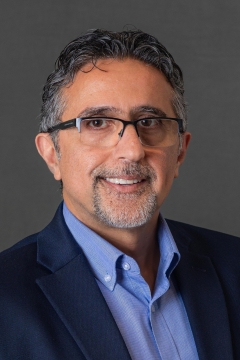
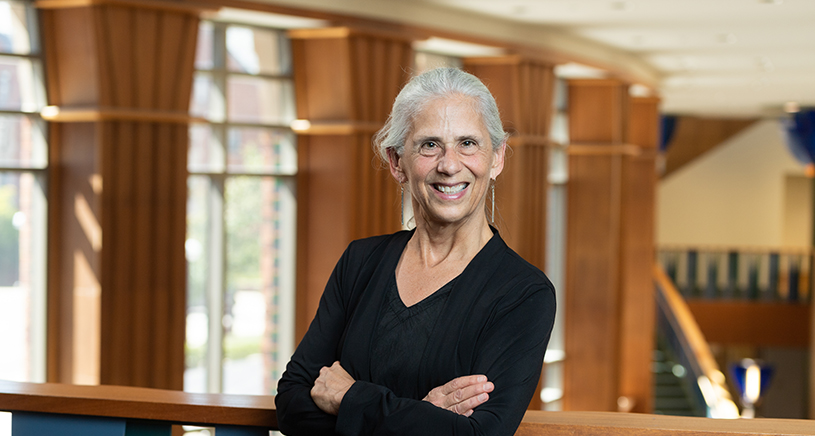
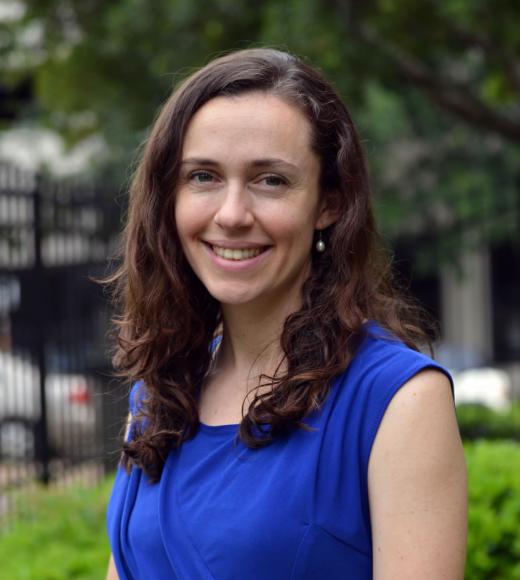
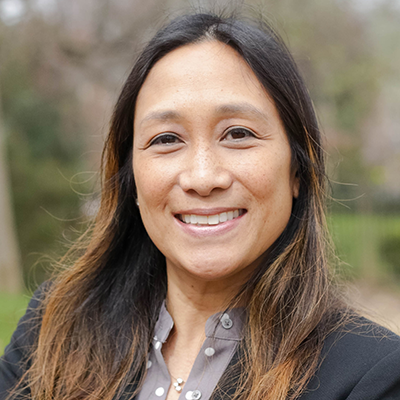
Reza Taheri is a Professor and Senior Associate Dean of Pharmacy Education at Chapman University School of Pharmacy. His expertise spans leadership development, curriculum design, strategic planning, and programmatic accreditation in pharmacy education. Previously, he served as Chief Strategy Officer at RxPrep Inc., founding Associate Dean at West Coast University, and held faculty and leadership roles at Western University of Health Sciences and Loma Linda University School of Pharmacy. Education: Doctor of Pharmacy (University of Minnesota), Executive MBA (University of Southern California) Current Role: Department of Pharmacy Practice, Chapman University His research focuses on pharmacy education , emphasizing emotional intelligence coaching , interprofessional collaboration , and virtual learning modalities . Recent studies examine mock-trial simulations for teaching-assessment, supplemental instruction efficacy, and interprofessional virtual simulations for leadership and patient advocacy. Publications highlight technology integration in pharmacy curricula and resilience measurement in educational contexts. Taheri collaborates extensively on interprofessional education (IPE) interventions, analyzing their impact on patient outcomes like length of stay , medical errors , and mortality . He is a certified Emotional Intelligence Coach and trainer with Crucial Learning and The Table Group.
Amy J. Schulz is the University Diversity and Social Transformation Professor at the University of Michigan School of Public Health , specializing in the Department of Health Behavior and Health Equity . She is a sociologist and leading scholar in community-based participatory research (CBPR) , focusing on how social and physical environmental exposures contribute to racial and socioeconomic health inequities . Her current work with the Community Action to Promote Healthy Environments (CAPHE) partnership addresses air pollution disparities in the Detroit Metropolitan Area through policy intervention and community science initiatives. Education PhD, University of Michigan (1994) MSW, University of Michigan (1990) MPH, University of Michigan (1981) Her research examines environmental racism , health impact assessments , and CBPR methodologies . She has conducted policy evaluations for the Gordie Howe International Bridge and state energy plans, while also linking policing, clean water access, and COVID-19 disparities to systemic racism. Recent publications analyze cumulative environmental risks , neighborhood poverty effects , and policy advocacy tools for health equity. She teaches graduate courses such as Environmental Health Promotion and Community-Based Participatory Research , emphasizing interventions for vulnerable populations. Her collaborative work spans public health practice , community science , and urban health disparities , with funding for projects in air quality monitoring , student environmental advocacy , and policy translation . She maintains active partnerships with community organizations in Detroit and has published extensively on the intersection of social determinants and physical environmental risks .
Shane Dawson is the Executive Dean of UniSA Education Futures and Professor of Learning Analytics at the University of South Australia. His work bridges social network analysis and learner interaction data to enhance teaching quality and educational outcomes. Affiliation : University of South Australia Research Focus : Learning Analytics, Curriculum Mapping, K-12 Decision-Making Systems, and AI in Education Recent Research Trends : Shane’s 2025 publications emphasize generative AI for curriculum analytics, ethical considerations in K-12 dashboards, and longitudinal graduate attribute monitoring. His articles often integrate psychometric models, social network tools, and open-source software like OVAL and SNAPP . Advising and Collaboration : As a co-developer of key learning analytics tools and a supervisor for research students, he collaborates globally with institutions such as Johns Hopkins University and Shahid Beheshti University of Medical Sciences. Labs and Teams : Shane leads UniSA’s Teaching Innovation Unit and is a founding member of the Society for Learning Analytics Research , driving institutional and international initiatives in educational technology.
Dr. Robert Verity is an Assistant Professor in the School of Public Health at Imperial College London, affiliated with the Faculty of Medicine. His research focuses on malaria parasite genetics, particularly using molecular surveillance to understand transmission dynamics. He leads projects like the SIMPLEGEN pipeline funded by the Bill and Melinda Gates Foundation, aiming to optimize resource use in malaria research. His work integrates spatial data analysis, Bayesian methods, and population genetics to address global health challenges. During the pandemic, he contributed to early estimates of COVID-19 fatality rates as part of the Imperial College response team. Key affiliations: Imperial College Network of Excellence in Malaria, MRC Centre for Global Infectious Disease Analysis Current projects: Molecular inversion probes analysis in DRC, malaria drug resistance quantification Research interests include Plasmodium falciparum population structure, antimalarial resistance mechanisms, and spatial epidemiology. His work bridges field data collection with advanced computational methods to inform public health strategies.
Eric Widera is a Professor of Clinical Medicine in the Division of Geriatrics at the University of California San Francisco (UCSF) School of Medicine. He serves as Director of the Hospice & Palliative Care Service at the San Francisco VA Medical Center, where he leads clinical, educational, and programmatic initiatives. He is a nationally recognized clinician-educator with leadership roles in the American Academy of Hospice and Palliative Medicine (AAHPM) and the Association of Directors of Geriatrics Academic Programs (ADGAP), where he served as past president. Dr. Widera completed his education with a B.S. in Biology from the University of California, Irvine, an M.D. from UCSF, followed by residency in Internal Medicine at Mount Sinai Hospital and fellowship in Geriatric Medicine at UCSF. He further enhanced his academic skills through the Teaching Scholars program and Diversity, Equity, and Inclusion Champion Training at UCSF. His research and academic focus centers on improving care for older adults with serious illness through educational innovation, prognostication, communication, and policy. He is deeply engaged in medical education, having directed the Geriatrics Fellowship at UCSF for over a decade and currently mentoring residents, fellows, and pharmacy trainees. A key interest is the role of digital media in medical education, exemplified by his co-founding of GeriPal, a leading podcast and blog, and ePrognosis, an online prognostic calculator tool. His recent publications span palliative care, Alzheimer’s disease, medical ethics, and health policy, often addressing critical issues in aging and end-of-life care. His scholarly output is extensive and impactful, with recent articles in JAMA , JAMA Internal Medicine , and The New England Journal of Medicine . The body of his work demonstrates a consistent focus on practical clinical challenges, ethical dilemmas, and system-level improvements in care for vulnerable older populations. Themes include prognostic communication, advance care planning, dementia care, and the integration of palliative services across specialties. Dr. Widera has received numerous scientific awards recognizing his excellence, including: Hastings Center Cunniff-Dixon Physician Award (2011) AAHPM Hospice and Palliative Medicine Leaders Under 40 (2015) PDIA Palliative Medicine National Leadership Award (2014) "Visionary in Hospice and Palliative Medicine" Award (2018) Excellence in Teaching Award, Academy of Medical Educators, UCSF (2022) Master Clinician, Council of Master Clinicians, UCSF (2024) He has been the recipient of multiple grants, including the Geriatric Academic Career Award (GACA), and his work has influenced national policy and clinical guidelines. He is an active advisor and educator, shaping the next generation of geriatrics and palliative care leaders. Through his clinical leadership, educational programs, digital platforms like GeriPal, and national advocacy, Dr. Widera plays a pivotal role in advancing the fields of geriatrics and palliative medicine. His work is supported by a robust interdisciplinary team at the San Francisco VA, and he collaborates widely with researchers across UCSF and nationally. His leadership in developing educational resources and digital tools has significantly expanded the reach and impact of geriatrics and palliative care knowledge.
Caroline Ketcham is a Professor of Exercise Science and the Associate Dean of Elon College, the College of Arts and Sciences at Elon University. Her research focuses on movement neuroscience, neurodiversity, concussions, and mental health, with expertise in neuromusculoskeletal control and rehabilitative strategies across diverse populations including children, elderly, neurological patients, and athletes. Education: PhD in Exercise Science/Motor Control, Arizona State University (2003) MS in Exercise Science/Motor Control, Arizona State University (1999) BA in Biology/Psychology, Colby College (1996) Her work spans motor control, concussion management, and mental wellness, with over 87 undergraduate mentees and 65+ publications. She co-edited Concussion in Athletics and Cultivating Capstones , and co-directs the Elon BrainCARE Research Institute, which advocates for concussion awareness and mental health. Recent research trends include concussion baseline testing as mental health screening, dual-task gait analysis, and global mentoring frameworks. Scientific awards highlight her contributions: Distinguished Scholar (2023), Ward Family Mentoring Award (2017), and multiple teaching distinctions. Scientific Awards: Distinguished Scholar Award (2023), Elon University Ward Family Excellence in Mentoring Award (2017), Elon University Elon College Service Award (2014), Elon University School of Education Excellence in Scholarship Award (2010), Elon University Teacher of the Year (2007), Texas A&M University She actively mentors students in concussion advocacy and neurodiverse movement research, with hundreds advised in health professions. Her labs focus on neuromuscular control and mental wellness initiatives.
Lauren Schudde is an Associate Professor in the Department of Educational Leadership & Policy within the College of Liberal Arts at the University of Texas at Austin. Her research focuses on addressing social inequities through higher education policy, with particular emphasis on community colleges and regional public universities serving low-income students. Education: Ph.D. in Sociology from the University of Wisconsin-Madison Postdoctoral Fellow at the Community College Research Center, Teachers College, Columbia University Research Interests: Dr. Schudde investigates dual enrollment pathways, community college transfer policies, and developmental education reforms using mixed methods and state administrative data. Her work examines how policy interventions impact student outcomes, particularly for underrepresented populations including English Learners and low-income students. Research Trends: Analysis of her recent publications reveals sustained focus on corequisite math reforms, dual enrollment efficacy, and transfer student experiences. Her work consistently addresses equity gaps through rigorous analysis of institutional policies and student pathways, with increasing attention to English Learner trajectories and developmental education restructuring. Grants and Affiliations: Funded by the National Science Foundation, Institute for Education Sciences, Spencer Foundation, Bill and Melinda Gates Foundation, and Greater Texas Foundation. Serves as editor-in-chief of Research in Higher Education and maintains research affiliations with UT's Population Research Center, Charles A. Dana Center, Teachers College's Community College Research Center, and UT's Department of Sociology. Labs and Teams: Actively contributes to collaborative initiatives at the Charles A. Dana Center and Community College Research Center, focusing on evidence-based policy interventions to improve educational equity and student success pathways.
Reina Engle-Stone, Ph.D., is an Associate Professor in the Department of Nutrition at the University of California, Davis, and serves as an Associate Nutritionist in the College of Agricultural and Environmental Sciences. Her research focuses on global public health nutrition, particularly micronutrient nutrition in low-income settings, with emphasis on food fortification programs, cost-effectiveness analysis, and nutritional assessment. She holds a B.A. from Cornell University and a Ph.D. from UC Davis. Her work spans multiple countries, including Cameroon, Ghana, Nigeria, and the Philippines, addressing issues like vitamin A, iron, and zinc deficiencies. She has contributed to developing methodologies for dietary analysis (e.g., the SIMPLE Macro) and evaluating the impact of fortification programs on micronutrient adequacy. Key collaborations include modeling the cost-effectiveness of bouillon and wheat flour fortification, assessing anemia and micronutrient status among farmworkers in California, and analyzing household food consumption patterns. Dr. Engle-Stone’s research also explores the double burden of malnutrition (overweight/obesity alongside micronutrient deficiencies) and the role of fortified condiments in addressing inequities. She has advised on programmatic strategies for Cameroon’s national fortification initiatives and contributed to optimizing micronutrient intervention packages using economic optimization models. Her interdisciplinary approach integrates epidemiology, nutritional sciences, and public health economics to inform evidence-based policies. While no specific awards are listed, her extensive publication record and involvement in global health initiatives highlight her scholarly impact.
Alfredo Mayor is a Research Professor at the Barcelona Institute for Global Health (ISGlobal), specializing in Malaria and neglected parasitic diseases. His research employs a discovery-oriented approach focused on Mozambique, combining genomic tools, epidemiological methods, and clinical trials to develop malaria surveillance strategies. Core principles include advancing scientific knowledge, prioritizing programmatic needs through National Malaria Control Program collaborations, translational host-parasite biology research, and capacity building in endemic regions. Research focuses on: Cost-effective malaria stratification for interventions Intervention efficacy assessment Early parasite threat detection Transmission reservoir targeting National surveillance capacity expansion His publications demonstrate consistent focus on genomic surveillance, molecular diagnostics, and epidemiological modeling of malaria in Mozambique. Articles frequently address the intersection of malaria with other infectious diseases like HIV and COVID-19, emphasizing public health applications in resource-limited settings.
Suzanne C Harris is an Associate Professor in the Division of Practice Advancement and Clinical Education and Director of Well-being and Resiliency at the UNC Eshelman School of Pharmacy, University of North Carolina at Chapel Hill. She also serves as a board-certified clinical pharmacist practitioner in psychiatry at UNC Medical Center, focusing on psychiatric medication management and preceptorship for pharmacy trainees. Her roles span academic leadership, clinical practice, and professional advocacy. Dr. Harris holds a Doctor of Pharmacy from the University of Texas College of Pharmacy (2002) and completed a psychiatric residency at Kaiser Permanente Colorado Region (Denver). Her research emphasizes mental health stigma in pharmacy, cultural competency, and well-being initiatives for healthcare professionals. She actively addresses social determinants of health for psychiatric patients and innovates teaching strategies in pharmacy education. Her work bridges clinical practice and academia, with a focus on improving well-being among students, faculty, and staff across pharmacy disciplines. She is a leader in organizations like the College of Psychiatric and Neurologic Pharmacists and has delivered invited talks on mental health advocacy. Key research trends include analyzing burnout factors in health professions, implementing mental health first aid training, and promoting equity through inclusive educational policies. She advocates for systemic changes to support BIPOC communities and underrepresented groups in pharmacy. Through her leadership roles, Harris drives institutional well-being programs and collaborates on interdisciplinary initiatives to enhance patient care and professional resilience. Her contributions span policy development, curriculum design, and community outreach to advance equitable healthcare practices.
Dr Tara Mangal is a Research Fellow in Infectious Disease Epidemiology at the School of Public Health within Imperial College London's Faculty of Medicine . Her work focuses on developing mathematical models to evaluate health interventions, particularly vaccines and resource allocation strategies in low-income settings. Dr Mangal has conducted impactful research in global health, including polio eradication efforts in Nigeria, HIV/AIDS research in Brazil, and health systems analysis in Malawi through the Thanzi la Onse project . She contributed to Imperial College's COVID-19 Response Team , analyzing pandemic management strategies and vaccination impacts. Her work integrates big data, Bayesian inference, and mixed-methods research to inform policy decisions. Research Interests: Modelling disease transmission dynamics and health system resilience Evaluating interventions for HIV, TB, malaria, and maternal health Health resource allocation using simulation models Climate change impacts on healthcare access Health system strengthening in low-income countries Recent Contributions: Thanzi la Onse model for Malawi's integrated health systems analysis WHO LENS Working Group analysis on children's roles in pandemic transmission Modelling vaccine efficacy and pandemic lockdown effects Labs/Teams: Active in Imperial College's Centre for Global Infectious Disease Analysis and collaborates with the Malawi Ministry of Health and UNAIDS.
Dr. Theodore Cohen is a Professor of Epidemiology (Microbial Diseases) at the Yale School of Public Health. His primary research focus is tuberculosis, with particular interest in understanding how TB drug-resistance and medical comorbidities such as HIV frustrate current efforts to control epidemics. His work includes mathematical modeling, fieldwork, and analysis of programmatic data. Education: DPH, Harvard School of Public Health (2006) MPH, University of North Carolina, Chapel Hill (2001) MD, Duke University (2001) BA in Neuroscience, Oberlin College (1996) Dr. Cohen's research interests span tuberculosis epidemiology, drug resistance, HIV-TB co-infections, mathematical modeling of infectious diseases, and health disparities in TB outcomes. His work focuses on developing more effective approaches to limit TB morbidity through targeted interventions and improved understanding of transmission dynamics. He examines racial and ethnic disparities in TB incidence and outcomes, particularly among US-born populations. Analysis of Dr. Cohen's recent publications (2022-2025) reveals a strong focus on tuberculosis epidemiology, with particular attention to health disparities, cost-effectiveness of interventions, and the impact of comorbidities like HIV and diabetes on TB outcomes. His work frequently employs mathematical modeling and analysis of large datasets to understand TB transmission dynamics and evaluate intervention strategies across diverse populations in the United States. Scientific Awards: Elected member, Connecticut Academy of Science and Engineering (2022) NIH New Innovator Award (2009) Merck Manual Scholar, Duke University School of Medicine (2001) Alpha Omega Alpha, Duke University School of Medicine (2000) Senior Scholarship Recipient, Duke University School of Medicine (2000) Dr. Cohen's research program is currently funded by NIH and US CDC Awards. His work includes multiple NIH-funded projects, including a R01 grant focused on evaluating health and economic effects of targeted strategies in TB/HIV epidemics (2014-2018), participation in the MIDAS Center for Communicable Disease Dynamics (2014-2019), and projects with the Bill and Melinda Gates Foundation on TB modeling and drug dosing optimization. Dr. Cohen leads the Ted Cohen Group (T Cohen Lab) at Yale, which focuses on infectious disease epidemiology, particularly tuberculosis. His lab conducts research on TB transmission dynamics, mathematical modeling of epidemics, and analysis of programmatic data to inform public health interventions. The lab is part of the Yale Institute for Global Health and the Yale-UPR Integrated HIV Basic and Clinical Sciences Initiative.
Dr Simone De Morgan is a Senior Lecturer (Teaching and Research) and Senior Research Fellow at the Menzies Centre for Health Policy and Economics, part of the Sydney School of Public Health at the University of Sydney. She is also a member of the Charles Perkins Centre. Her work bridges academic research with policy and practice, focusing on equitable access to multidisciplinary care for chronic pain and chronic diseases through primary care and community-based models. Her research emphasizes implementation science, co-design with stakeholders, and innovative eLearning models like Project ECHO. Key affiliations include the Australian Pain Society, Public Health Association of Australia, and NSW Agency for Clinical Innovation working groups. Current projects include the National Consortium Pain Education Project (2020–2024), SA Chronic Pain ECHO Network evaluation (2022–2023), and a community-based model for adolescents with chronic pain. She collaborates with Primary Health Networks, federal/state agencies, and non-government organizations to drive policy impact. Her work integrates translational research, health professional education, and advocacy, with a focus on chronic pain prevention and management in primary care settings. She has contributed to over 20 peer-reviewed publications and policy briefs addressing healthcare system challenges.
Dr. Jennifer Falbe is an Associate Professor of Nutrition and Human Development at the University of California, Davis. Her research focuses on programmatic, policy, and environmental interventions to prevent chronic diseases and reduce health disparities. Notably, she led the evaluation of Berkeley’s soda tax, the first of its kind in the U.S., and has examined healthy retail programs, multi-sector community interventions, and the impact of screen time on adolescent health. She employs quantitative and qualitative methods, including randomized controlled trials and observational studies, in clinical and community settings such as schools, childcare centers, and grocery stores. Dr. Falbe holds dual Sc.D. degrees in Nutrition and Epidemiology from Harvard University, as well as an MPH in Public Health Nutrition and a B.A. in Public Health from UC Berkeley. She is actively involved in mentorship, accepting applications from undergraduate and graduate students interested in her lab’s research areas. Key research interests include food policy, obesity prevention, environmental interventions (e.g., checkout policies, warning labels), and the social determinants of health. Her work often addresses disparities in low-income communities and ethnic minority groups. Education: Sc.D., Nutrition & Epidemiology, Harvard University M.P.H., Public Health Nutrition, UC Berkeley B.A., Public Health, UC Berkeley Recent projects include evaluations of sugar-sweetened beverage taxes, healthy checkout policies, and the effects of climate change impact labels on consumer choices. She has also explored retailer perspectives on taxation and the role of environmental factors in dietary behaviors. Dr. Falbe’s grants include a UC Office of the President initiative to assess drinking water and sugar-sweetened beverage availability on UC Davis’ campus. Her lab emphasizes translating research into actionable policy and community-level interventions.
Mercedes Becerra is the Jeffrey Cheah Professor of Global Health and Social Medicine at Harvard Medical School and Faculty Dean of Adams House at Harvard College. Her work focuses on improving treatment strategies for drug-resistant tuberculosis (TB), with a particular emphasis on pediatric cases and household transmission dynamics. She holds a Sc.D. in Epidemiology from the Harvard School of Public Health and has conducted research globally through collaborations with organizations like Partners In Health and IRD Global. Education: AB in History, Harvard College (1991) MSc in Population and International Health, Harvard School of Public Health (1993) Sc.D. in Epidemiology, Harvard School of Public Health (1999) Her research explores TB transmission patterns, treatment efficacy for multidrug-resistant (MDR-TB) and extensively drug-resistant (XDR-TB) cases, and interventions to reduce TB rates in high-risk communities. Co-founder of the Sentinel Project on Pediatric Drug-Resistant Tuberculosis and the Zero TB Initiative, she advocates for global health equity and access to effective treatments. Key contributions include studies on household TB transmission, pediatric MDR-TB outcomes, and the impact of aggressive treatment regimens on recurrence rates. Her work emphasizes programmatic approaches in resource-limited settings and addresses systemic barriers to care.