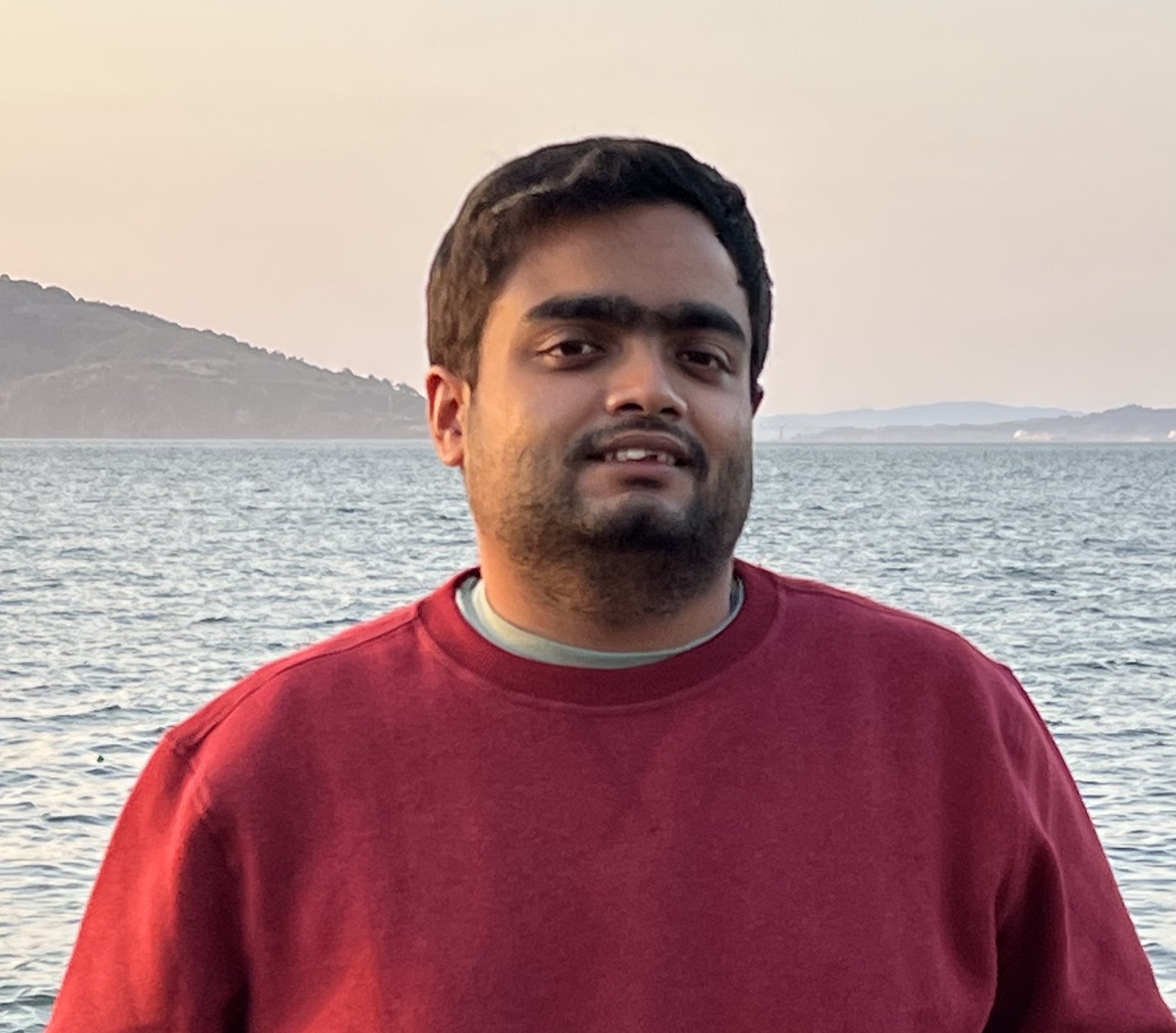
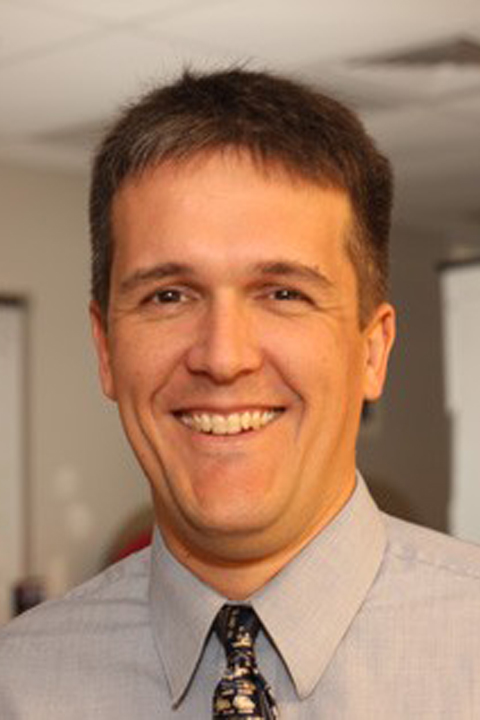
Andrei Quintia Pastrana is a Ramón y Cajal Researcher in the Department of Public Law and Theory of the State at the University of Santiago de Compostela, affiliated with the Center for Interdisciplinary Research in Environmental Technologies (CRETUS) and the ARMELA Research Network in equality, rights and the social state. His educational background includes: Doctorate from University of Santiago de Compostela (2021) with thesis The guarantee of decent and accessible housing. Economic crisis and sustainability , supervised by Dr. Alba Nogueira López Quintia Pastrana's research critically examines Administrative Law through the lens of housing rights, sustainable urban development, and digital governance. His work investigates legal protections for vulnerable populations, regional housing policy implementation in Spain's autonomous communities, and blockchain applications in local government transparency. He integrates environmental law perspectives through CRETUS affiliations, focusing on circular economy models in construction and sustainable cities (SDG 11). His publications reveal consistent analysis of how economic crises impact housing accessibility and the evolving role of digital platforms in public administration. His publication trends demonstrate increasing focus on comparative international frameworks (Spain/Ireland), territorial governance of housing, and innovative legal responses to tourism-driven gentrification. The research consistently bridges theoretical human rights frameworks with practical policy implementation challenges, particularly regarding vulnerable groups during economic instability. Scientific recognition includes: Ramón y Cajal Researcher fellowship (prestigious Spanish competitive research program) As a Ramón y Cajal researcher, Quintia Pastrana actively contributes to CRETUS interdisciplinary environmental projects and ARMELA social rights initiatives. His supervision activities include mentoring within research networks, though no formal PhD students are currently listed. His projects emphasize practical legal solutions for sustainable urban development and housing accessibility, often involving collaboration with regional governments. He leads analytical work within ARMELA on social state protections and contributes to CRETUS's environmental technology research through legal frameworks for sustainable urban development. His personal website (complexproperty.gal) serves as a dedicated platform for ongoing research on property law and housing models.