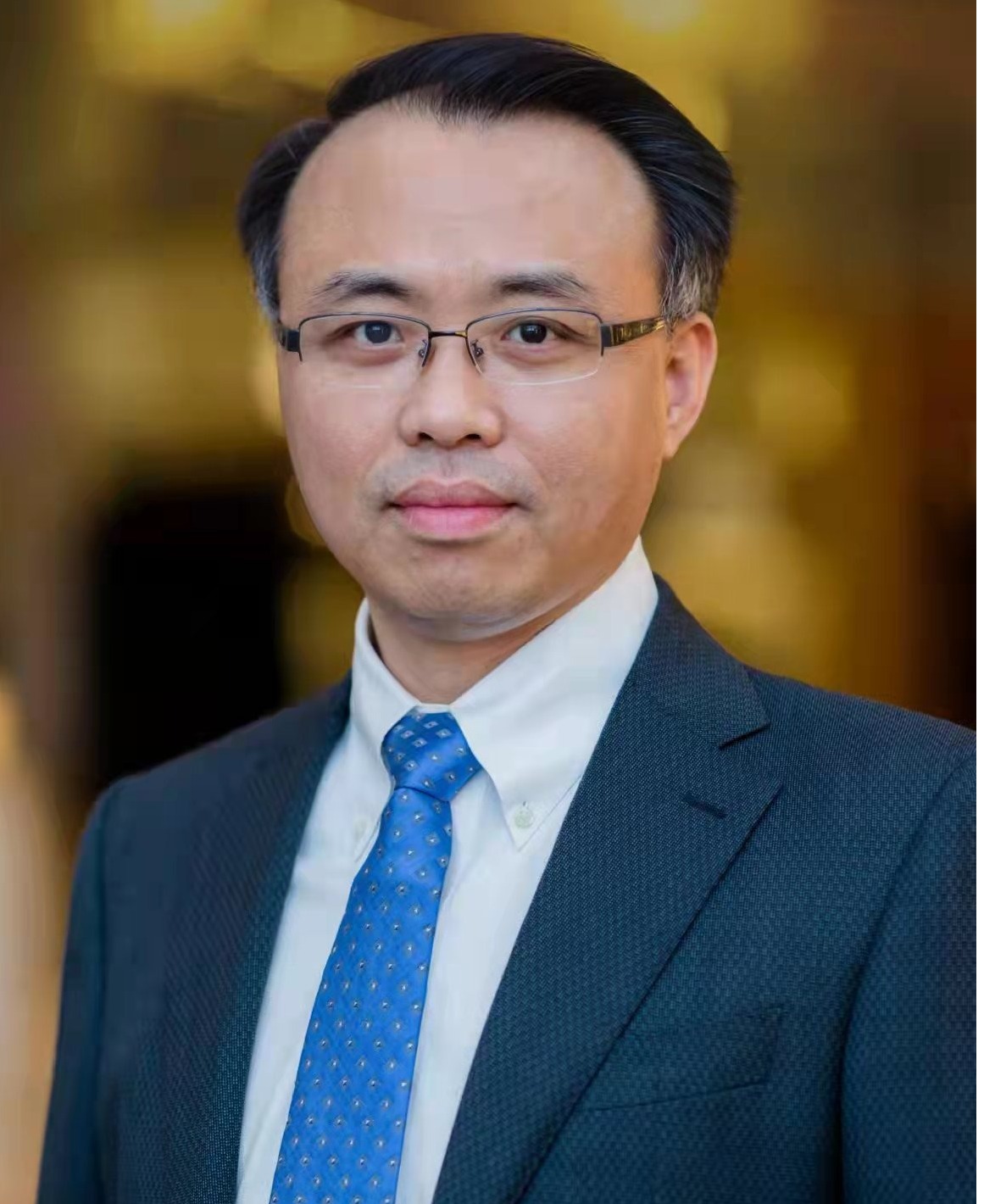
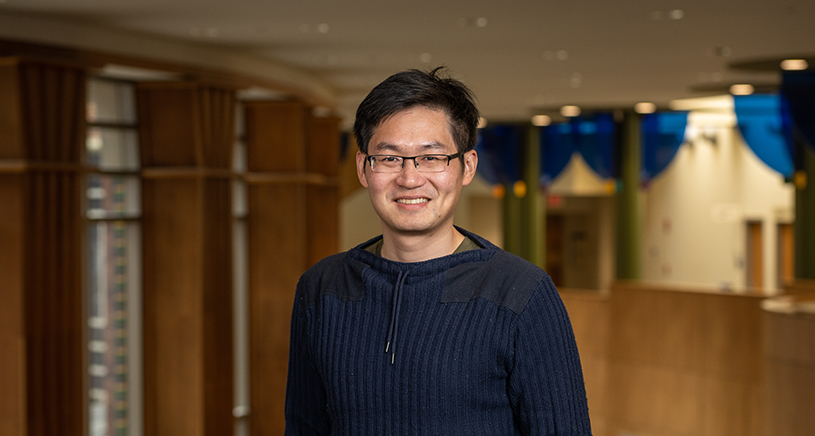
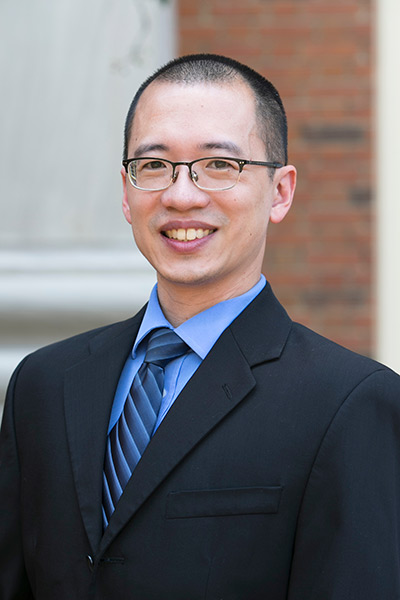
José Manuel Ferreira Machado is a Full Professor at the Department of Informatics, School of Engineering, University of Minho, where he has been affiliated since 1988. His research integrates Artificial Intelligence, Medical Informatics, and Data Mining, with applications in healthcare, industrial systems, and public services. He founded ALGORITMI's 'Knowledge Engineering' group and served as Director of the ALGORITMI R&D Center (2018-2024). Education: Agregado in Informatics (AI), Universidade de Trás-os-Montes e Alto Douro (2011-2012) PhD in Informatics (AI), Universidade do Minho (1995-2002) Licenciatura in Systems and Informatics Engineering, Universidade do Minho (1982-1988) Research Interests: Machado's work focuses on intelligent systems for healthcare (e.g., AIDA medical platform), industrial automation, and smart cities. He emphasizes real-world applications, including clinical decision support, predictive maintenance, and sustainable urban infrastructure. Publications: His recent articles (2022-2025) demonstrate a strong focus on healthcare AI (e.g., disease prediction, COVID-19 analytics) and smart systems (e.g., traffic optimization, energy sustainability), utilizing data mining and machine learning. Awards: Hospital of the Future (2007, 2008, 2009) Good Practices in Health (2014) Portugal Digital Awards (2016) IHF Awards (2021) Advising & Grants: Supervised 16 PhD, 101 MSc, and 4 post-doc students. Leads sub-projects in PRR agendas GReenAuto and Be.Neutral. Secured funding from FCT, EU, and industry partners (e.g., Bosch) for 50+ projects. Labs & Teams: Coordinates the 'Knowledge Engineering' research group at ALGORITMI, focusing on intelligent decision support and interoperability in healthcare and industry.
Bettina Nissen is a Lecturer in Interaction Design and Programme Director for Design Informatics at the University of Edinburgh's School of Design within Edinburgh College of Art. Her position bridges academic teaching and research with practical applications in data-driven design. She directs the Design Informatics MA program while maintaining an active research profile through the Institute for Design Informatics. Dr. Nissen's research interests focus on making complex technological concepts accessible through tangible means. Her expertise spans Research through Design , Data Physicalisation , Digital Fabrication , and Designing with Data . She explores how physical representations of data can enhance understanding and engagement with complex systems, particularly in contexts of trust, consent, and economic value. Her recent publications reveal a strong trajectory toward community-centered approaches to data governance and indigenous knowledge systems. The work shows increasing engagement with decolonial design methodologies, more-than-human interactions, and feminist economic perspectives on technology. A notable pattern emerges in her focus on tangible interfaces for abstract concepts like blockchain, trust, and value systems. Best paper award at CHI 2024 for "Cosmovision of data: An indigenous approach to technologies for self-determination" Dr. Nissen currently supervises three PhD students (Yifei Li, Carlos Guerrero Millan, and Yixun Li) and has secured funding from multiple prestigious sources including AHRC, EPSRC, ESRC, and EU programs. Her research projects include PACTMAN (EPSRC-funded work on trust in pervasive environments), After Money (ESRC-funded collaboration with Royal Bank of Scotland), Crypto-Knitting with People's Bank of Govanhill, DCODE (EU-funded network), REPHRAIN research center, and the VisHub visualization laboratory. She actively participates in interdisciplinary research communities through the Visual+Interactive Data group and the Regulation and Design (RAD) Lab, fostering collaborations between design, technology, and policy domains.
Jonny Holmström serves as Professor at Umeå University's Department of Informatics and directs the Swedish Center for Digital Innovation (SCDI), which he co-founded. He holds an additional affiliation as Professor at the Centre for Transdisciplinary AI, focusing on bridging theoretical research with practical AI applications across sectors including forestry, banking, and public services. His work appears in premier journals such as MIS Quarterly, Information Systems Journal, and Journal of Information Technology. His research centers on digital innovation, transformation, and entrepreneurship, examining how organizations navigate digital change through platform governance, AI integration, and entrepreneurial storytelling. Recent work investigates generative AI's impact on business model design, data work practices, and organizational transformation, emphasizing practical frameworks for managing digital transitions while addressing resistance and ethical considerations. Analysis of his 15 most recent publications (2024-2026) reveals a dominant focus on generative AI's organizational implications, particularly its role in reshaping platform governance, facilitating innovation through prompting, and transforming business models. Concurrent themes include digital platform evolution, data flow management in innovation networks, and citizen-centric digital government design, reflecting a consistent emphasis on practical implementation challenges in real-world contexts. Holmström leads significant research initiatives including a 28 MSEK program at Umeå University and the Kempe Foundation-funded SCDI AI Business Lab. His current project 'Using No-Code AI to Teach Machine Learning in Higher Education' (2024) aims to democratize AI education. He serves on editorial boards for CAIS, EJIS, Information and Organization, and JAIS, and heads the Swedish Center for Digital Innovation research group while participating in 'AI and society' collaborations. He founded and directs the Swedish Center for Digital Innovation (SCDI), which operates the SCDI AI Business Lab exploring practical AI applications for businesses. His work integrates with the Centre for Transdisciplinary AI to advance cross-sector AI implementation, particularly in public services and sustainable business models within the circular economy framework.
Jane T. Broxterman, MD serves as Associate Professor in the Department of General Medicine Ambulatory at the University of Kansas School of Medicine, holding dual appointments as Associate Program Director for the Internal Medicine Residency and Associate Professor for General Medicine Ambulatory. She leads the development of the inaugural Internal Medicine Residency program at The University of Kansas Health System's Olathe campus, set to launch in July 2025. Her educational foundation includes an MD from the University of Kansas School of Medicine, complemented by an Internal Medicine and Pediatrics Internship and Internal Medicine Residency at Indiana University School of Medicine. These credentials underpin her 17+ years of clinical and academic service since 2007. Dr. Broxterman's research centers on optimizing medical training systems and clinical practice, with emphases on residency program design , resident wellness initiatives , and cost-conscious care implementation . Her work bridges educational theory and clinical application, particularly in ambulatory settings where she maintains active practice. Current projects focus on communication systems between patients and resident physicians, electronic health record optimization, and sustainable quality improvement frameworks. . Analysis of her 10 publications (2012-2020) reveals consistent themes in medical education innovation, with 70% addressing residency program development and 50% examining wellness or cost-efficiency interventions. Her scholarship demonstrates methodological diversity spanning qualitative curriculum design, quantitative quality improvement studies, and mixed-methods program evaluations. #1 physician ranking in The University of Kansas Health System (2020) among 1,100 physicians Fellow of the American College of Physicians (elected 2014) As a medical educator, Dr. Broxterman has chaired the GME Wellness Subcommittee since 2019 and served on the Graduate Medical Education Committee since 2014. Her leadership extends to the Association of Program Directors in Internal Medicine and Society of General Internal Medicine. Current initiatives include developing the Olathe campus residency curriculum and implementing scheduled wellness consultations for residents. She directs program development for the new Internal Medicine Residency at the Olathe campus, building interdisciplinary teams comprising clinical faculty, wellness specialists, and health system administrators. This initiative represents a strategic expansion of The University of Kansas Health System's graduate medical education footprint into suburban Kansas City.
Sarah L. Coffin is an Associate Professor in the Department of Earth and Atmospheric Science at Saint Louis University's School of Science and Engineering. She teaches courses in Economic Development Policy and Practice, Research Methods Capstone, and Planning and Development Theory. Education: Ph.D. in City and Regional Planning, Georgia Institute of Technology Master of Urban Planning, Design and Development, Cleveland State University Her research focuses on Brownfields , community development , local economic development , sustainable built environment , and urban manufacturing . Her publications analyze urban development practices, including tax increment financing (TIF) mechanisms and regional data portal systems. Recent trends in her work emphasize neighborhood disparities , economic policy , and data-driven urban planning . Key themes include the intersection of urban development, sustainability, and socio-economic equity. Scientific Awards: Visiting Scholar, Urban Housing Lab, University of Sydney (2017) She contributes to professional organizations as a member of the American Institute of Certified Planners, International Urban Planning and the Environment Association (Co-Chair), Urban Affairs Association, Urban Land Institute, and St. Louis Section of the American Planning Association. She also founded the St. Louis Regional Data Exchange.
Zhu Yan serves as Professor at Tsinghua University's School of Economics and Management, Department of Management Science and Engineering. He concurrently holds leadership positions as Dean of Tsinghua's Internet Industry Research Institute, Director of the Advanced Information Technology Business Application Laboratory, and Executive Deputy Director of the Medical Management Research Center. Education: Postdoctoral Fellow (1998-2000) and Ph.D. in Nuclear Energy Technology (1994-1998) at Tsinghua University, Bachelor's in Engineering Physics (1989-1994) Professional Experience: Professor (2010-present), Associate Professor (2002-2010), Lecturer (2000-2002); Visiting Scholar at MIT Sloan, CUHK, and Lancelot Institute Professor Zhu's research spans digital transformation , industrial blockchain , and digital production relations , with emphasis on practical applications in healthcare, construction, and finance. His work bridges theoretical frameworks with industry implementation, particularly in China's digital economy evolution. Current projects focus on industrial internet integration and digital finance systems. His 15 most recent publications demonstrate strong interdisciplinary focus, connecting information systems with healthcare analytics (40%), industrial digitalization (35%), and economic policy (25%). The research shows increasing emphasis on AI-driven diagnostic systems and pandemic-responsive economic strategies since 2020. Beijing Philosophy and Social Sciences Excellent Achievement Award (2020) China Petroleum and Chemical Automation Association Science and Technology Progress Award (2010) Multiple Beijing Science and Technology Progress Awards (2001, 2005) Tsinghua University Outstanding Teaching Award (1999) As academic advisor to national initiatives, Professor Zhu leads the China Technology Economics Society's Blockchain Division and serves as Chief Academic Officer for Chengdu University of Information Technology's Blockchain Industry College. His industry partnerships include SAP Global HR Advisory role since 2000 and CCTV Financial Commentary position since 2015. Current research funding focuses on digital infrastructure development through the Industrial Digital Finance Technology Application Laboratory. He directs the Advanced Information Technology Business Application Laboratory, which develops enterprise digital transformation frameworks, and co-leads the Medical Management Research Center's AI diagnostic initiatives. Current projects include national blockchain infrastructure development and pandemic-resilient supply chain systems.
Leif Sörensen is a researcher at the University of Hildesheim , affiliated with the Institute of Business Administration and Business Informatics within the Faculty of Mathematics, Natural Sciences, Economics and Computer Science . His work focuses on operations research and digital transformation in public transport systems, particularly examining flexible transport models, agent-based simulations, and geoinformation system integration. Core Affiliations Researcher (since 2023) - HAWK Hochschule für Angewandte Wissenschaft und Kunst, Holzminden Doctoral Researcher - Institute of Business Administration and Business Informatics, University of Hildesheim Former Student Assistant - TU Dresden and Max Planck Institute for Self-Organization Research Focus: Sörensen's research bridges transport policy , agent-based modeling , and data analytics . He investigates how digital transformation can enhance rural mobility through flexible public transport systems , with emphasis on contractual incentives for drivers and stochastic behavior prediction . His work spans both developed and developing economies , particularly analyzing informal transit systems in South Africa. Publication Trends: Recent articles demonstrate a strong focus on operations research in transport contexts, with 7/9 publications involving agent-based simulations and DRT (Demand-Responsive Transport) . Keywords cluster around urban mobility , digital transformation , and transport resilience , while sub-fields reveal expertise in dynamic routing algorithms , passenger acceptance metrics , and GIS-integrated transport planning . Key Projects Co-author on European Commission-funded transport safety modeling Participant in Smart Hybrid research initiative (44 co-publications) Contributor to International Transportation Economics Association conferences Academic Background: Holds degrees in International Economics (University of Göttingen) and International Business and Development (University of Bayreuth). Completed internships at UNECE Geneva and KfW Entwicklungsbank Pretoria , with fieldwork in South Africa and Japan .
Stephen Turner is an Associate Professor of Data Science and Assistant Dean for Research at the University of Virginia School of Data Science . His work bridges genomics, data science, and national security , focusing on biosecurity, synthetic biology, conservation, and bioinformatics applications in human health . Previously, he was a faculty member in the UVA School of Medicine’s Department of Public Health Sciences (2011–2019) and directed the UVA Bioinformatics Core . Ph.D., Human Genetics, Vanderbilt University M.S., Applied Statistics, Vanderbilt University B.S., Biology, James Madison University Turner’s research spans computational approaches to biosecurity, biodiversity conservation, and human health . Recent publications highlight tools like the qqman and kgp R packages, PLANES for epidemiological modeling, and biorecap for bioRxiv preprint summarization. His work integrates large-scale sequencing, genome editing, and machine learning in conservation biotechnology and public health forecasting. Scientific contributions include applications in infectious disease forecasting , forensic genomics , and maternal-fetal biology . He has mentored interdisciplinary students and collaborated on NIH-funded research , while advising biotech startups at the intersection of academia, industry, government, and policy .
Jean Hardy serves as an Assistant Professor in the Department of Media & Information within Michigan State University's College of Communication Arts and Sciences. He directs the Rural Computing Research Consortium and holds dual research appointments as a Research Fellow at the Quello Center for Media & Information Policy and Core Faculty at the Center for Gender in Global Context. His research focuses on the intersection of technology and rural communities, with primary interests in rural computing, science and technology studies (STS), computer supported cooperative work (CSCW), and rural studies. Hardy examines how technological innovations impact rural economic development, community resilience, and social dynamics, particularly investigating the role of high-tech economies in rural areas, digital agriculture adoption, and the downstream consequences of technological change on rural populations. His recent publications reveal strong thematic consistency across human-computer interaction, rural development, and critical technology studies. The work demonstrates methodological diversity spanning ethnographic studies of rural communities, design interventions, and critical policy analysis, with particular attention to marginalized groups including rural LGBTQ populations and agricultural communities. Jean Hardy actively advises graduate students and has secured significant research funding from prestigious organizations including the Spencer Foundation, United States Department of Agriculture, Merit Network, and Michigan State University's Institute for Public Policy and Social Research. His work bridges academic research with practical community engagement through his leadership of the Rural Computing Research Consortium. Hardy teaches foundational courses in interaction design, technology and rural development, and serves as the instructor for the gateway course to Michigan State University's Information Science major program.
Zhenke Wu is an Associate Professor (with tenure) in the Department of Biostatistics at the University of Michigan School of Public Health. He holds affiliate appointments at the Michigan Institute for Data and AI in Society (MIDAS) and leads the Michigan Statistics for Individualized-healthcare Lab (MiSIL). His research bridges statistical methodology and public health applications, with particular focus on precision medicine. Educational background includes: PhD in Biostatistics from Johns Hopkins University (2014) BS in Mathematics from Fudan University (2009) Dr. Wu's methodological research focuses on: Structured Bayesian latent variable models for disease subtyping and clustering Causal inference methods for sequential interventions in mobile health studies Reinforcement learning frameworks for personalized health interventions Scalable computation for high-dimensional biomedical data His applied work spans infectious diseases, mental health, autoimmune disorders, and cancer through collaborations with multiple research consortia including the Intern Health Study and UZIMA-DS project in Africa. Recent publications demonstrate strong focus on Bayesian methods, causal inference, and reinforcement learning applications in digital health. Article themes include mobile health interventions, synthetic EHR development, fair machine learning algorithms, and novel approaches for longitudinal and survival data analysis. Methodological innovations consistently address challenges in precision medicine and individualized health decision-making. Dr. Wu leads several collaborative initiatives including the Precision Health Use Case for mental health treatment (PROMPT) and partners with the Rogel Cancer Center. He advises multiple PhD students and postdoctoral researchers in statistical methodology development and health applications.
Benjamin Paul is a United States Army Social Work Officer and board-certified Licensed Clinical Social Worker with active affiliations at the University of Pittsburgh. His career spans military behavioral health service, research coordination, and academic scholarship. B.S. in Psychology with Political Science (2010, University of Pittsburgh) MSW (2013, University of Pittsburgh) Licensed Clinical Social Worker (2013) Board Certified Diplomate in Clinical Social Work (2018) Research Focus: Early detection of suicide-related behaviors in military populations Healthcare delivery for evidence-based practices Sleep disturbances in veterans Psychiatric commitment disparities Academic Contributions: 15+ publications spanning sleep science, trauma, and military mental health since 2012. Current projects include the Involuntary Psychiatric Commitment Study with Pitt Momentum Funds 2022-2023. ETUDES Center Scholar (2023) Board Certified Diplomate in Clinical Social Work (2018) Mentorship & Collaboration: Worked with Dr. Katie Greeno, Dr. Anne Germain, and multidisciplinary teams across military and academic settings. Presented at major symposia including AMSUS and Sleep Research Society conferences.
Hwanhee Hong is an Associate Professor in the Department of Biostatistics and Bioinformatics at Duke University School of Medicine and a member of the Duke Clinical Research Institute. Affiliated with the Biostatistics, Epidemiology, and Research Design (BERD) Methods Core and the B&B Faculty, Dr. Hong maintains an active research program focused on statistical methodology development for clinical applications. Dr. Hong's educational background includes a Ph.D. in Biostatistics from the University of Minnesota (2013), an M.S. in Biostatistics from Harvard University (2010), and a B.S. in Statistics from Chung-Ang University, Korea (2008). Prior to joining Duke, they completed a postdoctoral fellowship at Johns Hopkins Bloomberg School of Public Health under Dr. Elizabeth A. Stuart. Research interests center on Bayesian statistical methods for comparative effectiveness research, network meta-analysis, causal inference, measurement error correction, and data integration across multiple sources. Their work emphasizes adaptive information borrowing to address clinical and public health questions, particularly in developing flexible Bayesian modeling frameworks that synthesize diverse data streams for evidence generation. Analysis of recent publications reveals consistent methodological focus on network meta-analysis techniques, causal inference with error-prone covariates, generalizability assessment, and time-to-event analysis. The research spans applications in pediatrics, cardiology, obesity treatment, and vaccine effectiveness, demonstrating strong translational impact across medical domains. Dr. Hong actively collaborates with biostatisticians, epidemiologists, clinicians, and health policymakers through multiple funded projects, though no formal awards or fellowships are documented in the provided materials. Participant, Faculty Success Program, National Center for Faculty Development & Diversity (2023) Participant, Faculty Curriculum on Anti-Racism, Duke Office of Faculty Advancement (2021) Teaching responsibilities include BIOSTAT 719: Generalized Linear Models. Current grant funding spans eight major projects totaling over $20 million, primarily from NIH and PCORI, addressing pediatric care coordination, mental health interventions, obesity treatment, diabetes management, and advanced biostatistical methodology development. Dr. Hong's laboratory work focuses on computational approaches for data integration, maintaining active collaborations with the Duke Clinical Research Institute and multiple external institutions including Johns Hopkins University and North Carolina State University.
Kevin Pan is an Associate Professor of Quantitative Analysis at Samford University’s Brock School of Business, where he teaches and researches at the intersection of business analytics, finance, accounting, management, healthcare, education, and Christian faith integration. Education Ph.D. in Biomedical Informatics, Stanford University M.S. in Electrical Engineering, Stanford University B.S. in Electrical Engineering (minor Mathematics), National Taiwan University Research Interests Dr. Pan’s work centers on leveraging data analytics to solve real-world problems in business and society. He explores financial fraud detection, corporate social responsibility, healthcare quality, and the ethical implications of data-driven decision making. A distinctive thread in his scholarship is the integration of Christian worldview with business analytics education and practice. Publication Trends His recent articles (2017-2023) reveal a dual focus: methodological contributions in data visualization and analytics education, and applied studies addressing opioid prescribing, hospital fraud, congregational fraud, and pandemic ethics. The work spans accounting, finance, healthcare, pharmacy, and business ethics journals. Service & Outreach He actively volunteers with Hope Heals , a Christian disability ministry founded by Samford alumni, and participates in local church activities in Birmingham, Alabama.
Dr. Paul Brindley is a Senior Lecturer at the School of Architecture and Landscape , University of Sheffield, specializing in geospatial analysis of human-landscape interactions. His work combines GIS, statistics, and digital data to address urban greenspace equity, rural-urban classification, and health-environment linkages. Senior Lecturer in GIS and Spatial Analysis Key researcher in the NERC-funded Improving Wellbeing through Urban Nature (IWUN) project Co-author of official Rural-Urban Classification for England and Wales Research focuses on: Urban Greenspace Accessibility using GPS and social media data Health Inequality Mapping through epidemiological GIS studies Vague Geographic Objects modeling of subjective spatial boundaries Computational Neighborhood Mapping via web data mining Project leadership includes: 2016-2019: IWUN Work Package 1 (Sheffield health-green space analysis) 2013-2014: Rural-Urban Classification updates for 2011 Census 2015: Real-Time Bus Data Mapping system development Teaching modules: LSC119: The Changing Landscape LSC336: Landscape Planning Toolkits LSC5020: Rural Landscape Planning GIS Workshops Professional contributions: Co-developer of Crime Map Analyst toolkit for non-GIS experts Joint Director of Learning and Teaching Links Member of Creative Spatial Practices initiative
George M. Church is a Professor of Genetics at Harvard Medical School and affiliated with MIT, where he directs PersonalGenomes.org, providing open-access genomic, environmental and trait data. His laboratory focuses on transformative technologies for reading and writing 3D/4D biological structures with attention to ethics, safety, and equitable access. Church has co-initiated major scientific initiatives including the BRAIN Initiative (2011) and multiple Genome Projects (GP-Read-1984, GP-Write-2016, PGP-2005). Church's research spans multiple cutting-edge domains including genome engineering, synthetic biology, aging reversal, and space genetics. His lab pioneered foundational methods for direct genome sequencing, molecular multiplexing and barcoding in 1984, leading to the first genome sequence in 1994. His innovations contributed to nearly all next-generation DNA sequencing methods and companies. Current research directions include machine learning for protein engineering, tissue reprogramming, organoids, gene therapy, and in situ 3D DNA/RNA/protein imaging. His work bridges fundamental biology with therapeutic applications across diverse fields from Alzheimer's disease to de-extinction biology. Church's recent publications reveal a remarkable breadth of scientific inquiry, spanning from fundamental genome editing techniques to applications in aging research, neuroscience, and space biology. His work increasingly integrates artificial intelligence with biological systems, as seen in papers on machine-guided cell-fate engineering and automation of systematic reviews with large language models. His research maintains a strong translational focus, with numerous papers addressing therapeutic applications in cancer immunotherapy, gene therapy, and diagnostics. The consistent theme across his diverse publications is the development and application of transformative technologies to address fundamental biological questions and medical challenges. National Academy of Sciences (NAS) membership National Academy of Engineering (NAE) membership Franklin Bower Laureate for Achievement in Science Co-initiator of the BRAIN Initiative (2011) Director of multiple NIH Centers for Excellence in Genomic Science (2004-2020) Church directs numerous research centers including the NIH-CEGS, Personal Genome Project (PGP), Lipper Center for Computational Genetics, and Wyss Institute Synthetic Biology center. His laboratory has trained PhD students across multiple Harvard and MIT programs including Biophysics, BBS, Biomedical Informatics, ChemBio, Chemistry, SSQB, MCO, Virology, HST, EE/CS, Physics and Applied Math. His commercial impact is extensive through companies spanning medical diagnostics (Knome/PierianDx, Alacris, Nebula, Veritas) and synthetic biology/therapeutics (AbVitro/Juno, Gen9/enEvolv/Zymergen/Warpdrive/Gingko, Editas, Egenesis). Church also pioneered new privacy, biosafety, ELSI, environmental and biosecurity policies. The Church Lab operates across multiple research domains including molecular multiplexing, next-generation sequencing, nanopore technology, and genome engineering. The lab maintains strong connections with the Personal Genome Project, Wyss Institute, and multiple commercial ventures. Current research directions include the Spatial Atlas of Human Anatomy (SAHA), human skin rejuvenation via mRNA, and space genetics research through the Consortium for Space Genetics and BioAstra. The lab's mission focuses on transformative technologies for reading and writing 3D/4D structures at any scale, inspired by but not limited by biology.