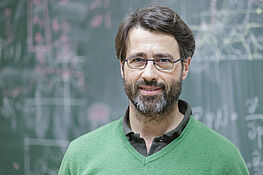
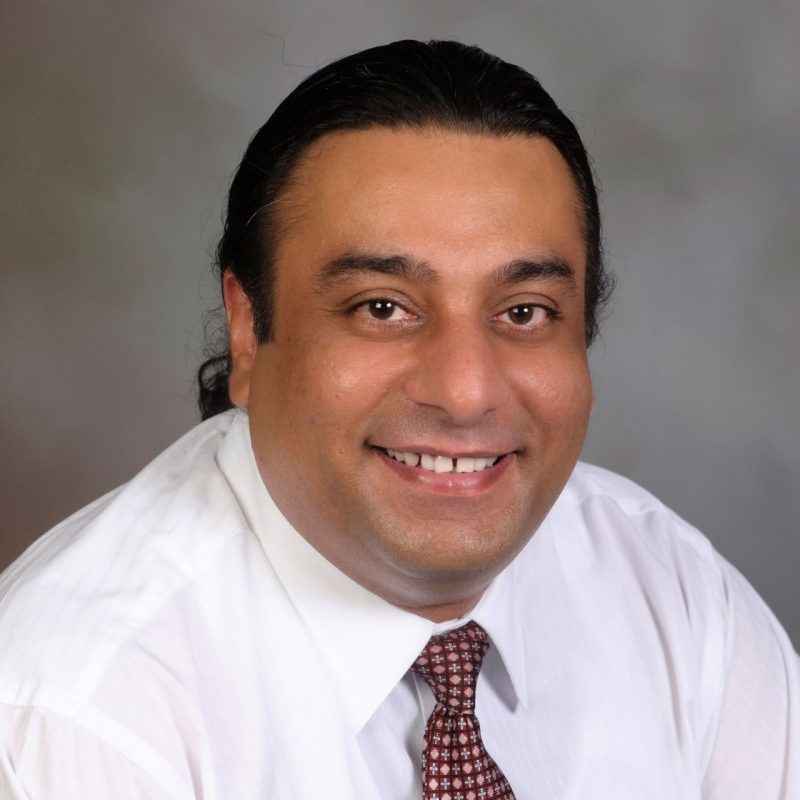
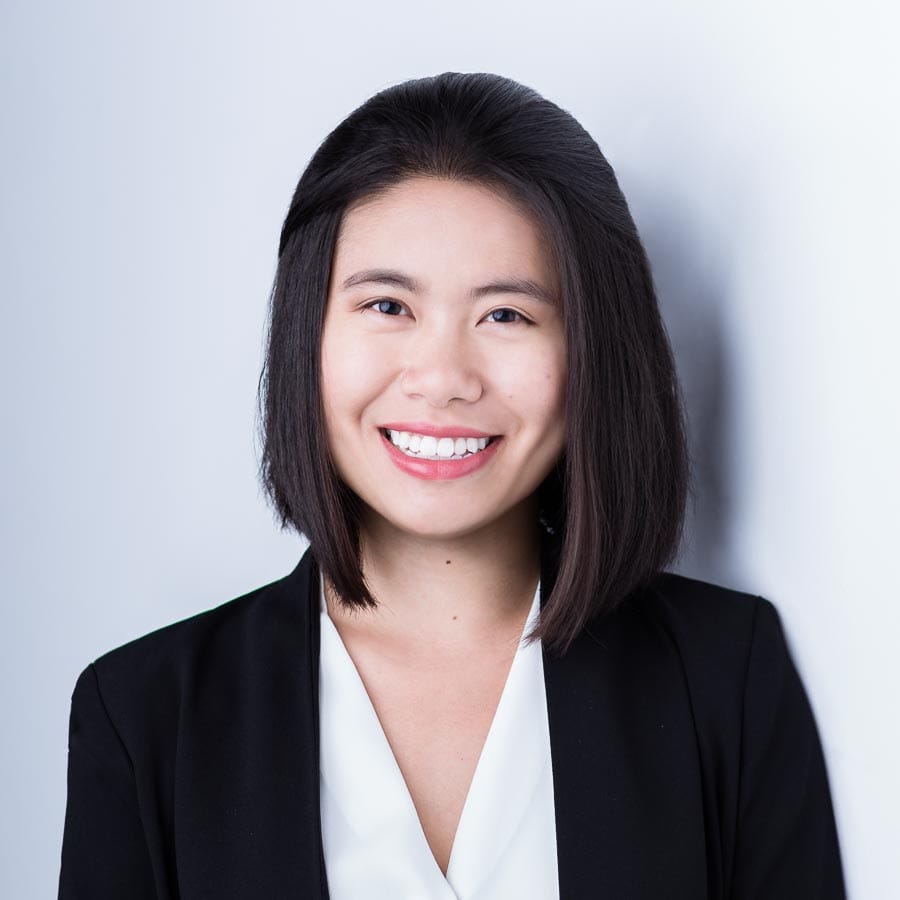
Fabien Roquet is a Professor at the Department of Marine Sciences at the University of Gothenburg. His research focuses on physical oceanography, particularly the Southern Ocean circulation, thermodynamics, and the development of animal-borne CTD tags for polar data collection. He explores how ocean mixing and buoyancy forcing influence global overturning circulation and climate regulation. University: University of Gothenburg Department: Marine Sciences Affiliation: Active in Southern Ocean research collaborations His work emphasizes polar ocean dynamics, data collection via marine mammals, and climate modeling. Recent publications analyze the Southern Ocean's role in global overturning circulation, stratification, and the impact of buoyancy forcing on climate systems. Article trends highlight collaborations with international teams and applications of animal-borne sensors in polar regions. Key themes include ocean mixing, thermohaline circulation, polynya formation, and climate-ecosystem interactions. He has contributed to interdisciplinary initiatives like AniBOS (Animal Borne Ocean Sensors) and co-developed advanced CTD tagging technology for marine mammals. His research spans physical oceanography, climate science, and marine ecological monitoring.
Dr. Stella Daskalopoulou is a Senior Scientist at the Research Institute of the McGill University Health Centre (RI-MUHC) and a Professor in the Department of Medicine at McGill University's Faculty of Medicine and Health Sciences. She specializes in translational cardiovascular research with a focus on vascular health, atherosclerosis, and hypertension management. Senior Scientist, RI-MUHC Glen site Professor, Department of Medicine, McGill University Member, Cardiovascular Health Across the Lifespan Program Research Focus: Her work integrates biomedical technology with clinical investigation to identify early vascular impairment markers. Key areas include: Arterial stiffness and hemodynamic assessment Adiponectin signaling pathways in atherosclerosis Sex-specific cardiovascular risk stratification Biomarker discovery for plaque instability Pregnancy-related vascular complications Machine learning applications in plaque classification Scientific Engagement: Dr. Daskalopoulou contributes to hypertension guideline development (2024 ESC Guidelines) and explores environmental impacts on vascular health (household pollution studies). Her recent publications emphasize: Deep learning for plaque characterization Sex hormone receptor pathways in atherosclerosis Adipokine interactions with HDL metabolism Clinical decision tools for preeclampsia prediction Laboratory: Leads the Vascular Health Unit at RI-MUHC, combining histopathology, immunophenotyping, and advanced imaging for translational research.
Prof. Dr. Haris Gačanin is a faculty member at RWTH Aachen University, affiliated with the Institute for Distributed Signal Processing under the College of Electrical Engineering. His research focuses on integrating machine learning with wireless communication systems, particularly in industrial IoT, edge computing, and network optimization. Current academic rank: Professor Contact: harisg@dsp.rwth-aachen.de Research Interests: Wireless systems, machine learning, signal processing, and network optimization. Key contributions include: Adaptive resource allocation in IIoT and vehicular networks AI-driven channel estimation and feedback mechanisms Security-oriented emitter identification via metric learning Federated/transfer learning for edge environments Hardware-efficient deep learning models for mmWave and THz communications Methodological Focus: Combines reinforcement learning, attention mechanisms, and robust neural architectures with practical implementations on FPGA and vehicular systems.
Tom Arne Rydningen is an Associate Professor in the Department of Geosciences at UiT The Arctic University of Norway, specializing in Arctic marine geology. His research focuses on Cenozoic continental margin development, glacial history, and source-to-sink sedimentary systems in high-latitude environments. He actively contributes to understanding the evolution of the Arctic Ocean and its connections to global ocean circulation. Dr. Rydningen's research interests center on high-latitude continental margin development, particularly examining the large-scale evolution of ocean circulation in the Norwegian-Greenland Sea and Arctic Ocean during the Miocene. He investigates the buildup and retreat of marine-based ice sheets through the Quaternary in Fennoscandia, the Barents Sea, Svalbard, and northeastern Greenland. His work employs diverse methodologies including contourite studies , glacigenic deposits analysis , source-to-sink system modeling , and seismic stratigraphy using 2D/3D seismic data and multibeam echosounder data. Analysis of his 15 most recent publications reveals a strong focus on Arctic geological processes, particularly concerning the Barents Sea region. His work spans multiple disciplines including glaciology, paleoceanography, and sedimentology, with significant contributions to understanding Pleistocene glaciations, Cenozoic tectonic influences on sediment transfer, and microplastic pollution in Arctic marine sediments. Recent publications demonstrate increasing interdisciplinary approaches, connecting geological processes with contemporary environmental concerns. Dr. Rydningen is actively involved in several major research projects including DYPOLE (Dynamics of polar confined basins), Arven etter Nansen, TUNU, Euro-arctic marine fishes, iEarth, and GoNorth. He is a member of the Sedimentary Systems, Paleoclimates and Environments research group and contributes to science didactics in higher education. His teaching portfolio includes courses in marine geology, geological interpretation, and Arctic marine geology fieldwork. His research combines fieldwork, seismic data interpretation, and sediment core analysis to reconstruct past environmental conditions and ice sheet dynamics in the Arctic. This work has significant implications for understanding current climate change impacts on polar regions and provides crucial context for interpreting modern Arctic environmental changes.
Manuela Reben serves as a Professor at AGH University of Science and Technology in Kraków, Poland, within the Faculty of Materials Science and Ceramics. Her primary appointment is in the Department of Glass Technology and Amorphous Coatings, with office space in building A-3, room 222. She holds the significant administrative role of Vice-Dean of the Faculty of Cooperation and participates in multiple governance bodies including the Chemical Engineering Discipline Council, Faculty College, University Senate, and Senate Committee on Science. Her research centers on advanced glass systems with specialization in optical materials , radiation shielding composites , and waste glass valorization . Key investigations include structural characterization of rare earth-doped tellurite and phosphate glasses, development of novel compositions for photonic applications, and utilization of industrial glass wastes in sustainable construction materials. Her work bridges fundamental materials science with practical engineering solutions for laser technology, nuclear shielding, and eco-friendly building products. Analysis of her recent publications (2022-2025) reveals dominant research trajectories in three interconnected domains: (1) Engineering phosphate/tellurite glass matrices doped with rare earth ions for broadband optical amplifiers and laser gain media; (2) Developing radiation-shielding glasses with optimized attenuation properties for medical and nuclear applications; (3) Transforming industrial glass wastes into functional construction materials through sintering process optimization. These efforts demonstrate consistent innovation in glass composition design and property tailoring. Scientific awards: No awards documented in available sources. Advising activities and research grants are not specified in current documentation, though her leadership roles suggest significant mentorship responsibilities. Her departmental affiliation indicates active participation in collaborative research teams focused on glass technology and amorphous materials development.
Prof. Dr. Catrin Misselhorn serves as Professor of Philosophy at the University of Göttingen since 2019, focusing on theoretical philosophy, machine ethics, and human-AI interaction. She is Deputy Director of the Institute of Philosophy and a member of the supervisory board at KIT (Karlsruhe Institute of Technology). Education Studied at University of Tübingen and University of North Carolina at Chapel Hill (1991-1998) PhD in Philosophy (2003) and Habilitation (2010) at University of Tübingen Feodor-Lynen Fellowship at Center of Affective Sciences (2007-2008) Research Interests Her work bridges machine ethics , philosophy of artificial intelligence , and human-machine interaction , with emphasis on moral agency in autonomous systems, empathy in AI, and ethical evaluation of technologies. She explores applications in geriatric care, autonomous weapons, and self-driving vehicles. Recent Article Trends Her 15 most recent publications (2022-2025) highlight intersections between AI governance , robot empathy , and moral implementation . Topics span care robotics , autonomous weapons , AI-generated art , and ethics of language models . Scientific Awards Feodor-Lynen Fellowship (2007-2008) Member, Niedersächsische Akademie der Wissenschaften (2024) Academic Leadership Director of Institute of Philosophy (2012-2019), University of Stuttgart Current editorial roles and media engagements (ARD, Süddeutsche Zeitung, DWIH New York)
Christoph Dellago is a full Professor of Computational Physics at the Faculty of Physics of the University of Vienna, where he has been a faculty member since 2003. He currently serves as Director of the Erwin Schrödinger Institute for Mathematics and Physics, Head of the Computational and Soft Matter Physics Group, and Project lead of EuroCC Austria - National Competence Centre for Supercomputing. Previously, he served as Dean of the Faculty of Physics (2009-2012) and Coordinator of the Doctoral College Advanced Functional Materials (DCAFM). Full Professor, Faculty of Physics, University of Vienna (2003-present) Director, Erwin Schrödinger Institute for Mathematics and Physics (2017-present) Head, Computational Physics and Soft Matter Group (2024-present) Coordinator, Doctoral College Advanced Functional Materials (DCAFM) Austrian Representative, Council of CECAM Dellago received his PhD in Physics from the University of Vienna in 1996, followed by postdoctoral research at UC Berkeley as a Schrödinger Fellow of the Austrian Science Foundation. His research focuses on developing computational methods to study rare events in condensed matter systems, particularly transition path sampling methodology for simulating nucleation, chemical reactions, and biomolecular reorganizations. He has pioneered the application of machine learning to molecular structure recognition and potential energy surfaces. Recent work examines self-assembly of nanocrystals, biopolymer folding, aqueous interfaces, phase separation in alloys, thermo-polarization, cavitation, and freezing phenomena. Analysis of Dellago's recent publications (2023-2025) reveals a strong emphasis on machine learning applications in computational physics, particularly neural network potentials for simulating water interfaces, crystal defects, and phase transitions. His work bridges traditional statistical mechanics with modern computational techniques, creating powerful tools for studying complex dynamical processes that occur on timescales far beyond conventional molecular dynamics simulations. The publications demonstrate increasing integration of machine learning with rare event sampling methods, reflecting the cutting-edge direction of computational statistical mechanics. Förderpreis der Stiftung Futura zur Förderung junger Südtiroler im Ausland (1997) The Raymond and Beverly Sackler Prize in the Physical Sciences (2005) UNIVIE Teaching Award of the University of Vienna (2014) Dellago leads an active research group with multiple PhD students and postdocs, focusing on computational statistical mechanics. His group develops trajectory-based sampling methods and machine learning approaches for molecular simulation. He has secured significant funding through EuroCC Austria and various research platforms including the Research Platform Accelerating Photoreaction Discovery and the Research Platform Erwin Schrödinger International Institute for Mathematics and Physics. His research has been supported by numerous grants enabling advanced computational infrastructure for high-performance simulations. The Dellago Group operates within the Computational and Soft Matter Physics division at the University of Vienna, with strong connections to the Research Network Data Science. The group collaborates extensively with international research institutions and maintains close ties with the Erwin Schrödinger Institute, which Dellago directs. Their research environment combines theoretical physics, computational chemistry, and machine learning expertise to tackle fundamental questions in condensed matter physics and soft matter systems.
Dr. Chenyang Xiao is a Professor in the Sociology Department at American University. He holds a PhD from Washington State University, an MA from the University of Toledo, and a BA from Peking University. His research focuses on environmental attitudes, beliefs, and behaviors, particularly comparing the USA and China regarding environmental concern and gender differences. Dr. Xiao also specializes in quantitative research methods, including survey design, regression analysis, and structural equation modeling. Education: PhD (Washington State University), MA (University of Toledo), BA (Peking University) Key Research Areas: Environmental Sociology, Child Sexual Abuse in China, Sustainable Development Teaching: Courses include 'Intro to Quantitative Research' and 'Society & Global Environment.' Professional Memberships: District of Columbia Sociological Society (2008–present), Chinese Sociological Association (2015–present) His recent work explores gender disparities in environmental behaviors and child abuse prevention in China. Dr. Xiao has presented widely on topics like ecological modernization and sustainable development, emphasizing interdisciplinary approaches to environmental challenges.
Amrinder Nain is a Professor in the Department of Mechanical Engineering at Virginia Tech. His research focuses on bio-inspired engineering, nanotechnology, and mechanobiology, with emphasis on understanding cellular interactions with fibrous environments. He leads the Spinneret-based Tunable Engineered Parameters (STEP) Lab, developing advanced materials and biomaterials for biomedical applications. Nain holds a Ph.D. in Mechanical Engineering from Carnegie Mellon University (2007) and has held faculty positions at Virginia Tech since 2009. Education: Ph.D., Mechanical Engineering, Carnegie Mellon University, 2007 M.S., Chemical Engineering, Carnegie Mellon University, 2007 B.E., Mechanical Engineering, Manipal Institute of Technology, 1990 Research Interests: Cellular dynamics and tissue engineering Nanofiber-based biomaterials Biomechanics of cancer and cellular migration Organ-on-a-chip technologies Advanced manufacturing of fibrous scaffolds Awards & Collaborations: John Jones Faculty Fellowship NIH-funded collaborations on blood-brain barrier models and cancer cell migration Global partnerships with institutions like Weizmann Institute of Science and Nara Institute of Science and Technology Labs & Teams: The STEP Lab pioneers nanofiber platforms to study cell-fiber interactions, with applications in drug testing and tissue engineering. Current projects include coiling dynamics of cellular protrusions, mitotic spindle orientation, and ultra-thin nanofiber mimics of biological membranes.
Josefine Friederike Weiß is a researcher at the Alfred Wegener Institute (AWI) , affiliated with the Polar Terrestrial Environmental Systems department in Potsdam, Germany. Her work focuses on marine sedimentary ancient DNA to investigate carbon dynamics between terrestrial and marine ecosystems. She explores how ancient genetic material preserved in sediments reveals historical climate and ecological interactions. Her research integrates advanced molecular techniques such as metabarcoding and sedimentary DNA analysis to trace land-plant carbon sources, phytoplankton blooms, and biogeochemical processes in polar regions. Key projects include studying Phaeocystis blooms' role in carbon sequestration and Arctic sub-mesoscale filament dynamics. Publications highlight interdisciplinary approaches combining high-resolution oceanographic measurements with paleoenvironmental reconstructions. While no explicit awards are listed, her contributions bridge genetics, geology, and climate science in polar environments. Josefine collaborates on long-term observational systems like the LTER Observatory HAUSGARTEN and participates in Arctic and Antarctic expeditions. Her work supports understanding climate change impacts on marine and terrestrial carbon cycles.
Dr. Lisa Merten is a Senior Researcher at the Leibniz Institute for Media Research | Hans Bredow Institute (HBI), where she leads computational social science projects like POLTRACK, examining the relationship between information repertoires and political polarization. She also coordinates the DFG-funded 'Public Connection' project, exploring how users engage with diverse publics through media practices. Her research focuses on digital media environments, algorithm-driven personalization, and the impact of social media on news consumption and public opinion. Education : - Studied Communication Science at Universität Leipzig, TU Dresden, Universiteit van Amsterdam, and Boston University - German Academic Scholarship Foundation recipient Research Interests : - Algorithmic publics and personalization - Political information seeking and polarization - Digital methods for media analysis - Journalism and online commentary dynamics Key Projects : - Co-led the POLTRACK project with GESIS and universities of Bremen/Konstanz - Investigated Instagram influencers' reach in 'Media Use and Social Cohesion' with Hannah Immler - Pioneered browser data donation methods in journalism studies Awards : - 2021 Digital Journalism 'Article of the Year' for work on social media news curation Teaching : - Held part-time junior professorship in Computational Social Science at University of Konstanz (2021) - Taught at University of Hamburg, Augsburg, and Kiel University of Applied Sciences Labs/Teams : - Core member of HBI's Computational Social Science team - Collaborates with GESIS, Bremen/Konstanz universities, and international partners
Katie Morrison is an Associate Chair and Professor in the Department of Mathematical Sciences at the University of Northern Colorado (UNC), part of the College of Natural and Health Sciences. Her research focuses on mathematical neuroscience, neural networks, and algebraic coding theory, with a particular emphasis on applying matrix codes and graph-based algorithms to understand neural dynamics. She has been funded by NSF DMS-1951599 and NIH R01 EB022862 grants. Education: Ph.D. in Mathematics (University of Nebraska-Lincoln, 2012), M.S. in Mathematics (2008), B.A. in Mathematics and Psychology (Swarthmore College, 2005), and studies at Budapest Semesters in Mathematics. Her work bridges abstract mathematics with applied neuroscience, including projects like the CTLN initiative. Research trends in her publications emphasize graph-theoretic approaches to neural network dynamics, pattern completion in threshold-linear networks, and algebraic analysis of neural codes. Collaborations with computational topologists and neuroscientists highlight interdisciplinary strengths. Grants and advising: Active in securing federal research funding and mentoring students in interdisciplinary projects. Her lab explores connections between network connectivity and emergent behaviors, with applications to both theoretical and applied neuroscience.
Laszlo Bruszt is a Professor of Sociology at the Central European University (CEU) and Director of the CEU Democracy Institute. He has held roles including Acting Rector and President of CEU (1996/97) and taught at the European University Institute in Florence (2004-2016). His career began with involvement in Hungary’s 1989 Roundtable Negotiations as National Secretary of independent trade unions. Bruszt’s research focuses on regime change, economic transformation, and European integration dynamics, particularly in Eastern and Southern Europe. Key themes include core-periphery relations within the EU, developmental strategies in peripheral regions, and the political economy of post-socialist transitions. His work bridges comparative politics, sociology, and institutional analysis. His recent publications analyze EU enlargement challenges (e.g., Ukraine’s EU membership path), transnational regulatory frameworks, and Hungary’s democratic trajectory. His scholarship emphasizes how transnational integration shapes state capacity and economic development in peripheral regions. Bruszt’s academic contributions span over three decades, with impactful analyses of post-communist transitions and EU’s role in shaping peripheral economies. He has advised on governance reforms and contributed to international debates on democracy and market compatibility.
Dr. Sarah Burke-Spolaor is an Associate Professor in the Department of Physics and Astronomy at West Virginia University and a member of the Center for Gravitational Waves and Cosmology (GWAC) . Her research focuses on dynamic astrophysical phenomena , including binary supermass of mass black holes , pulsar timing arrays for gravitational wave detection , and Fast Radio Bursts (FRBs) . Key Research Areas : Gravitational wave detection via pulsar timing Observational studies of binary supermassive black holes Fast Radio Burst detection and classification Galaxy formation and merger dynamics Dr. Burke-Spolaor mentors a team of students and postdocs including Gregory Walsh, Jessica Sydnor, Reshma Thomas , and Kshitij Aggarwal , whose work includes projects like the BHBinary/Galaxy Evolution Survey and The Petabyte Project for Radio Transients . Her awards include the Alfred P. Sloan Fellowship and recognition as a CIFAR Azrieli Global Scholar . Selected Article Trends : Leading gravitational wave research through NANOGrav's 15-year data set Multi-messenger astronomy targeting binary black hole systems FRB host galaxy characterization across telescopes Exploring unconventional astrophysical transients in the Galactic bulge Advancing pulsar timing array methodologies Developing next-generation radio interferometry techniques Scientific Awards : Alfred P. Sloan Fellow CIFAR Azrieli Global Scholar
Cindy Xiong is an Assistant Professor in the School of Interactive Computing at Georgia Tech. She holds a Ph.D. in Cognitive Psychology from Northwestern University and undergraduate degrees in Applied Mathematics and Psychology from UCLA. Her research focuses on the intersection of visual perception, cognition, and data visualization, aiming to understand how humans interpret and make decisions from visualized data. She has pioneered work on mitigating confirmation bias, perceptual illusions in charts, and the impact of visualization design on decision-making. Her research has been recognized with an NSF CAREER Award (2023) and an NSF Medium Award (2024), as well as best paper awards at IEEE PacificVis (2024) and ACM CHI (2022). She co-founded VISxVISION, an initiative bridging visualization researchers and perceptual psychologists. She also serves on the Human Factors Task Group at NIST to evaluate forensic lab standards. Teaching: She designed a UX Research course at UMass Amherst, emphasizing user-centered design, experimental methods, statistical analysis, and effective communication of research findings. The course involves group projects analyzing UX challenges and presenting data-driven solutions. Grants/Awards: NSF funding totaling $1.2M supports her work on visual analytic decision-making and mitigating confirmation bias. Her honors include VGTC Dissertation Award recognition (2022) and IEEE CG&A Best Paper Runner-Up (2022). Research Labs/Teams: Active in NIST's Human Factors Task Group and leading the VISxVISION collaboration. Her work often involves interdisciplinary teams combining psychology and computational methods.