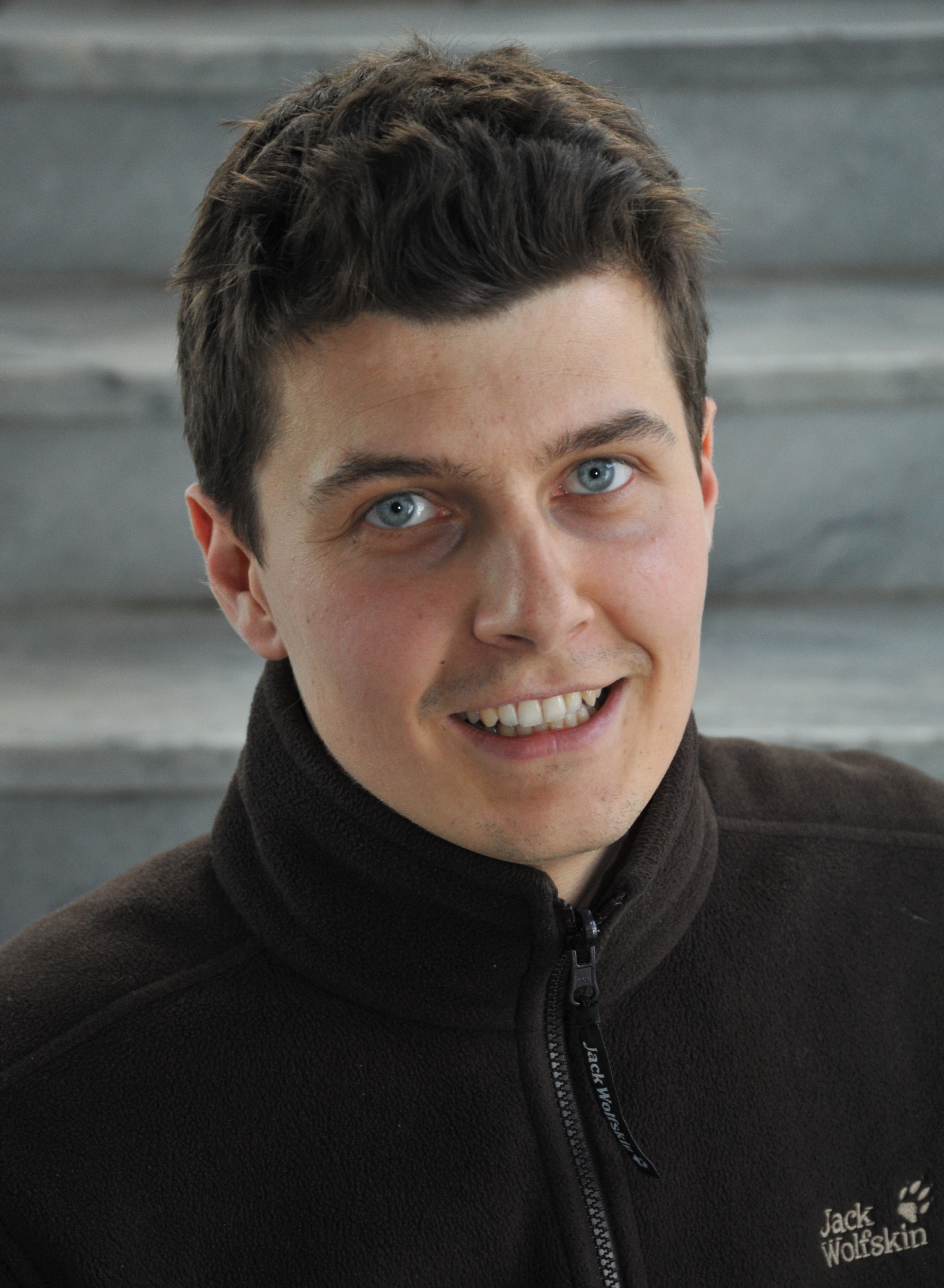
Bojan Basrak is a Full Professor at the Department of Mathematics, University of Zagreb, specializing in Probability Theory and Mathematical Statistics. He is affiliated with the Division of Probability Theory and Mathematical Statistics and actively involved in research and teaching. Teaching roles: Lecturer in charge for graduate and doctoral courses including 'Fundamentals of probability theory,' 'Time series,' and 'Probability.' His research focuses on Poisson point processes and hierarchical modeling of character strings, bridging theoretical probability with computational applications. While specific awards are not listed, his active involvement in EU projects like RobSparseRand and QuantiXLie suggests ongoing contributions to interdisciplinary mathematical research.
Professor Jan Blachowski serves as Head of the Department of Geodesy and Geoinformatics at the Faculty of Geoengineering, Mining and Geology, Wrocław University of Science and Technology. He also holds a position as a Visiting researcher at the Department of Geoscience and Petroleum at the Norwegian University of Science and Technology (NTNU) under the NAWA Bekker programme. His professional standing is further evidenced by his membership in Academia Professorum Iuniorum for the 2024-2025 term and his role as Chief Specialist (mining and geology) at the Institute for Territorial Development (Marshal Office of the Dolnoslaskie Voivodeship). Professor Blachowski's research interests focus on the modeling and analysis of natural and anthropogenic systems using geographic information systems, with particular emphasis on deformation of mining and post-mining areas, mining surveying, satellite remote sensing, and spatial statistics. His work bridges geospatial technology with practical mining applications, creating valuable insights for environmental monitoring and land management in regions affected by mineral extraction. The interdisciplinary nature of his research connects geodesy, mining engineering, and environmental science to address complex challenges in post-mining landscape rehabilitation. An analysis of Professor Blachowski's recent publications reveals a strong trend toward integrating advanced geospatial technologies with mining impact assessment. His work increasingly incorporates machine learning techniques (particularly Random Forest algorithms), multi-sensor 3D mapping approaches, and sophisticated remote sensing methodologies to monitor and predict ground deformations in post-mining areas. The research demonstrates a clear progression from traditional geodetic monitoring toward more comprehensive, data-driven approaches that combine multiple data sources and analytical techniques for improved accuracy in deformation modeling and environmental impact assessment. Professor Blachowski leads the Geospatial Modeling and Analysis Laboratory and has served as Principal Investigator for numerous significant research projects, including Interreg Poland-Saxony Cooperation Programme, National Centre for Research and Development Polish German Cooperation Call, and multiple National Research Centre (NCN) OPUS projects. His research portfolio spans international collaborations with institutions in Germany, Norway, and other European countries, reflecting the global relevance of his work on mining impacts and geospatial analysis.
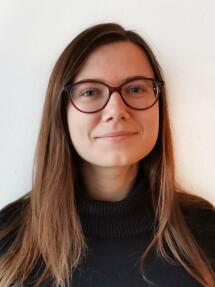
Anna Gusakova is a Junior Professor at the Institute for Mathematical Stochastics, University of Münster, Germany. Her research lies at the intersection of stochastic geometry , probability theory , and high-dimensional analysis , with a focus on random polytopes, tessellations, and concentration phenomena. Education: She completed her Ph.D. under the supervision of Prof. Dr. Friedrich Götze, with a thesis titled Application of Probability Methods in Number Theory and Integral Geometry . Research Interests: Her work spans a broad range of topics including: Stochastic geometry of random polytopes and tessellations High-dimensional probability and concentration inequalities Poisson processes and their geometric applications Convex and integral geometry Number-theoretic aspects of random structures Publications Overview: Her recent publications demonstrate a deep engagement with theoretical foundations and asymptotic analysis in stochastic geometry. Notable contributions include studies on the β-Delaunay tessellation , spherical convex hulls , and concentration inequalities for Poisson functionals . These works often involve advanced tools from integral geometry, functional analysis, and probabilistic limit theory. Teaching and Mentorship: She teaches a variety of courses including master's seminars on stochastic geometry, probability theory, and high-dimensional probability. Her teaching emphasizes both theoretical depth and practical applications in modern probability and geometry. Collaborations and Grants: While specific grant details are not provided, her extensive collaboration network includes researchers like Christoph Thäle, Zakhar Kabluchko, and Florian Besau, indicating active participation in international research projects. Laboratory and Team: She is associated with the working group in Mathematical Stochastics at the University of Münster, contributing to a vibrant research environment in probability and geometry.
Dr Alex Gibberd is a Senior Lecturer (equivalent to Associate Professor) in Statistics within the School of Mathematical Sciences at Lancaster University. He has been a faculty member since 2018, following postdoctoral research at Imperial College London and a PhD in Statistics from University College London (UCL) in 2017. He also holds an MPhys in Astrophysics from the University of St Andrews (2012). Education: PhD in Statistics, University College London (2017) MPhys in Astrophysics, University of St Andrews (2012) Research Interests: Dr Gibberd's research focuses on high-dimensional time-series analysis, with methodological contributions in statistical modeling under non-stationarity and high-dimensionality. His work spans both theoretical developments and practical applications, particularly in neuroscience and finance. Key areas include: Sparse dynamic factor models and regularized estimation techniques Spectral analysis and locally-stationary wavelet models Optimization algorithms for model selection in high-dimensional settings Applications in brain connectivity analysis and economic forecasting Research Themes: His recent publications demonstrate a strong focus on developing interpretable statistical methods for complex systems. These include advances in principal component analysis with joint rank and covariance estimation, sparse dynamic factor models, and regularized spectral estimation for high-dimensional point processes. The applications range from neural connectivity modeling to energy efficiency policy analysis. Grants & Funding: Research in Paris Grant (2024) Support of Collaborative Research with Dr S. Roy at University of Bath (2021) Model Selection for High-Dimensional Temporal Disaggregation in Official Statistics (2021-2023) Reducing End Use Energy Demand in Commercial Settings Through Digital Innovation (2021-2025) Wavelet Methods for Dependency Analysis in Multivariate Time Series (2020) STOR-i: Information Fusion for Non-homogeneous Panel and Time-series Data (2019-2025) PhD Supervision & Students: Dr Gibberd supervises PhD students at the intersection of high-dimensional statistics and time-series analysis. Current students include Carla Pinkney (STOR-i CDT), Ziyan Zhao, and Kai Zheng (Centre for Marketing Analytics & Forecasting). Research Affiliations: STOR-i Centre for Doctoral Training Centre for Marketing Analytics & Forecasting Changepoints and Time Series Research Group Data Science Institute - Foundations Social and Economic Statistics Group
Prof. Baltasar Beferull-Lozano is Professor, Chief Research Scientist/Research Professor and Head of the Signal and Information Processing for Intelligent Systems Department at Simula Metropolitan . His leadership role spans directing cutting-edge research at the intersection of data science, networked systems and artificial intelligence. Research Interests: His group pursues a broad agenda that includes Data science and machine learning Online optimization and streaming algorithms Graph signal processing and higher-order networks Intelligent sensing, signal processing and inference Cyber-physical systems and IoT In-network distributed and cooperative intelligence AI-driven networks and communication systems Across these themes, his work consistently develops mathematically rigorous yet computationally efficient frameworks that enable learning and inference on complex, dynamic networked data. Publication Trends: Over 2021-2025 he has produced a prolific stream of journal and conference papers. Recurrent topics include topological signal processing , graph neural networks , transfer learning for wireless radio mapping , online kernel methods , simplicial and higher-order models , and non-linear topology identification . These works collectively advance both theoretical foundations and practical algorithms for next-generation networked AI systems. Scientific Awards: No awards are listed in the provided text. Advising & Grants: While no explicit grants or student lists are supplied, the volume and senior authorship of publications suggest Prof. Beferull-Lozano leads a sizeable research group comprising PhD candidates and post-doctoral researchers working on externally funded projects. Labs & Teams: He heads the Signal and Information Processing for Intelligent Systems Department at Simula Metropolitan, a multidisciplinary unit focused on machine learning, signal processing and networked intelligence.
Daniel Rudolf is a Professor for Mathematical Data Science at the Faculty of Computer Science and Mathematics, University of Passau. His research focuses on computational statistics and mathematical data science with applications across various domains. His primary research interests include: Markov chains and their convergence properties Monte Carlo and Quasi-Monte Carlo methods Bayesian statistics and uncertainty quantification Information-Based Complexity High-dimensional analysis Rudolf maintains an active research group with current members Mareike Hasenpflug (PostDoc) and Philip Schär (Co-supervised PostDoc from the University of Jena). His former research group members have secured positions at prestigious institutions including the University of Bath, Sorbonne University, and TU Freiberg. His publication record shows consistent contributions to theoretical foundations of Markov chain theory and practical algorithms for statistical computation, with particular emphasis on slice sampling methods, convergence analysis, and high-dimensional problems that maintain performance regardless of dimensionality. He serves as an associate editor for the Journal of Complexity, contributing to the academic community through editorial work. His research has practical applications in molecular biology (ion channel analysis), geophysics (magnetotelluric impedance tensor decomposition), and various statistical modeling contexts.
Dr. Qing Lu is an Adjunct Professor at the BioMolecular Science Gateway Faculty of Michigan State University, affiliated with the Genetics & Genome Sciences Program. Their methodological research focuses on statistical genetics and machine learning innovations for high-dimensional data analysis, including tree-based methods, U-statistics, and deep learning frameworks. Key research trends from publications include: Statistical genetics methodology (U-statistics, kernel neural networks, mixed-effects models) Machine learning applications in genomic data analysis (deep learning, transfer learning, functional networks) Environmental health investigations (bisphenols, metals, parabens) Public health methodologies (network scale-up, population estimation) Dr. Lu's work bridges computational methods with biomedical applications, particularly in: Genetic interaction analysis Multi-omics data integration Exposure-genotype-phenotype relationships Development of open-source bioinformatics tools
Andreas Waechter is a Professor in the Department of Industrial Engineering and Management Sciences at Northwestern University's McCormick School of Engineering. He holds a Ph.D. in Chemical Engineering from Carnegie Mellon University (2002) and an M.S. in Mathematics from the University of Cologne (1997). Before joining Northwestern in 2011, he was a Research Staff Member at IBM Research (Yorktown Heights, NY). His research focuses on developing numerical algorithms for nonlinear continuous and mixed-integer optimization, with applications in power systems, scientific computing, and sustainability. Key contributions include the open-source solver Ipopt (winner of the 2011 Wilkinson Prize and 2009 INFORMS Computing Society Prize), and the Bonmin and Couenne solvers for mixed-integer optimization. Waechter has received numerous awards, including the 2017 Charles Broyden Prize and the 2020 ARPA-E Grid Optimization Competition award. His work emphasizes both theoretical advancements and practical software implementation, with applications ranging from power grid optimization to machine learning. Education: Ph.D., Chemical Engineering, Carnegie Mellon University, 2002 M.S., Mathematics, University of Cologne, 1997 His research interests span optimization algorithms, algorithmic differentiation, and interdisciplinary applications. He has advised over a dozen graduate students and collaborates with industry and academic institutions globally. Waechter's software packages are widely used in academia and industry, reflecting his commitment to open-source computational tools.
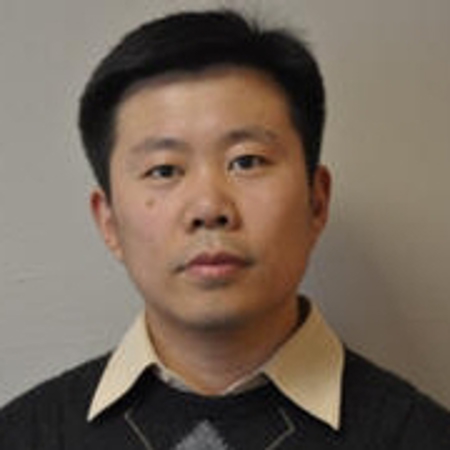
Xuan Wu is an Assistant Professor in the Department of Mathematics at the University of Illinois at Urbana-Champaign (UIUC), affiliated with the College of Liberal Arts & Sciences. Their research focuses on probability theory, stochastic processes, and mathematical physics, with particular emphasis on topics such as the KPZ universality class, line ensembles, and random matrix theory. Key contributions include studies on the convergence properties of the KPZ line ensemble, Bessel processes, and directed polymer models under various scaling regimes. Research Interests: Stochastic Analysis Integrable Probability Statistical Mechanics Random Matrix Theory Non-equilibrium Systems Scaling Limits Recent work explores applications of optimal transport theory to Dyson Brownian motions and investigates determinantal structures in Bessel fields. Publications often address tightness criteria for Gibbsian line ensembles and regularity properties of stochastic processes. No awards or grants are explicitly listed in the provided materials. Advising and Labs: Currently no advisees listed. Research activities are centered in the Department of Mathematics, with potential collaborations in mathematical physics and probability groups at UIUC.
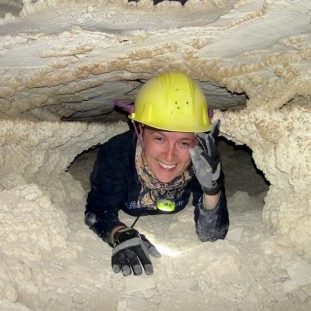
Dr. Oana Dumitru is an Assistant Professor in the Department of Geological Sciences at the University of Florida. She specializes in carbonate geochemistry and paleoclimatology, focusing on reconstructing past sea levels and climate changes using fossil corals and cave deposits. Her geochronological expertise includes U-Th and U-Pb dating techniques to establish precise timelines for geological materials. Education: Ph.D. Geology (University of South Florida, 2019). Research interests include sea-level reconstruction, paleoclimatology, and geochronology. Her work emphasizes leveraging fossil corals and speleothems as climate proxies to understand glacial-interglacial cycles. Recent studies focus on the Last Interglacial period, investigating ice sheet contributions to sea-level changes in the Bahamas, Turks and Caicos Islands, and Barbados. Publications highlight advancements in U-series dating accuracy, collaborative intercalibration efforts, and probabilistic sea-level modeling. Notable contributions include the 2020 Quaternary Young Investigator Award. Research activities integrate fieldwork in tropical and Mediterranean regions with laboratory geochemical analyses. Current projects address long-term coastal uplift history and anthropogenic impacts revealed in cave guano chemistry.
Daniel Rothman is a Professor of Geophysics at the Massachusetts Institute of Technology (MIT), where he has been a faculty member since 1986. He serves as Co-Director of the MIT Lorenz Center, a privately funded interdisciplinary research center devoted to learning how climate works, which he co-founded with Kerry Emanuel in 2011. His work spans multiple departments and disciplines at MIT, including the Department of Earth, Atmospheric, and Planetary Sciences (EAPS), where he contributes to research in geophysics, atmospheres, oceans, climate, and geology. Rothman received his AB in applied mathematics from Brown University and his PhD in geophysics from Stanford University. His academic journey began with a focus on seismology, but he has since expanded his research interests to encompass: Earth system dynamics Carbon cycle and climate interactions Biogeochemistry and geobiology Statistical and nonlinear physics Mathematical geoscience As a theoretical scientist, Rothman's research focuses on understanding how the organization of the natural world emerges from the interactions of life and the physical environment. He employs mathematics, statistical physics, and nonlinear dynamics to construct simple mathematical models that predict or explain observational data. His current work centers on the carbon cycle and its coupling to climate, exploring fundamental questions about how global biogeochemical cycles arise and evolve, their stability, and how they impact climate stability. This research has important implications for understanding current climate change and potential tipping points in the Earth system. Rothman's publication record reveals a consistent focus on using mathematical approaches to understand Earth's systems. His work shows progression from fluid dynamics and pattern formation to carbon cycle modeling and mass extinction analysis. A recurring theme is identifying characteristic patterns and thresholds in Earth's systems, particularly how carbon cycle disruptions correlate with mass extinction events. His recent work has focused on identifying critical thresholds in the carbon cycle that, when breached, could lead to catastrophic climate change. Daniel Rothman has received numerous prestigious awards for his contributions to science: Fellow, American Association for the Advancement of Science (2023) Levi L. Conant Prize, American Mathematical Society (2016) Fellow, American Geophysical Union (2014) Fellow, American Physical Society (2012) Fellow, Radcliffe Institute for Advanced Study (2007-2008) Rothman has mentored numerous students throughout his career, supervising PhD students across multiple disciplines including Earth, Atmospheric and Planetary Sciences, Physics, Mechanical Engineering, and Mathematics. His research group has received significant funding for projects investigating Earth system dynamics and carbon cycle modeling. He has taught courses such as "Modeling Environmental Complexity" and "Nonlinear Dynamics: Chaos," training students in mathematical approaches to environmental problems. The Rothman research group operates within the Department of Earth, Atmospheric, and Planetary Sciences at MIT and is closely affiliated with the MIT Lorenz Center. His team combines theoretical approaches with data analysis to investigate complex Earth systems, frequently collaborating with researchers from physics, mathematics, biology, and oceanography. The group's work bridges disciplinary boundaries, applying concepts from statistical physics to understand biogeochemical cycles and Earth history.
Dr. Joe Guinness serves as an Associate Professor and Director of Undergraduate Studies in the Department of Statistics and Data Science within Cornell University's College of Agriculture and Life Sciences (CALS). His research focuses on developing computationally efficient methods for analyzing large spatial-temporal datasets, with applications spanning earth sciences, environmental monitoring, epidemiology, and precision agriculture. His work bridges theoretical statistics with practical implementation through the development of the GpGp R package for Gaussian process computation. Dr. Guinness specializes in spatial statistics and Gaussian process modeling, particularly advancing Vecchia approximations for scalable computation. His research addresses critical challenges in interpolating satellite data, modeling environmental processes, and developing statistical frameworks for large-scale datasets. Current projects include applications in climate change modeling, soil chemistry analysis, medical imaging, and wildlife disease surveillance, with emphasis on computational efficiency and accurate uncertainty quantification. His publication record demonstrates significant contributions to scalable spatial statistics, with recent work focusing on Vecchia approximations, Gaussian process learning, and applications to earth science problems. His research shows consistent progression toward more efficient computational methods while expanding into new application domains including epidemiology (chronic wasting disease modeling) and sports science (Vaporfly shoe impact analysis). Cornell Atkinson Academic Venture Fund (AVF) seed grant (2021) supporting vital interdisciplinary collaborations Dr. Guinness actively mentors doctoral students, currently advising Megan Gelsinger at Cornell while having graduated five PhD students from North Carolina State University. His research is supported by collaborative grants across multiple disciplines, including environmental science, agriculture, and public health initiatives. The GpGp R package he developed has become a standard tool for efficient Gaussian process computation in spatial statistics. His research group develops computational frameworks for analyzing massive spatial datasets, with particular emphasis on earth science applications requiring innovative approaches to handle satellite observations, climate model output, and environmental monitoring data. Current projects integrate statistical methodology development with practical implementation for real-world environmental challenges.
Brian Fralix is a Professor within the School of Mathematical and Statistical Sciences at Clemson University. His academic background includes a B.S. in Mathematical Sciences from Clemson University (2002) and a Ph.D. in Operations Research from Georgia Institute of Technology (2007). He completed postdoctoral work at EURANDOM, Eindhoven University of Technology (2007-2009). Current affiliation: Clemson University, College of Science, School of Mathematical and Statistical Sciences Contact: bfralix@clemson.edu , Martin Hall O310 Research Interests His research focuses on Markov chains, particularly Matrix-Analytic Methods, applications of point processes to queueing theory, and stochastic gene expression. Recent projects include studying the M/G/1 queue under LRPT discipline, convergence of infinite-server queues to shot-noise processes, and time-dependent behavior of preemptive queues with Poisson arrivals. He also explores stochastic models in gene expression using matrix-analytic methods and point process theory. Recent Article Trends His 2023-2025 publications emphasize queueing theory (M/G/1, infinite-server systems), Markov chain analysis (random-product techniques, balance equations), and interdisciplinary applications in molecular biology. Key subfields include stochastic processes, operations research, and computational methods for large-scale systems. Contact & Collaboration Collaborators include Andrew Daw (University of Southern California), Jamol Pender (Cornell University), David Pittman (Clemson), and Kayla Javier (Clemson). He actively participates in conferences like INFORMS 2024 and the 2025 MAM-12 conference in Toronto.
Sha Wan is a Lecturer in the Department of Mathematical and Statistical Sciences at Clemson University, College of Science. He holds an MS from Clemson University (2020-2022). His research focuses on statistical methodologies, including change points and time series analysis, alongside interdisciplinary work in biomedical engineering and tissue preservation. His teaching responsibilities include courses such as Math 3020, STAT 2220, and STAT 3090. Research Interests: Sha's statistical work examines dynamic systems and temporal data patterns. His biomedical research explores innovative preservation techniques like nanowarming for vitrified tissues and cryoprotectant optimization for long-term storage solutions. Recent projects include porcine meniscus transplants and vascularized composite allograft preservation, demonstrating expertise in bridging statistical rigor with biological applications. Article Trends: His 15 most recent articles highlight advancements in tissue engineering, cryopreservation, and biomaterials. Key themes include nanowarming for cartilage viability, anhydrous preservation strategies, and vascular tissue storage. These works address challenges in organ transplantation, regenerative medicine, and scalable biomanufacturing. Awards/Grants: No awards or grants are explicitly listed in the provided materials. Teaching & Advising: As a Grad Teacher of Record, he instructs multiple undergraduate statistics and mathematics courses. No formal advisees or graduate students are noted. Labs/Teams: No affiliated labs or collaborative teams are specified in the profile.
Professor Anatoly Zhigljavsky serves as Chair in Statistics and Honorary Professor at Cardiff University's School of Mathematics. He holds multiple administrative positions including membership in the Senior Management Committee, School Research Committee, School Management Board, School Learning and Teaching Committee, Board of Studies, and Subject panel. University: Cardiff University School: School of Mathematics Position: Chair in Statistics, Honorary Professor Professor Zhigljavsky earned his MSc from the University of St.Petersburg, Russia in 1976, followed by his PhD in 1981 and Habilitation in 1987, all from the same institution. His academic credentials reflect a strong foundation in mathematical statistics and theoretical probability. His research spans several interconnected domains in statistics and optimization. He is particularly renowned for his contributions to Time Series Analysis, where he has advanced Singular Spectrum Analysis (SSA) into a powerful technique for time series analysis, forecasting, and change-point detection. His work in Statistical Modelling in Market Research has resulted in numerous industry collaborations, while his research in Stochastic Global Optimization has provided theoretical insights into random search algorithms, especially in high-dimensional spaces. His investigations into Probabilistic Methods in Search and Number Theory have yielded novel approaches to discrete search problems including group testing with lies. Professor Zhigljavsky has also pioneered Dynamical system approaches for studying convergence of search algorithms, bridging continuous and discrete optimization methodologies. Analysis of Professor Zhigljavsky's recent publications (2021-2025) reveals an evolving research trajectory with increasing focus on high-dimensional statistical challenges, quantization theory, and the intersection of optimization with time series analysis. His work consistently demonstrates mathematical rigor combined with practical relevance, addressing computational challenges in large-scale data analysis. His collaborations span multiple institutions with researchers including Luc Pronzato, Jack Noonan, and Anatoly Pepelyshev. Scientific recognition includes: Constantin Caratheodory Prize in France (2019) Professor Zhigljavsky has secured substantial external funding including projects with Procter and Gamble on statistical modelling in Market Research (totaling approximately £200,000), projects with AcNielsen/BASES on consumer behaviour modeling (£40,000), and projects with GlaxoSmithKline on biopharmaceutical studies (£15,000) and environmental science (£10,000). His research has consistently demonstrated practical applications across multiple industries. As an active member of Cardiff University's Statistics research group, Centre for Optimisation and Its Applications, and Statistical Modelling Unit, Professor Zhigljavsky continues to influence both theoretical developments and practical applications in statistics and optimization.