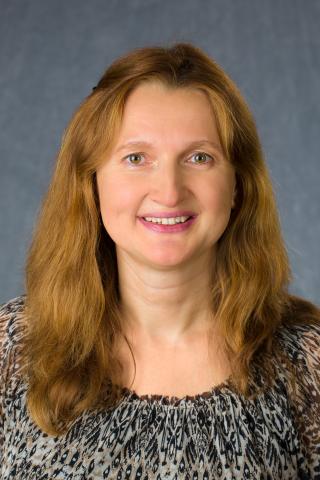
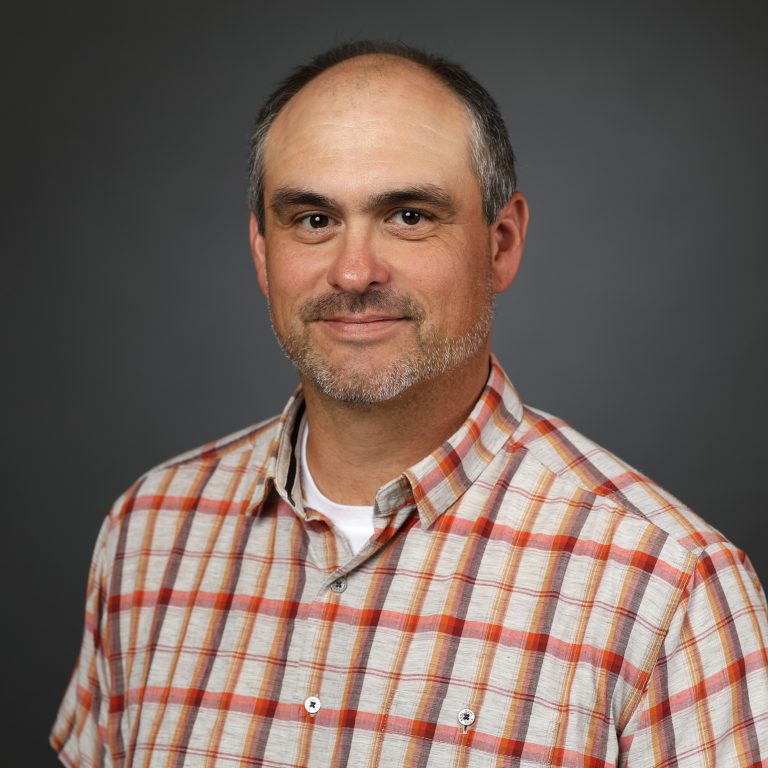
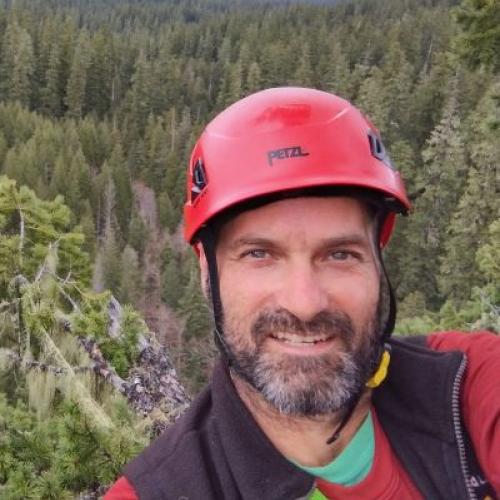
Aino Juslén is the Research Director at the Finnish Museum of Natural History, University of Helsinki, focusing on biodiversity monitoring and conservation biology. Her work bridges taxonomy, ecological data infrastructure, and policy implementation through initiatives like the Finnish Biodiversity Information Facility and the EU Pollinator Monitoring Scheme. Principal Investigator in multiple national/international projects Co-developer of the Red List Index for habitat change assessment Advocate for open science and biodiversity data sharing Her research emphasizes addressing knowledge gaps in biodiversity monitoring, developing taxonomic resources for arthropods, and creating frameworks for integrating ecological data into national policy. Recent projects like GEMOS and HUBCRI highlight her commitment to genetic diversity conservation and research infrastructure development. Scientific awards include: Promoter of Open Science Award (2020) Tiedonjulkistamisen valtionpalkinto (2017) Vuoden Luontokirja 2016 (2016) She leads major collaborations such as the EU-funded Taxo-Fly program and participates in networks like DiSSCo, while also serving as a board member for the Research Centre for Ecological Change since 2018.
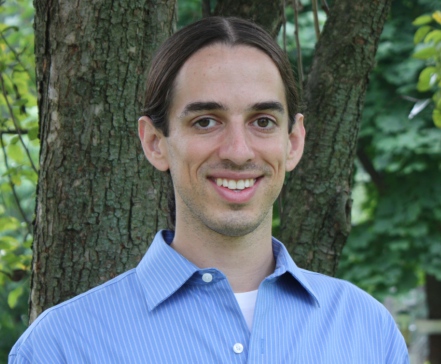
Jaime Pinero is an Extension Professor at the University of Massachusetts Amherst within the Stockbridge School of Agriculture. His work integrates research, extension, and teaching to develop sustainable pest management strategies in fruit orchards. He focuses on applying insect sensory ecology and behavior to design attract-and-kill systems for pests like plum curculio, Japanese beetles, and fruit flies. Education : B.Sc. (1992) from Universidad Veracruz, Ph.D. (2005) from UMass Amherst, Post-Doctoral Fellowship (2005-2007) at ETH Zurich. His research emphasizes chemical ecology, behavioral manipulation, and biological control. Recent studies explore synergistic effects of plant volatiles, pesticide resistance mechanisms, and CRISPR-based genetic tools for fruit pests. Articles highlight innovations in bait formulation, trap design, and multi-tactic pest suppression. Pinero’s extension program promotes Integrated Pest Management (IPM) adoption among growers, aiming to reduce pesticide costs and environmental impacts. Collaborations include James Dripps (Dow AgroSciences) and global initiatives in Hawaii and Africa. His work spans laboratory experimentation to field applications, focusing on ecological resilience and grower profitability.
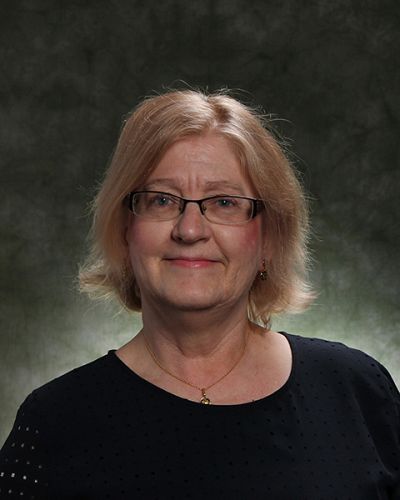
Lillian Fritz-Laylin is a Professor in the Department of Biology at the University of Massachusetts Amherst, where her research program investigates the evolution and diversification of cellular motility mechanisms across eukaryotic lineages. Her work bridges cell biology, evolutionary genomics, and biophysics to understand fundamental questions about cytoskeletal evolution. Her educational background includes: B.A. from the University of California, Berkeley (2003) Ph.D. from the University of California, Berkeley (2010) Postdoctoral training at the University of California, San Francisco (2010-2017) Dr. Fritz-Laylin's research centers on Quantitative Evolutionary Cell Biology, specifically examining how cell crawling mechanisms evolved through comparative studies of diverse organisms including Naegleria gruberi, Batrachochytrium dendrobatidis, human neutrophils, and insect cells. Her lab integrates comparative genomics, phylogenetics, and advanced microscopy to dissect the molecular basis of cytoskeletal networks, with particular focus on actin and microtubule dynamics. This approach reveals both conserved core mechanisms and lineage-specific innovations in cellular motility. Analysis of her publication record shows consistent emphasis on protist genomics and cytoskeletal evolution, with frequent use of Naegleria as a model system. Her work demonstrates how molecular adaptations in cytoskeletal regulators drive phenotypic diversity across eukaryotes, while maintaining core cellular functions. The research spans evolutionary cell biology, quantitative imaging, and the application of genomic tools to non-traditional model organisms. Scientific awards: No awards were documented in the provided materials. Regarding advising and grants, the available documentation does not specify current advisees or active grant funding, though her extensive publication record suggests ongoing research support. The Fritz-Laylin Lab operates at the intersection of multiple disciplines, utilizing a unique combination of free-living protists, fungal pathogens, and human cells to investigate evolutionary principles of cellular organization. The lab's collaborative approach connects molecular cell biology with broad evolutionary questions, maintaining active partnerships across microbiology, genomics, and biophysics research communities.
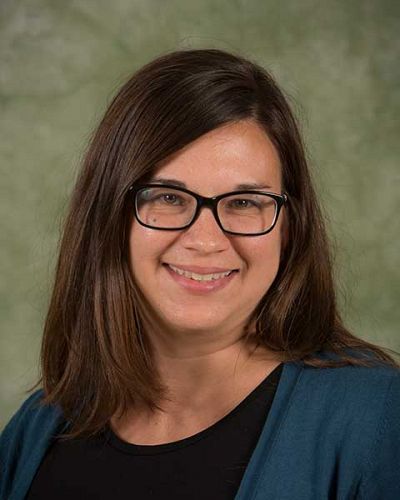
Olga Tsyusko is an Associate Professor in the Martin-Gatton College of Agriculture, Food and Environment at the University of Kentucky. Her research focuses on the environmental toxicology of nanomaterials, particularly their interactions with soil organisms like Caenorhabditis elegans and earthworms. She teaches courses in biotechnology, including Writing and Presentations in the Life Sciences (ABT 301) and Molecular Genetics (ABT 460). Environmental Toxicology Nanotoxicology Molecular Genetics Soil Ecology Agricultural Biotechnology Ecotoxicology Recent publications examine nanoparticle behavior in agricultural systems, including controlled nitrogen release via nanomaterials, metal-organic framework applications for sustainable agrotechnologies, and epigenetic impacts of silver/zinc oxide nanoparticles on model organisms. Collaborative work investigates 2D nanomaterials for PFAS degradation and biosensor-related environmental risks.
Jocelyn Behm is an Associate Professor in the Department of Biology at Temple University's College of Science and Technology, where she investigates community assembly in human-dominated landscapes to inform sustainable landscape design. Her research examines how habitat development and invasive species affect species dispersal, habitat selection, and ecological interactions, with fieldwork focused on southeastern Pennsylvania and Caribbean ecosystems using integrated methodologies including field surveys, genetic techniques, and modeling. Her research program spans multiple critical ecological domains: Urban and Landscape Ecology : Quantifying impacts of urbanization on biodiversity and ecosystem services through studies of forest patch quality, urban birds, and green infrastructure. Invasive Species Dynamics : Leading research on spotted lanternfly dispersal, monitoring, and management, alongside investigations of exotic reptiles in Caribbean islands. Anthropocene Biogeography : Revising island biogeography theory through analysis of human-driven species introductions and extinctions, particularly in insular reptile communities. Functional Ecology : Linking species traits to ecosystem processes in decomposition, pest control, and service provision across urban and natural landscapes. Analysis of her 15 most recent publications (2023-2025) reveals a cohesive research trajectory centered on anthropogenic impacts, with three dominant threads: (1) Invasive species management (particularly spotted lanternfly studies spanning dispersal modeling, oviposition ecology, and computer-aided monitoring); (2) Urban ecosystem services (examining context-dependent benefits from wildlife across spatial scales); and (3) Anthropocene island biogeography (documenting human-accelerated species turnover and its conservation implications). Her work consistently integrates field data with computational approaches across taxonomic groups. No scientific awards were documented in the provided materials. Dr. Behm directs the iEcoLab (https://www.iecolab.org), where she mentors students in ecological research while securing external funding for projects spanning urban ecology, invasion biology, and island conservation. Her lab's translational focus bridges fundamental ecological questions with practical applications for sustainable landscape planning, particularly through trait-based approaches to green infrastructure design and invasive species management. The iEcoLab operates as an interdisciplinary hub conducting field research across southeastern Pennsylvania forests and Caribbean islands (notably Aruba), with current projects examining spotted lanternfly population dynamics, urban bird communities, and non-native herpetofauna. The lab combines traditional ecological methods with innovative technologies including computer vision for individual identification, landscape genetic analyses, and functional trait assessments to address pressing conservation challenges in human-altered environments.
Paul Hurtado is Associate Professor at the University of Nevada, Reno, with joint appointments in Mathematics and Ecology, Evolution & Conservation Biology. Research integrates: Dynamical systems for ecological processes Stochastic modeling of disease transmission Host-pathogen-immune interactions High-dimensional phase space analysis Publications span viral ecology in insects, amphibian disease dynamics, and mathematical methods for incorporating complex dwell times in ODE models. Current work investigates viral hotspots in caterpillar populations and feedlot bloat prediction in cattle. He maintains extensive educational resources for R programming and LaTeX scientific publishing.
Natalie Jones is a Lecturer in Ecology at Griffith University's School of Environment and Science - Environment and Marine. She conducts research on community ecology, focusing on how environmental conditions and species interactions structure biodiversity. Her work spans terrestrial, freshwater, and marine systems, utilizing field experiments, modeling, and theoretical frameworks. Jones is a member of the Australian Rivers Institute and actively contributes to Sustainable Development Goals 13 (Climate Action), 14 (Life Below Water), and 15 (Life on Land). Education: PhD in Ecology & Evolutionary Biology, University of Toronto, Canada (advisor: Prof. Ben Gilbert) Postdoctoral Fellowship at University of Queensland with Prof. Margie Mayfield Research at University of California San Diego with Prof. Jonathan Shurin Research Interests: Her research explores species persistence, colonization dynamics, global change impacts, and ecological theory testing through interdisciplinary approaches. Key themes include dormancy mechanisms, trophic interactions, and climate-driven community shifts. Grants & Awards: Hermon Slade Foundation Grant (2024-2027) for dormancy research 2020 Elton Prize (Best Early Career Paper in Journal of Animal Ecology) Griffith University Internal Grant (2022-2024) for floodplain biodiversity studies Labs/Teams: Affiliated with the Australian Rivers Institute, focusing on freshwater and marine systems. Active in Griffith Sciences interdisciplinary collaborations.
Min M Addy is a Research Professor in the Department of Bioproducts and Biosystems Engineering at the University of Minnesota. Their work focuses on sustainable technologies in environmental engineering, biotechnology, and agricultural systems. Key research areas include wastewater treatment using microalgae, biofuel production from organic wastes, and automation in agricultural machinery. Research interests are centered on nutrient recovery from swine manure, algae-bacterial co-cultivation systems, and the development of innovative equipment for precision agriculture. Addy’s interdisciplinary projects integrate robotics, mechanical engineering, and environmental science to address challenges in waste valorization and sustainable food production. Recent publications highlight advancements in nighttime greenhouse tomato harvesting robots, soil characteristic analysis, and almond hull valorization via high-pressure homogenization. Their work contributes to UN Sustainable Development Goals, particularly in clean water and sanitation, affordable and clean energy, and responsible consumption and production. Collaborations span international institutions, leveraging geostationary satellite data for environmental monitoring and advanced robotics for agricultural automation. Research outputs include over 130 peer-reviewed articles, with a focus on practical solutions for sustainable resource management.
Kathleen L. Horwath is an Associate Professor in the Department of Biological Sciences at Binghamton University. Her research focuses on comparative and environmental biochemistry, particularly the adaptation of poikilotherms to subzero temperatures, developmental processes in insects, and plant allelochemical effects. She holds a PhD and BS from the University of Notre Dame. Research Interests: Regulation of antifreeze proteins (AFPs) in overwintering insects, including molecular mechanisms and environmental/endocrine influences. Developmental changes in the dermal gland (Verson's gland) of Manduca sexta. Impact of plant allelochemicals on insect development. Education: PhD, Biological Sciences, University of Notre Dame BS, Biological Sciences, University of Notre Dame No specific grants, awards, or articles are listed in the provided text. Her work involves in vitro systems for AFP analysis and molecular genetic approaches.
Kirsten Prior is an Associate Professor in the Biological Sciences Department at Binghamton University, College of Arts and Sciences. Her research focuses on community ecology, species interactions, and invasion ecology, exploring how species interactions shape ecosystems and influence conservation strategies. She investigates invasive species impacts, climate change effects, and restoration approaches in diverse ecosystems such as North American forests, Pacific Northwest oak savannas, and East African savannas. Dr. Prior earned her PhD from the University of Notre Dame and a BSc from Western University. Her lab, the Prior Ecology Lab, emphasizes collaborative projects addressing anthropogenic impacts on biodiversity and ecosystem functions. Current initiatives include an NSF-funded study on oak gall wasp-parasitoid interactions and community science efforts like EcoBlitz events. Research interests span Ecological and evolutionary dynamics of species interactions Invasion biology and biotic resistance mechanisms Climate change effects on species ranges Restoration of disturbed ecosystems Her lab actively recruits students for projects combining field experiments with genomic tools, including a recent PhD position on gall wasp-parasite interactions. Recent grants include an NSF collaborative award examining parasite diversification strategies. Outreach activities highlight biodiversity awareness, particularly through insect-focused initiatives like BUgs! events and educational graphic novels on seed dispersal. Her work bridges ecological research with practical conservation solutions.
Ingvild Ryde is a guest researcher at the University of Copenhagen's Department of Plant and Environmental Sciences, Section for Plant Biochemistry, with a focus on plant-environment interactions in extreme climates. Her research interests include: Plant biochemistry and secondary metabolite production Ecosystem responses to climate change Arctic and subarctic vegetation dynamics Air pollution monitoring using plant bioindicators Plant respiration and carbon cycling Climate-plant-insect interactions Recent publications highlight her work on: Chemical defense mechanisms in Arctic plants (2025) Biodiversity shifts in warming tundra ecosystems (2025) Biogenic volatile organic compound emissions (2022) Plant responses to herbivory across elevational gradients (2021) Research metrics show significant impact, with over 160 citations across her work and widespread attention in scientific networks.
Robert Brueggeman is the Robert A. Nilan Endowed Chair in Barley Research and Education and an Associate Professor at Washington State University (WSU). He leads a breeding program focused on developing high-quality barley varieties for malting, food, and feed purposes in diverse Washington regions. He directs the WSU Malt Quality Analysis Lab, serving the craft malting and brewing industries. His research integrates molecular genetics and genomics to study stress resistance and malt quality in barley. Education: Ph.D. Crop Sciences, WSU (2009) M.S. Crop Sciences, WSU (2004) B.S. Genetics & Cell Biology, WSU (1998) A.A., Spokane Falls Community College (1994) Research interests include barley disease resistance (e.g., stem rust, net blotch), molecular mechanisms of abiotic stress tolerance, and translational breeding strategies using genomic tools. His work bridges basic science and applied agriculture, addressing challenges in the inland Pacific Northwest. Publications span over 20 years, emphasizing barley-pathogen interactions and crop improvement. He collaborates widely, contributing to national and international breeding programs. Labs/Teams: Director of the WSU Malt Quality Analysis Lab; active in CAHNRS interdisciplinary initiatives.
Mark Schulze is an Assistant Professor and Director of the H.J. Andrews Experimental Forest at Oregon State University's College of Forestry. He holds a Ph.D. from Pennsylvania State University (2003) and a B.S. from Evergreen State College (1992). His research focuses on tropical forest ecology, climate impacts on forest ecosystems, and phenological interactions. He has conducted extensive postdoctoral work in Florida and Brazil, exploring sustainable forest management and biodiversity conservation. His research interests include tropical forest management strategies, forest responses to climate variability, and the role of microclimates in ecosystem resilience. Schulze's work often integrates long-term ecological data from sites like the H.J. Andrews Experimental Forest to model climate-driven changes in forest dynamics. Recent publications highlight his exploration of microclimate refugia, seed production patterns, and the sustainability of forest concessions in Brazil. His studies frequently address applied challenges such as climate adaptation and community engagement in conservation efforts.
Prof. Peter Karuso is a Professor and Honorary Professor in Applied BioSciences at Macquarie University. He has over 30 years of experience in leadership roles, including Head of Department and Program Director, and has co-founded two companies: Fluorotechnics (as CSO) and Hyperdrive Science (as CEO). His research focuses on applying small molecules to biological systems, with a strong emphasis on natural products, chemical ecology of insects, and marine natural products. He has published over 200 outputs and holds several patents and awards, including Fellowships from the Royal Australian Chemical Institute and the Royal Society of NSW. Research interests include translational research on natural products for applications like cattle tick control and methane emissions reduction in livestock. Collaborations span Australia and involve projects like the Zero Net Emissions from Agriculture CRC. His work bridges chemistry, biology, and technology, with contributions to protein staining, fluorescent dyes, and antibiotic mechanisms. Awards include the Macquarie University Innovation Award for commercialization. External roles include CEO of Hyperdrive Science (2018–2021) and CSO of Fluorotechnics (2004–2008). Key projects address biosecurity, agricultural sustainability, and natural product commercialization.
Dr. habil Julia Keppler is an Associate Professor at the Laboratory of Food Process Engineering, Wageningen University & Research. Her work focuses on protein functionalization for meat and dairy alternatives, leveraging plant, insect, mussel, and single-cell proteins. She leads a research group exploring protein interactions across scales (nano to macro) to optimize processing conditions and sustainable ingredient sources. Educated at Kiel University (PhD 2014, Habilitation 2021), she previously led a junior research group there and held a visiting post-doc position at INRA (France). Her current projects include cellular protein production, plant protein modification with phenolics, and recombinant casein aggregation for vegan cheese. She has authored 79+ peer-reviewed papers and holds 3 patents. Research interests span protein-ingredient interactions, precision fermentation, and sustainable protein sourcing. Projects involve collaborations with NIZO, WFBR, and industry partners. She advises multiple PhD students on topics like mussel protein processing, insect protein fractionation, and allergenicity reduction in milk proteins. Awards: 3 patents, extensive peer-reviewed publications Grants: Funding from Dutch Ministry, German Research Foundation (DFG), and EU programs Labs/Teams: Leads the Protein Functionalization Group at WUR and collaborates internationally on bio-based food solutions. Her work bridges fundamental science and industrial application, addressing global protein demand and sustainability challenges.