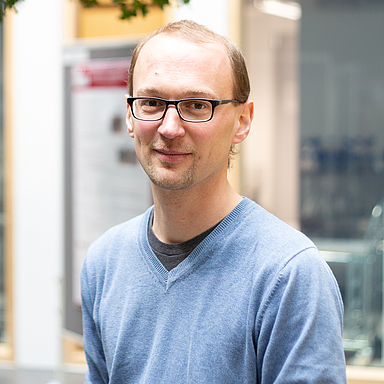
Gianfranco Anfora is a Full Professor at the University of Trento, affiliated with both the Department of Civil, Environmental and Mechanical Engineering and the Center Agriculture Food Environment (C3A), where he serves as Deputy Dean. His research focuses on agricultural entomology, biological control, and sustainable pest management. Key expertise areas include integrated pest control, semiochemicals, and viticulture-related challenges. Anfora teaches courses on biopesticides, vine protection, and eco-sustainable management of invasive species. His research emphasizes vibrational communication in pests like Halyomorpha halys and Drosophila suzukii, exploring non-chemical control strategies such as sterile insect techniques and biological control agents. Collaborative projects include classical biological control programs targeting invasive species in vineyards and果园. Anfora’s work often bridges ecology and applied pest management, addressing climate and landscape impacts on agricultural practices. Recent studies highlight innovations in vibrational mating disruption, substrate-borne signaling, and radiation effects on pest behavior. His contributions aim to balance productivity, environmental sustainability, and regulatory compliance within agri-food systems. No scientific awards are explicitly mentioned, but his extensive publication record reflects significant contributions to entomological and agricultural research.
Scott E. Miller is Senior Biodiversity Advisor, Senior Research Entomologist, and Curator of Lepidoptera at the Smithsonian's National Museum of Natural History. He has held numerous leadership positions including Deputy Under Secretary for Collections and Interdisciplinary Support, Deputy Under Secretary for Science, Associate Director for Science at the Smithsonian's National Zoological Park, and Interim Director of Smithsonian Libraries and Archives. Prior to the Smithsonian, he held leadership roles at the International Centre of Insect Physiology and Ecology in Nairobi, Kenya, and the Bishop Museum in Honolulu, Hawaii. Miller earned his BS from the University of California at Santa Barbara and his PhD from Harvard University. His academic journey has been marked by significant contributions to entomology and biodiversity research. Dr. Miller's research focuses on the integration of systematics, ecology, biogeography and conservation of insects and plants. His current work uses museum-based taxonomy and systematics to mobilize biodiversity information to empower ecology, conservation, and agriculture. Major research themes include moth systematics, biogeography and phylogenomics (particularly Dalceridae, Geometridae, and other families), insect food web and ecology projects in Papua New Guinea, Kenya and elsewhere, and building DNA reference libraries from museum vouchers for ecological applications. He has been instrumental in developing DNA-based identification tools through initiatives like the Consortium for the Barcode of Life. His recent publications demonstrate a strong focus on biodiversity informatics, DNA barcoding, and the application of museum collections to contemporary ecological questions. Miller's work spans tropical ecology, systematics, and the development of new methodologies for biodiversity assessment, with significant fieldwork conducted in Papua New Guinea, Kenya, and other biodiversity hotspots. Dr. Miller has contributed significantly to scientific infrastructure development, including co-chairing the US Government's Interagency Working Group on Scientific Collections and helping establish the Consortium for the Barcode of Life. His leadership extends to international scientific collaboration and the development of research centers like Mpala Research Centre in Kenya. As Senior Biodiversity Advisor, he oversees major initiatives that connect museum collections with contemporary biodiversity challenges. His laboratory and team focus on leveraging the extensive moth collections at NMNH for phylogenomic studies and ecological applications, working closely with international collaborators on projects spanning multiple continents.
Prof. Dr. Florian Jeltsch leads the Plant Ecology and Nature Conservation research group at the Institute of Biology and Biochemistry, University of Potsdam. His work spans multiple ecological domains with a focus on understanding biodiversity patterns and processes in changing environments. His research group investigates community ecology across various landscapes including grasslands, agricultural systems, and drylands. Dr. Jeltsch's research interests encompass Community Ecology of Grasslands and Agricultural Landscapes, Community Ecology of Drylands, Biodiversity in Heterogeneous Environments, Movement Ecology and Biodiversity Dynamics, and Applied Regional Conservation. His work integrates theoretical and empirical approaches to address pressing ecological questions related to global change. He has been instrumental in developing and applying individual-based models to understand complex ecological systems. Analysis of Dr. Jeltsch's recent publications reveals a strong focus on individual-based ecological modeling, movement ecology, and the impacts of landscape heterogeneity on biodiversity. His work spans from theoretical foundations to practical conservation applications, with particular emphasis on savanna ecosystems, habitat fragmentation effects, and climate change impacts. The research demonstrates integration of multiple scales from individual energetics to community dynamics. Dr. Jeltsch has mentored numerous doctoral students and postdoctoral researchers who have gone on to establish their own research careers. His group has been involved in multiple collaborative projects including BioHet, GrassYear, BioMove, and ORYCS, addressing biodiversity conservation in heterogeneous environments. The Plant Ecology and Nature Conservation group maintains active research stations including the Gülpe Research Station, providing field-based research opportunities. The group's work bridges theoretical ecology with practical conservation applications, particularly in the context of global environmental change.
Alexandre Poulain is a Full Professor in the Department of Biology at the University of Ottawa and Vice Dean for Research and Infrastructure in the Faculty of Science. His multidisciplinary research bridges biogeochemistry, microbial physiology, and environmental toxicology. Education: B.Sc. (Angers, France), M.Sc. (INRS, Canada), Ph.D. (Université de Montréal, Canada), Postdoc (MIT, USA) Research Interests: Mercury cycling in Arctic and temperate ecosystems, microbial metal transformations, biosensor development for contaminants, redox reaction dynamics, bioremediation using environmental microbes, and mercury-organic matter interactions. His lab (2017-2025) has produced 15 recent publications on mercury biogeochemistry in oil sands, rice paddies, and Arctic lakes, alongside arsenic speciation studies and pesticide impacts on pollinators. Current students explore archaeal mercury regulators, acidothermophilic biosensors, and microbial remediation. Scientific contributions include: NSERC Postdoctoral Fellowship (2007-2009) Co-PI on Microbright, a startup commercializing microbial water treatment Developed portable arsenic biosensor tested in Cambodia Co-edited mercury-climate synthesis in Nature Communications
Prof. Ingo Grass is a Full Professor at the University of Hohenheim, heading the Department of Ecology of Tropical Agricultural Systems (490f) and serving as Deputy Head of the Department of Crop Production in the Tropics and Subtropics (490e). He is Director of the Hans Ruthenberg Institute for Tropical Agricultural Sciences and an Equal Opportunities Officer within the Faculty of Agricultural Sciences. His research focuses on agroecology, tropical agricultural systems, and biodiversity conservation in human-modified landscapes. Education: PhD in Biology from Philipps-Universität Marburg (2014). PostDoc at University of Göttingen (2014-2019) before moving to Hohenheim. Research Interests: Agroecosystem biodiversity, pollination ecology, land-use impacts on ecosystems, and sustainable farming practices. His work emphasizes reconciling productivity with biodiversity preservation, with a focus on tropical regions and temperate grasslands. Articles Trends: Recent work explores pesticide impacts on non-target insects, agroecological strategies to enhance pollination and biocontrol, and biodiversity benefits of diversified crops. He frequently collaborates on global studies involving tropical landscapes and urban agriculture dynamics. Awards: Maria Sibylla Merian Award (2013), Teaching Excellence Awards (2016 & 2018). Labs/Teams: Leads interdisciplinary teams in tropical agroecology, collaborating with institutes in Indonesia, Madagascar, and South Africa.
Charles C. Davis is a Professor of Organismic and Evolutionary Biology at Harvard University and Curator of Vascular Plants in the Harvard University Herbaria. He leads the Davis Lab, focusing on plant diversity through integrative research in systematics, paleobiology, ecology, and molecular biology. His work emphasizes phylogenetic theory, biogeography, and the application of herbarium collections to address global change challenges. Davis is particularly noted for leveraging herbarium specimens to study plant responses to climate change, phenology, and biodiversity patterns. Research interests include plant-insect interactions, genome architecture evolution in parasitic plants, and the ethical use of herbarium specimens. His lab has pioneered high-throughput phylogenomic pipelines (e.g., PhyloHerb) and explored the future of herbaria in the digital age. Collaborations span global institutions, emphasizing digitization, spectral imaging, and AI-driven analysis of biodiversity data. Recent work highlights the impact of anthropogenic change on plant communities, the role of phenology in species survival, and strategies to mitigate collecting biases in herbaria. Davis teaches courses on plant systematics and evolution, and his lab actively participates in public engagement through exhibits like the HMNH’s *In Search of Thoreau’s Flowers*. His research has been featured in *Trends in Ecology & Evolution*, *Molecular Phylogenetics and Evolution*, and *Current Biology*, with a focus on advancing methodologies for biodiversity science while addressing ethical challenges in specimen sampling.
Lina Bernaola is an Assistant Professor in the Department of Entomology at Texas A&M University AgriLife Research. She holds a Ph.D. in Entomology and an M.S. in Agronomy from Louisiana State University, alongside a B.S. in Biology from Universidad Nacional Mayor de San Marcos (Peru). Her research focuses on plant-insect interactions, particularly rice pests, and explores the role of arbuscular mycorrhizal fungi (AMF) in enhancing plant defense systems. She develops sustainable pest management strategies integrating agronomy, biochemistry, and ecology. Her expertise spans Host Plant Resistance, Plant-Microbe-Insect Interactions, and Integrated Pest Management. Recent work includes studies on rice delphacid control, biocontrol mechanisms, and the ecological impacts of mycorrhizal symbiosis. She is recognized for her leadership, becoming the first Latina president of the Entomological Society of America (ESA). Education: B.S. Biology, Universidad Nacional Mayor de San Marcos M.S. Agronomy, Louisiana State University Ph.D. Entomology, Louisiana State University Awards/Honors: Incoming President, Entomological Society of America (2023). Her research bridges fundamental and applied entomology, aiming to improve crop resilience through multidisciplinary approaches. Collaborations emphasize translational science for practical agricultural solutions.
Vera D'Urso is an Associate Professor of Zoology at the Department of Biological, Geological and Environmental Sciences, University of Catania, where she has been employed since 1994. Her academic career began with a CNR scholarship from 1977-1980, followed by work as a Confirmed Researcher at the Faculty of Natural and Mathematical Sciences, University of Catania from 1980-1994. She has received DAAD scholarships for research at the University of Marburg in Germany in 1984 and 1987. Dr. D'Urso earned her Degree in Biological Sciences from the University of Catania with a grade of 110 cum laude. She furthered her expertise with postgraduate courses in "Quantitative Methods in Ecology" at the International Center of Theoric Physics in Miramare, Trieste in 1980. Dr. D'Urso is a leading expert in several entomological fields, with primary research interests in: Insecta Homoptera Auchenorrhyncha (leafhoppers and related insects) Insecta Diptera Phlebotominae (sand flies) Systematics and biodiversity of Mediterranean insects Insect vectors of phytoplasmas affecting economically important plants Alien species and their ecological impact Tardigrades and their taxonomy Her extensive publication record spanning over 95 scientific papers demonstrates her expertise in insect systematics, morphology, and ecology. Recent research has focused on Mediterranean biodiversity, particularly examining alien species like Balclutha brevis and their impact on local ecosystems. She has also made significant contributions to understanding phytoplasma transmission in grapevines, sandfly vectors of leishmaniasis in Sicily, and tardigrade taxonomy in extreme environments including Antarctica. Dr. D'Urso has served on numerous scientific committees including the editorial board of Biodiversity Journal, and has been a referee for multiple prestigious journals. She has participated in research projects including "Morphology, Systematics, Biology and Biogeography of Rhynchota Insects" (1994-99) and studies on sandflies in areas with high canine leishmaniasis endemicity (2004-06). Her academic service includes membership on doctoral committees at the University of Catania, participation in national evaluation committees for associate professor positions in Zoology, and serving on the Department Board of the Department of Biological, Geological and Environmental Sciences (2018-2020). She has also conducted numerous entomological collection missions in Italy and abroad including Greece, Bulgaria, Macedonia, former Yugoslavia, Germany, Tunisia, Libya, and Malta.
Xuguo (Joe) Zhou is a Professor of Entomology at the University of Illinois at Urbana-Champaign, holding the Kearns, Metcalf and Flint Endowed Chair. He is affiliated with the Carl R. Woese Institute for Genomic Biology and the College of Liberal Arts & Sciences. His research focuses on Behavior, physiology, and genomics of social insects Chemical communication in insect systems Insect-plant interactions Recent publications highlight his work in RNA interference mechanisms in beetles, CRISPR gene editing applications in insect pigmentation, and studies on herbicide degradation pathways. These contributions span molecular entomology, agricultural biotechnology, and environmental microbiology. Zhou's work integrates genomic approaches with ecological and physiological studies, particularly evident in his studies on gene function analysis in pest species and development of RNA-based biopesticide strategies. He is based in Morrill Hall, Urbana, Illinois, and can be contacted at xgzhou@illinois.edu.
Professor Jill Edmondson serves as a Professor of Ecosystem Sustainability and NERC Knowledge Exchange Fellow at the School of Biosciences, University of Sheffield, where she has been a Senior Lecturer since 2021. Her research focuses on enhancing ecosystem sustainability and resilience in urban and agricultural contexts through interdisciplinary approaches bridging soil science, plant ecology, and social dimensions. Her core research pillars include: Urban Horticulture , where she leads the national MYHarvest citizen science project quantifying home-grown food production while assessing ecosystem co-benefits and soil pollutant risks; Soil Carbon Dynamics , specializing in black carbon's role in urban soil carbon sequestration; and Urban Forest Ecology , investigating how pollution and infrastructure encasement impact tree health and ecosystem services like heat mitigation. Her work consistently integrates field studies with policy-relevant applications for city planning. Analysis of her 2020-2025 publications reveals intensifying focus on climate adaptation, with dominant themes including urban food security quantification, soil contaminant bioavailability, green infrastructure performance, and urban tree resilience. Methodologically, she pioneers citizen science integration and interdisciplinary field measurements, yielding actionable insights for urban sustainability policy. Her major recognitions include: NERC Knowledge Exchange Fellow (2022-present) EPSRC Living with Environmental Change Fellow (2016-2021) Professor Edmondson supervises undergraduate literature reviews and research projects across multiple programs (MBiolSci, MEnvSci, MSc, MRes), mentoring the next generation of sustainability scientists. Her grant portfolio features competitive fellowships supporting urban ecosystem research with direct policy applications through partnerships with local governments and environmental NGOs. She directs the MYHarvest citizen science initiative and collaborates extensively with the University of Sheffield's Institute for Sustainable Food, leading a multidisciplinary team spanning soil science, ecology, and engineering to develop evidence-based strategies for resilient urban ecosystems.
Jennifer Williams is a Professor in the Department of Geography at the University of British Columbia (UBC), located on the traditional, ancestral, and unceded territory of the Musqueam People. She holds a PhD from the University of Montana (2008) and a BA from the University of California, Berkeley. Her primary research focuses on understanding how interacting ecological and evolutionary processes influence species distributions and abundances, particularly in the context of global environmental changes like climate change, habitat fragmentation, and biological invasions. Her work integrates field experiments, observational studies, and mathematical modeling to address conservation challenges. Her current research themes include eco-evolutionary dynamics of range expansion, species interactions in Garry oak savannas, plant life history responses to climate change, and invasive species management. She received the prestigious Killam Research Fellowship in 2020, recognizing her contributions to biodiversity and climate science. Williams teaches courses in geography and ecology, and her lab actively collaborates with the Biodiversity Research Centre. Her recent work emphasizes forecasting species' responses to climate change and developing strategies for ecosystem resilience.
Mark S. Hoddle is a Professor of Entomology and Biological Control Specialist at the University of California, Riverside (UCR), where he has headed research in his laboratory since 1997. He serves as the Director of the Center for Invasive Species Research and is a Principal Investigator focusing on biological control of invasive pests. His work bridges academic research with practical applications for California agriculture. Education: D.Sc. Zoology (2018), University of Auckland, New Zealand Ph.D. Entomology (1996), University of Massachusetts, Amherst M.S. Zoology (1991), University of Auckland, New Zealand B.S. Zoology (1988), University of Auckland, New Zealand Dr. Hoddle specializes in biological control, the intentional use of host-specific natural enemies to suppress pest populations. His research focuses on identifying pest problems amenable to biological control, locating and releasing natural enemies, and evaluating their impact on pest population growth. He works extensively with invasive species affecting California agriculture, particularly pests of citrus, avocado, palm trees, and other crops. His approach combines field evaluations with laboratory studies of pest and natural enemy biology and behavior. Analysis of Dr. Hoddle's recent publications reveals a strong focus on invasive species threatening California agriculture, particularly the Asian citrus psyllid, red palm weevil, and brown marmorated stink bug. His research integrates field and laboratory approaches, with emphasis on phenology modeling, natural enemy evaluation, and innovative control methods. Much of his work addresses the economic and ecological impacts of invasive pests on specialty crops. Scientific Awards: Entomological Society of America, Pacific Branch Entomology Team Leader Award (2023) UC-ANR Distinguished Service Award for Outstanding Research (2022) Fellow, Entomological Society of America (2018) California Department of Pesticide Regulations IPM Achievement Award for Asian Citrus Psyllid Biocontrol (2018) IOBC Distinguished Scientist of the Year (2015) Multiple awards from the Entomological Society of America (2007, 2012, 2013, 2014) Dr. Hoddle has mentored numerous students and researchers throughout his career, including postdoctoral scholars and specialists who contribute to his laboratory's work on invasive species. His research has been supported by various granting agencies, private institutions, and commodity boards, enabling extensive international projects focused on identifying and implementing biological control solutions for invasive pests. He has facilitated the Harry Scott Smith Scholarship Fund to support graduate students in biological control. Dr. Hoddle directs the Center for Invasive Species Research at UCR and leads a productive laboratory team that includes postdoctoral scholars, specialists, and students. The lab conducts research on multiple invasive species threatening California agriculture and natural ecosystems, with particular emphasis on citrus, avocado, and palm tree pests. Current projects include proactive biological control of the spotted lanternfly and research on invasive palm weevils, avocado pests, and other emerging threats.
Ueli Grossniklaus is an Ordinary Professor at the University of Zurich within the Faculty of Mathematical and Natural Sciences , affiliated with the Department of Plant and Microbiology . His work focuses on plant developmental biology, particularly epigenetic and genetic mechanisms governing reproduction and adaptation. Key Courses: Epigenetics, Plant Biology Workshop, Group Seminars on Current Research Laboratory Techniques: Advanced methods in plant cell mechanics, transcriptomics, and genome editing Research Interests span plant epigenetics, reproductive biology, and the interplay between environmental stress and genetic regulation. He investigates: Mechanistic control of gametogenesis and fertilization Epigenetic contributions to plant adaptation Evolutionary implications of asexual reproduction Biophysical forces in plant cell growth Publication Trends (2025–2018) reveal expertise in: Arabidopsis and fern model systems Epigenetic regulation (DNA methylation, histone dynamics) Apomixis and hybrid seed failure mechanisms Biomechanics of pollen tubes and carnivorous plants Genome editing tools (CRISPR) and long-read sequencing Scientific Collaborations include interdisciplinary projects on: Microfluidic devices for plant cell analysis Gene drive ecology and ethics 3D imaging of plant reproductive structures Advising and Grants focus on mentoring through research internships in developmental biology, genetics, and systems biology. His lab engages in: Epigenetic response to environmental stress Cell wall mechanics in reproduction Computational modeling of plant growth Laboratory Teams integrate plant biologists, bioengineers, and computational scientists to study: Mechanistic gene regulation Evolutionary developmental biology Microrobotics for cellular force measurement
Professor Tariq Butt of Swansea University's Faculty of Science and Engineering leads the Biocontrol and Natural Products (BANP) group , focusing on entomopathogenic fungi and natural product-based biopesticides for managing pests impacting food security , human health , and agriculture . He co-directs the Natural Products BioHub and Health Technology Solutions Research Institute . His cross-disciplinary research includes collaborations with Dr Joel Loveridge (Chemistry) for chemical ecology, Professor Chedly Tizoui (Engineering) for plant-based molluscicides, and Professor Dan Eastwood (Biosciences) for fungal biocontrol. Externally, he works with experts in Greece, Brazil, Turkey, Saudi Arabia , and companies like Certis Belchim and Lallemand . Recent publications highlight his work on fungal volatile organic compounds for pest control, mosquito repellents , and microbial consortia to reduce chemical dependencies. He has supervised over 35 PhD/MSc students and contributed to 174+ peer-reviewed articles and 14 book chapters .
Martin Kaltenpoth serves as Director at the Max Planck Institute for Chemical Ecology in Jena since 2020 and Professor for Evolutionary Ecology at Johannes Gutenberg University of Mainz since 2015. Previously, he led the Research Group Insect Symbiosis at the MPI for Chemical Ecology from 2009 to 2015. Education: PhD in Biology (summa cum laude), University of Würzburg, 2006 Diploma in Biology (with honors), University of Würzburg, 2003 His research centers on insect-bacterial symbioses , investigating evolutionary, ecological, and chemical dimensions of host-microbe interactions. Key foci include nutritional and defensive symbiosis in beetles, genomic adaptations of symbiotic bacteria, and chemical mediation of symbiotic relationships. His work bridges entomology, microbiology, and chemical ecology to unravel coevolutionary mechanisms. Analysis of recent publications reveals dominant trends in beetle-microbe systems, emphasizing symbiont roles in cuticle synthesis, antifungal defense, and host-plant adaptation. His studies frequently employ genomic, biochemical, and experimental approaches across diverse insect lineages. No scientific awards were documented in the source material. While specific advisees and grants remain unlisted, his leadership of research groups and dual academic appointments indicate active supervision of graduate researchers and externally funded projects in symbiosis evolution. Currently directing research at the Max Planck Institute, Kaltenpoth advances understanding of symbiotic systems with implications for evolutionary theory and sustainable pest management strategies.