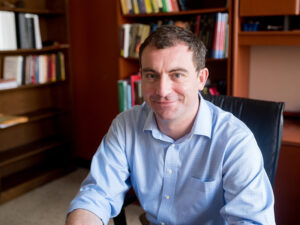
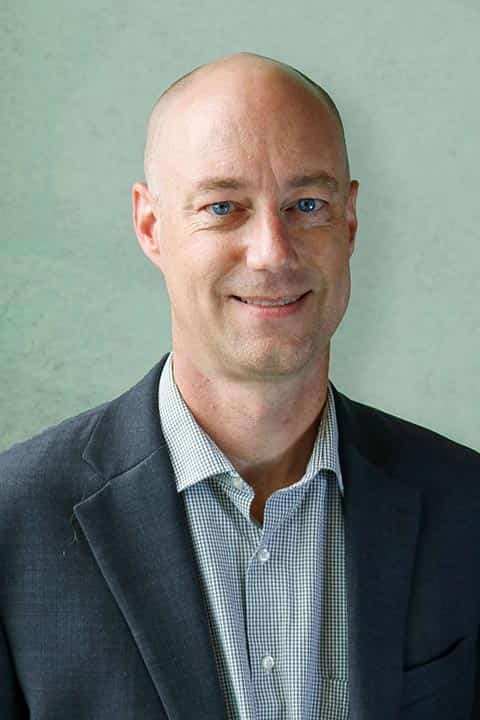
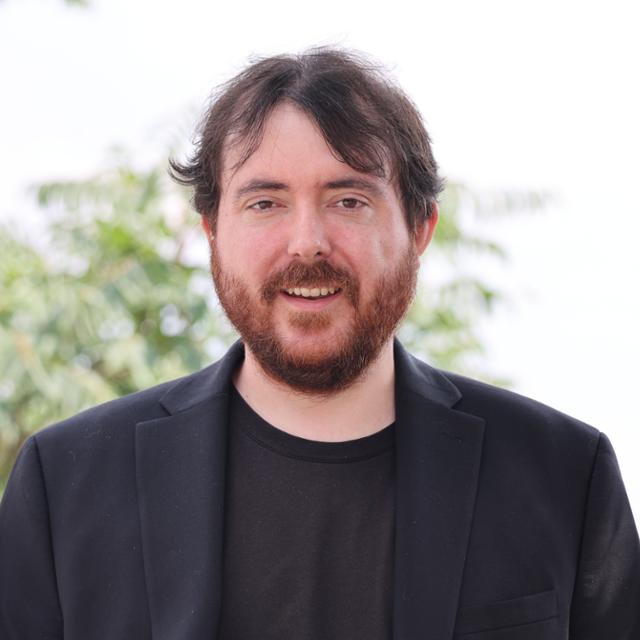
Michael Baldea is an Associate Professor in the Department of Chemical Engineering at the University of Texas at Austin . He holds a Ph.D. in Chemical Engineering from the University of Minnesota (2006), with prior degrees from 'Babeş-Bolyai' University in Romania (M.Sc. 2001, Diploma 2000). His research group develops theoretical and computational methods for Process and Energy Systems Engineering , focusing on integrated decision-making, performance optimization, and process intensification with industrial validation. Education: Ph.D., Chemical Engineering, University of Minnesota (2006) M.Sc., Interface Process Engineering, 'Babeş-Bolyai' University (2001) Diploma, Chemical Engineering, 'Babeş-Bolyai' University (2000) Research Thrusts: Integrated decision-making in chemical/energy supply chains Process performance monitoring and optimization Process integration and intensification Key applications include grid-responsive chemical plants, intensified distillation/column designs, and renewable energy integration for building systems. Scientific Awards: Frank A. Liddell, Jr. Fellowship NSF CAREER Award (2015-2020) Moncrief Grand Challenges Faculty Award (2014) AIChE Outstanding Young Researcher Award (2017) Implementation : His group has translated research into commercial tools through partnerships with industrial test beds and is working to integrate methods into commercial simulators. They explore predictive approaches for building energy management and strategic capital investment analysis in next-generation energy systems.
Gary Rochelle is the Carol and Henry Groppe Professor in Chemical Engineering and a faculty member at the University of Texas at Austin . His research focuses on developing fundamental insights into kinetic and mass transfer phenomena in aqueous technologies for air pollution control and acid gas treating, particularly for carbon dioxide and mercury removal. Education: Ph.D. in Chemical Engineering from UC Berkeley (1977), M.S./B.S. from MIT (1971) His work addresses critical challenges in CO2 capture using amine scrubbing, including process design optimization, solvent degradation mitigation, and pilot plant validation. Recent studies emphasize energy efficiency, oxidation inhibition, and environmental impacts such as amine aerosol emissions. The Texas Carbon Management Program , which he contributes to, aims to improve amine scrubbing technologies for retrofitting power plants and enabling geological sequestration or enhanced oil recovery. His group has validated concentrated aqueous piperazine (PZ) with an advanced flash stripper as the most efficient open-literature system.
Philip Loldrup Fosbøl is an Associate Professor in the Department of Chemical and Biochemical Engineering at the Technical University of Denmark (DTU), College of Engineering. He is actively affiliated with CERE – Center for Energy Resources Engineering, where he conducts research on CO 2 capture, storage, transport, and utilization. His work integrates thermodynamic modeling, process simulation, and pilot-scale experimentation to address challenges in carbon management and sustainable energy systems. His research interests include: Carbon Dioxide Capture and Storage (CCS) Thermodynamics and Phase Equilibrium of Electrolyte Solutions Process Design, Simulation, and Optimization CO 2 Corrosion in Energy Systems Biogas Upgrading and Cleaning CO 2 Utilization and Conversion Development of Predictive Thermodynamic Models Mobile and Large-Scale Pilot Facilities for CO 2 Capture His recent publications (2025) highlight a strong focus on biogas upgrading, solvent degradation in industrial CO 2 capture, thermophysical property measurements, and novel electrochemical separation methods. These works reflect a consistent trend toward energy-efficient, scalable, and industrially applicable solutions for decarbonization, particularly in flue gas and biogas treatment. Scientific awards received: Top PhD Thesis of the Year (2008) He actively supervises multiple PhD students and leads research projects funded by industrial partners such as Ørsted, Shell, Equinor, and Novozymes, as well as EU initiatives including CASTOR, iCap, and OCTAVIUS. His work contributes to UN Sustainable Development Goals related to climate action and affordable, clean energy. He is involved in laboratory research on thermodynamic equilibrium (VLE, SLE), heat capacity, corrosion mechanisms, and core flooding for CO 2 storage. His team develops experimental methods and operates pilot facilities for CO 2 capture and biogas cleaning, often in collaboration with key researchers like Kaj Thomsen, Nicolas von Solms, and Georgios Kontogeorgis.
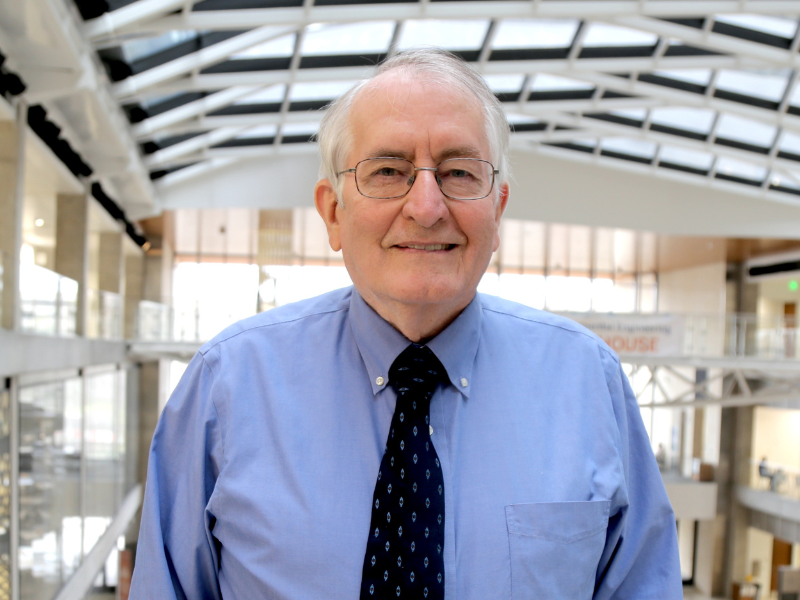
Gary T. Rochelle is a Professor holding the Carol & Henry Groppe Professorship in the McKetta Department of Chemical Engineering at The University of Texas at Austin, where he leads fundamental research in air pollution control and carbon management technologies. Education: Ph.D. in Chemical Engineering, University of California, Berkeley (1977) M.S. and B.S. in Chemical Engineering, Massachusetts Institute of Technology (1971) His research focuses on thermodynamic and kinetic phenomena in aqueous systems for CO2 capture, acid gas treating, and flue gas desulfurization. He pioneers mass transfer modeling with chemical reaction, electrolyte thermodynamics, and innovative solvent development like piperazine-based systems. Recent work emphasizes pilot-scale validation of carbon capture processes and mitigation of solvent degradation. Publication trends reveal evolving expertise from fundamental acid gas thermodynamics (1990s) toward integrated carbon management solutions, with current emphasis on process optimization, nitrosamine mitigation, and aerosol control in amine scrubbing systems. Scientific Awards: Carol & Henry Groppe Professorship in Chemical Engineering Professor Rochelle directs the Texas Carbon Management Program, advising four graduate students and two visiting researchers with funding from Department of Energy contracts (e.g., DE-AF26-99FT01029) and industry partnerships. His DOE-sponsored research established concentrated piperazine with advanced flash stripping as the benchmark amine scrubbing system. The group operates a pilot-scale CO2 capture facility at Pickle Research Campus and collaborates internationally through events like GHGT-16 and the Carbon Management Research Review, focusing on scaling carbon capture technologies for power plant retrofits.
Professor Shanlin Fu is a distinguished academic at the University of Technology Sydney (UTS), holding the position of Professor in the School of Mathematical and Physical Sciences and affiliated with the Centre for Forensic Science. He serves as the Program Director for the Bachelor of Forensic Science program and is a Research Integrity Adviser for the Faculty of Science. With over $10 million in competitive research funding from ARC, NHMRC, and other national and international schemes since 2008, Professor Fu leads the Drugs and Toxicology Group, focusing on developing sensitive methods for clinical diagnosis, therapeutic drug monitoring, and drugs of abuse testing. Professor, UTS School of Mathematical and Physical Sciences (2019-present) Associate Professor, UTS School of Chemistry and Forensic Science (2015-2019) Senior Lecturer, UTS School of Chemistry and Forensic Science (2008-2014) Professor Fu earned his PhD in Medicinal and Pharmaceutical Chemistry from the University of Sydney (1989-1992), an MSc in Phytochemistry from Peking Union Medical College (1982-1985), and a BSc in Biology from Nanjing Normal University (1978-1982). Prior to his academic career at UTS, he served as a Senior Hospital Scientist at the Northern Sydney Area Health Service (2000-2008) and as a Senior Research Scientist at The Heart Research Institute (1993-2000). Professor Fu's research spans analytical chemistry, forensic chemistry, medical biochemistry, pharmacology, pharmaceutical sciences, forensic toxicology, and clinical toxicology. His work focuses on three main areas: Forensic Chemistry concerning identification of drugs of abuse including new psychoactive substances; Forensic Toxicology focusing on detection of drugs in biological matrices for clinical and medico-legal purposes; and Clinical Toxicology aiming to understand mechanisms of substance abuse harms. His research has strong real-world applications, with his patented 'Cathinone Test' already commercialized for law enforcement and potential healthcare settings. Analysis of Professor Fu's recent publications reveals a strong emphasis on developing innovative analytical methods for drug detection, particularly for new psychoactive substances. His work increasingly incorporates multi-omics approaches (metabolomics, lipidomics, proteomics) and machine learning techniques to enhance detection capabilities. There's a clear trend toward translating laboratory research into practical field applications, with numerous color spot tests and portable detection methods being developed for law enforcement use. His research also shows expanding applications in equine doping control and postmortem analysis. Vice-Chancellor's Medal for Research Excellence through Collaboration or Partnership (2023) UTS Teaching and Learning Award for Team Teaching (2022) MAPS Research Translation Award (2022) As a member of the HDR Panel since 2022, Professor Fu actively supervises Masters Research and PhD students in forensic science. His extensive grant portfolio includes leadership of the ARC Research Hub for Integrated Device for End-user Analysis at Low-levels and the Australian Centre for cannabinoid clinical and research excellence (ACRE). He has established key collaborations with Australian Federal Police, NSW Forensic and Analytical Science Service, Racing NSW, and international institutions including University of Copenhagen and University of Dundee. His research impact extends beyond academia through commercialization of detection technologies that improve efficiency and accuracy of illicit drug detection. Professor Fu heads the Drugs and Toxicology Group at the Centre for Forensic Science, which maintains strong industry partnerships with forensic laboratories and law enforcement agencies. His group is currently developing a multiplexer device that can simultaneously detect multiple new psychoactive substances including cathinones, NBOMEs, piperazines, and fentanyl analogues. The group's work bridges fundamental research with practical applications, with several technologies moving from the laboratory to real-world implementation in forensic and healthcare settings.
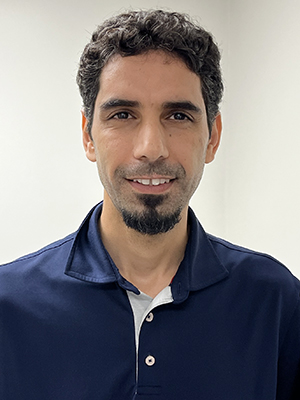
Younis Abiedalla serves as an Assistant Research Professor in the Department of Drug Discovery and Development at Auburn University's Harrison School of Pharmacy, where he conducts cutting-edge research in forensic drug chemistry and analytical methodologies for novel psychoactive substances. Education: B.S. in Pharmaceutical Sciences from Omar Al-Mukhtar University (Libya), 2007 M.S. in Pharmaceutical Sciences from Auburn University, 2012 Ph.D. in Pharmaceutical Sciences (Medicinal Chemistry) from Auburn University, 2018 Dr. Abiedalla's research program focuses on separation science and forensic drug chemistry, with particular expertise in analyzing regioisomeric compounds in synthetic novel psychoactive substances (NPS). His laboratory employs advanced hyphenated chromatographic techniques including Gas Chromatography-Mass Spectrometry (GC-MS), Gas Chromatography-Infrared Spectroscopy (GC-IR), and High-Resolution Mass Spectrometry (HRMS) to differentiate between closely related drug compounds that pose challenges for forensic identification. His publication record demonstrates a consistent research trajectory focused on forensic analysis of designer drugs, particularly synthetic cannabinoids and cathinone derivatives. Recent work has expanded into electron ionization fragmentation studies of various substituted compounds, with publications spanning from 2012 through the present, including a 2025 publication currently in press. Dr. Abiedalla collaborates extensively with researchers including Jack DeRuiter and C. Randall Clark, and his work contributes significantly to the forensic science community's ability to identify and characterize emerging designer drugs that present public health challenges.
Marvin Meyers is a Professor of Chemistry and holds the Kranz Professorship for Excellence in Research at the School of Science and Engineering, Saint Louis University. He leads the Meyers Lab, focused on discovering novel drug candidates for neglected and infectious diseases, particularly antifungals and antiparasitics. His research integrates synthetic organic chemistry, medicinal chemistry, and structure-based drug design to optimize drug candidates' potency, pharmacokinetics, and safety. Educated at Dordt College (B.A., 1996) and the University of Illinois at Urbana-Champaign (Ph.D., 2000), Meyers teaches courses including CHEM 3100, CHEM 3970, and CHEM 4470/5470. His lab emphasizes undergraduate and graduate training in organic synthesis and drug discovery, with students contributing to publications and potential patent applications. Key research interests include drug repurposing (e.g., antifungal phenothiazines), antimalarial agents, and treatments for Cryptosporidium and hepatitis B virus. Collaborations with biologists and computational chemists drive discoveries in molecular pathways and drug targets. The lab's recent work includes antifungal mefloquine analogs (2024), fluorinated triazolopyridazines (2023), and HBV ribonuclease H inhibitors (2021). Meyers' lab is located in Monsanto Hall, and further details are available via www.meyerschemlab.com .
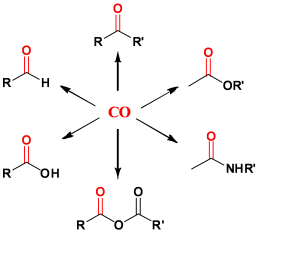
Mathieu Sauthier is a Professor at the University of Lille, affiliated with the National School of Chemistry of Lille and the Unit of Catalysis and Solid State Chemistry (UCCS). His research focuses on homogeneous catalysis for organic synthesis, emphasizing atom efficiency, greener chemistry, and polyol valorization. He specializes in carbon monoxide and 1,3-butadiene chemistry, including carbonylative Suzuki couplings, hydroformylation, alkoxycarbonylation, and domino reactions under one-pot conditions. His work targets catalyst improvements for activity (TOF), selectivity, and lifetime (TON) while minimizing synthetic steps. 2011–Present: Professor, University of Lille 2002–2011: Assistant Professor, University of Lille 2001–2002: Postdoctoral Researcher, University of Amsterdam 1998–2001: Ph.D. in Homogeneous Catalysis, University of Rennes 1997–1998: Master’s in Porphyrin Synthesis, University of Burgundy His research portfolio includes innovative approaches to domino carbonylative reactions for constructing complex molecules, selective 1,3-butadiene etherification, and nickel-catalyzed hydroalkoxylation for agro-based polyol valorization. He has contributed to nonconventional reaction media in catalysis, such as biphasic aqueous systems and ionic liquids, and has co-authored book chapters on carbohydrate chemistry and C-1 building blocks in organic synthesis. The trends in his publications highlight sustainable methodologies using nickel and palladium catalysts for bioresource conversion (e.g., lignin, sorbitol, glycerol), with a strong emphasis on atom economy and clean reaction conditions. His work spans catalyst design, mechanistic studies, and industrial applications. Professor Sauthier is based at the National School of Chemistry of Lille, Scientific City, Building C7, France. He is part of the UCCS unit, a collaborative research environment associated with CNRS (UMR 8181) and partners like Universiteit van Amsterdam. His laboratory, CASECO (Catalysis and Eco-Compatible Synthesis), drives innovations in greener chemistry.
Jack DeRuiter serves as Alumni Professor at Auburn University 's Harrison College of Pharmacy in the Department of Medicinal Chemistry. His research focuses on structural isomerism in synthetic novel psychoactive substances (NPS) and analytical methods for drug differentiation. Education: B.A. in Chemistry (Hope College, 1976), M.S. and Ph.D. in Medicinal and Pharmaceutical Chemistry (University of Michigan, 1978; Virginia Commonwealth University, 1982) Research interests include: Synthesis and characterization of structural/stereochemical isomers in NPS drugs Development of GC-MS, GC-IR, and chromatographic purification methods Receptor binding profiles and neurotoxicity of synthetic cathinones, cannabinoids, NBOMe analogs, and piperazines Contribution of 1000+ mass spectra to the NIST database Recent publications focus on regioisomer differentiation using advanced analytical techniques. Collaborations with pharmacology colleagues expand into receptor pharmacology and neurotoxicity studies. Funding: Multiple grants from the National Institute of Justice (U.S. Department of Justice) over 15 years. Lab facilities specialize in capillary gas chromatography with vapor-phase infrared detection for drug identification.
Dr. Wei Li is an Associate Professor in the Department of Chemistry & Biochemistry at the University of Toledo , affiliated with the College of Natural Sciences and Mathematics . Their research focuses on advanced organic synthesis and catalytic mechanisms. Research Interests : Dr. Li's work centers on organic chemistry , catalysis , and synthetic methods , particularly exploring photoredox catalysis , nickel catalysis , and hypervalent iodine reactions . Key areas include alkene functionalization , heterocycle synthesis , and C–H bond activation . Publications Trends : Recent articles (2024–2021) highlight breakthroughs in hypervalent iodine catalysis , olefin difunctionalization , and radical ring formation , with applications to pharmaceutical synthesis and materials science. Collaborations span Nature Chemistry , JACS , and Organic Letters .
Kevin Hughes is a Senior Lecturer in the Energy Engineering Group at the Department of Mechanical Engineering, School of Mechanical, Aerospace and Civil Engineering, University of Sheffield. He holds a PhD and first degree in Chemistry from the University of Leicester (1987) and focuses on fuel combustion, fuel cells, and process modelling in carbon capture and storage (CCS) systems. His research combines experimental and theoretical approaches, including planar laser diagnostics, quantum chemistry, and CFD simulations. Education: PhD and BSc in Chemistry from University of Leicester. Research Interests: Fuel combustion, pollutant chemistry, PEM fuel cells, CCS process modelling, catalyst development, and combustion in supercritical CO2. Grant Projects: FP7-ENERGY-2010-2 (RELCOM), Gas-FACTS (EPSRC), EP/J020788/1, EP/M001482/1 (Selective EGR), TEABPP (Energy Technology Institute). Scientific Contributions Publications: Over 50 papers on fuel combustion mechanisms, fuel cell optimization, CCS systems, and alternative fuels. Collaborations: Regular work with M. Pourkashanian, D.B. Ingham, S. Michailos, and M.S. Ismail. Technical Expertise Chemical Kinetics Validation Quantum Chemistry Applications Gas Diffusion Layer Analysis Surrogate Fuel Development Supercritical Combustion
Dr. David Fox is an Associate Professor in the Department of Chemistry at the University of Warwick. His research focuses on synthetic organic and medicinal chemistry, drug discovery and development, asymmetric and catalytic reactions, and synthetic route design for lead molecules. Current projects include medicinal chemistry for enzyme inhibitors, synthetic methodology for heterocycles, and collaborations with RxCelerate Ltd. He teaches undergraduate modules CH222 Speclab, CH271, CH3E9, and CH408. Research Interests: Specializing in small molecule and asymmetric synthesis, with applications in medicinal chemistry/drug discovery and GMP process development. Key areas include drug molecule design, fast synthesis methods, and synthetic route optimization. Publications & Patents: His work spans synthetic methods for autophagy inducers, anti-inflammatory agents, ligands for GPCRs, and molecular imaging of reactive intermediates. Collaborations with IBM Zurich on NC-AFM/STM have enabled structural analysis of otherwise unisolable molecules. Education: BA and DPhil from the University of Oxford, followed by postdoctoral research at Cambridge. Students: Supervises PhD/MSc students Matthew Clayton, Matthew Taylor, and Emma Scott.
Dr. Emmanuel Tope Oluwabusola is a researcher in the Department of Chemistry at the University of Aberdeen, specializing in the discovery and characterization of bioactive natural products from diverse sources such as extreme microbes, marine invertebrates, and plants. His work bridges analytical chemistry, pharmacognosy, and computational methods to advance drug discovery, particularly against human pathogens and cancers. His research focuses on isolation and structural elucidation of natural products , utilizing advanced techniques like LC-MS, NMR spectroscopy, and quantum mechanical modeling to determine molecular structures and stereochemistry. He has particular expertise in marine natural products, metabolomics, and anti-biofilm/anti-quorum sensing agents. His internship at Fundación Medina, Spain, provided industrial exposure to high-throughput screening in drug development. The recent publications highlight a strong trend in marine and fungal natural products , with emphasis on antimicrobial, antiparasitic, and cytotoxic compounds. Computational approaches such as virtual screening and SAR analysis are increasingly integrated into his research, reflecting a multidisciplinary strategy in modern natural product drug discovery. Scientific Expertise and Contributions: Natural Product Isolation from Extreme and Marine Environments Structural Elucidation using LC-MS and NMR Quantum Mechanical Stereochemical Analysis Anti-Quorum Sensing and Anti-Biofilm Research Virtual Screening and In Silico Pharmacology Phytochemical Responses to Environmental Stressors Dr. Oluwabusola actively collaborates with a network of over 70 co-authors, including prominent researchers such as Marcel Jaspars, Rainer Ebel, and Ahlam Haj Hasan. His collaborative work spans international institutions, particularly with Fundación Medina in Spain. Although no formal advising or grant information is provided, his extensive publication record indicates active engagement in funded or institutional research projects. He has not listed any personal lab or team, but his work appears to be embedded within larger research groups focused on marine biodiscovery and natural product chemistry at the University of Aberdeen.
Deana B. Andrić is a Full Professor in the Department of Organic Chemistry at the University of Belgrade's Faculty of Chemistry, having progressed from Assistant Professor (1999-2010) to Associate Professor (2010-2024) before attaining her current position in 2024. She holds administrative roles including former Vice-Dean for Finance (2007-2010), current Chair of the Student Disciplinary Committee (since 2021), and Deputy Chair of the Ethics Committee (since 2023). Her educational background includes: Basic studies in Chemical Sciences, Faculty of Natural Sciences and Mathematics, University of Belgrade (1981-1987) Master's degree in Chemical Sciences, Faculty of Chemistry, University of Belgrade (1987-1991) Doctorate in Chemical Sciences, Faculty of Chemistry, University of Belgrade (1992-1996) Professor Andrić's research centers on Medicinal Chemistry with emphasis on synthesizing and evaluating dopaminergic/serotonergic ligands and computational modeling of ligand-receptor interactions. Her work bridges organic synthesis, neuropharmacology, and drug design, focusing on arylpiperazine derivatives for neurological disorders. She actively teaches courses including Applied Organic Chemistry, Drug Design and Development, and Chemistry for Biology/Environmental Science programs. Analysis of her 15 most recent publications (2014-2024) reveals consistent innovation in neuropharmacological agent development, evolving from receptor binding studies toward multi-target ligands for neurodegenerative diseases. Her research integrates computational modeling with experimental validation, expanding into PET imaging agents, cholinesterase inhibitors, and pharmacokinetic optimization while maintaining core focus on dopamine/serotonin receptor interactions. She has participated in Ministry of Science-funded projects including the 2011 study of structure-activity relationships in biologically active substances. As a long-standing member of the Serbian Chemical Society (since 1989) in both Medicinal and Organic Chemistry sections, she contributes to Serbia's scientific community through research, teaching, and academic leadership.
Thomas Montgomery serves as an Assistant Professor in the Department of Chemistry and Biochemistry within Duquesne University's School of Science and Engineering. His academic journey began with a B.A. in Chemistry and Biology from St. Mary's College of Maryland, followed by Ph.D. and M.S. degrees in Organic Chemistry from the University of Chicago where he worked under Professor Viresh Rawal. After completing postdoctoral research at the University of Pennsylvania with Professor Amos B. Smith III focusing on organo-lithium chemistry, he joined Duquesne University in summer 2018. His research spans interdisciplinary domains including synthetic organic chemistry, natural product total synthesis, photophysical materials development, and computational analysis. The Montgomery lab integrates experimental laboratory work with computational methods using DFT on computing clusters, particularly focusing on N-oxide chemistry for nitrogen heterocycle synthesis and photophysical material design. Recent publication trends reveal a strong emphasis on [3+2] cycloadditions using tertiary amine N-oxides, aza-BODIPY synthesis, and computational elucidation of reaction mechanisms. Montgomery has secured significant research funding including NIH grant 1R15GM148917-01 for N-oxide applications in heterocycle synthesis and NSF grant CHE-2244151 for integrating chemical theory with computation and experiments. His educational scholarship examines pandemic-era adaptations in science education, particularly through Universal Design for Learning frameworks. Application of N-Oxides for the Synthesis of Nitrogen Heterocycles (NIH 1R15GM148917-01) Integration of Chemical Theory, Computation and Experiments at Duquesne University (NSF CHE-2244151) The Montgomery lab operates as an interdisciplinary research environment where students engage in both synthetic chemistry projects and computational modeling. Current work focuses on developing novel synthetic methodologies using persistent anions and hydrogen bonding scaffolds, with particular attention to photophysical materials and complex natural product synthesis pathways.