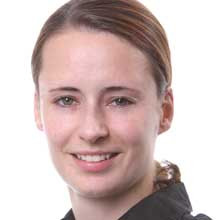
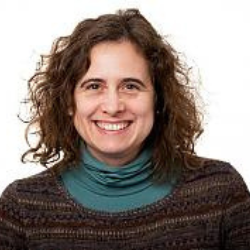
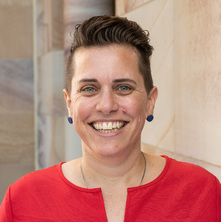
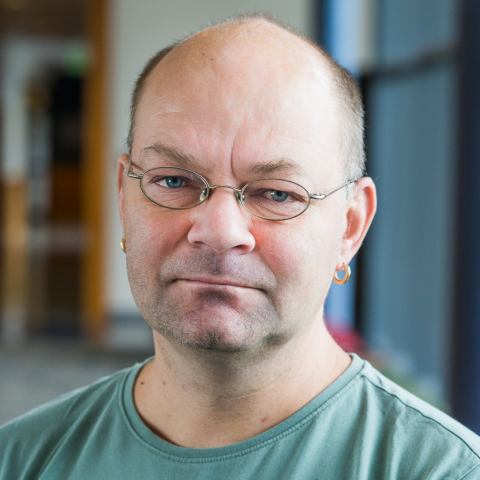
Tanja Blascheck is a PostDoc Researcher and Margarete von Wrangell Fellow at the Institute for Visualization and Interactive Systems (VIS) at the University of Stuttgart. Her work focuses on visual analytics , eye tracking , and microvisualizations for smartwatches and other wearable devices.
Dr. Julia Mierau is a researcher at the Institute of Movement and Neuroscience, German Sport University Cologne. She is actively involved in projects related to digitalization in sports teacher education, cognitive performance, and exercise neuroscience. Her work bridges pedagogy and neuroscience, with a strong focus on EEG, motor performance, and digital learning tools. Institution: German Sport University Cologne Department: Institute of Movement and Neuroscience Email: j.mierau@dshs-koeln.de Phone: +49 221 4982-8613 Her research interests include electroencephalography, cognitive performance, exercise psychology, sports pedagogy, and digital media in education. She investigates how physical activity influences brain function and learning, particularly in educational contexts. The recent publications reflect a strong trend in digital innovation in sports education, EEG-based monitoring of exercise effects, and cognitive performance in athletes and children. Her work combines experimental neuroscience with practical pedagogical applications. Scientific Awards: ECSS Young Investigators Award (2011) Fellowship for Digital Higher Education Innovation (2019) Graduiertenstipendium (2007) Reisestipendium (2011, 2014) Dr. Mierau has been principal or co-investigator in multiple externally funded projects, including ComeSport, ComeIn, and S.P.O.R.T.S., focusing on digital competence development in teacher training. She also served as co-editor of the Journal for Study and Teaching in Sports Science in 2021 and 2022, demonstrating academic leadership. She collaborates extensively with researchers such as Jens Kleinert, Heiko Strüder, and Andreas Mierau, contributing to a robust network in sports neuroscience and pedagogy.
Job Dekker is a Professor holding the Joseph J. Byrne Chair in Biomedical Research at UMass Chan Medical School, where he serves as faculty across multiple departments including Systems Biology, Biochemistry and Molecular Biotechnology, and Bioinformatics and Integrative Biology. His work bridges the T.H. Chan School of Medicine and Morningside Graduate School of Biomedical Sciences, with significant contributions to understanding the three-dimensional organization of genomes. Utrecht University, Utrecht, Netherlands: MS Biology Utrecht University, Utrecht, Netherlands: PhD Physiological Chemistry Dekker's research focuses on the fundamental question of how chromosomes are organized in three-dimensional space and how this organization influences gene regulation. As a pioneer in chromosome conformation capture technologies (particularly Hi-C), his laboratory investigates long-range gene regulation, higher-order chromosome organization, and the mechanisms of chromatin folding. The lab employs a multidisciplinary approach combining cell culture, protein biochemistry, microscopy, genomics, and computational modeling to address these questions. Analysis of Dekker's recent publications reveals a continued focus on the structural principles governing chromosome organization, with particular emphasis on mitotic chromosome formation, loop extrusion mechanisms, and the role of cohesin and condensin complexes. His work spans multiple model systems and has increasingly incorporated multi-omics approaches to understand how 3D genome architecture relates to cellular function in both normal and disease states. Member, National Academy of Sciences (2022) Member, National Academy of Medicine (2021) EMBO Associate Member (2020) International Award of the Biochemical Society (2018) Novitski Prize of the Genetics Society of America (2018) Investigator, Howard Hughes Medical Institute (2015) Fellow, American Association for the Advancement of Science (2014) As Principal Investigator of the Dekker Lab within the Program in Systems Biology, Dekker has secured substantial funding including his HHMI Investigator position, which supports his research into chromosome organization. His laboratory offers multiple rotation projects for graduate students focusing on long-range gene regulation and chromosome organization using high-throughput genomics technologies. Dekker's work has been instrumental in developing and refining chromosome conformation capture techniques that are now widely used across the genomics field. The Dekker Lab is a leader in the 4D Nucleome field, contributing significantly to our understanding of how chromosomes fold in three-dimensional space and how this organization changes over time (the fourth dimension). His research group continues to push the boundaries of chromosome conformation capture technologies, developing new methodologies to investigate genome architecture at increasingly higher resolutions and across diverse biological contexts.
Eleonora D'Arnese is a Lecturer in Biomedical Artificial Intelligence at the School of Informatics, The University of Edinburgh. She is affiliated with the Institute of Perception, Action and Behaviour, contributing to research at the intersection of artificial intelligence and biomedical applications. Her research focuses on advancing intelligent systems that model human perception, action, and behaviour, with particular emphasis on biomedical use cases. This includes applying machine learning and AI techniques to interpret complex physiological and behavioural data for health monitoring, diagnosis, and human-in-the-loop systems. The trends in her research, although not supported by listed publications here, are centered on Biomedical AI, Perception-Action loops, and cognitive modeling, drawing from disciplines such as computer science, neuroscience, and biomedical engineering. She has not been listed as receiving any scientific awards at this time. There is no available information regarding student supervision, grants, or leadership in research projects at this time. She is associated with the Institute of Perception, Action and Behaviour, a research institute within the School of Informatics dedicated to understanding and modeling intelligent behaviour through computational methods.
Dr. Jemma King is an Honorary Fellow at the School of Psychology , The University of Queensland , focusing on biomarkers of stress and emotional intelligence. She has contributed to research on workplace stress, military psychology, and psychoneuroimmunology. Education: PhD in Emotional Intelligence and Workplace Stress (2020), Honours Thesis on Emotional Intelligence and Cyber-Ostracism (2012) Her research explores how emotional intelligence buffers physiological stress responses in virtual environments and high-stress occupations. Recent work links circadian alignment to psychological resilience and leadership performance. Publications span journal articles , conference proceedings , and theses , emphasizing cortisol and HRV as stress markers. She supervises doctoral students, including projects on circadian rhythms and leadership stress , and has received funding from the Commonwealth Department of Defence. Dr. King is also a media expert for biomarkers of stress testing, wearable emotion tracking (WHOOP, Wim Hof Method), and workplace interventions.
Dusan Licina is an Associate Professor at the École polytechnique fédérale de Lausanne (EPFL) and director of the Human-Oriented Built Environment Laboratory (HOBEL) within the Smart Living Lab initiative. His research bridges building science, environmental engineering, and human health. Education: BSc/MSc in Mechanical Engineering (University of Belgrade), joint PhD (National University of Singapore & Technical University of Denmark), postdoc (University of California Berkeley) Key research areas: Indoor air quality, human exposure science, building ventilation, IoT sensing, energy-efficient housing His 15 most cited works focus on particle dynamics, ozone chemistry, and occupant-driven building systems. Notable trends include human-clothing interactions in pollution transport, nanocluster aerosol formation, and real-time CO2 monitoring behavior. Awarded Yaglou award (ISIAQ) for sustainable healthy buildings research Ralph G. Nevin’s award (ASHRAE) for human exposure studies and serving on the Indoor Air editorial board. Current PhD students Dong Hui, Liu Tianqi, Loizou Maria, Medina Taylor Oran explore: Occupant behavior in energy systems Smart sensor networks Radon measurement technologies Work-from-home environmental quality His laboratory develops Human-Centric Sensing Platforms and Occupant-Centric Building Design methodologies through experimental chambers and computational models.
Hilde Moseby Berge serves as an Associate Professor in the Department of Sports Medicine at the Norwegian School of Sport Sciences. She is actively engaged in research and clinical work focused on sports medicine, particularly in the areas of sports cardiology and Para athlete health. Her contact information indicates ongoing institutional affiliation with direct lines for professional communication. Dr. Berge's research interests center on cardiovascular health in athletes, with particular emphasis on sudden cardiac arrest prevention, ECG interpretation in sports settings, and health monitoring systems for elite athletes. Her work spans both Olympic and Paralympic populations, with significant contributions to understanding injury and illness patterns among these athletes. She has developed expertise in periodic health evaluations and has led initiatives to improve cardiac emergency response in sports settings, particularly through projects like ParaFRISK and YoungParaFRISK. Analysis of her publication record reveals consistent focus on cardiovascular incidents in sports, particularly examining the limitations of cardiac screening programs and the prevalence of cardiac events even among athletes with previously negative screening results. Her more recent work has expanded to include comprehensive health monitoring systems for Paralympic athletes and community-based interventions to improve survival from cardiac events in sports settings. Her research bridges clinical practice with epidemiological investigation, contributing significantly to evidence-based approaches in sports medicine. Dr. Berge maintains active collaborations with key researchers in sports medicine including Kathrin Steffen, Benjamin Clarsen, and Roald Bahr. Her work has contributed to national health monitoring programs for Norwegian Olympic and Paralympic athletes, with longitudinal data collection spanning multiple Games cycles. She appears to be involved in practical implementation of health services during major sporting events, as indicated by her publications related to preparation for the Tokyo and Paris Games.
Anastasija Arechvo is an Honorary Senior Lecturer at King's College London and Consultant in Fetal Medicine across King’s College Hospital NHS Foundation Trust, Queen’s Hospital (Barking, Havering and Redbridge University Hospitals NHS Trust), and Luton & Dunstable University Hospital (Bedfordshire Hospitals NHS Foundation Trust). She serves as School Lead for Academic Partnerships within King's School of Life Course & Population Sciences, driving global educational collaborations. Her educational background includes: Master’s degree in Genomic Medicine from Queen Mary University of London Currently pursuing Master’s in Global Health at King's College London Dr. Arechvo's research centers on fetal brain development and pregnancy complications, leading the Neurosonography clinic for comprehensive fetal brain assessment across three hospitals. Her work spans pre-eclampsia, gestational diabetes, stillbirth, and AI applications in maternal healthcare, conducted in close collaboration with Professor Kypros Nicolaides' team at the Harris Birthright Research Centre for Fetal Medicine. Recent publications reveal a strong focus on socioeconomic determinants of pregnancy outcomes and AI-driven predictive modeling, exemplified by the EMBRACE project—a global initiative revolutionizing maternal-child health through artificial intelligence interventions. Dr. Arechvo actively supervises PhD, MSc, and BSc students alongside research fellows through King's College London, St George’s University of London, and the Fetal Medicine Foundation. Her academic partnership initiatives strategically enhance educational delivery across institutional networks while advancing fetal medicine service development. She directs the Neurosonography clinic network and collaborates with the Harris Birthright Research Centre, focusing on clinical innovation in fetal brain assessment and pregnancy complication management across multiple NHS Trusts.
Dr. Virginia Pedicord is a Principal Investigator at the University of Cambridge's Department of Medicine and the Cambridge Institute of Therapeutic Immunology & Infectious Disease (CITIID). She leads the Pedicord Lab within the Cambridge Immunology Network as a Sir Henry Dale Fellow, a prestigious research fellowship jointly funded by the Royal Society and Wellcome Trust. Her research focuses on understanding the complex interactions between gut microbiota, host immunity, and disease pathogenesis. Dr. Pedicord received her PhD in Immunology and Microbial Pathogenesis from Cornell University under the supervision of Dr. James P. Allison at Memorial Sloan Kettering Cancer Center, where she studied CD8+ T cell biology. She completed her postdoctoral training at the Rockefeller University before joining the University of Cambridge in 2018. Her laboratory employs a multi-disciplinary approach combining functional metagenomics, in vivo models, cellular immunology, transcriptomics, and proteomics to investigate how commensal microbes influence host intestinal and systemic physiology. Research focuses on gut microbiota's role in immune responses and pathogen resistance Investigates how gut microbes and microbial metabolites affect resistance to infection Studies local and systemic T cell responses and gut-brain axis of neuronal function Uses functional metagenomics to identify cellular and molecular targets of microbiota-mediated immunity Dr. Pedicord's recent publications demonstrate a strong focus on how specific gut bacteria like Enterocloster clostridioformis protect against pathogens such as Salmonella, how microbial metabolites enhance cancer immunotherapy, and the role of the microbiome in various disease contexts including pancreatic cancer and inflammatory bowel disease. Her work bridges fundamental microbiome research with potential therapeutic applications. Scientific Recognition: Sir Henry Dale Fellow (2018) Dr. Pedicord's research program aims to provide mechanistic insights into host-microbiota interactions that will advance our understanding of infectious diseases, autoimmune disorders, and cancer, potentially enabling new therapeutic approaches. Her laboratory is situated at the Jeffrey Cheah Biomedical Centre on the Cambridge Biomedical Campus.
Christopher L. Dancy is the Harold and Inge Marcus Industrial and Manufacturing Career Development Associate Professor at Pennsylvania State University, holding appointments in Industrial and Manufacturing Engineering, Computer Science and Engineering, and African American Studies. He directs the THiCC Lab and serves as an affiliate faculty member in the Institute for Computational and Data Sciences and the Center for Socially Responsible AI. His research lies at the intersection of human behavior, computational systems, and sociocultural structures. Drawing on theoretical perspectives from computational cognitive science and Black studies, he focuses on the racialization and antiblackness embedded in AI systems. His methodological toolkit includes computational cognitive modeling, human behavioral studies, and design considerations for socioculturally aware AI systems. Professor Dancy's publications highlight his expertise in integrating generative models with cognitive architectures, addressing systemic bias in AI, and developing frameworks for socially responsible AI. His work spans conferences like SBP-BRiMS and journals exploring computational models for social good.
Professor Anne Ferguson-Smith is a leading mammalian developmental geneticist and epigeneticist at the University of Cambridge, holding the Arthur Balfour Professorship of Genetics. As Pro-Vice-Chancellor for Research, she oversees the university's research strategy while maintaining her laboratory's focus on genomic imprinting and epigenetic inheritance . Her work bridges experimental and computational approaches through affiliations with the Cambridge Stem Cell Institute, Cambridge Neuroscience, and the Centre for Trophoblast Research. Research in her lab investigates epigenetic mechanisms in developmental processes , particularly through the lens of Dlk1-Dio3 imprinted domain studies. Current themes include: Stem cell epigenetic programming Environmental modulation of epigenetic states Role of repetitive elements in genomic regulation Her group integrates mouse and zebrafish models with high-throughput genomics and mathematical modeling . Key collaborations include: Wellcome Trust UKRI Medical Research Council BBSRC NIH Scientific honors include: Elected EMBO Member (2006) Academy of Medical Sciences (2012) Fellow of the Royal Society (2017) Commander of the Order of the British Empire (CBE) The lab maintains family-friendly research practices and actively participates in interdisciplinary collaborations across Cambridge and internationally.
Professor Kylie Tucker is a distinguished academic at the University of Queensland, serving as Professor and School Director of Teaching and Learning in the School of Biomedical Sciences within the Faculty of Health, Medicine and Behavioural Sciences. She is also an Affiliate of the Centre for Innovation in Pain and Health Research (CIPHeR) and currently serves as President of the International Society of Electrophysiology and Kinesiology (ISEK) for the term 2024-2026. Professor Tucker leads a dynamic research environment focused on advancing knowledge about muscles and movement control, with significant contributions to understanding how pain impacts movement, methods for estimating muscle forces, and assessment of childhood movement control and adolescent skeletal maturity. Professor Tucker earned her Bachelor of Arts, Bachelor of Science, and Doctor of Philosophy from the University of Adelaide. Her academic journey has positioned her as a leader in neuromuscular research, particularly in the areas of motor control and pain adaptation. Within the School of Biomedical Sciences, she has held significant leadership roles including Deputy Director of Teaching and Learning (2018-2020), inaugural chair of the REMEDE committee (2021-2023), and Director of Teaching and Learning (2024-2025). She also co-facilitates UQ's flagship Career Progression for Women program. Her research interests span motor control, pain research, biomechanics, electromyography, neuromuscular control, pediatric movement, scoliosis, and muscle physiology. Professor Tucker's work has transformed understanding of pain's impact on movement and advanced assessment methods for childhood movement control and skeletal maturity. She has recently proposed new insights into scoliosis progression, identifying unique muscle features that can be non-invasively detected early in curve progression. Approximately 3-7% of children worldwide develop adolescent idiopathic scoliosis, often requiring surgical intervention when conservative treatments fail. Analysis of Professor Tucker's recent publications reveals a strong focus on neuromuscular control mechanisms, particularly in relation to pain, scoliosis, and pediatric movement disorders. Her work integrates advanced methodologies including electromyography, shear wave elastography, and biomechanical modeling to investigate muscle function across diverse populations. A notable trend is her leadership in consensus projects (CEDE) establishing standardized methodologies for electromyography research, reflecting her commitment to methodological rigor in the field. Professor Tucker actively mentors the next generation of researchers, supervising numerous PhD students across projects related to scoliosis, knee osteoarthritis, pain research, and pediatric movement disorders. Her research is supported by significant funding including NHMRC MRFF EPCDR grants for chronic musculoskeletal conditions in children and the SRS Research Grant for novel insights into adolescent idiopathic scoliosis. She leads the Motor Control and Pain Research Lab, a collaborative environment bringing together basic science and clinical researchers. The lab focuses on two main research streams: Motor Control and Pain Research and Child and Adolescent Neuromotor Control Research. Professor Tucker teaches across 10 UQ programs with class sizes ranging from 70-1400 students, demonstrating her commitment to education alongside her research leadership.
Dr. Caroline Paquette is an Associate Professor in the Department of Kinesiology & Physical Education at McGill University's Faculty of Education, where she serves as Associate Dean, Administration. She directs the Human Brain Control of Locomotion (HBCL) Laboratory, focusing on the neural mechanisms of balance and locomotion using biomechanics, neuroimaging, and non-invasive brain stimulation. Her research aims to improve mobility in older adults and neurological patients, particularly those with Parkinson's disease and post-stroke impairments. PhD, Rehabilitation Science, McGill University MSc, Kinesiology, Laval University BSc, Kinesiology, Laval University Postdoctoral Fellowships: Neurology (Lady Davis Institute) and Neuroscience (Oregon Health and Science University) Her research spans motor control, neuroimaging, and non-invasive brain stimulation, with applications in Parkinson's disease, stroke rehabilitation, aging, and locomotor adaptation. She has published in high-impact journals like Neuroimage, Parkinsonism & Related Disorders, and Neurorehabilitation and Neural Repair. Dr. Paquette's Google Scholar publications reveal expertise in: Freezing of gait in Parkinson's disease Neuroplasticity in stroke and aging Functional connectivity analysis Exercise interventions for neurodegenerative disorders Robotic compensation in PET imaging Non-invasive brain stimulation applications She supervises graduate students at the HBCL Laboratory, located at the Education Building and Currie Gymnasium, Montreal, Canada.
David Franklin is an Associate Professor at the Technical University of Munich specialized in Neuromuscular Diagnostics . His research focuses on the physiological and computational principles of human neuromuscular motor control, particularly how the nervous system regulates body mechanics to adapt to environments and enable skillful movement. Affiliated with Munich Cluster for Neuroimaging (MCN) and GSN full faculty, he combines computational modeling with robotics , virtual reality , and human behavior experiments to study sensorimotor integration. Research Themes: Computational neuroscience of motor control Impedance control in human movement Robotics for sensorimotor studies Behavioral task design and analysis Selected Publication Trends reveal consistent focus on feedback/forward control mechanisms, computational modeling in sensorimotor integration, and robotics/virtual reality applications in motor learning across 2011-2020. His work addresses both execution and planning aspects of neuromuscular control.
Ottar Bjornstad is a Distinguished Professor of Entomology and Biology at Pennsylvania State University, holding the Huck Chair of Epidemiology. He is affiliated with multiple research centers, including the Center for Infectious Disease Dynamics, One Health Microbiome Center, and Center for Mathematical Biology. His research focuses on population ecology, epidemiological modeling, and the mathematical foundations of infectious disease dynamics. He investigates how climate change affects ecological systems, transmission patterns of zoonotic diseases, and the interplay between host demographics and disease spread. Recent publications highlight his work on dengue virus transmission, vaccine distribution logistics, and age-structured epidemic models. His studies span disciplines including ecology, virology, and computational epidemiology. Elected to Norwegian Academy of Sciences and Letters (2021) He collaborates with institutions worldwide, addressing global health challenges like Lassa virus spread and measles persistence mechanisms. His methodological contributions include statistical frameworks for epidemic analysis and spatial synchrony metrics.