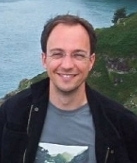
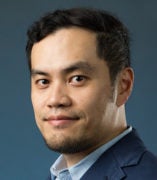
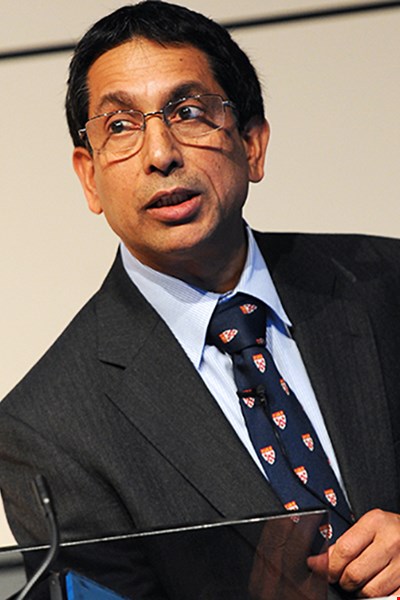
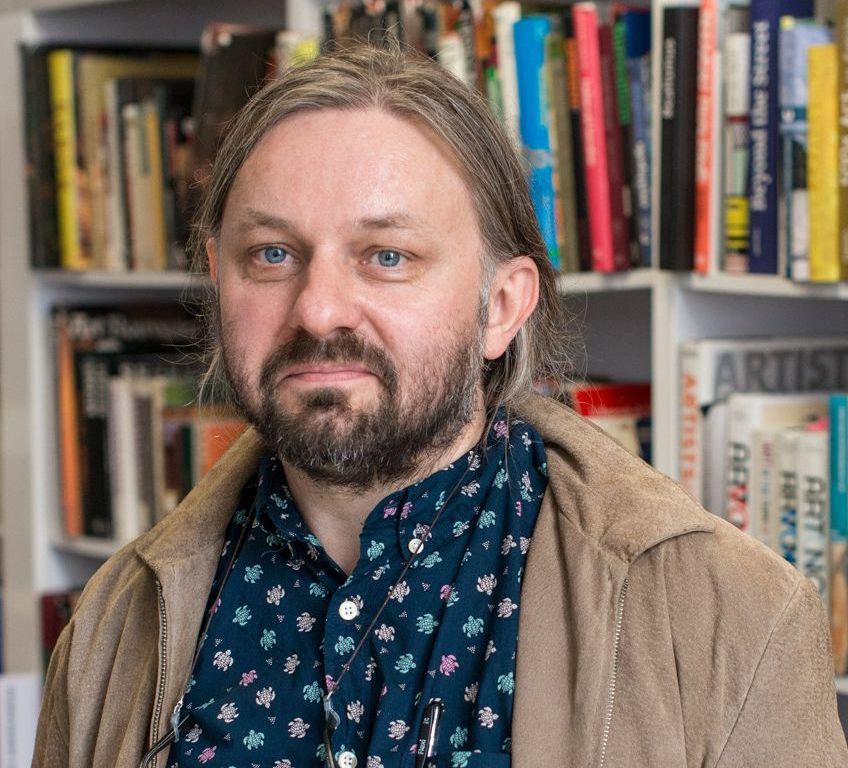
Olivier Simonin is a Professor in Computer Science at INSA de Lyon , leading the Inria team CHROMA (co-located at Inria Lyon & Grenoble) and affiliated with the CITI Laboratory . His research sits at the intersection of Artificial Intelligence and Robotics , focusing on decentralized decision-making, swarm robotics, and autonomous vehicle networks. Current projects include ANR "VORTEX" (2023-2028) on vision-based drone swarms and ANR/BPI "SOLARNav" (2024-2027) on social navigation for autonomous vehicles. He serves as Senior Editor for IROS 2023-2025 and is a member of the scientific committee for the national PEPR Organic Robotics (2023-2030). His work spans multi-robot exploration, swarm intelligence, and networked systems, with applications in service robotics and UAV deployments. Recent publications emphasize distributed algorithms, cooperative navigation, and co-simulation frameworks. Notable awards include the INSA Lyon Medal (2022) for RoboCup achievements and a Best Paper Award at JFSMA 2024 . He has supervised 18 PhD students, including 3 ongoing, and contributes to European projects like BugWright2 and NINSAR .
Prof. Pai-Yen Chen is a tenured Professor at the Department of Electrical and Computer Engineering , University of Illinois at Chicago (UIC), and a leading figure in applied electromagnetics, wireless sensors, and nanophotonic systems. His work bridges physics, device engineering, and circuit design for applications in IoT , telemedicine , and quantum information processing . Education : PhD (2013), University of Texas at Austin; MS (2006) and BS (2004), National Chiao Tung University, Taiwan. Research Interests : Applied electromagnetics, non-Hermitian systems, graphene nanoelectromagnetism, antenna-on-chip design, plasmonic metamaterials, and hardware security. His 150+ journal papers (including in Nature , Nature Electronics , and IEEE Transactions ) emphasize exceptional points in sensors , stretchable bioelectronics , and quantum-inspired security protocols . Recent work explores machine learning for electromagnetic design and 3D IC heterogeneous integration . Scientific Awards : IEEE Fellow (2024), NSF CAREER (2018), SPIE Rising Researcher (2018), IEEE Technical Achievement Award (2024). Editorial Roles : Senior Editor of IEEE Journal of Selected Areas in Sensors , Associate Editor for multiple IEEE journals and Optics Express . Students : Mentored 8 PhD graduates (e.g., Dr. Liang Zhu at X-wave Innovations Inc., Dr. Mehdi Hajizadegan at UI Health) and actively recruits postdocs in nanophotonics and RF sensor design .
Gregor M. Hörzer is a Research Fellow at the Institute of Cognitive Science, University of Osnabrück, Germany, where he also serves as Coordinator of Bachelors' and Masters' Cognitive Science programs and Dean of Studies. Previously, he was Scientific Coordinator for the DFG-funded research training group "Situated Cognition" (2021-2023) and held a substitute professorship (2020) at the same institute. His dual PhD background bridges computational neuroscience and analytic philosophy. Education: PhD in Philosophy (Cognitive Science), University of Osnabrück (2018, summa cum laude) PhD in Computer Science, Graz University of Technology (2011) Master's in Philosophy, University of Graz (2014, with distinction) Master's in Telematics (Information and Computer Engineering), Graz University of Technology (2008, with distinction) Bachelor's in Telematics, Graz University of Technology (2006) Hörzer's research is grounded in analytic philosophy, with Metaphysics of Mind and Physicalism as core focuses. He critically examines the mind-body problem and phenomenal consciousness, arguing against eliminative materialism's ability to account for subjective experience. In philosophy of science, he investigates metaphysics of mechanisms within new mechanist explanation frameworks, particularly regarding biologically inspired learning processes. His early computational neuroscience work informs current interdisciplinary approaches to consciousness and cognition. His publications demonstrate a consistent trajectory in philosophy of mind, highlighted by the 2015 article analyzing Sandro Nannini's cognitive naturalism. The work challenges analogies between relativity physics and consciousness theory, emphasizing the irreducibility of phenomenal feel—a theme expanded in his 2020 book "Understanding Physicalism". Scientific Awards: Wolfgang Stegmüller Award (2022) from the German Society for Analytic Philosophy (GAP) for "Understanding Physicalism" Advising and Grants: While no individual PhD students are listed, Hörzer oversees academic guidance as Dean of Studies for Cognitive Science programs. His grant leadership includes coordinating the DFG-funded "Situated Cognition" research training group (2021-2023), facilitating doctoral training across Osnabrück and Bochum universities. This role involved structuring interdisciplinary research projects and supervision frameworks. Labs and Teams: Hörzer collaborates within the Institute of Cognitive Science's interdisciplinary ecosystem and is an associated member of Osnabrück's Institute for Philosophy. His past neurophysiological work involved cross-institutional teams, including the Max Planck Institute for Biological Cybernetics in Tübingen analyzing macaque monkey working memory data. Current team involvement centers on the "Situated Cognition" research group and Cognitive Science program coordination.
Nathalie Gosselin is an Associate Professor in the Department of Psychology at the Faculty of Arts and Sciences, University of Montreal. She is a researcher at the International Laboratory for Brain, Music and Sound Research (BRAMS) and the Research Center on the Brain, Language and Music (CRBLM). In 2013, she founded the Music, Emotions and Cognition Research Laboratory (www.musec.ca). Her work spans clinical and healthy populations across the lifespan, with particular focus on ADHD and aging populations. Dr. Gosselin's research focuses on the effects of music on cognition, including attention, executive functions, and memory throughout development. She investigates both clinical populations (particularly ADHD) and healthy individuals, with special emphasis on developing and evaluating music-based interventions to promote mental and cognitive health in older adults. Her work bridges neuropsychology, music cognition, and clinical applications. Her publication trends reveal consistent research on music's cognitive and emotional effects, with increasing focus on clinical applications, aging populations, and ADHD. Recent work emphasizes practical interventions in healthcare settings, dental procedures, and mental health contexts, demonstrating translational impact of basic research on music cognition. The Most Inspiring Teacher for Graduate Studies 2014-2015, Department of Psychology, University of Montreal Dr. Gosselin has supervised numerous master's and doctoral students on topics related to music cognition, neuropsychology, and clinical applications. Her research has been funded by major Canadian agencies including Canadian Institutes of Health Research, Social Sciences and Humanities Research Council of Canada, and Quebec Research Funds - Health/Society and Culture. Current projects include music interventions for mental health impacts of COVID-19 in elderly populations and implementing TRANSATT program for ADHD student success. She directs the Music, Emotions and Cognition Research Laboratory (MUSEC) and collaborates with multiple research units including CRBLM, BRAMS, and CIRCA (Interdisciplinary Research Center on Brain and Learning), creating a robust research ecosystem focused on music, cognition, and clinical applications.
Luca Bergamasco is a Fixed-term Tenure-Track Assistant Professor at the Department of Energy (DENERG) , College of Electrical and Energy Engineering , Politecnico di Torino. His academic career spans multiple teaching roles across Electrical, Energy, Mechanical, Aerospace, and Automotive Engineering colleges, with a focus on computational heat transfer and solar energy technologies. Faculty of Electrical and Energy Engineering Member of Mechanical, Aerospace, and Automotive Engineering College Dr. Bergamasco's research centers on thermal engineering and industrial energy systems , combining machine learning with traditional thermal analysis. Key projects involve optimizing phase change materials for energy storage and developing neural network models for industrial applications. His recent publications (2023-2025) reveal a strong emphasis on thermal conductivity enhancement , CO2 reduction , and machine learning integration in energy systems. Collaborative work with Alessandro Ribezzo on metal wool-phase change composites demonstrates practical applications of his research. Teaching activities include Advanced Solar Energy Technologies and Computational Heat and Mass Transfer courses at both PhD and Master's levels. He actively supervises PhD students and contributes to courses like Machine Learning for Energy Applications .
Linda Hokka works as a lecturer in sports science at the Academy of Police Work, University of Borås, focusing on physical and mental preparation for the police profession with an emphasis on health. She also serves as the program manager for the Police Program at the academy. Academic Background: Subject teacher qualification in upper secondary school physical education, health, and Spanish Teaching Experience: Junior and senior secondary school levels Her research interests include public health , particularly the role of physical activity in well-being, and educational pedagogy. She emphasizes creating inspiring learning environments through pedagogical innovation.
Professor Asoke Nandi serves as Professor of Electronic & Computer Engineering at Brunel University of London, where he has been Head of Electronic and Computer Engineering since April 2013. Previously, he held the David Jardine Chair of Signal Processing at the University of Liverpool, where he established and led the Signal Processing and Communications Research Group. His academic journey began with a PhD from the University of Cambridge, followed by positions at prestigious institutions including Rutherford Appleton Laboratory, CERN, Queen Mary University of London, the University of Oxford, Imperial College London, and the University of Strathclyde. Professor Nandi's research spans theoretical developments in signal processing and machine learning, with applied contributions across multiple domains. His work encompasses wireless communications (including automatic modulation recognition and equalization), biomedical signal processing (breast cancer detection, electrocardiogram extraction, retinal image processing), machine condition monitoring, image forensics, time series predictions, genomic signal processing (gene clustering), brain signal processing (music, EEG, and fMRI data processing), and Big Data analytics. These diverse research interests demonstrate his interdisciplinary approach to information engineering problems. His recent publications reveal a strong focus on deep learning applications across multiple domains, with emphasis on medical imaging (particularly cancer diagnosis and segmentation), remote sensing change detection, fault diagnosis in mechanical systems, and innovative approaches to image processing. The research shows a clear trajectory toward more sophisticated neural network architectures including attention mechanisms, diffusion models, and multimodal fusion techniques applied to real-world engineering and medical challenges. IEEE Transactions on Radiation and Plasma Medical Sciences Best Paper Award (2025) Foreign Member of Chinese Society for Vibration Engineering (2025) Member of Academia Scientiarum et Artium Europaea (2023) Member of Academia Europaea (2023) Fellow of Royal Academy of Engineering, U.K. (2014) IEEE Distinguished Lecturer (EMBS, 2018-2019) Finland Distinguished Professor Award (2010-2014) Co-discoverer of W+, W-, and Z0 particles (1983) Professor Nandi has supervised numerous PhD students and research projects across his career, though specific student names aren't listed in the provided materials. His work has been supported by various research grants that have enabled his prolific output of over 650 technical papers, including more than 320 in quality international journals, with an impressive h-index of 92 according to Google Scholar. His research group IEHS at Brunel focuses on information engineering and health systems, reflecting his interdisciplinary approach. Professor Nandi maintains active collaborations through his visiting professorships at institutions including Xi'an Jiatong University (China), Universite d'Orleans (France), and Tongji University (China), as well as his previous adjunct professorship at the University of Calgary (Canada). These international connections enrich his research environment and provide opportunities for cross-cultural scientific exchange.
Liliana Teodorescu serves as a Reader in the Department of Electronic and Electrical Engineering within Brunel University London's College of Engineering, Design and Physical Sciences. Previously, she held research positions at Istituto Nazionale di Fisica Nucleare (INFN) in Pisa, Italy, and as a Visiting Researcher at Stanford Linear Accelerator Centre (SLAC) and Thomas Jefferson National Accelerator Facility (Jefferson Lab) in the USA. Her academic credentials include: BSc. Degree in Nuclear Physics Ph.D. Degree in Experimental Particle Physics Postgraduate Certificate in Learning and Teaching in Higher Education (PGCert/MSc) Teodorescu's research bridges physics and computer science, with core expertise in Particle and Nuclear Physics, Radiation Detection instrumentation, and advanced computational methods. She pioneered Gene Expression Programming applications in particle physics prior to the mainstream AI revolution and develops physics-inspired algorithms for experimental systems. Current work focuses on Monolithic Active Pixel Sensors for the ePIC experiment at Brookhaven National Laboratory's Electron Ion Collider and AI extensions for real-world problem solving. Her scientific recognition includes Fellowship in the Higher Education Academy (HEA) and membership in the Institution of Engineering and Technology (IET). She actively serves the research community through organizing major international events including the 33rd CERN School of Computing and 14th ACAT Workshop at Brunel, and as a grant reviewer for the Royal Society and UKRI. Teodorescu has secured substantial research funding as Principal Investigator for UKRI Infrastructure Fund grants supporting the EIC project, EPSRC machine learning grants, and STFC doctoral training awards. She mentors doctoral researchers and serves as Departmental Industrial Placement Coordinator, developing industry partnerships for student work placements. Her collaborative research contributions include co-authoring the CMS Collaboration's Higgs boson discovery (providing experimental basis for the 2013 Nobel Prize in Physics) and Babar Collaboration's CP violation measurements (contributing to the 2008 Nobel Prize in Physics).
Prof. Andrea Crivellini is an Associate Professor at the Department of Industrial Engineering and Mathematical Sciences (DIISM) within the College of Engineering at Marche Polytechnic University . His research focuses on Computational Fluid Dynamics (CFD) , Turbulence Modeling , and High-Order Numerical Methods , particularly Discontinuous Galerkin (DG) solvers for fluid dynamics and turbulence simulation. Recent publications highlight his expertise in entropy-aware DG schemes, hybrid RANS/LES models, and implicit time integration for turbulent flows. He contributes to advancing CFD applications in aerospace, mechanical systems, and marine engineering. His work emphasizes numerical stability , mesh adaptivity , and high-performance computing .
Roberto Gargiulo is a researcher at Forschungszentrum Jülich, affiliated with the Peter Grünberg Institute under its Quantum Control (PGI-8) department. His work focuses on quantum algorithms and symmetry analysis in quantum systems, with a particular emphasis on applications to classical physics-inspired problems. Current affiliation: Forschungszentrum Jülich, Quantum Control (PGI-8) Key research areas: Quantum Computing, Symmetries in Quantum Systems, Variational Quantum Algorithms Collaboration: Working with Robert Zeier on quantum algorithm development Project involvement: ML4Q (Machine Learning for Quantum Computing) Research Interests: Roberto explores advanced quantum computing concepts, including Variational Quantum Algorithms for physics-inspired problems, Symmetries in Quantum Systems , and Lie Algebras . His secondary interests span Time Crystals , Many Body Localization , Thermalization in Quantum Systems , and Topological Order .
Terianna Wax is an instructor in the Chemistry Department at Wellesley College, specializing in creating inclusive and engaging environments for introductory and physical chemistry laboratories. She emphasizes fostering curiosity through safe, interactive spaces and advocates for inquiry-based learning. B.A., Mount Holyoke College Ph.D., University of Connecticut Her research background focuses on energy transfer processes in hybrid systems involving quantum dots, proteins, and metallic nanoparticles, utilizing time-resolved fluorescence spectroscopy. She is committed to bridging chemistry with the arts to enrich students' liberal arts experience. Terianna actively participates in science outreach for high school and middle school students, aiming to inspire future scientists. Her teaching philosophy prioritizes eliminating stigma around questions and building students' confidence as emerging scientists.
Dr. Patricia Flanagan is a Lecturer at the University of New South Wales in the School of Art and Design, Faculty of Arts, Design and Architecture. She serves as co-director of the Interactive Media Lab and Lead Researcher for Wearables at the Creative Robotics Lab. Previously, she established the Wearables Lab at the Academy of Visual Art at Hong Kong Baptist University in 2009. Her international exhibition portfolio includes prestigious venues such as the Hong Kong Heritage Museum, Taipei Museum of Contemporary Art, and Kunstraum Kreuzberg/Bethanien Berlin, and she represented Oceania at the Tournai Contemporary Textiles Biennial in Belgium. Dr. Flanagan holds a Doctor of Philosophy in Public Art from the University of Newcastle Australia, a Master of Fine Arts in Public Art and New Artistic Strategies (1st class) from Bauhaus University Weimar Germany, a Bachelor of Fine Arts in Sculpture from the University of Newcastle Australia, and an Associate Diploma in Arts (Fashion Production, Custom Clothing) with honors from TAFE NSW. Her research investigates hybrid practices emerging at the intersection of digital technologies and traditional art and design practices. Specializing in new materials, wearables, and generative design, her work includes critical and speculative wearables, site-specific sculptural installations, social sculpture, and performance installations. Her practice combines hand-crafted art and design practices with digital technologies through a systems thinking approach. Current research projects include Landrelations (National Tour), Brigalow Belt Arts Project, Femufacture, The Peripatetic Institute for Praxiology and Anthropology, The Haptic InterFace Project, and Research Creativity – Praxis. Dr. Flanagan's recent publications demonstrate a strong focus on the intersection of craft, technology, and embodied experience. Her work explores how digital technologies can be integrated with traditional craft practices, particularly in the realm of wearables and interactive installations. She investigates how these hybrid practices can create new forms of expression, environmental awareness, and cross-cultural understanding. Among her notable awards and fellowships are the Powerhouse, Sydney Museum of Applied Arts and Science Visiting Research Fellowship, Centre for Mobilities Research at Lancaster University Visiting Fellowship, Max Fabre Foundation Award for Environmental Awareness, and selection to represent Oceania at the 7th International Contemporary Textile Triennale in Tournai, Belgium. Dr. Flanagan actively supervises research students in areas including Art and Design, Textiles, Wearables, Tangible Embodied HCI, Future Materials, Generative Design, and Environmental Humanities. She is on the steering committee for the World Craft Council affiliated Knowledge House of Craft and is the founding member of TTIGOC (Tracing the Intangible Gestures of Craft), a collaboration with Chinese ethnic minority master craftspeople and researchers at GYPEC Guiyang, China. Her current PhD students include Syna Chen, Jingwen Yuan, and Jaiying Qian, all working on innovative projects at the intersection of craft, technology, and human experience.
Gerardo Adesso is a Professor of Mathematical Physics at the University of Nottingham's School of Mathematical Sciences. His research focuses on quantum correlations, quantum resource theories, and foundational aspects of quantum mechanics with applications in thermodynamics, metrology, and information theory. Institution: University of Nottingham School: School of Mathematical Sciences Email: gerardo.adesso@nottingham.ac.uk His recent work explores non-Gaussian quantum resources, thermodynamic uncertainty relations, and quantum coherence activation in identical particle systems. He investigates operational advantages in quantum metrology, cryptography, and thermal operations without assuming convexity constraints. Gerardo's research spans continuous-variable quantum systems, non-Markovian dynamics, and quantum state exchange protocols. He contributes to fundamental debates about quantumness, objectivity, and the thermodynamic limits of quantum technologies.
Zbigniew Jan Mańkowski is an active faculty member at the Department of History and Theory of Art, Academy of Fine Arts in Gdańsk, specializing in interdisciplinary research connecting literature, art, and social life. His academic journey began at the University of Gdańsk's Faculty of Philology and History where he earned his PhD, influenced by Maria Janion's hermeneutic school through professors Małgorzata Czermińska and Kazimierz Nowosielski. His research focuses on aesthetic reflexivity —an interdisciplinary concept examining theoretical and cognitive potential in artistic practices, particularly in Czesław Miłosz's writings. He explores creative existence philosophy through Józef Czapski's work, analyzes social dimensions of contemporary Polish prose (Anderman, Huelle, Tokarczuk), and investigates poets' engagement with visual arts (Broniewski, Różewicz, Herbert). His methodological approach combines hermeneutics with cultural anthropology, extending traditional literary studies to incorporate emotional cognition and lived experience. His publications demonstrate consistent scholarly output from his 2005 monograph Widzieć prawdę to recent habilitation research on Miłosz. The articles reveal strong thematic continuity in examining literature-art relationships, with increasing focus on aesthetic reflexivity as an analytical framework. His work bridges theoretical literary analysis with practical applications through the Social Design Laboratory. As an educator in integral pedagogy and coordinator of the Social Design Laboratory within ECS-ASP cooperation, he actively connects academic research with contemporary cultural understanding. His participation as an expert in the Pomerania 2030 development scenarios program demonstrates applied research engagement with regional development challenges.
Vincent Breton-Provencher is an Assistant Professor in the Department of Psychiatry and Neuroscience at Laval University, where his research centers on the neuronal correlates of learning and attention with emphasis on catecholaminergic systems. His educational background includes: Undergraduate: Engineering Physics (optics and photonics) PhD: Université Laval (adult neurogenesis under Dr. Armen Saghatelyan) Postdoctoral training: Massachusetts Institute of Technology (noradrenergic circuits under Dr. Mriganka Sur) Dr. Breton-Provencher employs optogenetics , two-photon functional imaging , electrophysiology , and computational approaches to dissect spatiotemporal dynamics of neuromodulators during behavior. His work investigates how catecholamines (noradrenaline and dopamine) regulate cortical processing during learning and how their dysfunction contributes to neuropsychiatric disorders, with key contributions in reinforcement learning and arousal control mechanisms. Analysis of his 2018-2025 publications reveals a dominant focus on noradrenergic signaling in learned behavior, with increasing exploration of astrocyte interactions and cross-species neural circuit comparisons. His research consistently bridges molecular techniques with behavioral paradigms to establish causal links between neuromodulator dynamics and cognitive functions. No scientific awards are mentioned in the provided information. Dr. Breton-Provencher actively recruits students for his VBP Lab (vbplab.com) at the CERVO research center, emphasizing hands-on training in advanced neuroscience methodologies. While specific grants are not detailed, his work leverages institutional resources from Laval University and likely receives support from Canadian neuroscience funding bodies. The VBP Lab operates within Quebec City's CERVO research ecosystem, collaborating with interdisciplinary teams to translate mechanistic insights about catecholamine function into understanding neuropsychiatric disorders. Current projects integrate circuit-level manipulations with behavioral analytics to develop novel therapeutic frameworks.