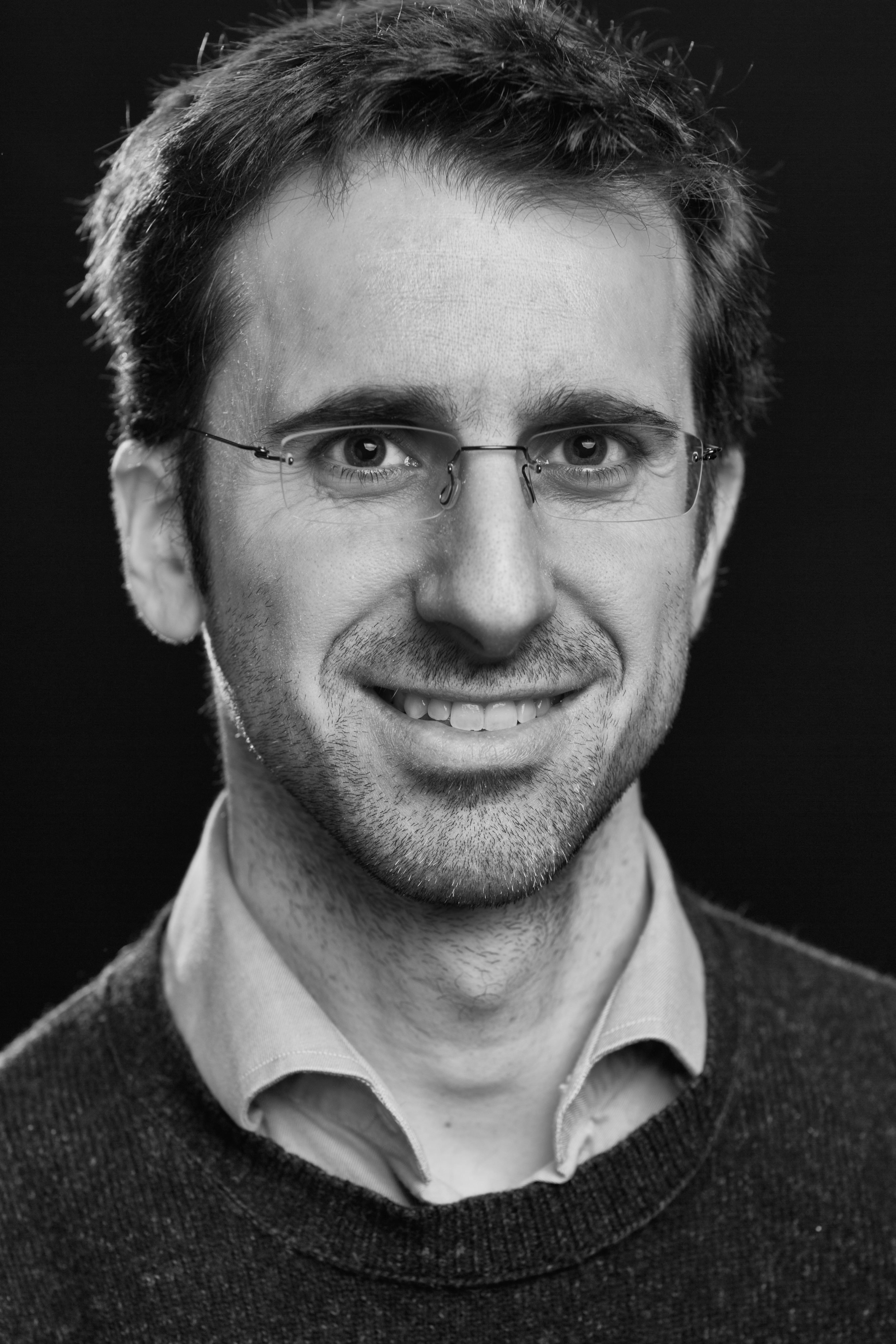
Dr. Enrico Camporeale is a Senior Lecturer in Digital Environment at Queen Mary University of London's School of Physical and Chemical Sciences. He holds affiliations with the Centre for Experimental and Applied Physics and the Dutch National Center for Mathematics and Computer Science (CWI) as a part-time researcher. His work bridges machine learning, computational physics, and space physics, focusing on space weather forecasting, plasma turbulence, and radiation belt dynamics. Research interests include machine learning applications in geophysics, solar wind turbulence, and physics-informed neural networks. Leads projects like the VIDI grant 'Real-time forecasting of killer electrons on satellite orbits' and the CWI-INRIA collaboration on data-driven space weather predictions. His research employs advanced computational techniques to model space plasma phenomena, with a focus on developing predictive models for geomagnetic storms and radiation belt electron behavior. He has contributed to journals like Physical Review Letters , Space Weather , and Journal of Geophysical Research . Publications emphasize interdisciplinary approaches, combining machine learning with classical physics to address challenges in space environment prediction and understanding plasma dynamics at small scales.
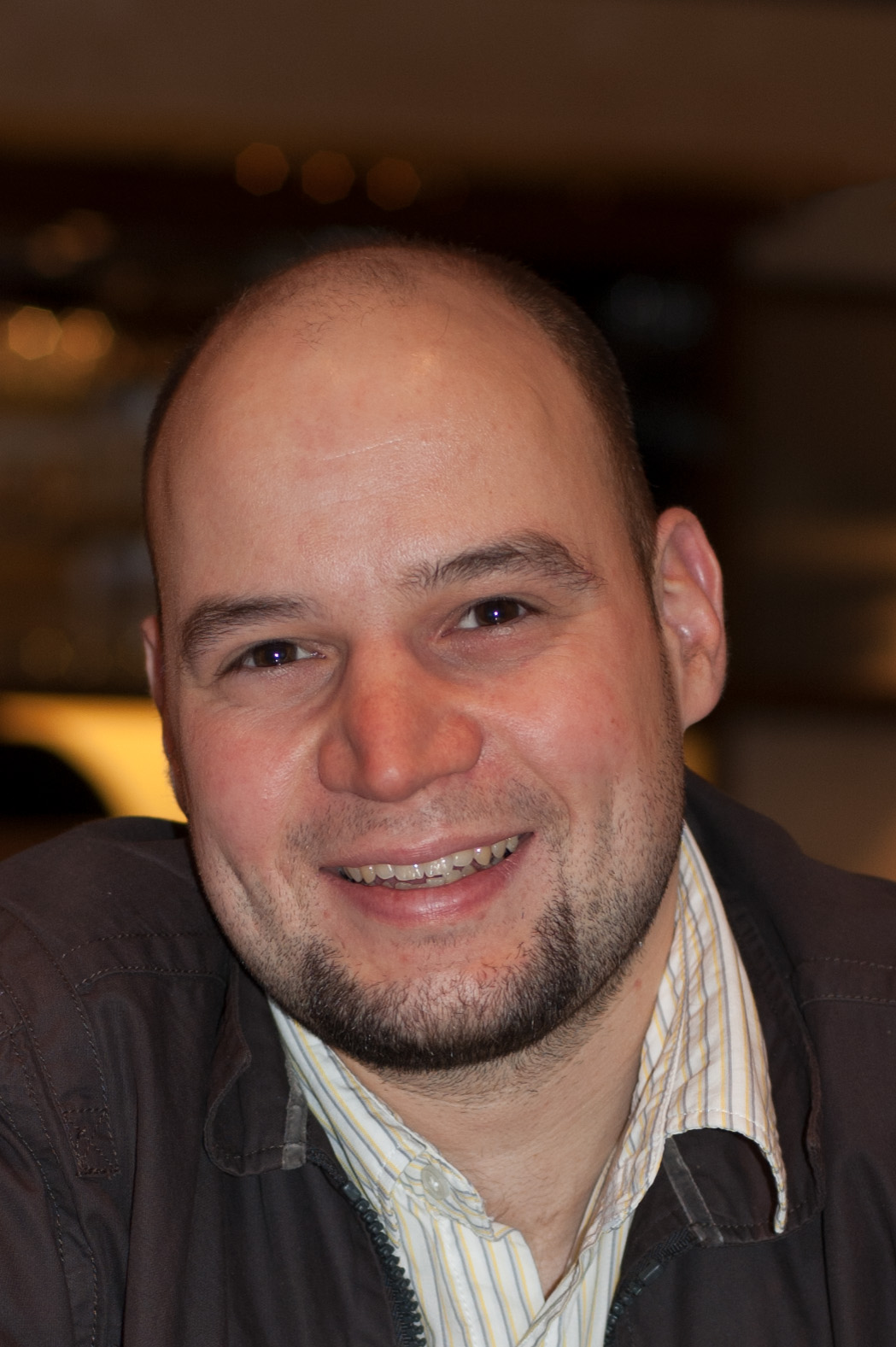
Dr Dimitris Kalogiros is a Lecturer in Data Science at Queen Mary University of London and the London City Institute of Technology. He holds a Fellowship from the Higher Education Academy (Advance HE) and is a certified Mental Health First Aider (MHFA England). His academic journey includes an MEng in Applied Mathematics and Physics from the National Technical University of Athens, an MSc in Applied Mathematical Sciences with Biological and Ecological Modelling (Distinction) from Heriot-Watt University, and a PhD in Mathematical Modelling of Plant Root Systems from the University of Dundee. His research focuses on interdisciplinary applications of mathematical modelling in biology, ecology, epidemiology, and data science. Key interests include root system architecture, mathematical epidemiology, and the development of computational pipelines for integrating data and models. He is actively involved in teaching, particularly in empowering students through data science education, and has contributed to modules such as “Data Analysis and Data Solutions” and “Applied Data Science.” Dr Kalogiros has held roles at the University of Nottingham’s Centre for Mathematical Medicine and Biology, the Bristol Medical School, and has supervised students across multiple disciplines. His awards reflect his commitment to education and mental health advocacy. He organizes initiatives like the Practical Machine Learning Summer School and serves on committees promoting early career researchers’ well-being and professional development.
Dr. Aleksandra Svalova is a Lecturer in Statistics at Newcastle University's School of Mathematics, Statistics and Physics. She holds a PhD in Petroleum Geochemistry (2014-2019) and rejoined the Statistics department as a Research Associate in 2019 before transitioning to her current faculty role in 2022. Her research focuses on statistical surrogate models, Bayesian inference, and Gaussian process emulation applied to geotechnical engineering and infrastructure deterioration. She leads the development of the ACHIMULATOR app within the ACHILLES consortium, which predicts infrastructure asset deterioration in real-time using Bayesian methods. Teaching: She teaches engineering statistics in modules SFY0002, CME1027, and ENG2031, emphasizing practical applications in data analysis and mathematical modeling. Research: Key projects include modeling slope stability in high-plasticity clays, collaboration with industry stakeholders, and advancing Gaussian process-based tools for infrastructure risk assessment. Her work integrates computational materials modeling and probabilistic forecasting, supported by EPSRC grants (EP/R034575/1 and EP/K027050/1). Labs/Teams: Active member of the ACHILLES consortium, collaborating across 6 UK institutions and industry partners to address long-linear infrastructure challenges.
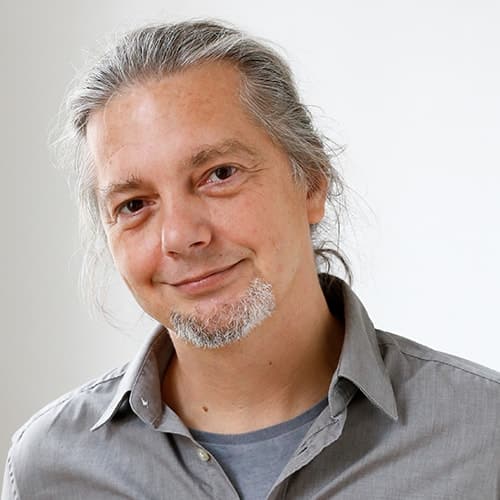
Prof. Ingo Scholtes is a Full Professor of Machine Learning for Complex Networks at Julius-Maximilians-Universität Würzburg's Center for Artificial Intelligence and Data Science (CAIDAS). He holds a doctorate in computer science and mathematics from the University of Trier and has held roles including SNSF Professor at the University of Zurich, Full Professor at Bergische Universität Wuppertal, and Senior Assistant at ETH Zürich. His research focuses on higher-order graph analytics for temporal networks, machine learning, and computational social science. Education: PhD in Computer Science (University of Trier, Germany), Postdoctoral Research at ETH Zürich (2011–2016), and prior roles at Karlsruhe Institute of Technology and CERN. Research Interests: Machine learning on graphs, temporal network analysis, higher-order network models, and their applications in software engineering and social systems. He develops open-source tools like pathpy and git2net for network analysis. Recent Work: Focuses on causality-aware graph neural networks, temporal graph isomorphism, and network science applications in AI. Recent articles include studies on temporal network dynamics, path prediction, and Bayesian inference of network transitions. Awards: SNSF Professorship (2018), Junior-Fellowship (2014), and German Academic Scholarship Foundation (2004-2005). Active in editorial roles for EPJ Data Science and leadership in GI's Computational Social Science working group.
Agnieszka Borowska is a Lecturer in the Econometrics and Data Science department at Vrije Universiteit Amsterdam's School of Business and Economics. She also serves as an Honorary Research Associate at the University of Glasgow's School of Mathematics and Statistics. Her research focuses on computational statistics, Bayesian methods, and machine learning applications in biomedical engineering, particularly in cardiovascular mechanics and stochastic modeling. She has published extensively on topics like cardiac mechanics modeling, parameter inference in biomedical systems, and neural network-based medical image analysis. Key research interests include developing statistical methodologies for complex biological systems, integrating machine learning with traditional statistical approaches, and applying these to problems in cardiology and biomedical engineering. Her work often involves collaboration with interdisciplinary teams to solve real-world clinical challenges. Recent research has explored Bayesian optimization for cardiac model parameterization, Gaussian process-enhanced approximate Bayesian computation for chemotaxis systems, and neural network-based prediction of left ventricle geometries from cardiac MRI data. These studies highlight her expertise in bridging statistical theory with practical biomedical applications.
Charles J Geyer is a Professor in the Department of Statistics at the University of Minnesota, Twin Cities, within the College of Science and Engineering. He has been an active researcher since at least 1988, with a sustained record of scholarly output in statistical theory and methodology. His research focuses on advanced statistical methods including maximum likelihood estimation, exponential families, Markov Chain Monte Carlo (MCMC), likelihood-free inference, and aster models. These methods are applied in interdisciplinary contexts such as evolutionary biology, genetics, and ecological modeling, particularly in life history analysis and phenotypic selection. His work bridges theoretical statistics with practical computational tools for complex data. The recent publications highlight a strong trend toward computationally efficient inference, especially in models where traditional maximum likelihood fails. He has contributed to the development of the R package glmm for generalized linear mixed models and has worked extensively on envelope methods and variance reduction techniques. His research outputs include numerous peer-reviewed articles, book chapters, and publicly shared datasets, reflecting a commitment to open science. Scientific contributions include: Development of MCMC methods for dependent data Foundational work on likelihood inference when MLE does not exist Integration of aster models with envelope methodology Applications in evolutionary and ecological statistics He has collaborated with researchers such as D. J. Eck, R. G. Shaw, and R. D. Cook. While formal advisee relationships are not listed, his collaborative work suggests mentorship and academic leadership. He has not received any explicitly mentioned awards in the provided text, but his sustained impact is evident through citations and methodological influence. His datasets are archived in the University of Minnesota Data Repository, supporting reproducible research.
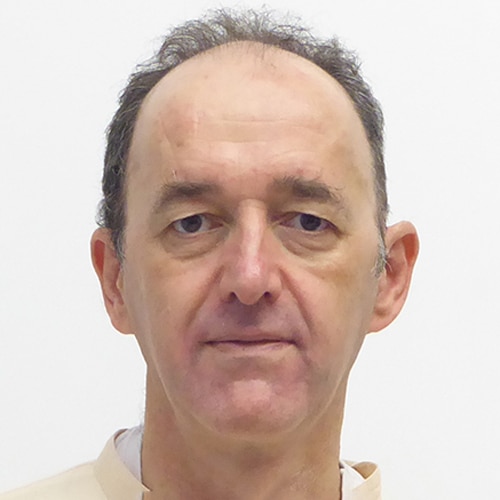
Rudolf Hanel is an Associate Professor at the Medical University of Vienna and a faculty member at the Complexity Science Hub. His interdisciplinary research bridges theoretical physics, complex systems, medical imaging, and socio-economic modeling. He is deeply involved in advancing the foundations of statistical mechanics and non-equilibrium thermodynamics. His research interests include complex systems, non-equilibrium thermodynamics, information theory, medical robotics, and social physics. He investigates how systems evolve far from equilibrium, focusing on phase transitions, tipping points, and the emergence of structure. His work applies these principles to diverse domains such as firm dynamics, social cohesion, and pandemic response. The recent trend in his publications reveals a strong focus on generalized entropy, sample space reduction, network-based social modeling, and practical applications in public health. His articles span foundational physics, computational medicine, and socio-economic systems, reflecting a unifying framework of complexity science across disciplines. Thermodynamics of driven systems Generalized entropy and information theory Social fragmentation and homophily Pooled testing for pandemics Firm performance via information consumption Structure-forming systems Rudolf Hanel has received no explicitly mentioned scientific awards in the provided text. He has not been stated to advise any formal students, though he collaborates widely with researchers such as Stefan Thurner, Jan Korbel, and Peter Klimek. He has contributed to major interdisciplinary grants and projects, particularly through the Complexity Science Hub, including work on pandemic testing strategies and economic modeling. He is a key member of the Complexity Science Hub, where he collaborates on foundational and applied research in complex systems. The Hub serves as a central platform for his work in integrating physics-inspired models into social, biological, and economic systems.
Matteo Marsili is a Senior Research Scientist at the Quantitative Life Sciences Section of the Abdus Salam International Centre for Theoretical Physics (ICTP) in Trieste, Italy. He holds a PhD from SISSA, Trieste (1994) and has held postdoctoral positions at Manchester University, Fribourg University (Switzerland), and SISSA. He joined ICTP in 2002, initially in the Condensed Matter and Statistical Physics (CMSP) Section before transitioning to the Quantitative Life Sciences Section. His research spans interdisciplinary domains, applying statistical physics to complex systems. Key areas include non-equilibrium statistical mechanics, critical phenomena, quantitative finance, statistical inference, machine learning, systems biology, and neuroscience. He investigates how collective behaviors emerge from interactions among simple units—such as particles, neurons, or financial traders—using tools from probability, information theory, and thermodynamics. His recent publications (2020–2025) show a strong focus on information-theoretic approaches to learning, relevance quantification, deep learning, and optimal inference. Themes include Bayesian modeling, minimal complexity, self-organized criticality in neural networks, and thermodynamics of information in financial markets. His work frequently appears in journals like Physical Review E , Journal of Statistical Mechanics , Physics Reports , and PLoS ONE . Matteo Marsili has collaborated extensively with researchers such as Y. Roudi, R.J. Cubero, J. Song, and R. Xie, suggesting active mentorship and team leadership. While no formal awards are listed, his sustained publication record in high-impact journals reflects significant scientific contributions. His lectures at institutions like the Kavli Institute and IHÉS further highlight his academic influence.
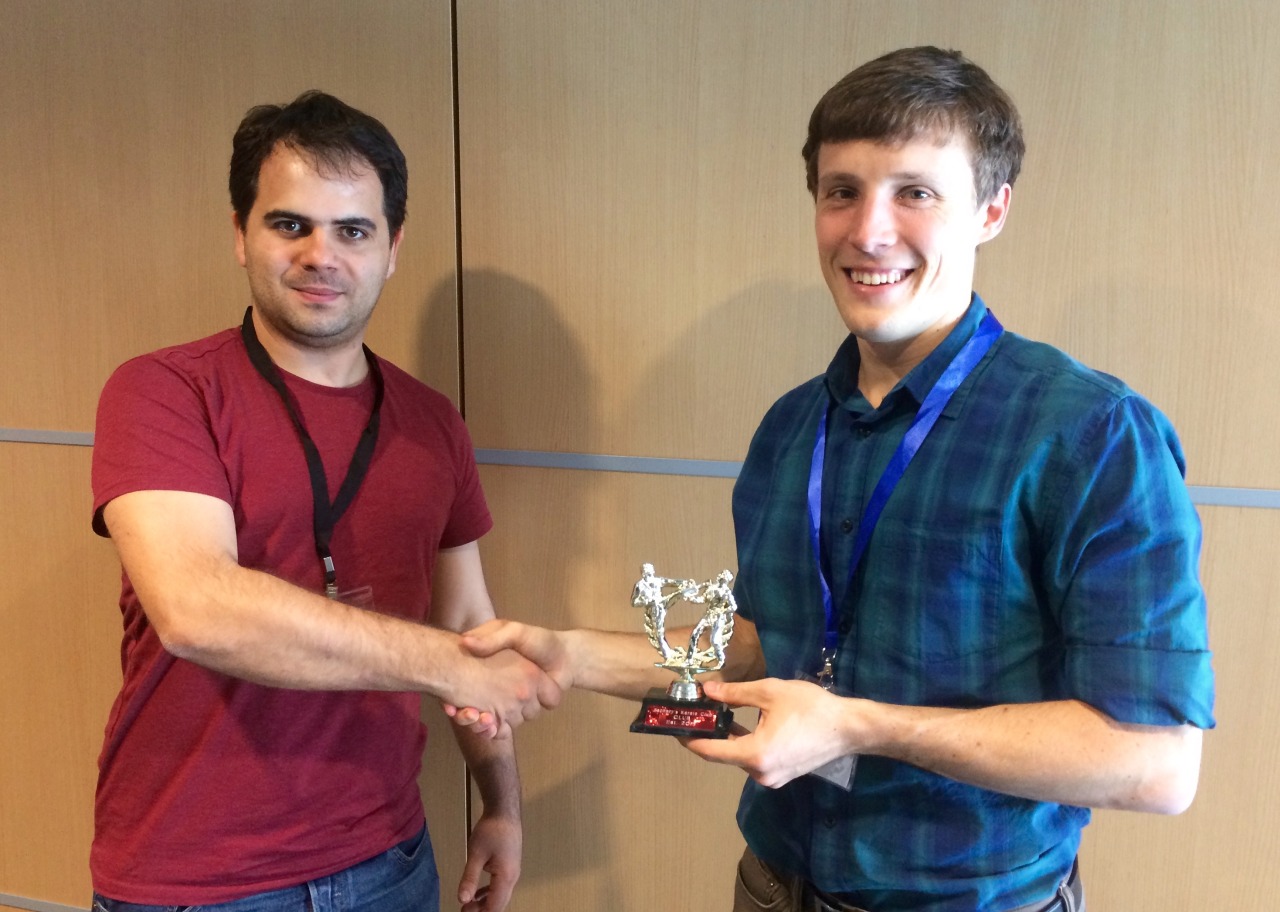
Tiago de Paula Peixoto is a Professor of Complex Systems and Network Science at the Institute of Science and Technology Austria (IT:U), where he leads the Inverse Complexity Lab. He has previously held faculty positions at Central European University (2019–2024) and the University of Bath (2016–2019), and conducted postdoctoral research at the University of Bremen and Technical University of Darmstadt. He holds a PhD in Physics from the University of São Paulo (2008) and a habilitation in Theoretical Physics from the University of Bremen (2017). His research lies at the intersection of statistical physics, computational statistics, information theory, Bayesian inference, and machine learning , with a central focus on inverse problems in network science . His group develops principled mathematical and computational models to infer the local interaction rules of complex systems from observed macroscopic behavior. Key research themes include statistically sound pattern detection in networks, network reconstruction from indirect data, uncertainty quantification, generative modeling of modular hierarchies and latent spaces, and scalable inference algorithms. His recent publications (2020–2025) reflect a consistent focus on advancing the theoretical and algorithmic foundations of network inference. A major theme is the development of Bayesian and information-theoretic frameworks for robust network reconstruction, moving beyond simplistic heuristics like correlation thresholding. He has pioneered methods for posterior sampling to quantify uncertainty and for minimum description length to prevent overfitting. His work also addresses scalability, with algorithms achieving subquadratic time complexity. Applications span diverse domains, including social systems (migration flows), political networks, and biological systems. Erdős–Rényi Prize from the Network Science Society (2019) Alexander von Humboldt Foundation Fellowship (2008) Karate Club Club Prize (6th recipient) Peixoto advises a vibrant group of PhD students and postdoctoral researchers, including Thomas Robiglio, Sebastian Kusch, Martina Contisciani, and Bukyoung Jhun. His former students include Felipe Vaca, Lizhi Zhang, and Silvia Guerrini. He has not received any specific grant mentions in the text, but his group’s sustained activity suggests successful funding. His lab is strongly committed to open science, with most of their methods implemented in the widely used graph-tool library, which is extensively documented and freely available. The lab organizes events like the annual Inverse Complexity Retreat and participates in major conferences such as NetSci and STATPHYS. The group is actively recruiting new PhD candidates and postdocs, indicating ongoing expansion and research momentum.
Mingzhou Ding is Distinguished Professor and J. Crayton Pruitt Family Professor in the J. Crayton Pruitt Family Department of Biomedical Engineering at the University of Florida, within the College of Engineering. His research bridges physics, engineering, and neuroscience to investigate brain function through advanced neuroimaging and signal processing techniques. His research interests include cognitive neuroscience , multimodal neuroimaging , signal processing , affective neuroscience , and computational modeling of brain networks . He employs methods such as EEG-fMRI integration, multivariate pattern analysis, and effective connectivity modeling to study how emotional and cognitive processes are represented in the brain. Recent publications highlight a strong trend in decoding emotional content in visual cortex, attentional control mechanisms, and neuromodulation of brain networks. His work frequently involves analyzing neural representations of affective scenes, conflict processing in psychiatric conditions, and the role of reentrant feedback from limbic structures in shaping visual perception. Specialty Chief Editor, Frontiers in Human Neuroscience Guest Associate Editor, Frontiers in Neural Circuits Guest Associate Editor, Cognitive Neuroscience , Frontiers in Human Neuroscience Prof. Ding has contributed to numerous editorial roles and has collaborated widely across neuroscience and biomedical engineering. He advises several researchers and has been involved in studies supported by significant NIH and NSF funding, though specific grants are not detailed here. His lab focuses on brain imaging and stimulation, with a strong emphasis on experimental design and computational analysis of neural data. He leads a research team specializing in brain network dynamics, neuroimaging methodology, and cognitive neuroscience experiments, particularly in the domain of emotion and attention.
Stefan Engblom is a Professor in Scientific Computing at Uppsala University, Department of Information Technology. His research focuses on developing computational methods and software for scientific applications, with particular expertise in numerical methods, fast algorithms, and simulation of complex systems. He is affiliated with the Scientific Computing division within the Information Technology department at Uppsala University. Engblom's research spans several key areas including fast multipole methods for efficient computation of long-range interactions, stochastic simulation of reaction-diffusion processes in complex geometries, computational epidemiology for modeling disease spread, and fluid dynamics simulations. His work combines theoretical development with practical implementation, resulting in several widely used software packages. His publications reveal a consistent focus on developing efficient numerical algorithms that address computational challenges in various scientific domains. The research shows a progression from fundamental algorithm development (fast multipole methods) to applications in biology (reaction-diffusion systems) and public health (epidemic modeling), demonstrating the versatility and applicability of his computational approaches. Engblom maintains active software development through several research codes including SimInf for epidemic modeling, URDME for reaction-diffusion processes, FMM2D/FMM3D for fast multipole methods, and other specialized tools for fluid dynamics and fiber simulations. His stenglib provides general-purpose Matlab libraries used in his research and available to the broader scientific community.
Katerina Chatziioannou is an Assistant Professor of Physics at the California Institute of Technology and a William H. Hurt Scholar. She holds a faculty position in the Division of Physics, Mathematics and Astronomy, specifically within the Physics department, and is actively involved in multiple major gravitational wave collaborations including the LIGO Scientific Collaboration, LIGO Laboratory, LISA Consortium, NANOGrav Collaboration, Simulating Extreme Spacetimes Collaboration, and Simons Collaboration on Extreme Electrodynamics of Compact Sources. Dr. Chatziioannou's research revolves around General Relativity and using Gravitational Waves to study the Universe. Her work spans theoretical and observational aspects of gravitational wave astronomy, with particular focus on black hole physics, neutron star physics, and data analysis techniques. She develops methods to extract physical information from gravitational wave signals, studies the properties of compact objects, and investigates fundamental physics through gravitational wave observations. Her research bridges theoretical physics, computational methods, and observational astronomy, with applications to current and future gravitational wave detectors including LIGO, Virgo, and the planned LISA mission. Analysis of her recent publications reveals significant contributions across multiple frontiers of gravitational wave science. Her work addresses critical challenges in parameter estimation for binary black hole systems, neutron star equation of state constraints, glitch mitigation techniques, and waveform modeling. She has made important contributions to both ground-based (LIGO/Virgo) and space-based (LISA) gravitational wave astronomy, as well as pulsar timing array science through her work with NANOGrav. Her research demonstrates a strong interdisciplinary approach connecting nuclear physics, general relativity, and observational astronomy. Dr. Chatziioannou has received recognition as a William H. Hurt Scholar, highlighting her contributions to physics research. This prestigious award underscores her standing in the field of gravitational wave astrophysics and theoretical physics. She leads a vibrant research group at Caltech comprising graduate students, postdoctoral researchers, and staff scientists. Her current research group includes graduate students Sophie Hourihane (2020-present), Isaac Legred (2020-present), Simona Miller (2021-present), and Taylor Knapp (2023-present), along with numerous postdoctoral scholars including Patrick Meyers, Aaron Johnson, Javier Roulet, Eliot Finch, Lucy Thomas, Marco Crisostomi, Lisa Drummond, and Sophie Bini. She also mentors undergraduate researchers through programs like the LIGO SURF program, having supervised multiple summer research fellows over the years. Dr. Chatziioannou teaches several advanced physics courses at Caltech including Physics 106a (Topics in Classical Physics), Physics 129b (Mathematical Methods of Physics, Complex Analysis and Differential Equations), and Physics 236a (General Relativity I), contributing significantly to the education of future physicists and astronomers. Her teaching responsibilities span both undergraduate and graduate levels, reflecting her expertise in theoretical physics and gravitational wave science.
Jeff Andrews is an Associate Professor at the University of British Columbia (Okanagan Campus), affiliated with the Department of Computer Science, Mathematics, Physics and Statistics within the Irving K. Barber Faculty of Science. He co-directs the Master of Data Science Program and leads the Andrews Research Group. Educated at the University of Guelph (PhD, MSc) and Acadia University (BSc), his work focuses on statistical machine learning, particularly mixture models for clustering and classification. His research explores parameter estimation, variable selection, and applications in bioinformatics, healthcare, and engineering. Research interests include computational statistics, radiation biology, and algorithm development for data analysis. Notable contributions include software packages like teigen , mmtfa , and vscc , which advance model-based clustering techniques. He has secured grants from NSERC, Mitacs, and CFI, and holds awards such as the Top 40 Under 40 (2024) and Chikio Hayashi Award (2017). His publications span machine learning applications in healthcare diagnostics, radiation response modeling, and statistical methodology. Prof. Andrews supervises graduate students in data science and statistics, emphasizing rigorous coursework in multivariate analysis and programming proficiency. He advocates for early-career researchers through mentorship and grant preparation guidance.
Kelsey Allen is an Assistant Professor in the Department of Computer Science at the University of British Columbia (UBC) and a Senior Research Scientist at DeepMind. Her research bridges cognitive science, machine learning, and robotics, focusing on understanding and replicating human-like problem-solving, tool use, and physical reasoning. She holds a PhD from MIT (2016) under Josh Tenenbaum and a B.Sc. in Physics from UBC (2010). Research Interests : Allen investigates computational mechanisms underlying human complex behaviors, particularly tool use and design. Her work emphasizes endowing machines with flexible problem-solving abilities. Key themes include lifelong learning, embodied cognition, and integrating symbolic and neural approaches. Awards & Recognition Best Paper Award at Robotics: Science and Systems (RSS) 2018 Oral Presentation at Cognitive Science Society 2019 Spotlight at NeurIPS 2018 and ICLR 2019 Key Projects : Includes developing graph network simulators for rigid body dynamics, tools for physical design optimization, and studies on human tool-use learning. Her work often combines empirical experiments with machine learning models to bridge human and artificial intelligence.
Prof. Stephan Günnemann is a Professor of Data Analytics and Machine Learning at the Technical University of Munich (TUM), affiliated with the TUM School of Computation, Information and Technology. He leads the Munich Data Science Institute as Executive Director and directs the Konrad Zuse School of Excellence in Reliable AI. His research focuses on enhancing the reliability of machine learning systems, particularly in graph-based and temporal data analysis. Prof. Günnemann holds a PhD from RWTH Aachen University (2012) and has held postdoctoral and senior research positions at Carnegie Mellon University (USA), Simon Fraser University (Canada), and Siemens AG. He founded the Emmy Noether Research Group at TUM in 2015 and has been recognized with prestigious awards including the Heinz Maier-Leibnitz Medal (2022) and the ACM SIGKDD Best Paper Award (2018). His research interests span adversarial robustness, graph neural networks, and molecular data analysis. Recent work emphasizes certifiable AI safety, efficient data pruning, and uncertainty estimation in heterogeneous systems. He has contributed to over 150 peer-reviewed publications, with a focus on foundational ML challenges and real-world applications. Key Awards: Heinz Maier-Leibnitz Medal (2022), Google Faculty Award (2020), DFG Emmy Noether Programme (2015) Leadership Roles: Executive Director of Munich Data Science Institute, Director of Konrad Zuse School Past Roles: Postdoctoral Fellow at CMU, Researcher at Siemens His lab actively explores cutting-edge AI topics such as graph representation learning, quantum chemistry simulations, and trustworthy ML systems. Current projects include developing certifiable defense mechanisms against adversarial attacks and scalable molecular generation frameworks.